
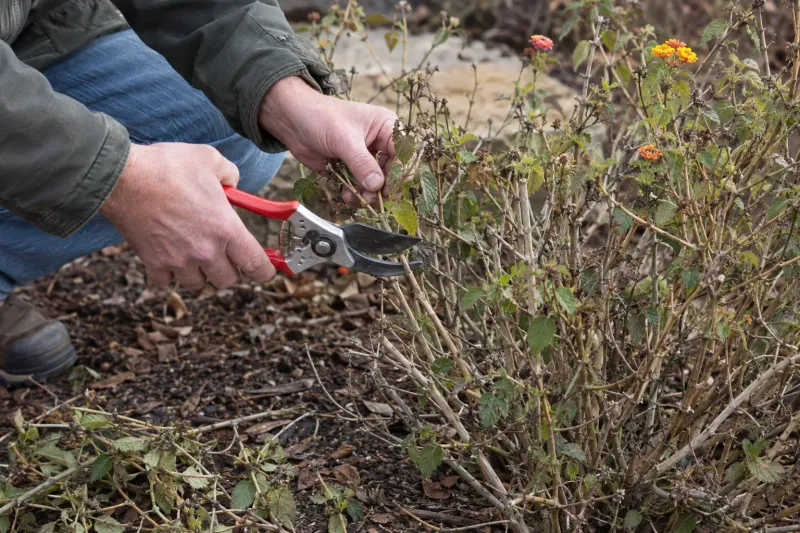
Lantana can look worn out by late fall, and many gardeners reach for the shears right away. That urge makes sense, but the timing of the cut matters a lot in North Carolina.
Whether your plant returns at all depends on where you garden and which lantana you grow. Here is what Extension guidance says about when to cut, how far to cut, and what to expect afterward.
A hard late-fall cut is not the North Carolina default
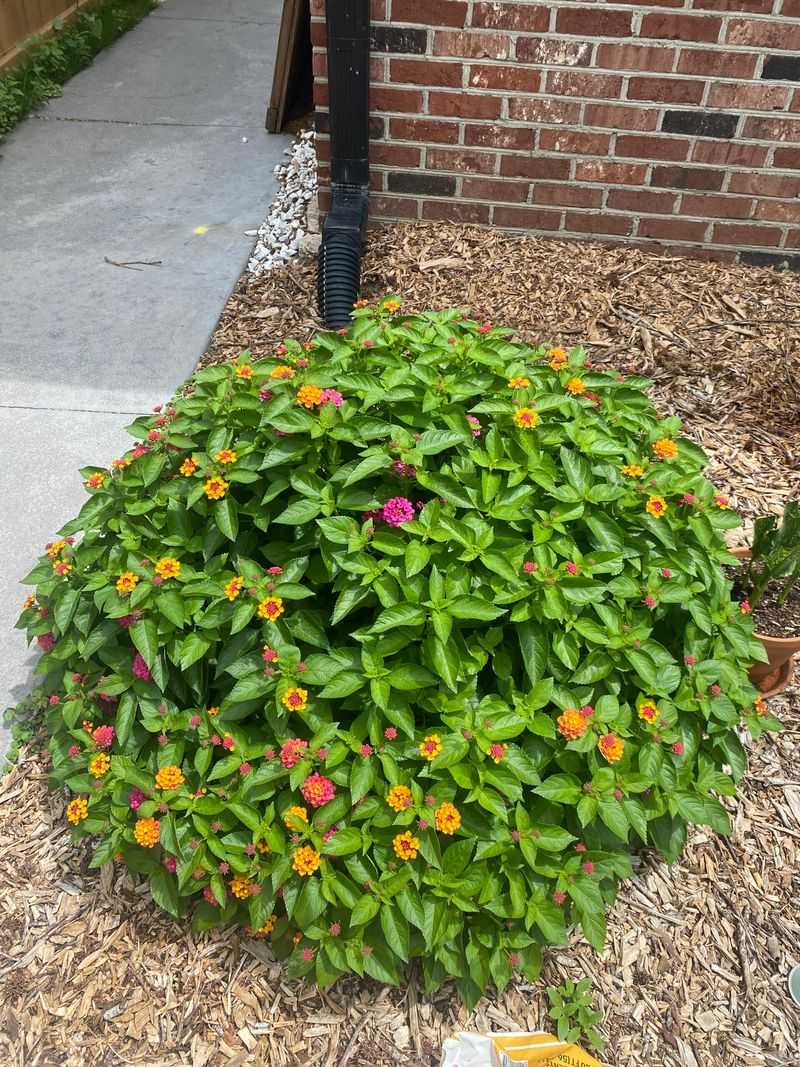
The idea behind the original headline is popular: give lantana one big cut before winter and it will come back bushier. For North Carolina gardeners, that promise does not hold up.
A severe late-fall cut is not a dependable way to get fuller spring growth, and it can work against you.
Clemson Extension takes a different approach. According to Clemson’s lantana fact sheet, gardeners who hope to keep hardy lantana through winter should avoid hard fall pruning.
The woody stems stay in place through fall and winter, and the cutting happens in spring. Hard fall pruning can reduce the plant’s cold hardiness, which is the opposite of what you want before freezing weather arrives.
You may come across advice that says otherwise, so it helps to know where it comes from. UF/IFAS guidance says lantana can be cut nearly to the ground at the end of the growing season, and it says the next flush will carry more flowers.
That is Florida advice, written for a much milder climate. It is not a North Carolina recommendation.
North Carolina winters vary from the coast to the mountains, and a cut that suits Florida may leave a plant exposed here. If you want to preserve lantana as a perennial, Clemson’s more cautious approach is the better fit for your beds.
The sections ahead cover when your plant is likely to return, why the stems stay, and when to make the spring cut.
Lantana’s return depends on location and cultivar
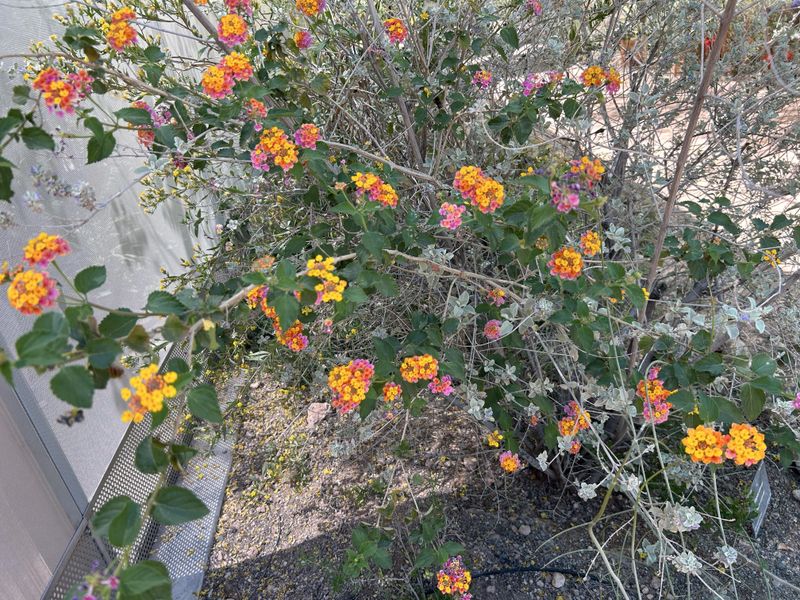
Before you decide how to prune, ask a simpler question: is your lantana likely to survive winter at all? Some gardeners treat lantana as a perennial, and others replant it every year.
The right plan depends on which group you fall into.
According to NC State Extension, lantana is perennial in warm coastal parts of North Carolina. Farther inland, the picture changes.
In the Piedmont, only certain cultivars are frost-hardy, and NC State names ‘Miss Huff’ and ‘Ham and Eggs’ among them.
Those details come with limits. Living in the coastal plain does not guarantee your plant will come back after every cold snap, and growing a hardy cultivar in the Piedmont does not promise survival either.
A sheltered spot near a south-facing wall may help, while a low, soggy bed can be harder on roots. Treat the extension notes as a guide to what is possible, not a pledge.
For other parts of the state, including the mountains, there is no firm expectation to lean on here. If you garden in a colder area, it is reasonable to see lantana as a seasonal color plant and enjoy it that way.
A practical step is to check the tag or your records for the cultivar name. If you cannot find it, watch how the plant behaves after winter and note what you see.
That record will tell you more about your own yard than any general rule.
Why leave hardy lantana’s woody stems through winter?
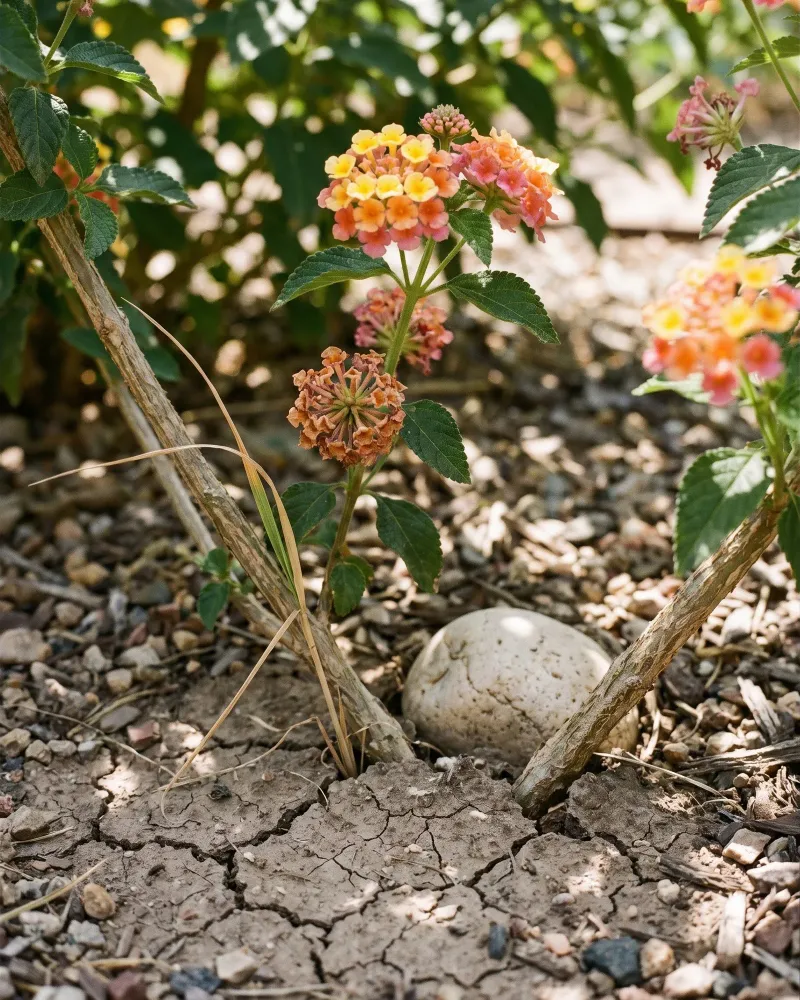
Those brown, scraggly stems may not look like much in December, but Clemson Extension suggests keeping them. The reason is cold hardiness.
As the Clemson Extension fact sheet explains, hard pruning in fall can reduce how well lantana handles winter cold.
Think of the old stems as a bit of cover. Cutting them back to a few inches leaves the plant with less above ground at the very time freezing weather is on the way.
Leaving the stems through fall and winter avoids that trade.
This advice has a specific audience. It applies to lantana you hope to preserve as a perennial.
If you grow lantana as an annual and plan to pull it out after frost, there is no reason to protect those stems, and you can clear the bed whenever you like.
Leaving stems in place is also not a guarantee. A hard freeze can still kill a plant, especially a tender cultivar or one growing in the colder parts of the state.
The goal is only to avoid making survival harder than it needs to be.
If the bed looks untidy over winter, a little patience helps. A layer of mulch around the base is a common way to add some protection without touching the stems.
Then watch the plant in late winter for signs of life, such as green buds along the lower wood.
Prune surviving plants when spring growth begins
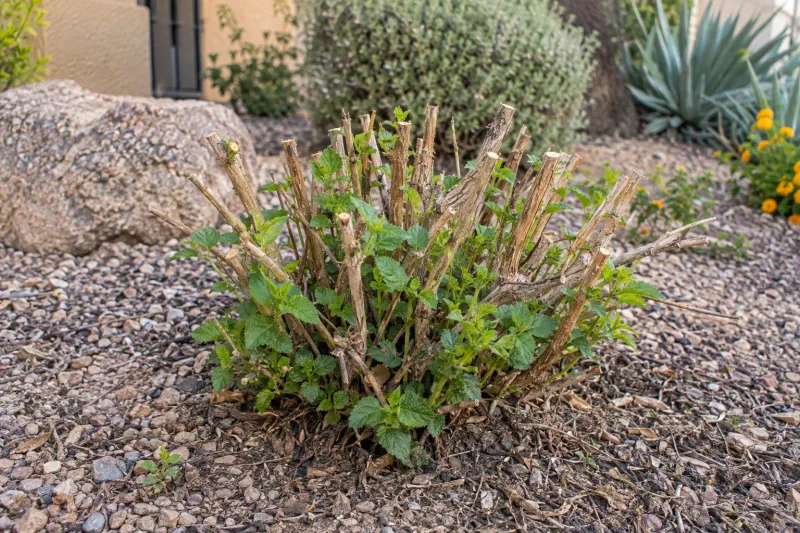
Spring is when the shears come out. Once your lantana starts growing again, remove the old growth and cut the stems back to roughly 6 to 12 inches, as Clemson Extension recommends.
The new growth will come from the lower parts of the plant.
There is no single date that works across North Carolina. A coastal garden may wake up weeks before one in the Piedmont, and a warm spot beside a house may leaf out sooner than an open bed.
Let the plant tell you. When you see fresh green shoots or buds swelling on the stems, it is time to cut.
Look closely before you cut. Dead wood is usually dry, brittle, and brown inside, while living wood shows some green.
If a stem snaps cleanly with no color, trim it back until you reach live tissue or the lower end of that 6 to 12 inch range.
Be patient if growth looks slow. Lantana often waits for warm soil, and some plants emerge late in spring.
Cutting too early, before you can tell what is alive, risks removing more than you need to.
After the cut, clear away the old trimmings and add a light layer of mulch. If no growth appears by early summer, the plant may not have survived, and that is a good moment to replace it with a hardier cultivar.
More shoots do not guarantee more flowers
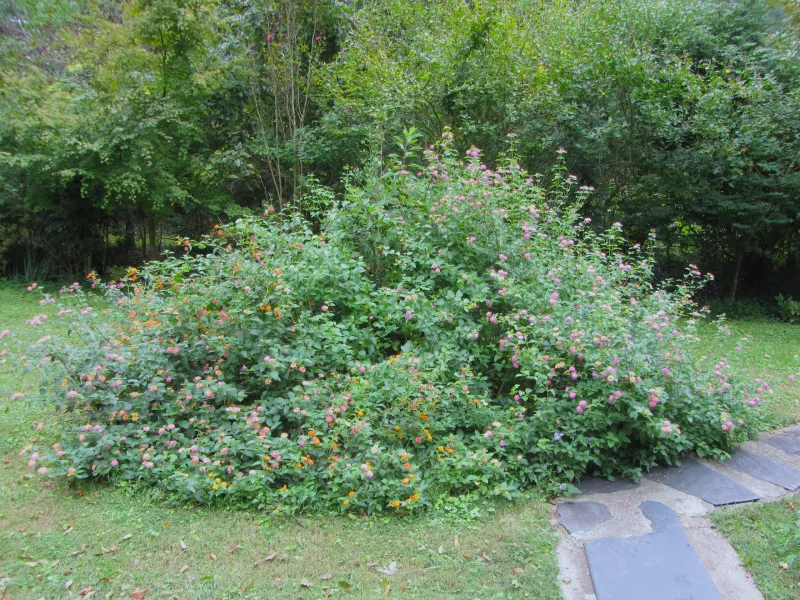
It is natural to expect that cutting a plant hard will make it fuller and more floral. A 2024 study from UC Agriculture and Natural Resources tested part of that idea, and the result was more modest than the claim.
Researchers looked at severe early-season pruning of one lantana cultivar at one Southern California site.
Pruned plants produced more shoots. But they did not grow lower or more compact, and flowering was not enhanced.
Pruned plants also reached peak bloom later than the unpruned ones.
That is a narrow result, and it helps to read it carefully. The study did not test late-fall pruning, so it says nothing about the pre-winter cut in the original headline.
It also covered a single cultivar in California, so it cannot tell you how every lantana in North Carolina will respond. And it does not show that pruning never encourages branching, since more shoots did appear.
The practical message is to keep your expectations realistic. A spring cut to 6 to 12 inches removes old wood and gives the plant room to push new growth.
That is a reasonable reason to prune, but a fuller shape or heavier bloom is not guaranteed.
Notice what your own plants do. If one cultivar blooms later after a hard cut, you may decide to cut a bit higher next year.
Your garden notes can fill in what a single study cannot.
Handle lantana carefully while pruning
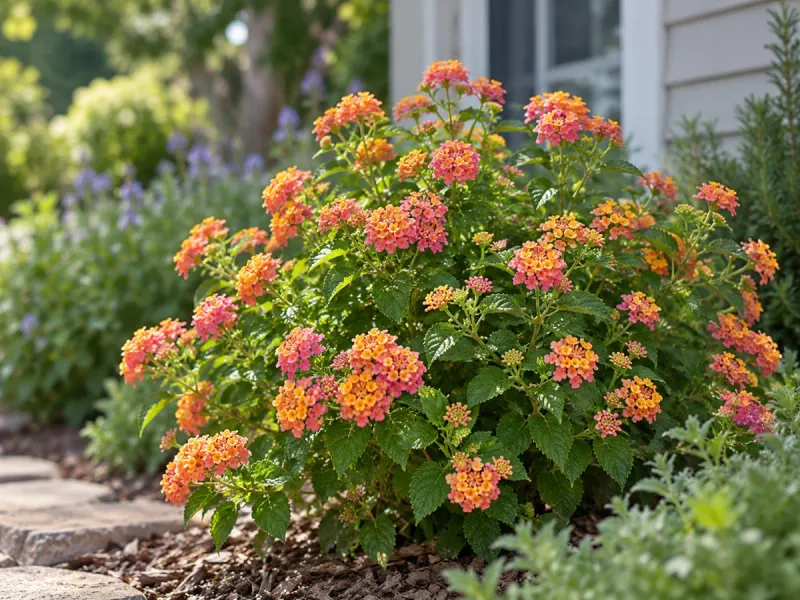
Before you make the spring cut, put on gloves. NC State Extension identifies lantana as toxic if eaten.
It also says the leaves and unripe green berries can irritate skin.
Long sleeves and gloves are sensible, and washing your hands afterward is a simple habit. Most people will not have a problem from careful handling, but a sensitive reaction is possible, so there is no reason to skip basic protection.
The bigger concern is ingestion. Do not eat any part of the plant, and keep cuttings away from children and pets.
Gather the trimmings promptly into a bucket or bag instead of leaving piles on the lawn or patio where a curious dog or toddler could find them.
With those small steps in place, the job stays easy. Lantana rewards a little patience in spring, and a few minutes of care keeps the work safe for everyone in the yard.