
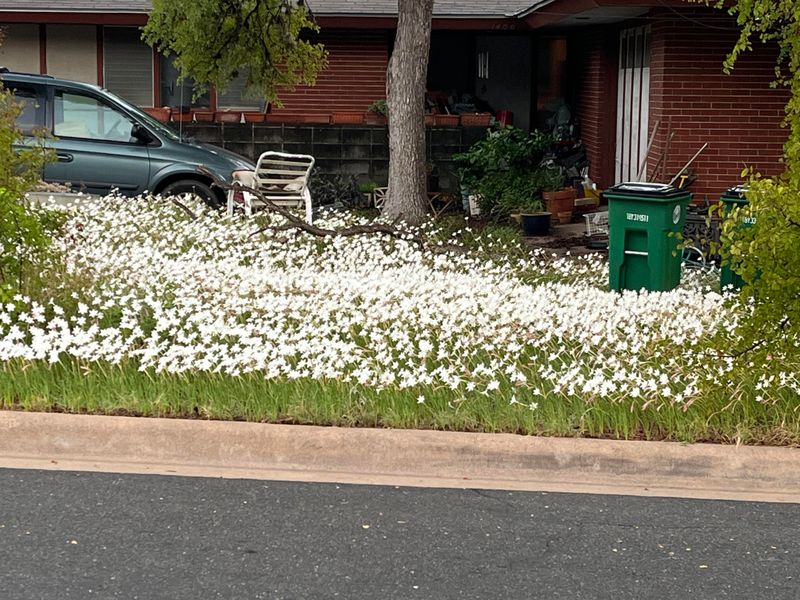
Winter is planting season in Central Texas, even if the calendar says otherwise. Roots grow strong in cool soil, so natives planted now are ready to face triple-digit heat next summer.
The tricky part is finding rain lilies, Texas lantana, and other natives before the good stuff sells out. Here are the places local gardeners actually shop, swap, and dig.
1. Native Plant Society of Texas Chapter Sales
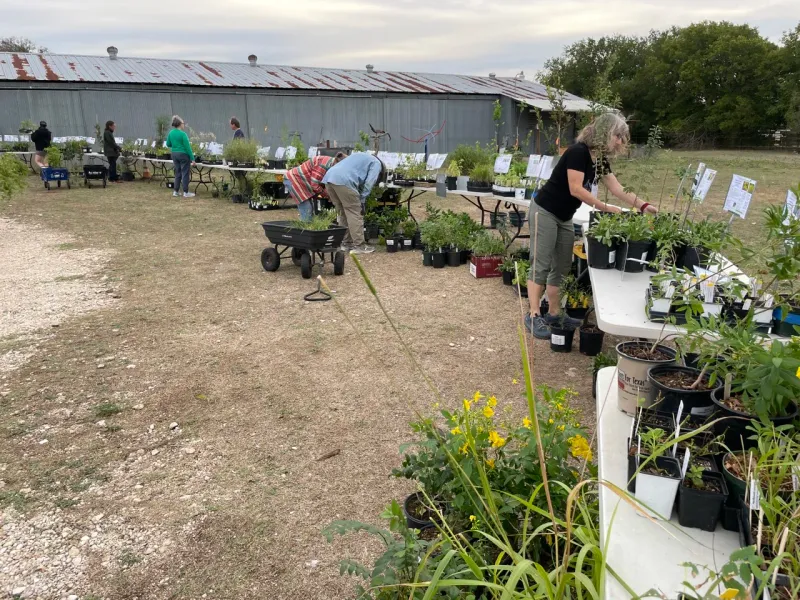
Picture a folding table under a live oak, stacked with pots someone grew in their own backyard. That scene repeats across Central Texas every fall when Native Plant Society of Texas chapters hold their sales.
Chapters in Austin, San Marcos, Georgetown, and Boerne often sell plants that big stores never carry, like Gregg’s mistflower, zexmenia, and sometimes rain lily bulbs. Prices tend to be fair, and the sellers can tell you exactly how a plant did in their own clay or caliche.
Check your local chapter’s website in September and October, because sale dates move year to year. Bring a wagon and arrive early, since the rare stuff may be gone within the first hour.
2. Lady Bird Johnson Wildflower Center Plant Sales
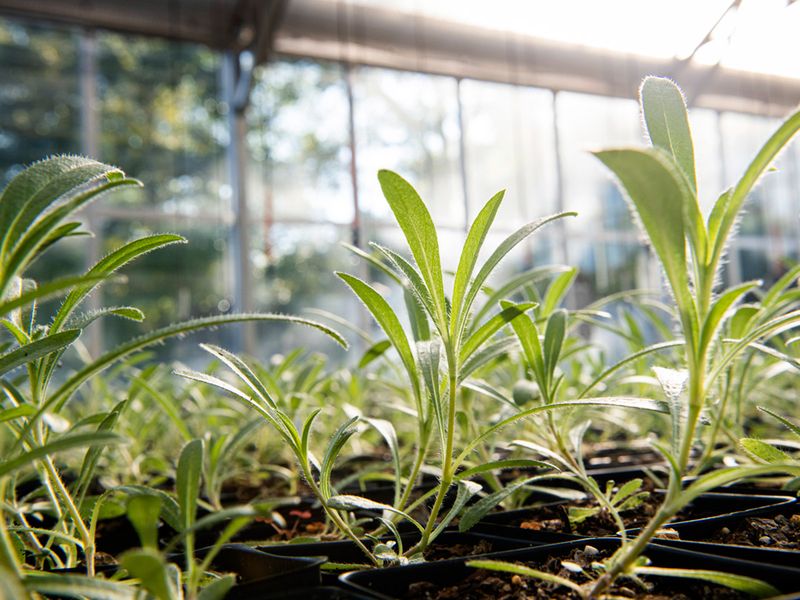
Few places in Texas carry more native plant credibility than the Wildflower Center in southwest Austin. Its seasonal sales draw crowds for good reason.
Expect a wide mix of perennials, grasses, shrubs, and small trees suited to Hill Country conditions. Many plants come labeled with sun needs and water use, which makes planning a drought-ready bed much easier.
Members usually get early shopping access, and that perk can matter if you want something specific like Turk’s cap or a cenizo in a bloom color you love. If you miss the sale, the center’s online plant database still helps you build a smart shopping list for other nurseries.
3. Independent Native-Focused Nurseries
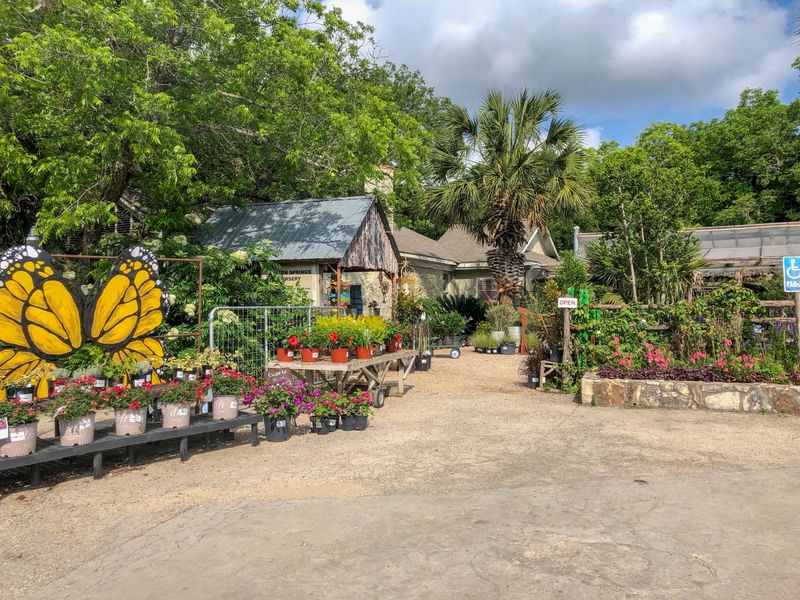
Here is a little secret: the best native selection often hides at small, family-run nurseries rather than the big garden centers. Owners at these shops choose stock based on what survives August, not what looks flashy on a pallet.
Around Austin and San Antonio, places such as Barton Springs Nursery, Native Texas Nursery, and The Natural Gardener are well known among local gardeners for native and adapted plants. Inventory changes weekly, so a quick call before driving across town can save you a trip.
Ask staff what just came in. They may point you toward fall-planted natives like flame acanthus or autumn sage that settle in nicely over winter.
4. Specialty Bulb Growers and Online Sellers
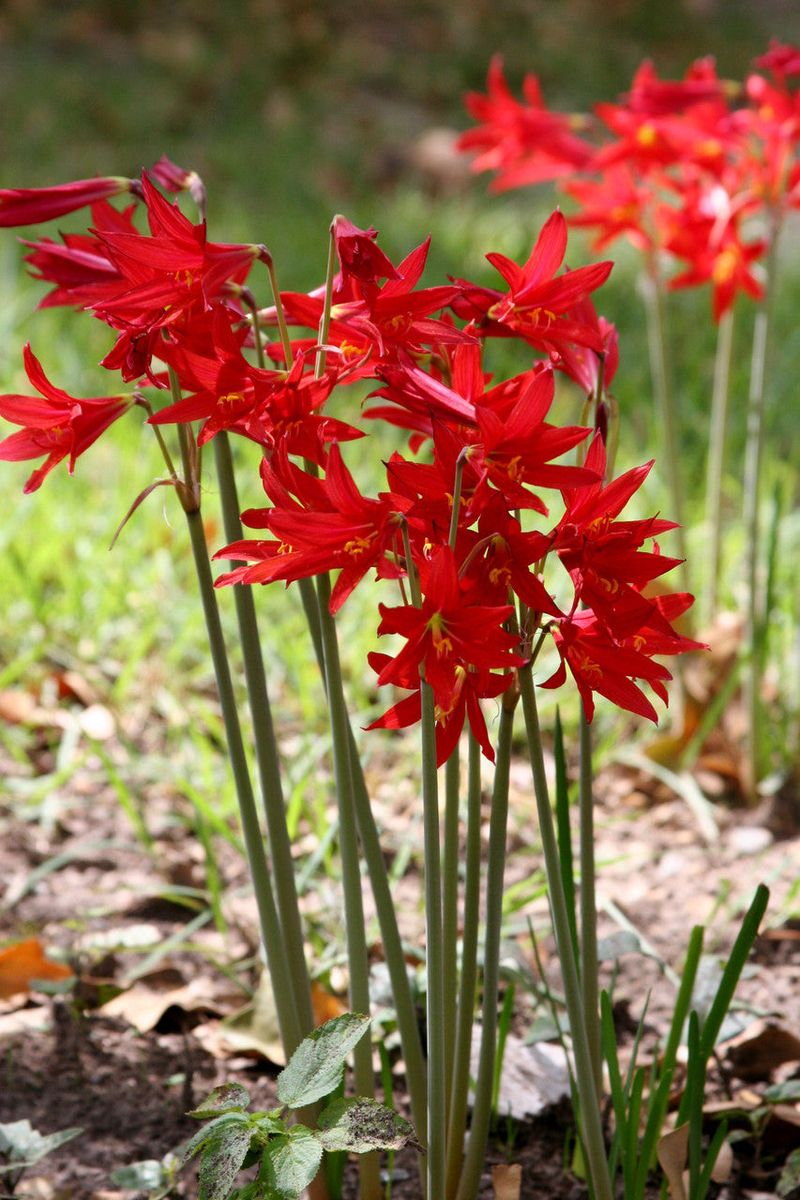
Oxblood lilies have a story worth knowing. Brought to Texas by German settlers in the 1800s, they now pop up across old Hill Country yards each September.
Bulbs like these, along with native rain lilies and copper lilies, can be tough to find in stores. Texas-based specialty sellers, including the well-known Southern Bulb Company, focus on bulbs proven to handle Southern heat and mild winters.
Order early in fall, because popular varieties sell out quickly. Plant them in well-drained spots before soil cools too much, and they may naturalize for decades with almost no care.
5. Master Gardener and Extension Plant Sales
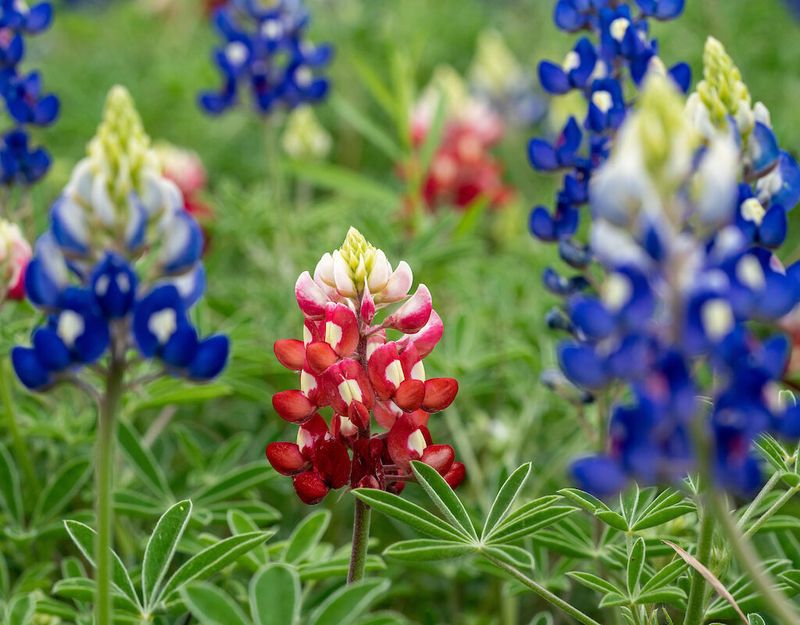
Want plants vetted by people who test them? Texas A&M AgriLife Extension Master Gardener groups host sales in many Central Texas counties, from Travis and Williamson to Bexar and Hays.
Volunteers often propagate plants from demonstration gardens, so you can see how full-grown versions perform. Many sales feature Texas Superstar plants, a program that highlights tough selections tested across the state.
These events usually run in spring and fall. Bring questions about soil, sun, or deer pressure, because a volunteer with real answers is often standing right beside the table.
6. Neighborhood Plant Swaps
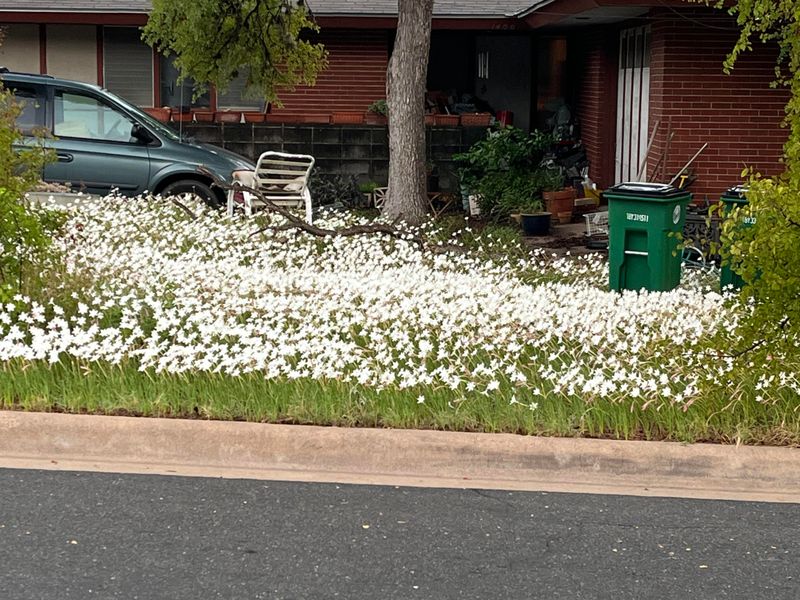
My neighbor once handed me a grocery bag of rain lily bulbs and said, just stick them anywhere. Three years later, they bloom after every storm.
Swaps happen through garden clubs, libraries, and community groups, and they are among the cheapest ways to grow a native bed. Fall is prime time, since many gardeners divide crowded clumps of bulbs and perennials before winter.
Bring labeled extras to trade, even simple cuttings or seed packets. Inspect soil for fire ants or weeds before planting, and you can fill a bare corner for nearly nothing.
7. Local Facebook Groups and Online Marketplaces
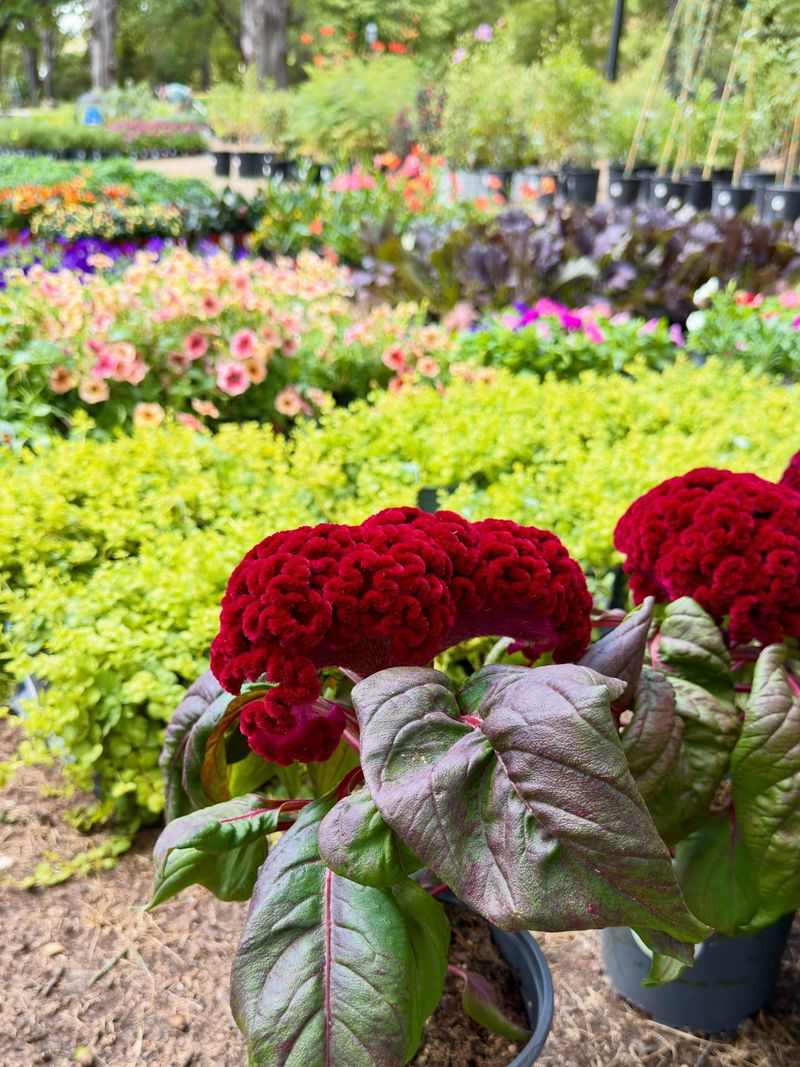
Scroll through any Central Texas gardening group in October and you will spot posts offering free Turk’s cap seedlings, spare bulbs, or surplus pots from a backyard grower.
Regional groups and marketplace listings can connect you with hobby propagators who sell natives at modest prices. Some even share where they found hard-to-get species, which helps when your usual nursery runs dry.
Use a little caution. Ask for clear photos, confirm the plant name, and avoid anything dug from public land, since collecting from parks or roadsides may be illegal.
8. Botanical Gardens and Arboretum Events
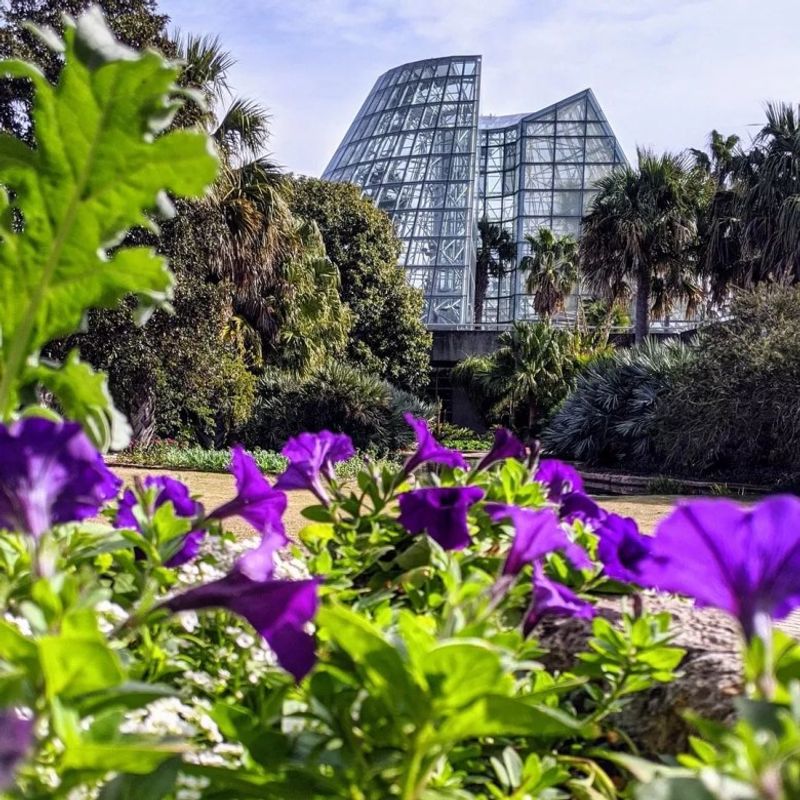
Botanical gardens offer something extra: a chance to see mature plants before buying young ones. Seeing a full-size cenizo or mealy blue sage in a garden bed beats guessing from a tag.
The San Antonio Botanical Garden and similar spots hold periodic plant sales and native gardening events. Proceeds support the gardens, so your purchase helps a bigger cause too.
Watch event calendars from September through February, which roughly covers Central Texas’s best planting window. Once your list is ready, plant before late winter so roots can settle in ahead of summer heat.
A few smart stops now can mean a tougher, prettier yard by June.