
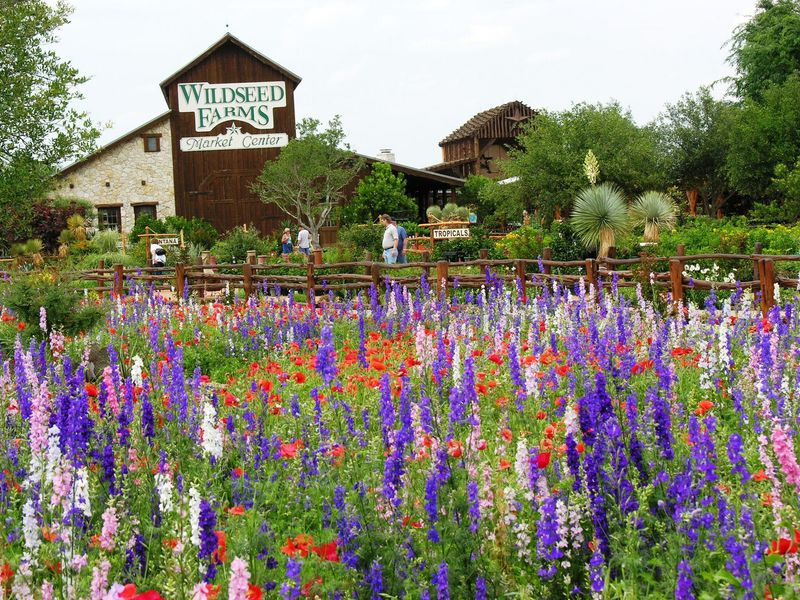
Every fall, Central Texas gardeners face the same race against the calendar. Bluebonnets, Indian blankets, and other spring wildflowers need to go into the ground between September and early December so they can sprout with fall rains and root in over winter.
Wait too long, and the best local seed sells out or your spring meadow comes up thin. Here are the places real Texas gardeners turn to for native seed that actually grows here, plus tips for getting it in the ground on time.
1. Native American Seed in Junction
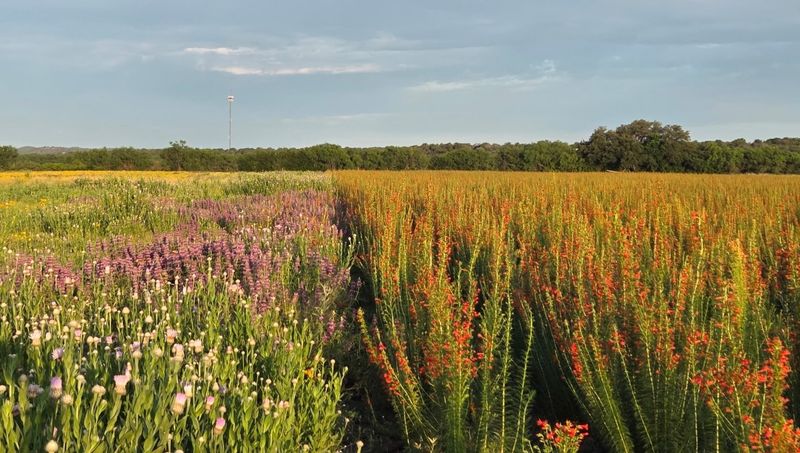
Ask a room full of Hill Country gardeners where their bluebonnets came from, and a surprising number will name a small town on the Llano River. Native American Seed, based in Junction, has been collecting and growing Texas native seed for decades.
Much of their stock is harvested from Texas ecotypes, which means plants adapted to our caliche, clay, and summer heat.
Their catalog covers single species and regional mixes, from Texas bluebonnet and winecup to little bluestem and sideoats grama. You can order online and have seed shipped, which helps if you live far from a good nursery.
Their planting guides also explain seed-to-soil contact better than most packet instructions.
Popular items like scarified bluebonnet seed can run low by late fall. Ordering in September or early October gives you the widest choice and plenty of time to plant before winter.
2. Wildseed Farms in Fredericksburg
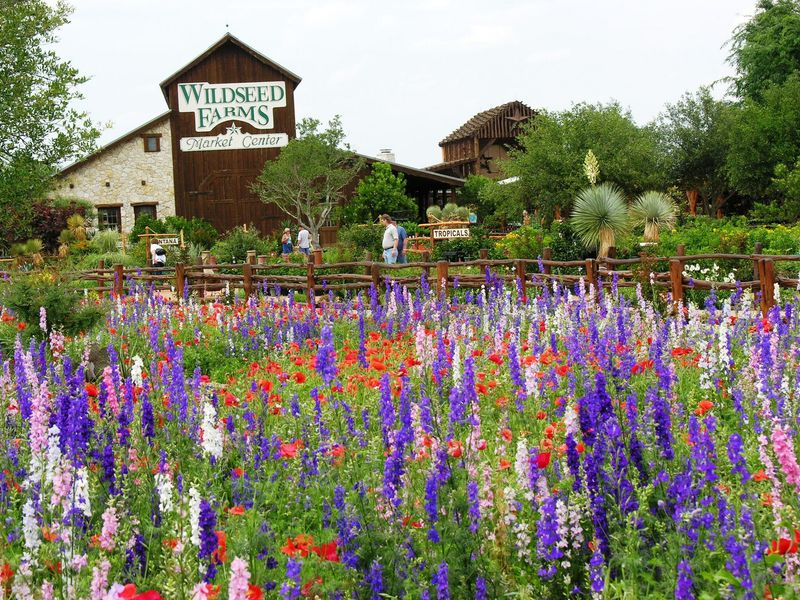
Few seed sources double as a day trip. Wildseed Farms, just east of Fredericksburg on Highway 290, grows wildflowers on hundreds of acres and sells seed in its market center.
Walking through the display beds gives you a real sense of how a mix will look once it blooms.
Their bulk seed and mixes are easy to find, and staff can point you toward options for sun, shade, or rocky ground. Keep in mind that some of their blends include non-native species like corn poppies.
That can be lovely in a cottage-style bed, but if you want a strictly native planting, read the label and pick Texas-only species.
Fall visits are quieter than spring, which makes it easier to ask questions. Grab a peach cobbler while you are there.
3. Lady Bird Johnson Wildflower Center Plant Sales
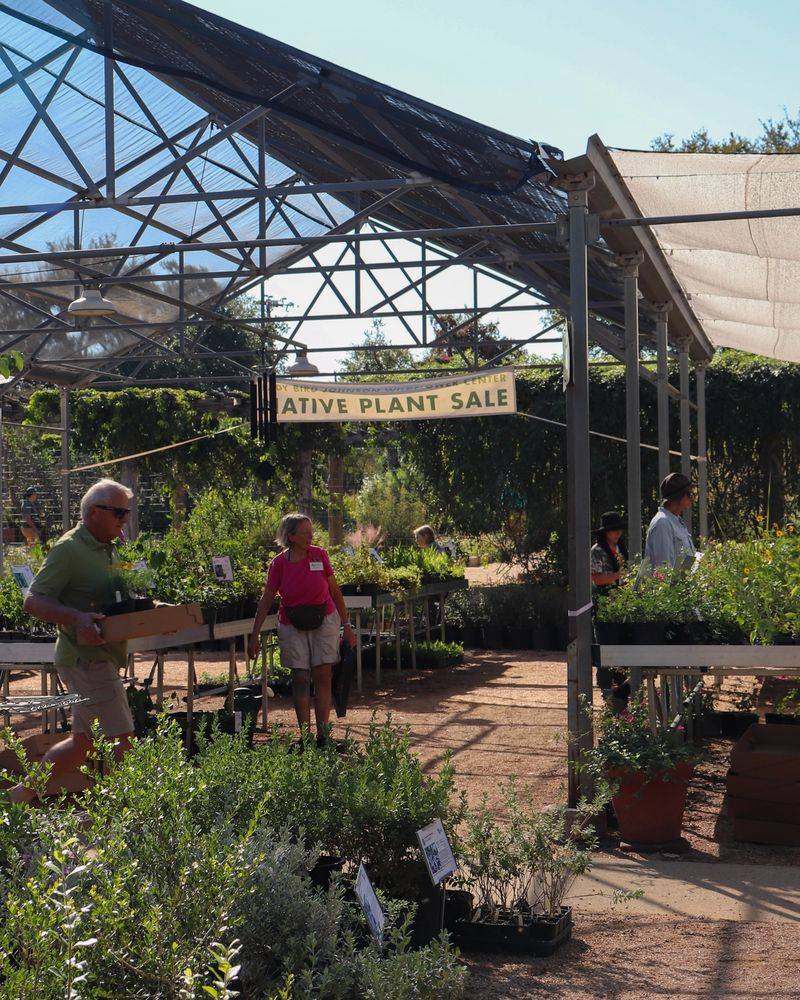
Lady Bird Johnson once said that wildflowers give us a sense of where we are. The Austin center bearing her name is still one of the most trusted voices on Texas natives.
Its seasonal plant sales and gift shop often carry seed alongside potted perennials.
The real bonus is the expertise. Volunteers and staff can tell you which species suit your soil, how much sun a patch needs, and whether something will spread too aggressively.
The center’s online Native Plant Information Network is free and useful for checking any seed you buy elsewhere.
Watch their calendar for the fall sale, usually in October. Members often get early access, which matters when the most popular Texas natives go quickly.
4. Independent Native Plant Nurseries
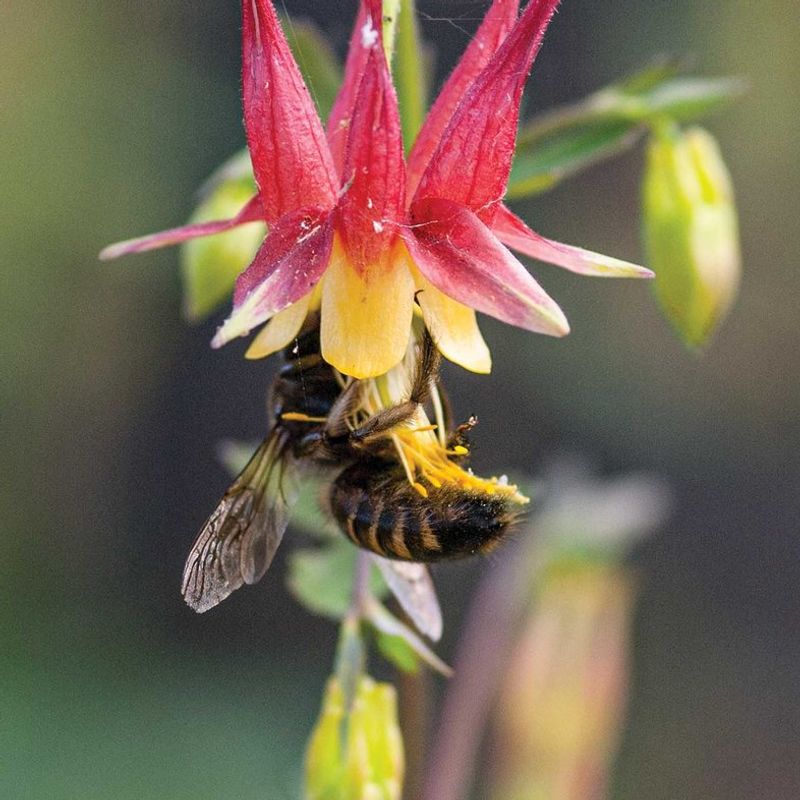
Local nurseries quietly do some of the best work in Central Texas. Shops like The Natural Gardener and Barton Springs Nursery in Austin, or Rainbow Gardens in San Antonio, stock seed racks chosen with local conditions in mind.
Many smaller garden centers across the region do the same.
Buying locally lets you see packing dates and talk to someone who gardens in your zip code. Staff often know which species flopped in last year’s drought and which ones came back strong.
That kind of field report beats any catalog description.
Call ahead before driving out, since fall seed stock can shift weekly. A quick phone check saves gas and frustration.
5. Native Plant Society of Texas Chapters
Some of the best seed in Texas never touches a store shelf. Chapters of the Native Plant Society of Texas hold meetings, plant sales, and seed swaps where members share seed collected from their own yards and properties.
You might walk away with Mexican hat, Gregg’s mistflower, or a rare local prairie species.
Swapped seed tends to come with stories and growing advice. Members often know exactly how a species behaves in Travis, Williamson, or Hays County soil.
Prices are usually low or free, though bringing some seed to share is good manners.
Chapters exist in Austin, San Antonio, Georgetown, and many other towns. Check the state society website for fall event dates.
6. Texas Master Gardener and Master Naturalist Events
Picture a folding table under a pecan tree, piled with labeled seed envelopes and run by volunteers who clearly love what they do. That scene repeats every fall at Master Gardener and Master Naturalist events across Central Texas.
These groups work with Texas A&M AgriLife Extension, so advice tends to be research-based. Their fall plant sales and educational talks may include native seed, and volunteers can explain timing, soil prep, and how to handle rocky ground.
Search your county name plus Master Gardeners to find the local calendar. Events fill up fast in October.
7. Online Texas Native Seed Retailers
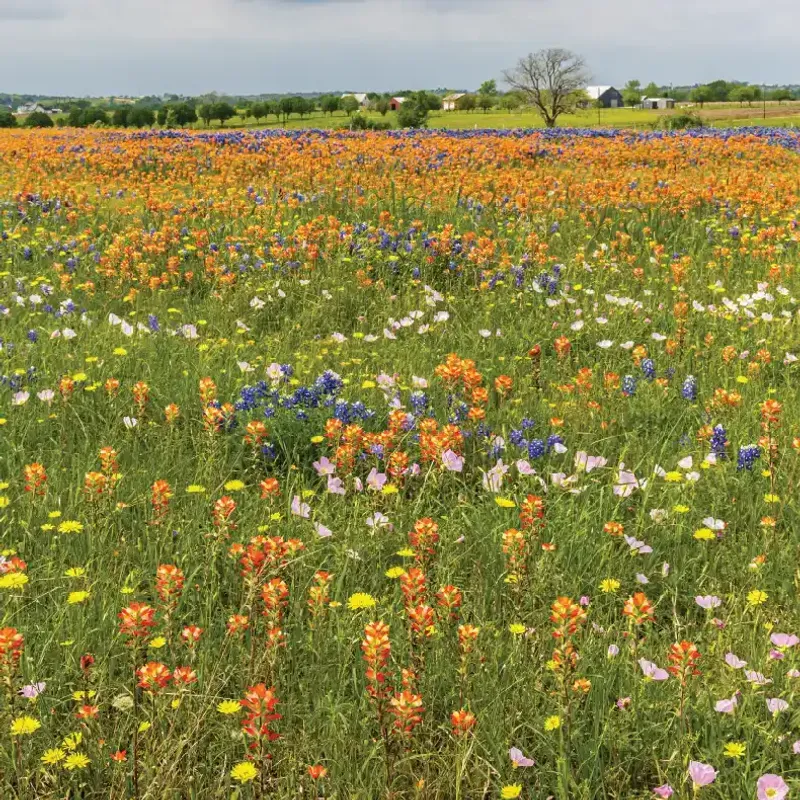
Not everyone can drive to Junction or Fredericksburg on a Saturday. Online sellers fill that gap, and several focus on Texas or Southern native mixes built for heat and drought.
Shop carefully, though. A mix labeled for Texas should list each species, and ideally say where the seed was sourced.
Generic national wildflower blends often contain species that struggle in Texas summers or are not native here at all.
Ordering online also makes bulk buying easy if you are seeding a large area. Expect shipping to take a week or more during busy fall weeks, so build in time.
8. Feed Stores and Farm Co-ops
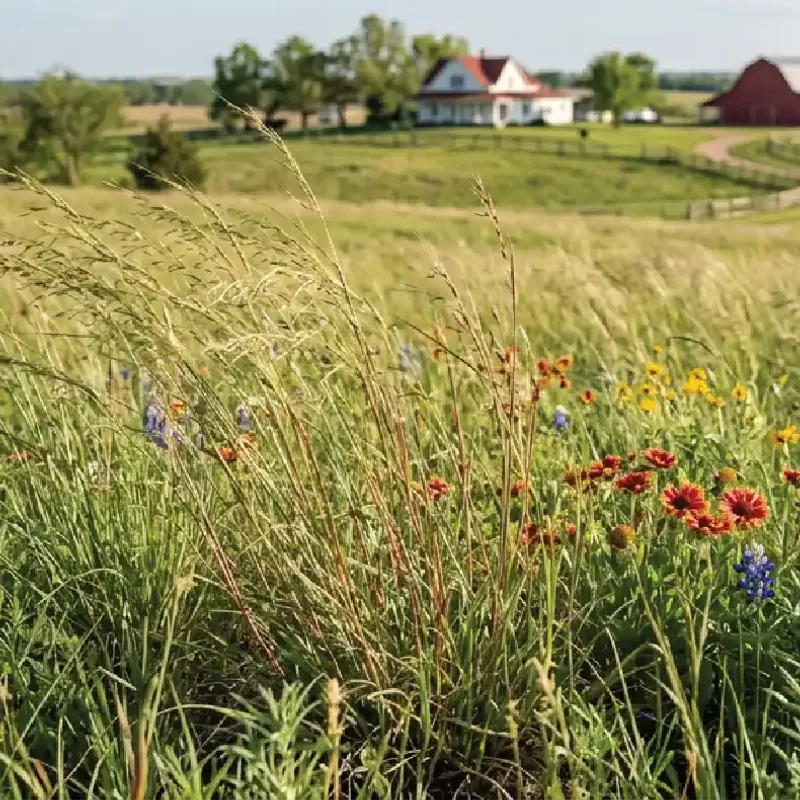
Here is a local secret. Plenty of small-town feed stores and farm co-ops in Central Texas sell native grass and wildflower seed by the pound, mostly for ranchers restoring pastures.
Homeowners can buy it too.
Prices per pound are often lower than retail packets, which matters if you plan to convert a chunk of lawn into a meadow. Ask about native grasses like sideoats grama, buffalograss, and little bluestem to give wildflowers a sturdy companion.
Bring questions, since staff may focus on livestock forage rather than flower beds. Read labels for species names before you buy.
9. Collecting Seed from Your Own Yard
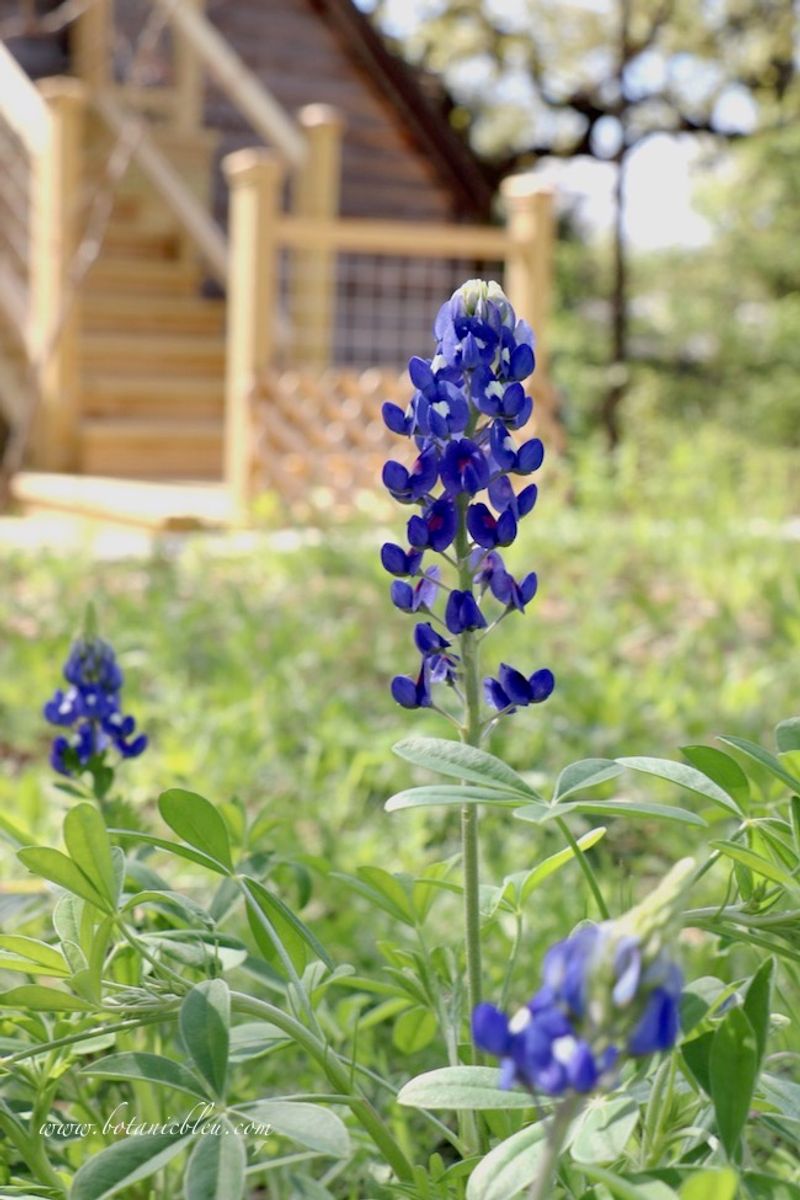
The cheapest seed source might already be in your backyard. If you grew bluebonnets, Indian blanket, or coreopsis last spring, letting a few patches go to seed gives you free stock adapted to your exact yard.
Collect pods once they turn dry and brown, then store seed in paper envelopes in a cool, dry spot. Bluebonnet pods can twist open and fling seeds, so gather them a little early and let them finish drying in a bag.
Never collect from roadsides or public parks without permission. With your own saved seed plus a few new species, you can plant by early November and enjoy a fuller meadow next spring.