
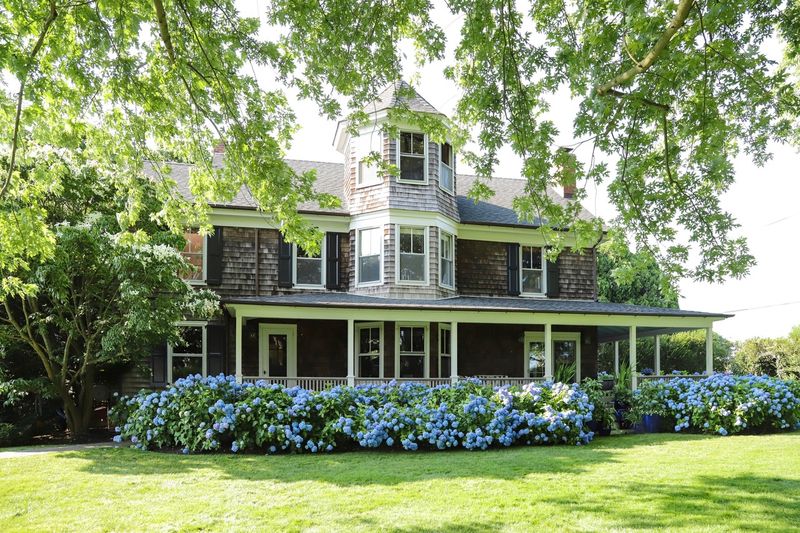
Hydrangeas planted in the wrong spot along your house can go season after season with barely a bloom, leaving you wondering what went wrong. The side of the house matters, but it is only one piece of a larger puzzle that includes light timing, heat, drainage, and the type of hydrangea you chose.
Understanding what your planting site actually delivers throughout the day gives you a much better shot at fixing the problem or choosing a better spot from the start.
The east side is a shortcut, not the whole answer
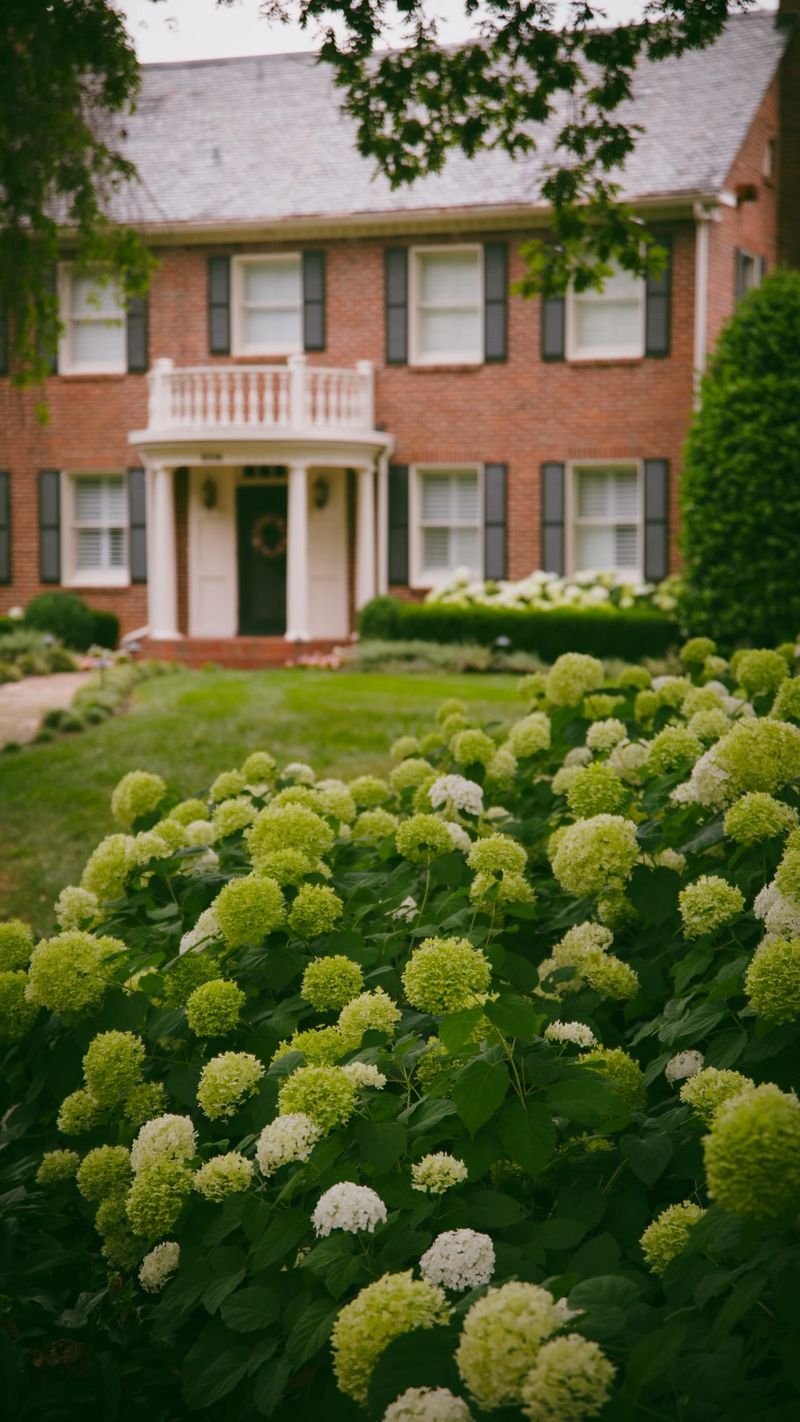
Many Southern gardeners have heard that the east side of the house is the place to put hydrangeas, and for bigleaf types in hot climates, that advice often holds up well. An east-facing bed typically catches gentler morning sun and escapes the punishing heat that builds on west- and south-facing walls during summer afternoons.
But compass direction alone does not tell the whole story, because the actual conditions in any bed depend on trees, fences, walls, pavement, roof overhangs, and how the sun moves across your specific yard through the seasons.
A shaded east bed under a dense tree canopy may receive too little light to produce strong flowering. A northeast exposure can work when it supplies adequate morning or filtered light and keeps the plant out of the worst afternoon heat, but a deeply shaded north-facing location often produces leafy growth with few blooms.
UGA Extension’s hydrangea guide notes that bigleaf hydrangeas perform best with morning sun, afternoon shade, and consistently moist, well-drained soil, while also cautioning against hot, dry, exposed sites.
The more useful question is not which compass direction to choose, but what conditions the site actually creates from sunrise to sunset. Light timing and intensity, reflected heat from nearby hard surfaces, soil moisture, drainage, the hydrangea species you planted, how and when you prune, and weather events like late frosts all influence whether your plant blooms.
Placement is a powerful lever, but it shares the job with several other factors that this guide covers in the sections ahead.
Bigleaf hydrangeas bloom best with gentler light
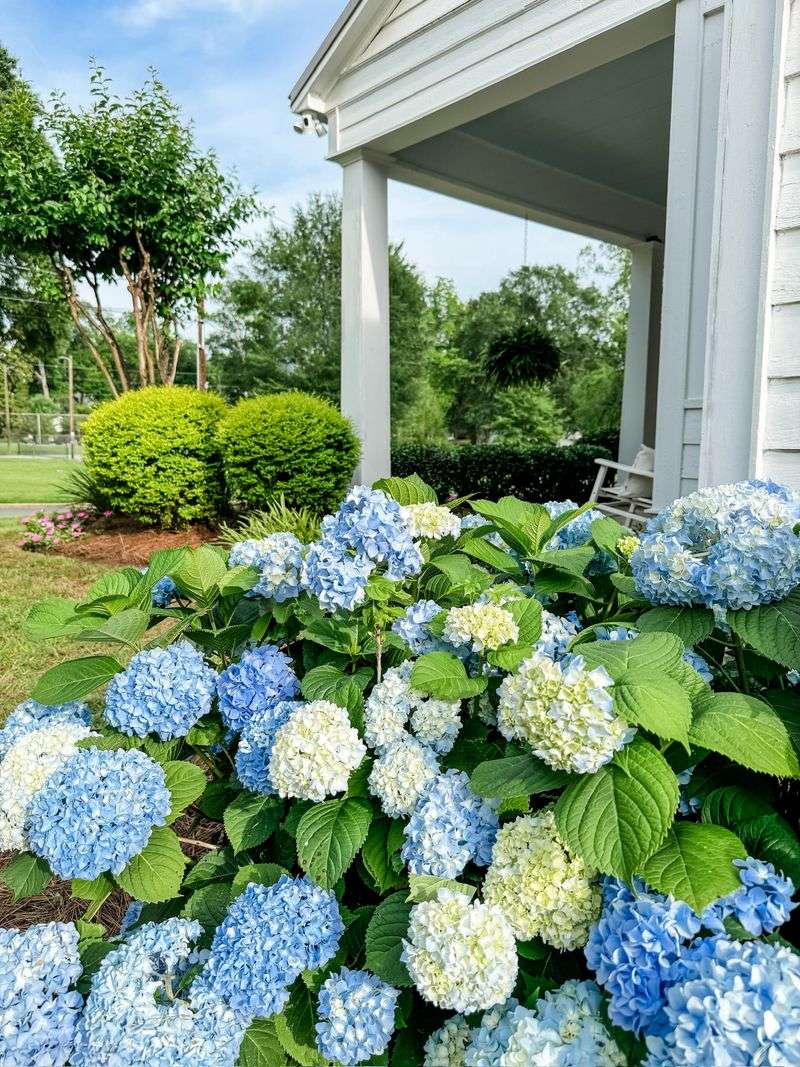
Bigleaf hydrangeas, the classic mophead and lacecap types most people picture when they hear the word hydrangea, are more sensitive to heat and sun intensity than many gardeners expect. In the Southern U.S., several hours of morning sun followed by protection from the hottest afternoon rays tends to produce the best results.
The timing and quality of that light matter just as much as the total number of hours, because mid-afternoon sun in July in Georgia or Texas carries far more heat energy than the same number of hours in the morning.
Hot west- or south-facing exposures can push bigleaf hydrangeas into chronic water stress, shorten the bloom display, and cause leaf edges or flower heads to scorch before they reach their peak. University of Maryland Extension’s hydrangea problem guide identifies excessive sun and heat as contributors to wilting, scorch, and poor performance in bigleaf types.
Full-sun placement also increases irrigation demand noticeably, which becomes a real maintenance burden during Southern summers.
Afternoon shade should not be confused with full shade, though. A bigleaf hydrangea tucked into deep, all-day shade under a tree canopy or on a heavily shaded north wall may stay green but produce very few flowers because it simply does not receive enough light to support strong blooming.
The goal is a site that offers real light earlier in the day and meaningful relief from the sun’s harshest hours, not a site that eliminates sun exposure altogether.
What does the bed actually experience during the day?
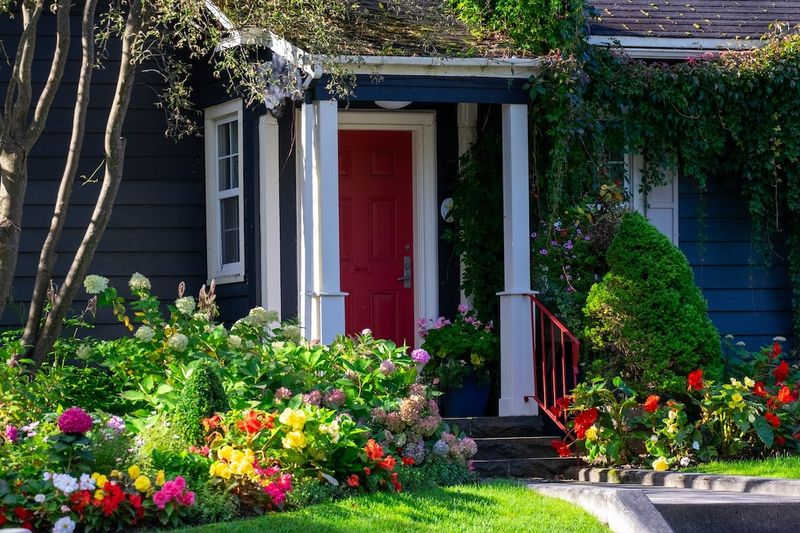
Checking a compass app or noting which direction your house faces gives you a starting point, but it does not replace actually watching a bed throughout the day. On a clear day during spring or summer, step outside and note when direct sun first reaches the proposed planting area and when shade begins to move in.
Do this in the season when your hydrangea will be growing and blooming, because the sun’s angle changes enough between winter and summer to shift which areas receive sun and for how long.
While you observe the light, assess the heat sources separately. Brick walls, concrete foundations, asphalt driveways, and stone or pavers absorb solar energy and release it back into the surrounding air, raising the temperature in an adjacent bed well beyond what the shade pattern alone would suggest.
UGA Extension’s microclimate guidance points out that these reradiated-heat effects can create meaningfully different growing conditions within just a few feet of each other. A wall or fence, by contrast, primarily changes shade, wind, and shelter rather than reradiating heat the same way hard paving does.
Also check where roof runoff flows and whether a downspout discharges near the area. Repeated saturation from roof drainage can create waterlogged soil even when the rest of the yard drains adequately, and UGA’s rain garden resources emphasize that any planting area receiving concentrated runoff needs to be engineered to drain and kept away from the foundation.
Drying wind exposure also belongs in your site assessment, since a bed on an exposed corner can lose soil moisture faster than a sheltered one.
Choose the hydrangea for the exposure you have
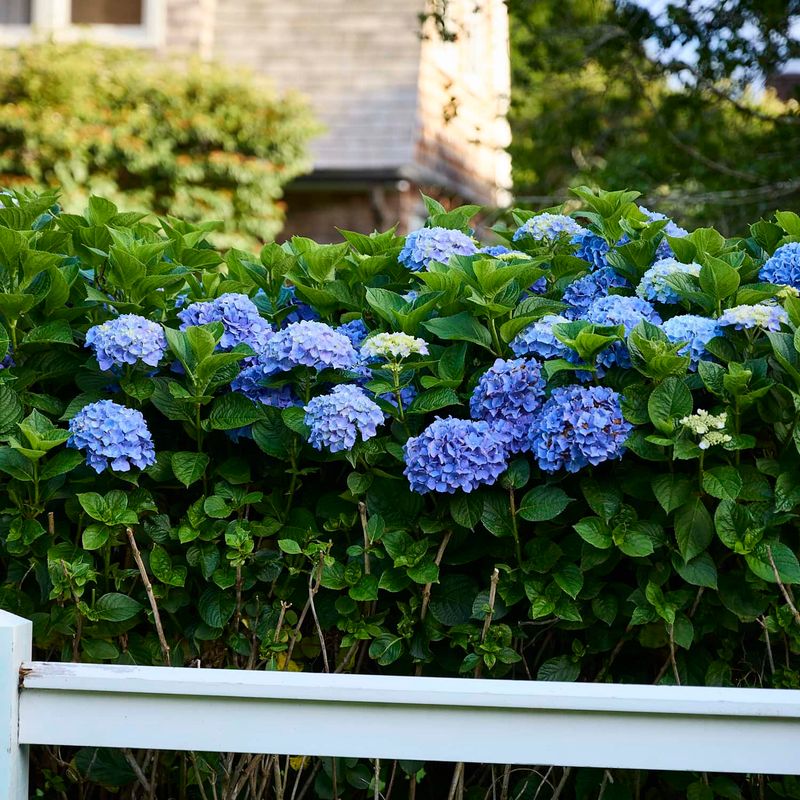
Rather than forcing a bigleaf hydrangea into a hot, sunny spot and hoping for the best, consider matching the species to the conditions your yard actually offers. Each hydrangea type has a different tolerance for sun, heat, and moisture, and that difference matters far more in a Southern summer than it does in a cooler climate.
Bigleaf hydrangeas generally need morning sun and afternoon protection, and UConn’s hydrangea factsheet confirms they are among the least tolerant of intense heat and drying exposure. Panicle hydrangeas handle full sun to partial shade better than any other common type and are generally the more dependable choice for sunnier beds, though they still perform best with adequate soil moisture and should not be treated as drought-proof.
Smooth hydrangeas prefer partial shade and reliably moist soil but can tolerate more sun than bigleaf types when irrigation is consistent.
Oakleaf hydrangeas are a strong option for hot Southern sites. They tolerate more sun than bigleaf types, handle summer heat reasonably well, and are native to parts of the Southeast.
UF/IFAS lists oakleaf hydrangea as suitable for portions of Florida within its hardiness range, though it is not a universal fit for every Florida climate, and south Florida gardeners in particular should verify regional suitability before planting.
Texas conditions vary just as widely. The Texas A&M Earth-Kind plant selector recommends choosing by local ZIP code and site conditions rather than a single statewide rule.
In hotter Texas exposures, panicle or oakleaf types are often more practical than traditional bigleaf hydrangeas, but cultivar-level verification for your specific region is still the safest approach.
Moist soil must still drain around the roots
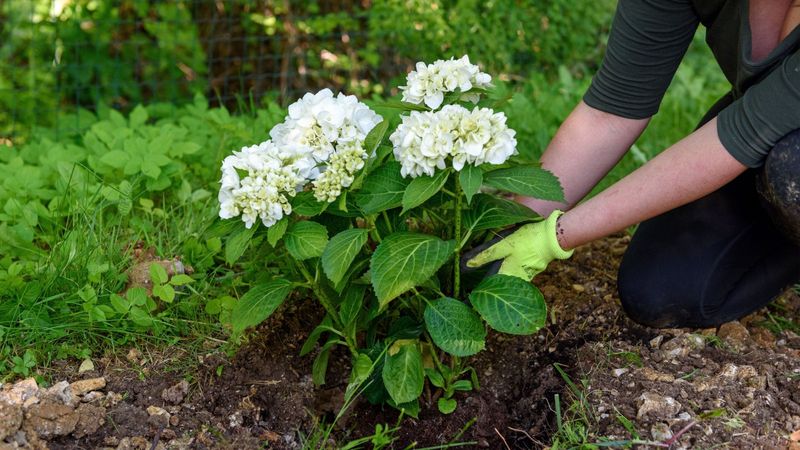
A well-chosen exposure can still produce a struggling plant if the root zone swings between drought and saturation. Hydrangeas want consistently moist soil, but roots sitting in waterlogged ground are just as problematic as roots in bone-dry soil.
Before reaching for the hose when leaves look stressed, push a finger or a trowel several inches into the ground near the root zone. A hydrangea that wilts on a hot afternoon but recovers by evening is often reacting to heat stress rather than a shortage of water, and adding more irrigation to already-moist soil can worsen root problems over time.
When the soil genuinely is dry, water deeply at the base of the plant rather than wetting the foliage. Texas A&M’s Earth-Kind water-efficiency guidance recommends deep, infrequent watering to encourage roots to grow downward rather than staying near the surface where they dry out fastest.
Lay two to three inches of organic mulch over the root zone to reduce evaporation and moderate soil temperature, but keep mulch several inches away from the stems to avoid rot.
Planting depth and location relative to the house also affect drainage. Set the root ball at or slightly above the surrounding grade where drainage is marginal, and never bury the crown or root flare.
UF/IFAS landscape planting guidance recommends at least 2.5 feet of clearance between a mature shrub and the foundation. Keep plants out of the roof dripline, away from downspout discharge points, and clear of compacted construction soil that can trap water around the roots and restrict establishment.
A bad bloom year may start somewhere besides the house side
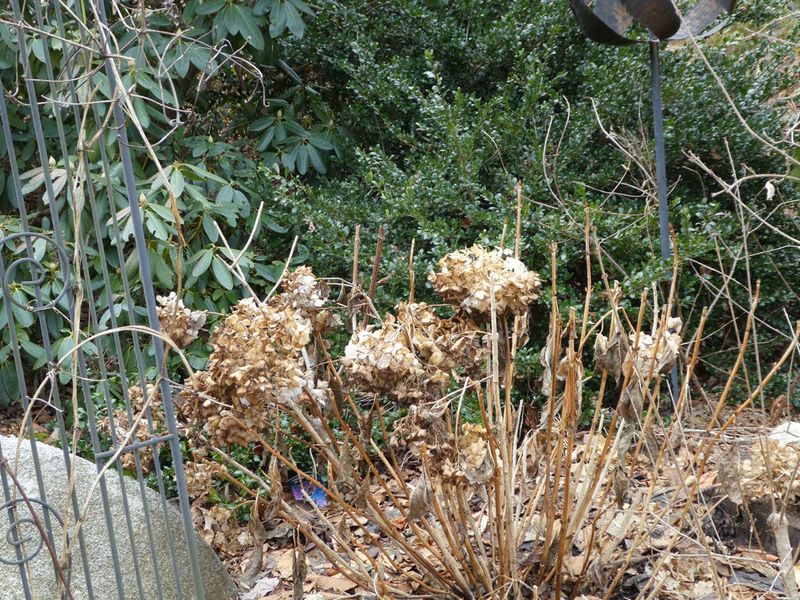
Before you dig up a hydrangea and move it to the other side of the house, run through the other reasons a plant might skip a bloom season. Placement matters, but it shares responsibility with pruning timing, winter injury, drought, browsing animals, and the specific cultivar you have growing in the ground.
Bigleaf and oakleaf hydrangeas generally bloom on old wood, meaning the flower buds for next summer form on the current season’s stems and must survive the winter intact. Heavy pruning in fall, winter, or early spring removes those buds before they ever open.
Penn State Extension’s pruning guide by species explains that timing a cut incorrectly is one of the most common reasons bigleaf hydrangeas fail to bloom. Smooth and panicle hydrangeas bloom on new wood grown in the current season, so late-winter pruning actually suits them well.
A late frost after buds have broken can wipe out a full season of blooms on old-wood types with no other warning sign. Deer browsing, which tends to increase in fall and early winter as natural forage thins, can remove entire sets of buds from accessible stems.
Penn State’s bloom-failure diagnostic also lists excess nitrogen fertilizer, which pushes leafy growth at the expense of flowers, and deep shade as common culprits. Reblooming bigleaf cultivars are more forgiving after pruning mistakes or frost damage because they can set buds on both old and new wood, but they are not immune to heat, drought, or a genuinely unsuitable site.
Identifying your hydrangea type before pruning or relocating it is the single most useful step you can take before the next growing season.
Use a conditions-first planting rule
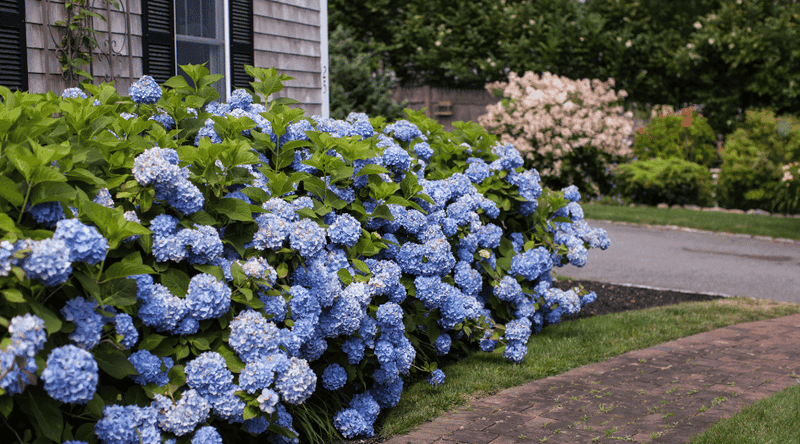
A practical planting rule that holds up across most Southern yards: give bigleaf hydrangeas a site with real morning light and reliable afternoon protection, verify that the soil drains between waterings while staying consistently moist, and allow enough room for the shrub to reach its mature size without crowding the foundation or roof dripline. For sunnier beds where afternoon shade is hard to come by, panicle or oakleaf hydrangeas are usually the more durable choice.
Florida and Texas gardeners should treat regional conditions as the filter for every decision. UF/IFAS landscape guidance for Florida emphasizes site-specific selection, drainage management, and cultivar verification rather than a single statewide formula.
The Texas A&M Earth-Kind selector applies the same ZIP-code-level logic for Texas, where soil type, water quality, and winter exposure vary enough to make one blanket recommendation unreliable.
The right house side can genuinely improve a hydrangea’s prospects, especially for bigleaf types that struggle in afternoon heat. What determines how dependable the flowering becomes over time is the combination of species match, microclimate conditions, root health, and consistent maintenance.
Getting the location right is the best first move you can make, and every other factor works better once the site is a reasonable fit for the plant.