
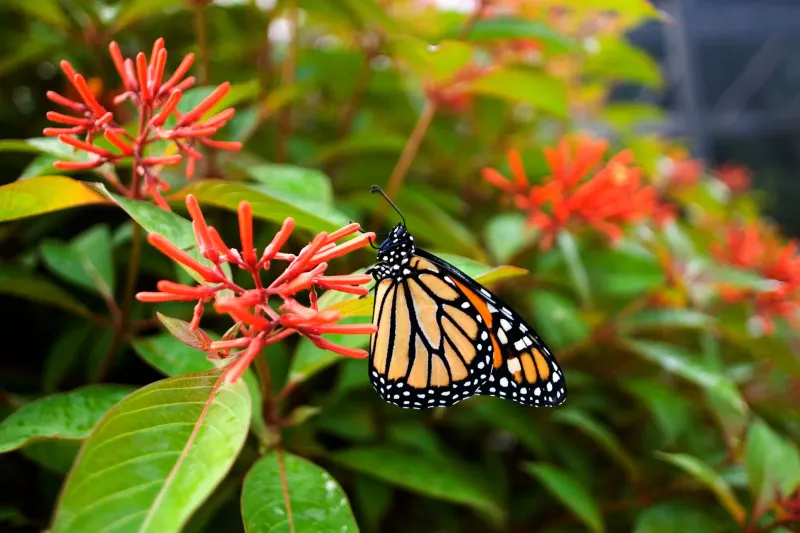
Florida yards can look worn out by the time fall arrives. Heat, sandy soil, heavy rain, and pests leave beds thin and tired.
Fall is a smart time to plant many natives because roots can settle in before next summer hits. These seven Florida-friendly choices bring color, wildlife, and easier care back to your yard.
1. Muhly Grass
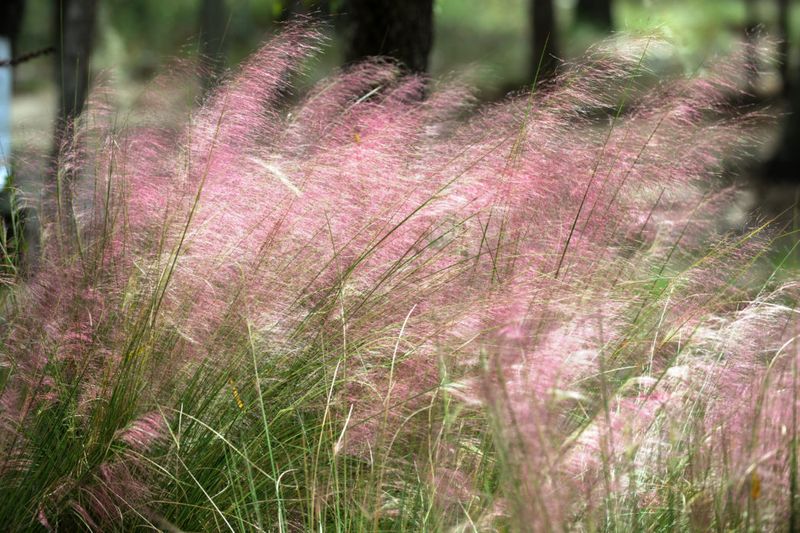
By October, a clump of muhly grass can look like someone plugged a pink cloud into the flower bed. That soft, hazy bloom is what makes it a standout for Florida yards that need fast curb appeal without fussy care.
Muhly grass, often called pink muhly grass, is a Florida native that handles sun, sandy soil, and dry spells once established. Plant it in fall so the roots can settle during cooler months, then give it room to form a loose, graceful mound.
It works especially well along driveways, mailbox beds, pool cages, and hot strips near sidewalks where many softer plants fade.
The big difference here is texture. While many fall-planted natives bring flowers, muhly grass adds movement and glow, especially when low sun hits the seed heads.
Birds may use the fine blades for cover, and the plant asks for little more than good drainage and a late-winter trim.
For the cleanest look, plant muhly in groups of three, five, or seven instead of one lonely clump. Avoid soggy spots, since constantly wet soil can weaken it.
In the right place, it turns a tired bed into something that looks planned, polished, and very Florida.
2. Firebush
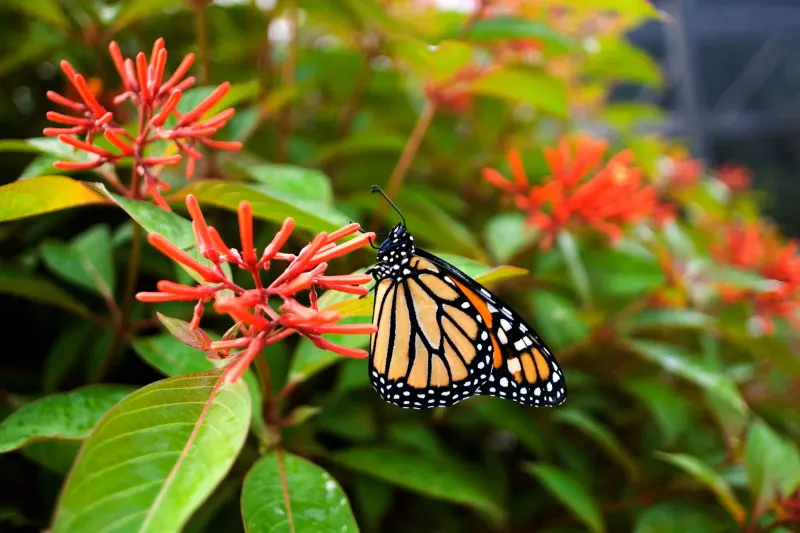
A dull corner suddenly feels alive when firebush starts pulling in butterflies like a tiny backyard airport. Gulf fritillaries, zebra longwings, and hummingbirds are often drawn to its orange-red tubular flowers, which gives this shrub a lively role few plants can match.
Firebush is a strong choice for fall planting because it grows quickly in warm Florida conditions and can fill empty space without looking stiff. In South and Central Florida, it may stay evergreen in mild winters.
In colder parts of North Florida, it can die back after a freeze and return from the roots when warm weather comes back.
Use firebush where you want height, color, and wildlife value in one plant. It fits along fences, in the back of sunny borders, or near a patio where you can watch pollinators up close.
Once established, it tolerates heat and periods of dry weather, though young plants need regular water while roots spread.
Give it space, because happy firebush does not stay tiny. A light pruning can shape it, but heavy trimming may reduce blooms for a while.
If your yard feels flat after summer, firebush adds instant energy and a clear reason for butterflies to visit.
3. Coontie
Not every tired yard needs more flowers. Sometimes the missing piece is a tough, tidy plant that makes the whole bed look cared for, even when you have not touched it in weeks.
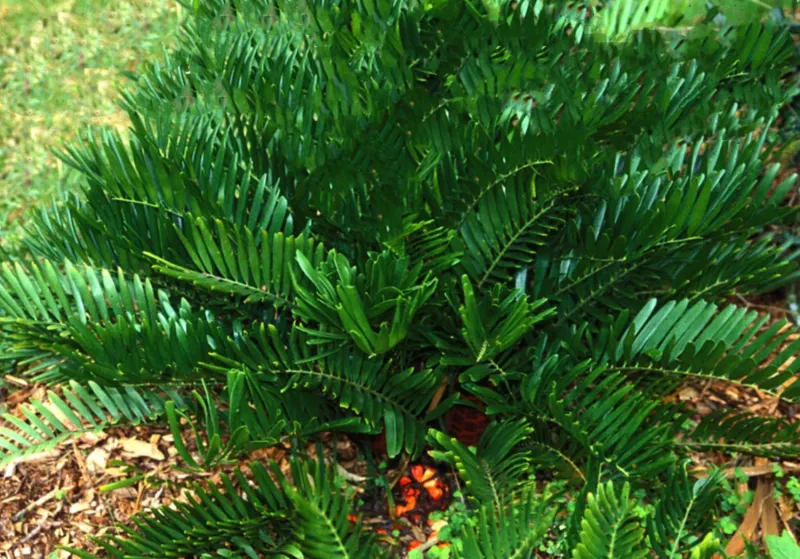
Coontie is that kind of plant. This Florida native cycad has glossy, fern-like fronds and a naturally rounded shape that suits foundation beds, shady borders, and areas under high tree canopies.
It is especially useful where turf struggles, such as dry shade beneath oaks or palms.
Its special value is structure. Coontie stays relatively compact, so it will not swallow a walkway or block windows the way some shrubs can.
It also serves as a host plant for the atala butterfly, a small black butterfly with bright blue and red accents that has made a comeback in parts of South Florida thanks in part to coontie plantings.
Fall planting gives coontie a gentler start before the next long hot season. Water it while it establishes, then ease back once it is rooted.
Keep in mind that the seeds are toxic if eaten, so use care around pets and children who may chew plants.
For a sharp look, repeat coontie in a curved line or mass it beneath taller natives. It brings calm, evergreen order to beds that look messy after summer.
4. Blanketflower
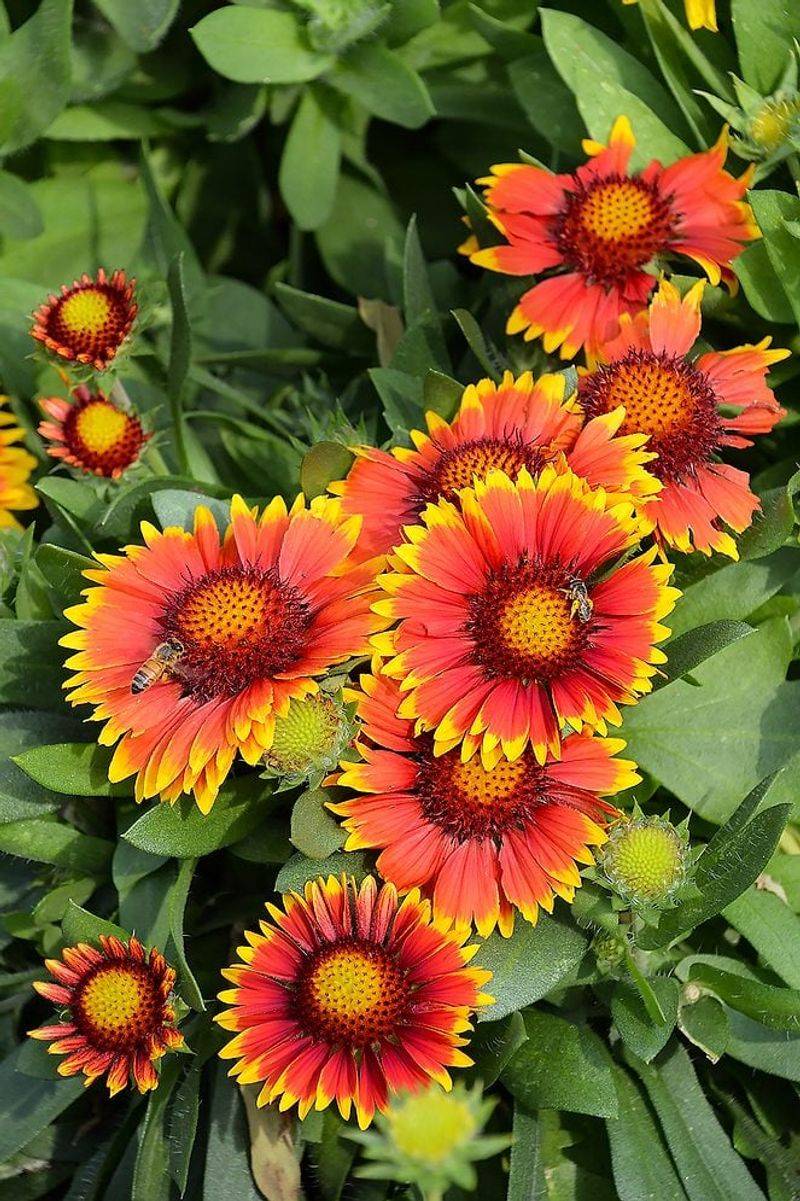
When a bare sunny patch needs color now, blanketflower is the cheerful fix that does not act delicate. Its red, orange, and yellow blooms look right at home in sandy Florida soil, almost like little sunsets scattered through the bed.
Blanketflower is a Florida native wildflower that shines in hot, open spots where many bedding plants need constant help. Fall planting can give it time to root before warmer months, and in mild parts of the state it may flower for long stretches.
It is a smart choice for curb strips, beachy yards, pollinator beds, and informal borders.
The reason it earns a place on this list is speed. Some natives are slow and steady, but blanketflower brings a quick hit of color while still supporting bees and butterflies.
It can also reseed in friendly conditions, which helps a natural-looking bed fill in without buying new flats every season.
Good drainage is the key. Avoid rich, soggy soil and do not overwater established plants, since too much kindness can shorten their life.
If flowers start looking tired, trim spent blooms to keep the display neater.
Pair blanketflower with muhly grass or beach sunflower for a relaxed Florida look. It is best for gardeners who want color that feels bright, casual, and easy to refresh.
5. Simpson’s Stopper
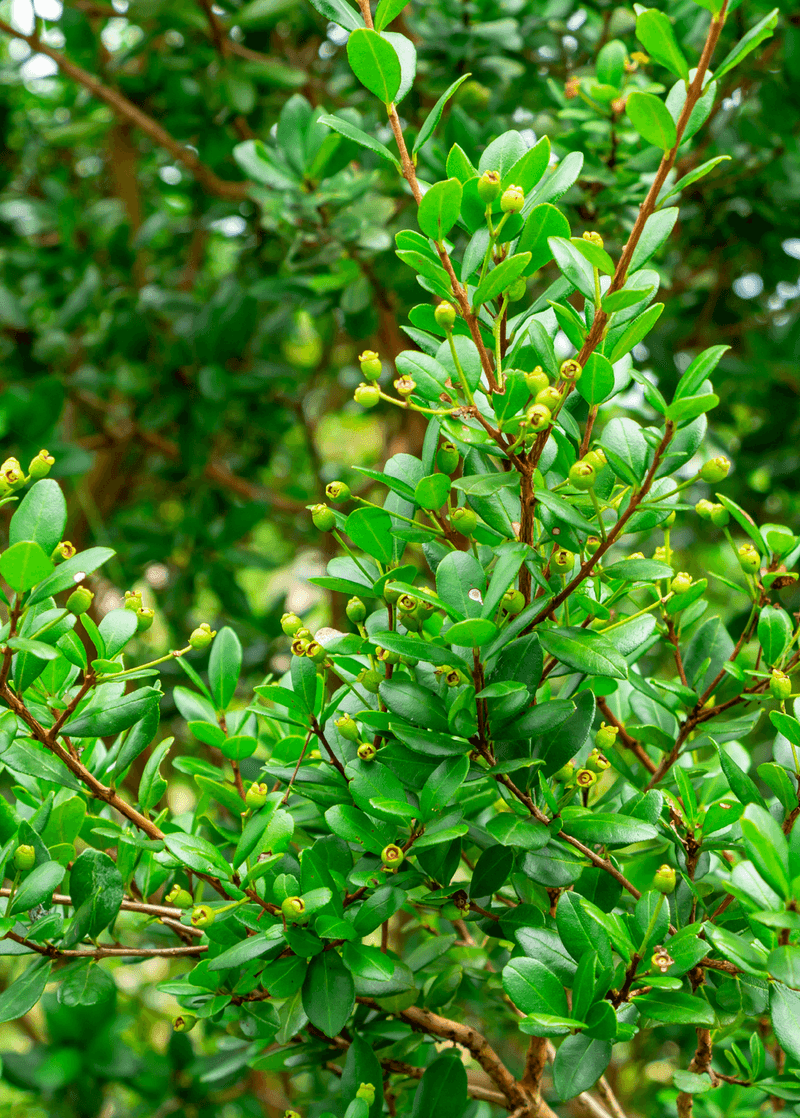
Birds notice a good berry shrub before most people do. Simpson’s stopper brings that quiet kind of yard magic, with glossy leaves, small fragrant white flowers, and red-orange berries that can turn a plain hedge into a living food stop.
This native shrub is one of the most useful fall plantings for homeowners who want a cleaner, more finished yard. It can be clipped into a hedge, left looser as a screen, or used as a small specimen near an entry.
In many Florida landscapes, it offers a polished look without the thirsty, high-maintenance habits of some traditional hedge plants.
Its best trait is flexibility. Simpson’s stopper can handle sun to part shade and works in many residential settings, as long as the site drains reasonably well.
Once established, it is fairly drought tolerant and better suited to Florida conditions than many imported shrubs.
Wildlife value is another bonus. Pollinators visit the flowers, and birds may feed on the fruit.
The plant also has a pleasant spicy fragrance when leaves are crushed, which adds a small surprise for gardeners who like plants with personality.
Use it where you need year-round bones in the landscape. A tired yard often looks weak because it lacks evergreen structure, and Simpson’s stopper solves that problem with a Florida-native backbone.
6. Coral Honeysuckle
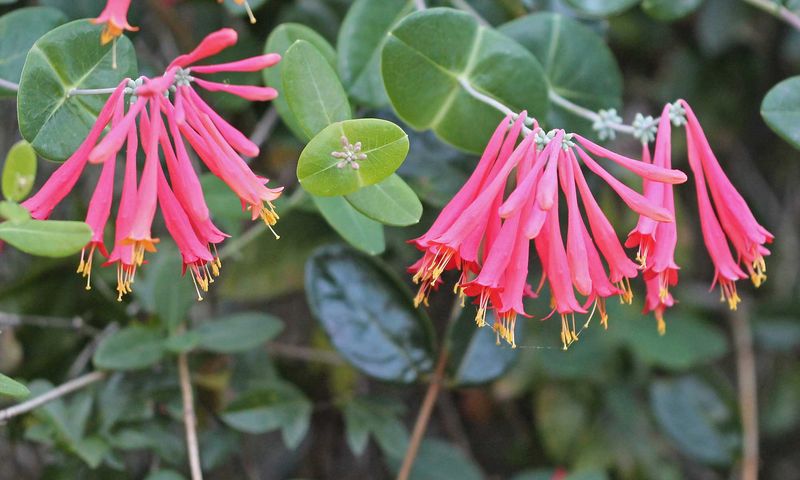
A fence or bare trellis can make the whole yard feel unfinished. Coral honeysuckle turns that blank space into a vertical bloom show, and it does it without behaving like many aggressive vines gardeners regret planting.
Coral honeysuckle is a Florida native vine with coral-red tubular flowers that are attractive to hummingbirds and other pollinators. It is not the same as invasive Japanese honeysuckle, which is one reason Florida gardeners often choose it when they want climbing color with better manners.
Fall is a useful time to plant it because young vines can establish before spring growth picks up.
The standout feature is vertical impact. If your beds are already full at ground level, coral honeysuckle adds life upward on an arbor, fence, mailbox post, or sturdy trellis.
It can soften hard edges around patios and create a prettier view from a window.
Give it sun to part sun for best flowering, and provide support early so stems go where you want them. A little pruning after bloom can keep it from tangling too much.
Like most new plantings, it needs steady water at first, then less attention once rooted.
For small yards, this vine is especially handy. It delivers color, wildlife interest, and a garden-room feeling without taking up much soil space.
7. Beach Sunflower
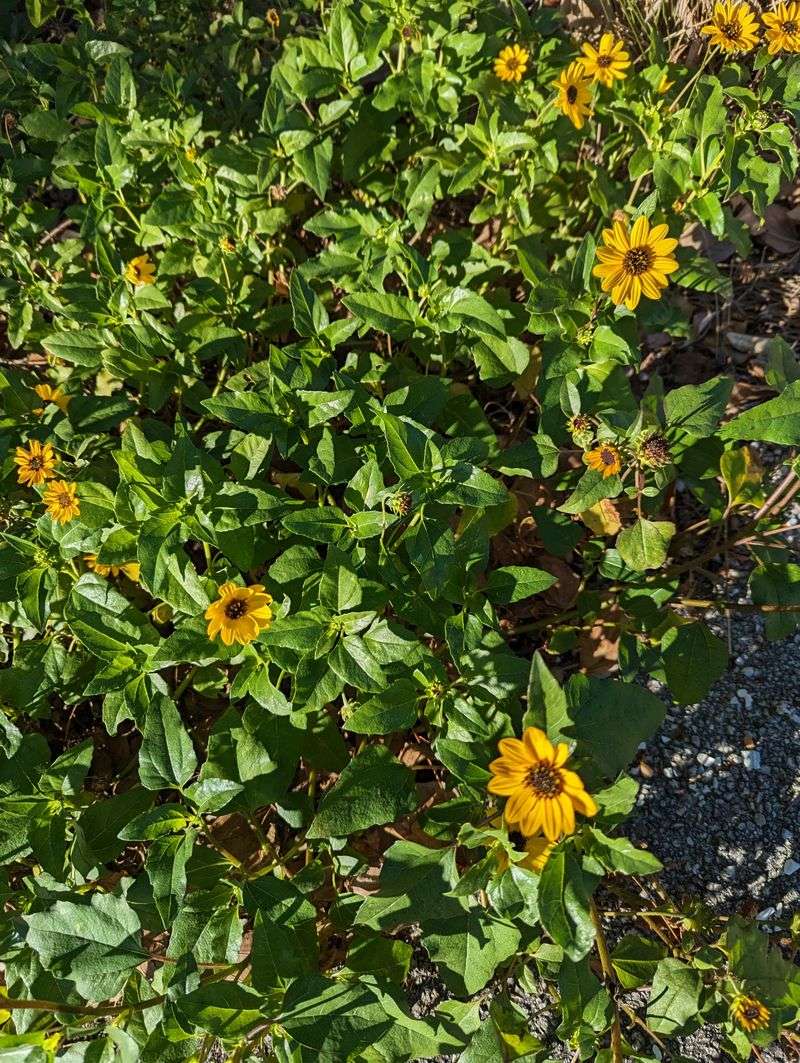
Some yards do not need another shrub, they need the ground to stop looking bare. Beach sunflower spreads low and sunny, covering open soil with bright yellow blooms that make a stressed bed feel cheerful again.
Beach sunflower is a Florida native groundcover that loves sun and sandy, well-drained soil. It is especially useful in coastal-style landscapes, hot front beds, and open spaces where mulch keeps washing away or looking thin.
Planted in fall, it has a chance to establish before next summer’s heat pushes it hard.
Its job on this list is simple: living mulch with flowers. By covering soil, it can reduce the amount of bare sand showing between larger plants, which instantly makes a landscape look fuller.
Bees and butterflies visit the daisy-like blooms, adding movement without needing a complicated pollinator plan.
Beach sunflower is not for every corner. It can spread enthusiastically in good conditions, so place it where you want a loose, natural carpet rather than a formal edge.
Trim it back when it wanders into paths or starts looking leggy.
Use it under taller natives, along sunny borders, or in a strip that bakes near the driveway. For homeowners who want a brighter yard with less replanting, beach sunflower brings a lot of payoff from a small start.