
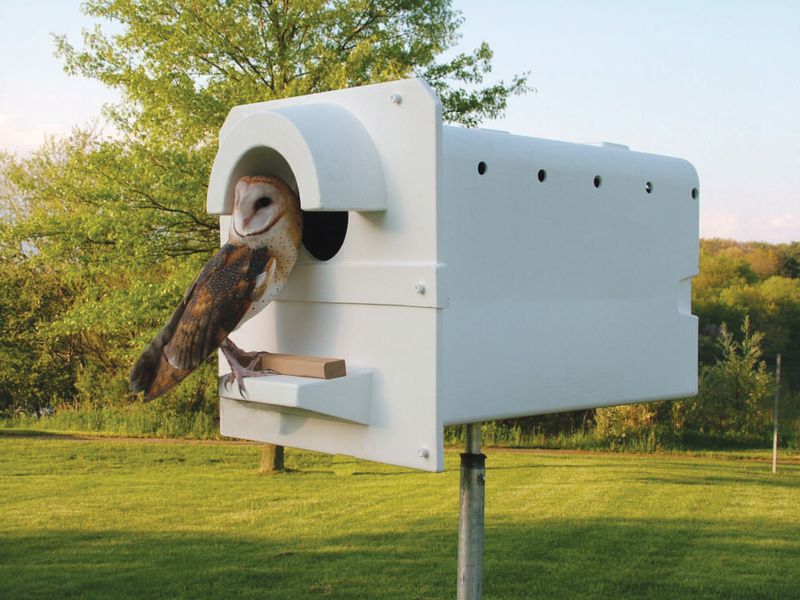
Gophers can wreck a California yard fast, and barn owls are known to eat them. That makes a barn owl box sound like a simple fix you can hang up and forget.
The real story is more useful and more honest. A box is a way to help wildlife, and it works best next to quick action on any gopher damage you already have.
A fall box supports owls; it does not set a spring deadline
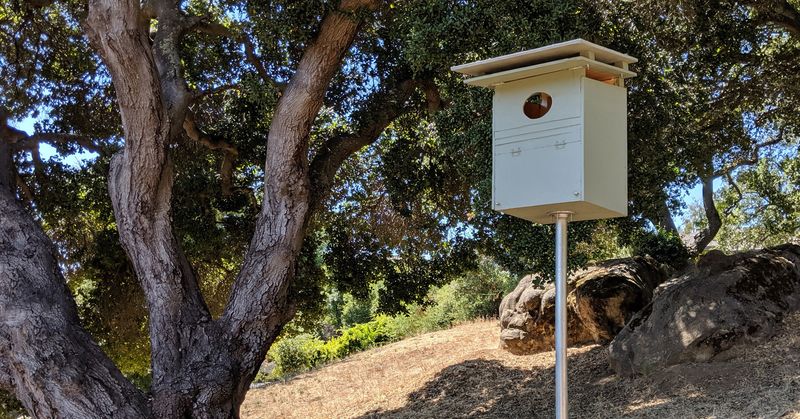
Summer or fall is a good time to put up a box, according to California Department of Pesticide Regulation guidance, because it should be in place before nesting begins. Think of it like setting out a welcome mat before guests might arrive.
The box is ready when a pair goes house hunting.
That timing is about preparation, not prediction. A box put up in October does not mean owls will move in that winter, and it does not mean a pair will nest in your yard this year.
Local nesting timing varies, and some boxes sit empty for a long time.
It also does not mean fewer gophers by spring. A box can offer a nesting site, and that is all it can offer.
Owls choose where to live based on their own needs, and you cannot schedule them.
So the useful way to see a fall installation is as habitat support. You are giving local barn owls one more possible place to raise young.
Any change in your gopher numbers is a bonus you cannot count on, and the rest of this guide shows how to pair the box with steps that do work on a deadline.
Barn owls eat gophers, but they do not patrol one yard on demand
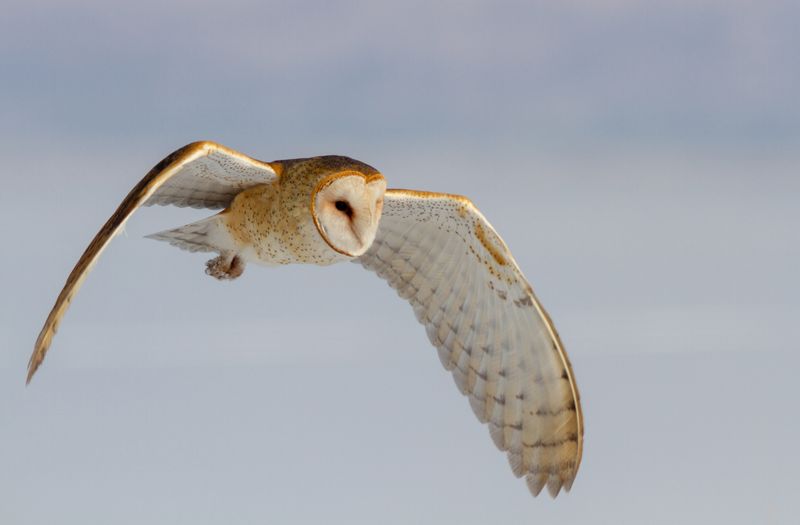
Yes, barn owls eat gophers. In a California vineyard study of owl prey, the sampled diet was mostly Botta’s pocket gophers and California voles.
That is a real link between owls and gophers.
Still, diets change with place and season. Cornell Lab of Ornithology describes the barn owl diet broadly as small mammals, including rodents.
An owl may skip your yard and hunt a field, a roadside, or a neighbor’s pasture a mile away.
That is why UC Statewide IPM Program calls owls unreliable for controlling gophers on a small property. Owls roam across large areas, and they do not work for one household.
Picture a night shift that sets its own route and takes no requests.
Supporting wildlife and getting dependable yard treatment are two separate goals. A box can serve the first one.
If a gopher mound is pushing up through your lawn this week, the second goal needs a tool you control.
Vineyard research suggests potential, not a backyard forecast
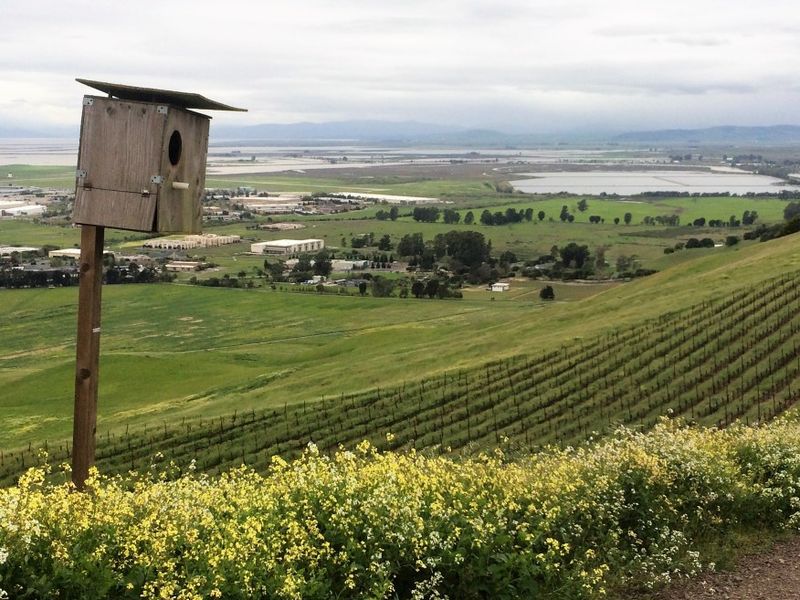
California vineyards offer some of the best evidence on owls and gophers. In a 40-hectare vineyard study, gopher activity dropped on the site with owl boxes compared with a nearby control vineyard, and gophers made up much of the owls’ recorded prey.
That is encouraging for farms.
A separate Napa Valley winegrape study reported a decline in gopher activity on the vineyard with boxes between before and peak hunting pressure, while activity rose slightly on the comparison site. Researchers measured gopher activity across whole properties, not single yards.
Those results point to a possible role for owls in broader pest management across farmland. They do not tell you what one box will do over a typical quarter-acre lot.
A vineyard is a large, open area that can draw a big group of owls, and a backyard is a small slice of their hunting range.
You may also see big numbers about how many gophers owl families eat in a year. A California review of barn owls as pest control built such estimates from many studies and assumptions about diet, breeding, and prey.
It also warned that gopher numbers differ from field to field and that the models have limited predictive power. Treat those figures as background, not as your forecast.
Open habitat can make a box a more plausible invitation
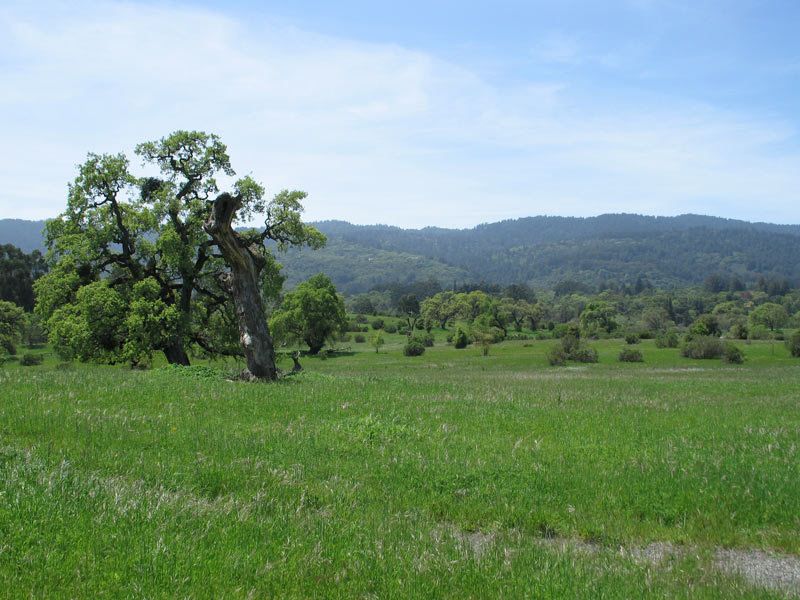
Before you build or buy, look past your fence line. The USDA Natural Resources Conservation Service says boxes are more likely to be occupied near open natural habitat such as grassland or oak savanna.
Barn owls hunt over open ground, so what surrounds your yard matters more than what is inside it.
Walk the edges of your property at dusk or on a weekend morning. Do you see open fields, pasture, creek edges, or rough grassy margins within a short drive for an owl?
A yard hemmed in by dense housing, busy roads, and tight lawns offers fewer chances.
Good habitat raises the odds, but it cannot promise a tenant. NRCS notes that well-designed, installed, and maintained boxes can attract owls in many agricultural settings, and it also says there is no evidence a box will control or wipe out rodents at the installation site.
If your surroundings are mostly open land, a box is a reasonable invitation. If they are not, you might put your effort into native plantings and wildlife-friendly yard habits instead.
Place and maintain a box without disturbing nesting owls
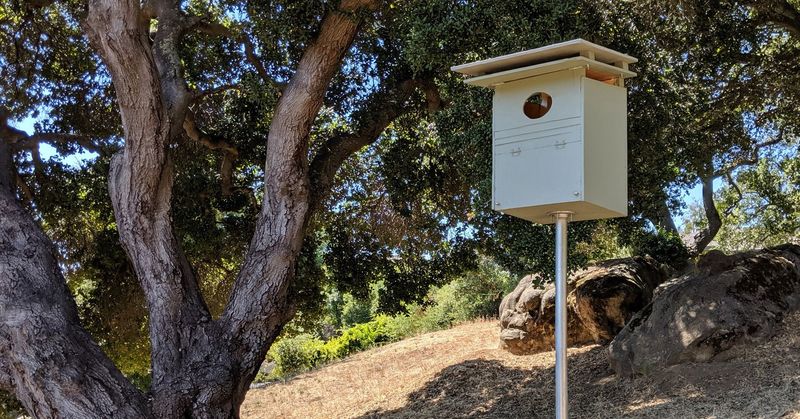
For placement details, the California DPR school-site guidance recommends an open location, a height of 10 to 12 feet, afternoon shade, an entrance facing away from prevailing winds, and a metal predator baffle. These are recommendations written for school sites.
They are a helpful starting point, not rules that apply to every home installation.
The same guidance calls for cleaning the box once a year between mid-August and November, wearing gloves and a mask. Old nest debris and droppings can carry dust and germs, so protect yourself.
Only do this when the box is empty.
Never open a box that may be occupied. The U.S.
Fish and Wildlife Service says migratory-bird nests with eggs or chicks, or dependent young, are protected against destruction under the Migratory Bird Treaty Act. If you see signs of owls using it, such as whitish droppings below or pellets, leave it alone and wait.
A box also takes real effort. You need materials, a sturdy pole or mount, and a safe way to reach it.
Groups like the Hungry Owl Project list installation and upkeep as services, which shows how much work is involved. Budget for time and some money, and consider asking an experienced helper to hold the ladder.
Treat active gopher damage now and consider wildlife risks from poison
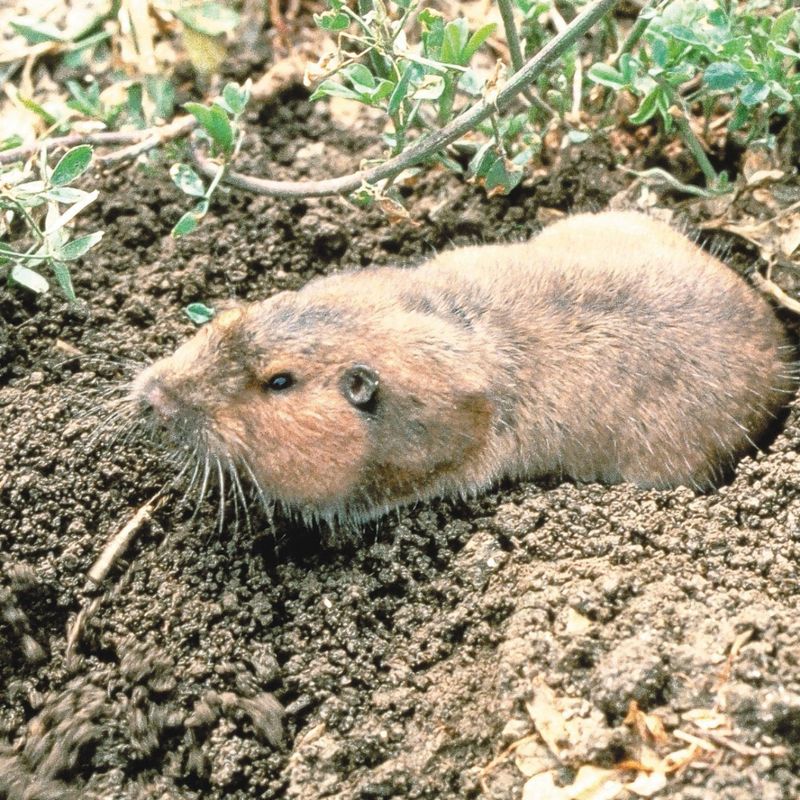
If fresh mounds are showing up now, waiting for a box to work is not a plan. UC IPM advises acting promptly on yard infestations and lists trapping as a home and landscape option.
It also warns that gophers can reinvade, so keep watching after you catch one.
Check for new mounds every few days, and keep up with trapping or exclusion where it makes sense, such as wire barriers around prized beds. Quick follow-up is what keeps a small problem small.
If you are thinking about any pesticide or bait, read the current product label and check local rules first. Poison also carries a wildlife risk.
The UC Davis California Raptor Center notes that rodenticides can cause secondary poisoning in raptors, which can happen when a bird eats an animal that ate the bait.
That does not mean every product or every exposure will poison an owl. It does mean the risk is real enough to weigh.
DPR’s school-site guidance advises considering whether to stop outdoor rodenticide use before installing boxes, and it recommends keeping poisoned rodents out of the owl food pathway. Trapping avoids that problem entirely.
Invite the owls, but measure success honestly
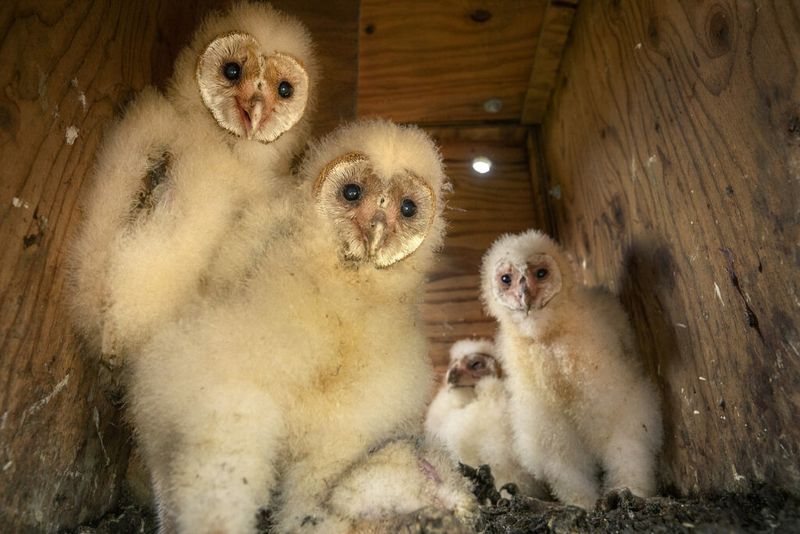
A fall box is a kind gesture toward local barn owls, and it may pay off in future seasons. It is not a dependable gopher fix, and UC IPM still points homeowners toward prompt action on active damage.
As DPR puts it, owls alone will not eliminate a rodent problem. Count an occupied box as a win for wildlife, and count your own trapping as the win for your garden.