
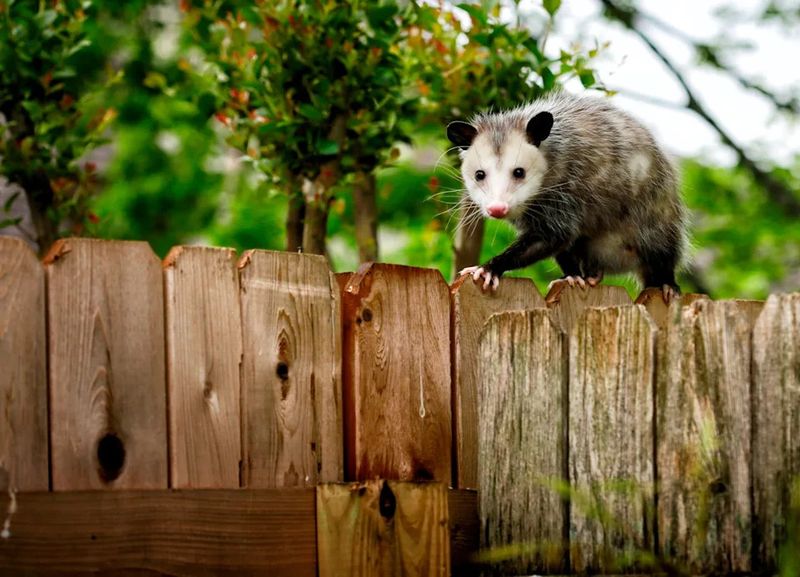
If you keep spotting a possum in your backyard after dark, you are not alone, and there is almost certainly a straightforward reason it keeps showing up. Virginia opossums are common across most of Texas, and a yard that offers reliable food, water, or shelter can become a regular stop on any opossum’s nightly circuit.
Understanding what draws the animal back puts you in control, because once you know what your yard is offering, you can decide what, if anything, to change.
A repeat visit usually points to a reliable resource
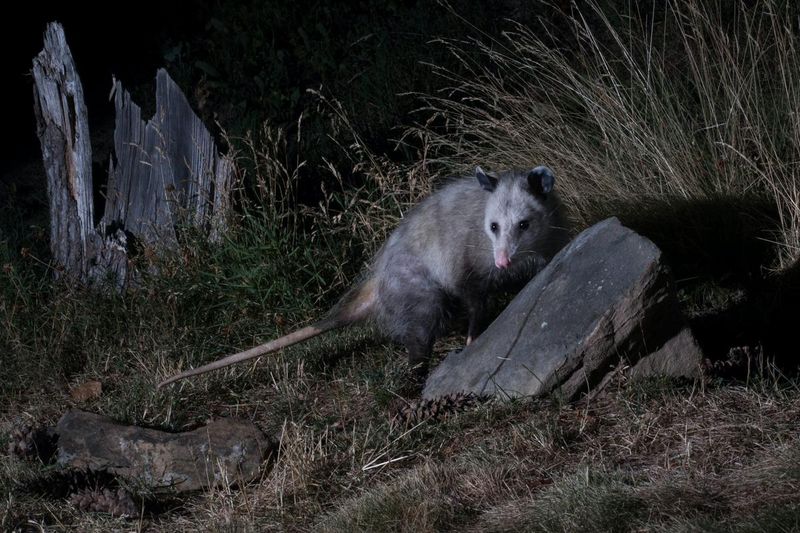
Spotting the same opossum night after night is less a mystery than a clue. According to Texas Parks and Wildlife Department, Virginia opossums are opportunistic omnivores that roam in relation to available food supplies, which means a yard that consistently delivers a meal or a safe resting place becomes worth revisiting.
The sighting tells you something dependable is on offer, not that anything alarming is happening.
Common resources include accessible garbage, outdoor pet food, fallen fruit, bird-feeder seed, compost, standing water, dense vegetation, and sheltered spaces beneath decks, porches, sheds, or woodpiles. A single opossum showing up repeatedly is not evidence of a pest infestation, and it does not by itself indicate illness, aggression, or unusual behavior.
The pattern is a resource signal, and identifying that resource is the most useful first step.
Texas A&M AgriLife Extension identifies pet food, tree fruit, pecans, bird feeders, and unsecured trash as the most common attractants that bring opossums into residential yards. Once you know which of those your yard provides, the practical response becomes clear: reduce the attractant first, then consider exclusion only if the animal is entering a structure or causing repeated property damage.
Handling, trapping, or relocating the animal is a later step, not an automatic one.
Nighttime activity fits the Texas opossum
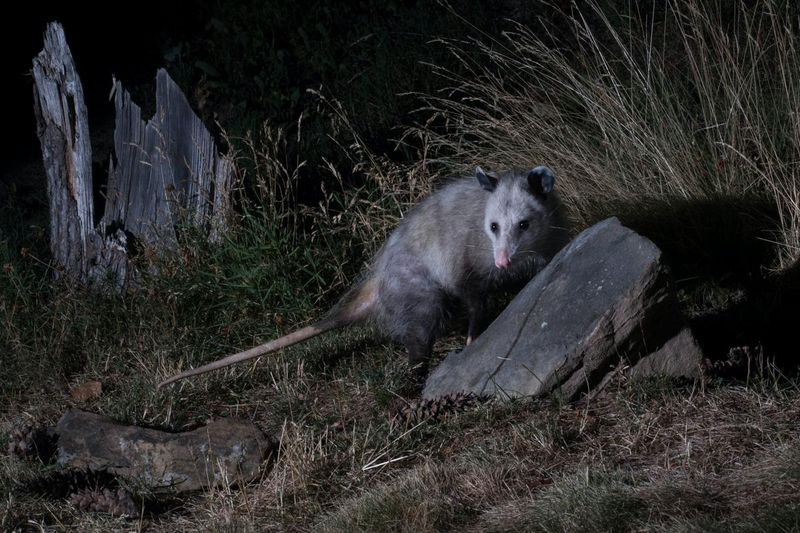
The animal visiting your yard is the Virginia opossum, the only opossum species native to Texas and the only marsupial found in North America north of Mexico. TPWD’s opossum profile confirms it occurs throughout most of the state, with the exception of the arid Trans-Pecos and the Llano Estacado of the Panhandle.
When Texans use “possum” in everyday conversation, this is the animal they mean, though technically that word refers to a different group of marsupials native to Australia and New Guinea.
Virginia opossums are primarily nocturnal and generally solitary. Seeing one after dark is completely normal behavior, not a warning sign.
Their broad diet covers fruits, berries, vegetables, insects, small rodents, eggs, carrion, and whatever scraps a yard or trash can provides, which makes residential neighborhoods across Texas a reliable foraging ground. TPWD’s urban wildlife guidance notes that opossums use sheltered spaces such as woodpiles, rock piles, hollow trees, crawl spaces, sheds, and abandoned burrows, all of which can be found in a typical Texas yard.
Daytime activity can happen for a variety of reasons, including food searching, disturbance, or the presence of dependent young. Seeing an opossum during daylight hours is not, by itself, evidence of rabies or illness.
Unusual behavior worth noting includes disorientation, apparent weakness, unprovoked aggression, or neurological signs, none of which is implied by the simple fact of a daytime appearance. If an opossum is moving calmly and appears healthy, the safest response is to observe from a distance and let it move on.
What in the yard keeps drawing it back?
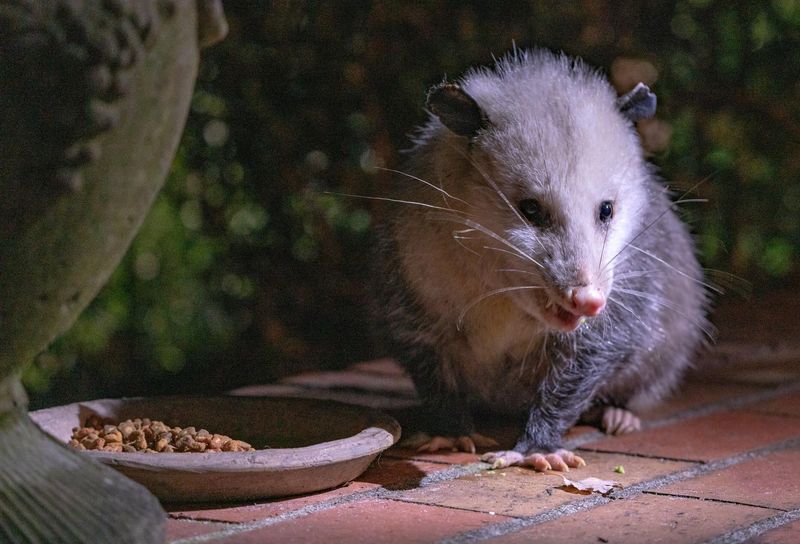
A yard does not need to look like a wildlife sanctuary to attract a regular opossum visitor. From the animal’s perspective, a few reliable food sources and one sheltered corner are enough to justify coming back.
Because a sighting alone cannot pinpoint the exact attractant, a practical walk-around during daylight is the most useful diagnostic tool a homeowner can use.
On the food side, Texas A&M AgriLife Extension specifically calls out outdoor pet food and water bowls, unsecured trash cans and compost bins, fallen fruit from peach, fig, or plum trees, dropped pecans, and seed scattered beneath bird feeders as the most common residential attractants. Any one of these left accessible overnight is a reason to return.
Bird feeders are worth particular attention in Texas yards, because seed that falls to the ground is just as appealing to an opossum as it is to songbirds.
Shelter is the second half of the equation. TPWD notes that opossums readily use brush piles, rock piles, woodpiles, dense low vegetation, gaps beneath decks and porches, and openings into crawl spaces, sheds, and outbuildings.
An opossum does not dig its own burrow but will readily adopt any dark, dry, protected space it finds. A gap as small as a few inches beneath a back porch is enough.
Importantly, an opossum’s presence does not mean your yard has a rodent problem, an insect infestation, or any other underlying pest issue. TPWD’s urban wildlife guide frames opossums as opportunistic feeders that respond to whatever is available, so the animal is reflecting your yard’s resources, not diagnosing a separate problem.
Checking for food access and sheltered spaces gives you everything you need to understand why the visits keep happening.
Remove the easy rewards before taking stronger action
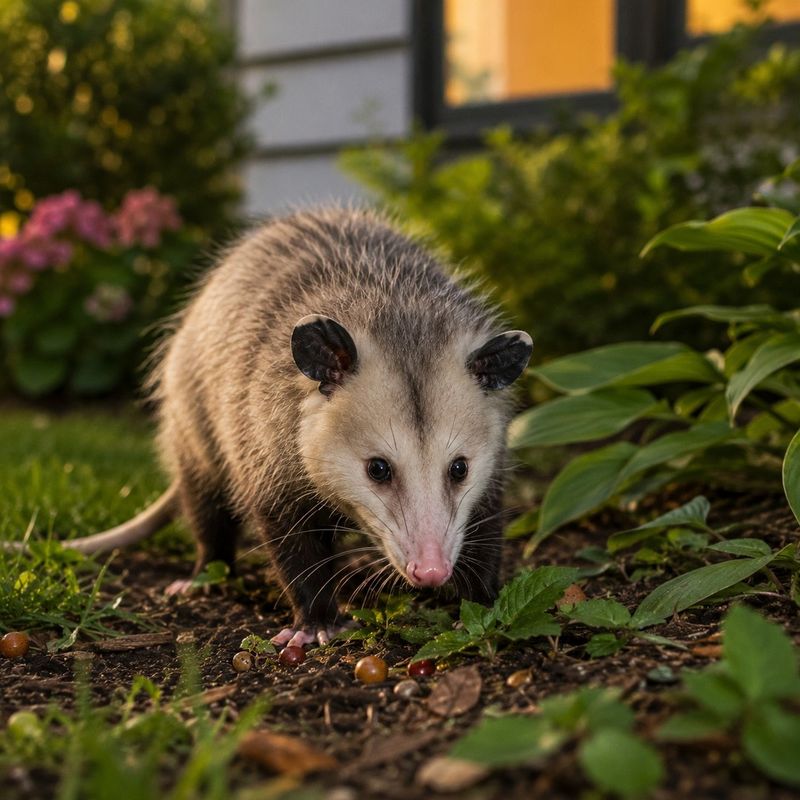
Attractant reduction is almost always the right first move, and in many cases it is the only move needed. Before considering exclusion hardware, repellents, or any kind of trapping, work through the straightforward steps that make a yard less rewarding to visit.
Most opossums will shift their nightly range once a reliable food or water source disappears.
Start with the easiest changes. Bring pet food and water dishes indoors before dark every evening.
Use trash cans with tight-fitting, latching lids, and store compost in a closed bin rather than an open pile. Fallen fruit is a major draw in Texas yards with peach, fig, persimmon, or plum trees, so collect drops regularly, especially during peak fruiting season.
If you keep a bird feeder, consider switching to a tray style that catches seed rather than letting it accumulate on the ground, or bring feeders in at night. TPWD’s urban wildlife guide and Texas A&M AgriLife Extension both identify these steps as the foundation of managing opossum activity around homes.
On the shelter side, reorganize or remove brush piles, stacked lumber, junk, and rock piles that sit close to the house. Clearing that clutter takes away resting spots without requiring any exclusion work at all.
If an opossum is simply passing through your yard and is not damaging property or entering a structure, TPWD advises that leaving it alone is generally the safest option. Observing wildlife from a distance rather than approaching or disturbing it is the recommended standard.
One thing to avoid entirely: do not put food out to keep the opossum nearby. TPWD specifically discourages feeding wild opossums because it can increase human-wildlife conflicts and draw unhealthy concentrations of animals to a single location.
A yard that rewards visits reliably will keep getting them.
Exclude an opossum only after the space is vacant
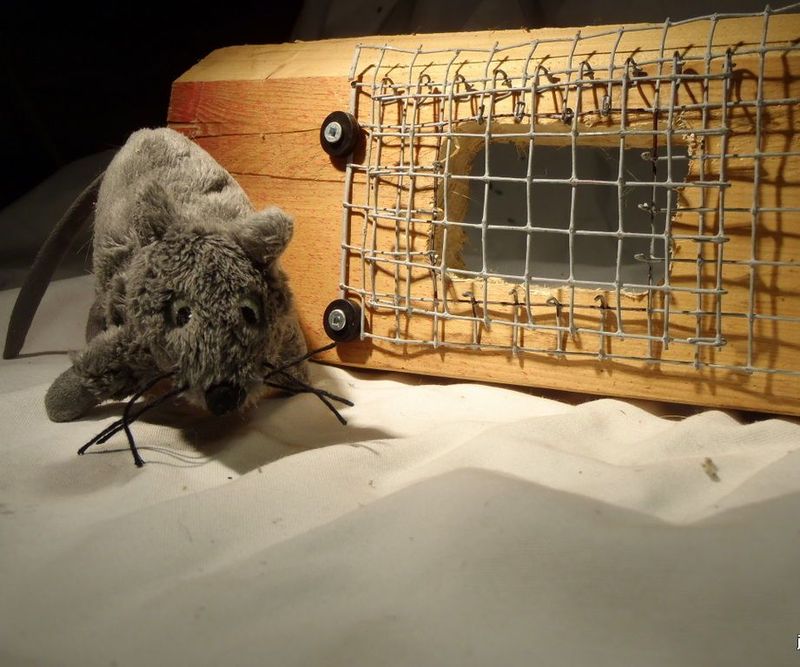
When an opossum is actually entering a structure, such as a crawl space, shed, attic, or the cavity beneath a porch or deck, attractant reduction alone may not be enough. Physical exclusion is the next step, but the sequence matters: you must confirm that the space is empty before sealing any opening.
Closing off an active shelter can trap an adult inside, force the animal to push through into the living space of the home, or, if dependent young are present, separate them from their mother in a way that causes suffering and creates a more complicated problem.
Check the opening carefully during daylight. Look for signs of recent activity such as tracks, droppings, or disturbed material near the entrance.
One reliable method is to loosely stuff the opening with newspaper or insulation for a few days; if the material is undisturbed, the space is likely vacant. The Internet Center for Wildlife Damage Management identifies one-way doors and hardware-cloth barriers as established exclusion tools that allow an animal to exit but not re-enter, which avoids the trap-and-seal problem.
Once you are confident the space is empty, seal the opening with hardware cloth, metal flashing, or another durable material that the animal cannot easily push through.
When there is any uncertainty about occupancy, especially during seasons when dependent young may be present, the safest choice is to contact a wildlife-control professional or your local Texas A&M AgriLife Extension office before attempting exclusion. A professional can assess the situation, use appropriate tools, and handle the work legally.
Texas regulations cover furbearing animals, and homeowners should not assume that trapping, relocating, killing, or transporting an opossum is unrestricted. TPWD’s fur-bearing animal regulations apply, and the rules can vary by circumstance.
Check current requirements or get professional guidance before taking any of those steps.
Use distance and basic precautions instead of panic
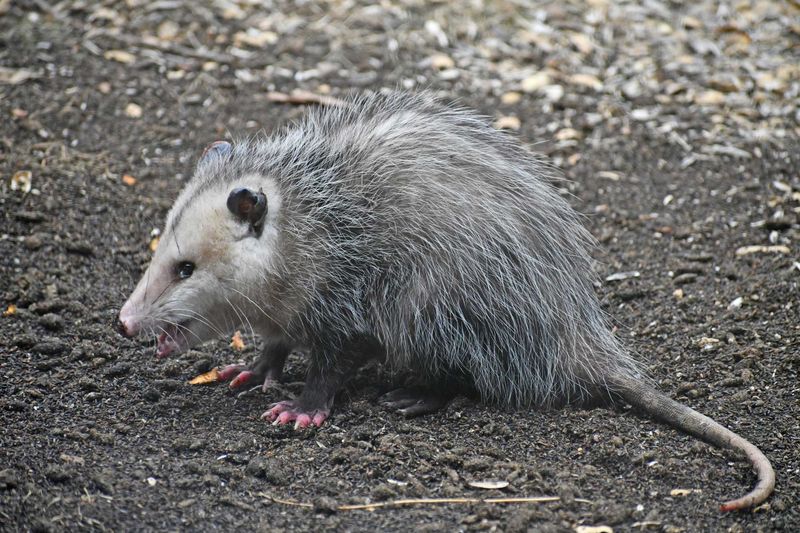
Most opossums encountered in a Texas yard are not aggressive. They generally avoid people and, when threatened, are more likely to freeze, hiss, or go into the involuntary motionless state known as playing possum than to attack.
That said, any wild mammal can bite when cornered, handled, or blocked from escape, so the practical rule is straightforward: do not approach, chase, corner, or attempt to pick one up. Give the animal a clear path out and it will almost always use it.
An opossum that appears motionless should not be assumed to be dead, and you should not touch or move it without professional guidance. The motionless response is a defensive reflex, not a sign that the animal is safe to handle.
Keep children and pets away from any wild animal, regardless of how still it appears.
On the question of disease, CDC rabies guidance and CDC Vital Signs data confirm that rabies is uncommon in opossums compared with recognized U.S. wildlife reservoirs such as bats, raccoons, and foxes. Daytime activity alone is not a reliable indicator of rabies or illness.
Behaviors that do warrant extra caution include unprovoked aggression, apparent disorientation, unusual tameness, weakness, or visible neurological signs. If an opossum bites or scratches a person or pet, contact public-health or animal-control authorities right away.
Flea-borne typhus is a more geographically relevant concern for Texas residents. CDC information on flea-borne typhus describes transmission as flea-mediated, meaning infected flea feces enter broken skin or contact mucous membranes rather than spreading directly from the opossum itself.
CDC clinical guidance reinforces that sanitation and flea control are the practical household defenses. Keep pets on a veterinarian-recommended flea prevention program year-round, a step that matters in Texas regardless of wildlife activity.
Reduce contact between wildlife, pets, food, and living spaces, and that addresses the realistic risk without requiring alarm about every opossum sighting.
For an animal that appears injured, sick, or orphaned, TPWD’s wildlife rehabilitator directory connects Texas residents with permitted professionals who can assess and care for the animal legally and safely. Do not attempt to raise or transport a young opossum on your own.
A less rewarding yard usually answers the question
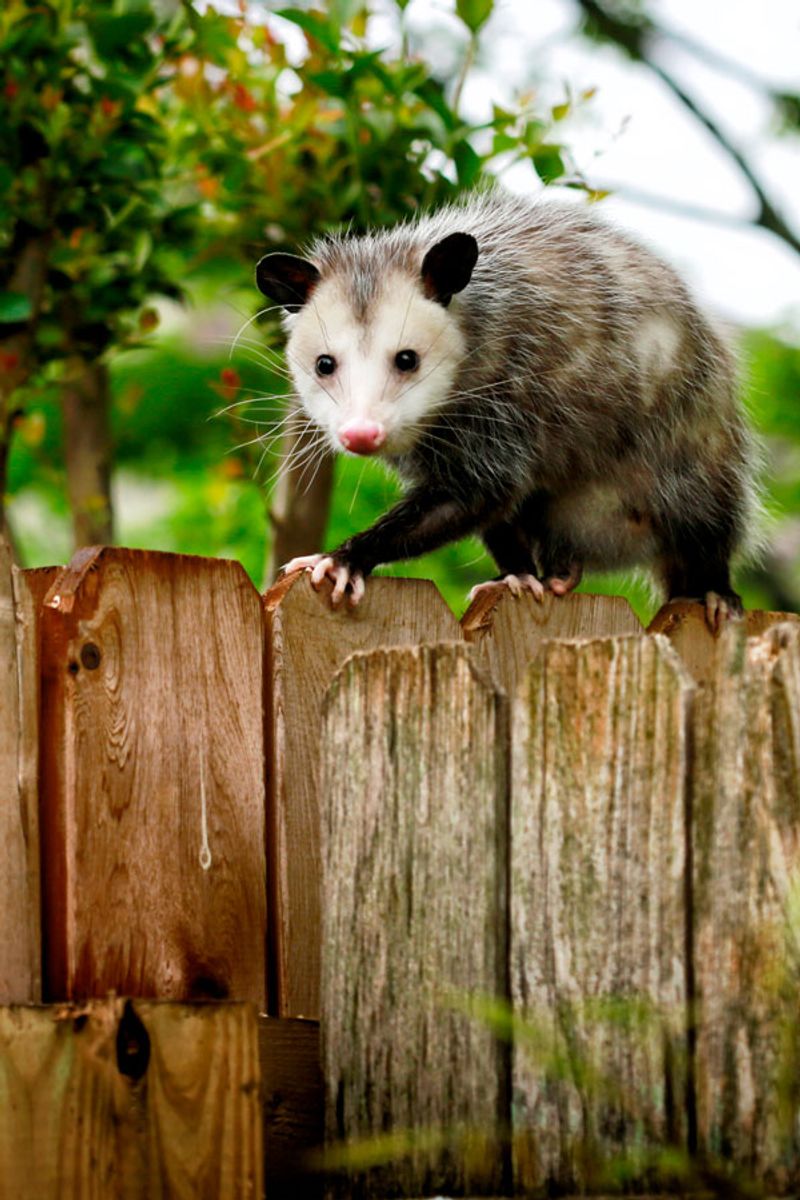
A recurring nighttime opossum is usually telling you something specific: your yard is reliably delivering food, water, or a sheltered resting spot. That is the answer to the title’s question, and it points directly to a practical response.
TPWD’s Virginia opossum page confirms that urban opossums roam in relation to available food supplies, so removing that supply is the most direct way to reduce visits.
Work through the steps in order. Observe the animal from a distance to get a sense of where it enters and what it approaches.
Remove food and water access by securing trash, bringing in pet dishes, collecting fallen fruit, and managing bird feeders. Reduce shelter near structures by clearing brush piles, stacked wood, and clutter close to the house.
Monitor over the following weeks to see whether visits stop or become infrequent. If the opossum continues entering a structure or causing property damage after those steps, consult wildlife damage management guidance or a licensed professional before attempting exclusion, and confirm the space is vacant before sealing anything.
Skip feeding, handling, chasing, or attempting to trap the animal on your own. TPWD’s wildlife guidance is clear that wild opossums should not be fed, and that observing from a distance is the recommended approach for a healthy animal that is not causing damage.
A yard that stops offering easy rewards tends to stop getting nightly visitors, and that outcome usually requires nothing more dramatic than a latching trash lid and a pet bowl brought inside before dark. A wild animal that finds nothing worth returning for will simply move on.