
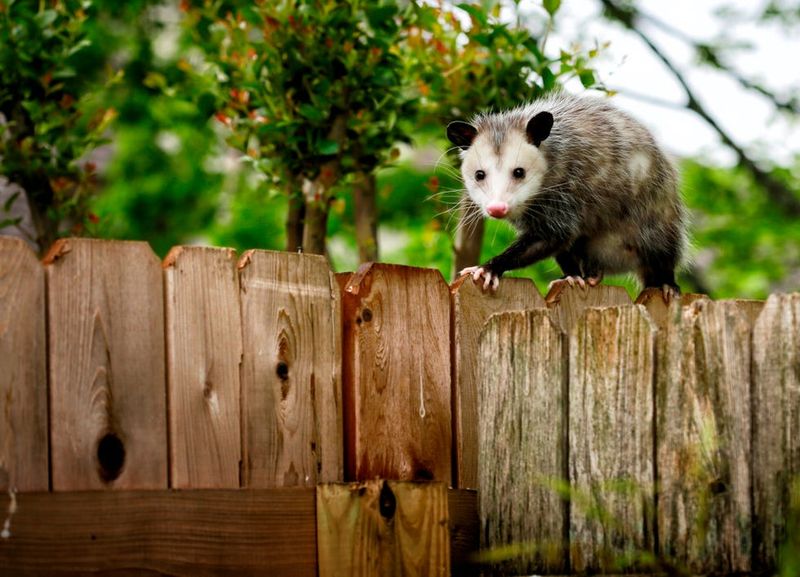
You step outside with a flashlight and there it is again, a pale, pointy-nosed opossum ambling along your fence. Seeing the same wild visitor night after night makes many California gardeners wonder what it wants.
Some people hope it is helping with snails or ticks, while others worry it signals a problem. Here is what a repeat visit may really mean, and what you can do about it.
A repeat visit usually points to a useful yard resource
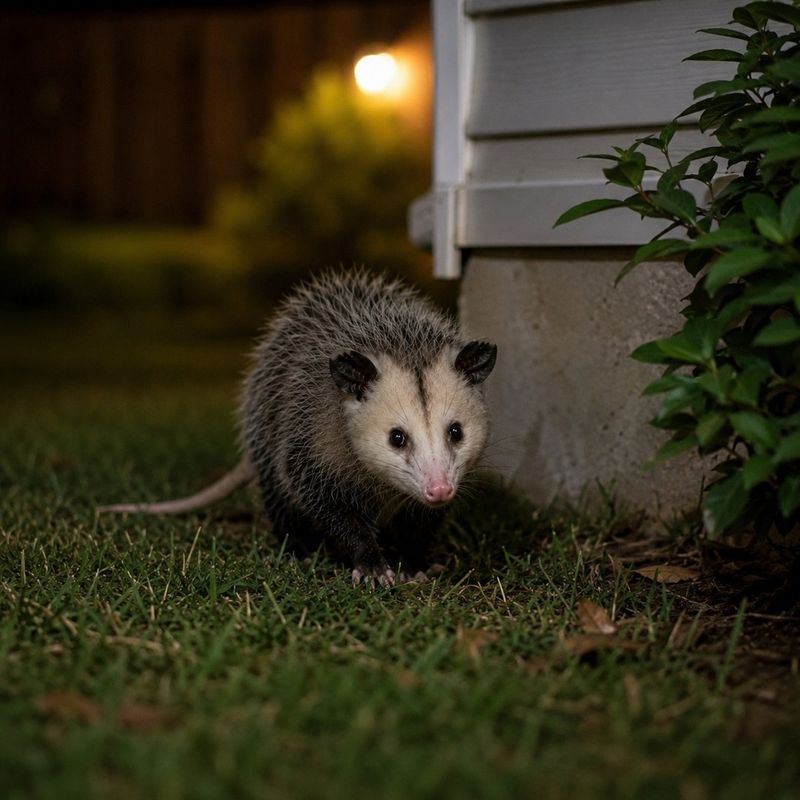
Opossums are nocturnal omnivores, so a yard that stays quiet after sunset can look like a good place to shop for dinner. UC IPM’s opossum Pest Note lists fruits, insects, snails, garbage, pet food, and garden produce among the things they eat, and notes that neighborhoods with food, water, and shelter can keep supporting them.
That gives you a short list of reasons for repeat visits. The animal may have found fallen fruit, a dripping hose or pet water bowl, a dry spot under a deck, or simply a handy path along your fence line that it has learned to trust.
Often it is a mix of these.
What a return visit does not do is diagnose a pest problem. Seeing an opossum nightly does not prove your garden is crawling with snails or bugs.
It only tells you that something in or near your yard is worth the trip.
A quick note on background: the Virginia opossum is not native to California. According to the California Department of Fish and Wildlife, it was introduced around 1910, and it now lives in many neighborhoods across the state.
A good first step is to walk your yard at dusk and look for the usual draws: fruit on the ground, uncovered trash, a pet dish, standing water, or a cozy gap under a structure. Knowing what is there puts you in charge of what happens next.
Opossums eat some garden pests, but eating is not control
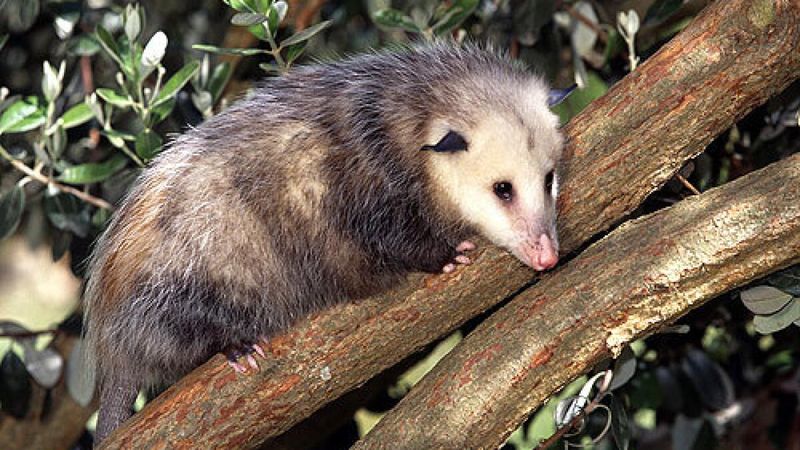
Yes, opossums eat insects and snails. UC IPM includes both in the animal’s varied diet, and CDFW’s overview describes a similar mix of insects, fruit, and other foods.
If you spot one snuffling through your ivy, a snail or beetle may well be on the menu.
Still, a pest on the menu is not the same as a pest problem solved. Nothing in these sources shows that a visiting opossum cuts snail numbers, protects seedlings, or reduces damage in any particular garden.
One animal passing through for a few minutes each night is eating from a long list of foods, not working through your pest list.
Think of it as a possible small bonus rather than a service you can count on. Your lettuce bed does not become safer because an opossum wandered by.
For snails and other pests, keep doing the dependable things: handpick at dusk, tidy hiding spots, water in the morning so the soil surface dries by night, and use traps or barriers where needed.
Treat the opossum as a wild neighbor with its own agenda. If it happens to nibble a few pests along the way, that is a pleasant extra, not a plan.
Later diet evidence does not support relying on opossums for tick control
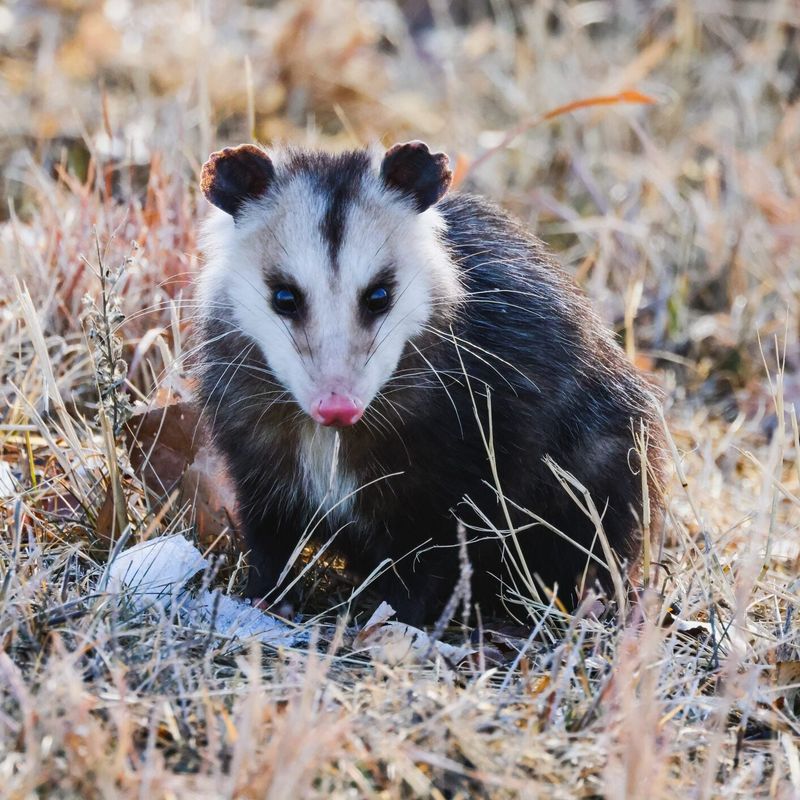
You may have heard that a single opossum gobbles thousands of ticks. That claim traces back to earlier work with captive animals, and it has spread widely online.
Field evidence has not backed it up.
A 2021 peer-reviewed study checked the stomach contents of 32 Virginia opossums and found no ticks or tick parts. The authors also reviewed 23 diet-analysis papers and found that none reported tick ingestion.
That does not prove an opossum has never swallowed a tick. It means ticks did not show up as a regular part of what wild opossums actually eat, so the popular numbers do not hold up.
For you, the practical meaning is simple. Do not count on a backyard opossum to keep your yard free of ticks or to lower your family’s risk.
Its presence is not a form of tick protection.
If ticks worry you, rely on steps within your control, such as keeping grass and brush trimmed near play areas, wearing repellent on hikes, and checking yourself, kids, and pets after time outdoors. Your local vector control district can offer advice for your area.
An opossum eating fallen fruit is no substitute for cleanup
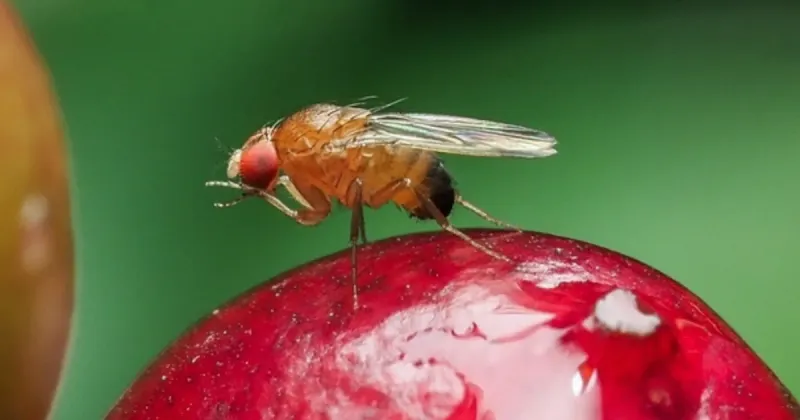
Fallen fruit is one of the easiest meals in a yard, and opossums do eat it. UC IPM lists fruit among their foods, which is one reason a loaded tree can pull in nighttime visitors.
But snacking on windfalls is not the same as managing fruit pests. Opossums do not eat every piece, they leave bruised and half-eaten fruit behind, and nothing suggests they reliably remove the larvae that may be inside.
For pest control, the University of California advises sanitation. UC IPM’s spotted-wing drosophila guidance says removing fallen and infested fruit can help reduce fly populations that might affect later crops, and the same idea helps suppress fruit flies in general.
Make it a routine. Pick up fallen fruit every day or two during harvest, and bag it in a sealed container for the trash rather than leaving it in an open compost pile.
Picking ripe fruit promptly from the tree also helps. Cleanup takes away a pest habitat and a late-night snack bar at the same time, though it cannot promise the opossum will stop stopping by.
Remove other resources that can make a yard inviting
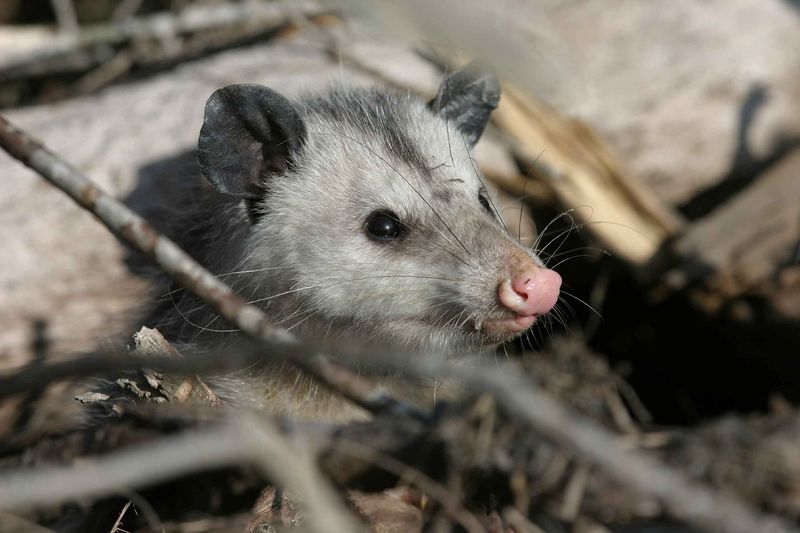
Fruit is only part of the picture. UC IPM recommends several simple habits that cut off the food and shelter that keep opossums coming back.
Start with garbage. Use cans with tight, latching lids, and keep them upright, especially on collection nights when bins sit out.
Next, handle pet food. Feed dogs and cats indoors if you can, or pick up bowls by nightfall and store food bags in a sealed container.
Outdoor cat feeding stations are a common reason opossums become regulars.
Then look at cover. Woodpiles, stacked boxes, dense ground-level clutter, and overgrown vegetation next to buildings give animals a safe place to rest.
Clear them back, stack wood off the ground and away from walls, and trim shrubs so there is no hidden gap against the foundation.
Check water sources too. Leaky faucets, open buckets, and pet bowls left out overnight can add to a yard’s appeal.
These steps reduce what your yard offers, but they cannot guarantee an opossum will stop visiting. It may still cross your property on a familiar route, and that is fine.
Aim for a yard that gives it no reason to linger.
A den under a structure needs a careful response
If an opossum has settled beneath a deck, porch, or shed, resist the urge to seal the opening right away. Closing it with an animal inside can trap it, and a mother may leave young behind.
UC IPM describes a simple check. Spread a thin patch of flour across the entrance, then look in the morning for footprints.
If tracks lead out but none come back over several nights, the animal has likely moved on.
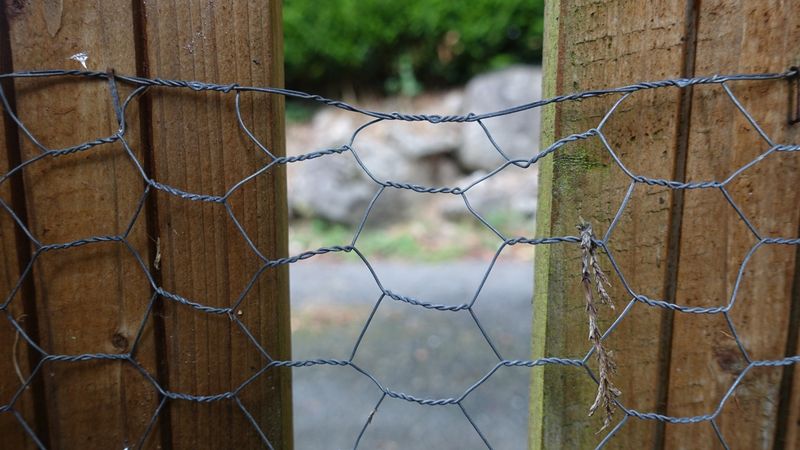
Once you are confident the space is empty, UC IPM recommends 1/4-inch hardware cloth, buried up to 6 inches where possible, to keep animals from digging back in.
Do not try to handle, corner, or chase the animal. A frightened opossum may hiss, drool, or bite.
Keep children and pets away from it, too.
Relocation is not a do-it-yourself option either. The California Department of Fish and Wildlife says wildlife cannot be trapped and released elsewhere.
Contact CDFW, local animal services, or a licensed wildlife professional for help with a stubborn situation.
Opossums are not completely harmless, and all mammals can get rabies. If anyone is bitten or scratched, California Department of Public Health guidance is to wash the wound and seek medical advice promptly.
Appreciate the visitor without counting on it for pest control
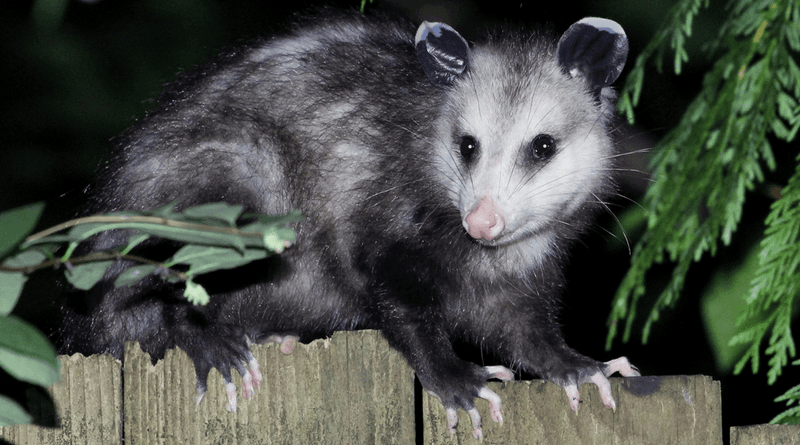
A repeat visitor most likely reflects what your yard offers: food, water, shelter, or an easy route. An opossum may snack on insects or snails, but the 2021 tick study is a reminder not to trust popular pest-control claims.
Do your own part, from clearing infested fruit to tidying shelter spots, as UC IPM advises.
Watch the night shift from a distance, and let it pass on its way.