
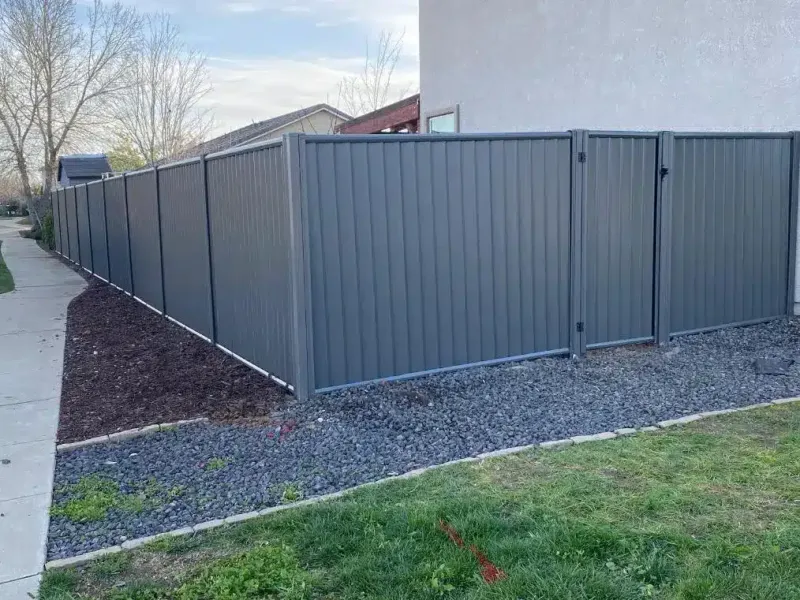
California homeowners are hearing more about fence rules lately, and the focus keeps landing on the same spot: the section of wood fencing that sits right next to the house. A wood fence connected to or nearly touching a home can act like a fuel bridge, moving flames and embers toward walls, windows, and eaves during a wildfire.
The concern is real, but the rules behind it are a mix of guidance, draft language, insurance standards, and local ordinances rather than one single statewide law that applies to every property. Understanding exactly what applies to your home, and why the near-house section matters most, is the first step toward making a practical decision.
A fence can create a fire pathway to the house
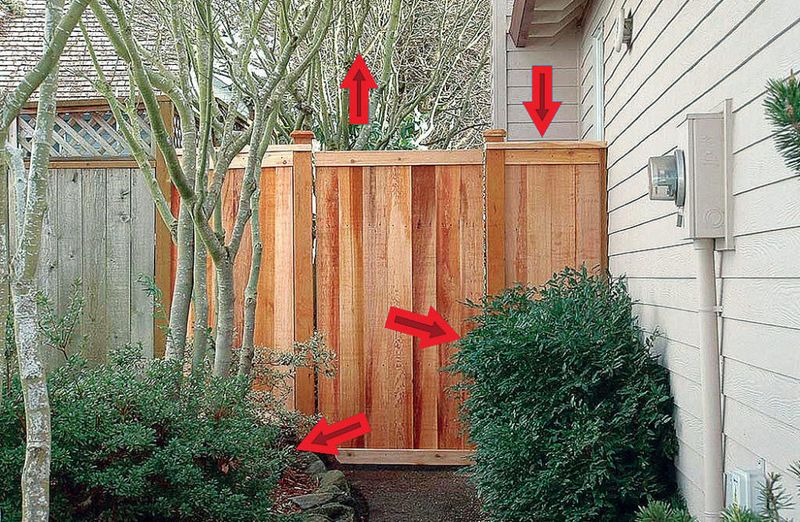
Wood fencing becomes a wildfire concern not because every plank is equally dangerous, but because of where the fence connects to the building. A combustible fence that attaches to or nearly touches a house can act as a continuous fuel path, moving flames and embers along its length until they reach exterior walls, windows, soffits, eaves, or an attached deck.
The closer that fuel path gets to the structure, the less distance fire has to travel before it can ignite the building itself.
NIST research on residential fences and mulch found that fences can become fully involved within minutes under wind-driven conditions, generating flames and embers capable of threatening nearby structures. The NIST work also showed that configuration matters significantly: a fence combined with mulch or other combustible material at its base produced more severe fire behavior than a fence standing alone.
Parallel combustible fences running close together created even more intense conditions.
The fence-to-structure connection is where the risk concentrates. A freestanding fence running across a yard is a different situation than one bolted to a house wall or running directly beneath overhanging eaves.
UC ANR’s fence guidance identifies attached combustible fencing as the stronger concern because ignition can travel directly from the fence to the exterior wall without needing to jump a gap.
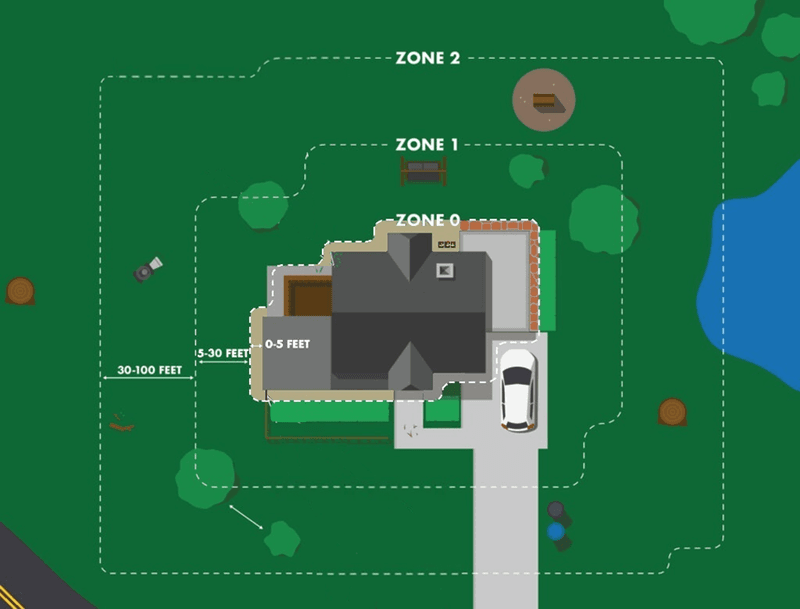
Zone 0 is the framework California uses to prioritize the area where this risk is highest. It covers the first five feet around a structure, treating that zone as the most critical area for reducing ignition pathways.
The Zone 0 approach does not declare every wood fence in California a hazard. It focuses attention on the section closest to the house, where a combustible material can most directly threaten the building’s exterior.
Zone 0 prioritizes the first five feet around a structure
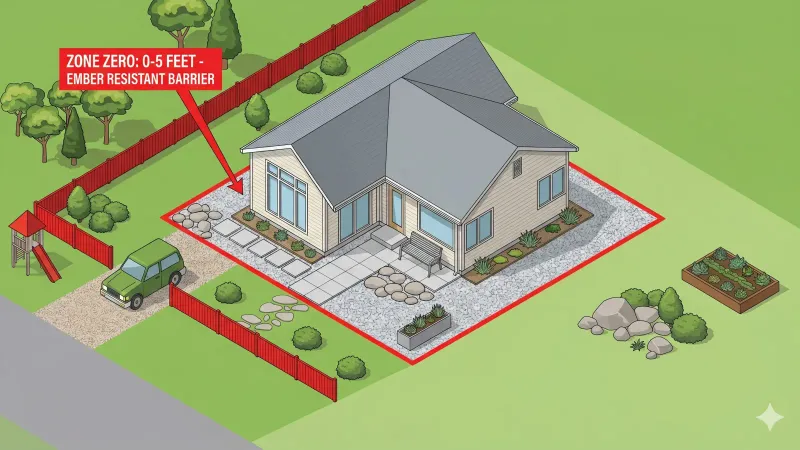
Zone 0 covers the first zero to five feet surrounding a structure, including the ground and surfaces immediately adjacent to exterior walls, attached decks, and stairs. Its purpose is straightforward: reduce the materials in that immediate ring that could ignite from a landing ember or catch fire from radiant heat, and you reduce the chance that the building itself catches.
Board of Forestry Zone 0 FAQ documentation describes this band as the highest-priority area for limiting ignition pathways to the structure.
Fencing falls inside Zone 0 whenever it attaches to the house or passes through that five-foot band. Because a wood fence physically connects to the building or runs close enough for flames and radiant heat to bridge the gap, it becomes part of the ignition-pathway problem the zone is designed to address.
Removing or replacing the combustible material in that band is the core action Zone 0 targets.
Governor Newsom’s February 2025 wildfire hardening announcement highlighted Zone 0 as part of a broader push to reduce home ignitions in high-fire-risk communities. The program is aimed at specified high-fire-risk locations, which includes State Responsibility Areas and Very High Fire Hazard Severity Zones within Local Responsibility Areas.
It does not automatically apply to every California property in every neighborhood.
The five-foot figure is a priority zone boundary, not a universal instruction to tear out all nearby wood fencing. Homeowners in areas outside the specified high-fire-risk designations may face different or no state-level requirements, though local ordinances and insurance criteria can still apply.
Checking which designation applies to your address is the necessary first step before treating Zone 0 as a personal legal obligation.
Guidance, draft language, and enforceable rules can differ
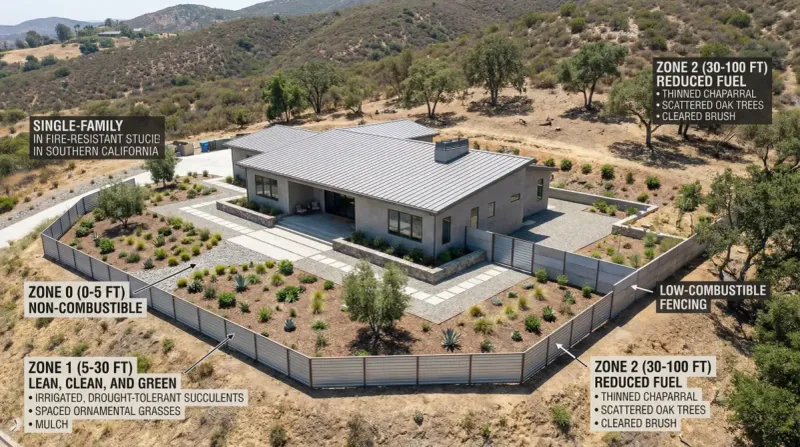
Several different numbers and standards are circulating around California fence requirements, and mixing them up can lead to costly or incomplete decisions. The most important distinction is between what CAL FIRE recommends, what earlier draft regulatory language proposed, what the insurance industry promotes, and what is actually enforceable statewide right now.
CAL FIRE’s current home-hardening guidance recommends replacing the first eight feet of attached combustible fencing or gates with a noncombustible material. That is a recommendation from the state fire agency, not a regulation with a legal deadline.
It reflects CAL FIRE’s judgment about where the risk is highest and how far a noncombustible break should extend from the structure.
Earlier draft regulatory language took a different approach. That language addressed a five-foot noncombustible span where a fence attaches to or comes within roughly one foot of a structure.
The one-foot distance was a criterion in that draft text, not a universal safety boundary or a current statewide requirement. Readers should treat it as an earlier regulatory proposal rather than a settled rule.
The statewide Zone 0 package adds another layer of complexity. The Board of Forestry approved a Zone 0 regulation package on August 19, 2026.
However, the Office of Administrative Law’s emergency regulation action log lists that filing as withdrawn on September 8, 2026. The Board of Forestry’s Zone 0 project page describes the package as under final review.
As of September 26, 2026, the statewide rule was not fully in force.
Local jurisdictions may have separate ordinances that apply regardless of the statewide situation. California’s Department of Insurance also promotes a five-foot ember-resistant zone, including fencing, as part of its Safer from Wildfires insurance program.
That is an insurance-focused standard, not a CAL FIRE regulation or a Board of Forestry rule. Keeping these sources separate helps homeowners understand what they are actually required to do versus what is currently recommended or proposed.
Inspect the fence-to-house connection first
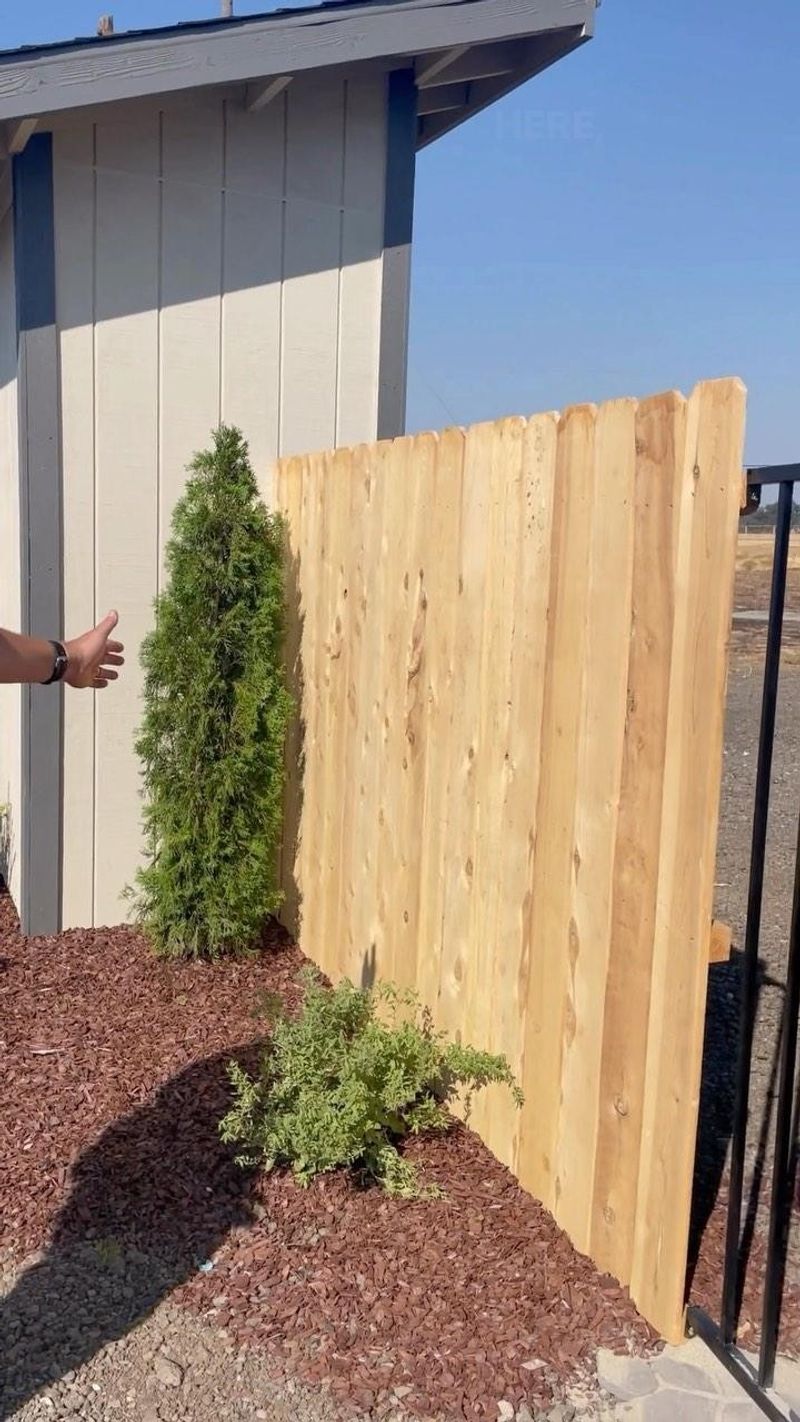
Before planning any retrofit, walk the perimeter where your fence meets or approaches the house. The first question is simple: does the fence physically touch the exterior wall, or does it connect to the structure through a shared post, rail, or gate hardware?
A fence that attaches directly to the house is the highest-priority situation because there is no gap for fire to cross. Flames and embers can travel the fence length and reach the siding, window frame, or eave without any interruption.
Next, check whether the fence runs beneath or very close to an overhang, eave, or soffit. Eaves can trap embers and radiant heat even when the fence does not touch the wall directly.
Look at where the fence meets an attached deck or exterior staircase, since those surfaces extend the structure and share the same ignition risk. UC ANR’s home preparation guidance notes that decks and stairs connected to the house are part of the same exposure problem as attached fencing.
If your fence runs parallel to the house without touching it, measure the gap. Earlier draft regulatory language used roughly one foot as a threshold for addressing fence proximity, but that figure was a criterion in a proposed rule rather than a universal legal or safety cutoff.
A fence two or three feet away can still expose the building to radiant heat, embers, or burning debris under windy conditions, so distance alone does not eliminate the concern entirely.
Examine the gate hardware, the horizontal rails, and any gaps between boards. CAL FIRE’s home-hardening page specifically calls out gates as part of attached combustible fencing, meaning a metal wall with a wood gate still has a combustible component at the connection point.
Finally, look at what is sitting at the fence base: leaves, pine needles, mulch, and dry weeds packed against the boards create additional fuel that can ignite before the fence itself does.
A noncombustible break can interrupt the nearest fuel path
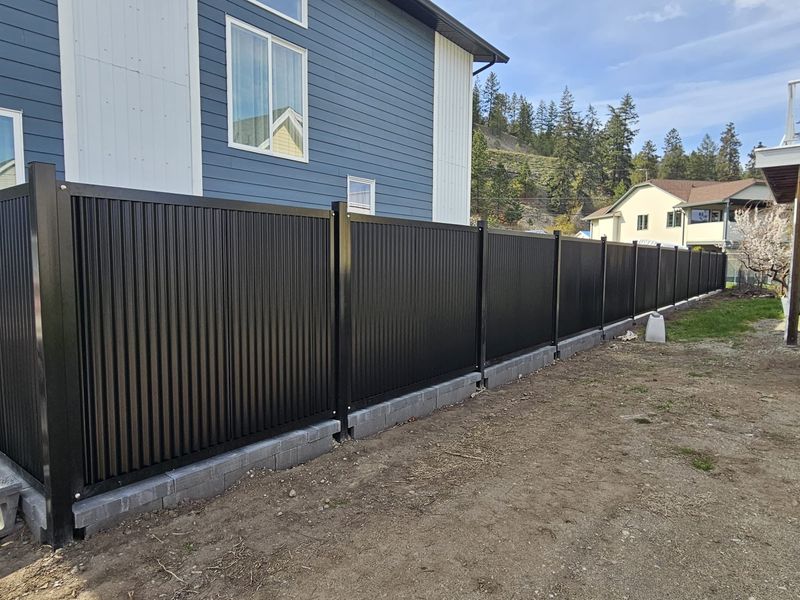
The practical fix for an attached combustible fence does not require tearing out the entire structure. The core idea is to replace the section of fencing closest to the house with a noncombustible material, creating a break in the fuel path right where it matters most.
Metal, masonry, concrete block, and similar materials do not ignite from ember exposure the way wood does, so substituting even a short noncombustible segment at the structure end removes the direct connection between the combustible fence and the building.
UC ANR’s fence and home fire research describes this approach clearly: replace the last section of an attached combustible fence with a metal gate or panel, then allow the wood fence to continue farther from the structure where local requirements and conditions permit. A metal gate that swings open at the house wall satisfies the break requirement while preserving privacy and access along the rest of the fence line.
How long that noncombustible section needs to be depends on which standard applies to your property. CAL FIRE currently recommends replacing the first eight feet of attached combustible fencing or gates.
Earlier draft Zone 0 language described a five-foot noncombustible span where a fence attaches to or comes within roughly one foot of the structure. Those are not the same number, and neither figure functions as a universal legal deadline right now given the statewide rule’s unsettled status.
Local ordinances may specify a different length entirely.
When selecting replacement materials, metal panels, steel posts, aluminum rails, masonry columns, and concrete block walls are the most straightforward noncombustible options. Board of Forestry Zone 0 FAQ materials address the types of materials appropriate for the zone closest to a structure.
Check that any product you select meets your local jurisdiction’s requirements rather than assuming any metal or masonry product automatically qualifies.
Fence design and maintenance affect ember exposure
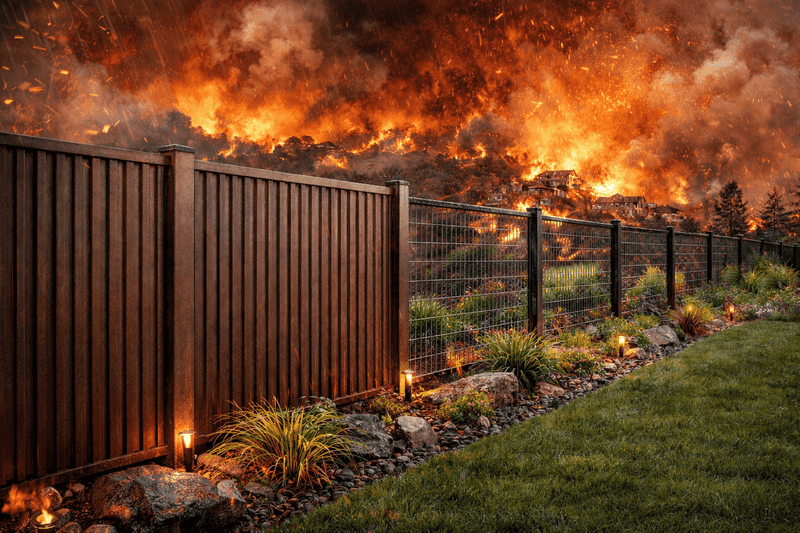
Once the structure connection is addressed, the fence’s ongoing performance depends on what accumulates around it and how it is built. Solid privacy fences with boards mounted tight against horizontal rails create ledges on the rail tops where embers can land and smolder.
A single ember settling into a pocket of dry pine needles or leaf litter at a rail joint can ignite the wood before any flame reaches the fence from outside. Clearing that debris regularly is not optional maintenance during fire season.
UC ANR’s wildfire fence research identifies ember accumulation at horizontal rails and fence bases as a meaningful vulnerability. Remove leaves, pine needles, mulch, dry weeds, and climbing plants from the fence base and from any ledge created by the rail-and-board assembly.
Avoid using any fence section as a trellis, since vines and climbing plants hold moisture initially but dry into dense, continuous fuel that can carry fire along the fence length.
Fence design affects how much ember exposure the structure faces. More open assemblies, such as good-neighbor fences where boards alternate sides of the rail or lattice panels with visible gaps, give embers fewer flat surfaces to land on and less trapped air to sustain smoldering.
UC ANR’s homeowner wildfire mitigation guide notes that more porous designs are generally less vulnerable to ember exposure than solid privacy fences, while stopping short of calling them fireproof.
Vinyl fencing is sometimes suggested as a substitute, but it carries its own limitations. Vinyl can deform under radiant heat and can ignite under direct flame exposure or when debris at its base catches fire.
Treated wood, thicker boards, and fire-retardant-treated lumber may change how a fence performs, but none of those materials automatically equals a noncombustible product or satisfies a local requirement that specifies metal or masonry. CAL FIRE’s defensible space program resources reinforce that material choice, debris management, and overall site conditions all factor into how a fence contributes to or limits wildfire risk.
Confirm the standard before treating the retrofit as a deadline
Before spending money on a fence retrofit, pin down exactly which standard applies to your property. Start with your city or county fire department and ask whether a local defensible-space ordinance covers fence materials near structures.
Local rules can be stricter than state guidance, more specific about required distances, or already enforceable even when the statewide package is not.
Contact your insurance company and ask whether your policy or renewal terms reference fence materials, the five-foot ember-resistant zone, or the California Department of Insurance’s Safer from Wildfires program. Some insurers use that framework to evaluate properties for coverage or discounts, making compliance a financial consideration separate from any regulatory requirement.
Check the current status of the statewide Zone 0 package at the Office of Administrative Law’s emergency regulation action log and the Board of Forestry’s project page before treating any state-level figure as a legal deadline.
The practical decision path looks like this: identify whether the fence touches or nearly touches the house, clear combustible debris from the fence base and surrounding ground, plan a noncombustible break at the structure end sized to the standard that actually governs your property, and verify the material meets local requirements before purchasing. CAL FIRE’s defensible space resources and home-hardening page offer a starting point, but your local fire department is the authoritative source for what is enforceable where you live.
Treating the fence section nearest the house removes one potential ignition pathway. It does not make the house wildfire-proof.
Roofs, vents, gutters, windows, decks, siding, and the broader defensible-space work around the property all stay on the list. The fence is a practical place to start because the fix is targeted and the risk at the connection point is well-documented.
Getting that one section right, and confirming it actually meets the right standard, is more useful than acting on a number that may not apply to your address.