
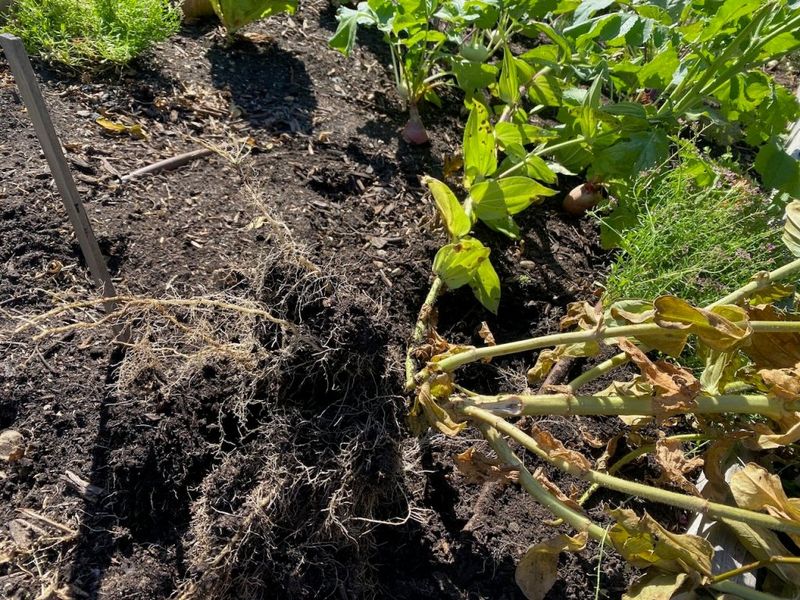
The last tomato is picked, the vines look tired, and now you have a bed full of stems and a question about what lies underneath. Whether the roots stay or go depends on how the plant did this year.
University of California guidance gives a clear path for healthy plants and a different one for plants with certain root or soil problems. Here is how to tell which cleanup your bed needs.
Healthy tomato roots can stay in the bed
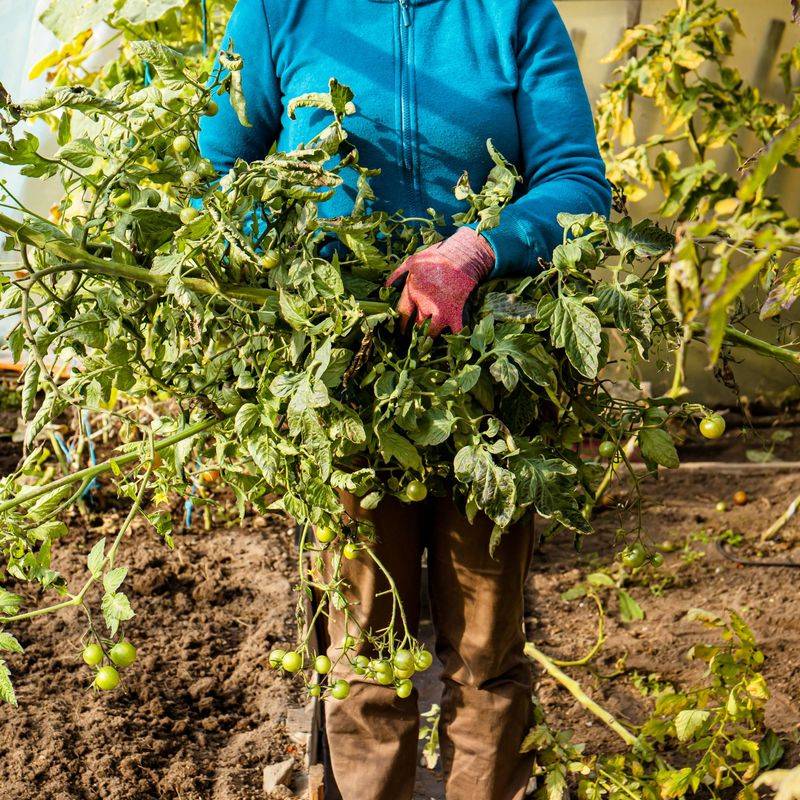
For a plant that grew well and stayed healthy, the simplest cleanup is also the gentlest. UC Master Gardeners of Sonoma County advise removing the aboveground part of the tomato plant and leaving the roots undisturbed in the soil so they can decompose.
Cut the stems near ground level with pruners, then haul away the vines and fruit. The roots stay where they are and break down over time, with little digging to disturb the soil around them.
Think of this as a low-disturbance cleanup option. It is not a promise of richer soil or a shield against disease.
The guidance supports decomposition with minimal disturbance, and that is all you should expect from it.
Once the top growth is gone, the same guide suggests covering the bed with mulch or planting a cover crop. Either one keeps bare California soil from baking in fall sun or washing out in winter storms.
Here is the catch. This advice is meant for healthy plants.
If a plant struggled, or you suspect a problem living in the roots or soil, the rules change, and the next sections show how to spot those cases and what to do.
Inspect struggling plants for root-knot clues
Sometimes a tomato plant just never thrived. It may have stayed small, produced little fruit, turned yellow, or wilted even though you watered it well.
Those are good reasons to pull one plant up and look at its roots before deciding what to do.
Be careful about jumping to conclusions. Yellowing, wilting, and stunting can come from many causes, including watering problems, heat, nutrient issues, and other diseases, so the leaves alone will not tell you what is wrong.
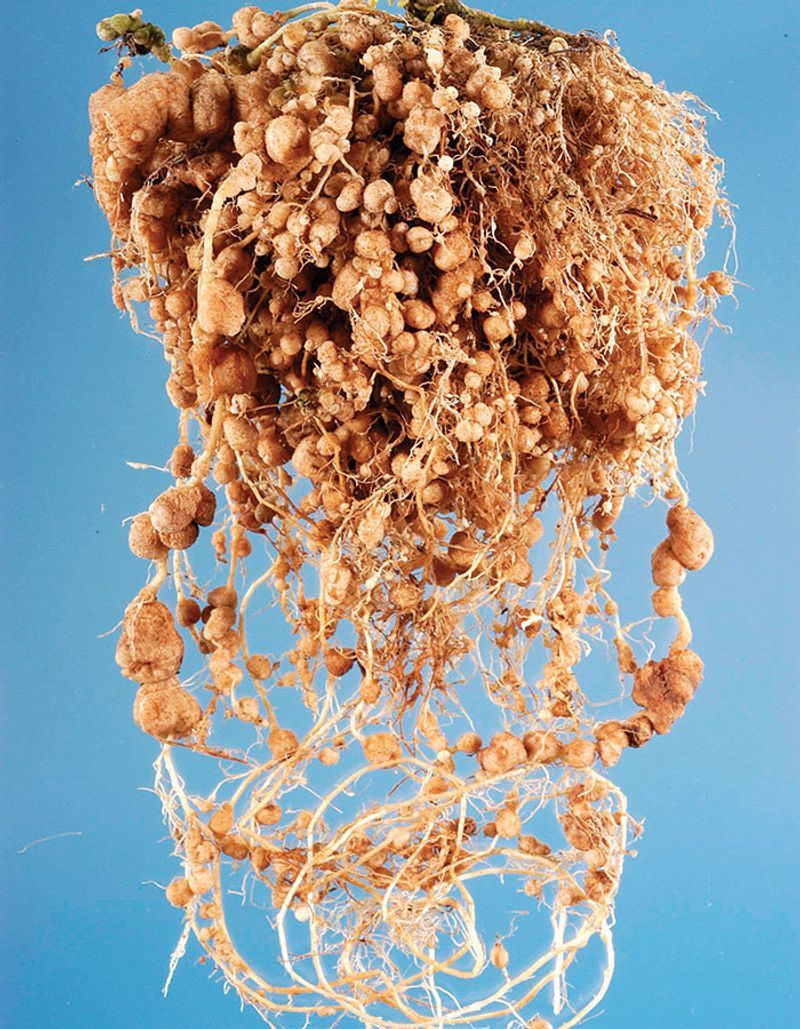
The roots give a better clue. UC IPM guidelines describe root-knot nematodes as tiny soil worms that cause swellings, called galls, on roots.
The galls feel firm and are part of the root itself, so they do not rub off like clumps of soil.
If you find them, UC Master Gardeners of Sacramento County recommend removing and disposing of the affected roots rather than leaving them to rot in the bed. Dig carefully and get as much root as you reasonably can.
Afterward, knock soil off your tools and shoes before you move to another bed. UC Master Gardeners of Santa Clara County note that infested soil can travel this way and spread the problem.
Suspected wilt changes the cleanup rule
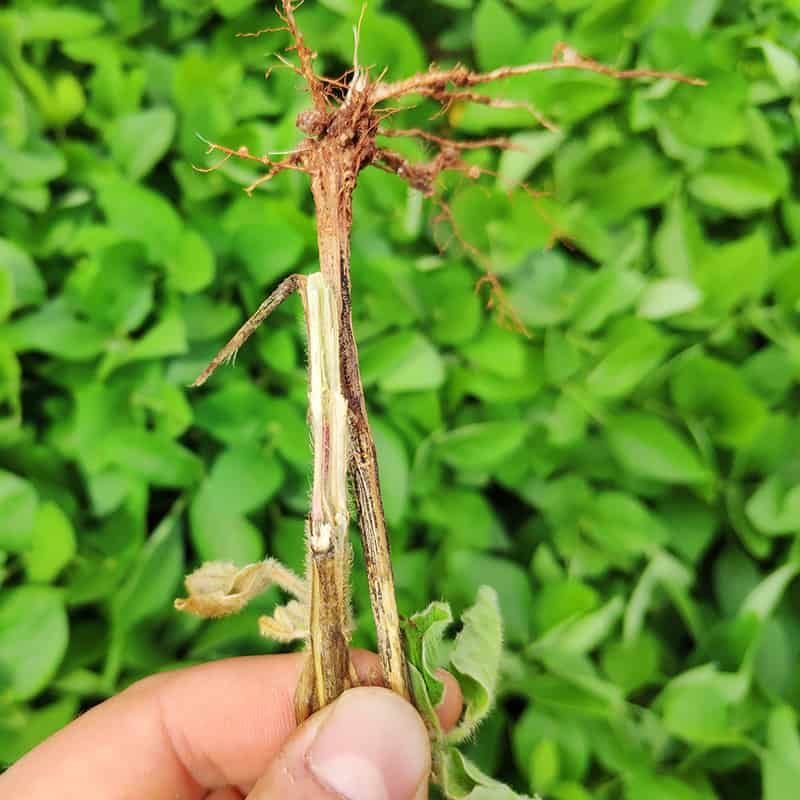
Fusarium and Verticillium are soilborne fungi that clog the tubes a tomato uses to carry water. When a plant is known or strongly suspected to have one of these wilts, leaving its roots in the bed is no longer the best plan.
According to UC IPM, the recommendation is to remove the infected plant, including as much of the root and plant debris as possible. Practical is the key word, since you will never get every fine root.
Some warning signs are documented. Yellowing that begins on one side of the plant or on a single branch is one.
Another is brown discoloration in the water-conducting tissue inside the lower stem, which you can see if you slice the stem open near the base.
These signs are clues, not a home diagnosis. UC IPM also explains that Fusarium and Verticillium wilt can be hard to tell apart, and a plant with similar symptoms may have another problem altogether.
Because the cleanup advice is the same for both wilts, you do not have to name the exact one to act sensibly. If you are unsure, your local UC Master Gardener program can help you decide.
One more fact matters here. The wilt pathogens can persist in soil after the plant material is gone, so pulling the plant reduces what is left behind but does not clean the bed.
Other diseases need their own cleanup instructions
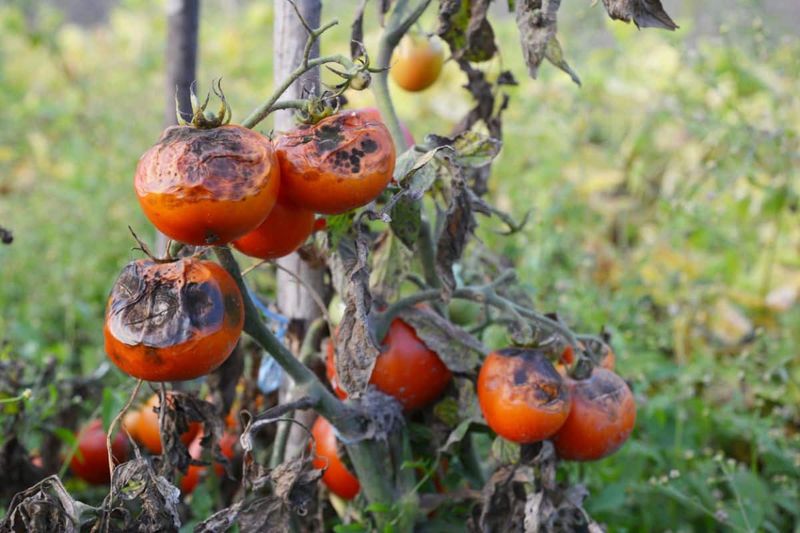
Not every tomato problem calls for a shovel. Late blight shows why gardeners should follow the advice for the specific disease instead of using one rule for all of them.
UC IPM guidance on late blight calls for removing and destroying tomato and related crop debris after harvest. Potatoes belong in that related group, so check for leftover plants or tubers nearby as well.
Notice what that instruction covers: the debris. It is about getting rid of diseased vines, fruit, and plant remains, and it is not a rule that every root must be dug out of the bed.
The root-removal advice you read about earlier is tied to particular problems. UC IPM ties it to Fusarium wilt, and UC Master Gardeners in Sacramento County tie it to root-knot nematode galls.
A practical habit follows from this. When a plant had a disease you can name, look up the instructions for that disease, and let them decide how much you clean out.
A leaf spot on one plant is no reason to dig up a whole bed.
Dispose of suspect plant material with care
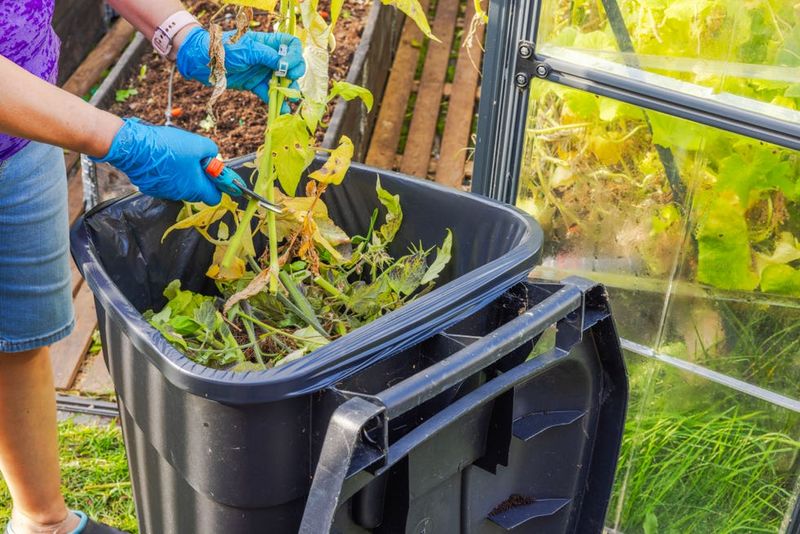
Once diseased tomato plants are out of the ground, the next question is where they go. The backyard compost pile feels like the natural answer, but it is not always a safe one.
UC IPM explains that compost must be managed to reach adequate temperatures to destroy many plant pathogens. A small pile that is not turned or kept moist may never get hot enough, so suspect material can carry disease into the next batch.
For plants confirmed with Fusarium or Verticillium wilt, the advice is clearer. UC Master Gardeners recommend putting them in the garbage or an accepted green-waste bin instead of home-composting them.
Green-waste programs vary from city to city in California. Some accept diseased plants and some do not, so check your local hauler’s rules or call them rather than assuming.
If you are not sure, bagging the material and using the trash is the cautious choice. It costs a little landfill space, but it keeps a problem from coming back through your finished compost.
Prepare the bed without assuming it is disease-free
Cleanup and disease control are two different jobs. Pulling out affected roots and debris is sanitation, which means it lowers what is left behind, but it does not sterilize the soil.
That matters most with wilt. UC IPM and its home garden page on Fusarium wilt both say the fungus can survive in soil, so a bed may not be safe for tomatoes next season even after a thorough cleanup.
You may wonder how long to wait before planting tomatoes there again. There is no single answer for every home garden.
UC’s commercial tomato guidance lists different rotation periods for different diseases, and it notes that California research is lacking on continuous tomato production where no problems exist.
Timing depends on what the problem was and on your growing setup. If you have had wilt or nematodes, consider planting tomatoes in a different bed or another spot for a while.
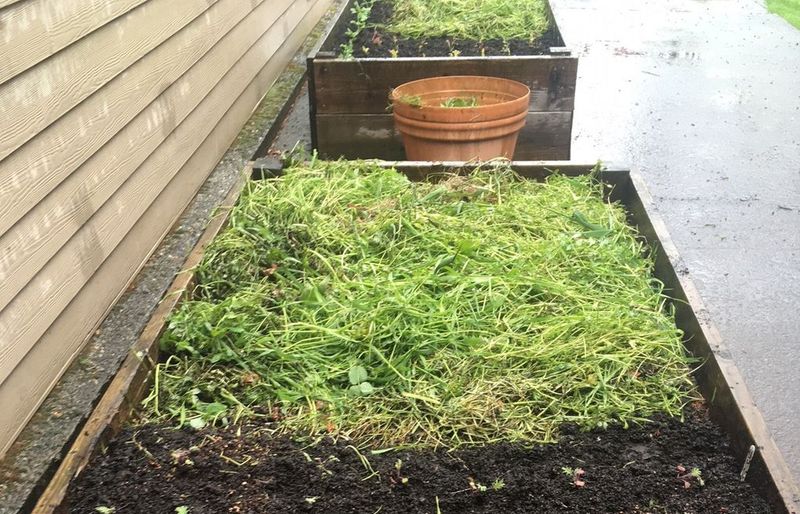
Mulch or a cover crop, as the Sonoma County guide suggests, is a fine way to protect the bed over winter. Treat it as cover for the soil and not as a cure for soilborne pathogens.
Use the plant’s health to make the final call
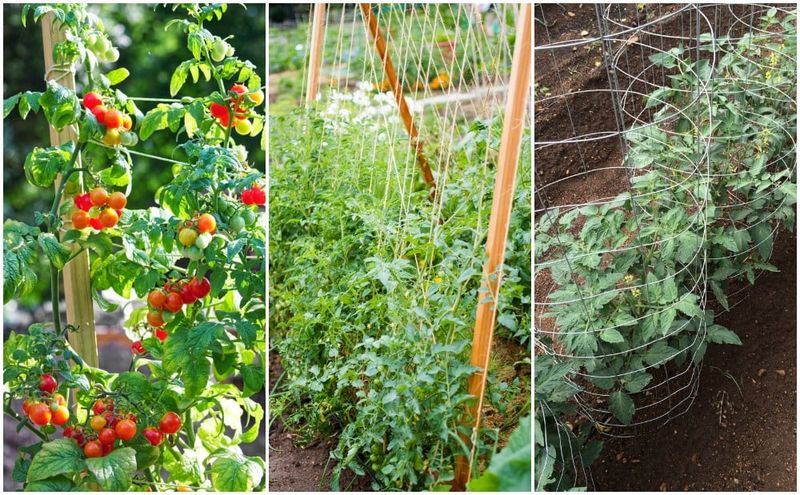
Healthy plant, healthy roots: cut the top growth and leave the roots to decompose. Galls on the roots, or a plant you suspect had Fusarium or Verticillium wilt, mean removing as much affected root and plant material as practical.
For other diseases, follow the instructions written for that disease, as UC Master Gardeners in Sacramento County do. Even a careful cleanup does not guarantee a disease-free bed.
The plant tells you most of what you need to know, so let it.