
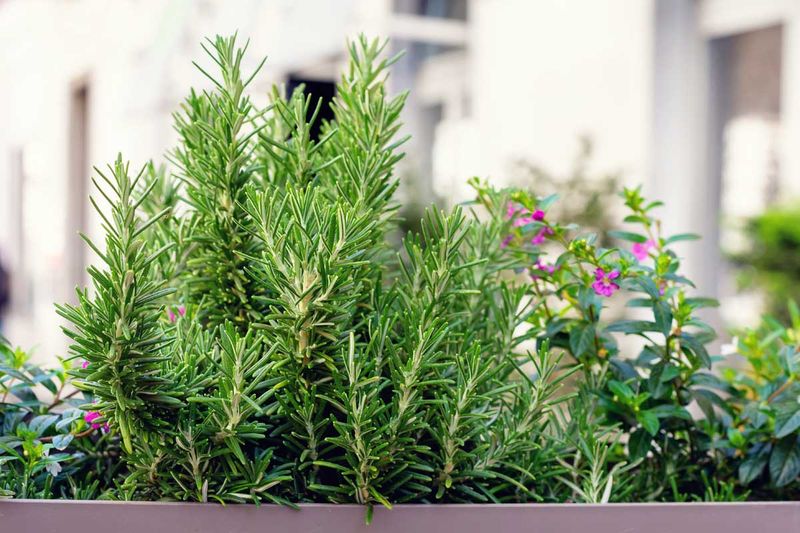
Rosemary is a Mediterranean herb that many Texas gardeners are discovering works surprisingly well in bright, sunny spots around the home, especially during the long, punishing heat of summer. Its preference for full sun, fast-draining soil, and a root zone that dries out between waterings lines up well with conditions on many Texas porches.
Whether you grow it in a container by the front door or along a sunny bed near the steps, rosemary rewards you with fragrance every time you brush past it. This article explains why rosemary can suit many Texas porch sites and gives you a practical plan for making it work.
Why rosemary can suit many Texas porches
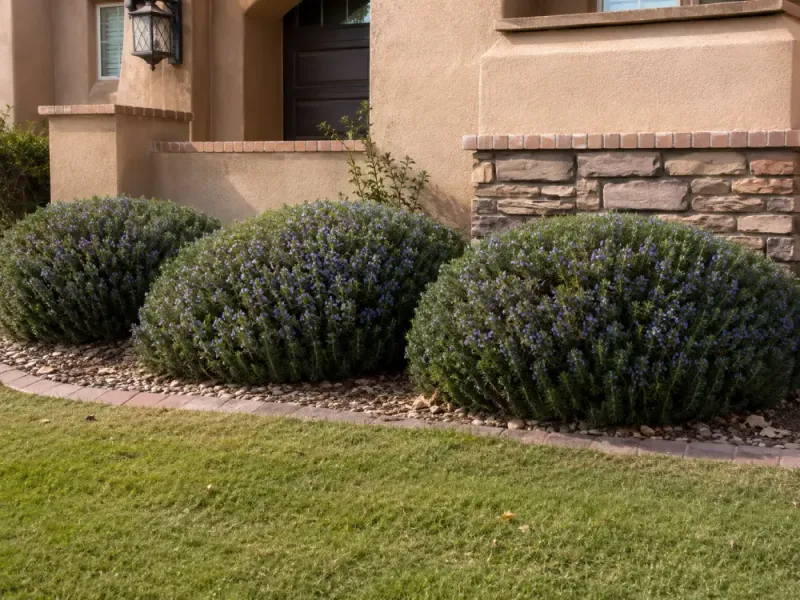
Rosemary, now formally named Salvia rosmarinus though still widely listed as Rosmarinus officinalis, is a Mediterranean shrub built for conditions that defeat many other herbs. Full sun, fast-draining soil, and a root zone allowed to dry somewhat between waterings are exactly what it prefers, and those conditions describe a good number of Texas porch sites.
Texas A&M’s easy-gardening rosemary guide describes it as a hardy evergreen shrub suited to most of Texas, while UF/IFAS notes it performs well in hot, dry locations once established.
The porch payoff is practical. Rosemary releases its scent when foliage is brushed or crushed, so placing it near a walkway, step, or entry means you catch that fragrance every time you pass.
It also keeps its needle-like, gray-green leaves year-round on most Texas sites, giving the space a finished look even when summer heat shuts down other plants.
The plant fits a range of formats. Grow it in a container, tuck it into a border, train it as a low hedge, or let a vigorous variety develop into a small topiary.
The Texas Superstar program brochure lists rosemary as useful in edible gardens, containers, hedges, and topiary, confirming its flexibility across Texas settings.
That said, rosemary suits many Texas porches rather than all of them. Porch exposure, container size, humidity level, drainage quality, watering consistency, cultivar choice, and winter temperatures all shape the outcome.
A shaded porch, a pot without a drainage hole, or a Gulf Coast site with persistently wet soil can change results substantially. The sections that follow help you evaluate your specific site before you commit.
Test the porch for sunlight, airflow, and runoff
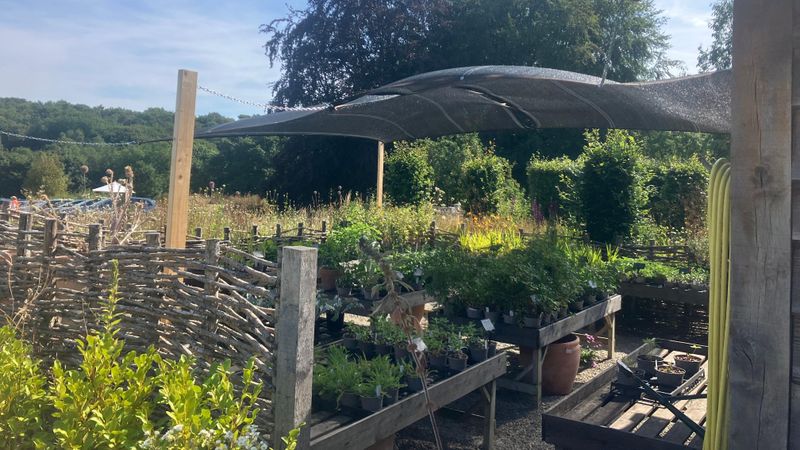
Before buying a single plant, spend a day watching how much direct sun your intended spot actually receives. Rosemary needs roughly six hours of direct sunlight daily to stay healthy and productive.
UF/IFAS gardening solutions for rosemary and Texas A&M both recommend full sun as a non-negotiable starting point. A porch that faces south or west often qualifies; one that faces north or sits under a deep, solid roof may not.
Porch roofs create a useful partial shelter from rain, but they can also block enough light to weaken the plant over time. Check whether the roof overhang shades the planting area for most of the morning or afternoon.
If the spot gets bright, direct light for at least six hours, the roof is an asset rather than a liability. If shadows dominate, move the container to the porch edge, a nearby step, or an open area of the yard where light is not interrupted.
Airflow matters as much as light, particularly on the humid Gulf Coast. Rosemary grown in still, moist air with poor drainage is far more vulnerable to root and foliage problems than one in a breezy, open spot.
Check whether your porch traps humidity or allows a reasonable cross-breeze. At the same time, extremely exposed, high-wind positions can stress the plant and dry containers faster than you can keep up with watering.
Runoff is the last test. A porch roof that channels rainwater directly onto a container or bed keeps the root zone wetter than rosemary tolerates.
Make sure no drip line, irrigation head, or gutter discharge lands on or near the planting area. Persistent moisture at the roots is one of the fastest ways to lose rosemary, even in an otherwise suitable location.
Build a root zone that drains quickly
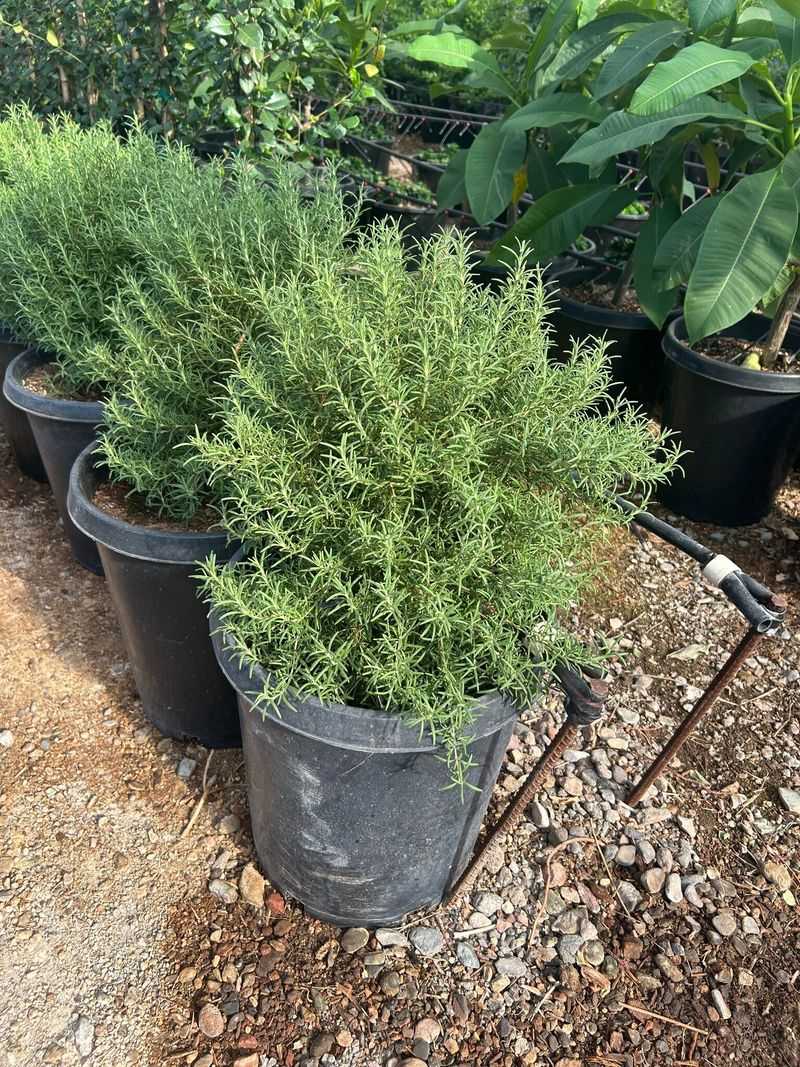
Getting drainage right matters more than almost any other decision you make with rosemary. The plant is vulnerable to root problems when soil stays wet, and that risk is amplified inside a container sitting in Texas heat.
UC IPM’s cultural tips for growing rosemary specifically call out well-drained soil as a key requirement, while Texas A&M’s herb production guide echoes the same point for Texas conditions.
For container planting, start with a pot that has at least one drainage hole, and choose a porous, well-draining potting mix rather than dense garden soil. Standard garden soil compacts in containers, holds moisture too long, and reduces the air pockets rosemary roots need.
A mix formulated for herbs, cactus, or Mediterranean plants works well. You can also blend a general potting mix with coarse perlite or coarse sand to improve drainage further.
Container size affects both drainage and heat retention. Small pots dry out very quickly in Texas sun and wind, which increases watering demands and makes it harder to maintain even moisture during establishment.
Larger containers hold more volume and buffer temperature swings better, though they still need good drainage. A container roughly 12 to 16 inches in diameter gives a young plant room to establish without creating an oversized reservoir of wet soil.
For in-ground planting along a porch bed, evaluate the native soil before you dig. If water pools after rain or the soil feels heavy and clay-like, consider raising the planting area slightly.
A mounded or raised bed position, even just a few inches above grade, can make a meaningful difference in how quickly the root zone dries after rain. Texas A&M’s herbs and spices crop guide notes that well-drained soil is essential for rosemary production in Texas, and a raised position is one of the most reliable ways to achieve that where native soil holds water.
Water by establishment stage and site conditions
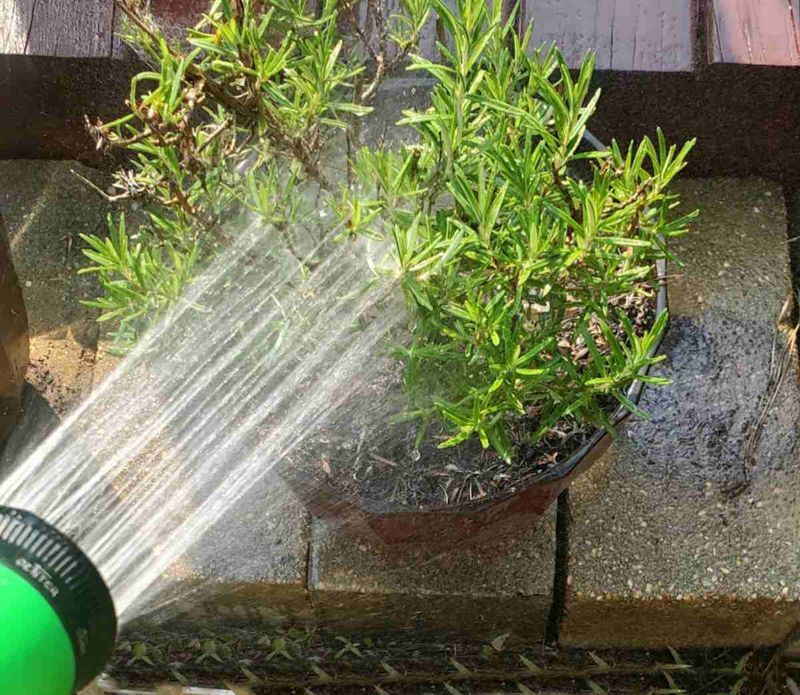
Rosemary’s reputation as a low-water plant applies mainly after it has had time to settle in and grow a healthy root system. A newly planted rosemary, whether it goes into a container or a bed, needs regular watering to push roots outward and downward.
Texas Superstar’s explanation of plant symbols makes this explicit: even drought-tolerant plants need adequate moisture while establishing. Skipping water too early is one of the more common reasons rosemary fails in its first Texas summer.
Once roots are established, the rhythm changes. Established rosemary prefers the soil to dry somewhat between waterings rather than staying constantly moist.
UF/IFAS Bay County’s rosemary post describes the plant as forgiving of a forgetful gardener once it is settled, but that forgiveness has limits in extreme heat, especially in containers.
Container plants need closer attention than in-ground rosemary because pots heat up faster, lose moisture more quickly in wind and sun, and give roots nowhere else to go for water. Check the top inch or two of the potting mix rather than watering on a fixed schedule.
If it feels dry, water thoroughly until it drains from the bottom. If it still feels moist, wait another day.
The right interval will shift depending on container size, potting mix, sun exposure, wind, humidity, and rainfall. A small pot in a windy, west-facing spot in July may need water every day; a larger container in a partially sheltered position might go two or three days.
Overwatering is as damaging as drought for rosemary. Constantly wet soil deprives roots of oxygen and invites the root problems that rosemary is most susceptible to.
If foliage begins to look dull, grayish, or wilted and the soil is wet rather than dry, reduce watering frequency and check that the drainage hole is not blocked. Texas A&M’s EarthKind water-efficiency guidance recommends adjusting irrigation based on actual plant and soil response rather than a rigid calendar, which is exactly the right approach for rosemary in Texas heat.
Harvest sprigs and prune without damaging woody stems
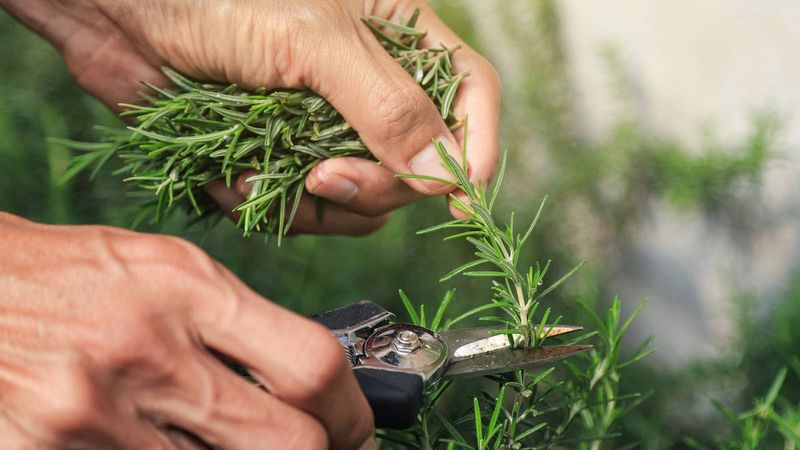
One of the most immediate rewards of growing rosemary by the porch is the scent. Brushing or crushing the foliage releases the herb’s sharp, resinous fragrance, so a plant placed near a step or doorway means every pass in or out of the house becomes a small sensory moment.
Regular harvesting builds on that benefit by keeping the plant tidy and giving you fresh sprigs for cooking, grilling, or infusing into oil or salt.
The key to harvesting safely is staying in the green. Texas A&M’s herb pruning publication warns that severe pruning into old, woody stems can kill rosemary.
Woody growth near the base of the plant does not reliably produce new shoots the way flexible, green stems do. Stick to snipping the soft, newer growth at the tips, taking no more than about a third of any stem at one time, and the plant will continue branching and filling in.
Light, regular pruning serves the same function as harvesting. Trimming tips after flowering, or whenever the plant starts to look leggy, encourages bushier growth and keeps the shape manageable in a container or border.
Texas A&M’s rosemary production guide supports this approach, noting that rosemary responds well to regular, careful harvesting.
Rosemary’s growth habit also lends itself to more structured uses when space allows. A larger container specimen can be trained into a simple topiary over time, while a row of plants along a sunny bed edge can develop into a low, informal hedge.
These are long-term options rather than quick fixes, but they show how a single well-placed plant can grow into a more permanent landscape feature that continues to offer fragrance and harvestable foliage season after season.
Consider a Texas-tested cultivar such as ‘Gorizia’
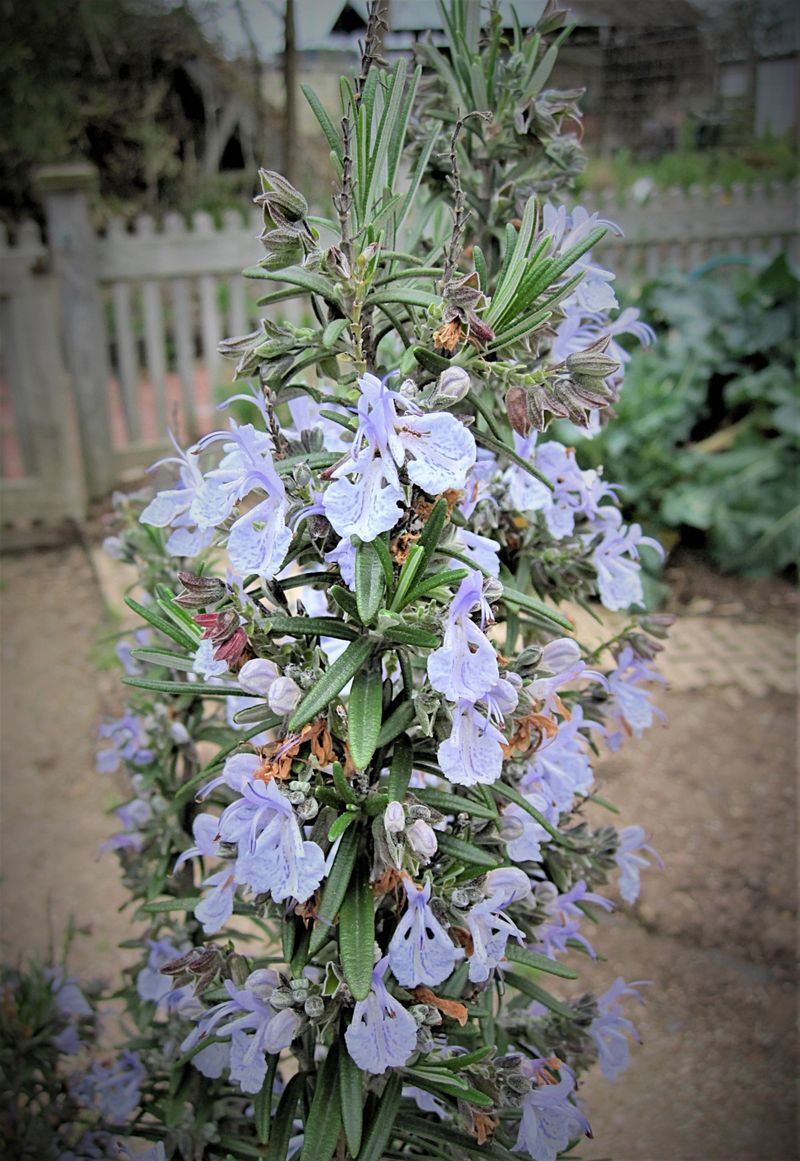
When choosing a rosemary variety for a Texas porch, starting with one that has already been evaluated across the state’s different conditions is a reasonable shortcut. The Texas Superstar program selects plants based on performance testing across multiple Texas ecoregions, accounting for differences in heat, rainfall, and winter temperatures. ‘Gorizia’ rosemary holds a Texas Superstar designation, which means it has been assessed under those varied conditions rather than just in a single test garden.
According to the Texas Superstar program brochure, ‘Gorizia’ is described as vigorous and fragrant, suited to full sun, and versatile enough for containers, edible gardens, hedges, and topiary. It is presented as an upright grower with good visual presence, making it a reasonable choice for a porch container where you want a plant that earns its spot on appearance alone.
The flowers are worth noting for another reason. Rosemary blooms can provide forage for bees and other beneficial insects when the plant is in flower, and NC State Extension’s rosemary profile lists the flowers as attractive to bees, butterflies, and hummingbirds.
Actual pollinator visits depend on bloom timing, local species populations, and the surrounding habitat, so treat this as a possible bonus rather than a guaranteed outcome.
The Texas Superstar label is useful evidence, not a blanket guarantee. A plant tested across ecoregions is a better bet than an unlabeled variety of unknown origin, but site-specific factors still apply.
A ‘Gorizia’ plant on a shaded porch with poor drainage will not outperform a well-sited, unnamed rosemary. Use the designation as a starting point when shopping at a Texas nursery, and then apply the same site criteria covered in earlier sections before you commit to a location.
Know where heat, humidity, and winter can defeat it
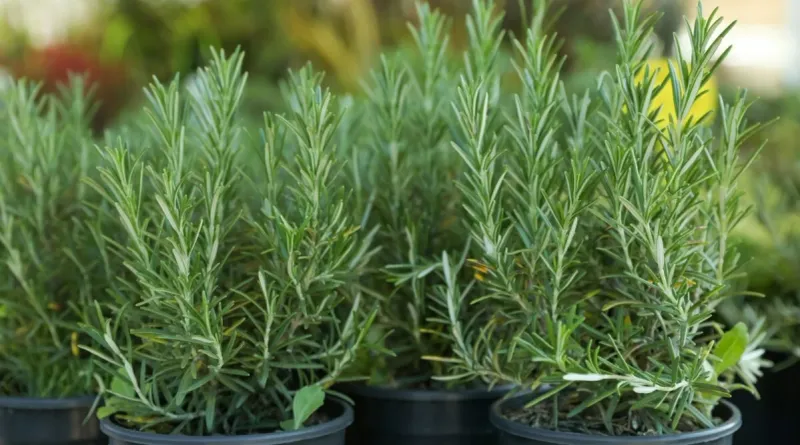
Rosemary handles heat well when drainage and airflow are good, but that qualification matters more in some parts of Texas than others. Dry inland areas such as West and Central Texas often provide the kind of open, breezy, well-drained conditions where rosemary performs most reliably.
The Gulf Coast is a different story. NC State Extension’s rosemary profile specifically notes the plant’s low tolerance for wet, humid environments, and Gulf Coast gardeners face exactly that combination during much of the year.
On humid sites, airflow and drainage become the two variables that most determine whether rosemary thrives or slowly declines. A container elevated slightly off the ground, positioned where a breeze passes through, and filled with a porous mix drains and dries faster than one sitting on a solid, sheltered surface.
UF/IFAS floriculture herb production guidance notes that rosemary can perform well in humid climates when sunlight, drainage, and air circulation are managed carefully. Skipping any one of those three makes the others less effective.
Newly transplanted rosemary and plants in small containers are also higher-risk during extreme heat events. A small pot can heat up enough to damage roots directly, and a plant that has not yet established a deep root system has little buffer against a stretch of triple-digit days.
If you are planting in late spring or early summer, plan to monitor closely and water more attentively than you would for an established plant.
Winter survival is the other honest caveat. Texas A&M’s rosemary production bulletin notes that rosemary may die in temperatures below approximately 10 degrees Fahrenheit, and the Texas Superstar brochure flags ‘Gorizia’ as potentially cold-sensitive in parts of the state.
North Texas gardeners should plan for the possibility of winter damage or loss in hard freeze years. Container plants can be moved indoors or to a protected spot during a freeze, which is one practical advantage of growing rosemary in a pot rather than a permanent bed.
One more distinction deserves a direct statement. Culinary rosemary leaves are safe to handle and use in cooking.
Concentrated rosemary essential oil is a different product entirely. Poison Control’s guidance on essential oils warns that essential oils can cause poisoning, skin reactions, or other harm when swallowed, misused, or applied improperly.
Do not treat the two as interchangeable.
Match rosemary to the site before you commit
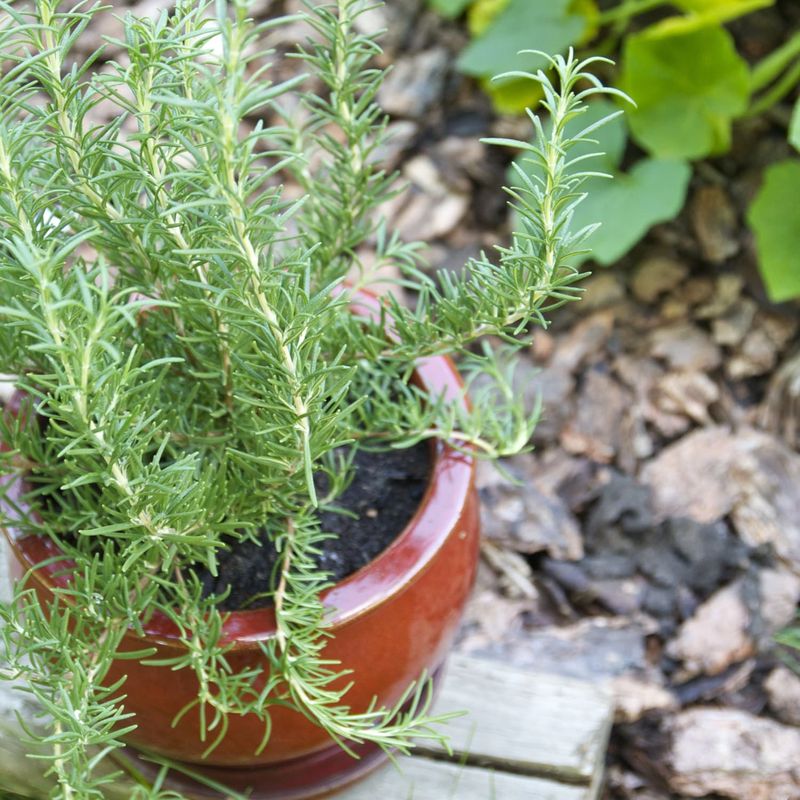
A quick checklist before you plant saves a lot of frustration later. Choose the brightest workable position on the porch, one that receives at least six hours of direct sun and allows reasonable airflow.
Confirm that the spot is free from persistent roof runoff, irrigation overspray, or standing water after rain. UC IPM’s rosemary cultural tips reinforce that well-drained soil and full sun are the two conditions rosemary needs most consistently.
Use a container with a drainage hole and a porous potting mix, or plant in a raised or mounded bed if native soil drains slowly. Water consistently during the first weeks to support root development, then shift to a less frequent rhythm once the plant is established, letting the soil dry somewhat between waterings.
Check containers more often than in-ground plants, especially during hot, windy stretches. Keep pruning light and stay in the green growth rather than cutting back into old wood.
Retain the plant when the site provides adequate light and drainage and the rosemary responds well to appropriate watering. If stress persists after correcting watering habits, or if the site cannot be improved, relocating or replacing the plant is the practical next step rather than continuing to push against a poor fit.
Rosemary is a capable, fragrant, and edible choice for many Texas porches, not a maintenance-free one, and a well-matched site is what makes the difference between a plant that earns its place and one that quietly declines.