
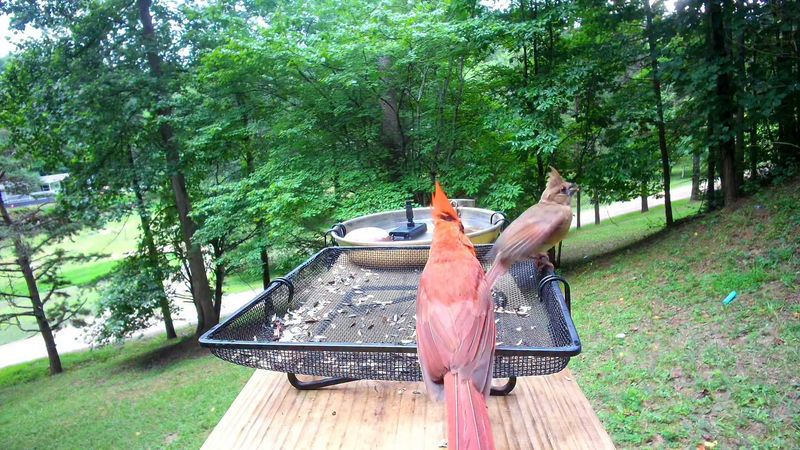
Cardinals have a way of stopping you mid-step, especially when you suddenly notice three or four of them where you usually spot one. Across the eastern two-thirds of Texas, these birds live year-round, so a late-summer uptick in your yard is rarely a sign that new birds have arrived from somewhere else.
What you are seeing is more likely a story about your yard itself, told in feathers, and once you know how to read it, you can actually do something useful with the information.
Texas Cardinals Are Residents, Not Late-Summer Arrivals
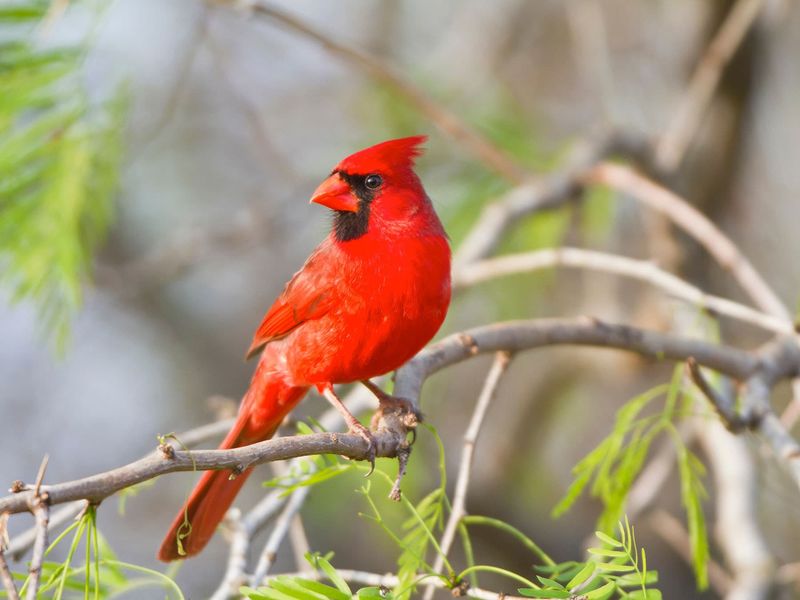
Northern Cardinals do not migrate into Texas in late summer. Across the eastern two-thirds of the state, they are year-round residents, present through every season, and Texas Parks and Wildlife confirms that the species generally stays put rather than traveling with the seasons.
A sudden sense that more cardinals are showing up is almost certainly not a statewide influx.
Western Texas tells a different story. Cardinal habitat thins out considerably as you move toward the Trans-Pecos and the High Plains, and those drier, more open landscapes are also home to the Pyrrhuloxia, a close relative that thrives where true cardinal numbers drop.
The practical point is that the patterns you observe in an East Texas suburb or a Hill Country garden do not apply equally across every corner of the state.
What one homeowner notices in a single yard cannot establish a regional population surge either. Bird counts require standardized methods, repeated observations, and comparison baselines.
When a reader says they are seeing more cardinals right now, the honest and more productive question is not “why are they arriving?” but rather “why are they more visible or active in this specific yard at this specific time?” That reframe leads somewhere genuinely useful, and the rest of this article works through the most likely answers.
Late Summer Changes the Birds—and Your View of Them
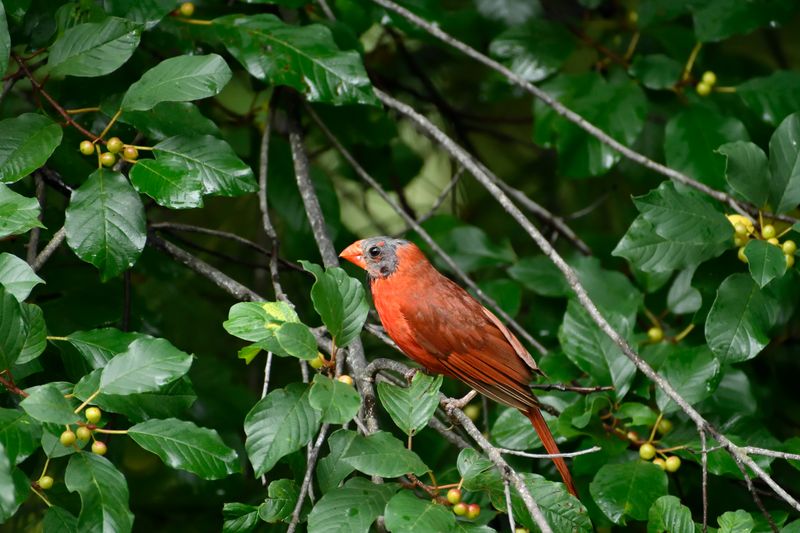
August and early September bring a noticeable shift in how cardinals look and where they show up, and several things are happening at once. Fledglings from earlier broods have grown enough to move around on their own, which means a yard that hosted one adult pair in June may now have several younger birds exploring the same shrubs and feeders.
Cardinals can raise multiple broods in a single season, so breeding may still be underway even as earlier offspring have already gone independent.
Molt adds another layer of visual surprise. After the breeding season, cardinals replace their feathers through a normal annual process, and Texas Parks and Wildlife notes that some individuals lose their crown feathers all at once in late summer, producing a temporarily bald or patchy look.
That naked-headed cardinal at your feeder is almost certainly going through a routine molt, not suffering from a disease. New feathers grow back within a few weeks, and males often emerge looking especially bright once fresh plumage replaces worn, faded feathers.
There is a counterintuitive wrinkle worth knowing. Thick summer vegetation can actually hide cardinals that are present and active, making them harder to spot in dense shrubs even as birds become conspicuous at open feeders or birdbaths.
A molting bird with an odd head profile also tends to catch the eye in a way a fully plumaged bird in thick cover might not. So the same season that drives some birds out of sight can make others suddenly very visible, which can skew what feels like an increase in overall numbers.
What Repeated Visits Reveal About Your Yard
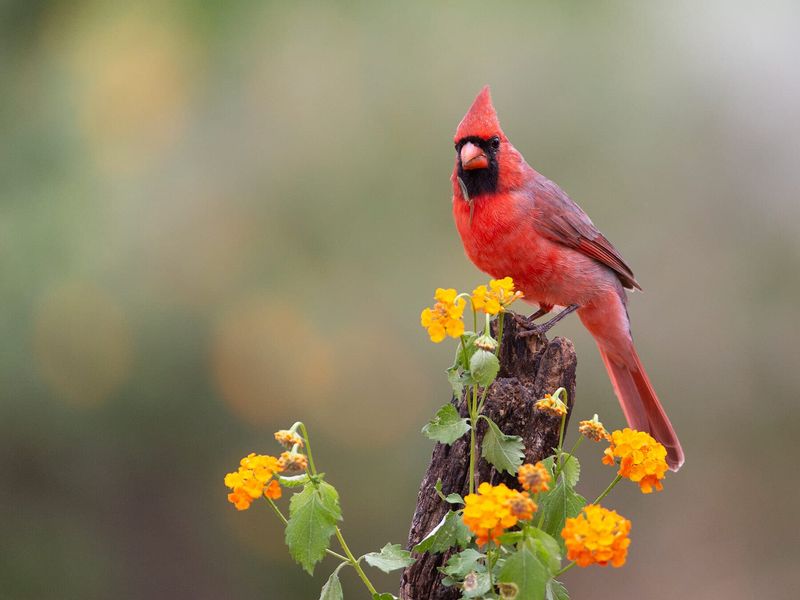
Repeated cardinal visits are worth paying attention to, though not because they predict rain, signal a coming hard winter, or warn of pests. The signal is simpler and more ecological: cardinals keep returning to places that reliably offer what they need.
Cornell Lab of Ornithology’s life history notes describe the species as a habitat generalist that uses shrubby edges, thickets, ornamental landscaping, and backyards, which means a wide range of Texas yards can qualify as usable territory.
Cover is the first thing to look for. Dense shrubs, vine tangles, brushy corners, and layered plantings give cardinals places to perch, hide from predators, and nest.
Food comes next, whether that is natural seed from grasses and forbs, berries from fruiting plants, insects in leaf litter, or supplemental seed at a feeder. Water rounds out the picture, especially during a Texas summer when temperatures routinely push into triple digits and natural sources dry up fast.
Where all three overlap, cardinals tend to linger. Their steady presence in your yard is most honestly read as evidence that those resources are available and accessible, not as a forecast of anything beyond the yard itself.
That distinction matters, because a yard that genuinely supports cardinals is doing something right ecologically, and that is a more actionable and accurate takeaway than any weather prediction.
A Busy Feeder Does Not Always Mean More Birds
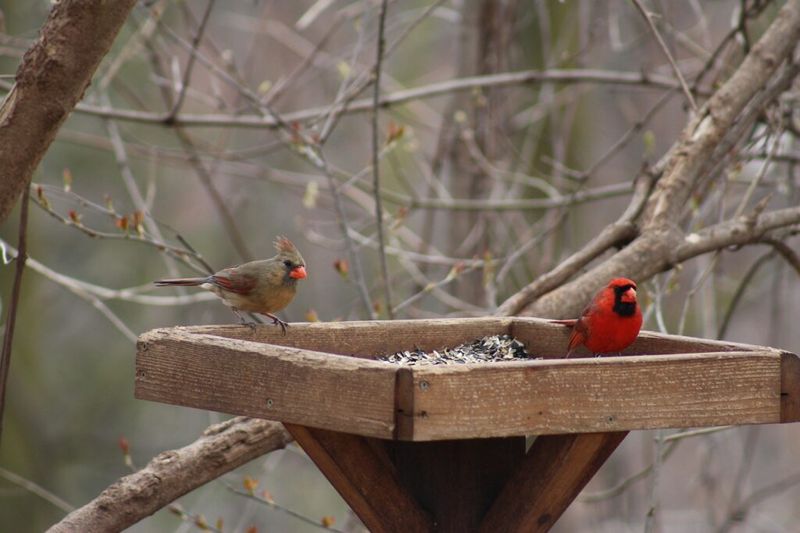
Before concluding that the cardinal population in your neighborhood has grown, run through a short checklist. Have you recently added a feeder, a birdbath, or a fruiting plant?
Have you trimmed shrubs or removed a fence section that now gives birds a clearer line to a food source? Changes in access and visibility can dramatically shift how many birds you notice without changing how many actually live nearby.
Fledglings are easy to overlook as a variable. A resident pair that raised two broods this summer may now be moving through your yard with four or five young birds in tow.
That family group looks like a crowd compared to the quiet pair you watched in spring, but the total number of individual cardinals in your neighborhood may not have changed at all. TPWD seasonal observation notes reinforce that visibility shifts with vegetation density and bird behavior rather than always tracking true population changes.
The same logic applies to feeders. A well-stocked platform feeder in an open spot concentrates activity and makes individual birds easier to count, while birds foraging in dense shrubs ten feet away may go completely unnoticed.
Perceived abundance and actual abundance are not the same thing, and keeping that gap in mind helps you make smarter decisions about your yard rather than drawing conclusions the data cannot support.
The Best Cardinal Habitat Starts With Cover
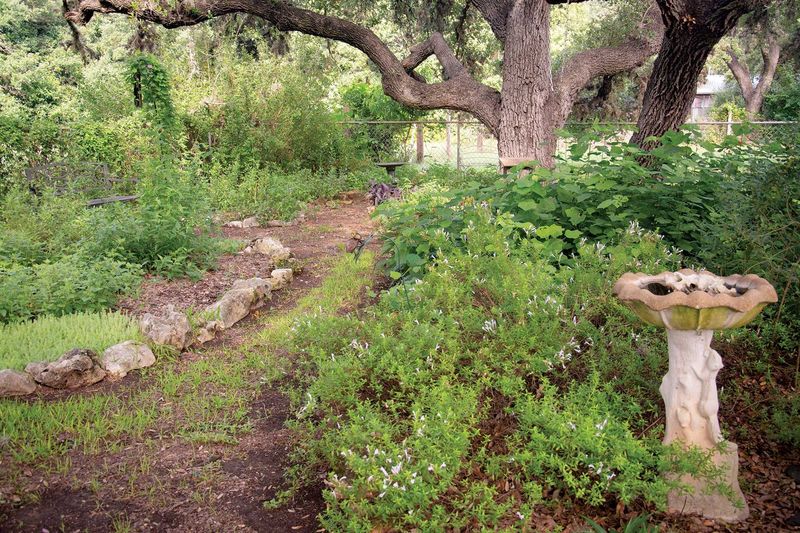
A yard that is mostly open lawn bordered by a tidy flower bed is not particularly useful to a cardinal. The species forages on or near the ground, nests in dense foliage, and relies on thickets and shrubby edges for cover from predators.
Retaining or adding dense shrubs, native grasses, vine tangles along fences, and brushy corners gives cardinals the structural complexity they actually use. A brush pile made from trimmed branches costs nothing and can serve as both shelter and foraging ground for insects and seeds.
Diet is broader than most people realize. Cornell Lab’s life history research shows that cardinals eat seeds, berries, and fruit as adults, but nestlings are fed almost entirely on insects.
A yard that eliminates insect habitat through heavy pesticide use or bare-soil mulching may offer seeds at a feeder while quietly failing nesting pairs at the stage that matters most. Leaf litter, native plantings, and less intensive cleanup all support the insect populations that cardinals depend on for raising young.
Audubon’s guidance on attracting cardinals emphasizes that no single plant or guaranteed attractant replaces the combined value of food, cover, water, and nesting structure working together. A yard with one native shrub and a clean feeder is a start, but the fuller the habitat, the more reliably cardinals can use it across the whole year.
Think in layers: low ground cover, mid-height shrubs, taller screening plants, and some retained messiness at the edges. That combination does more than any curated plant list on its own.
Less-intensive yard cleanup also matters more than many homeowners expect. TPWD’s habitat guidance supports leaving some natural structure rather than clearing every corner.
Seed heads left on spent plants, berries that persist into fall, and undisturbed ground litter all extend the food supply and reduce how much a cardinal needs to depend on a feeder to get through the week.
Feed and Water Carefully During Texas Heat
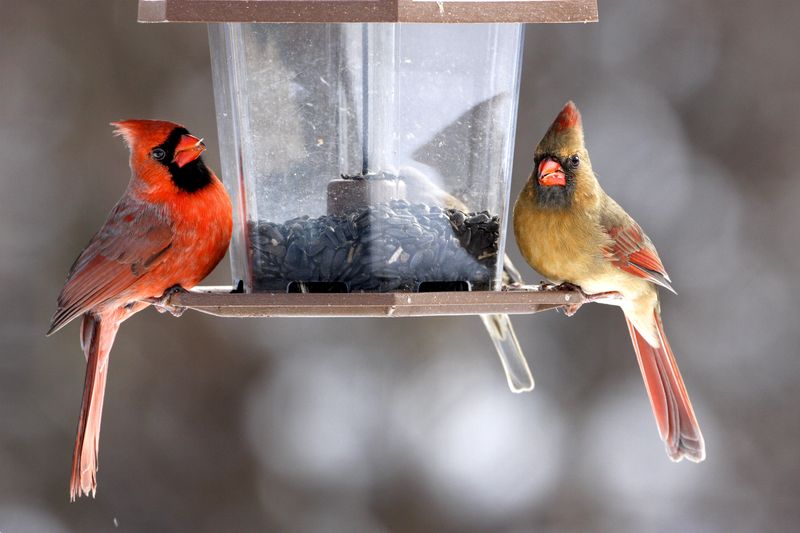
Supplemental feeding can make a yard more welcoming, but cardinals do not need a feeder to survive. Natural foods, insects, and water sources can sustain them through the year, and a feeder that is poorly maintained can cause more harm than good.
With that baseline in place, here is how to do it right when you choose to offer food.
Black-oil sunflower seed is the most reliably accepted feeder option for cardinals. Striped sunflower, sunflower chips, safflower, and cracked corn are also used.
Audubon’s cardinal feeding guidance notes that cardinals prefer platform or hopper feeders where they can face forward while eating, since they are not as agile at clinging feeders as smaller species. Still, seed variety and feeder style do not guarantee visits; habitat and location matter just as much.
Texas summer heat makes sanitation non-negotiable. TPWD biologist guidance recommends cleaning feeders roughly every two weeks under normal conditions and more often when weather is hot and humid, when feeders are heavily used, or when seed is getting wet.
Moldy seed and accumulated hulls beneath a feeder create real contamination risks, so sweep or rake the ground below regularly. If you find sick or dead birds near a feeder, take it down immediately, clean it thoroughly before putting it back, and do not continue concentrating birds at a site where illness may be spreading.
Birdbaths follow the same logic. Fresh water is genuinely valuable to cardinals in Texas heat, but a neglected bath with stagnant, algae-covered water can become a contamination point rather than a benefit.
Scrub the basin and refill it with fresh water every few days, or more often in peak summer. A shallow depth, a rough textured surface for footing, and placement in partial shade all make a bath more usable and easier to keep clean.
Remove the Hazards That Can Turn a Friendly Yard Unsafe
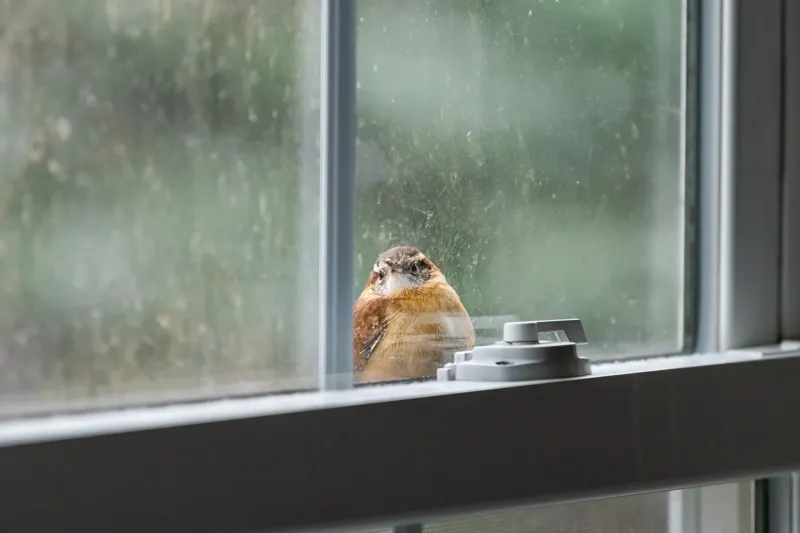
Window strikes and reflection attacks are two different problems that are easy to conflate. A cardinal flying into a window at speed is a collision hazard, often fatal.
A cardinal tapping repeatedly at the same window is almost always a territorial behavior, and TPWD’s window-reflection FAQ explains that the bird is responding to its own image as if it were a rival intruder. The bird is not angry at you or trying to enter the house; it simply cannot distinguish its reflection from a competing cardinal.
Both problems respond to the same basic fix: make the glass visible from the outside. Exterior screens, closely spaced window decals or tape strips, and other outside treatments break up the reflective surface so birds can see it as a barrier rather than open space or a rival’s territory.
Interior treatments are far less effective because the outside surface still looks clear. For feeder placement, the guidance that reduces collision risk is to position feeders either within about 3 feet of a window or more than 30 feet away.
TPWD’s cardinal species page supports this placement range as a way to reduce the speed and angle at which birds approach glass.
Cats are a separate and serious hazard. Fledgling cardinals spend time on or near the ground before they can fly strongly, which makes them especially vulnerable.
Audubon’s bird care FAQ advises keeping cats indoors or otherwise preventing access to areas where birds feed and where young birds are likely to land. This is especially relevant in late summer when fledglings are moving through yards at ground level.
A yard that offers cover, food, and water but also has roaming outdoor cats is not a safe habitat for the birds it attracts.
The Signal Is a Livable Yard, Not a Prediction
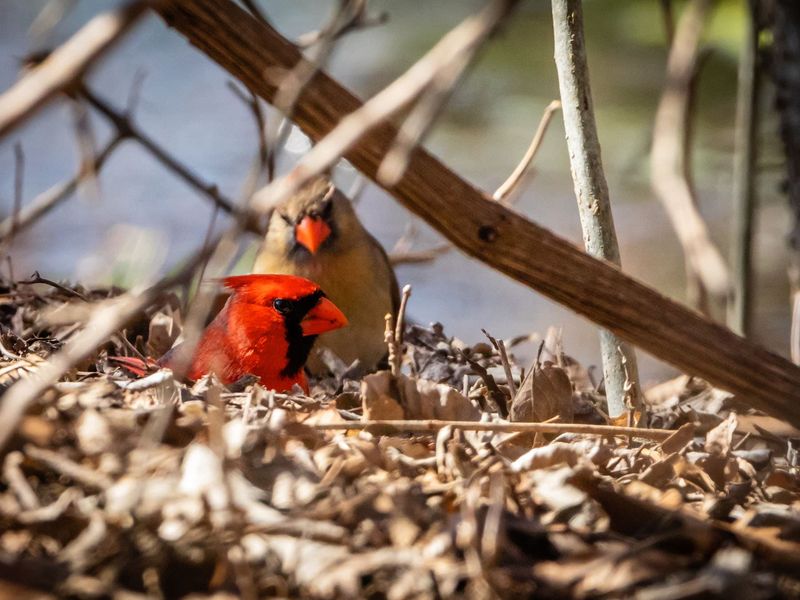
Late-summer cardinal activity in a Texas yard usually comes down to a few straightforward explanations: resident birds you already had, fledglings from this season’s broods, better visibility at a feeder or open water source, or a combination of all three. TPWD’s molt guidance reminds us that a bald or ragged bird in August is almost certainly going through a normal feather replacement, not signaling disease or distress.
No influx, no omen, no weather forecast encoded in the sighting.
The actionable read is this: watch what the birds actually use. If they are drawn to a dense shrub, preserve it.
If they keep returning to a birdbath, keep it clean and filled. If fledglings are on the ground, give them space and manage hazards.
Cardinal life history research consistently points to cover, natural food, insects, and water as the real drivers of habitat quality, which means a yard that cardinals use reliably is already doing something right. The bird is not delivering a message about the future; it is simply telling you that your yard is worth staying in.