
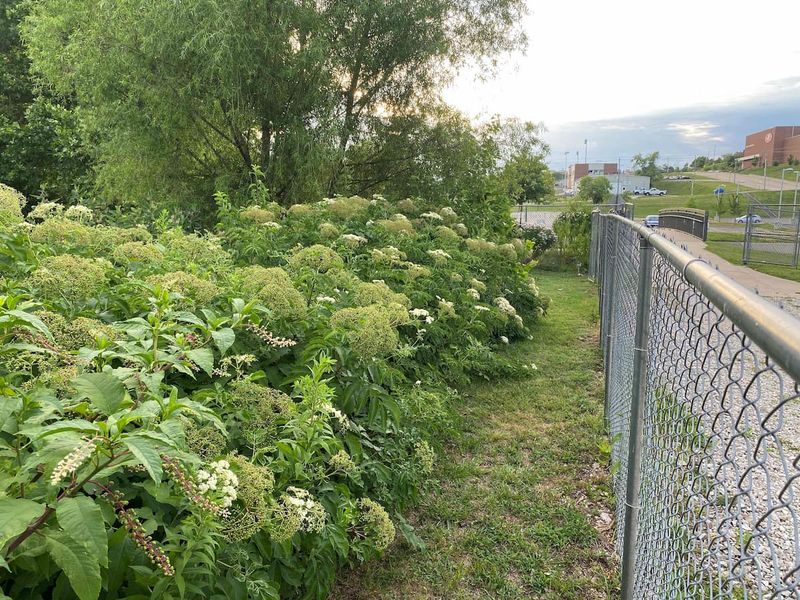
American elderberry is a native shrub that can soften a fence line, supply summer fruit for birds, and add a loose seasonal screen to a North Carolina backyard. It grows throughout the state, from the mountains to the coast, and fall is one of the better times to get a container-grown plant in the ground.
If you have a fence with a strip of decent soil and room for a broad, arching shrub, elderberry is worth a close look.
American elderberry is a useful native option for a wildlife fence line
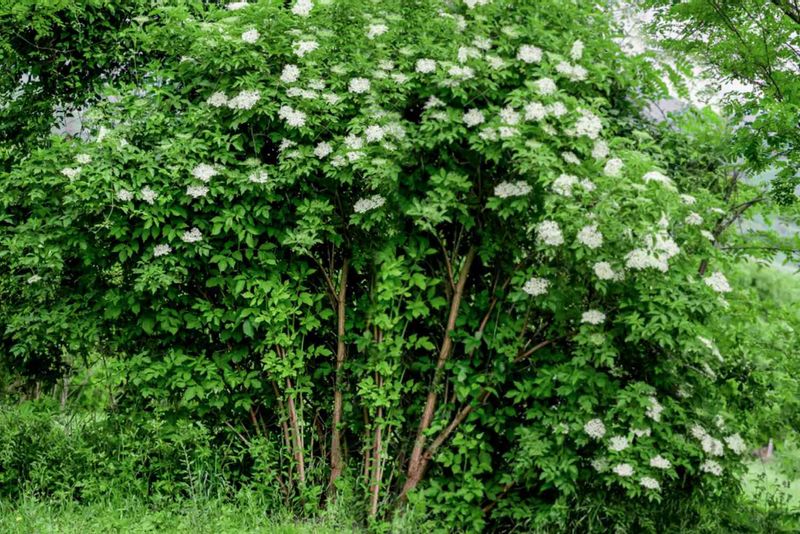
Before anything else, a quick correction to the framing: there is no documented wave of North Carolina gardeners rushing to plant elderberry this season. What the evidence does support is that American elderberry, known botanically as Sambucus canadensis or by the equivalent name Sambucus nigra subsp. canadensis, is a credible native shrub for a fence-line wildlife planting when the site conditions are right.
Treating it as one solid option rather than a sudden trend keeps expectations honest and the planning practical.
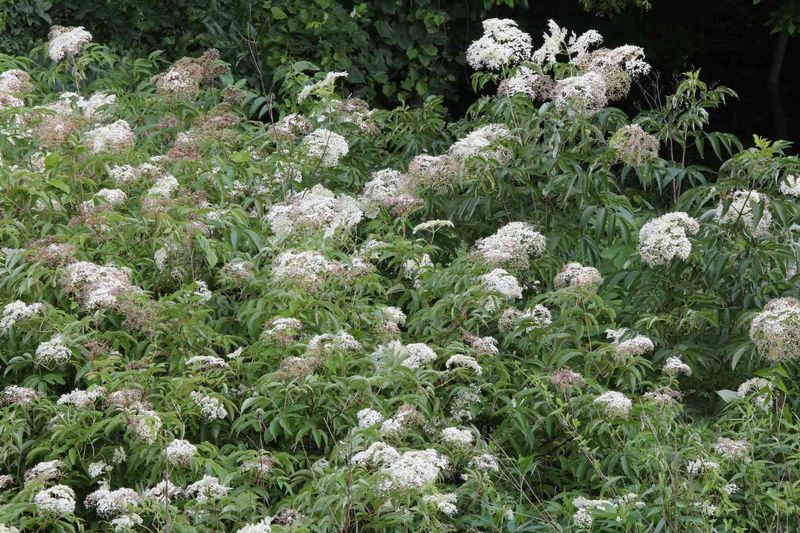
According to the NC State Extension Gardener Plant Toolbox, American elderberry occurs throughout North Carolina and is recommended for hedges, naturalized areas, woodland edges, rain gardens, and streamside settings. The shrub produces flat-topped clusters of creamy white flowers in early summer, followed by purple-black fruit in late summer to early fall.
Those berries attract a range of songbirds, and the arching, multistemmed structure can provide nesting cover and a visual softening of a hard fence line during the growing season.
One identification detail matters before you shop: not every nursery plant labeled simply “elderberry” is the North Carolina native. European elderberry, Sambucus nigra, is a separate species that is not native to this region.
When you are at the nursery or ordering online, look specifically for American elderberry, Sambucus canadensis, or the equivalent taxonomic name. Getting the species right from the start is the simplest way to ensure the plant fits the landscape role you have in mind.
This article focuses on an informal wildlife planting along a residential fence, not a formal clipped hedge or a guaranteed privacy solution. American elderberry is broad, deciduous, and relaxed in its growth habit.
That character is exactly what makes it useful for a naturalized boundary, and it is also what makes it a poor fit for situations that call for a tidy, year-round screen.
Choose the fall window by soil and local weather
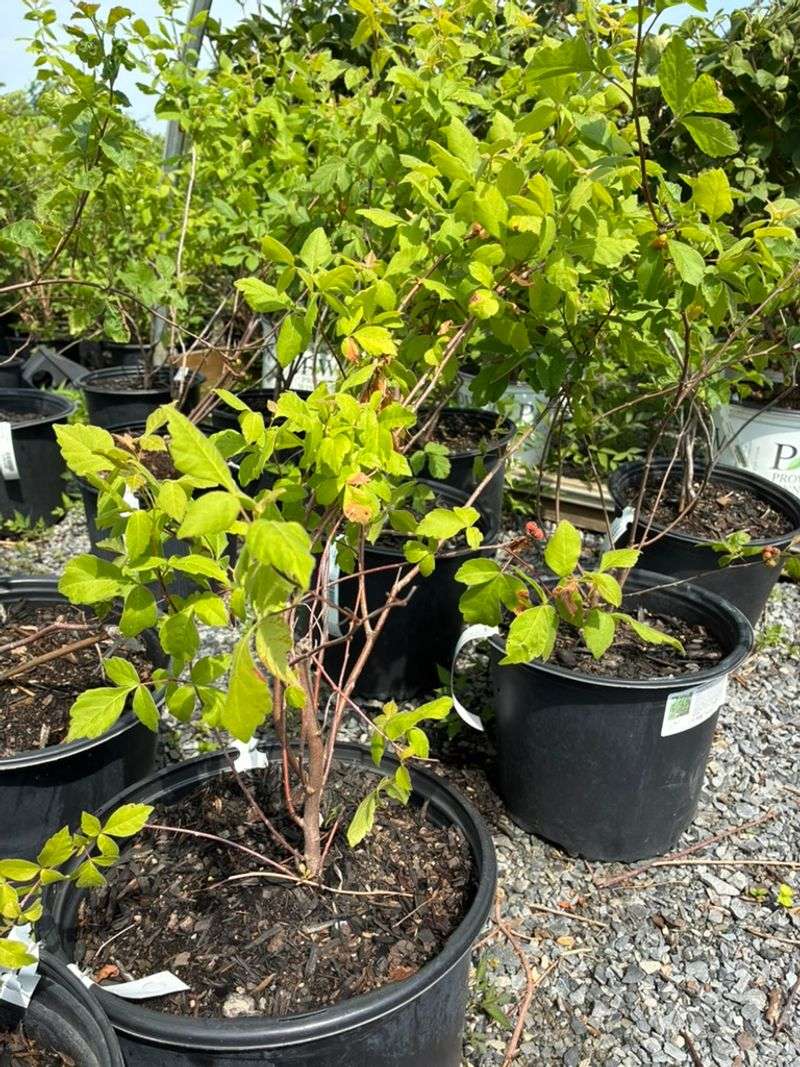
Fall planting works for elderberry in North Carolina, but the window is not a single date on the calendar. The practical guidance from NC State is to plant after the worst summer heat has passed and while the soil remains workable, finishing before the ground freezes.
That window varies considerably depending on where you live in the state.
The reason fall planting makes sense for native woody shrubs is that cooler air temperatures reduce stress on the plant while the soil stays warm enough for root growth. As noted in NC State’s landscaping-for-wildlife guidance, fall planting generally allows roots to establish before hot summers return, giving the plant a head start that spring planting cannot always provide.
Roots keep growing in the soil even after the shrub drops its leaves, so the establishment clock is running through much of the fall and into early winter in warmer parts of the state.
Regional timing differences across North Carolina are real. In the mountains, a killing frost can arrive weeks earlier than in the Piedmont, and the Piedmont in turn freezes earlier than much of the Coastal Plain.
A gardener in Buncombe County should plan to finish planting well before late October, while someone in Brunswick County may have a workable window extending into November or even early December. NC State’s woody ornamentals handbook identifies late fall and early spring as generally lower-stress transplanting periods for container-grown shrubs, which aligns with this broad approach.
If you are unsure of your local frost dates, the NC State frost management resource can help you find county-level information. The goal is to give the plant at least several weeks of soil contact before freezing temperatures arrive, so the roots have time to begin anchoring before winter sets in.
Match elderberry to a moist, workable fence-line site
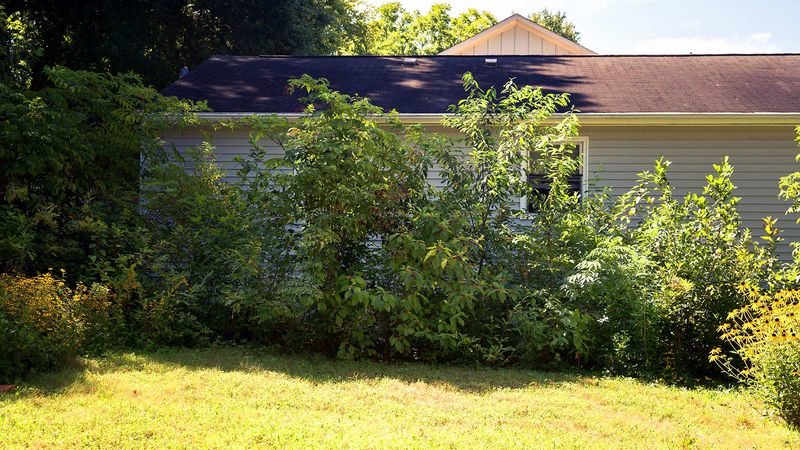
Walk your fence line before you buy anything. The most common mistake with elderberry is choosing it for a site where the soil is dry, compacted, and baking in reflected heat from a fence or pavement.
American elderberry can tolerate a range of soil moisture, but it performs best in rich, reasonably moist conditions, and a hot, compacted strip with poor drainage in the wrong direction may require consistent supplemental irrigation or may simply be a better fit for a different plant.
The NC State plant profile for American elderberry lists full sun and partial shade as suitable light levels and notes that the species thrives in moist, fertile soil. That description points toward fence lines that catch some runoff, sit near a drainage swale, or border a woodland edge where leaf litter has built up the organic content over time.
Rain garden margins and streamside areas are also strong fits, and Penn State Extension’s rain garden plant profile for elderberry specifically highlights those settings as well-suited to the shrub’s moisture preferences.
Regional conditions across North Carolina add another layer to this assessment. A fence line in the Coastal Plain that sits in sandy, fast-draining soil will lose moisture quickly and may stress a young plant unless you are prepared to water regularly during the first growing season.
A Piedmont site with clay-heavy soil can actually hold moisture well, but compacted clay near a fence base where foot traffic has been heavy is a different story. Mountain fence lines with good organic matter and natural moisture from higher rainfall are often well suited, though steeper slopes can drain faster than they appear.
The practical test before planting: dig a small hole at the fence line, fill it with water, and watch how quickly it drains. Soil that holds some moisture without staying waterlogged for days is the target.
If the soil is bone dry within an hour and the fence faces south or west with full afternoon sun, plan on regular irrigation or consider whether the site truly fits this species.
Expect a seasonal screen, not an evergreen privacy wall
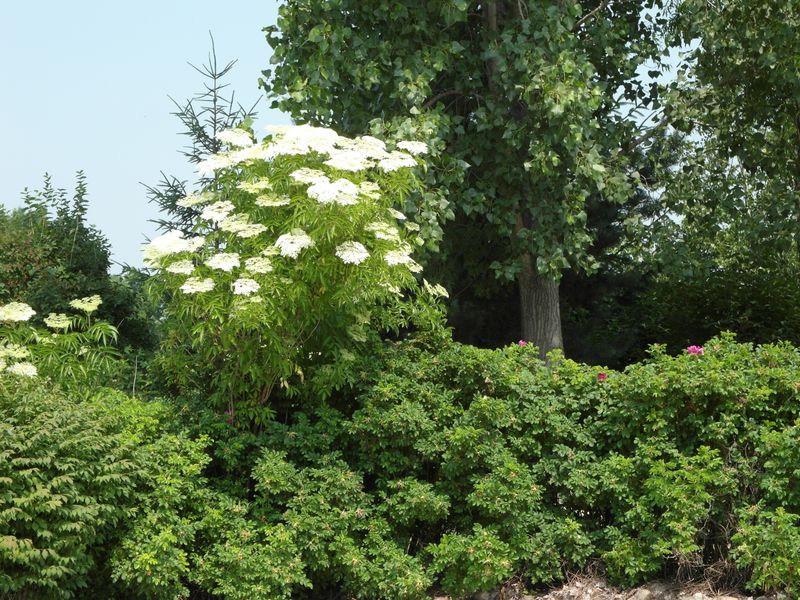
One of the most useful things to understand about elderberry before you plant it is what it looks like in January. The shrub is deciduous, which means it drops all its leaves in fall and stands through winter as a collection of arching, gray-brown stems.
That is a fine look for a wildlife-oriented boundary, but it is not the solid, year-round visual barrier that a dense evergreen hedge provides. Setting this expectation clearly before installation saves a lot of frustration later.
According to the NC State Sambucus canadensis profile, American elderberry typically reaches 5 to 12 feet tall and often grows wider than it is tall. The plant is broad, spreading, and multistemmed, and it spreads by root suckers that can extend the colony outward over time.
During the growing season, that spreading habit fills in nicely and creates a soft, leafy screen along a fence. Come November, the same plants look open and structural rather than private.
The NC State elderberry plant toolbox entry describes the shrub as suitable for naturalized areas and informal plantings rather than formal hedges. That framing is worth taking literally.
A row of elderberry along the back fence of a wildlife-friendly yard, where the informal look and seasonal change are part of the appeal, is a natural fit. The same plants along a front property line where year-round structure and tidiness matter would likely disappoint.
Suckering is another visual factor to plan around. New stems can emerge a foot or two from the parent plant, gradually widening the planting over several seasons.
In a naturalized setting, that spread adds density and habitat value. Against a fence where you need to maintain a clear path or keep growth off a neighbor’s side, it means occasional monitoring and removal of stems that cross the line you want to hold.
Established plants can feed birds in later seasons
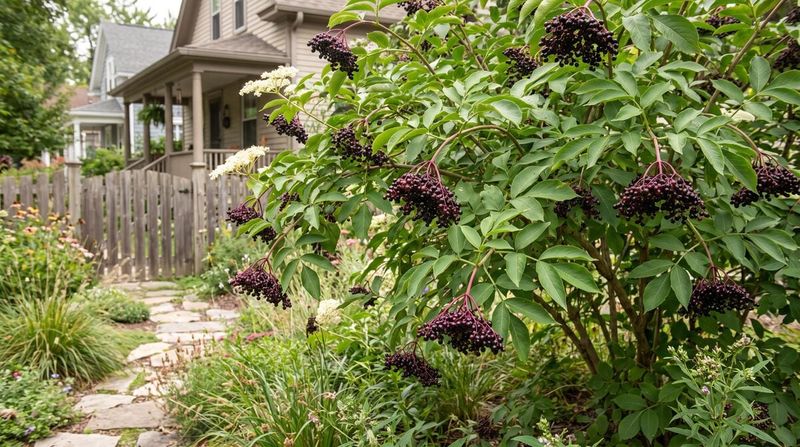
A newly planted elderberry shrub will not produce a berry crop later in the same growing season. That boundary is worth stating plainly because it affects how you think about the planting timeline.
A container-grown shrub put in the ground this fall is spending its first year establishing roots, not building toward fruit. Expect the wildlife payoff to develop over the course of several seasons, not weeks.
Once plants are established, the habitat value builds across multiple dimensions. The flat-topped flower clusters that appear in early summer attract pollinators, and those insects can in turn support insectivorous birds feeding in the area.
The fruit, which ripens from late summer into early fall, is eaten by a range of songbirds. Audubon’s native plant guidance identifies elderberry as a high-value food source for birds, noting that the berries attract species including thrushes, tanagers, and waxwings.
The NC State plant profile lists the fruit availability window in North Carolina as roughly July through September, which gives birds a meaningful food source during and after the breeding season.
The branches themselves add habitat structure beyond berries. The arching stems provide perching spots, and the dense multistemmed growth can offer cover or nesting opportunities for birds that prefer shrubby edges.
These are habitat contributions that accumulate as the planting matures and fills in along the fence.
NC State’s guidance on managing urban habitats for birds notes that wildlife benefits from native landscaping can take several years to become obvious. A new planting may see little bird activity in year one, more in year two, and a noticeable increase once the plants have fruited for a season or two and local birds have learned the location.
Planting with a three-to-five-year perspective leads to more realistic satisfaction than expecting an immediate first-fall buffet.
None of this means a specific bird species is guaranteed. What elderberry provides is the right combination of food, structure, and seasonal timing to make a fence line genuinely useful to the birds that already move through your neighborhood, and that is a meaningful contribution even if it is not instant.
Plan spacing around mature spread and fruiting goals
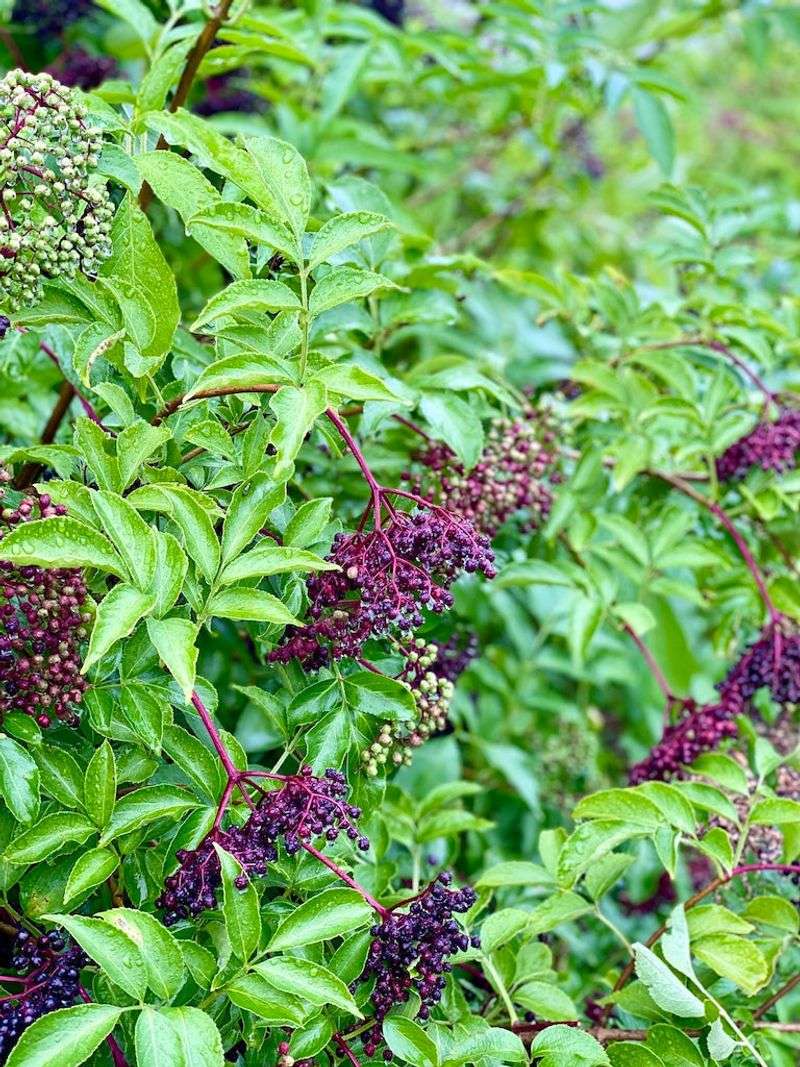
Spacing elderberry along a fence is not a one-number decision. The right distance between plants depends on how wide you expect them to grow, whether fruit production is a priority, how much naturalized spread you are willing to accept, and which cultivar you are using.
Working from a range rather than a fixed number gives you more flexibility to match the planting to your specific fence line.
Penn State Extension’s elderberry guidance suggests roughly 5 to 7 feet between plants in a fruiting row, while NC State materials describe a typical planting space of 6 to 12 feet. A North Carolina Cooperative Extension article on growing elderberries recommends approximately 10 feet between fruiting plants.
Taken together, these sources point toward a planning range of about 5 to 12 feet, with tighter spacing creating a denser informal screen sooner and wider spacing leaving room for suckering and naturalized spread over time.
If fruit production is a goal, Penn State Extension also notes that planting at least two compatible plants or cultivars can improve cross-pollination and increase berry yield. This is stronger guidance for a gardener who wants to harvest elderberries than for someone planting primarily for wildlife cover and structure, but it is worth noting if birds and berries are both part of the plan.
Two different named cultivars planted in the same row cover both goals.
Installation follows standard woody-plant practice. Dig a hole at least twice as wide as the root ball but no deeper than the container.
Set the plant so that the top of the root ball sits at or just slightly above the surrounding soil grade. Fill the hole, firm the soil gently, and water thoroughly.
The NC State woody ornamentals handbook recommends spreading a 2- to 3-inch layer of mulch over the root zone to retain moisture and moderate soil temperature, but keeping that mulch pulled back a few inches from the stems to avoid rot and rodent damage at the base of the plant.
Manage growth while preserving useful habitat
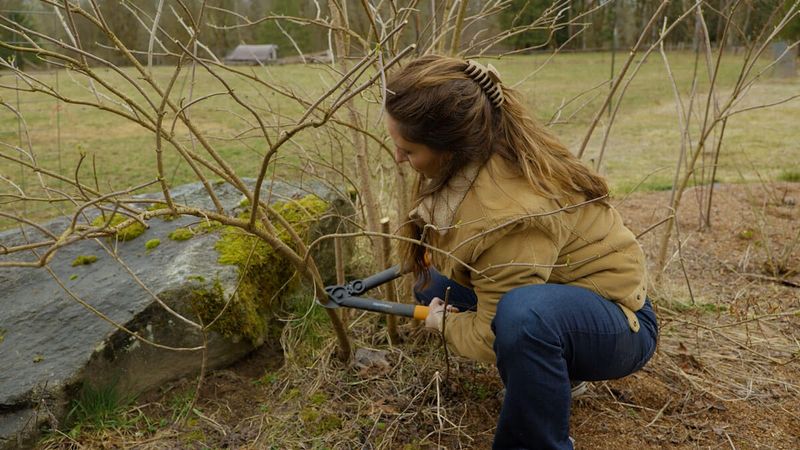
Elderberry is a relatively manageable shrub when planted in a suitable moist site, but low-effort is not the same as no-effort. Three tasks come up regularly: watering during establishment, monitoring suckers, and occasional pruning to keep the planting at a size and shape that works for your fence line.
Watering matters most during the first growing season after planting. Fall installation reduces heat stress, but it does not eliminate the need for supplemental water during dry stretches.
According to NC State’s native plant landscaping guidance, newly planted natives still need regular water during the establishment period, particularly if fall rains are insufficient. Check the soil around the root zone every week or so and water when the top few inches feel dry.
Once the plant has gone through a full growing season with healthy new growth, its water needs settle into something closer to what the site naturally provides.
Suckers are the growth management task that surprises some gardeners. American elderberry spreads by sending up new stems from the root system, sometimes appearing a foot or two from the original plant.
In a naturalized planting where spreading is welcome, those suckers fill in the fence line over time. Where the edge of the planting needs to stay in a defined zone, checking for and removing unwanted suckers a couple of times per season keeps the colony contained without much effort.
Pruning can be used to control height, remove old or damaged canes, and encourage fresh growth. The NC State elderberry profile notes that native bees use the dead, hollow stems of elderberry for nesting and recommends leaving cut stems about 12 to 24 inches high rather than cutting everything to the ground.
When you trim back old canes, consider leaving a section of each standing for a season or two before it naturally disintegrates. That small adjustment adds meaningful habitat value without complicating your pruning routine.
Treat the fruit as wildlife food, not a raw snack
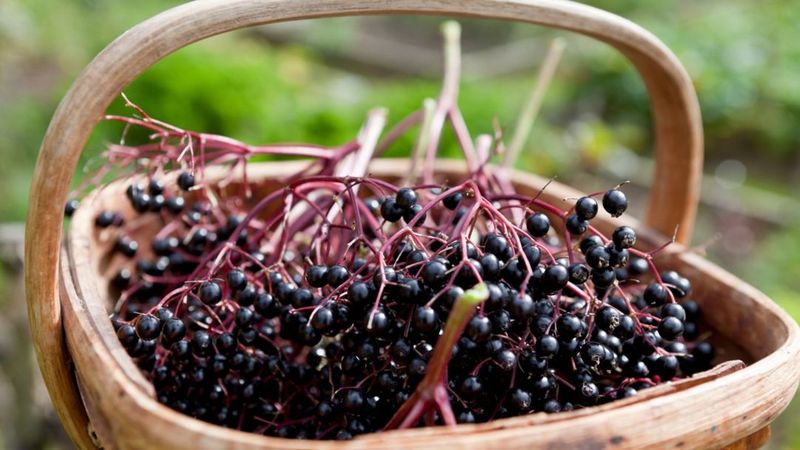
Birds eat elderberries without any preparation, and there is no evidence that the fruit harms them. The food-safety concern with elderberry applies specifically to people, and it is worth understanding clearly before anyone in your household decides to sample berries straight from the fence line.
Raw or unripe elderberries can cause nausea, vomiting, and gastrointestinal distress in people. The leaves, stems, bark, and seeds of the plant contain compounds that pose similar risks.
Oregon State University Extension’s elderberry preservation guide advises using only fully ripe fruit, removing all stems and leaves, and cooking the berries before eating. The same guidance cautions against raw juice, casual homemade supplements, and untested preservation methods.
A CDC report on poisoning from elderberry juice documented illnesses traced to improperly prepared elderberry products, which underscores why preparation method matters even when the fruit looks ripe. If you plan to harvest any berries for kitchen use, follow a specifically validated recipe from a university extension source rather than a general internet method.
OSU Extension also notes that American elderberry can be too low-acid for standard high-acid water-bath canning recipes, so freezing or drying the cooked fruit is a safer preservation approach for most home cooks.
For the purposes of a fence-line wildlife planting, most of the fruit will be gone before you would think to harvest it anyway. Birds move through elderberry plantings quickly once the fruit ripens, and a productive shrub can be stripped in a matter of days during peak migration.
The practical takeaway for a backyard planting is straightforward: leave the berries for the birds, and if you want to try them yourself, cook them first using a tested method.
Use elderberry for a softer seasonal boundary
A fence line planted with American elderberry will look different from a clipped hedge, fruit faster on some sites than others, and require a bit more attention than a set-and-forget perennial. Knowing that going in makes the planting more satisfying, not less.
The decision comes down to a few clear checkpoints. Choose Sambucus canadensis specifically, confirm the site has reasonably moist and workable soil with full sun or partial shade, and plant container-grown shrubs after summer heat eases and while the ground can still be worked.
As the NC State wildlife landscaping guide makes clear, native plantings like this one build their value over time. Give the planting room to spread informally, water it through the first season, and manage suckers and old canes as needed.
The NC State elderberry profile puts the payoff plainly: seasonal flowers, summer-to-fall fruit, and structural cover that benefits birds across multiple years. What you get is a living fence line that earns its place a little more each season.