
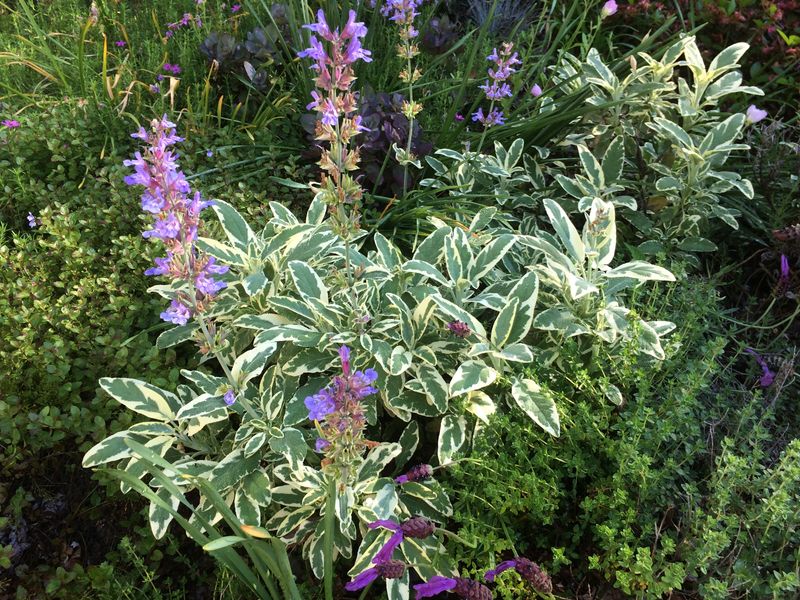
Sage has a long reputation as a kitchen staple, but plenty of North Carolina gardeners tuck it between vegetable beds hoping it will also shoo away pests and bring in bees. The pest-repellent part of that idea sounds appealing, but the evidence behind it is thinner than most gardening guides let on.
What flowering sage genuinely does well is feed pollinators and add aromatic variety to a garden bed, and understanding that difference helps you get real value out of every plant you put in the ground.
Flowering sage supports pollinators, not a guaranteed pest barrier
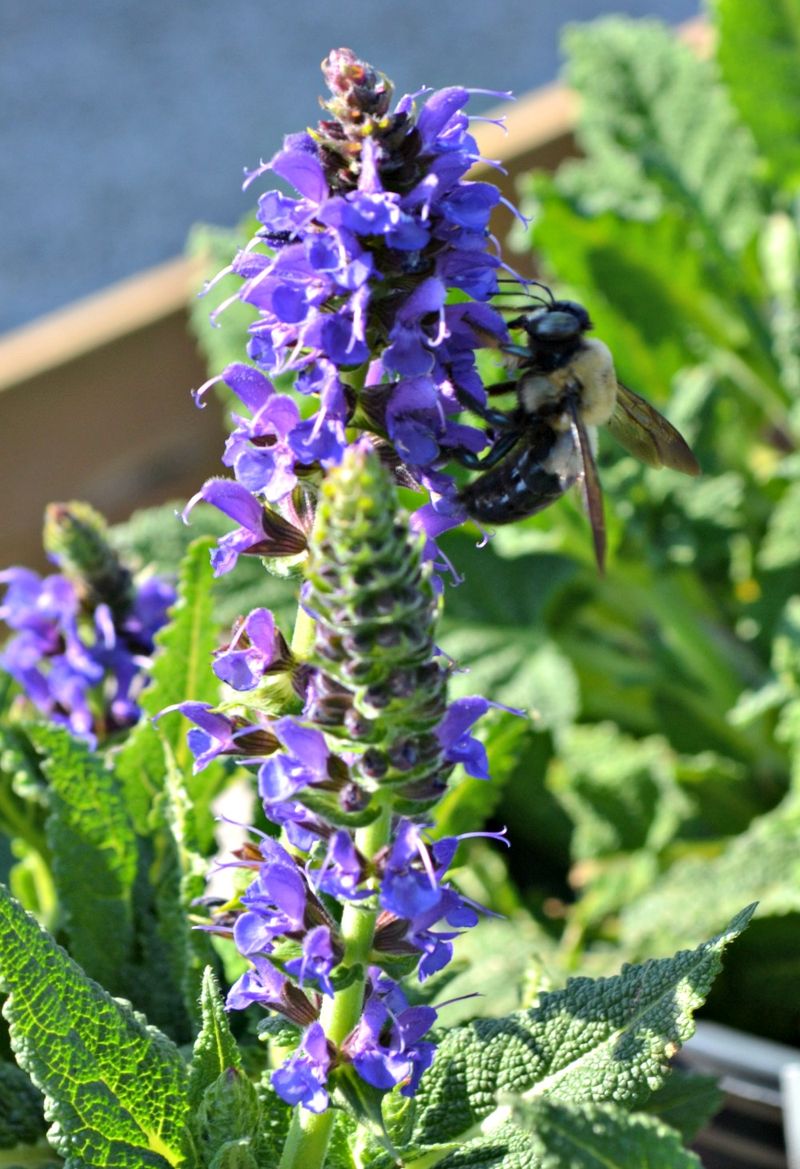
Gardeners across North Carolina have heard that tucking sage between tomato or pepper beds keeps the bad bugs away. That idea has an appealing logic to it, but University of Georgia Extension guidance on companion planting makes clear that many plant-by-plant pest-repellent claims rest on anecdote rather than consistent field evidence.
Direct research on living common sage plants reducing pest pressure in North Carolina home vegetable beds is limited, and no reliable repellent effect has been established for ordinary garden conditions.
What flowering sage does offer is more straightforward. NC State Extension describes common sage as a flowering, aromatic perennial that can attract bees, butterflies, and occasionally hummingbirds when allowed to bloom.
That is a real and worthwhile contribution to any vegetable garden, even if it stops well short of forming a protective force field around nearby crops.
Companion planting can still play a role in a broader pest-management approach. Penn State Extension notes that herbs may mask crop odors or provide habitat for beneficial insects, but cautions that they do not simply repel insect pests on their own.
Think of flowering sage as a habitat and garden-design choice, one that adds plant diversity and pollinator resources to your beds, rather than as a standalone pest solution.
Choose the right Salvia before you plant
Walk into any North Carolina garden center and the word “sage” covers a surprisingly wide range of plants. Common culinary sage (Salvia officinalis) is the gray-green Mediterranean herb most people picture, but the same shelf might hold scarlet sage (Salvia splendens), woodland sage (Salvia nemorosa), pineapple sage (Salvia elegans), and several ornamental hybrids.
NC State Extension’s Salvia overview points out that flower color, hardiness, moisture requirements, mature size, bloom timing, and wildlife value differ considerably across the genus.
Showy flowers alone do not confirm pollinator value. NC State’s profile of scarlet sage warns that some popular bedding cultivars of Salvia splendens may produce little or no nectar, making them poor resources for bees despite their vivid red color.
A purple-flowered Salvia nemorosa or an open-pollinated Salvia officinalis is likely to offer more genuine pollinator value than a heavily bred bedding annual.
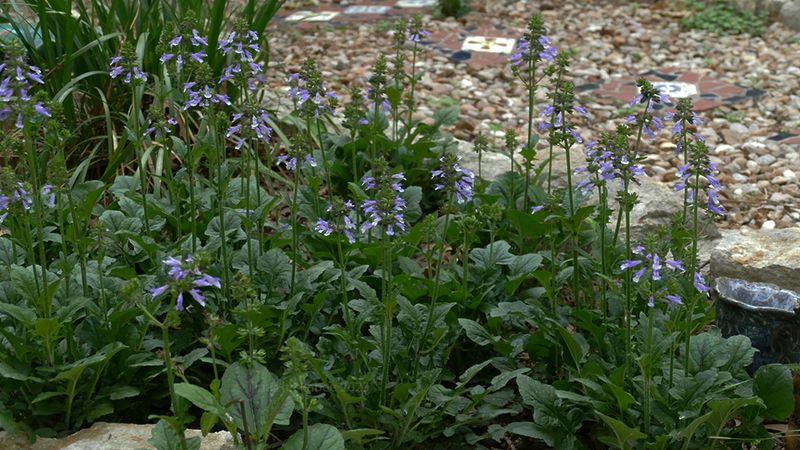
North Carolina gardeners who want to support regional wildlife have a native option worth knowing: lyreleaf sage (Salvia lyrata). NC State lists lyreleaf sage as native to the state and attractive to pollinators, making it a strong stewardship choice alongside or instead of introduced species.
For gardeners in Florida, UF/IFAS guidance on salvias for Florida gardens recommends heat-tolerant species suited to that climate rather than defaulting to Mediterranean common sage, which can struggle with Florida’s summer humidity.
Match the plant to your site and your priorities before you buy. A culinary cook who wants fresh leaves for the kitchen has different needs than a gardener whose main goal is feeding native bees, and the best Salvia for each situation may not be the same one.
Let sage bloom if pollinators are the priority
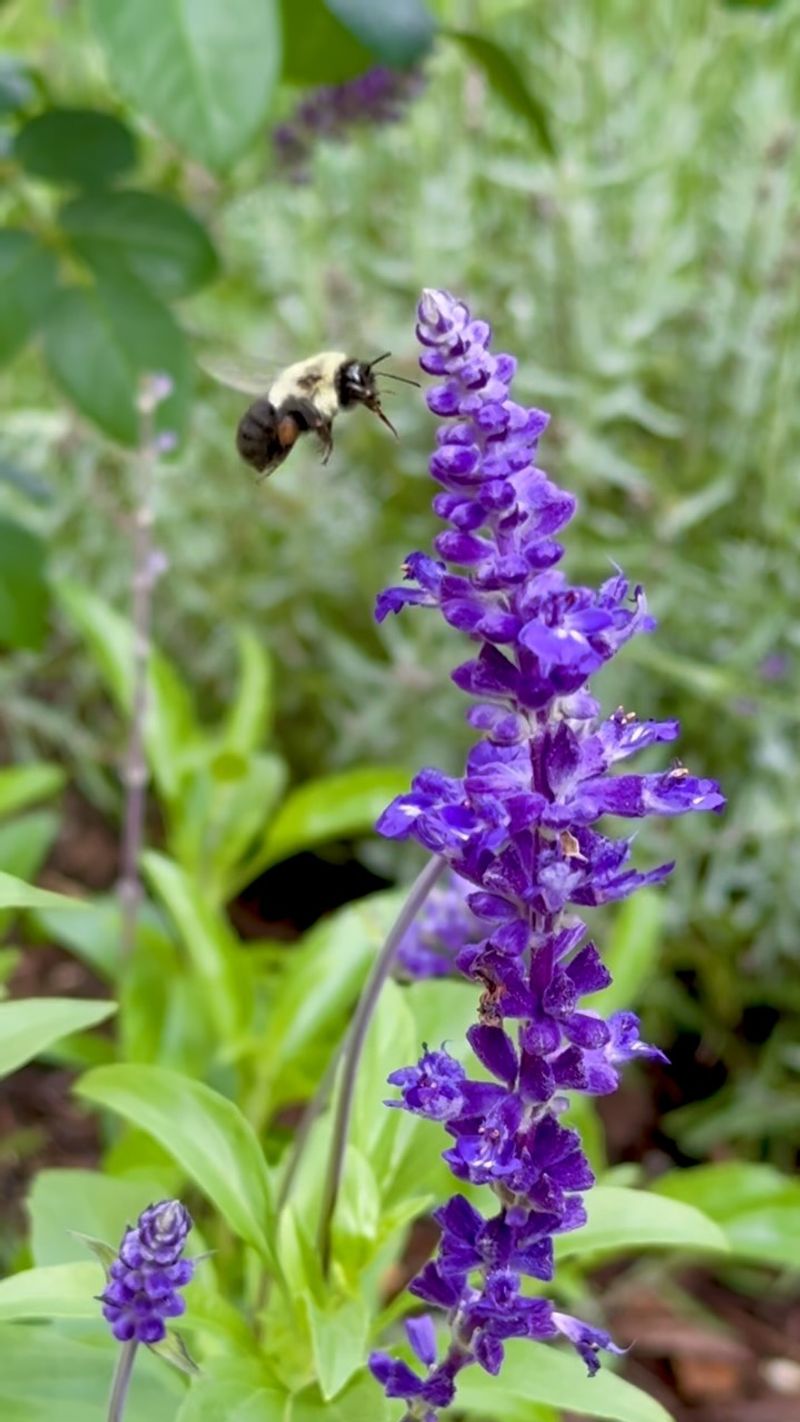
The strongest, most evidence-backed reason to grow sage near your vegetable beds is the flowers. NC State Extension confirms that common sage can attract bees, butterflies, and hummingbirds when it is allowed to flower.
That benefit disappears quickly if you keep cutting the plant back for tender kitchen foliage, since repeatedly removing flower stalks shifts the plant’s energy away from bloom production.
Leaving at least a portion of your sage plants to flower through the season is a straightforward way to increase the pollinator value of your garden. NC Cooperative Extension notes that North Carolina is home to more than 500 native bee species, and providing accessible nectar and pollen sources during active foraging periods supports that diversity.
If you need culinary leaves, consider growing one plant primarily for the kitchen and letting a second plant flower freely nearby.
Pollinator value is not uniform across the genus, though. Woodland sage (Salvia nemorosa) is widely noted for strong bee appeal, while some cultivars of other species fall short.
Bloom duration also varies by species, cultivar, and how much you prune, so one sage plant cannot supply continuous habitat through the entire growing season on its own. UF/IFAS herb guidance reinforces that letting herbs flower rather than harvesting them constantly increases their value to visiting insects.
Pairing sage with other flowering plants that bloom at different times fills the gaps a single species cannot cover.
Give sage sun, drainage, and room to grow
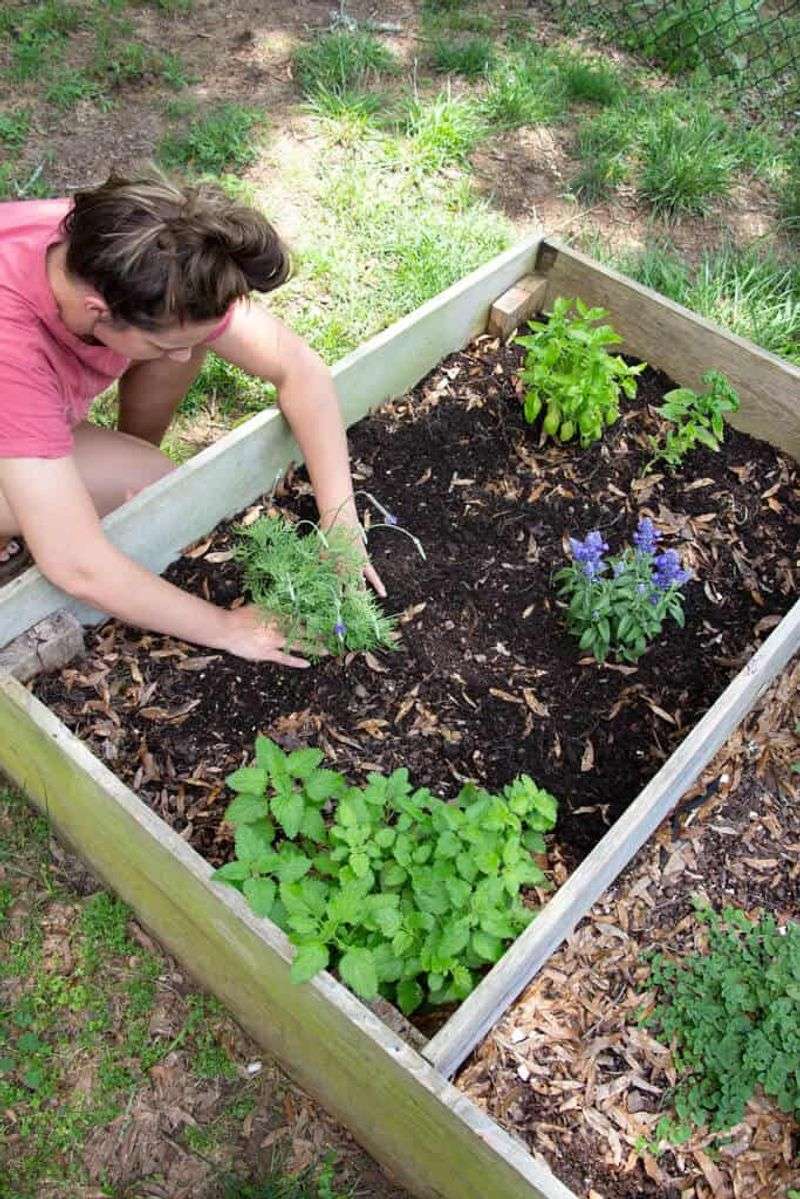
Common sage is a Mediterranean native that evolved in dry, rocky, sun-drenched conditions, and those preferences translate directly into what it needs in a North Carolina yard. NC State Extension lists common sage for the Coastal Plain, Piedmont, and Mountains, but specifically warns that it does not tolerate wet or poorly drained soil.
Full sun and medium-to-dry, well-drained ground are the baseline requirements for a healthy plant.
Placement matters as much as soil type. A bed edge, a sunny corner, or a gap between raised beds works well because sage matures to roughly 2 feet tall and 2 to 3 feet wide.
Nassau County UF/IFAS guidance recommends spacing plants about 18 to 24 inches apart for adequate air circulation, and that range applies in North Carolina too. Avoid planting sage in low spots, heavily irrigated rows, or anywhere that stays damp after rain, since root rot can take hold quickly in wet conditions.
Florida gardeners face a more significant challenge. UF/IFAS Florida-friendly herb guidance flags Mediterranean herbs such as sage and thyme as vulnerable to the state’s rainy season, when soils stay saturated for extended periods.
Pasco County UF/IFAS recommends raised beds or containers with sharply drained growing mix as a more reliable option for Florida sage growers than planting directly into ground-level beds.
Texas adds its own variables. Texas A&M AgriLife herb guidance notes that sage generally performs well with full sun and well-drained soil across much of the state, but regional Texas vegetable guidance cautions that South Texas and coastal areas present heat, humidity, and drainage challenges that can make common sage difficult to establish.
Check your specific county’s conditions before committing to a ground-level planting in those areas.
Any pest benefit comes from diversity, not a scent shield
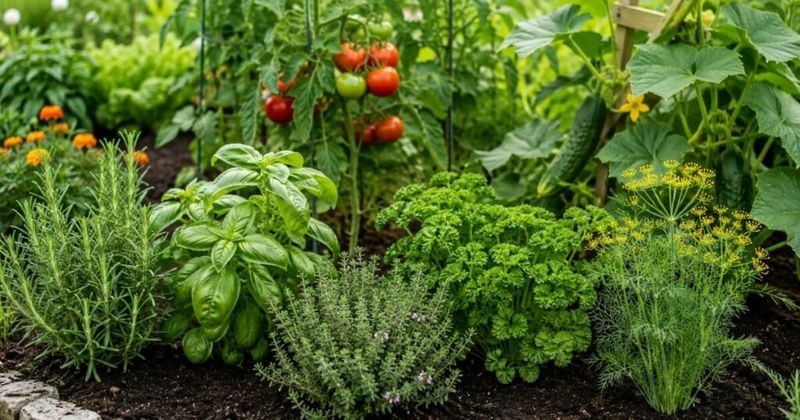
Companion planting does have plausible mechanisms worth understanding, but none of them amount to a scent-based force field around your crops. Penn State Extension explains that herbs planted near vegetables may help mask crop odors, interfere with a pest’s ability to locate its host plant, alter egg-laying behavior, or provide habitat for beneficial insects that prey on garden pests.
Penn State specifically cautions, though, that herbs do not simply repel insect pests, and that the word “repel” overstates what most aromatic plants actually do in a garden setting.
University of Minnesota Extension notes that many popular companion-planting charts are not well supported by research and that some claimed plant relationships have little evidence or even contradictory results. Effects that appear with one pest on one crop under one set of conditions may not carry over to a different pest, a different vegetable, or a different season.
Weather, planting density, surrounding habitat, and the specific species or cultivar involved all influence whether any benefit materializes.
Laboratory studies on sage essential oils show a different picture than what happens in a home garden. Peer-reviewed research on sage oil as an insect repellent and studies on clary-sage oil activity used concentrated, extracted oils under controlled laboratory conditions, not a few undamaged plants growing between tomato rows.
Concentrated oil and a living garden plant are not comparable sources of volatile compounds.
A study on aromatic hedgerows in citrus orchards found that sage flowers supported some predatory insects, but responses varied by plant species and natural-enemy group. That hedgerow research does not establish that sage between vegetable beds will reliably control pests in a home garden.
The more defensible takeaway is that plant diversity around beds can improve habitat for a range of insects, and some of those insects may help keep pest populations in check over time.
Use sage alongside, not instead of, pest management
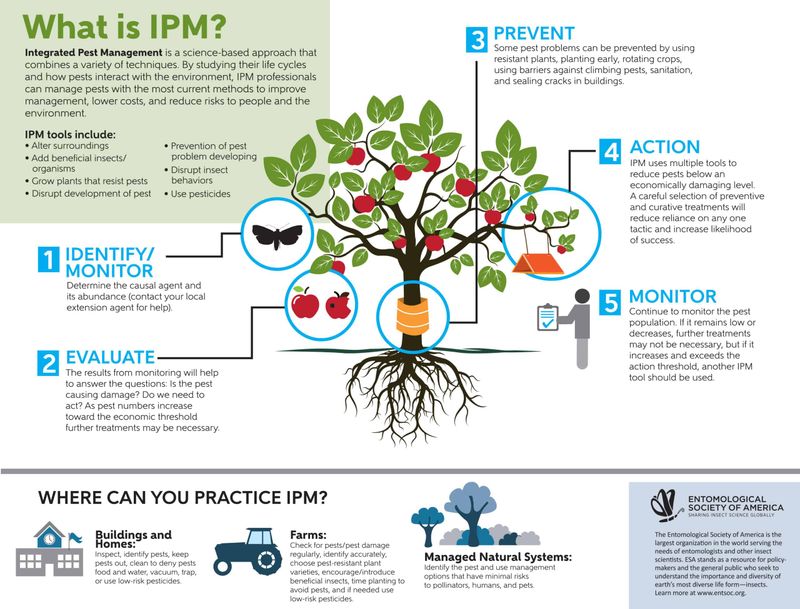
Planting sage between your beds does not replace the basic work of watching your garden. Good pest management starts with knowing what you are actually dealing with: inspect your plants regularly, look at both the tops and undersides of leaves, and identify the pest before deciding on a response.
University of Minnesota Extension emphasizes that companion planting should complement, not substitute for, integrated pest management practices.
When you do find a problem, start with the least disruptive option. Remove heavily infested leaves or stems by hand when that is practical.
Preserve the beneficial insects already present in your garden by avoiding broad-spectrum treatments that kill predators and pollinators along with the target pest. EPA integrated pest management guidance outlines a step-by-step approach: identify the pest, set a threshold for action, choose the least harmful effective control, and evaluate the result.
Homemade sage essential-oil sprays do not belong in this toolkit. “Natural” does not automatically mean safe around edible crops, children, pets, or the pollinators visiting your flowering plants. EPA pollinator-protection guidance makes clear that any pesticide product, including botanically derived ones, must be used strictly according to its label.
EPA’s pollinator risk assessment framework specifically flags applications to blooming plants as a significant exposure route for bees. If sage is flowering and drawing pollinators, that is exactly the wrong time to spray anything on or around it.
Build a stronger pollinator plan with native plants
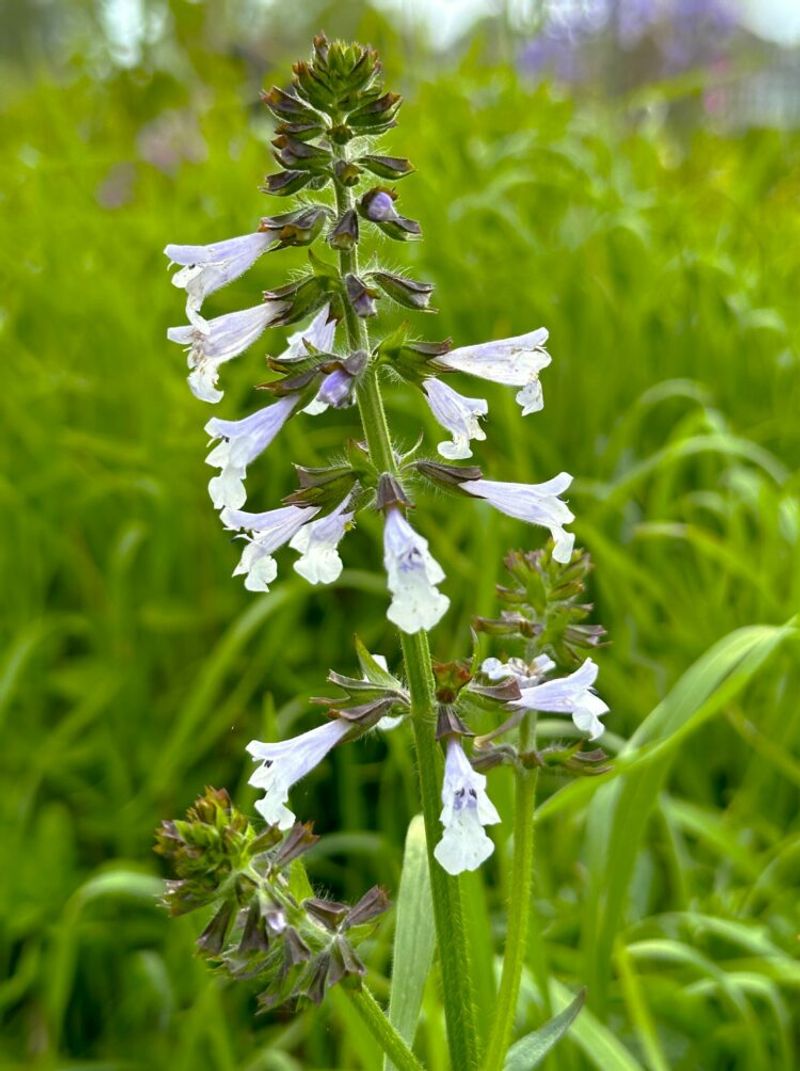
Culinary sage can earn a place in a North Carolina pollinator garden, but it works best as one piece of a larger planting rather than the centerpiece of a wildlife strategy. Common sage is a Mediterranean introduction, and while it can feed bees and butterflies when it blooms, NC State Extension’s native-plant guidance explains that native plants generally offer stronger regional stewardship value and are better adapted to local wildlife needs than introduced species.
A planting with staggered bloom periods and varied flower structures reaches more of the 500-plus native bee species found in North Carolina than any single herb can. NC State’s pollinator landscape management resources recommend selecting plants with different bloom times and characteristics to provide more continuous and diverse resources across the season.
NC State pollinator program news reinforces that diversity, not a single plant, is the foundation of a reliable pollinator habitat.
For gardeners who want a Salvia with stronger regional roots, lyreleaf sage (Salvia lyrata) is native to North Carolina and listed as attractive to pollinators. It fits naturally into a yard-edge or naturalized planting and pairs well with other native flowering plants.
NC State’s native pollinator support guidance points gardeners toward exactly this kind of layered, locally grounded approach. Culinary sage can still sit at a sunny bed edge for the kitchen and the bees, but surrounding it with native companions makes the entire planting more resilient and more useful to the wildlife already living in your yard.
Make sage a modest part of a smarter garden plan
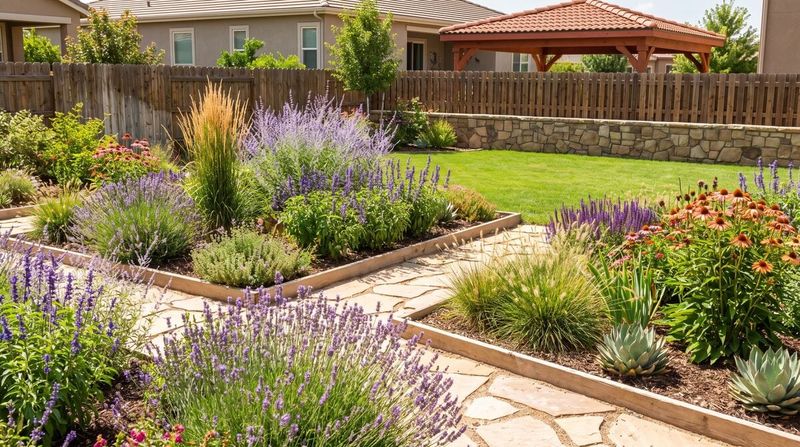
Pulling together everything above leads to a clear, practical decision. Choose a Salvia that suits your site: culinary sage for a sunny, well-drained edge where you also want kitchen access, woodland sage or lyreleaf sage if native pollinator support is the main goal.
Give the plant full sun, room to reach its mature spread of 2 to 3 feet wide, and soil that drains reliably between waterings. NC State Extension’s common sage profile is a reliable starting point for confirming site requirements before you plant.
Let the plant flower. That is where its clearest value to pollinators lives, and cutting every stalk for the kitchen undercuts the reason many gardeners add sage to a bed in the first place.
Surround it with other native flowering plants that bloom at different times, because one herb cannot sustain pollinator habitat through an entire season on its own. NC State’s pollinator landscape guidance and Penn State Extension’s companion-planting overview both point toward diversity as the more defensible long-term strategy.
Sage will not replace crop monitoring or targeted pest care when a real problem appears. Used honestly, though, a flowering sage at the edge of a sunny bed is a genuinely useful addition: it brings in bees, adds aromatic variety, and contributes to the kind of diverse planting that makes a garden more interesting to tend and more welcoming to the wildlife that belongs there.