
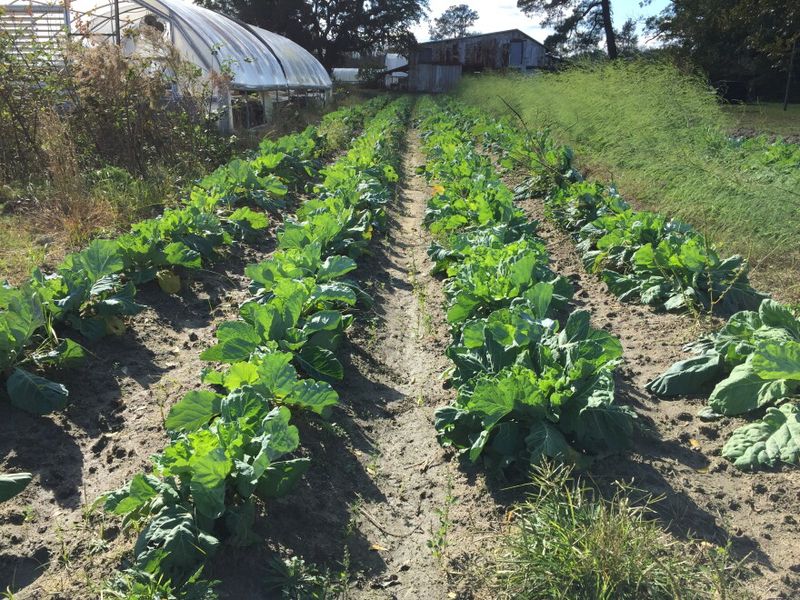
Collard greens have fed North Carolina families for generations, and late summer is the moment many eastern and central gardeners get to start a fresh patch. Seeding now gives plants time to settle in before cooler fall air arrives, and that cooler air is exactly what makes the leaves taste their best.
The window is real, but it is not the same in every corner of the state, so knowing your region before you grab the seed packet makes all the difference.
Is August 30 still a planting day in your part of North Carolina?
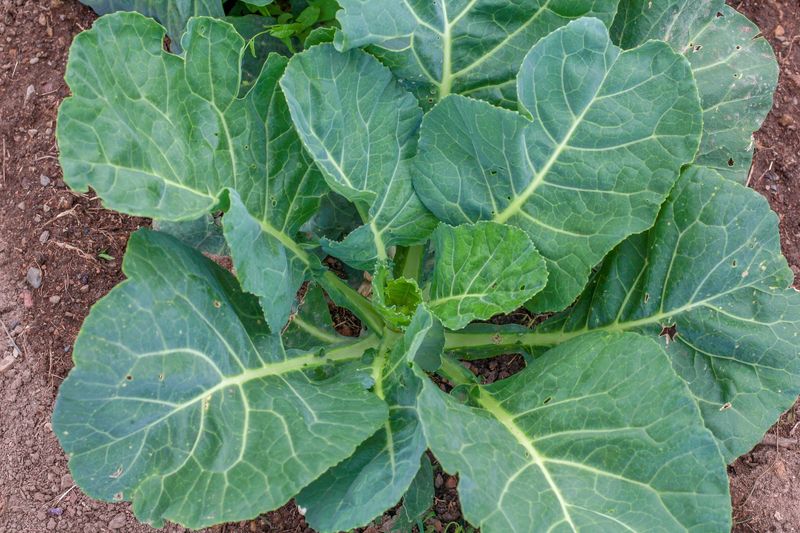
August 30 lands squarely inside the published fall planting window for eastern North Carolina. The 2026 Southeastern U.S.
Vegetable Crop Handbook gives the eastern part of the state a fall collard window running August 1 through September 15, so gardeners in the Coastal Plain are still well within range. That same handbook is direct about western North Carolina: fall collard planting is listed as not recommended there, reflecting a shorter growing season and earlier-arriving cold.
Central North Carolina sits in a workable middle ground. The NC State central planting calendar supports late-summer and fall collard planting for the Piedmont, so gardeners in that region have a reasonable case for seeding now.
The key difference between the Coastal Plain and the Piedmont is runway: eastern gardens typically get more frost-free weeks after a late-August sowing, while Piedmont gardeners should keep a closer eye on their local first-freeze date.
Mountain gardeners face a different situation. Higher elevations cool faster, first frosts arrive earlier, and the eastern schedule simply does not translate to the western highlands.
If you garden above 2,000 feet or in a known frost pocket, consider whether transplants started indoors, an earlier local date, or row-cover protection gives you a better shot than direct seeding on August 30.
Regardless of region, NC State Extension treats calendar dates as guidelines rather than guarantees. Your actual success depends on local elevation, the variety you choose, your ability to keep the seedbed moist, and whether conditions stay warm enough for the seedlings to establish before sustained cold arrives.
Check your county’s average first-freeze date and count backward from your target harvest size before you commit to direct seeding.
Cool weather can improve collard flavor without guaranteeing sweetness
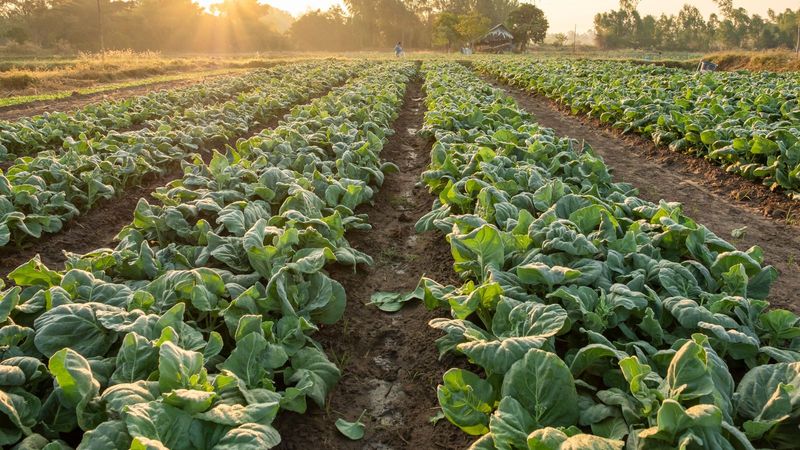
Collards are a cool-season crop through and through. NC State’s collard greens guide confirms that mature plants tolerate frost and light to medium freezes, and that the crop performs best in spring or fall rather than in the heat of summer.
That cold hardiness is one reason fall planting makes so much sense for eastern and central North Carolina gardens.
Extension sources from North Carolina, Florida, Georgia, Colorado, and Wisconsin all describe a similar pattern: collards often taste better or milder after cool weather sets in, and many gardeners notice the improvement after a light frost. NC State’s plant toolbox entry for collard greens notes that flavor can decline once the plant begins to flower, which makes the cool fall season, when bolting slows or stops, a natural window for better-tasting leaves.
Florida IFAS and University of Georgia Extension both echo the same practical observation.
What the evidence does not support is a simple rule that one frost reliably converts collard starches into sugar. A field study examining brassica crops including kale, turnips, and radishes found only modest and inconsistent sugar changes after frost exposure and did not test collard leaves directly.
The honest takeaway is that cool weather and light frost often make collards more enjoyable to eat, but the change is a tendency you hope for rather than a predictable chemical event you can count on.
Heat, drought stress, overmaturity, and bolting can all reduce quality regardless of season, so the cool-weather advantage is only realized when plants are actively growing, adequately watered, and harvested before they go to seed.
Build a moist bed before you sow
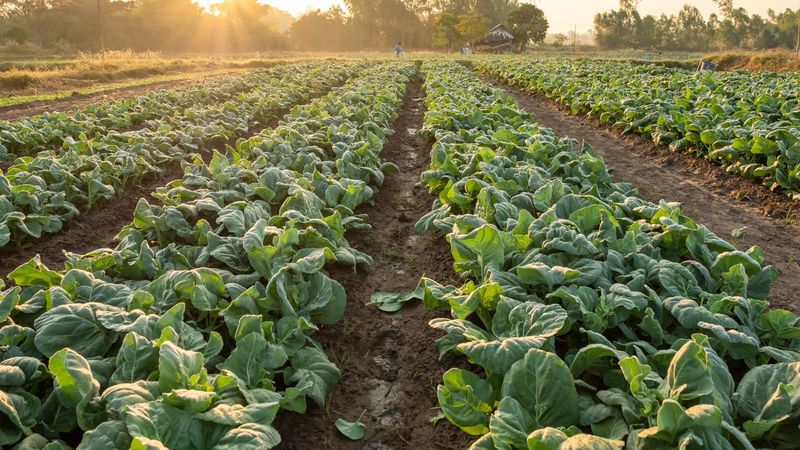
Choosing the right spot matters before a single seed goes in the ground. Collards need a sunny, well-drained location, and NC State’s collard greens guide recommends working about 2 inches of compost into the bed before planting.
That organic matter improves both drainage and moisture retention, which turns out to be critical for fall direct seeding. The same guide targets a soil pH of 6.0 to 6.5 and emphasizes adequate nitrogen for steady, tender leaf growth.
Soil testing is worth doing before you amend, especially if the bed has not been planted in a few seasons. A basic test through your local Cooperative Extension office tells you exactly what your soil needs rather than leaving you guessing at lime and fertilizer rates.
Adding nitrogen without knowing your baseline can push lush, soft growth that attracts pests, so let the test guide your amendment choices.
Moisture is where many fall plantings fall apart. NC State Extension warns specifically that fall direct seeding can fail when the seed zone dries out, and late August in North Carolina can still deliver stretches of hot, dry weather between rain events.
Sow into already-moist soil, not dry soil you plan to water afterward, and check the top inch of the bed at least once a day during germination.
Keeping the seed zone consistently moist does not mean waterlogged. Saturated soil can rot seeds before they sprout and invite fungal problems at the soil line.
Aim for even, steady moisture, the kind you would expect from a gentle soaking rain followed by moderate drying between waterings. If you cannot irrigate reliably, whether because of water restrictions, travel, or equipment limits, starting transplants indoors or purchasing started plants gives you a better path to a fall harvest than gambling on direct seeding in a dry bed.
Give seedlings enough time and room to develop
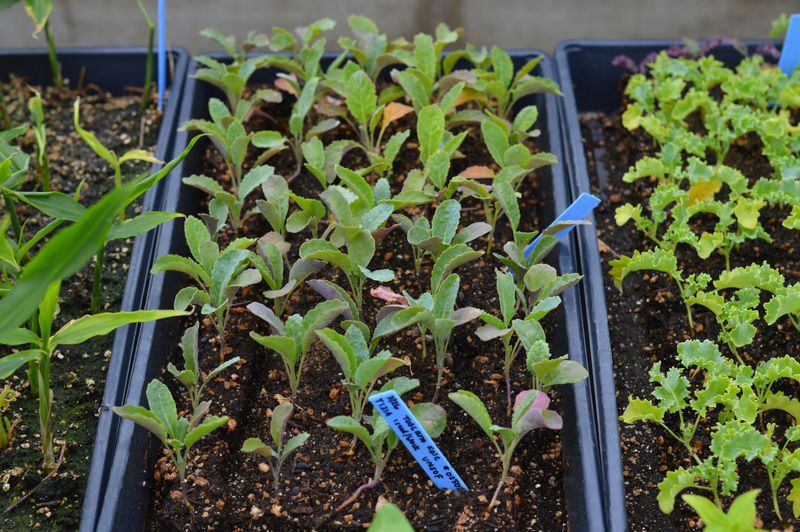
Planting depth is one place where seed packets earn their keep. NC State’s collard guide puts the general range at about one-half to three-quarters of an inch, while Clemson Extension recommends one-quarter to one-half inch.
Both are reasonable starting points, but your specific seed packet may call for something slightly different depending on the variety. Follow the packet when it conflicts with general guidance, and avoid planting deeper than it recommends, since small seeds buried too far down may exhaust their energy before breaking the surface.
Spacing decisions shape how useful your harvest will be. Full-size plants need about 18 inches between them to develop leaves large enough for cooking and to allow enough airflow to reduce disease pressure.
Closer spacing can work if you plan to harvest young, tender baby greens and thin the row as plants compete, but do not expect to grow mature, full-size collards at 6-inch intervals. Crowded plants produce smaller leaves, shade each other out, and are more vulnerable to the fungal issues that come with poor air circulation.
Maturity timing deserves honest expectations. NC State’s central planting calendar lists roughly 60 to 100 days from seed to harvest for collards, while Clemson puts the range at 60 to 80 days for direct seeding.
That spread reflects real variety-to-variety differences. A fast-maturing open-pollinated type and a slower heirloom can differ by weeks, and fall conditions add another variable: shortening days and dropping temperatures slow plant development compared to the same variety grown in warm spring soil.
Treat the seed packet’s days-to-maturity figure as an estimate, not a calendar appointment. Plants seeded August 30 in eastern North Carolina may be ready for outer-leaf harvest well before Thanksgiving, or they may need a few extra weeks depending on the fall’s temperature pattern.
Plan around a range rather than a single date.
Harvest outer leaves to extend the crop’s opportunity
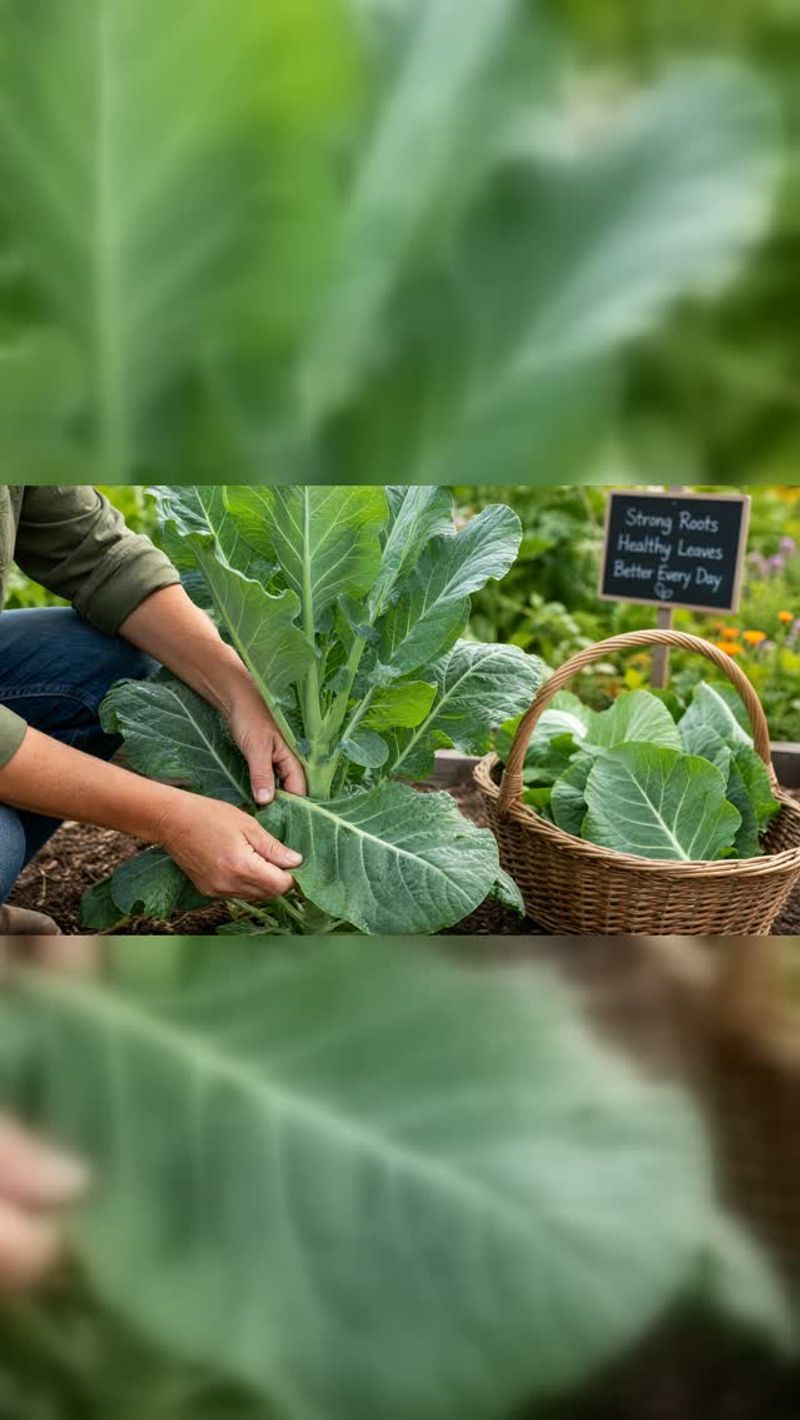
The way you pick collards matters almost as much as when you plant them. Removing individual outer leaves while leaving the central growing point and several upper leaves intact allows the plant to keep producing rather than shutting down.
NC State’s collard guide and University of Georgia Extension both describe this outer-leaf approach as the standard method for a continued supply. Cutting the entire plant at once ends that plant’s contribution to your kitchen for good.
Leaf size is a useful quality guide. Georgia Extension notes that leaves under 10 inches tend to be especially flavorful, while Florida IFAS recommends harvesting at approximately 10 to 12 inches for good texture.
In practice, the right size depends partly on the variety and partly on personal preference: some cooks prefer the tenderness of younger leaves, while others like the fuller flavor of a larger leaf that has had more time to develop. Both approaches work; the main thing to avoid is letting outer leaves grow so large and old that they turn tough, yellow, or bitter.
Staggering your sowings is another practical tool for spreading supply across the fall. The NC State central planting calendar supports late-summer and fall collard planting, meaning eastern and Piedmont gardeners who start one bed in mid-August and a second around Labor Day may find the two plantings reaching harvestable size at different points in October and November.
That stagger does not guarantee a continuous supply, since cold, short days, and local frost timing all affect how quickly plants develop, but it reduces the risk of having everything ready at once with nothing left afterward.
Use protection when cold begins to limit production
A light frost settling over the garden is not a signal to harvest everything in a panic. Collards tolerate frost and light to medium freezes, and many gardeners find the flavor improves after the plants experience that cold exposure.
Extension guidance on late-season vegetable harvesting recommends waiting until frost-exposed leaves have fully thawed before picking. Leaves that are still frozen when you pull them can turn limp and dark as they thaw in your hands, and leaves that show decay, heavy yellowing, or visible damage after a freeze should be discarded rather than eaten.
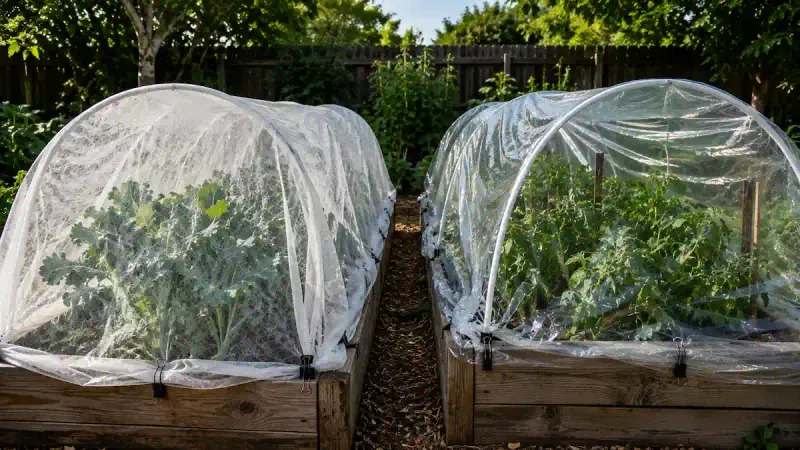
Frost cloth, low tunnels, and similar covers can buy meaningful extra weeks when temperatures start threatening plant health. NC State’s community food gardening handbook lists these season-extension tools for cool-season crops, and the NC State home vegetable gardening quick reference confirms their usefulness for extending harvests into colder months.
A layer of frost cloth draped over the bed on nights when temperatures are expected to drop into the mid-20s can protect foliage that would otherwise suffer damage, but covers are not a defense against a prolonged hard freeze.
NC State’s plant toolbox notes that collards in milder eastern locations may overwinter and continue producing into late winter or early spring under favorable conditions. Inland and mountain gardens face a harder ceiling: colder temperatures, longer cold stretches, and less sun in December and January can slow growth to near-zero even without a killing freeze.
Cold weather does not clear the garden of pests or disease. NC State Extension identifies cabbageworms, loopers, aphids, and flea beetles as persistent crucifer pests, and black rot of brassicas remains a concern in wet fall conditions.
Inspect plants regularly, practice good sanitation by removing damaged leaves and plant debris, and use integrated pest management rather than assuming a frost has solved the problem.
Make the regional decision before you plant

Pulling all of this together comes down to one honest question: does your location give your plants enough runway? For many Coastal Plain and Piedmont gardeners, August 30 is a reasonable starting date if the seedbed can stay consistently moist through germination and early establishment.
The 2026 Southeastern U.S. Vegetable Crop Handbook supports that timing for eastern North Carolina, and the central North Carolina planting calendar backs late-summer collard planting for the Piedmont.
Mountain gardeners should not assume the eastern schedule applies to their conditions. Earlier local frost dates, higher elevation, and a shorter warm season call for earlier planting, transplants instead of direct seeding, or season-extension covers from the start.
Using the eastern window as a guide in the western highlands risks plants that never reach harvestable size before hard freezes arrive.
Get the fundamentals right and the crop rewards patience: moist establishment, adequate spacing at about 18 inches for full-size plants, realistic maturity expectations somewhere between 60 and 100 days depending on variety and conditions, outer-leaf harvesting that keeps plants producing, and frost-aware protection when temperatures drop. NC State’s collard greens guide and the brassica flavor research together support the same honest payoff: cool weather often makes collards more enjoyable to eat, and favorable eastern and central locations may achieve a potentially extended fall harvest that stretches well into the cooler months.
That outcome is worth planting for.