
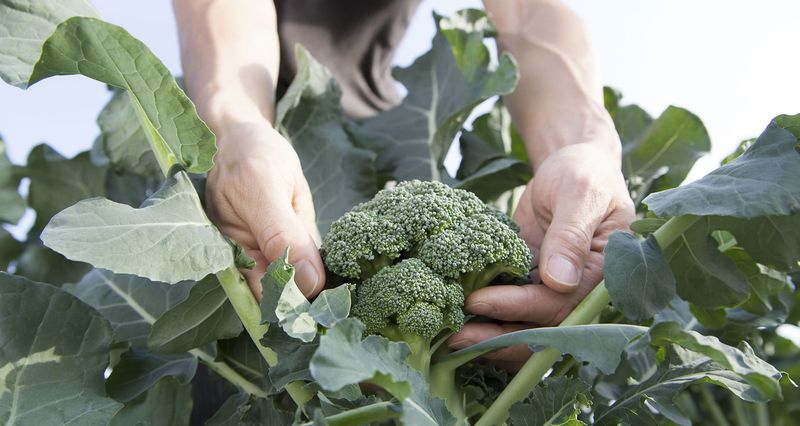
Fall broccoli in North Carolina is one of those crops that rewards the gardener who acts at the right moment. Get the timing right, and you can harvest firm, dense heads before the holidays.
Miss the window, and the plants may never form a proper central head at all. The difference often comes down to whether you understand what late August can and cannot do for your garden.
Late August Works Best for Established Broccoli Transplants
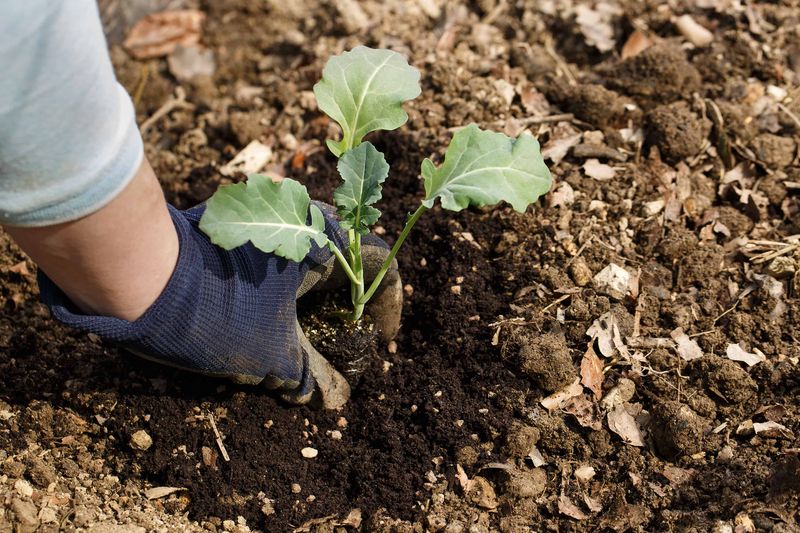
Setting out healthy, established transplants in late August remains a practical fall-crop move in much of eastern North Carolina and parts of the Piedmont. The key word is transplants.
A seedling that already has four to six true leaves and a developed root system can begin adjusting to garden conditions right away, rather than spending precious weeks just breaking ground.
According to the NC State Central North Carolina Planting Calendar, broccoli is listed as a transplant crop with an approximate maturity range of 70 to 80 days. Treat that figure as a planning estimate, not a countdown you can set a clock by.
Temperature swings, cultivar differences, transplant age, soil fertility, irrigation, and local pest pressure all influence how quickly plants actually develop.
The benefit of transplanting now is not a guaranteed head size. The real payoff is giving your plants enough time to build roots and foliage before cooler fall temperatures arrive and support head formation.
NC State Extension broccoli production guidance explains that broccoli performs best when heading occurs during cool conditions, and a well-rooted plant that goes into the ground in late August has a reasonable shot at reaching that stage before frost becomes a serious concern.
Starting from seed on August 26 is a very different situation. Broccoli seedlings generally need about four to five weeks in a tray before they are ready for field planting, which means a late-August seed start would not produce a garden-ready transplant until late September in many cases.
That timeline can be workable in some eastern locations but is often too late for a large central head in the Piedmont. If you are shopping for plants rather than starting your own, look for sturdy, compact transplants at local garden centers and aim to get them in the ground without delay.
Match the Decision to Your North Carolina Region
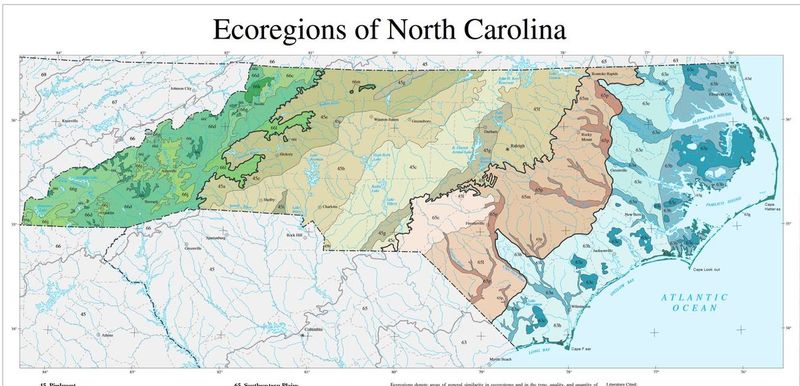
North Carolina covers a remarkable range of climates, and a single statewide planting date for fall broccoli simply does not hold up across the whole state. The advice to set out transplants in late August applies most directly to the Piedmont and eastern regions, not equally to every garden from Manteo to Murphy.
For the Piedmont, the NC State Extension Gardener Handbook recommends planting 60- to 80-day fall crops around August 1, with western areas of the state generally planting 10 to 20 days earlier and the coastal plain running 7 to 14 days later. That framework places a late-August transplanting date at or near the trailing edge of the Piedmont window for established starts, particularly with early or midseason cultivars.
You still have room to act, but moving quickly matters.
Eastern North Carolina offers a bit more flexibility. NC State broccoli production guidance lists a fall planting window of August 1 through September 15 for eastern locations, and Franklin County Extension notes that broccoli is usually most successful as a transplant during that same period.
Coastal plain gardeners who source healthy transplants now have a reasonable path to fall heads.
Western North Carolina, including many mountain locations, requires a separate conversation entirely. The NC State broccoli production guidance does not recommend a fall crop in western parts of the state, and the mountains vary considerably by elevation, aspect, and local frost timing.
Inventing a single mountain deadline would be misleading. If you garden in the foothills or mountains, consult your local Cooperative Extension office and use the NC State Climate Office Freeze Date Explorer to understand when your first fall freeze is likely before committing to a late-summer broccoli planting.
Cool Conditions Help Broccoli Form Firm Heads
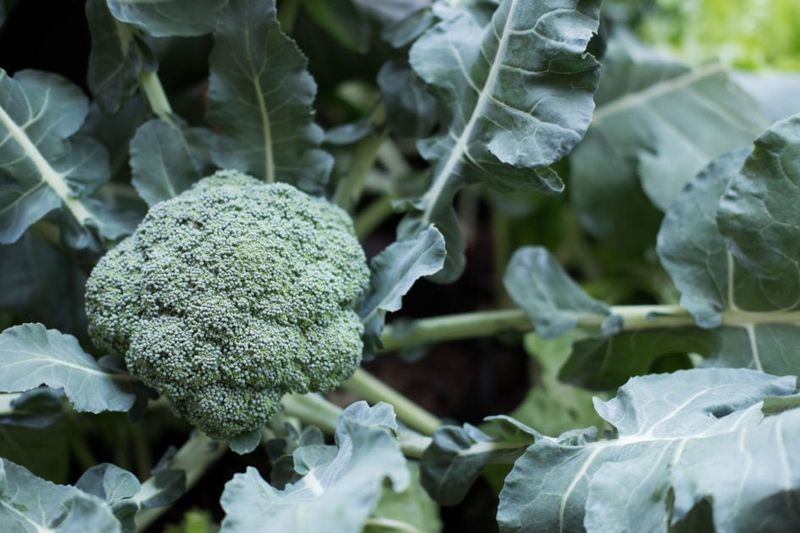
Broccoli heading is not simply a matter of counting days from transplant. The plant’s internal clock responds to temperature, and fall timing in North Carolina is designed to let that biology work in your favor rather than against you.
NC State Extension identifies approximately 54 to 68 degrees Fahrenheit as a favorable range for broccoli head development. Temperatures above that range, especially sustained heat during the period when heads are forming, can lead to poor, loose, or deformed crowns.
That is why summer-planted broccoli in the South so often disappoints: the plant may be growing vigorously, but heading stalls or goes wrong when the thermometer stays high. NC State’s broccoli production guidance confirms that excessive heat is a primary cause of poor head formation in the region.
The timing challenge is a balance, not a simple race to plant as early as possible. Plants need enough warm late-summer weather to establish a solid root system and a healthy canopy of leaves before heading begins.
Put a transplant in too late and it may not have the leaf mass to support a full central head before frost ends the season. Plant so early that heading begins in August heat, and the crown quality can suffer just as much.
A workable late-August transplanting date threads that needle in much of the Piedmont and eastern North Carolina: roots and leaves develop through September, and heading has a reasonable chance of coinciding with October’s cooler nights and moderated daytime highs. NC State cultivar research for North Carolina reinforces that heat stress, rapid temperature swings, and disease pressure all affect final head quality, so a favorable temperature window improves odds without guaranteeing any specific outcome.
Choose Seed or Transplants According to the Calendar
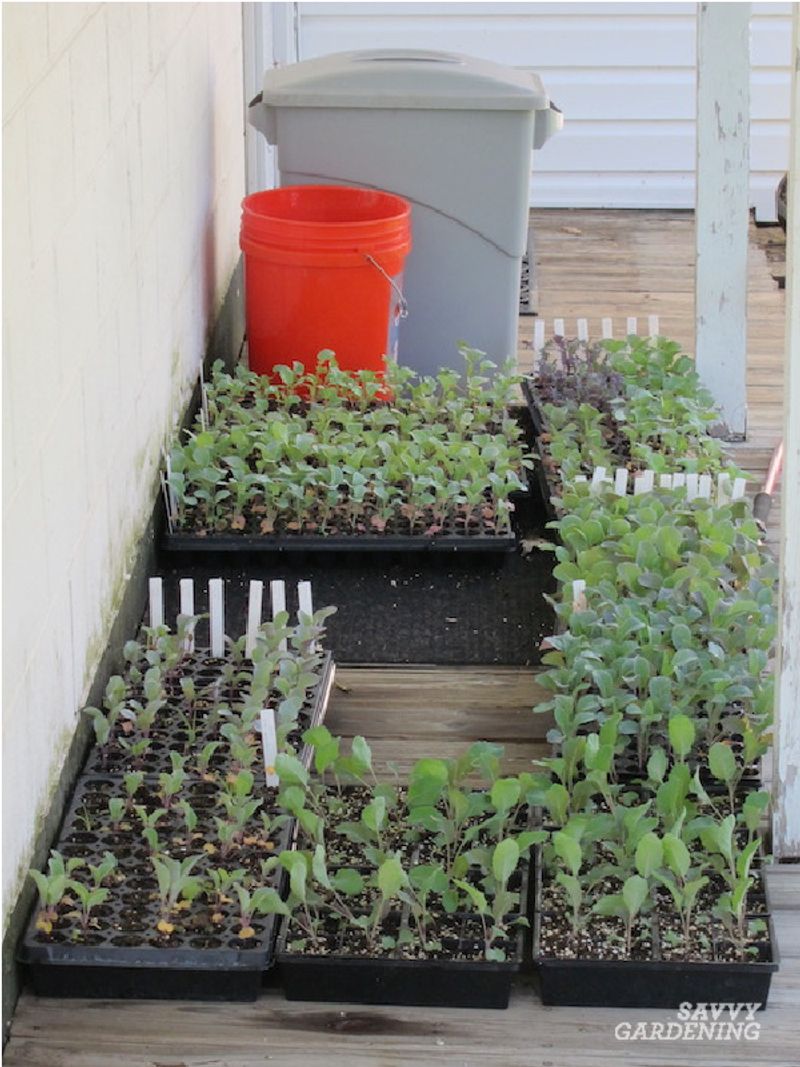
The choice between buying transplants and starting your own seed is not just a preference question in late August. It is a timing question, and the calendar has a strong opinion.
Nursery transplants offer the most direct path to an immediate late-August planting. A healthy start purchased from a local garden center or farm supply store is already four to six weeks old, which means it can go straight into prepared ground and begin adapting to outdoor conditions right away.
For Piedmont gardeners who are already at the trailing edge of the recommended fall window, buying transplants is the lower-risk move.
Starting your own seed in trays is still possible, but the timeline deserves a clear-eyed look. Broccoli seedlings generally need about four to five weeks after seeding before they are ready for field planting, according to NC State Extension broccoli production guidance.
A seed started in a tray on August 26 would not normally be ready to transplant until late September, which may allow enough time for a decent head in eastern North Carolina but is often too late for a large central head in the Piedmont. If you are starting your own, get seed in trays no later than early August to hit a better transplanting window.
Direct seeding outdoors in late August is the most demanding option. The NC State Extension Gardener Handbook notes that direct seeding success in fall depends on maintaining adequate soil moisture while seedlings emerge and establish.
In hot, dry late-summer conditions, that means keeping the seeded bed cool and moist, sometimes with temporary covers like burlap, newspaper, or boards removed as seedlings break through. If you cannot reliably irrigate or shade the seedbed during emergence, buying healthy transplants is the more dependable choice.
Treating all three methods as interchangeable wastes the narrow window that late August still offers.
Prepare Soil, Spacing, and Water for Strong Growth
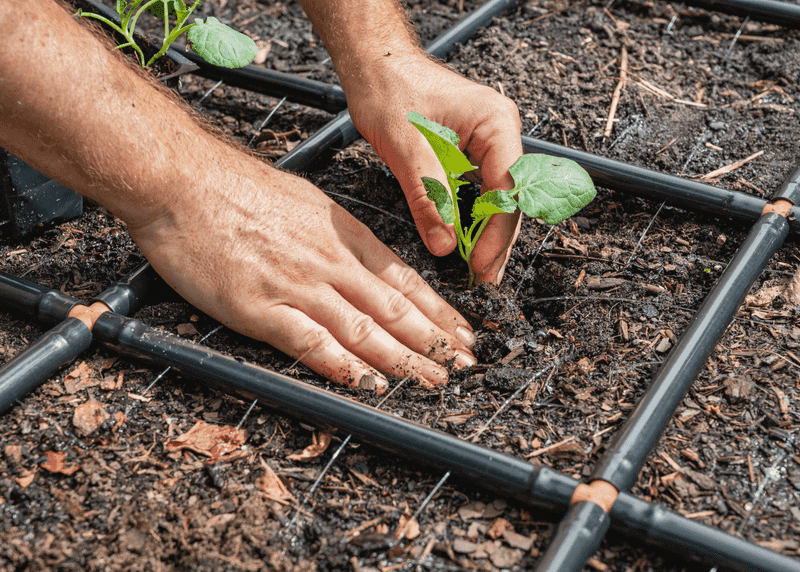
Once you have your transplants in hand and your regional timing confirmed, the next decision is how to set up the bed for strong fall growth. Broccoli is not a forgiving crop when soil, spacing, or water fall short during establishment.
Start with a sunny location. Broccoli performs best with six to eight hours of direct sunlight per day, and shaded plants tend to produce smaller, looser heads.
Choose a well-drained site where water does not pool after rain, since saturated roots slow establishment and invite disease.
Soil preparation should include a test before adding substantial amendments. NC State broccoli production guidance identifies a soil pH of 6.0 to 6.5 as ideal and notes that inadequate nitrogen can delay maturity, reduce yield, and lower quality.
However, applying heavy nitrogen or micronutrients without a soil test is not a safe default. Excess nitrogen can push leafy growth at the expense of head quality, and micronutrient applications should follow evidence of actual deficiency rather than routine habit.
Your local Cooperative Extension office can help with soil test kits and interpretation.
Spacing matters more than many home gardeners expect. The NC State Central North Carolina Planting Calendar recommends approximately 18 inches between plants.
Crowded plants compete for light, water, and nutrients, and the resulting stress tends to show up as smaller or poorly formed heads. Adequate room also improves air circulation, which can reduce fungal disease pressure in humid fall conditions.
Consistent moisture throughout the season supports both establishment and heading. University of Georgia Extension guidance on brassica crops and NC State commercial production estimates both point toward roughly 1 to 1.5 inches of water per week as a general condition-dependent guide, not a rigid prescription.
Soil type, rainfall, plant size, and temperature all affect actual needs. When possible, favor drip irrigation or soil-level watering over frequent overhead irrigation, since wet foliage in warm weather can encourage fungal issues.
Mulching around the base of plants helps retain soil moisture and moderate root zone temperatures during the transition from late-summer heat to fall cool.
Manage Caterpillars, Cold, and Harvest Timing
Getting transplants in the ground on time is only part of the job. Fall broccoli in North Carolina faces real pest pressure, occasional early cold, and a harvest window that closes faster than most gardeners expect.
Caterpillars are the most consistent threat. Imported cabbageworm and cabbage looper larvae feed beneath leaves and inside developing heads, and a light infestation can escalate quickly in warm September weather.
NC State Extension cabbage looper guidance recommends inspecting the undersides of leaves regularly and treating early when larvae are small. Bacillus thuringiensis (Bt) products are a commonly used option for home gardens and are effective against young caterpillars when applied thoroughly and reapplied after rain.
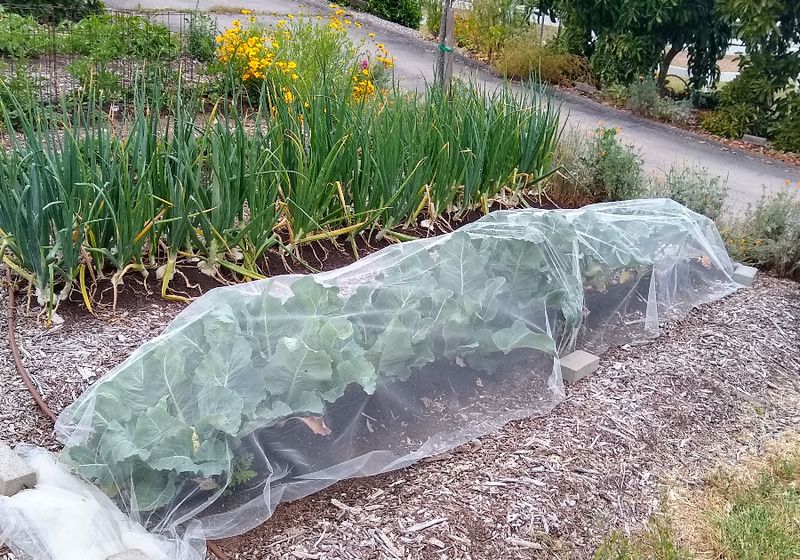
Lightweight row cover fabric can help by physically blocking adult moths from laying eggs on your plants. When installed correctly over hoops and sealed at the edges, it excludes some moths and reduces egg-laying opportunities.
That said, row cover is not a complete pest-control system. It does not address insects already present in the soil, diseases, or pests that enter through gaps.
Manage ventilation carefully on warm days, since covered plants can overheat if airflow is restricted.
On the cold end of the season, broccoli tolerates light frost reasonably well, and a brief dip below freezing can pass without serious damage. Hard freezes are a different matter.
NC State broccoli production guidance acknowledges frost tolerance, but sustained freezing temperatures or a hard freeze on an immature head can cause real damage. Keep an eye on forecasts as fall deepens, and have row cover or frost cloth ready to drape over plants when temperatures threaten to drop hard.
Harvest timing is where many gardeners lose quality at the very end. The correct cue is tight, unopened flower buds on the central head, not maximum diameter.
NC State childcare garden production guidance and University of Minnesota Extension brassica notes both confirm that once buds begin to loosen or yellow flowers appear, eating quality drops quickly. Cut the central head promptly, then leave the plant in place.
Many broccoli varieties will push out smaller side shoots over the following weeks, extending your harvest well into fall.
Check Local Frost Information Before You Plant
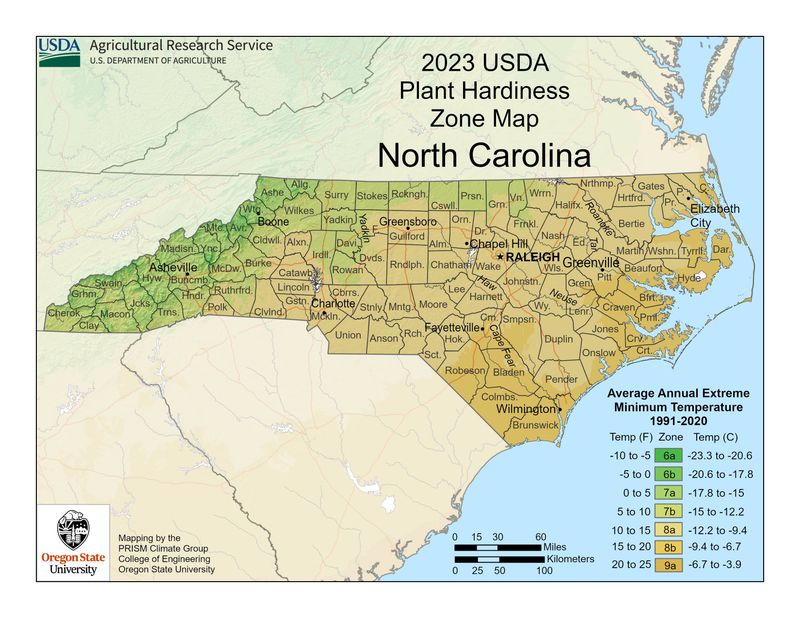
Before you load transplants into a cart or push seed into a tray, spend five minutes with your actual local frost data. Statewide planting windows are useful starting points, but your garden’s first expected freeze is the number that really shapes the decision.
The NC State Climate Office Freeze Date Explorer lets you look up long-term average and observed first-freeze dates by location, which is far more precise than any single regional rule. Piedmont and eastern gardeners who confirm a favorable frost window and have healthy transplants ready should move forward now.
Gardeners starting from seed need to account for four to five weeks of tray time before field planting, and that additional lag should factor into whether a late-August seed start makes sense for their location.
Pull cultivar timing, irrigation capacity, and available frost protection into the same decision. NC State cultivar guidance for North Carolina notes that heat stress, disease pressure, and maturity timing all vary by variety, so matching a cultivar’s expected days to maturity against your local frost window is a straightforward way to avoid planting something that cannot finish in time.
NC State broccoli production guidance reinforces that no late-August date guarantees maximum head size. Planting during a suitable window gives broccoli a better chance to head under cool conditions.
That qualified payoff is still worth pursuing, and the gardener who checks the calendar, knows the region, and chooses the right starting method is the one most likely to pull a firm fall head out of the ground.