
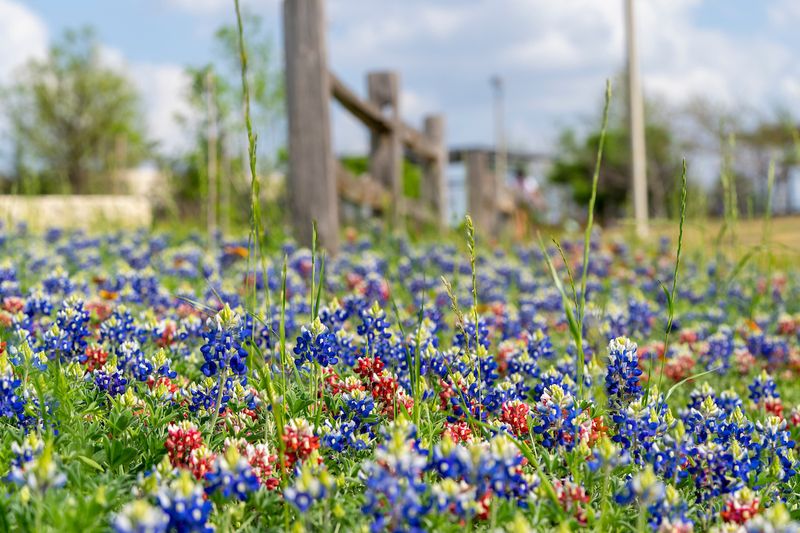
Most people think spring gardening starts in spring, but in Central Texas, the gardeners with the prettiest March and April yards often made their key decisions the previous fall. September gives you a real head start: you can map your planting area, prepare the soil, order bulbs, and sow certain native wildflowers before cooler conditions arrive.
Working backward from the bloom you want, rather than scrambling forward when the calendar flips, is what separates a dependable spring display from a hopeful one.
September starts with the spring picture, not the planting shovel
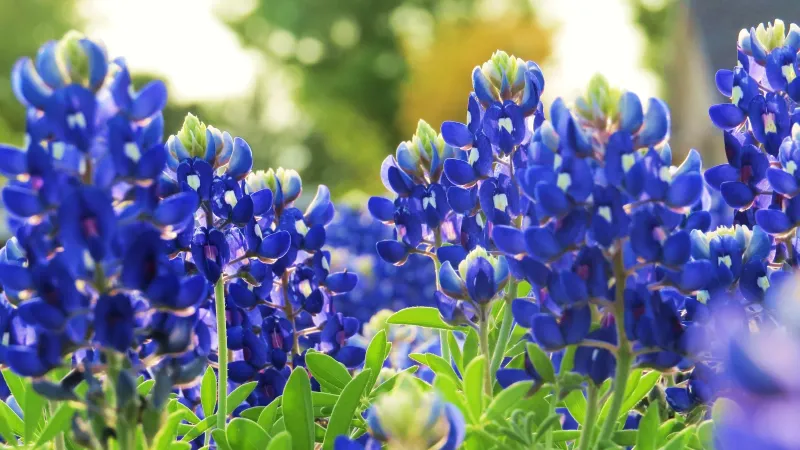
Picture the yard you want in late March: a sweep of bluebonnets along the fence, a cluster of daffodils catching the morning light, maybe some grape hyacinths threading through a low border. That picture is where the planning starts, not at the nursery checkout line.
September is the right moment to sketch it out because the plants that will create it follow different schedules, and understanding those schedules now keeps you from rushing the wrong things into the ground too early.
Organize the plan around a few practical questions. Which area gets six or more hours of direct sun in spring?
Where does water pool after a hard rain? How tall will each plant be at peak bloom, and will it block something behind it?
UGA Extension guidance on spring bulb planning recommends combining early-, mid-, and late-season bloomers so the display carries from February through May rather than peaking all at once and then going quiet.
Plant type matters as much as bloom time. Native wildflowers like bluebonnets are cool-season annuals that can be sown in early fall and will overwinter before blooming.
Many spring bulbs go into the ground from late September through November, while tulips and Dutch hyacinths often wait until late November or December and may need artificial chilling in Central Texas. Perennials and woody plants follow yet another schedule.
Mapping all of those windows in September, before any of them open, is what lets you sequence the work without feeling rushed or confused later.
Keep the plan simple enough to execute. A single well-prepared bed with three or four complementary plants in a planned bloom sequence will reward you more than a crowded, improvised collection.
September is the month to decide what that sequence looks like, which is the most useful thing you can do before a single bulb or seed packet arrives.
Read the site as it will look in spring
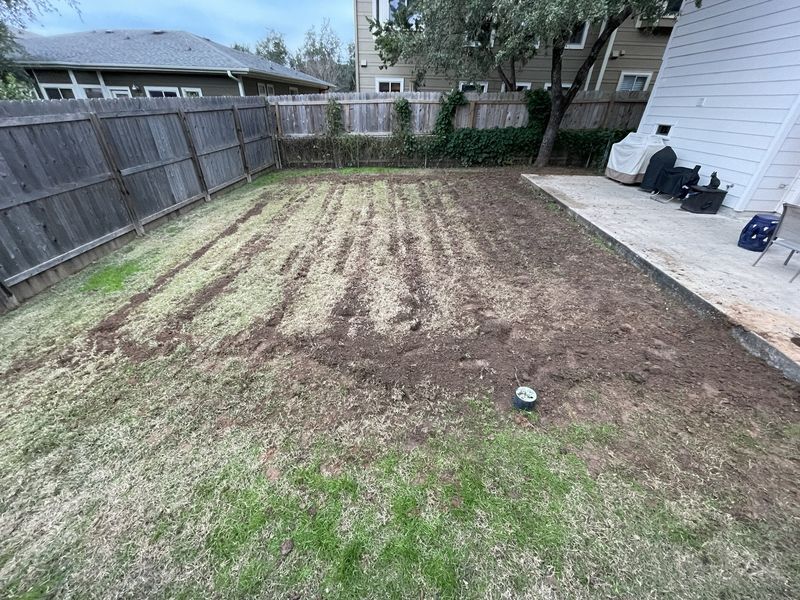
September light tells you what the site looks like in September, not in March. That distinction matters more than most gardeners expect.
A spot shaded by a live oak all summer may open up considerably once a nearby deciduous tree drops its leaves, making it suitable for early-blooming bulbs that finish before the canopy fills back in. Conversely, a bed that looks sunny now may sit in deep afternoon shade by April if a neighboring structure blocks the lower spring sun angle.
Walk the area at roughly the same time of day you expect spring sun to fall there, and note how many hours of direct light it actually receives. Early spring bulbs like crocus and grape hyacinth can tolerate partial shade, but most wildflowers and mid-season bloomers need six or more hours of sun to perform well.
Spring bulb siting guidance from UGA Extension points out that spots under deciduous trees can be ideal for early bulbs precisely because the canopy is absent during their bloom window.
Drainage is the other factor to assess honestly. Push a screwdriver or a trowel into the soil after a rain and see how quickly it dries.
Bulbs rot in persistently wet soil, and wildflower seedlings are equally unforgiving of waterlogged ground. If water stands for more than a day after a normal rain, that bed needs amendment or a different plant selection before you invest in seed or bulbs.
TPWD guidance on backyard wildflower patches is direct about turf competition: established St. Augustine or Bermuda grass will outcompete wildflower seedlings, and the site assessment should include a clear decision about whether that turf needs to be removed before sowing. Texas A&M AgriLife soil preparation guidance recommends understanding existing soil texture and structure before making changes, which starts with simply looking at and handling the soil in the area you have chosen.
Prepare soil and seedbeds before planting season arrives
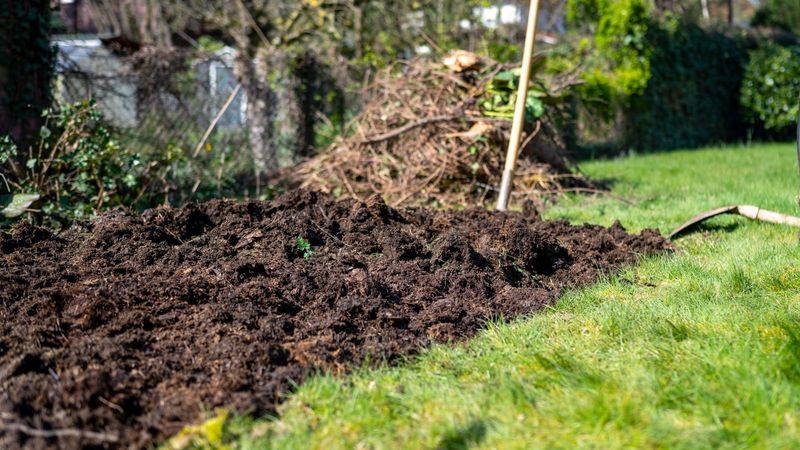
Clearing the ground and getting it ready is some of the most useful work September offers. Once you have chosen the bed, the first job is removing competing vegetation.
Established Bermuda or St. Augustine grass does not simply give way to wildflower seedlings; it crowds them out. Removing sod by hand, smothering it with cardboard and a thick layer of mulch weeks in advance, or using a sod cutter are all approaches worth considering depending on the size of the area and your timeline.
For wildflower patches, TPWD recommends preparing a firm, relatively bare seedbed rather than a fluffy, deeply tilled one. Tiny wildflower seeds need direct contact with the soil surface to germinate; a loose, airy seedbed lets them fall too deep or dry out before they can root.
Rake the area smooth, remove debris, and tamp it lightly if the soil is very loose.
Compost and organic matter can improve heavy clay or very sandy soil by helping it hold the right amount of moisture without staying waterlogged. That is a structural benefit, not a fertilizer application.
Before adding nutrients, get a soil test. Texas A&M AgriLife fertilizing guidance recommends using test results to guide nutrient applications rather than adding amendments based on general assumptions, and their soil preparation guidance notes that excessive amendment can create problems rather than solve them.
More is not automatically better when it comes to soil inputs, and September is early enough to test, interpret results, and amend thoughtfully before the planting windows open.
Sow bluebonnets and selected wildflowers when conditions cooperate
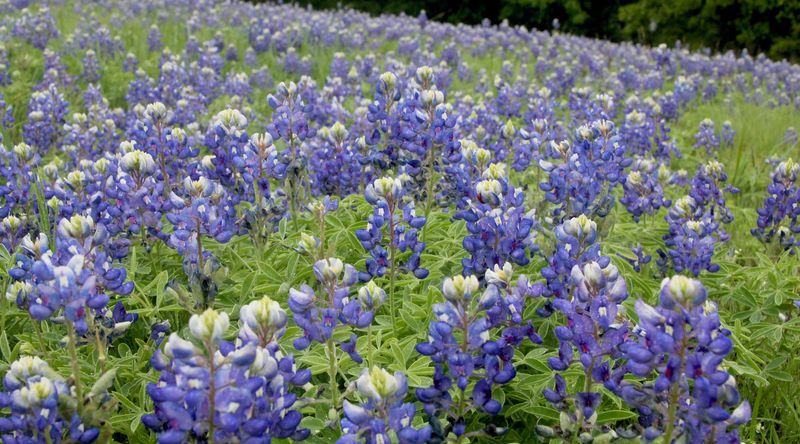
Bluebonnets are the clearest Central Texas example of a spring garden that genuinely benefits from fall attention. They are cool-season annuals, which means the seedlings emerge in autumn, spend the winter building a low leaf rosette and a deep root system, and then flower in March and April when temperatures rise.
Starting that cycle in the fall is not optional; it is how the plant works.
TPWD’s closer look at bluebonnets describes September through December as the planting window, with soil temperatures around 55 to 70 degrees Fahrenheit generally supporting germination. That range is a useful guide, not a hard rule.
If September in your area is still pushing 95 degrees and the soil feels hot to the touch, waiting a few weeks is more practical than planting on a calendar date.
Mixing small seed with dry sand at roughly one part seed to four parts sand helps distribute it evenly across the seedbed. Scatter the mixture, then rake or tamp it so seed is no more than about one-eighth of an inch deep.
Seeds need soil contact and, for many species, exposure to light; burying them too deeply is one of the most common reasons a wildflower sowing fails. The TPWD bluebonnet plant profile notes that scarified commercial seed germinates more reliably than untreated wild-collected seed, so buying from a reputable source matters.
Not every bag labeled “Texas wildflower mix” is what it claims. A TPWD Texas Native Seeds newsletter warns that some commercial mixes contain non-native species or weedy grasses, so reading the species list on the label before buying protects the investment.
TPWD’s wildflower planting guidance recommends keeping newly sown seed moist for several days unless rain is expected, then watering every two to three weeks during prolonged dry stretches through winter. Once bluebonnets are established, overwatering can harm them, so back off irrigation as plants fill in.
One safety note that often goes unmentioned: bluebonnet seeds can be toxic if eaten. Keep seed packets away from children and pets, and treat the sowing area as off-limits to animals until seeds are incorporated into the soil.
Order bulbs in September, then plant them on the cooler calendar
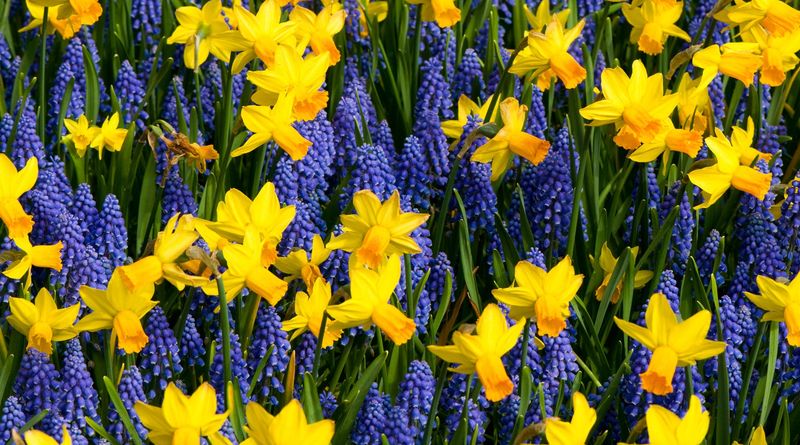
Ordering bulbs in September and planting them in September are two different tasks, and keeping them separate is one of the most practical things this article can offer. Good bulb selection sells out early, and waiting until October to start shopping often means settling for whatever is left.
Place the order now, but let the bulbs sit in a cool, dry spot indoors until the soil and nighttime temperatures are ready for them.
For most spring bulbs in Central Texas, the Brazos County Master Gardeners’ monthly calendar recommends purchasing spring-flowering bulbs in September for planting in October and November. Ellis County Master Gardeners’ guide to autumn bulb planting gives late September through November as the general window, while flagging tulips and Dutch hyacinths as candidates for late November or December planting.
Those two species often need a longer cold period than Central Texas winters reliably deliver, so many gardeners pre-chill them in a paper bag in the refrigerator for six to eight weeks before planting, keeping them away from ripening fruit that produces ethylene gas.
Regionally reliable choices deserve the most space in the plan. Daffodils and narcissus are among the strongest performers; they can naturalize and return year after year in many Central Texas gardens.
Bell County Master Gardeners’ fall bulb planting guide also highlights rain lilies, oxblood lilies, alliums, anemones, crocus, grape hyacinth, Dutch iris, Louisiana iris, and spring starflower as worth trying. Performance and naturalizing ability vary by species and microclimate, so starting with a few proven types and expanding from there is a reasonable approach.
All bulbs need well-drained soil. Planting depth is generally about two to three times the height of the bulb, but the supplier’s instructions should take priority over any general rule.
UGA Extension’s bulb planting guide notes that compost worked into the planting area can improve drainage in heavier soils without creating the waterlogged pockets that rot bulbs.
Handle bulbs carefully around children and animals. The ASPCA’s spring bulb safety guidance identifies daffodils, tulips, hyacinths, irises, and some crocuses as toxic to pets if ingested, with the ASPCA daffodil profile noting that the bulb contains the highest concentration of toxins.
Poison Control’s tulip bulb toxicity information confirms that tulip bulbs can cause illness in people as well. Store bulbs out of reach, wear gloves when handling varieties known to irritate skin, and plant them promptly so they are not left accessible on a potting bench or garage shelf.
Layer in seasonal color, perennials, and woody plants
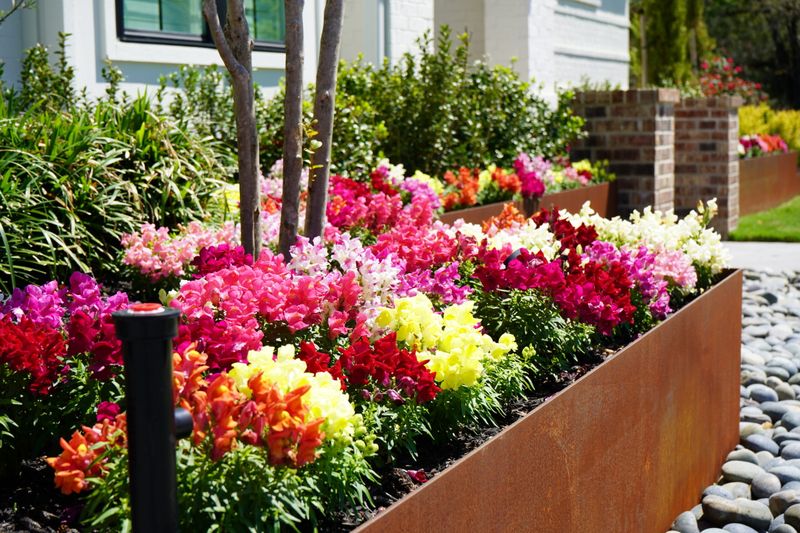
Bulbs and wildflowers are not the only plants that benefit from fall attention. Seasonal color annuals, perennials, and woody ornamentals all have a place in a backward-planned spring garden, and each follows its own timing logic rather than a single universal planting date.
Fall-planted seasonal color typically goes in when daytime temperatures begin to moderate, often in late September or October for much of Central Texas. Texas Earth-Kind seasonal color guidance lists pansies, violas, dianthus, snapdragons, calendula, larkspur, California poppies, stock, and sweet peas among fall-planted or cool-season options, while noting that adaptability varies across Texas regions.
Pansies and violas installed in October can provide color through the winter and into spring, bridging the gap before later-blooming plants take over. Choose varieties rated for your specific area rather than assuming a plant labeled for Texas will perform the same in Austin as it does in San Antonio.
Perennials and woody plants installed in fall can use the cooler months to establish root systems before the heat of the following summer arrives. UGA Extension’s best management practices for landscapes explains that roots continue developing after top growth slows or becomes dormant, giving fall-planted specimens a head start on drought tolerance.
That head start does not eliminate the need for regular irrigation during dry periods through fall and winter; new root systems are not yet deep enough to find moisture on their own.
When layering these plants into the spring plan, return to the same criteria used for bulbs and wildflowers: bloom sequence, mature height, light requirements, drainage tolerance, and water needs. Combining plants with staggered bloom times extends the display and keeps the bed interesting from late winter through late spring rather than producing a single flush that fades quickly.
Care through winter and let wildflowers finish their cycle
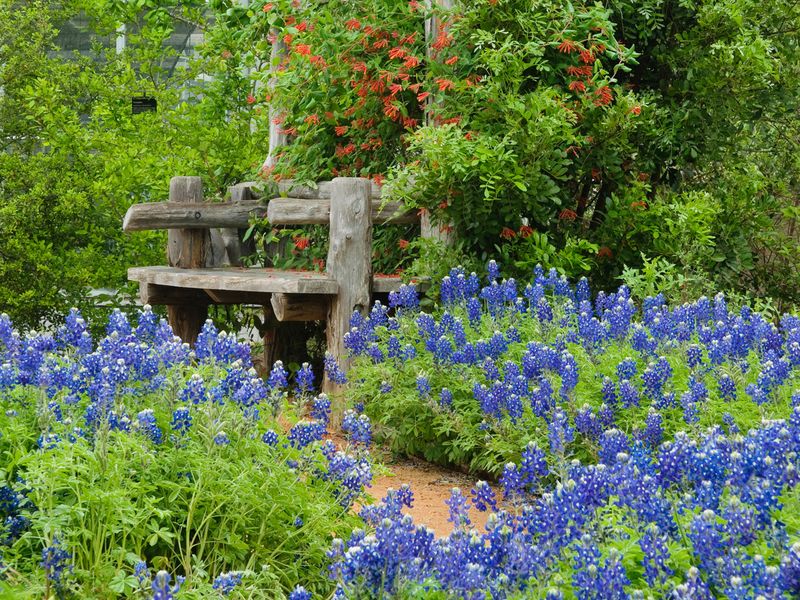
The gap between September preparation and March bloom is not a waiting period; it is a care period. What happens during those months determines whether the spring display is thin and patchy or full and rewarding.
The most common mistake is assuming that sowing seed or planting bulbs ends the job.
Newly sown wildflower seed needs consistent moisture to germinate and get established. TPWD’s wildflower planting guidance recommends keeping freshly sown seed moist for several days after sowing, then supplementing with irrigation every two to three weeks during any prolonged dry stretch through winter.
Central Texas winters can be surprisingly dry, and a seedling that emerges in October can still die in January if it runs out of moisture before spring rains arrive. The TPWD bluebonnet plant profile adds a counterpoint worth remembering: once bluebonnets are established, excessive moisture can reduce growth or kill plants.
The goal is consistent, moderate moisture during establishment, then a lighter hand as plants fill in.
September in Central Texas can still be hot and dry, and the Brazos County Master Gardeners’ calendar notes that newly planted material needs careful watering because heat and drought can persist well into fall. Planting because the calendar says September is less useful than waiting for a stretch of cooler, moister weather that gives new seed and transplants a real chance.
Texas A&M AgriLife planting data shows average first-frost dates in the Austin area ranging from mid-November to early December depending on the specific station, which illustrates how much local microclimate and elevation can shift the timeline even within a single metro area.
After bloom, the care cycle has one more important step. Resist the urge to mow down native wildflowers the moment they stop looking their best.
Waiting until the plants have fully matured and dropped their seed gives next year’s plants a chance to establish, and leaving dead stems standing for a period afterward can provide nesting sites for solitary bees. Late June or early July is a typical example of when mowing might be appropriate in many Central Texas locations, but the real signal is seed maturity, not a date on the wall calendar.
Use September to sequence the work, not rush the planting
The practical payoff of treating September as a planning month rather than a universal planting deadline is a spring bed or wildflower patch with a deliberate succession of blooms rather than a scrambled mix of things that went in whenever they were available.
The sequence of work looks like this: choose the bloom picture first, then assess sun and drainage at the actual site. Remove competing turf before it can crowd out seedlings.
Prepare a firm, bare seedbed in September. Sow suitable native wildflowers when soil temperatures and moisture conditions cooperate, which may be September or may be October or November depending on the weather.
Order spring bulbs now while selection is good, and plant each type during its proper cooler-season window. TPWD’s wildflower guidance and the Brazos County Master Gardeners’ fall calendar both support this staged approach, and Ellis County Master Gardeners’ bulb timing guidance confirms that different bulb types belong in different parts of the fall window.
None of these steps guarantee a perfect spring. Seed quality, drainage, weather, browsing animals, and winter dry spells all influence the outcome.
What September planning does is put you in the best possible position to respond to those variables rather than react to them after the window has closed. A gardener who has already cleared the bed, tested the soil, and ordered the right bulbs can take advantage of a good rain in October or a cool snap in November in a way that a gardener starting from scratch in February simply cannot.