
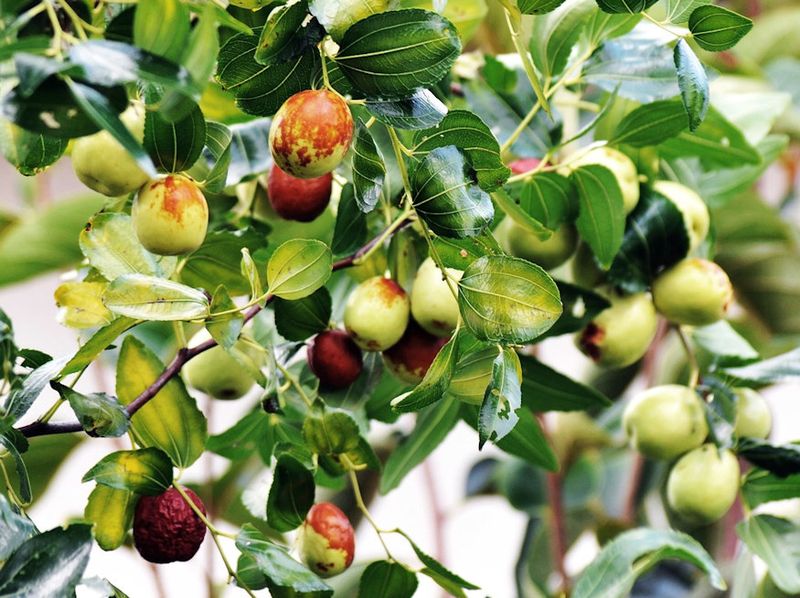
Something unexpected is happening at specialty nurseries and UC Davis plant sales across California: a fruit tree that was quietly growing in backyards for over a century is suddenly getting a second look. Gardeners in hot inland valleys are discovering that this old-school tree handles summer heat, stretches between waterings once established, and produces fruit you can eat fresh or dry at home.
If the tree generating all this buzz is Chinese jujube, also called Chinese date or Ziziphus jujuba, the renewed interest makes a lot of practical sense.
First, confirm which tree the title means
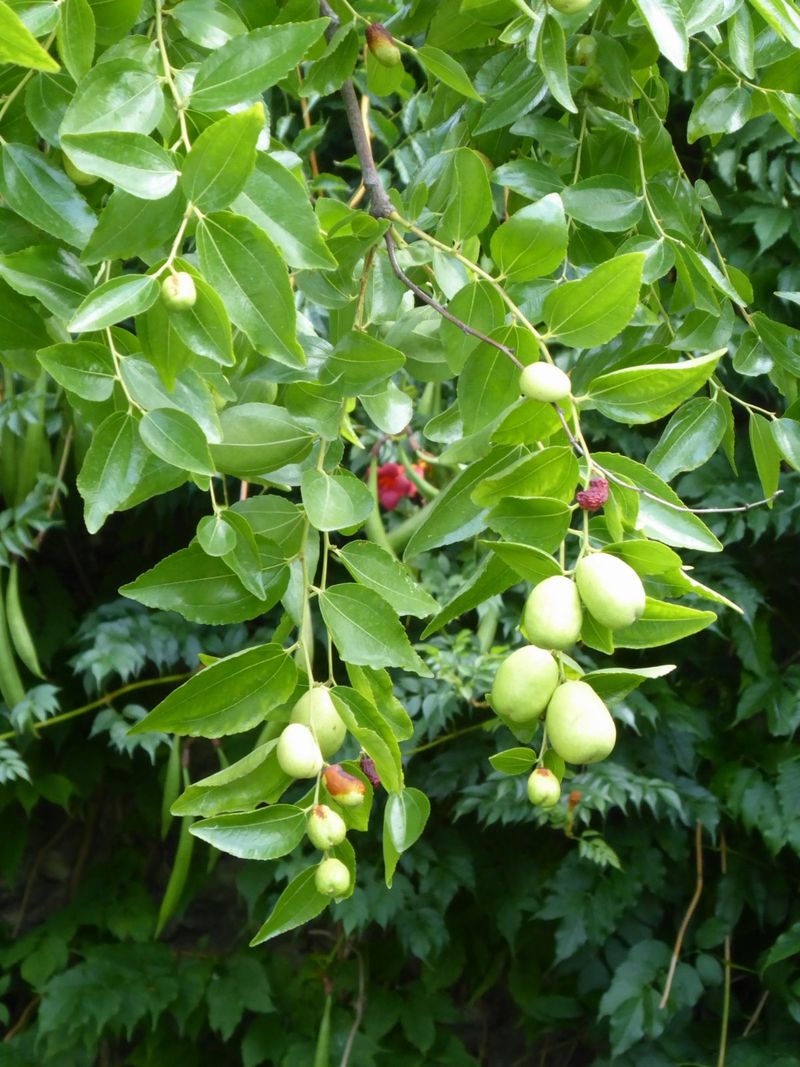
Before treating this article’s central claim as settled, the identification needs a quick check. The tree described throughout this piece is assumed to be Chinese jujube, also known as Chinese date or Ziziphus jujuba, based on available research.
That research is a solid fit for the “old-school California fruit tree” angle, but the title alone does not confirm the species. A writer or editor should verify that identification before publication, or keep the framing explicitly conditional throughout.
Once confirmed, the California history is genuinely interesting. Jujubes were first introduced to California from France in 1876, and NMSU Extension documentation on jujube in the Southwest traces additional cultivar introductions through the USDA plant exploration program in the early 1900s, including work at the USDA station in Chico.
That history makes the tree “old-school” in a real sense: it has been growing in California yards for well over a hundred years, just not in every neighborhood.
The current wave of interest looks more like a niche resurgence than a statewide planting boom. UC Davis Arboretum and Public Garden coverage of jujube describes the tree as “gaining attention” and notes that cultivars including ‘Honey Jar,’ ‘Li,’ and ‘Sugar Cane’ have been added to public plant sales.
That is meaningful evidence of renewed interest, not proof that jujube is replacing more familiar fruit trees across the state.
Chinese jujube originated in Asia, not California. It was introduced, established itself well in certain regions, and built a quiet but loyal following.
Describing it as historically established or well adapted to California conditions is accurate; calling it a native tree is not. That distinction matters when gardeners are deciding whether a tree fits their yard and their values.
Why Chinese jujube fits many hot inland yards
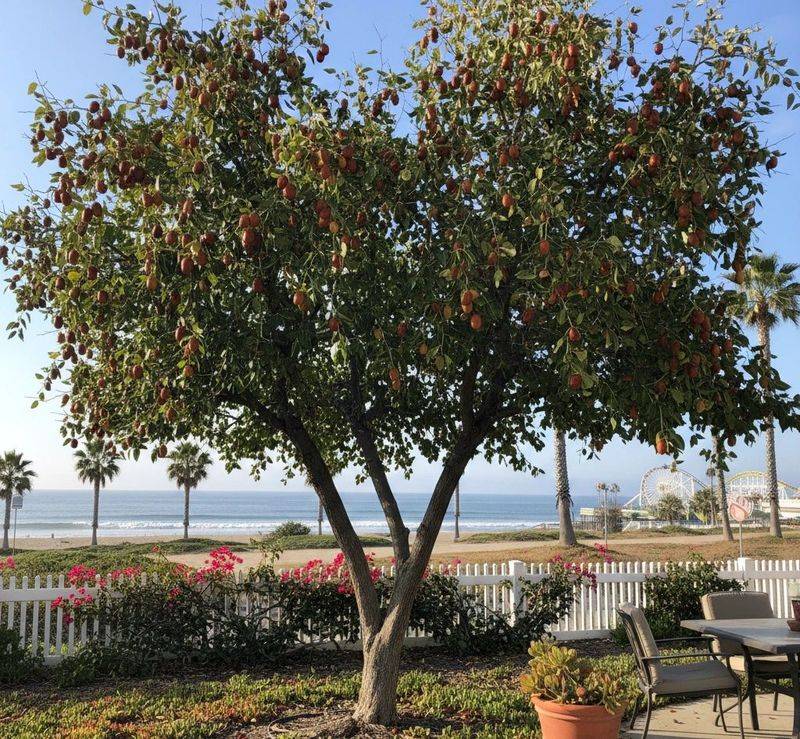
Inland California summers push temperatures well past what many fruit trees handle gracefully. Chinese jujube is genuinely comfortable in that heat.
UC Agriculture and Natural Resources guidance on fruit tree selection identifies jujube as a good option for hot inland valleys in Southern California, which puts it in a short list of trees that thrive where others struggle.
Part of that heat tolerance connects to a low chilling requirement. Many fruit trees need a set number of cold winter hours to flower and fruit reliably.
Jujube’s chilling requirement is low enough that mild California winters rarely cause a problem, which gives it an edge over stone fruits and apples in warmer inland zones. UF/IFAS Gardening Solutions coverage of jujube also confirms the tree’s broad heat adaptability across hot, sunny climates beyond California.
Drought tolerance after establishment is another real advantage, but it comes with a practical limit. A tree that survives dry conditions is not the same as a tree producing a strong crop under dry conditions.
Regular irrigation during flowering and fruit development improves both fruit size and overall crop quality. The practical message is that jujube can handle California’s dry summers better than many alternatives, not that it runs on no water at all.
Pest pressure is generally lower for jujube than for many conventional fruit trees in the United States. That does not mean the tree is pest-free; birds, stinkbugs, and vertebrate browsers can all cause damage depending on location.
Still, gardeners accustomed to fighting codling moths, brown rot, or fire blight on other trees often find jujube comparatively straightforward.
Coastal conditions are a different story. Fog, limited sun, poor drainage, or unusual humidity during flowering can reduce fruit production noticeably.
UC IPM site-selection guidance for fruit trees advises matching fruit varieties to local climate and chilling conditions, which applies directly here. Jujube earns its reputation in sunny, dry inland settings, not as a universal California solution.
The fruit changes as it ripens
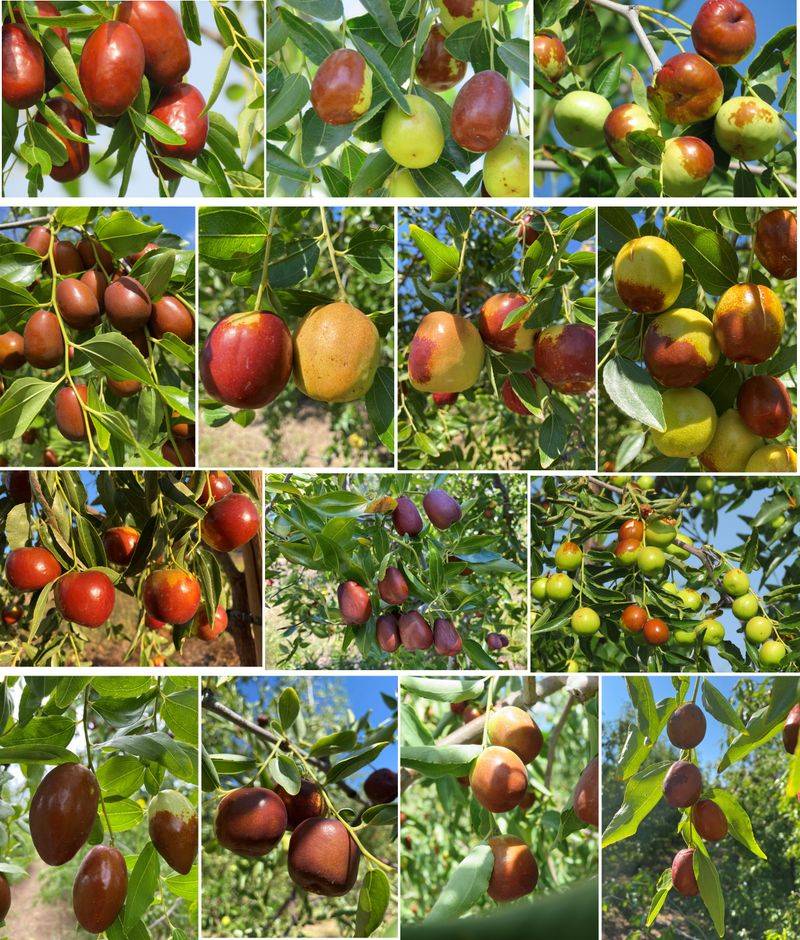
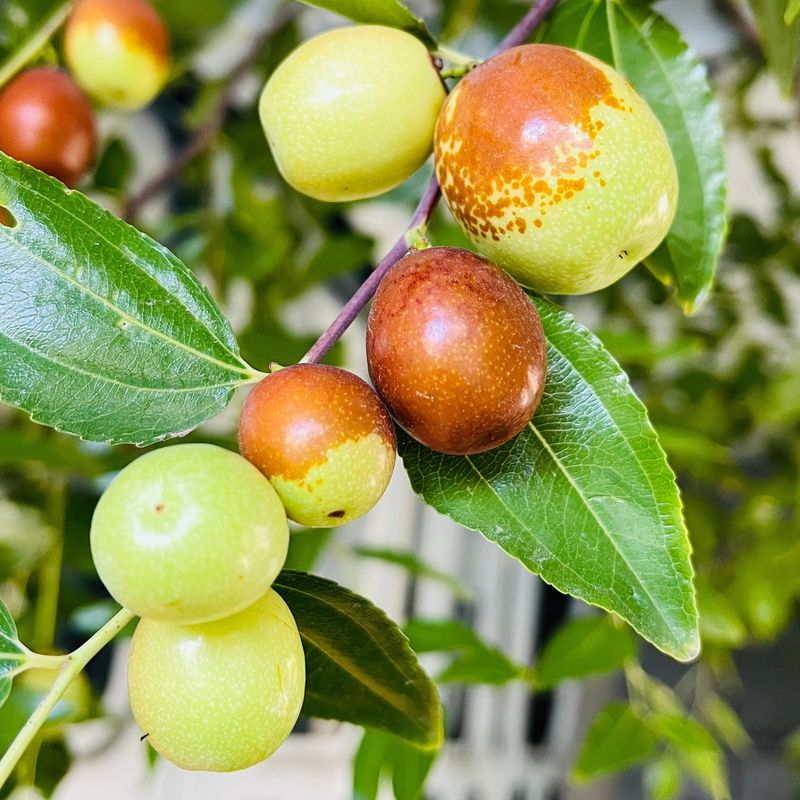
Green jujube fruit hanging on the branch looks almost like an olive or a small unripe plum, and it gives very little away about what is coming. As the fruit matures, the skin shifts from green through reddish-brown to a deep mahogany color, and the flavor transforms along the way.
UF/IFAS Gardening Solutions notes on jujube describe fresh fruit as crisp, with a texture and flavor commonly compared to apple or Asian pear. That is the stage most gardeners reach for first: firm, mildly sweet, and easy to eat out of hand.
Fully mature fruit or fruit that has been allowed to dry on the tree becomes considerably sweeter and takes on a softer, more date-like character, which explains the common name Chinese date.
Not every jujube tastes like a date, and harvest stage matters more than cultivar alone in shaping flavor. A fruit picked at the reddish stage and one left to wrinkle on the branch are genuinely different eating experiences.
California Rare Fruit Growers fruit facts for jujube confirm that the same tree can supply fresh fruit for eating and dried fruit for preserving, sometimes in the same picking season.
Ripening does not happen all at once on a single tree. Fruit tends to mature in stages over several weeks, which means repeated harvests rather than one overwhelming crop.
That staggered timeline is actually useful: gardeners can pick fresh fruit early in the season, then return for more mature or partially dried fruit later.
One practical warning applies to anyone tempted to harvest early and let fruit ripen on the counter: green jujubes do not ripen normally off the tree the way some other fruits do. Picking too early means the flavor never fully develops.
Wait until the skin shows clear color change before harvesting fruit you plan to eat fresh.
Test the planting site before you buy
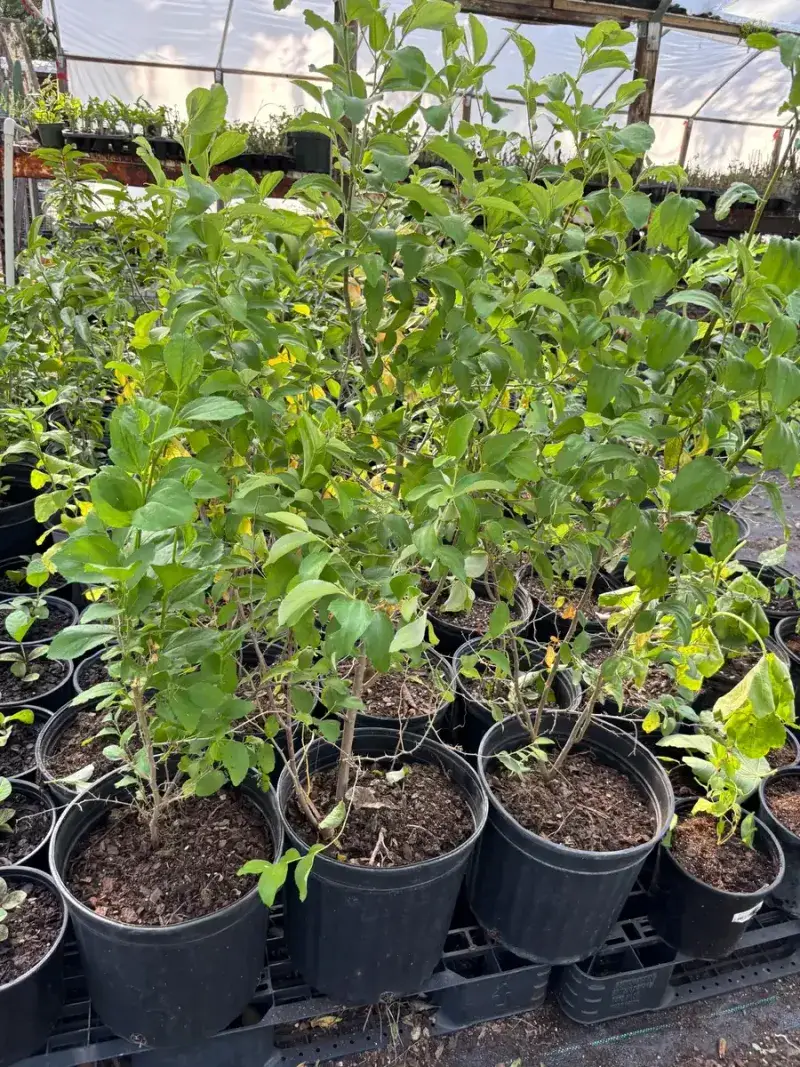
Buying a tree before checking the site is one of the most common mistakes backyard gardeners make. Chinese jujube has real flexibility in many conditions, but it still has requirements that will make or break the planting.
Sun is the starting point. Fruit production depends on at least six hours of direct sunlight per day, and more is generally better.
A spot that gets morning shade from a fence or afternoon shade from a neighboring tree may keep the tree alive without ever giving a reliable crop. UC Agriculture and Natural Resources fruit tree guidance notes that jujube is not well suited to container growing, which rules out the idea of moving it around to chase sun.
Drainage is the second check. Jujube tolerates a broad range of soil types, but it does not tolerate standing water.
A planting site where water pools after rain or irrigation will undermine the tree’s performance over time, regardless of how well the climate fits. UF/IFAS Gardening Solutions jujube guidance lists well-drained soil as a consistent site requirement.
Size is where many gardeners underestimate the commitment. Mature Chinese jujube trees commonly reach 15 to 30 feet under favorable conditions, and some grow larger depending on cultivar, climate, and pruning history.
California Rare Fruit Growers jujube facts suggest spacing trees approximately 10 to 15 feet apart as a planning reference, though specific cultivar guidance from the nursery should take priority. Treating this as a compact patio tree without a pruning plan is a setup for crowding problems later.
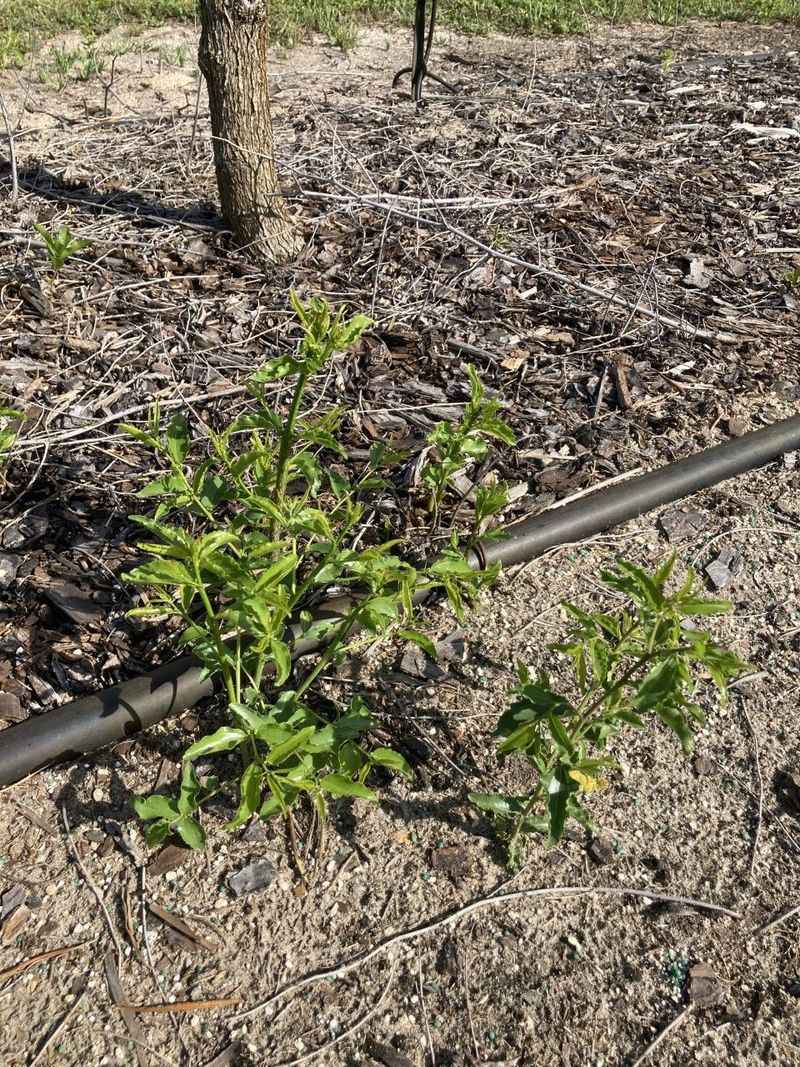
Thorns and root suckers deserve space in any placement decision. Many cultivars carry thorny branches, and those thorns are not trivial.
University of Arizona Cooperative Extension guidance on Chinese jujube advises keeping thorny trees away from walkways, play areas, and high-traffic patios where contact is likely. Root suckers can emerge several feet from the parent tree and spread if left unchecked.
Removing suckers while they are young takes much less effort than dealing with established ones, so check the base and surrounding soil regularly, especially during the first few years after planting.
Plan for water and manageable pruning
The drought-tolerance reputation of Chinese jujube is well earned for established trees, but it has been stretched into advice that sometimes hurts more than it helps. A tree that can survive without much water is not the same as a tree that produces good fruit under those conditions.
Young trees need consistent moisture while their root systems develop. Cutting water too soon after planting risks stress that slows establishment and can set back the tree for years.
Once the tree is established, UF/IFAS Gardening Solutions guidance on jujube confirms that regular irrigation improves both fruit size and crop quality. Choosing a sensible drip or basin irrigation schedule during flowering and fruit development is practical management, not pampering.
UC IPM site-selection guidance for home fruit trees reinforces that water availability during key growth stages affects fruit quality across many species, and jujube is no exception. A tree allowed to stress during fruit development may produce smaller, lower-quality fruit even if it survives the season.
Pruning is the other management task worth planning for from the start. Chinese jujube responds well to either a central-leader form, where one main trunk runs up through the canopy, or an open-center form that spreads the canopy outward and lets more light reach the interior.
California Rare Fruit Growers jujube facts note that training young trees early makes height control and fruit access much easier as the tree matures.
A young tree left to grow without any shaping can develop a tall, branchy structure that makes harvesting difficult and increases the work needed to bring it back under control later. Removing crossing branches, maintaining a clear trunk to a manageable height, and keeping the canopy open enough for light and airflow are all reasonable annual tasks.
None of that makes jujube a high-maintenance tree by fruit-tree standards, but calling it maintenance-free sets up a gardener for surprises.
Choose a cultivar for your conditions
Walking into a nursery and asking for “a jujube” without knowing which cultivar you want is a reasonable starting point, but the choice matters more than many gardeners expect. Fruit characteristics, pollination behavior, and regional performance all vary enough across cultivars to affect how satisfied you are with the tree a few years after planting.
‘Li’ and ‘Lang’ are the most widely available cultivars in California and across the Southwest. ‘Li’ is commonly described as producing large, round fruit with a mild, sweet flavor suited for fresh eating. ‘Lang’ tends toward a more elongated fruit shape and is often mentioned as a good pairing cultivar. University of Arizona Cooperative Extension guidance on Chinese jujube lists both among the cultivars most reliably available in the region.
Other named selections worth asking about include ‘Honey Jar,’ known for small, very sweet fruit; ‘Sugar Cane,’ which ripens earlier in the season; ‘Sherwood,’ a larger-fruited selection; ‘Shanxi Li,’ ‘Tigertooth,’ and ‘GA-866.’ Availability varies by nursery and year, so it pays to call ahead rather than assume any specific selection will be in stock. UF/IFAS Extension research on jujube as a Florida fruit crop notes that cultivar differences in fruit set and regional performance are real and worth researching before purchase.
Pollination is another area where cultivar matters. Many jujube trees can produce fruit without a second tree nearby, but self-fruitfulness is not guaranteed across all cultivars.
Some have documented self-incompatibility, and fruit set in certain locations can be inconsistent from year to year. Planting two compatible cultivars together is a practical way to improve reliability, especially in a new planting where performance is unknown.
Gardeners in Florida face an additional distinction worth understanding. Chinese jujube, Ziziphus jujuba, can be grown throughout Florida with attention to cultivar selection and local conditions.
UF/IFAS Extension research on Indian jujube in Florida identifies Indian jujube, Ziziphus mauritiana, as a separate species that is potentially invasive in Florida pastures and natural areas. The two species should not be treated as interchangeable when purchasing or recommending trees for Florida planting.
Decide whether the tree belongs in your yard
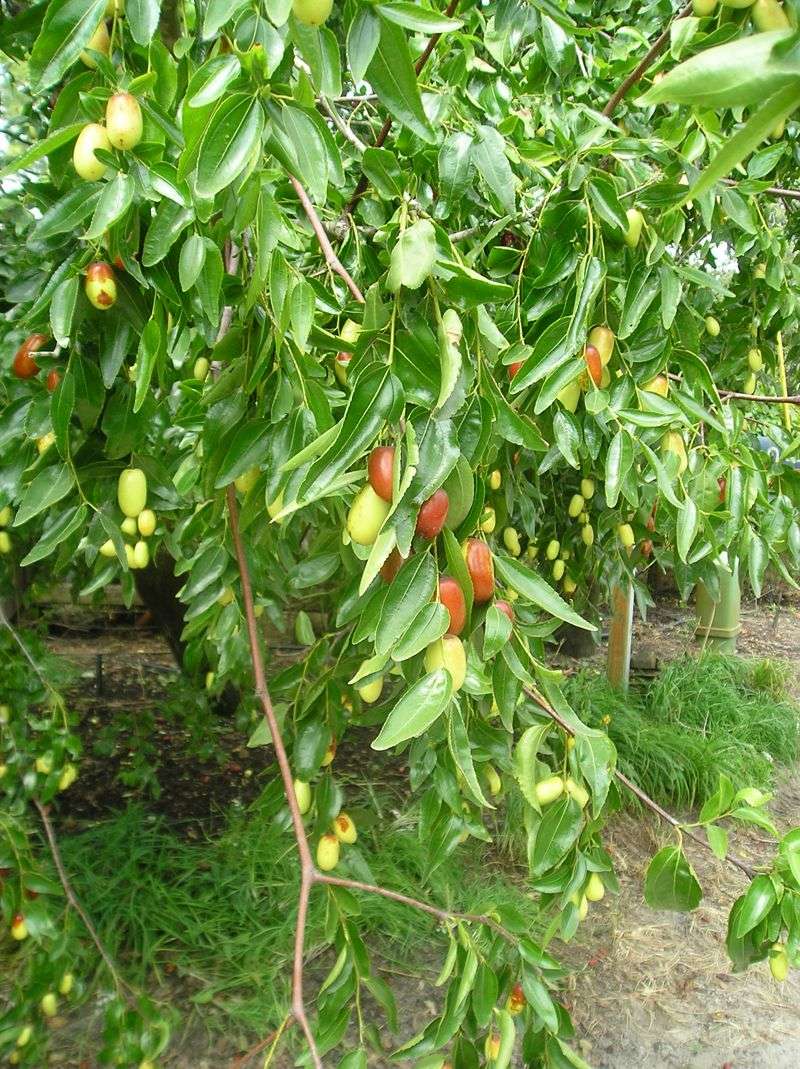
Chinese jujube earns a serious look from any California gardener with a sunny, well-drained inland yard and an interest in fruit that does not demand the same level of intervention as many conventional backyard trees. Heat tolerance, relative drought resilience after establishment, and fruit that works fresh or dried are genuine advantages, not marketing language.
The tree is a weaker fit when conditions push against its strengths. Limited sun, poorly drained soil, a small patio with no room for a tree that may reach 20 feet or more, thorns near a play area, or expectations of a completely hands-off crop are all reasons to pause before buying.
UF/IFAS Gardening Solutions jujube guidance and UC Agriculture and Natural Resources fruit tree selection guidance both point toward site and climate fit as the deciding factors.
Before purchasing, verify the species and cultivar with a reputable local nursery. Ask specifically about performance in your climate zone, typical mature size, and whether a second tree improves fruit set for the cultivar you are considering.
UC Davis Arboretum coverage of jujube for California gardens is a useful starting reference for conversations with nursery staff.
The renewed interest in Chinese jujube comes from practical experience in yards where the tree fits well, not from a documented statewide planting surge. Gardeners who match the tree to the right site tend to find it quietly rewarding: a tree that handles California summers with less fuss, produces fruit worth harvesting, and asks for reasonable care in return.
That is a straightforward promise, and for the right yard, it holds up.