
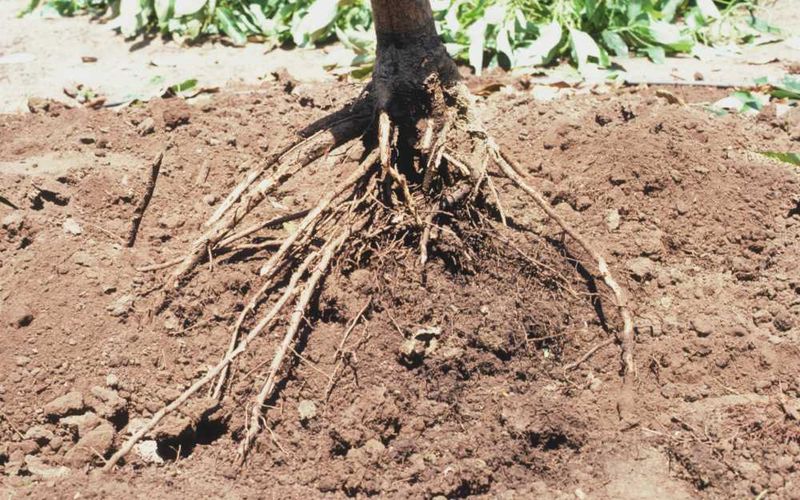
Something underground may be quietly killing your avocado tree before the leaves give you much warning. Late summer in California often brings the first obvious signs of decline, but the real trouble usually started weeks or months earlier in the root zone.
A water mold called Phytophthora cinnamomi can destroy the fine feeder roots that keep your tree alive, and a well-meaning watering routine may be making conditions perfect for it to spread.
A likely underground danger is Phytophthora root rot
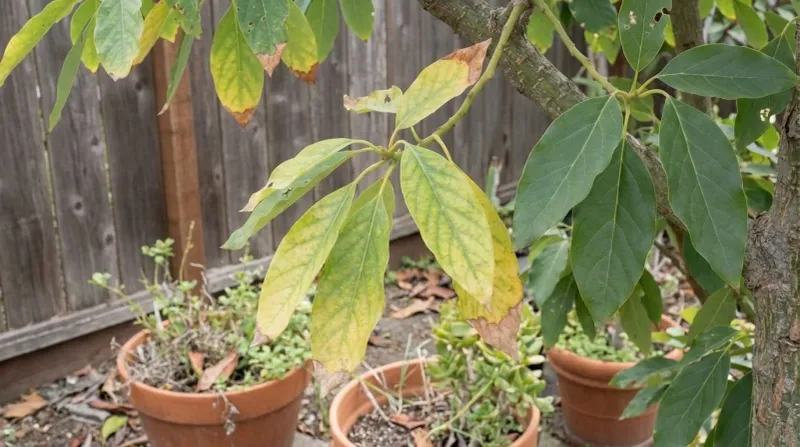
When a California avocado tree starts looking thin and tired, the explanation is often underground. One of the most common culprits is Phytophthora root rot, caused by the water mold Phytophthora cinnamomi.
Unlike true fungi, this organism thrives in saturated, poorly aerated soil and spreads through water moving across or through the root zone.
The mold attacks the fine feeder roots, which are the tiny hair-like structures responsible for pulling water and nutrients into the tree. Once those roots are gone, the tree cannot feed itself, no matter how much water or fertilizer you apply.
UC IPM’s guidance on avocado root rot identifies this root destruction as the core mechanism behind the disease, connecting the underground damage directly to the visible symptoms homeowners notice above ground.
Above the soil, a tree with significant root loss often shows a sparse, open canopy with fewer leaves than normal. Leaves may be smaller than usual, pale green or yellow, or tipped with brown.
Dieback along branch ends, little or no new growth, and undersized fruit are also common signs that something is wrong at the root level.
Three conditions need to line up for disease to take hold: the pathogen must be present in the soil, the tree’s roots must be vulnerable, and the environment must stay wet and low in oxygen long enough for the mold to move and infect. Excess moisture and poor drainage are the environmental conditions that tip the balance.
UC IPM’s agricultural pest management guidelines for avocado note that more tolerant rootstocks exist but that no rootstock is immune when soil and water conditions remain consistently unfavorable. Root rot is a strong possibility when symptoms and wet root-zone conditions match, but other causes can produce nearly identical symptoms and should not be dismissed without a closer look.
Late-summer heat may expose an irrigation problem
August and September in California can feel like a stress test for every tree in the yard. Temperatures climb, the soil dries faster, and avocado trees demand more water to stay comfortable.
That increased demand is where a fixed irrigation routine can quietly go wrong.
Avocado roots are remarkably shallow. UC IPM’s watering guidance for avocados and citrus explains that most feeder roots sit in the top few inches of soil, which means they respond quickly to both drying and excess moisture.
When a homeowner notices wilting leaves in the summer heat and responds by running the irrigation more often, the root zone can end up staying wet for days at a time, creating exactly the low-oxygen, saturated conditions that favor Phytophthora cinnamomi.
Automatic lawn sprinkler systems add another layer of risk. A timer set for a grass lawn may run several times a week, and if the spray pattern reaches the avocado’s root zone, the tree receives far more water than it needs or can safely process.
UC Master Gardeners of Orange County emphasize checking whether irrigation systems are delivering water where the tree actually needs it, rather than assuming the current setup is working correctly.
A leaking emitter, a drip line placed too close to the trunk, or a zone that simply runs too long can keep one section of the root zone permanently damp. Late summer does not cause root rot on its own, and not every California avocado tree follows the same seasonal pattern.
The heat simply raises irrigation demand, which can push an already marginal watering routine past the point where roots stay healthy. This is a plausible and evidence-supported interaction, not a guaranteed sequence that applies to every yard.
UC IPM’s home landscape root rot resource points to irrigation management as the single most critical practice for preventing and managing the disease.
Read the canopy, then inspect the roots
Pale leaves and thin branch coverage are worth taking seriously, but the canopy alone cannot tell you what is happening underground. A tree with Phytophthora root rot may show a combination of symptoms: a noticeably open or sparse canopy, leaves that are smaller than they used to be, yellowing or pale green foliage, brown tips, branch dieback, very little new growth flush, and fruit that stays unusually small.
Any one of these can have multiple causes, but several appearing together on an otherwise established tree warrants a closer investigation.
Once you have noted what the canopy is doing, move to the soil beneath the drip line. UC IPM’s avocado root rot resource recommends carefully examining the fine feeder roots rather than relying only on what you can see above ground.
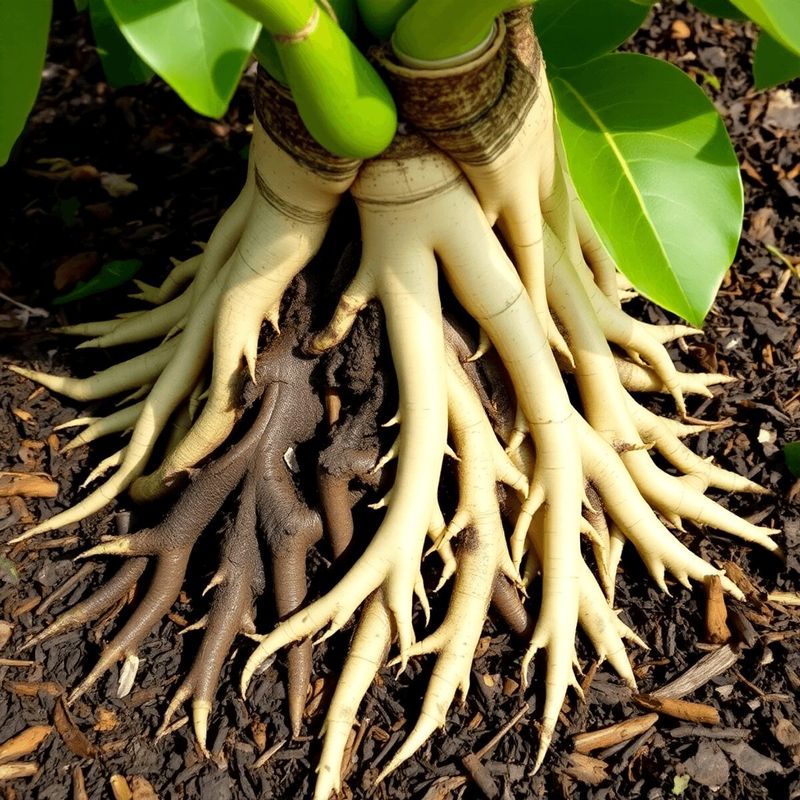
Gently scrape away a small amount of soil or mulch in the active root zone, roughly from beneath the canopy edge inward, and look at the smallest roots you can find. Healthy feeder roots are typically light tan or white and flexible.
Roots affected by Phytophthora are often black or dark brown, brittle, and break apart easily when handled.
A sparse network where you would expect to find many fine roots, or roots that crumble at a touch, supports the possibility of root rot. UC ANR’s guide to signs of avocado root rot describes these root characteristics as meaningful diagnostic clues.
Still, these findings cannot independently confirm Phytophthora or rule out every alternative. UC ANR’s resource on distinguishing drought from root rot notes that drought stress, salt accumulation, gopher damage, clogged emitters, fertilizer injury, and other root diseases can produce canopy symptoms and root discoloration that look nearly identical.
Treat what you find as evidence pointing in a direction, not as a closed case.
Wilt does not prove that the tree needs water
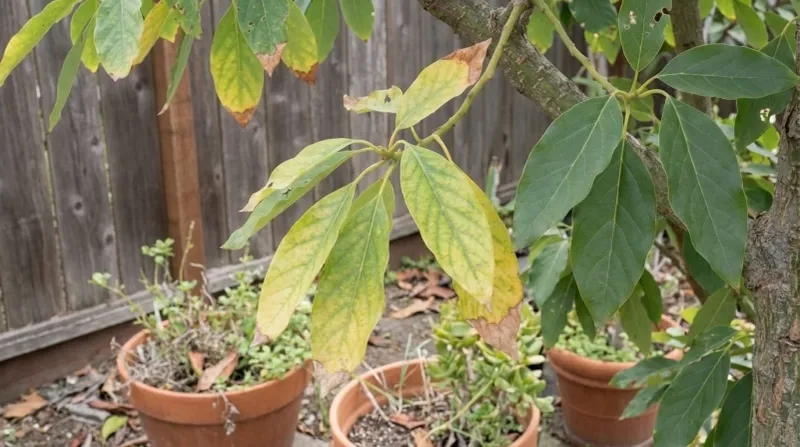
Reaching for the hose when avocado leaves start to droop is an understandable instinct, but it can make a sick tree worse. Root damage, whether from Phytophthora or another cause, can leave a tree physically unable to pull water out of the soil.
The leaves wilt because the plumbing is broken underground, not necessarily because the soil is dry.
UC ANR’s guide to distinguishing drought from root rot makes this point clearly: a diseased tree can look drought-stressed even when the surrounding soil is saturated. Adding more water to already-wet soil prolongs the low-oxygen conditions that favor Phytophthora cinnamomi and can accelerate root loss rather than slow it.
Before adjusting the irrigation, push a screwdriver or a soil probe into the root zone, roughly 6 to 8 inches deep, in several spots beneath the canopy. If the soil feels consistently wet or the probe slides in with almost no resistance, the tree does not need more water regardless of what the leaves are doing.
If the soil is genuinely dry and crumbly, drought stress becomes a more likely explanation.
Other conditions can also produce wilting that has nothing to do with Phytophthora or simple drought. UC ANR’s signs of avocado root rot resource notes that gopher activity can sever roots without leaving obvious above-ground clues.
High sodium, chloride, or boron in the water supply can injure roots and cause symptoms that mimic disease. Fertilizer applied too heavily or too close to the trunk can burn roots.
Compacted soil, flooding from a neighbor’s runoff, or a clogged drip emitter that has left one section of the root zone dry while another stays wet can all produce a wilting tree that defies a simple diagnosis. UC Cooperative Extension Ventura County lists several of these alternative causes as common sources of confusion in home avocado diagnosis.
Check the soil and the hardware before drawing conclusions from the leaves alone.
Audit the irrigation system before changing the schedule
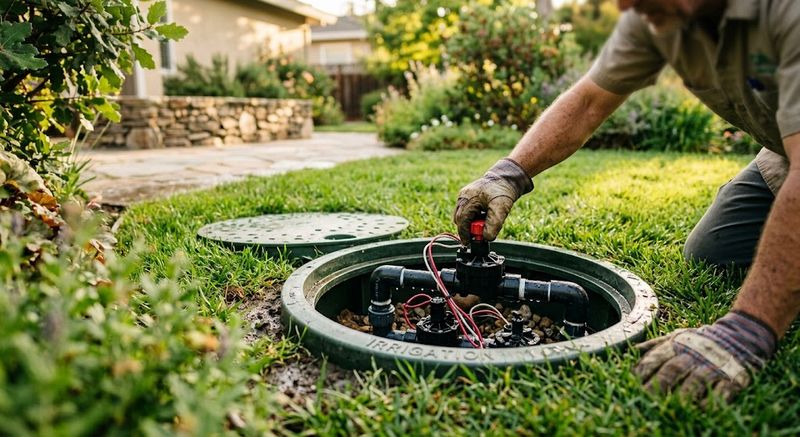
A practical investigation starts at ground level, not at the irrigation controller. Before adjusting run times or adding water, spend a few minutes physically checking the root zone and the hardware that delivers water to it.
This step catches problems that a schedule change alone cannot fix.
Start by checking soil moisture in the active root zone, roughly the area beneath the canopy out to the drip line, at a depth of 6 to 8 inches. Do this before the next scheduled watering cycle.
If the soil still feels moist or cool at that depth, the system is likely running more often than the tree needs. UC IPM’s home landscape root rot guidance identifies irrigation management as the central practice for preventing and correcting conditions that favor disease.
Next, walk the irrigation lines beneath the canopy and look for emitters that are leaking, clogged, or pointed in the wrong direction. A single leaking emitter can keep a small section of the root zone permanently saturated without ever appearing on a water bill.
Also note where any lawn sprinkler heads send spray. Grass irrigation zones set for several times a week may be reaching the avocado’s root zone without the homeowner realizing it, adding unplanned water on top of whatever the drip system is delivering.
UC IPM’s avocado and citrus watering guide recommends distributing water across the full root zone rather than concentrating it near the trunk, and it warns against keeping the soil continuously wet. Look for low spots where water pools after irrigation or rain, and note any areas where the soil stays soggy long after a watering cycle ends.
UF/IFAS extension guidance on avocado in home landscapes specifically calls out timer-based lawn irrigation as a common source of unintentional overwatering near avocado trees.
Fixing a misplaced emitter, separating the avocado from a lawn irrigation zone, or simply turning off an automatic timer and switching to manual, soil-based watering can change the root zone environment more meaningfully than any change to the schedule alone.
Replace calendar watering with soil-based decisions
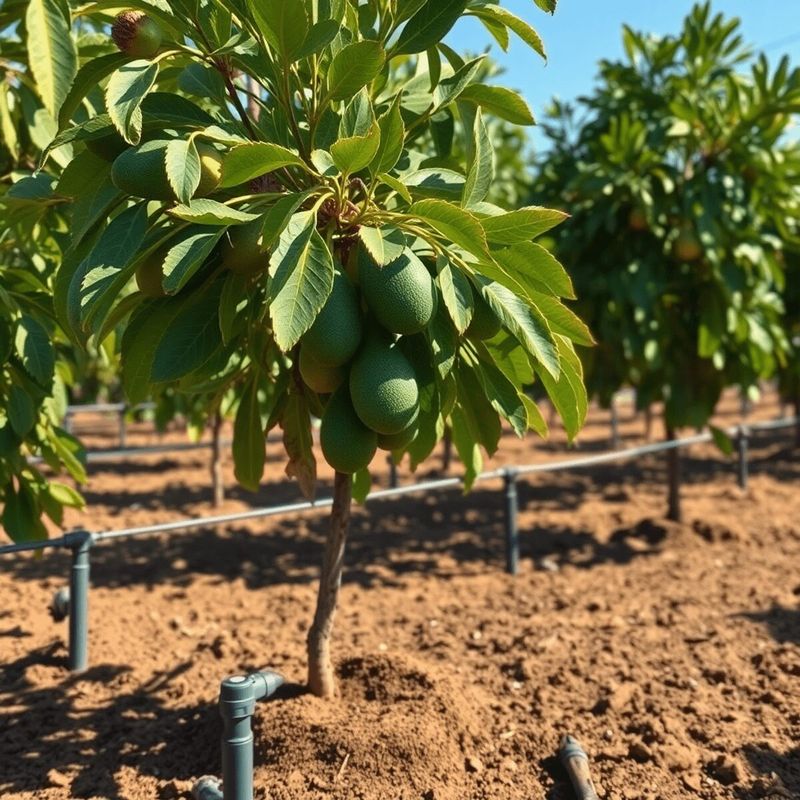
Calendar-based watering, running the system every Tuesday and Friday regardless of what the soil is actually doing, is one of the most common ways homeowners inadvertently keep the root zone too wet. Soil type, tree age, weather, irrigation output, and drainage all affect how quickly moisture is used up or moves through the ground.
No single schedule works for every yard.
UC IPM’s watering guidance for avocados and citrus recommends allowing the soil to dry somewhat between irrigations rather than maintaining constant moisture. The guidance offers reference amounts for hot summer conditions, but frames them as adaptable starting points that depend on soil type, not as universal prescriptions to apply without checking the actual root zone first.
Heavy clay soil holds water much longer than sandy loam, so a schedule that works in one neighborhood may be far too frequent in another.
Newly planted trees need a different approach than established ones. A young tree’s root ball is still small and confined, so smaller, more frequent applications help it establish without pushing water past the roots.
As the tree matures and roots spread outward, water should be delivered farther from the trunk, out toward and beyond the drip line, rather than concentrated near the base where it mostly benefits the trunk and crown. UC Master Gardeners of Orange County advise checking the soil in the active root zone before irrigating and avoiding watering when it already feels wet.
A practical method is to probe the soil to 6 to 8 inches before each irrigation cycle. If the soil feels moist, skip the cycle and check again in a day or two.
If it feels dry and crumbly at depth, water thoroughly and then let it cycle down again before the next application. This approach is especially important in late summer, when the instinct to water more frequently can push a borderline situation into a damaging one.
UC ANR’s irrigating avocados in the home garden resource reinforces this soil-first decision process as the most reliable way to avoid both drought stress and excess moisture.
Improve drainage and protect the root zone
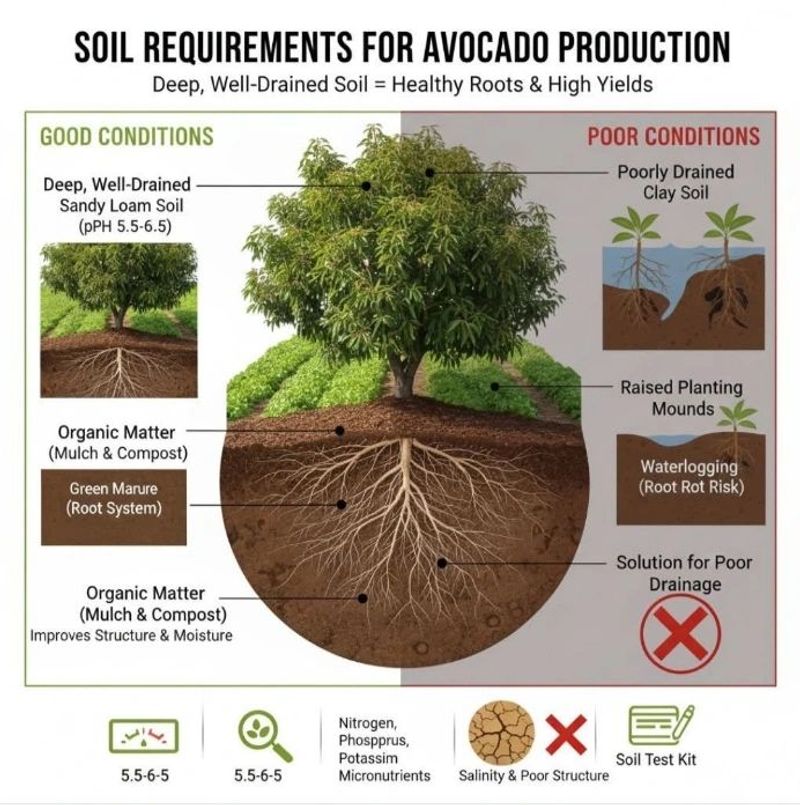
Correcting the irrigation schedule helps only as far as the site conditions allow. If water pools beneath the canopy after every watering or rainstorm, the root zone will stay saturated regardless of how carefully the timer is set.
Site drainage is the physical foundation that irrigation management depends on.
Walk the area beneath and around the canopy after a watering cycle and again after any significant rain. Puddles that persist for more than a few hours, soil that stays soft and muddy, or low spots where runoff collects from higher ground are all signs that the drainage is working against the tree.
Heavy clay soil is especially common in California residential landscapes and can hold water far longer than avocado roots tolerate. Compaction from foot traffic, construction activity, or equipment can make drainage worse over time.
For trees being planted in heavy or poorly drained soil, UC IPM’s root rot guidance recommends setting the root ball slightly high or planting on a mound or berm rather than placing the tree in a low spot or basin that collects water. An established tree cannot be replanted, but improving grade, redirecting runoff, or aerating compacted soil around the drip line can still help.
Coarse organic mulch beneath the canopy supports the root zone in several ways. UC recommendations commonly call for roughly 4 to 6 inches of coarse mulch spread from several inches away from the trunk out toward the drip line.
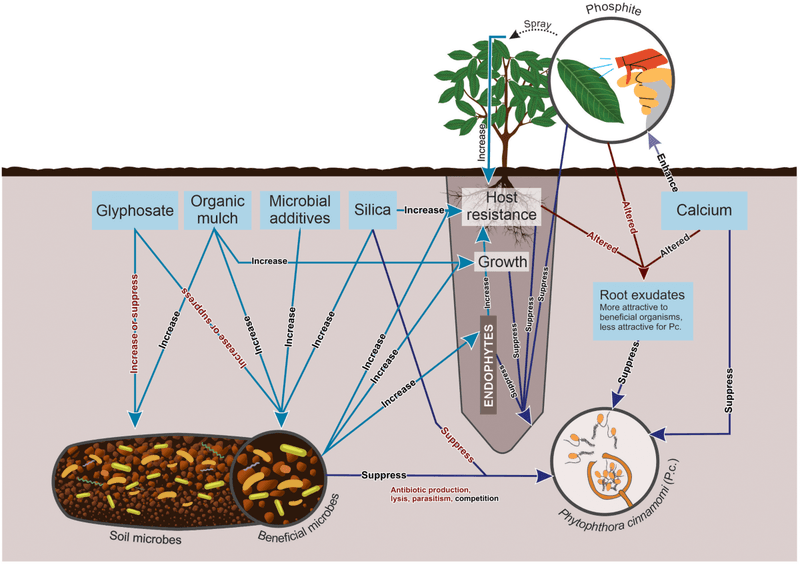
UC ANR’s mulch and avocado guidance is clear that mulch should stay several inches away from the trunk, typically around 6 inches, because piling it against the bark can create the kind of persistent moisture that promotes crown and collar problems. Mulch moderates soil temperature, conserves moisture between irrigations, and can support soil biology that competes with Phytophthora.
It is a useful supporting measure, but it does not cure an established infection or substitute for fixing drainage and irrigation.
Seek confirmation when the decline does not fit
Sometimes a tree keeps declining even after irrigation hardware is fixed, the schedule is adjusted, and drainage is improved. When that happens, or when the root findings from a home inspection remain unclear, reaching out to a UC Cooperative Extension farm advisor or Master Gardener program is a reasonable next step.
These resources can help evaluate site conditions, review irrigation records, and decide whether a laboratory soil or root test makes sense.
Laboratory confirmation can be valuable, but a negative result does not always settle the question. UC ANR’s signs of avocado root rot resource points out that timing and sampling conditions affect detection, and a test taken at the wrong point in the disease cycle or from the wrong part of the root zone can produce a false negative.
A second evaluation or a different sampling location may be necessary before drawing conclusions.
Similar symptoms can arise from drought, high salinity or boron in the water supply, gopher damage, fertilizer injury, flooding, compaction, clogged emitters, and other root diseases. A diagnosis based only on canopy appearance carries real risk of misidentification, which is why root inspection and site assessment matter before any treatment decision.
Phosphonate and phosphite products are sometimes discussed as part of an integrated management approach for Phytophthora. UC IPM’s agricultural pest management guidelines for avocado describe these materials as potentially improving the tree’s tolerance or slowing disease progression, but they do not eradicate the pathogen.
Any product use must follow the current label exactly, and some application methods or formulations may be restricted to licensed applicators. UC IPM’s home landscape root rot resource reinforces that chemical options are a supplement to, not a replacement for, correcting irrigation and drainage.
The trees most likely to recover are those where the underlying site conditions change, because the pathogen cannot thrive without persistently wet, poorly aerated soil.