
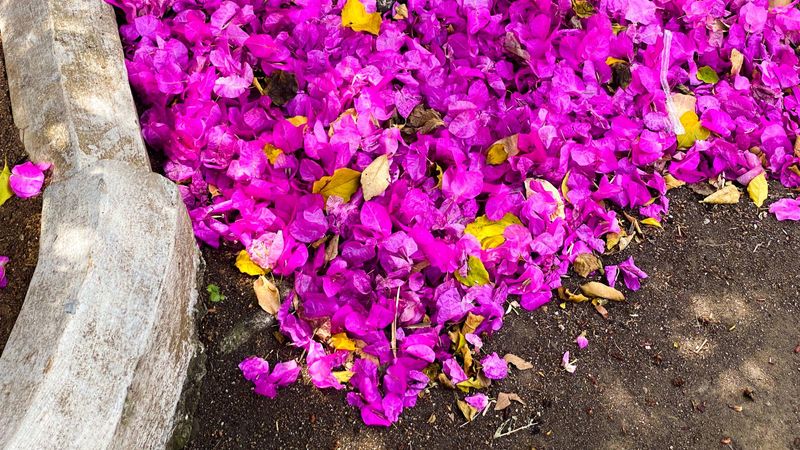
Your bougainvillea was covered in leaves last month, and now the patio is littered with them. Many California gardeners see this as nights get cooler and wonder if they did something wrong.
Cold can play a part, but it is only one of several possible causes. Here is how to sort out what is going on and what to do before frost arrives.
Leaf Drop Is a Clue, Not a Diagnosis
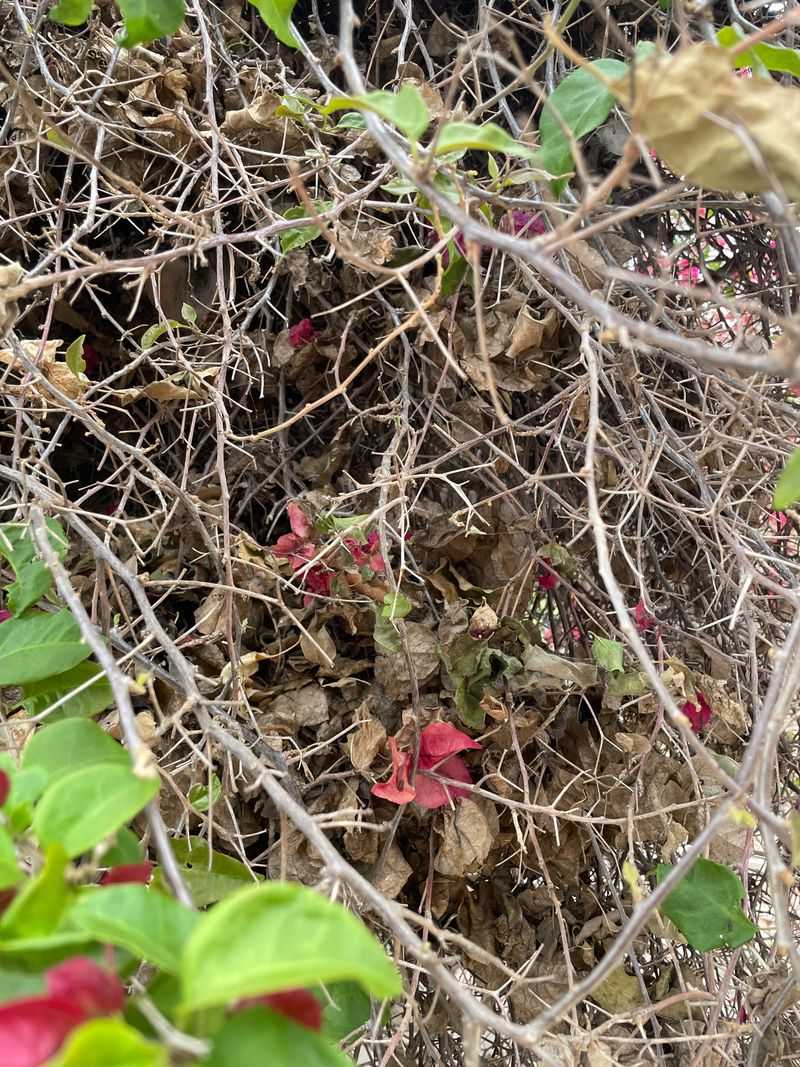
Bougainvillea is treated as an evergreen plant in California, so a pile of fallen leaves deserves a closer look. UC IPM notes that it does not tolerate freezing temperatures, which makes cold one real possibility.
Still, a bare patch of stem does not prove that cooling nights are the cause.
Think of the leaf drop as a clue. Several other things can produce the same look.
Extension writers at UF/IFAS Charlotte County list too much water and too little light as common reasons for leaves falling.
Timing matters too. Some plants shed leaves after a big flush of bloom, and new growth can follow.
That does not mean every autumn leaf drop is harmless, and it does not mean your plant is certainly in trouble.
The goal for now is simple. Look at the plant and its surroundings before you change anything.
The next section walks through what to check.
Check the Plant’s Conditions Before Changing Care
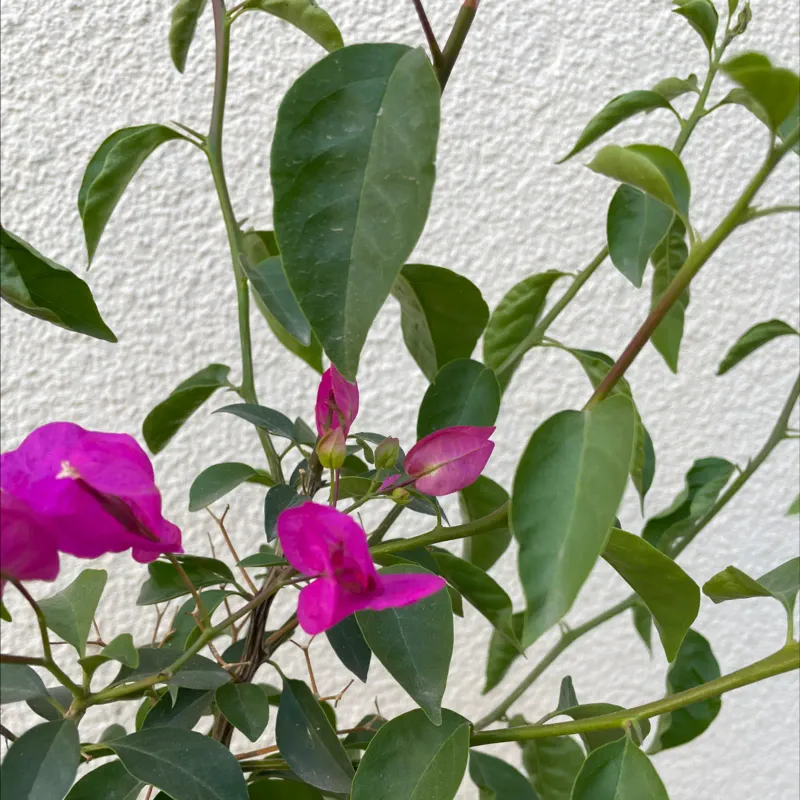
Start with the soil. Push a finger a couple of inches down and feel whether it is soggy, damp, or dry.
UC guidance says bougainvillea needs well-drained soil and that overwatering can reduce blossoms, so a fixed watering schedule is not the answer. Check that pots drain freely and that water is not pooling around an in-ground vine.
Next, think about light. Bougainvillea wants plenty of sun, and a plant that has been shaded by a growing tree or a new fence may drop leaves.
Note when it last flowered, too, since leaf loss after a bloom cycle can look different from leaf loss after a cold snap.
Ask whether anything changed recently. A pot carried indoors or to a new corner can trigger leaf loss.
NMSU Extension describes a bougainvillea that dropped leaves after being brought inside before freezing weather.
None of these clues is a verdict on its own. Resist the urge to water heavily, fertilize, or make a big change.
Watching for a week or two often tells you more than any quick fix.
Frost Is the Risk to Watch—not Every Cool Night
A chilly evening is not the same as frost. Frost and freezing temperatures are what threaten bougainvillea, and UC IPM says it does not tolerate freezing.
Mild cool nights may or may not be linked to the leaves on your plant.
Where you live changes the picture. Coastal yards in southwest California are often frost-free, which is where UC plant guidance says bougainvillea fits best.
Inland valleys and low pockets on a hillside can get frost that a yard a mile away never sees. Your own microclimate matters more than a date on the calendar.
Container growers sometimes look for a number. Missouri Extension suggests moving tropical container plants inside when nights regularly fall below 45°F.
That is a general precaution for tropical pots, not a California injury threshold for bougainvillea.
Watch your local forecast and notice which spots in your yard turn cold first. That tells you when protection is worth the effort.
Protect the Plant Without Digging Up an Established Vine
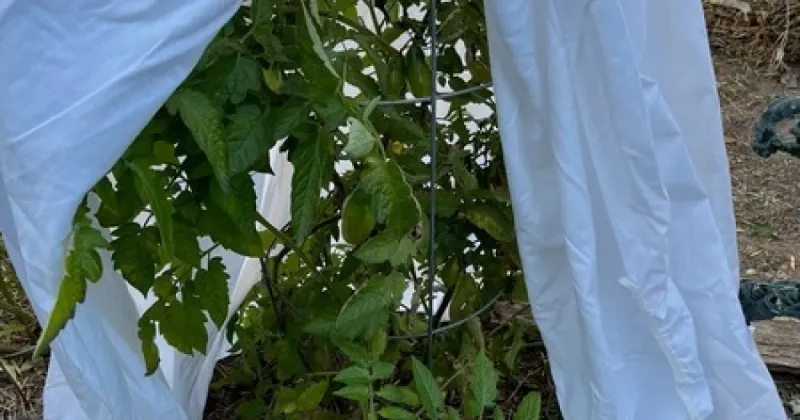
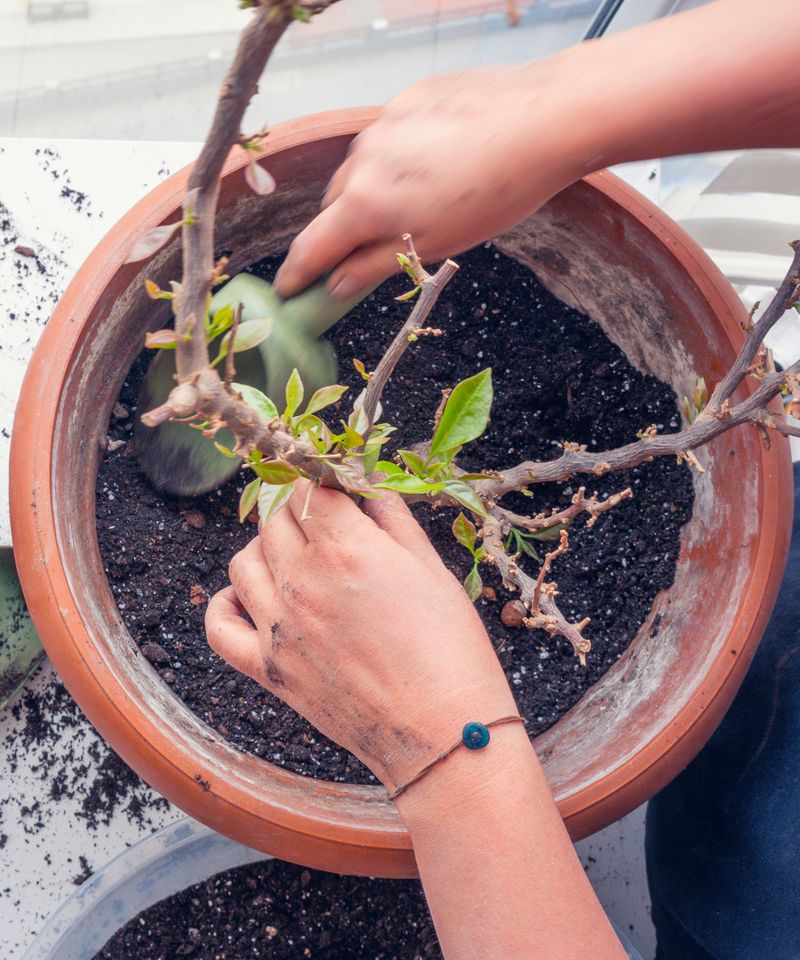
Your response depends on how the plant is growing. A potted bougainvillea can be moved to a sheltered, frost-free spot when frost threatens.
UCANR frost advice suggests moving potted tender plants near a sunny building wall, which can hold some warmth. Wear sturdy gloves, since the thorns are sharp.
An established in-ground vine should stay put. UC guidance notes that bougainvillea roots are sensitive to disturbance, and moving or repotting can be stressful.
On frost nights, cover the vine instead, as UC garden tips recommend for tender plants.
Use frost cloth or a light blanket, and drape it to the ground. If you use plastic, keep it from touching the foliage, because contact can make leaves more likely to freeze.
Props such as stakes can hold the cover away from the plant.
Remove covers once temperatures rise the next day. These steps reduce cold exposure, but they cannot promise spring color or a particular recovery.
Wait for Evidence Before Pruning
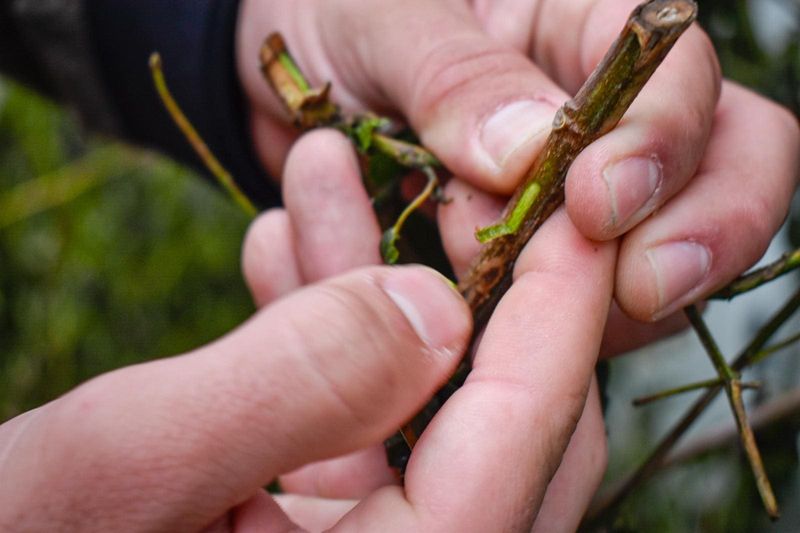
Bare stems are not automatically dead stems. A bougainvillea can recover after leaf drop, and NMSU Extension suggests patience before removing wood.
Cutting too soon can remove branches that were still alive.
Cold damage takes time to show. UF/IFAS cold protection guidance recommends delaying pruning when it is unclear which wood is alive.
Wait for new growth, then trim back what stays brown and dry. You can also scratch a stem lightly with a thumbnail or knife.
Green tissue underneath means it is alive.
The reason for pruning matters. UC IPM says to avoid major pruning until after the bloom period, which is a different situation from sorting out cold damage.
Bougainvillea thorns are sharp, and UCANR safety guidance warns that punctures can cause dermatitis. Wear sturdy gloves and long sleeves whenever you handle stems.
Protect First, Then Reassess
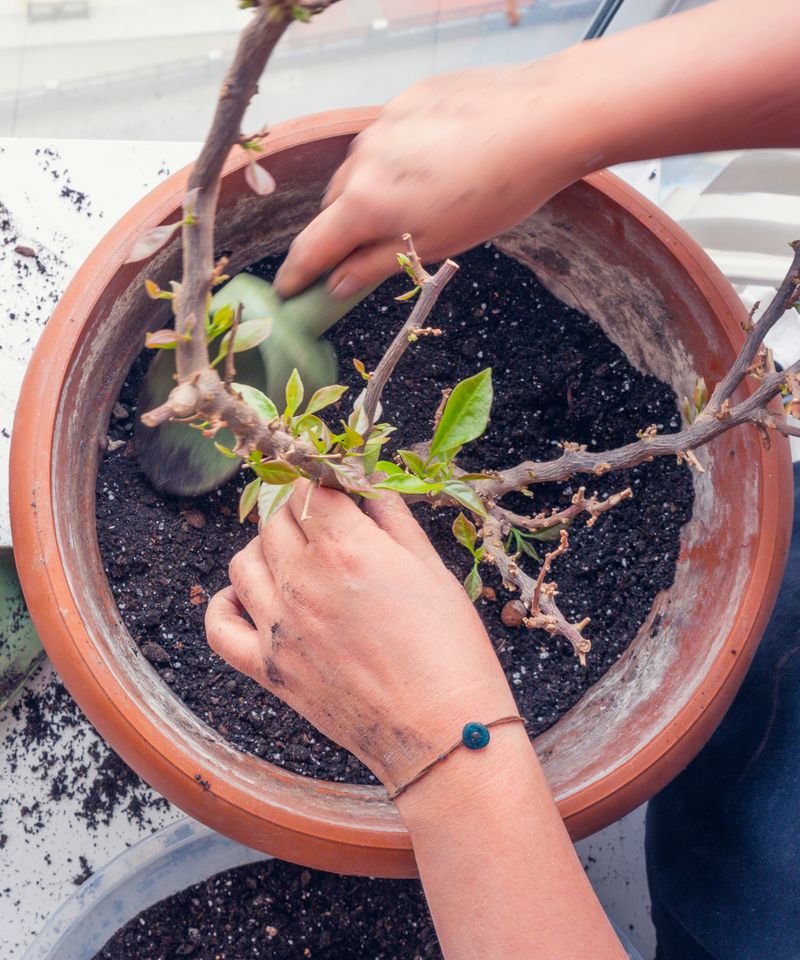
Look over the soil, light, and recent changes before blaming the weather. When frost is in the forecast, move a pot to shelter or cover an in-ground vine, as UC frost advice and UC garden tips describe.
Then hold off on the pruners until UF/IFAS guidance would say the living wood is clear.
These steps reduce cold exposure but cannot promise blooms. A bare vine in winter may simply be waiting for warmer days.