
Plumeria owners across California often notice their plants dropping yellow leaves right around the time fall nights start cooling off, and the worry sets in fast. For some plants, this is a completely normal seasonal slowdown, but the leaf color alone cannot tell you which situation you are in.
Knowing how to read the whole plant, not just the leaves, is what helps you take the right step before cold weather does real damage.
Yellowing is a clue, not a diagnosis
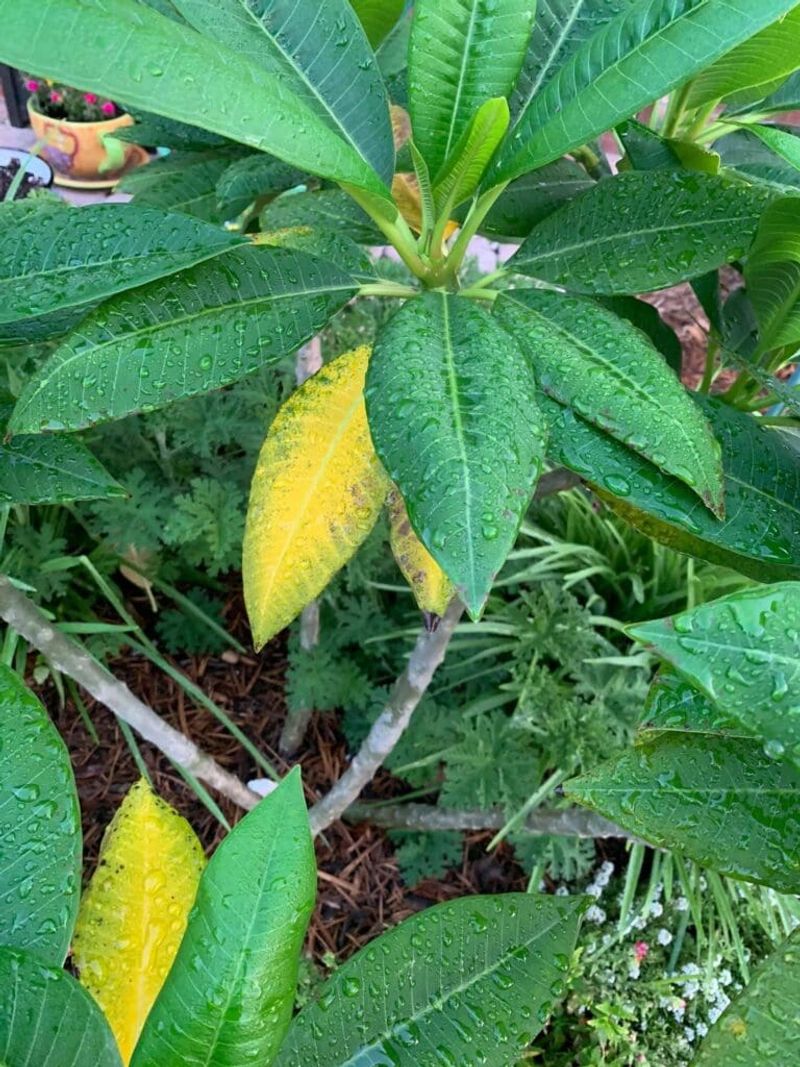
Cooling nights and yellowing leaves can arrive together, but that timing alone does not explain what is happening inside your plant. Seasonal dormancy is one real possibility, and for some plumeria types it is genuinely normal.
The trouble is that several other problems, including overwatering, poor drainage, root damage, rust disease, spider mites, nutrient-uptake issues, drought stress, low light, and cold injury, can produce leaves that look almost identical to those going through ordinary senescence.
A conditional dormancy pattern does exist, and it is worth checking for. Older leaves on the lower and inner parts of the plant may begin aging and yellowing evenly as growth slows in late season.
Stems remain firm and visibly green. The soil is not persistently wet.
New growth has stopped or nearly stopped. When all of those conditions line up, seasonal dormancy is a reasonable working explanation, though still not a guaranteed one.
When those conditions do not line up, the color change is a symptom pointing somewhere else. UC IPM lists low temperatures, overwatering, poor drainage, nutrient deficiency, low light, root disease, and pests as overlapping causes of yellowing, which means a single glance at leaf color cannot sort them out.
Spotting, bronzing, patchy discoloration, premature leaf drop from otherwise healthy-looking branches, or soggy soil should all make you pause before assuming dormancy.
Think of the sections that follow as a symptom-and-temperature check for your specific plant. Each one addresses a different piece of the diagnosis, from cultivar identity and soil moisture to pest signs and cold protection timing.
Working through them gives you a more reliable read than leaf color alone ever could.
What normal plumeria dormancy looks like
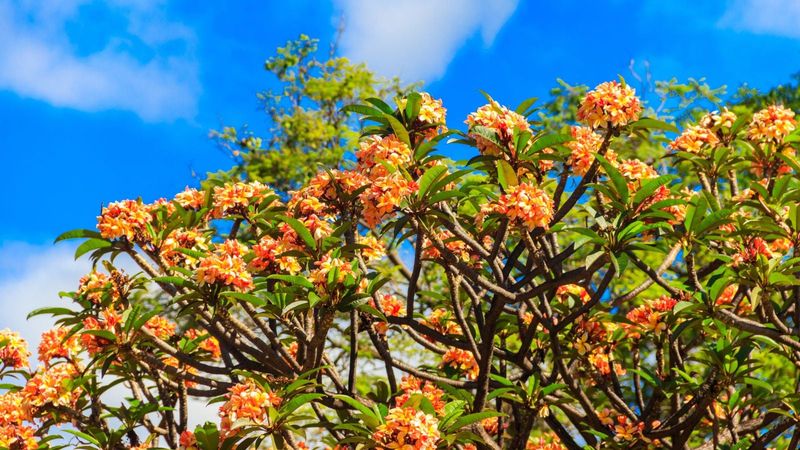
Not every plumeria follows the same seasonal script, and cultivar identity changes what you should expect to see. Plumeria rubra types, which cover many of the classic fragrant garden varieties grown across California, are generally deciduous.
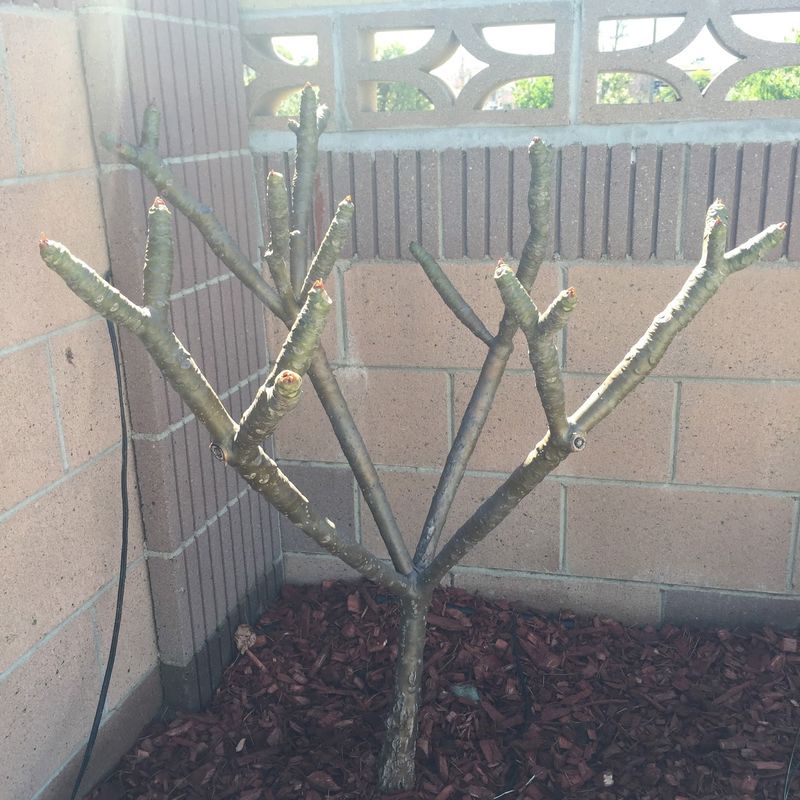
University of Wisconsin Extension notes that plumeria commonly loses its leaves during winter and can regrow from green stems, so a bare plant is not automatically a dead one.
Plumeria obtusa and certain other cultivars behave differently. In warmer California microclimates, including protected coastal spots, these types may hold their foliage well into or through the cooler months.
If your plant keeps its leaves while a neighbor’s drops every one, that difference may simply reflect two different types rather than one plant struggling and one thriving.
The visual baseline for a normally dormant rubra-type plant is a set of firm, plump stems that stay green or greenish-gray beneath the surface even after the last leaf falls. Stems that shrivel, turn soft, or go brown inside when scratched are signaling a different problem.
Leaf loss that happens gradually from the oldest and lowest leaves outward, without major spotting or bronzing, fits the dormancy picture better than sudden or patchy drop.
UF/IFAS confirms that plumeria commonly loses its leaves in winter and that green, firm stems are the reassuring sign that the plant intends to return in spring. Knowing your cultivar type, even approximately, keeps you from misreading a healthy bare plant as a dead one or, in the other direction, from assuming a foliage-holding plant is automatically problem-free.
Inspect the leaves, roots, and stems before changing care
Before adjusting any care routine, run through a short physical check of the plant. Start with the soil.
Press a finger two inches into the mix or pull the container away from its saucer and look at the drain holes. Soil that stays wet days after the last watering, or a container sitting in pooled water, is a drainage problem that can damage roots and produce yellowing that looks very much like seasonal senescence.
UC IPM identifies overwatering and poor drainage as common causes of houseplant yellowing that overlap visually with other explanations.
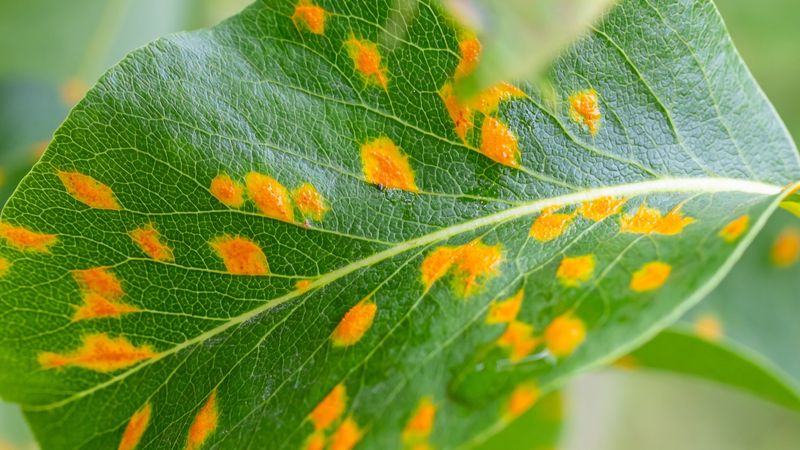
Next, flip a few leaves over and look at the undersides. Plumeria rust shows up as yellow-orange spots on the upper surface with conspicuous orange or yellow powdery pustules on the lower surface.
The pustules are the key identifier: if you see powdery, rust-colored material on the underside of leaves that are yellowing and dropping earlier than expected, rust is the more likely culprit than dormancy. Remove affected leaves, collect any fallen foliage from around the base, improve airflow around the plant, and avoid wetting the foliage when you water.
Spider mites deserve their own look. UC IPM’s profile of the sixspotted spider mite on plumeria describes yellowing, bronzing, deformed new growth, premature leaf drop, and damage to developing bloom clusters as signs of mite activity.
Fine webbing between leaves or along the midrib, a yellow stripe running the length of the central vein, or distorted young leaves make mites a stronger candidate than a normal seasonal slowdown.
Finally, check the stems. Scratch a small area of bark lightly with a fingernail.
Healthy tissue underneath should be green and slightly moist. Stems that are soft, sunken, or brown inside may indicate cold injury, root problems, or stem rot, each of which calls for a different response than simply reducing water and waiting for spring.
Catching these signs early keeps a manageable problem from becoming a serious one.
Protect terminal branch tips before damaging cold
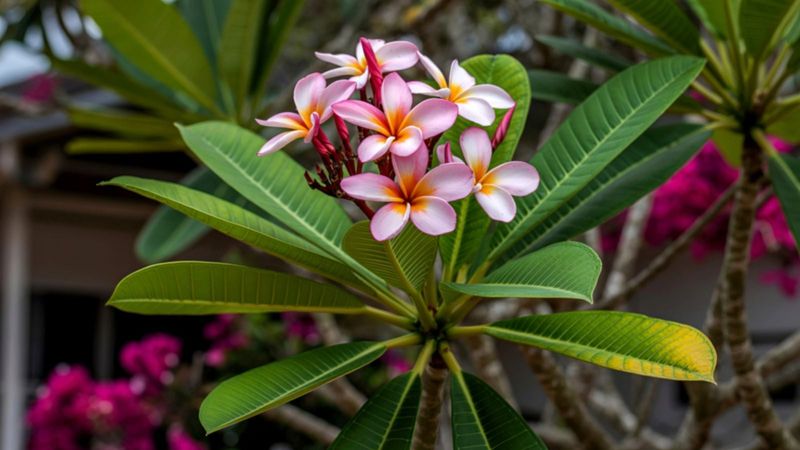
Plumeria flowers develop in clusters at the ends of branches, not from older wood along the sides. Those terminal tips, the same spots where new leaves and bloom stalks emerge each spring, are among the first tissues frost can injure.
The Plumeria Society of America identifies tender new growth at branch ends as especially vulnerable when temperatures drop, which is why cold protection focuses on keeping those tips intact rather than on the older, hardier parts of the stem.
For container plants, the most direct response is to move the pot to a sheltered location before a damaging cold event arrives, not after. A garage, covered porch, or shed that stays above freezing gives the plant a reasonable buffer.
The goal is to act on the forecast rather than to react to damage that has already occurred. Once cold has blackened or softened a branch tip, that tissue cannot be restored.
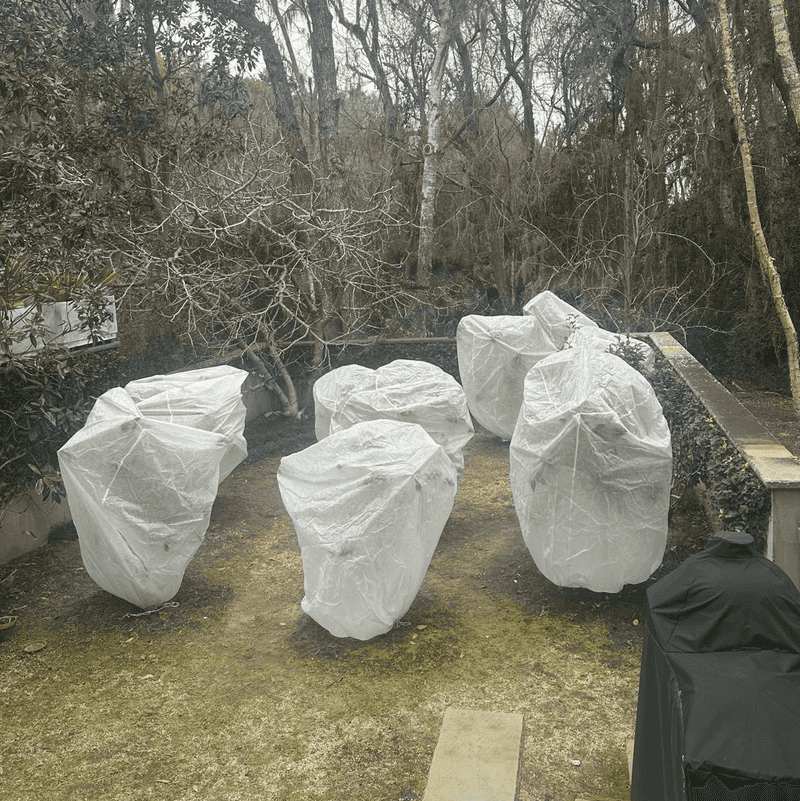
Large established landscape plumerias usually cannot be moved, so in-place protection becomes the practical option. UC IPM recommends covering sensitive plants overnight with breathable cloth, leaving the bottom open to allow some air circulation, rather than wrapping plastic tightly against the foliage.
Plastic traps moisture and can cause its own damage. Breathable frost cloth or burlap draped over the canopy and anchored at the base provides a useful buffer against brief cold events without smothering the plant.
Cold protection may preserve the vulnerable flowering tissue at branch tips, but flowering next season also depends on cultivar, plant maturity, how much strong growth the plant put on during summer, light levels, and how well nutrition and water were managed across the year. Protection improves the odds.
It does not guarantee an outcome.
Let watering and feeding follow the plant into dormancy
A plumeria slowing down for dormancy needs far less water than it did during the active growing season, and continuing a summer irrigation schedule into cooler months is one of the faster ways to damage roots. As growth visibly slows and leaves begin to drop, start pulling back on irrigation frequency.
Once the plant is fully dormant and leafless, UC Cooperative Extension advises stopping irrigation entirely and resuming only when spring growth appears. Dormant plumerias in well-drained containers or beds can go weeks without water without harm.
The soil itself matters as much as the watering schedule. Plumeria roots are prone to problems when they sit in wet, cool, low-oxygen conditions for extended periods.
A container with poor drainage or a planting spot where water collects after rain can keep roots saturated even without any supplemental irrigation during fall and winter. Check drainage before cold weather settles in, and adjust the mix or the site if water pools after a moderate rain.
Fertilizer questions come up every fall, especially when yellowing appears and gardeners wonder whether a nutrient boost might help. Routine fall feeding, especially anything nitrogen-heavy, does not address the actual causes of yellowing and may actively work against the plant.
Missouri Botanical Garden recommends discontinuing fertilizer in late summer so new growth can harden before winter. Pushing tender new growth late in the season with nitrogen gives frost an easier target and can produce lush foliage at the expense of the stored energy the plant needs to bloom well the following year.
If you suspect a nutrient deficiency is behind the yellowing rather than dormancy, check soil moisture and drainage first, then assess whether the symptoms fit a specific deficiency pattern before adding anything. Feeding a plant that is already struggling with wet roots or disease rarely improves the situation.
California’s microclimate decides when protection starts
No single date works for all of California when it comes to protecting plumeria from cold. A plant growing in a sheltered courtyard in coastal San Diego faces a genuinely different risk profile than one sitting in an exposed inland valley, a high-desert yard in the Antelope Valley, or a hillside garden in the Bay Area fog belt.
Using a statewide calendar rule ignores differences that can be fifteen degrees or more in overnight low temperatures on the same night.
UC IPM explains that cold injury depends not just on minimum temperature but also on duration of cold, the rate at which temperature drops, the plant’s hydration, and its overall condition. A brief dip to 35 degrees in a warm, humid coastal microclimate may cause less damage than a sustained 38-degree night with dry, windy conditions inland.
Watching your local overnight forecast and any frost advisories issued for your specific area gives you more actionable information than any regional generalization.
Container plants have one major advantage: they can move. For a pot that can be wheeled or carried, Missouri Botanical Garden suggests moving containers inside when night temperatures approach 40 degrees Fahrenheit and waiting until frost danger has passed and nights stay above approximately 50 degrees before returning them outdoors.
These are reasonable conservative thresholds for container culture in a typical storage situation, not hard physiological limits that apply to every cultivar or every California yard.
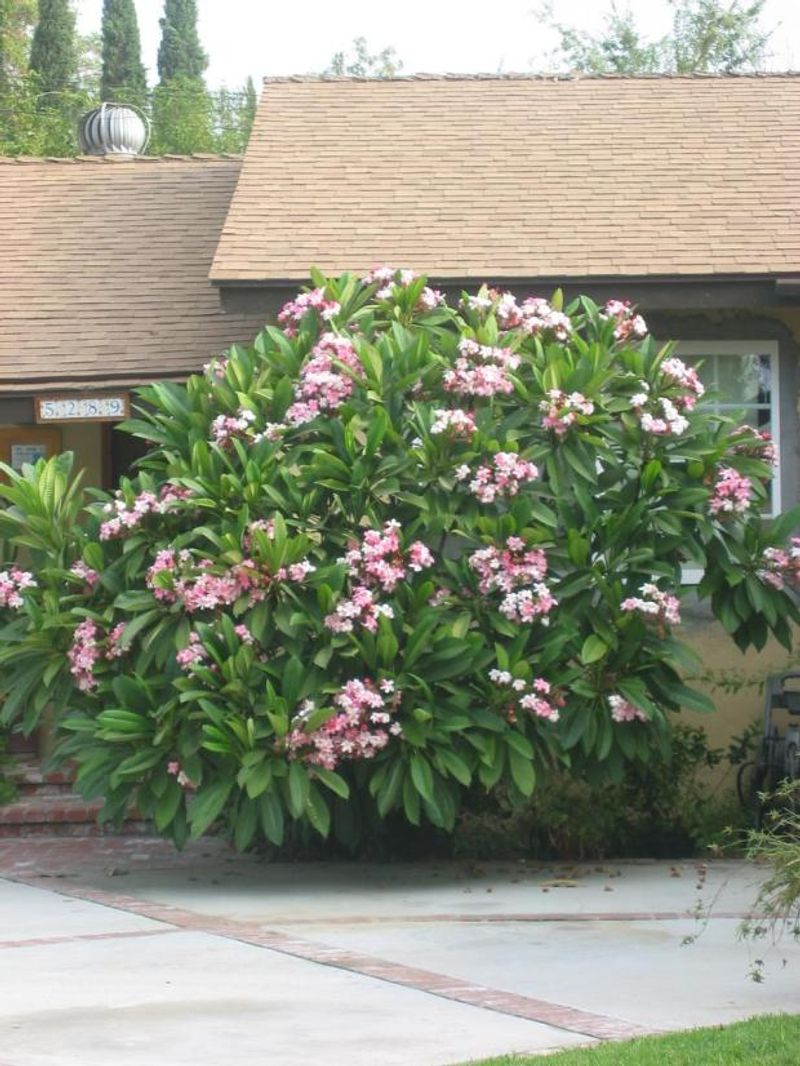
Large landscape plumerias, especially those established in warm, protected spots, may be able to stay in place with breathable frost cloth for brief cold events. UF/IFAS notes that some landscape plumerias can recover after cold damage, though severe or prolonged freezes can still be fatal.
The realistic goal for an in-ground plant is to reduce cold exposure during the worst nights, not to guarantee the plant feels nothing.
Protection may preserve flowering wood without guaranteeing blooms
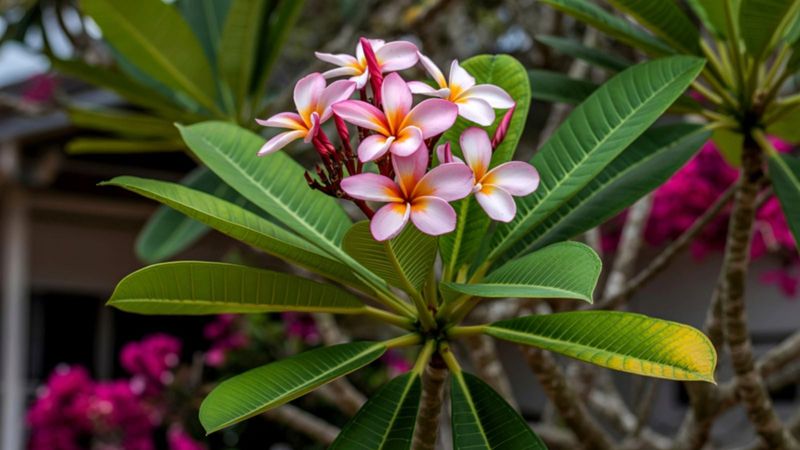
Keeping terminal branch tips alive through winter is the most direct way to protect the tissue from which spring flower clusters develop. The Plumeria Society of America identifies those tender branch ends as the first to suffer frost damage, so reducing that exposure plausibly gives the plant a better starting position when warm weather returns.
Plausibly, though, is the honest word here.
Flowering next year also depends on cultivar genetics, how mature the plant is, how much direct sun it receives during the growing season, how vigorously it grew during summer, how nutrition and irrigation were managed, and how severe the winter turns out to be. University of Wisconsin Extension reports wide differences among cultivars in the percentage of branch tips that produce flowers and in the timing of bloom flushes.
A cultivar that blooms reliably and early may reward good winter protection with an impressive show. One that is reluctant to flower under the best conditions may not, regardless of how carefully you handled the cold season.
Two practical cleanup steps belong in this window. If rust was present on the plant during the season, collect and dispose of fallen leaves rather than leaving them on the ground around the base.
The California Valley Plumeria Society advises allowing healthy leaves and flowers to fall naturally while removing diseased material to reduce reinfection risk next season.
Handle the plant carefully during any pruning or moving. UF/IFAS notes that plumeria sap can irritate skin and mucous membranes, so keep it away from eyes, mouth, and broken skin, and take extra care in households with young children or pets who might contact or mouth plant material.
Use the forecast and the plant’s pattern to make the call
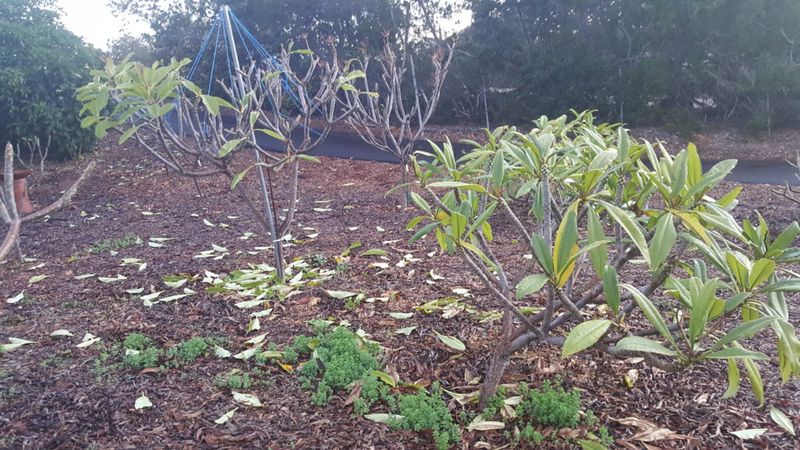
Working through the decision in order keeps the response matched to what the plant actually needs. Start by asking whether the yellowing fits a seasonal dormancy pattern: are older leaves aging evenly, are stems firm and green, has growth slowed, and is the soil draining well?
UC IPM’s guidance on overlapping causes of yellowing is a useful reminder that the answer is rarely obvious from leaf color alone.
If the inspection in the earlier sections turned up wet roots, rust pustules, mite webbing, or soft stems, address those specific problems before assuming dormancy care applies. For a plant that does appear to be entering a normal seasonal slowdown, reduce irrigation as growth stops and skip fertilizer until spring growth resumes.
UC Cooperative Extension’s plumeria guidance reinforces stopping water once dormancy is established rather than maintaining any regular schedule through winter.
Then watch the forecast. When overnight temperatures in your specific location are trending toward levels that could damage tender growth, move container plants to a sheltered spot or cover in-place landscape plants with breathable cloth before the cold arrives.
UC IPM’s cold injury guidance reinforces that the right moment to act is before damage occurs, not after. The combination of an accurate local forecast, a clear read of your plant’s condition, and an understanding of your microclimate gives you the most reliable basis for that call.
A plant that makes it through winter with its terminal tips intact has a real head start on spring, even if blooming remains a matter of cultivar, light, and season rather than any single protective step.