
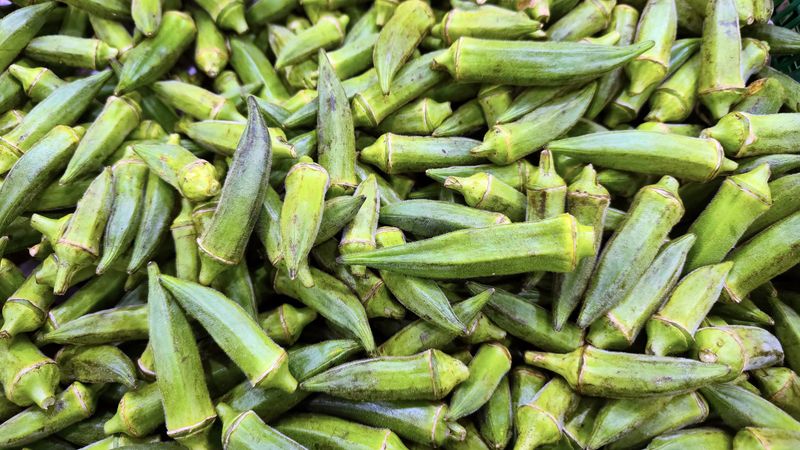
Okra growers across Central Texas know the frustration well: you checked the garden two days ago, everything looked fine, and now half the pods are stiff and stringy before you even get to the kitchen. That overnight transformation feels like the August heat is cooking your harvest on the vine. The real explanation is a little more nuanced, and once you understand it, you have a concrete routine you can start using on your next walk through the garden.
Heat can shorten okra’s tender harvest window
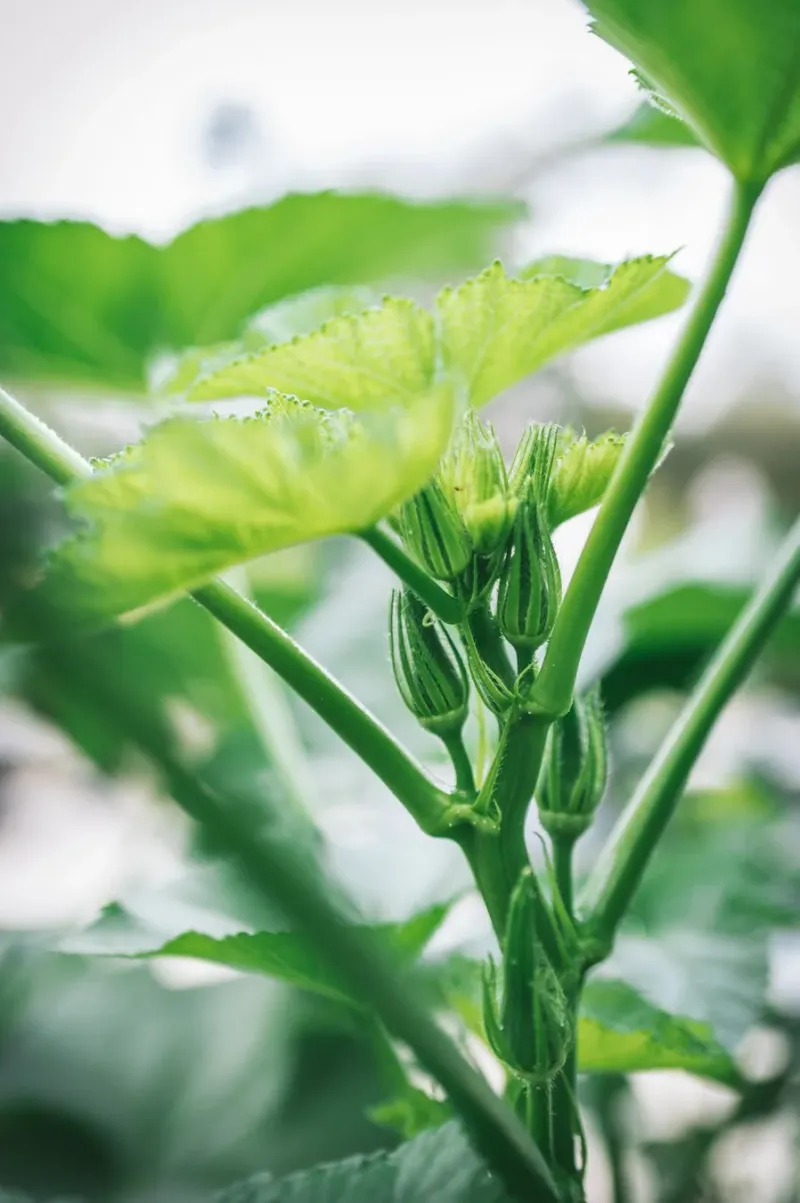
Blaming August heat for turning okra woody overnight is an understandable reaction, but the full picture is more useful to a gardener. Published extension research does not establish that one hot night alone transforms a genuinely immature okra pod into a fibrous one. A better-supported explanation is that the pod was already approaching the end of its tender stage, and warm summer temperatures combined with strong Texas sunlight may have accelerated its development enough to push it past the harvest window between your last check and your next one.
Okra is one of the few vegetables that genuinely thrives in Texas summers. Texas A&M AgriLife Extension describes it as a warm-season, heat-loving crop that grows well across the state, and Oklahoma State University Extension notes that okra continues flowering and fruiting during high summer temperatures. The plant is not suffering in the heat, but its pods are moving through their developmental stages quickly, and that speed is where gardeners run into trouble.
Once a pod passes its tender stage, fiber increases and quality declines. The UC Davis Postharvest Center confirms that overmaturity leads to reduced quality in harvested okra. Framing the problem this way matters because it points toward a fix you can actually use: adjusting when and how often you check the garden, rather than searching for a heat cure that does not exist.
If a pod that seemed fine two days ago is now tough, the most likely inference is that it was already near the end of its usable window and the combination of heat and sunlight finished the job between your visits. That is not a flaw in the plant; it is a signal that your inspection schedule needs to keep pace with how fast okra grows in a Central Texas August.
Use flowering to anticipate the next picking window
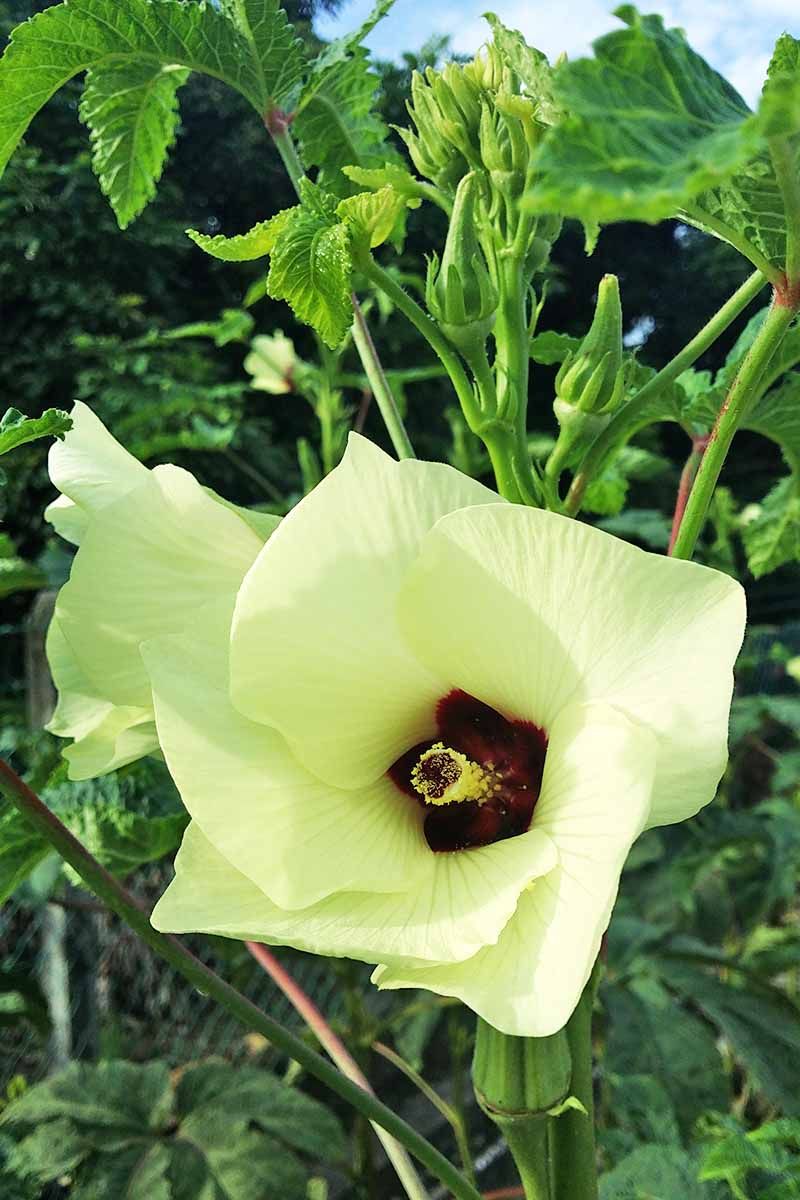
Every okra flower that opens is a countdown clock, and learning to read it gives you an early-warning system that calendar-based harvesting cannot match. Once a flower drops and a small pod begins to form, you have a limited and variable number of days before that pod crosses from tender to tough. Extension guidance puts the range at roughly three to seven days after flowering, with Texas A&M AgriLife noting that pods may be ready as soon as three to four days after flowering and Oklahoma State Extension placing the window at four to six days. Neither figure is a universal deadline; temperature, sunlight, variety, and overall growing conditions all shift the timing.
In a Central Texas August, when daytime highs stay above 95 degrees and nights rarely cool below 75, development on the faster end of that range is entirely plausible. A pod that flowers on a Monday morning may reach harvest size by Thursday or Friday under those conditions, and by Saturday it may already be fibrous. Relying on the date of your last harvest instead of watching individual developing pods is exactly how gardeners miss the window.
A practical habit is to walk the rows and take note of where new flowers are opening or where small pods are just forming. You do not need a written log, though one helps. What matters is that you shift your attention toward the sections of the plant that flowered most recently, rather than spending all your time inspecting pods you already know are large. UC Davis postharvest guidance reinforces that overmaturity is the central quality problem with okra, which means catching pods before they reach that point is the whole game.
Watching flowers gives you the lead time to do it.
Let your variety set the picking size
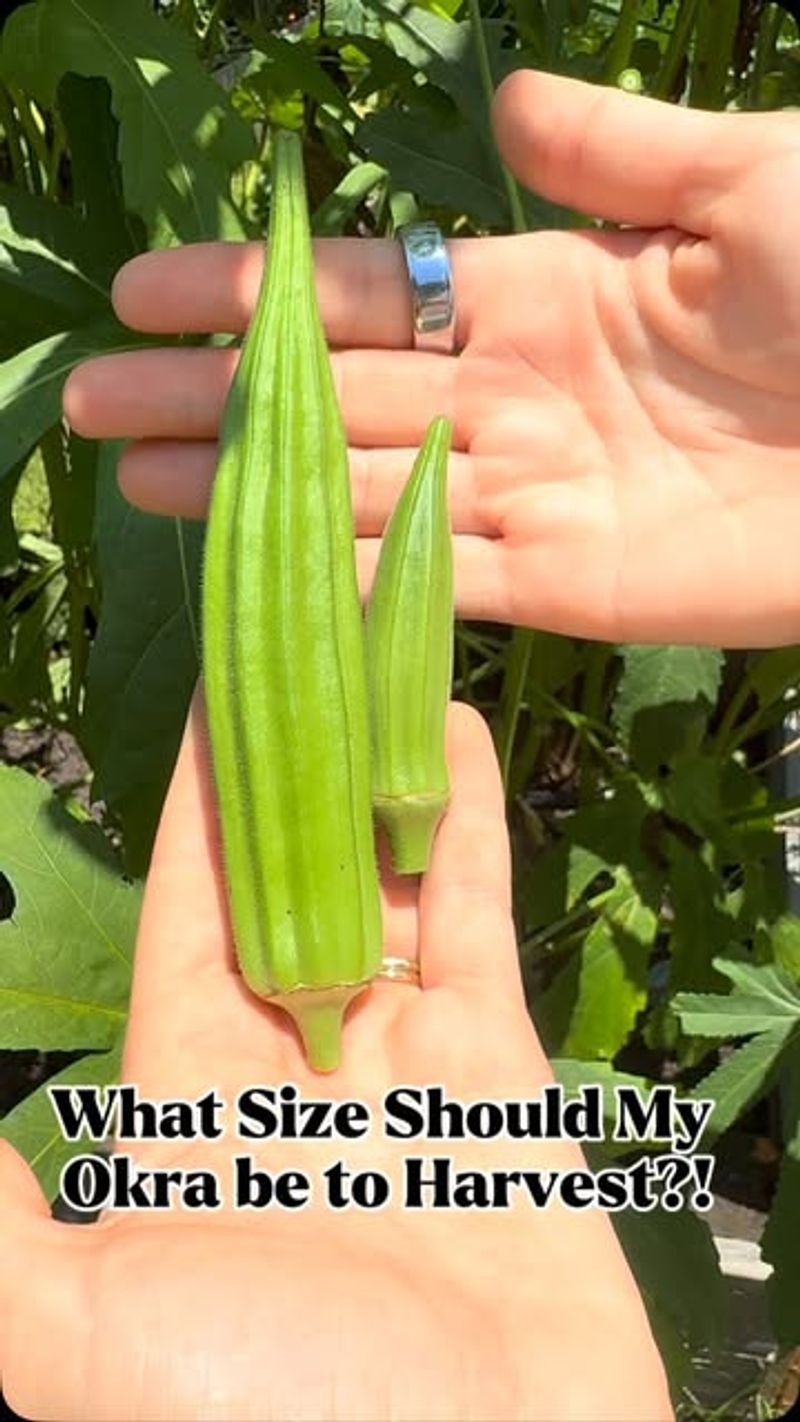
Pod length is one of the most useful harvest guides you have, but it only works when you match it to your specific variety. Common home-garden advice puts the tender range at two to four inches for many cultivars, and Texas A&M AgriLife recommends harvesting at three to four inches for the varieties it covers. Those numbers are a reasonable starting point, not a universal rule that applies equally to every plant in your garden.
Oklahoma State Extension specifically notes that some long-podded varieties remain tender at sizes well beyond four inches. University of Tennessee research on cultivar differences in okra pod shear strength documents that fiber development and firmness vary significantly between varieties, meaning a pod size that signals overmaturity in one cultivar may still be perfectly tender in another. If you are growing a long-podded or heirloom type, applying a strict four-inch rule will cost you edible pods.
Beyond a tape measure, your hands and eyes can tell you a lot. A tender pod feels fleshy and slightly pliable when you press it gently; the skin is bright green and the pod snaps cleanly. Seeds inside should be small and soft. UC Davis postharvest guidance lists bright green color as a key quality indicator, and NC State postharvest guidance notes that yellowing can reflect overmaturity or excessive storage temperature.
Research published through Cambridge’s Experimental Agriculture journal confirms that harvesting age after pod set significantly affects quality, reinforcing the value of learning your variety’s specific tender window rather than relying on a single measurement.
The most reliable approach is to pick a few pods at different sizes during your first week of peak production and taste-test them. Once you know the size at which your particular plant stays fleshy and pleasant, you have a cultivar-specific target that no general guide can give you.
Check frequently to catch pods before they pass their tender stage
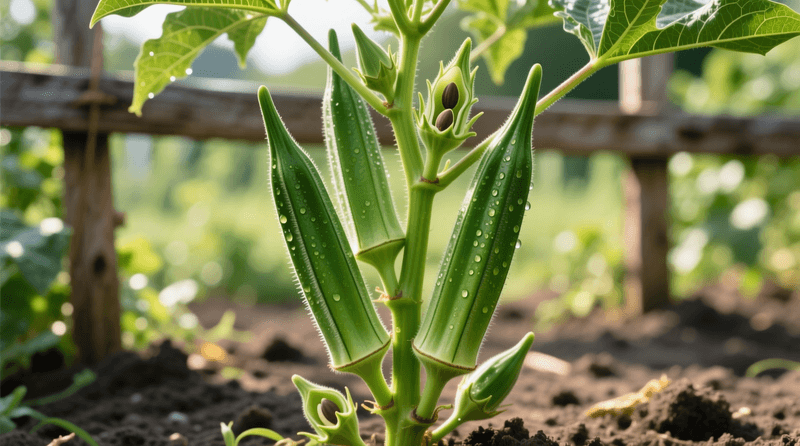
August is not the month to check the garden every three or four days and hope for the best. Texas A&M AgriLife Extension recommends harvesting every one to two days during peak production, and University of Florida IFAS notes that daily picking may be needed when the plant is producing at full speed. Iowa State Extension specifically calls out July and August as the months when every-other-day harvesting becomes important. Frequent inspection reduces the chance that a pod will pass its tender stage between your visits, though no schedule can guarantee that every pod will be caught at exactly the right moment.
A thorough garden check takes more than a quick glance down the row. Okra leaves are large and positioned to shade the pods below them, and a pod that was barely visible yesterday can be full-sized and fibrous today if you do not look carefully. Get underneath the canopy, push leaves aside gently, and check the stem areas where new pods are forming close to recent flowers. The pods you miss are almost always the ones hiding in plain sight just beneath a leaf.
Cutting is gentler on both the plant and the pod than pulling. Oklahoma State Extension recommends using a sharp knife or shears rather than snapping pods off by hand, which can damage the stem and stress the plant. Keep a pair of dedicated garden shears in your harvest basket so the tool is always with you.
Okra’s fine hairs, called trichomes, cover the pods, leaves, and stems and can cause itching or irritation in people with sensitive skin. Oregon State University Extension recommends wearing gloves and long sleeves when harvesting. Bare-handed picking is something many experienced gardeners do without trouble, but if your arms itch after a garden session, lightweight protective gear makes the daily check a lot more comfortable and more likely to actually happen.
Remove missed pods to protect future production
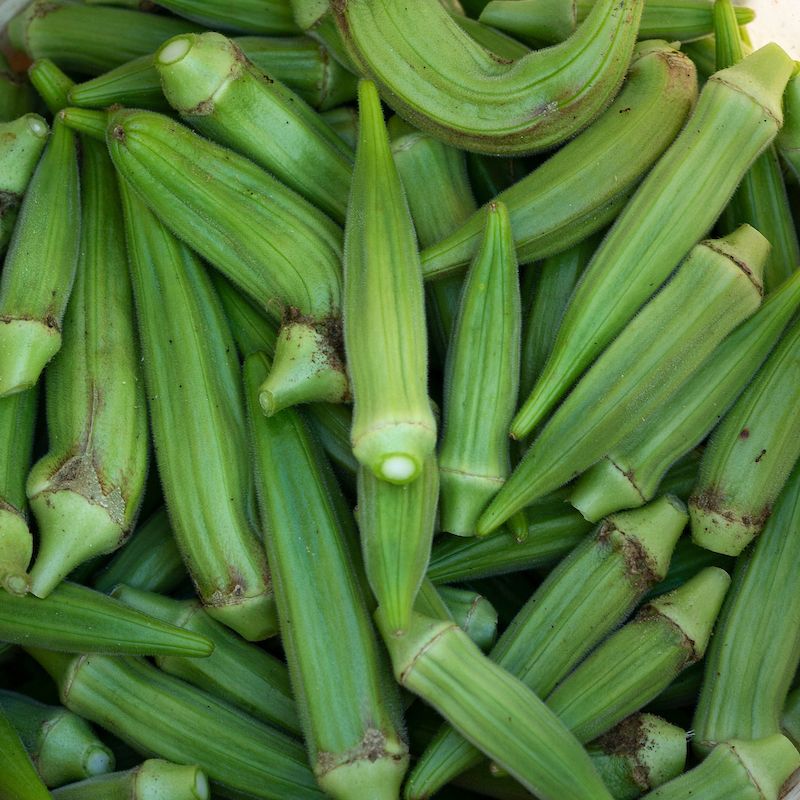
Finding a pod that has already gone tough is not the end of the story for that plant. Leaving overmature pods on the stem is a common mistake that compounds the original problem. Multiple extension sources confirm that mature fruit left on the plant can suppress continued flowering, fruiting, or overall productivity. The plant appears to interpret an unpicked pod as a signal that seed development is underway, which can redirect energy away from producing new flowers.
Texas A&M AgriLife, Oklahoma State Extension, and University of Maryland Extension all recommend removing overmature pods even when they are no longer palatable. Cut them off cleanly with shears rather than leaving them to dry on the plant. If you have a compost pile, they can go straight in.
Removing a tough pod will not reverse the fiber that has already developed inside it, and it is not a guarantee that a new flush of pods will appear within days. The benefit is more measured than that: you are clearing the plant of a potential productivity drag so it can continue doing what you want it to do through the rest of the season. Think of it as routine maintenance rather than a rescue operation. A plant that is regularly cleared of overmature fruit is more likely to keep flowering consistently than one that is allowed to carry old pods alongside new growth.
Water the plant consistently, not the tough pod
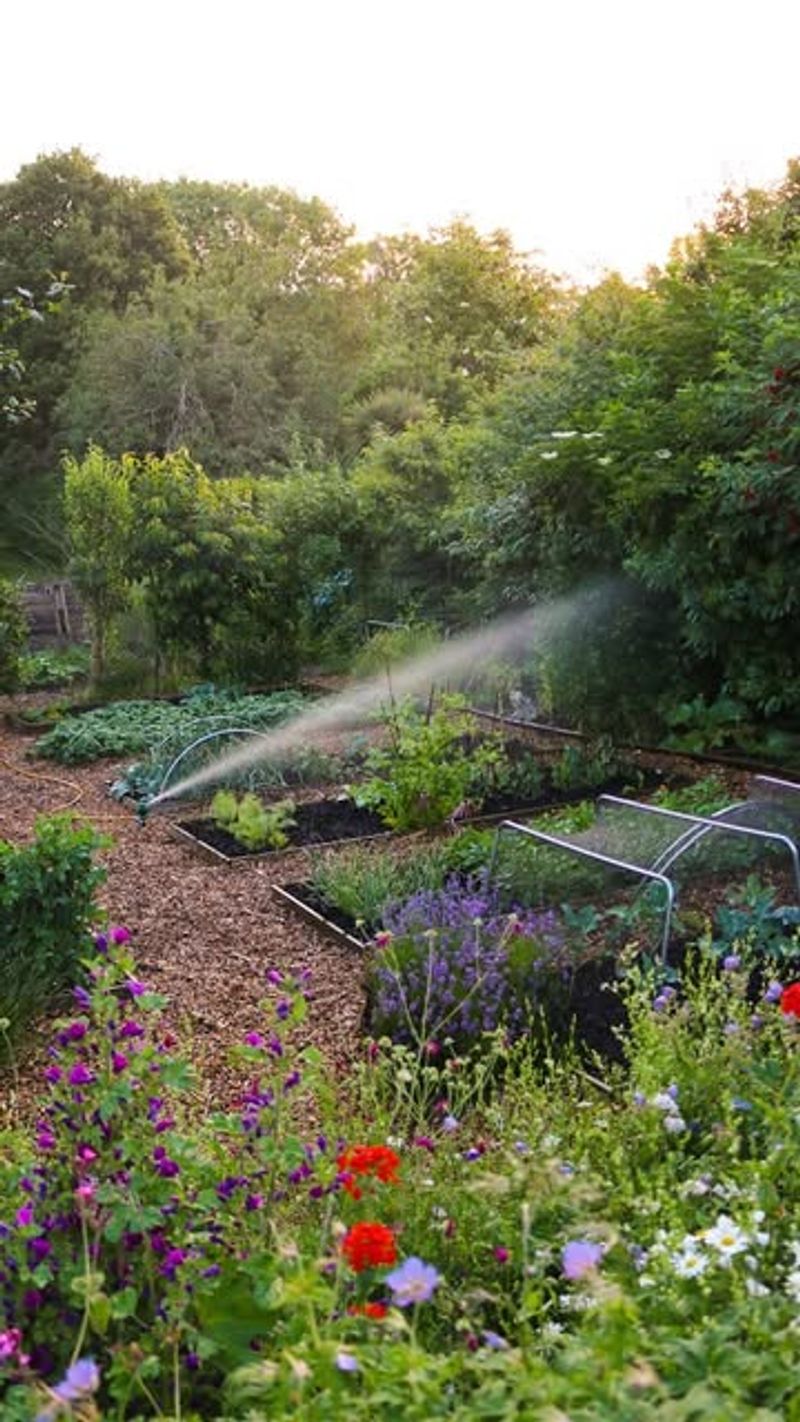
Okra’s reputation as a drought-tolerant crop is well earned, but tolerance is not the same as immunity. Texas A&M AgriLife describes okra as heat-loving and well-suited to Texas conditions, yet research on photosynthetic efficiency and water retention in okra under drought and heat stress shows that combined stress can affect the plant’s physiology in measurable ways. A plant under prolonged water stress is not performing at its best, and that can affect pod formation, yield, and physical quality over time.
That said, watering more is not a way to soften a pod that has already become fibrous. Once the structural fiber has developed inside an overmature pod, additional irrigation will not reverse it. Research on deficit irrigation and okra pod quality supports treating water management as a plant-health issue rather than a harvest-rescue strategy. The goal of consistent watering is to keep the plant healthy and productive throughout the season, not to fix individual pods after the fact.
In Central Texas, watering decisions also need to account for local municipal restrictions, which can limit how often and how much you irrigate during summer. Work within those constraints by focusing on soil moisture consistency rather than volume. A deep, infrequent soak that keeps root-zone soil from drying out completely is generally more useful than frequent shallow watering during extreme heat. Mulching around the base of your plants helps retain moisture between watering sessions.
The practical priority for your okra garden remains what it has been throughout this article: pick frequently, pick at the right size, and remove what you miss. Consistent watering supports that goal; it does not replace it.
Handle morning-picked okra carefully after harvest
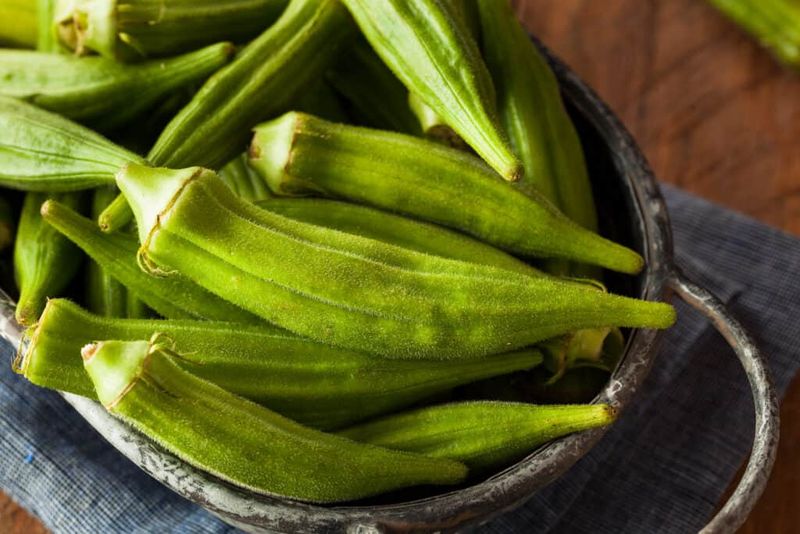
Morning is a genuinely good time to harvest okra in Central Texas, but not because it prevents pods from maturing on the vine. By the time you walk out the door, whatever happened overnight has already happened. The real advantage of morning picking is that pods carry less accumulated field heat, which means they hold their quality better after you bring them inside. Oklahoma State Extension recommends morning harvest specifically to reduce field heat and support postharvest quality.
Once you have harvested, storage conditions matter. UC Davis postharvest guidance recommends holding okra at approximately 45 to 50 degrees Fahrenheit with high relative humidity. NC State postharvest guidance echoes that recommendation and notes that okra is susceptible to chilling injury at temperatures below approximately 45 degrees. Many home refrigerators run colder than that, particularly in the back of lower shelves or in dedicated crisper drawers set to maximum cold.
Placing okra in a loosely closed paper or plastic bag in a moderately cool part of the refrigerator is a reasonable approach; just avoid the coldest spots.
Yellowing pods or those with soft, dark spots have already declined in quality and will not improve with further storage. Use the brightest, firmest pods first. None of these postharvest steps will restore tenderness to a pod that was already fibrous when you picked it; the goal of careful handling is to preserve quality in the pods that were harvested at the right time. Morning picking and thoughtful storage are the final steps in a system that starts with watching flowers and ends with eating good okra the same day or within a day or two of harvest.
Shorten the route from flower to harvest
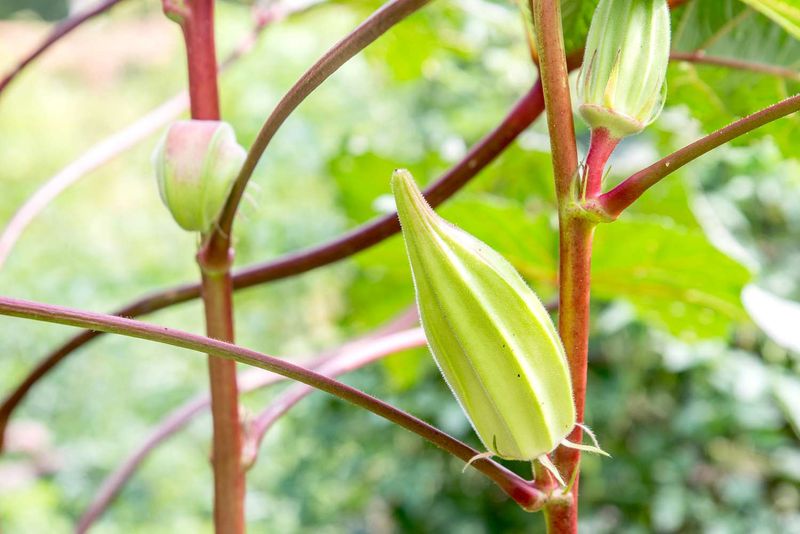
Pulling the whole season together comes down to a repeatable routine rather than a single fix. Notice where flowers are opening, then start checking those sections of the plant within two to three days. Inspect the entire plant daily or every other day during August, looking carefully under leaves and along stems where pods hide. Pick each pod at the size your specific variety stays tender, not at a number borrowed from a general guide.
When you find a pod that has already gone tough, remove it anyway. University of Maryland Extension and Texas A&M AgriLife both recommend clearing overmature pods to avoid suppressing continued plant productivity. Keep watering consistently according to your soil conditions and local restrictions, without expecting irrigation to rescue pods that have already firmed up.
Summer heat in Central Texas may narrow the window between a tender pod and a fibrous one, but published sources do not support the idea that heat alone caused your specific overnight surprise. The more likely explanation is that the pod was near the end of its tender stage and rapid growth closed the window between your last check and this one. Oklahoma State Extension guidance on harvest frequency is the clearest practical answer: check more often, and the window is less likely to close without you. The gardener who walks the rows every morning in August almost always eats better okra than the one who checks every few days and wonders what went wrong.