
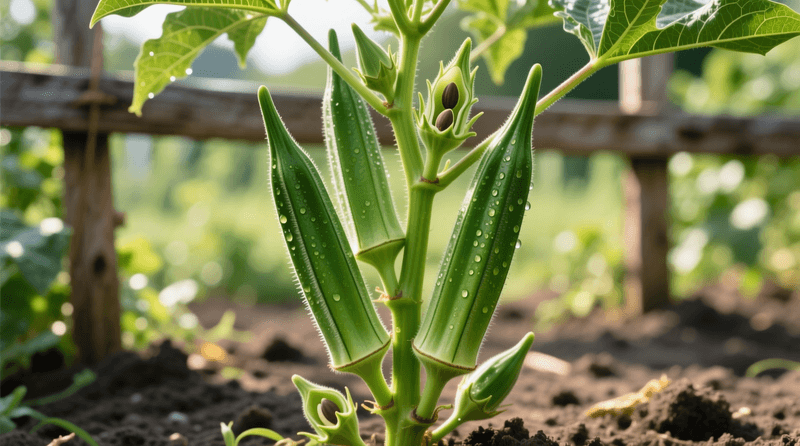
Every August in Central Texas, gardeners walk out to okra plants loaded with pods and come back inside with a colander full of tough, stringy clubs that no amount of cooking can fix. The frustrating part is that the plants look healthy, the weather is doing exactly what okra loves, and the problem keeps repeating.
The real culprit is not the heat itself but a picking habit that lets pods mature past the point of no return, and understanding that difference puts tender okra back on the table.
Heat Is the Context, Not the Whole Cause
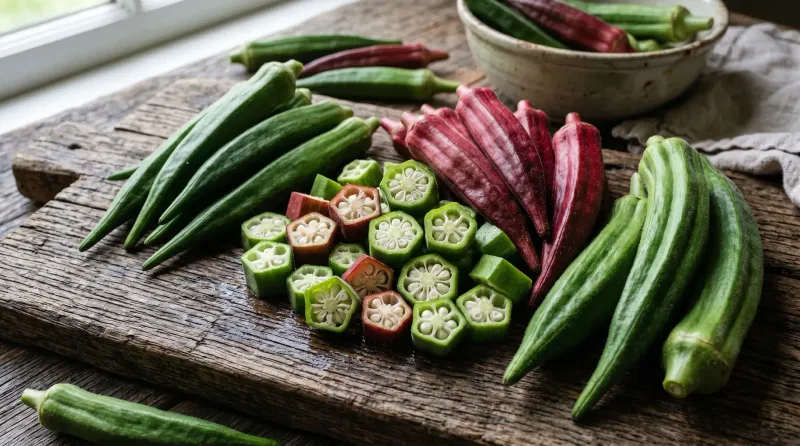
Okra is genuinely built for hot weather. Unlike tomatoes that sulk and drop flowers when temperatures climb past 95 degrees, okra keeps flowering and setting pods through the kind of triple-digit Central Texas summers that shut down most other vegetables.
That heat tolerance is an asset, but it creates a trap: a gardener who checks plants every few days during a busy August week may return to find pods that were finger-length on Monday have turned into woody batons by Friday.
The strongest explanation for that toughness, based on available research, is not the temperature itself but the age of the pod. Research on okra harvesting after pod set documents that older pods carry significantly greater crude-fiber content and require substantially more force to cut through, with rapid hardening beginning roughly five to seven days after fruit set.
A separate study found that decreased cellulose-degrading enzyme activity drives pod hardening as the pod matures, a process tied to age rather than ambient temperature.
Warm weather likely plays a supporting role. A practical inference, though not a directly proven Central Texas measurement, is that higher temperatures speed pod development, which shortens the window between a tender pod and an overmature one.
Central Texas Gardener notes that okra is well suited to the region’s heat, and Texas A&M AgriLife Extension confirms that pods left too long become tough and stringy. The heat is a useful signal to inspect plants more often, not a proven standalone cause of fibrous pods.
The pod simply ages past its edible stage, and in a hot Texas August, that can happen faster than gardeners expect.
Judge Tenderness Instead of Chasing One Number
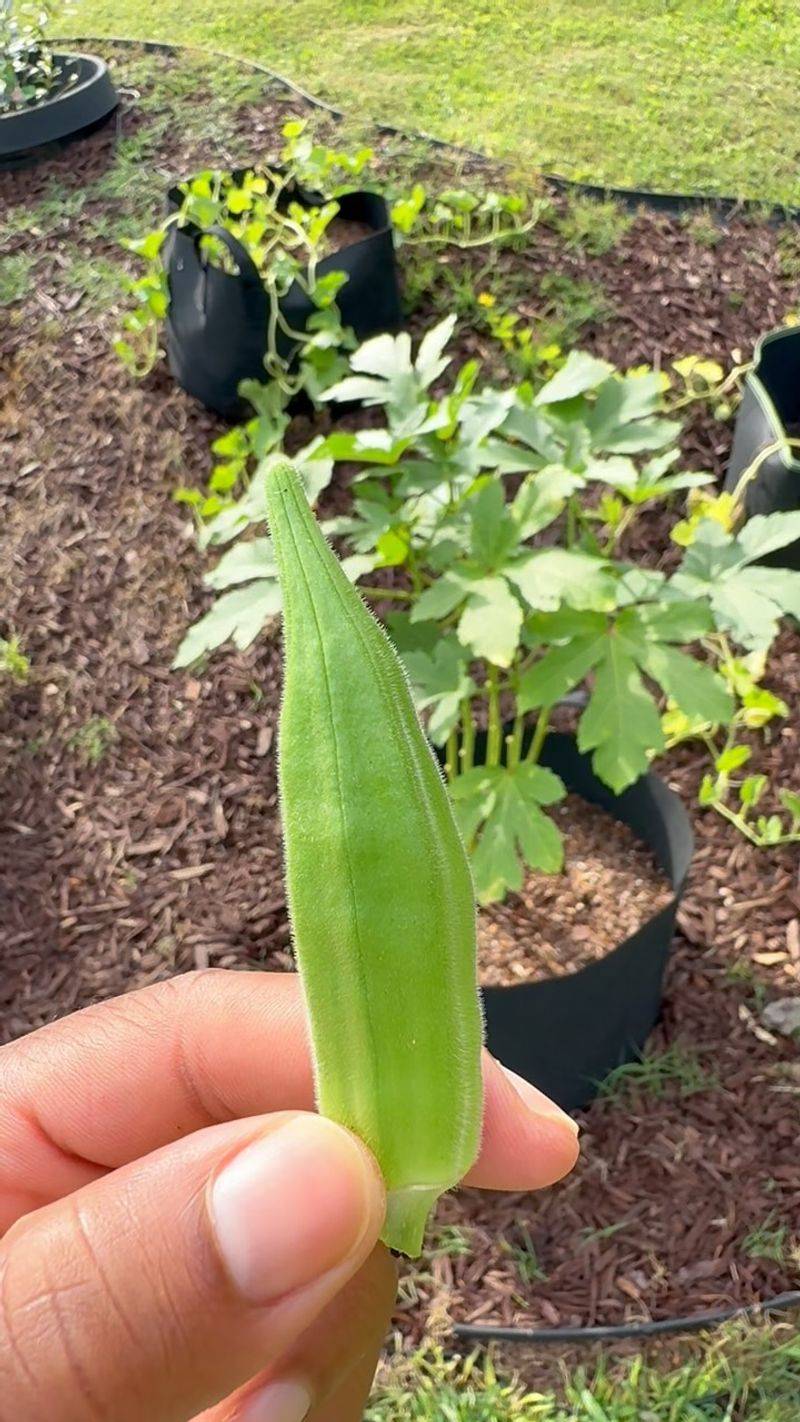
A single measurement printed on a seed packet is a starting point, not a verdict. Texas A&M AgriLife Extension places the home-garden harvest target at roughly 3 to 4 inches, and that range works well for many common backyard varieties.
However, University of Georgia Cooperative Extension’s commercial okra guide distinguishes between fresh-market pods and those destined for processing, with different acceptable sizes and harvest intervals for each. A long, slender variety bred for fresh eating may still be tender at 5 inches, while a compact or specialty cultivar might start toughening at 3 inches.
Utah State University Extension similarly notes that harvest size varies by cultivar and growing conditions, reinforcing that no single number applies universally. The better approach is to use size as a first screen, then confirm tenderness by touch.
UGA’s commercial guide describes a tip-snap test: if the tip of the pod breaks off cleanly and evenly, the pod is likely still tender enough to eat. Treat that snap as a useful field indicator rather than a guarantee, because pod texture can vary even within the same plant on the same day.
Days after flowering offer another approximate guide. Texas A&M notes that pods are typically ready about 3 to 4 days after flowering, while UC Davis postharvest research and the Cambridge harvesting study both acknowledge that cultivar, temperature, and growing conditions change how fast a pod develops.
Use the calendar as a reminder to look, not as a substitute for actually checking the pod. A pod that looks right in size, snaps cleanly at the tip, and feels firm but not rigid is ready to pick.
Build a Daily or Every-Other-Day Picking Habit
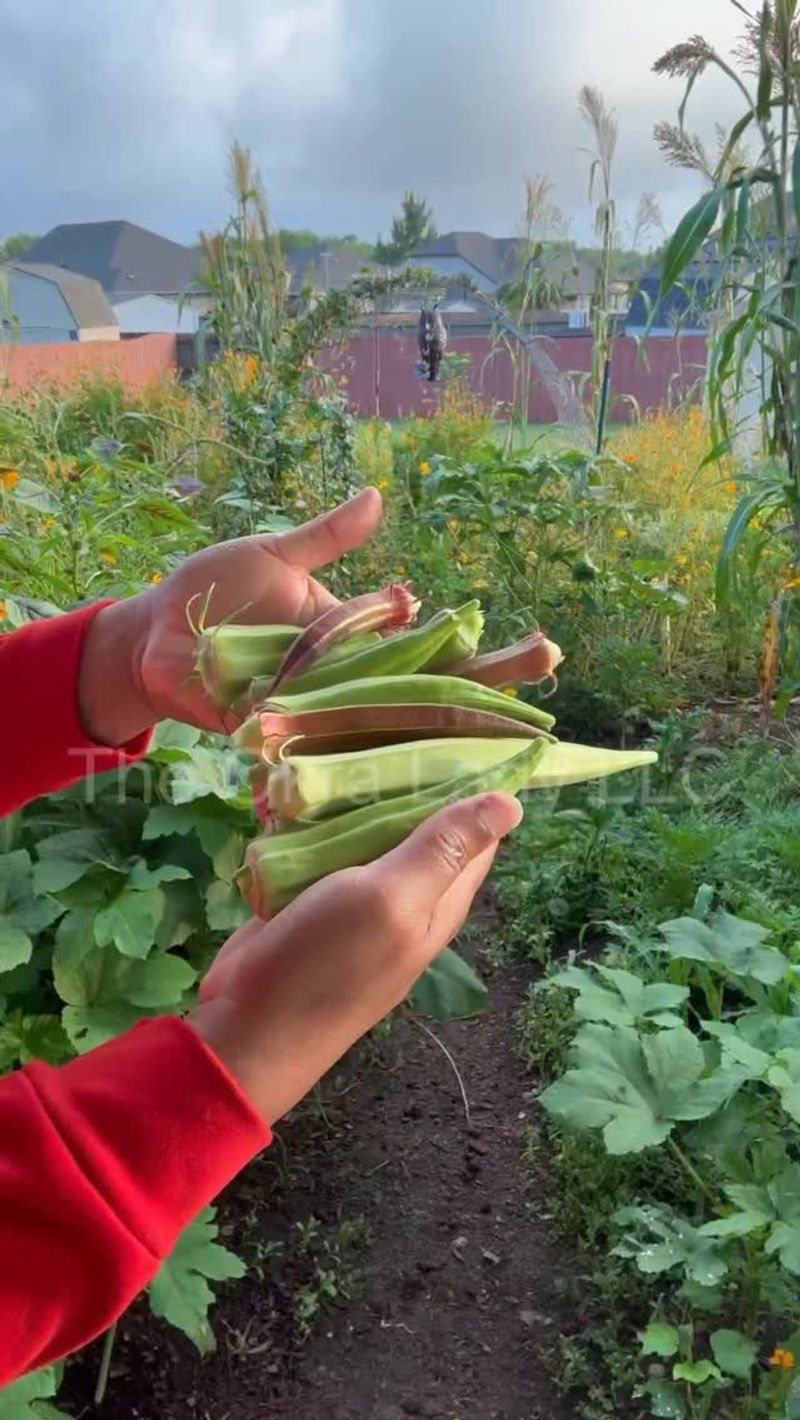
The single most effective thing a Central Texas gardener can do in August is show up at the okra bed every day. University of Georgia Cooperative Extension states that fresh-market okra may require daily harvest during periods of rapid growth, and that guidance applies directly to the kind of vigorous August production that Central Texas plants are capable of.
Texas A&M AgriLife Extension recommends picking every one to two days, noting that delayed harvest reduces yields. Letting even a single day slip during a fast-growth stretch can push a pod from perfect to unusable.
A practical inspection routine does not need to be complicated. Walk down each row or around each plant, scan from the base upward since lower pods often develop first, check the size of every pod you can see, and apply a gentle tip snap to any pod that looks close to ready.
Pick everything that passes both checks, then look again at the same plant from a different angle because pods hide behind leaves. Set the basket down and come back the next morning.
Utah State University Extension supports harvesting at least every other day to keep plants productive, and that interval is a reasonable minimum when growth slows slightly. During the hottest, most active weeks of August in Central Texas, daily inspection is the safer choice.
The goal is to pull each pod before it crosses into the tough zone, which means working with the plant’s actual pace rather than a fixed schedule you set at the beginning of the month and forget.
Remove Missed Pods From the Plant
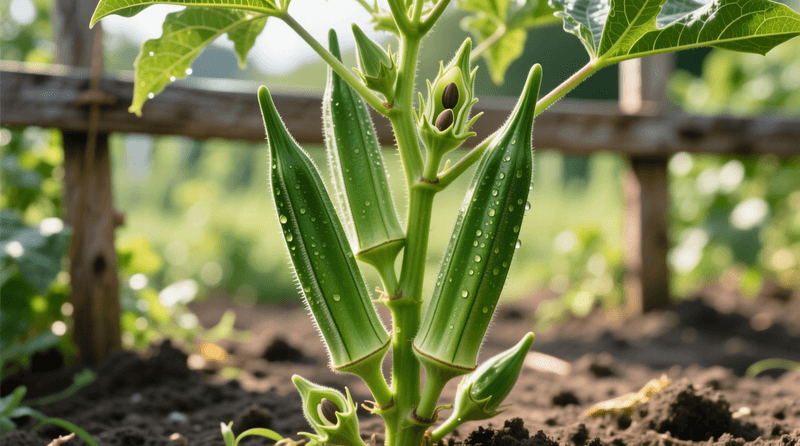
Every inspection should include a deliberate look for pods that already slipped past the tender stage. University of Georgia Cooperative Extension and Utah State University Extension both note that mature pods left on the plant can reduce future yield or restrict further flowering.
The practical meaning is straightforward: an overmature pod signals to the plant that its reproductive work in that location is done, which can slow or stop new pod development on that stem.
The Texas A&M AgriLife commercial okra guide reinforces that removing pods promptly is part of keeping a plant productive through the season. That does not mean daily picking guarantees a specific measured increase in pod count, because the extension guidance supports the maintenance benefit without promising a precise production number.
What it does mean is that leaving a missed pod in place works against you, while removing it keeps the plant’s energy available for new flowers and pods.
Overmature pods belong in a separate pile, not mixed with tender ones. Texas A&M AgriLife Extension notes that pods allowed to reach full maturity can be saved for seed, and the Texas A&M EHT-058 okra guide mentions that overly mature pods can be dried for decorative arrangements.
Sorting them at harvest keeps the fresh-eating pile clean and gives the oversized pods a useful destination rather than the compost bin by default.
Water for Plant Health, Not as a Tenderness Fix
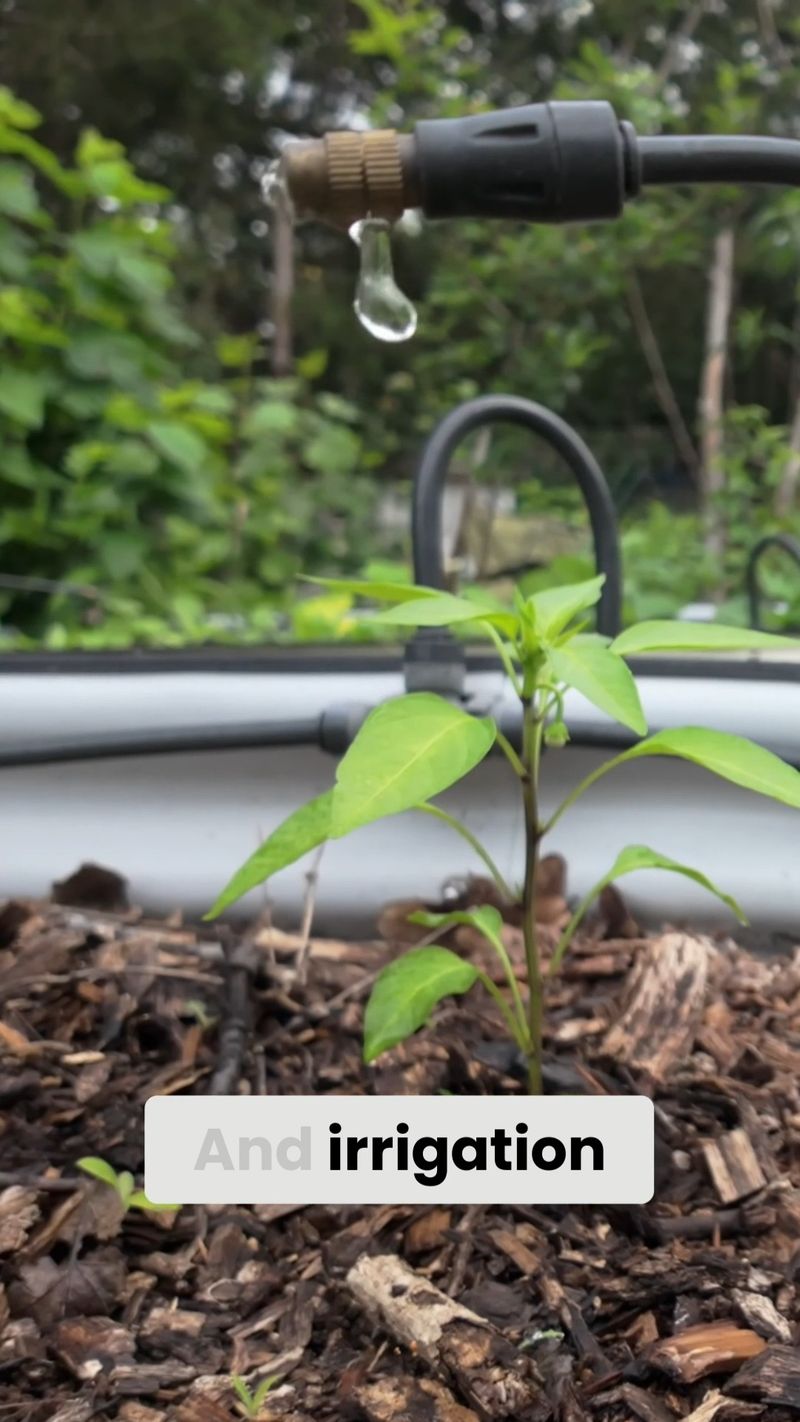
Watering matters, but not in the way some gardeners hope. A pod that has already become fibrous and tough will not soften up because the plant got a deep drink.
The accurate and useful distinction is that consistent moisture supports plant health, sustained flowering, and continued pod production, while it cannot reverse the fiber development that has already occurred in an overmature pod. Reaching for the hose after finding a colander full of woody pods is understandable, but the fix for future harvests is picking sooner, not watering harder.
Texas A&M AgriLife Extension reports that irrigation every 7 to 10 days can increase okra yield, with sandy soils requiring more frequent watering than clay soils. Oklahoma State University Extension offers a comparable production-season reference of approximately 1.5 inches every 10 days when rainfall is inadequate.
Both figures are production references for typical field conditions, not universal prescriptions for every Central Texas backyard.
Research on okra under deficit irrigation found that pod quality and yields respond to water availability, and a separate study documented that temperature and water stress together can affect okra fiber and pectin characteristics. Those findings support keeping plants well watered, but they do not suggest that irrigation alone determines pod texture at harvest.
Central Texas Gardener notes that supplemental irrigation can improve harvests in the region. Adjust your actual watering schedule to your soil type, recent rainfall, mulch depth, container limitations, and any municipal water restrictions in effect, and resist the urge to water daily simply because temperatures are extreme.
Harvest Without Bruising Pods or Irritating Skin
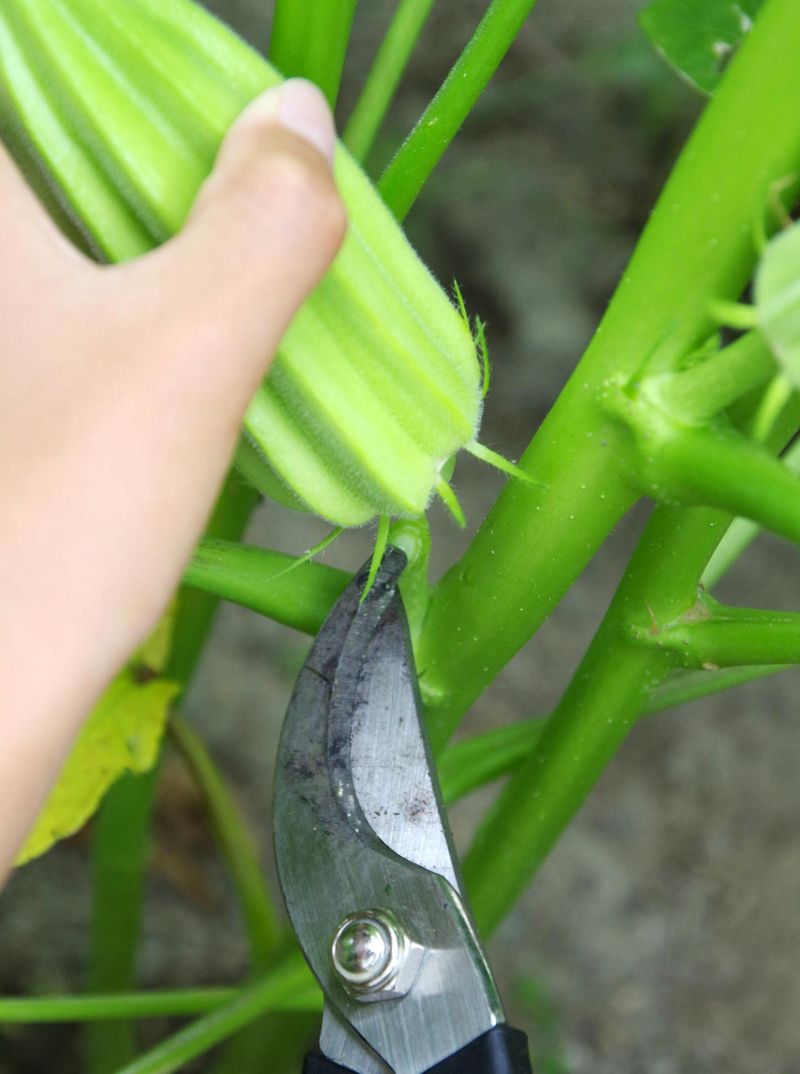
How you pick matters almost as much as when you pick. Okra pods bruise easily, and mechanical damage from rough handling or careless snapping can cause browning and discoloration that makes fresh pods look and feel worse than they are.
The 2025 Southeast U.S. Vegetable Crop Handbook notes that careful handling during harvest is essential to prevent mechanical damage, and UC Davis postharvest research on okra confirms that bruising and discoloration are significant postharvest quality concerns.
Use a sharp knife, garden shears, or your thumbnail to cut or snap the stem just above the pod cap. Avoid twisting or yanking, which can snap the branch rather than the stem and set back production on that part of the plant.
Place harvested pods gently into a basket or bucket rather than tossing them, and avoid piling them so deep that the weight on the bottom pods causes bruising before you even reach the kitchen.
Skin protection deserves its own mention. Mississippi State Extension points out that even varieties marketed as spineless can irritate skin and recommends wearing long sleeves during harvest.
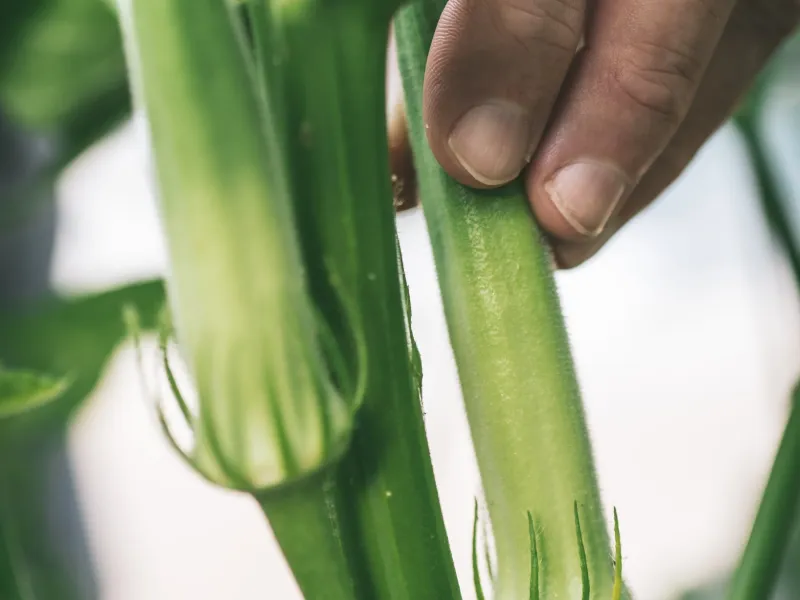
The fine hairs on okra leaves and stems cause a prickling or itching sensation that adds up quickly during a thorough daily inspection. Wearing long sleeves and, if needed, lightweight gloves makes the habit easier to sustain through a full August picking season without dreading the discomfort.
Separate Harvest Toughness From Storage Damage
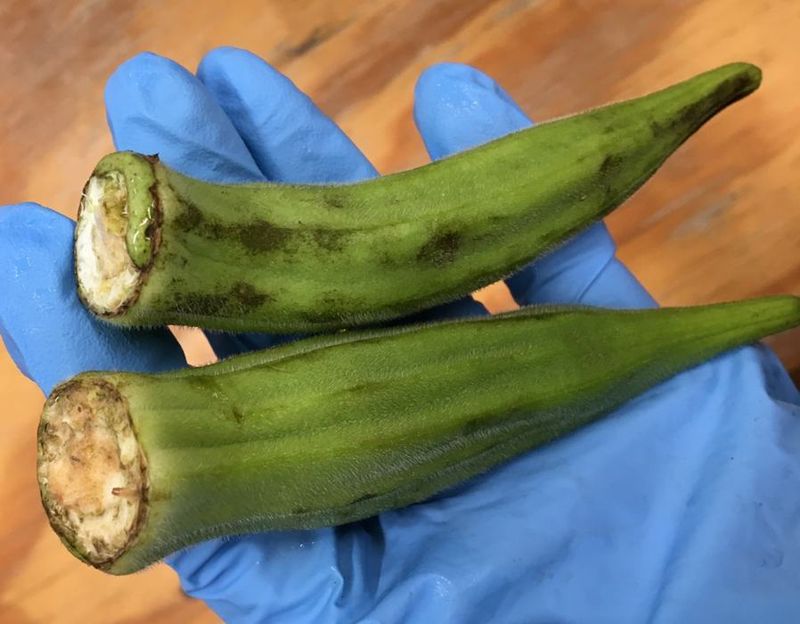
Not every okra quality problem starts in the garden. A pod can be perfectly tender when it leaves the plant and arrive at the table in noticeably worse shape because of what happened in between.
Bruising from rough handling, water loss from sitting uncovered on a counter, yellowing from age, and chilling injury from a refrigerator set too cold are all postharvest problems that operate independently of whether the pod was harvested at the right size.
UC Davis postharvest research places the optimum storage temperature for fresh okra at approximately 45 to 50 degrees Fahrenheit and warns that temperatures below that range can cause chilling injury, which shows up as pitting, discoloration, and accelerated decay. Many home refrigerators run colder than 45 degrees, so placing okra directly in the main compartment without any buffer can damage pods that were perfectly fine at harvest.
The 2025 Southeast U.S. Vegetable Crop Handbook similarly identifies temperature management as a key factor in maintaining okra quality after harvest.
Storing okra in a paper bag or loosely wrapped and using it within two to three days helps preserve texture and color. None of these steps can rescue a pod that hardened on the plant, but they do protect the pods that were picked at the right time.
Keeping harvest toughness and storage damage as two separate categories helps gardeners diagnose the actual problem and apply the right fix.
Give Overmature Pods a Different Job
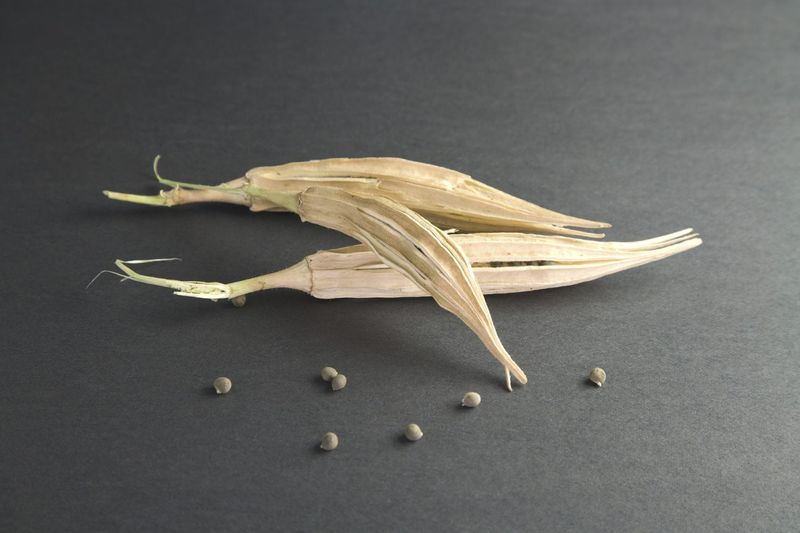
Finding a cluster of oversized pods during an inspection is not a reason to write off the plant or feel defeated about the season. Those pods have already crossed out of fresh-eating territory, and no amount of extra cooking time reliably fixes the fibrous texture of a genuinely overmature pod.
Trying to stew or fry your way through tough okra usually produces a result that is unpleasant enough to put people off the vegetable entirely, so a clear-eyed sorting decision at harvest is more useful than culinary optimism.
Texas A&M AgriLife Extension notes that pods left to reach full maturity can be saved for seed, which is a genuinely practical option for gardeners who want to replant the same variety next year without buying new seed. Allow those pods to dry fully on the plant or finish drying indoors in a warm, well-ventilated spot, then shell out the seeds and store them in a labeled envelope in a cool, dry location.
The Texas A&M EHT-058 okra guide also mentions that overly mature pods can be dried and used in floral arrangements and decorative displays, where their woody structure and distinctive shape are actually an advantage. After sorting the missed pods into seed or drying candidates, turn your attention back to the plant itself.
The next round of flowers is already forming, and the tender pods that follow are exactly what the picking habit described throughout this article is designed to capture.
The Reliable August Routine
August okra success in Central Texas comes down to a repeatable habit rather than a single dramatic fix. The directly supported cause of woody, fibrous pods is leaving them on the plant past the tender harvest stage.
Warm weather may reasonably prompt more frequent checks because okra grows vigorously in the heat and pods can develop quickly, but high temperatures alone have not been shown to make a properly timed harvest tough.
The routine that fits the evidence looks like this: inspect plants daily during fast-growth stretches, or at minimum every other day. Check pod size against your cultivar’s typical range, use the tip-snap test as a practical field indicator rather than a guarantee, and pick every pod that passes both checks.
Remove any oversized pods at the same time and set them aside for seed or drying. Water according to your soil type, recent rainfall, mulch coverage, and any local restrictions, aiming for consistent moisture rather than reactive deep soaks.
Handle pods gently from plant to basket to storage, and keep them at around 45 to 50 degrees Fahrenheit if refrigerating. Texas A&M AgriLife Extension and University of Georgia Cooperative Extension both ground this rhythm in practical extension guidance.
Okra rewards the gardener who shows up consistently more than the one who intervenes dramatically. The plant will keep producing through August as long as you keep harvesting, and that is a better deal than most Central Texas vegetables offer in the middle of summer.