
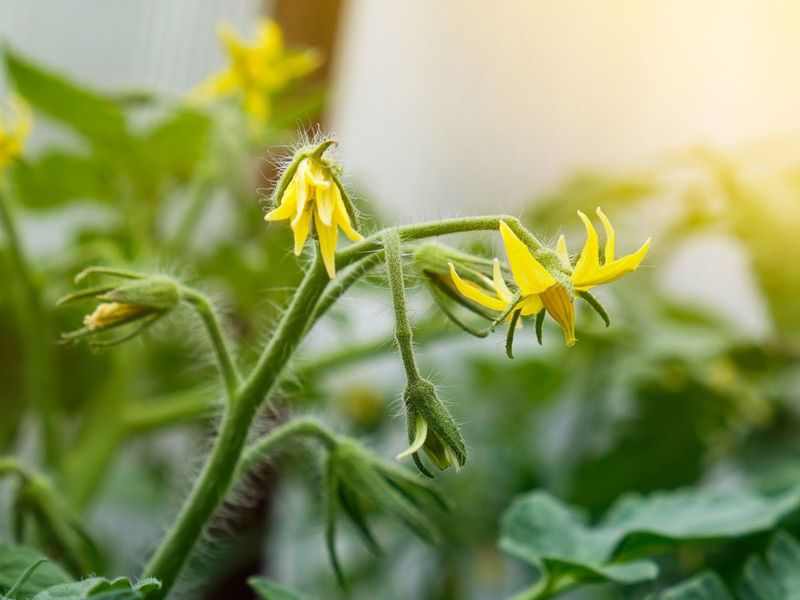
Tomato plants in Central Texas can be downright confusing in September: they bloom, they look healthy enough, and then the flowers just fall off without turning into fruit. Heat is often the first thing gardeners blame, and sometimes that suspicion is right, but it is not the whole story.
Understanding what is actually happening, and what you can reasonably do about it, can mean the difference between salvaging a late-season crop and watching the window close entirely.
September blossom drop has more than one possible cause
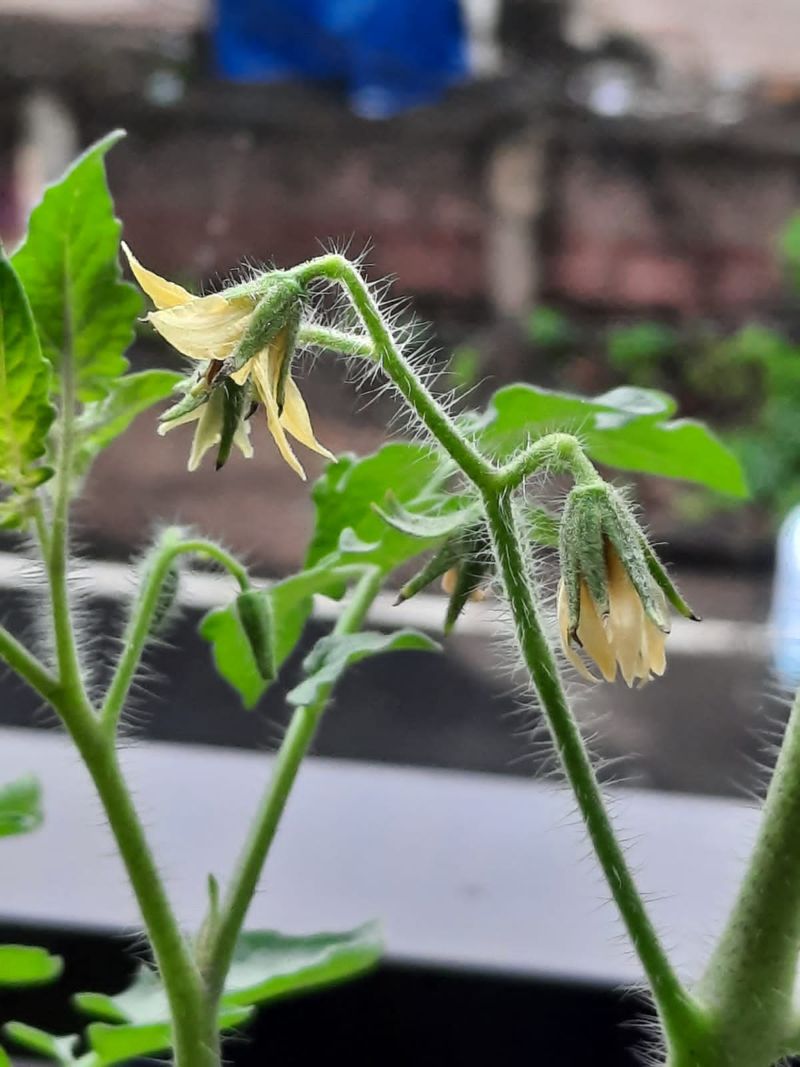
Flowering and fruiting are two separate events in a tomato plant’s life, and a plant that blooms generously in September is not automatically on its way to a harvest. Flowers that wither quickly, feel brittle, or simply detach without swelling into fruit are showing a pattern that gardeners across Austin, San Antonio, and the Hill Country recognize by late summer.
The pattern has a name, blossom drop, but the name does not tell you why it is happening.
Heat is a reasonable first suspect when recent days have been relentlessly hot and nights have stayed warm. University of Minnesota Extension guidance on heat stress in vegetables notes that flower abortion and poor fruit set are among the most visible consequences of sustained high temperatures.
Still, heat is a plausible explanation when weather data supports it, not a universal Central Texas diagnosis that applies every September to every plant in every yard.
Before settling on heat, run through the other suspects. Inconsistent watering, especially cycles of drought followed by saturation, puts real stress on a plant and can cause flowers to abort before they develop.
Excess nitrogen in the soil pushes a plant toward producing lush foliage rather than fruit, so a recent heavy fertilizer application deserves a look.
Disease, insect feeding, and herbicide drift from a neighbor’s yard can each damage flowers or the plant tissue that supports them. Inadequate sunlight, whether from a fence, a tree that has filled in over the summer, or another structure, reduces the energy a plant can put toward reproduction.
Root damage from nearby digging or compaction can quietly undermine the whole system. Texas A&M AgriLife Extension’s fall vegetable gardening guide also points to cultivar limitations, since some varieties simply perform poorly under the conditions common to Central Texas in late summer.
Check your recent weather, your watering records, and your fertilizer history before deciding that heat is the culprit.
Warm nights can break the pollination chain
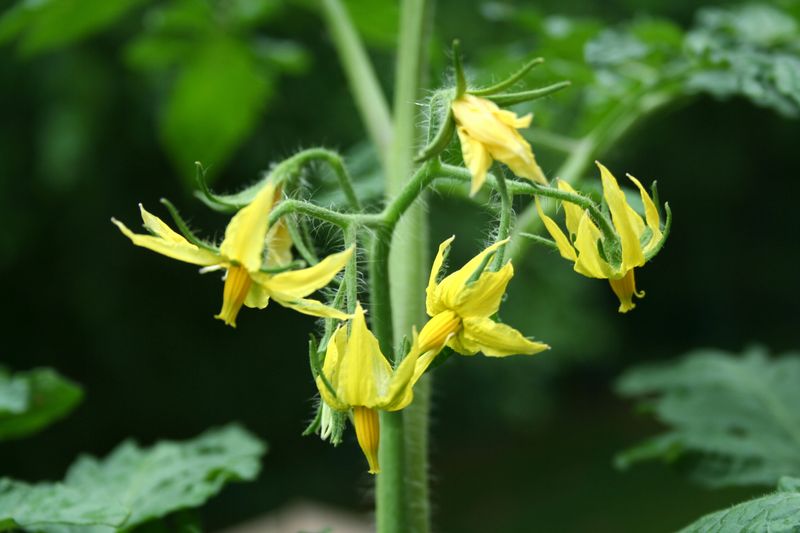
Tomatoes are largely self-pollinating, which means each flower carries the male and female parts needed to produce fruit without help from a separate plant or a bee. That sounds simple, but the process still requires pollen to develop properly inside the flower, be released at the right moment, move to the stigma, and successfully fertilize the ovary.
When any step in that chain breaks down, the flower drops without producing fruit, even though it looks perfectly normal from the outside.
Heat disrupts the chain in more than one place. High daytime temperatures can interfere with pollen release and transfer, but warm nights may be the more damaging factor for pollen development itself.
The University of Georgia Cooperative Extension’s Commercial Tomato Production Handbook identifies reduced pollen viability and poor fruit set as consequences of sustained temperature stress, with nighttime warmth playing a meaningful role alongside daytime heat. Research published through NC State on night temperature and pollen characteristics found that warm nights specifically impair pollen quality and can reduce or eliminate fruit set even when daytime conditions would otherwise allow it.
Published guidance from different extension programs places the approximate stress range somewhere between 85 and 95 degrees Fahrenheit during the day and 70 to 75 degrees Fahrenheit at night. Those numbers come from multiple sources and represent a range rather than a single precise cutoff, because cultivar, humidity, the duration of the heat event, and the plant’s overall health all shift the outcome.
A single hot afternoon is not equivalent to a week of days above 90 degrees paired with nights that never drop below 72.
A study comparing processing tomato cultivars, available through PubMed research on pollen viability under heat stress, found that pollen fertility varied substantially between varieties under the same heat conditions, which means two plants of different cultivars sitting side by side can respond very differently to the same September weather. For Central Texas gardeners, that variability matters: the combination of hot days and warm nights that arrives in August and can persist well into September makes heat a plausible contributor to blossom drop, but the exact outcome depends on the specific conditions your plants experienced, not a single regional temperature rule.
Temporary afternoon shade protects the next round of blossoms
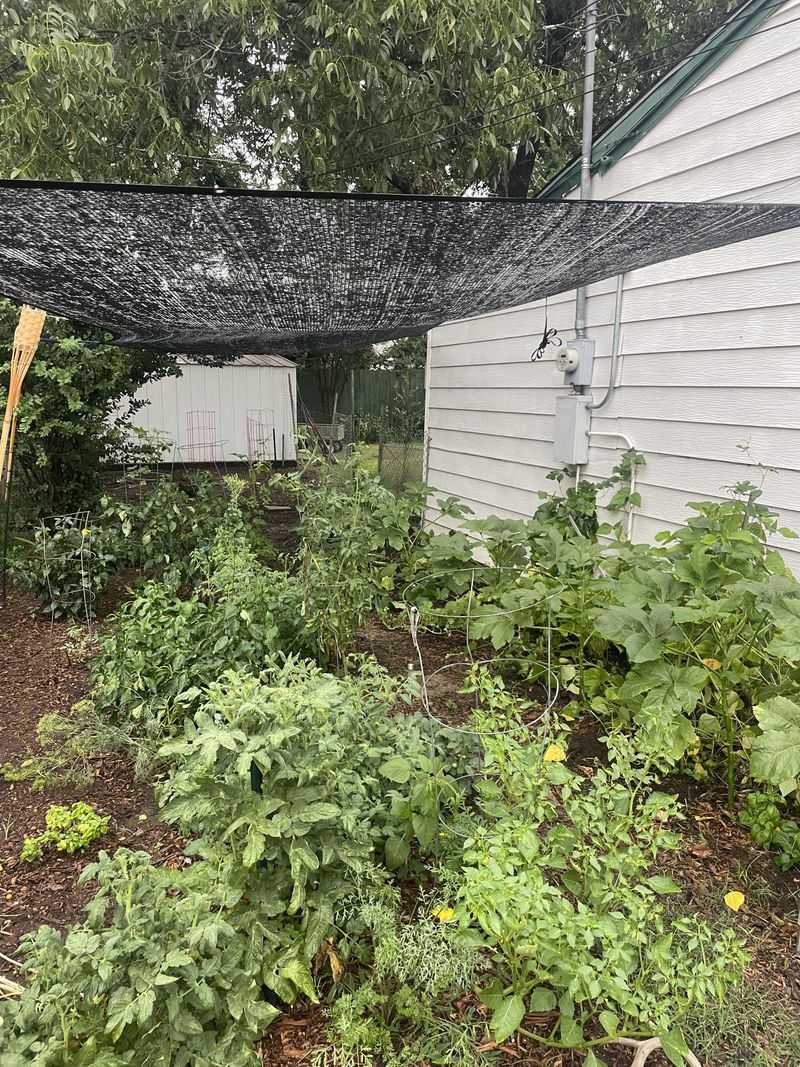
When heat looks like the most likely explanation for blossom drop, the most practical first response is to reduce the heat load on the plant during the hours when temperatures peak. Installing a temporary, well-ventilated shade structure above your tomato plants in the afternoon addresses the problem directly without adding new stress or requiring you to overhaul your entire garden setup.
Colorado State University Extension’s tomato growing guide specifically recommends approximately 30% shade cloth for retaining tomato blooms during heat stress, and extension guidance more broadly supports a range of 20 to 40 percent shade for hot conditions. Thirty percent is a practical target because it cuts afternoon heat load without blocking so much light that photosynthesis suffers.
Darker, denser cloth can trap heat rather than reduce it, which defeats the purpose entirely.
How you install the shade matters as much as the shade percentage. Drape or fasten the cloth on a frame, such as a simple structure made from PVC pipe, wood stakes, or cattle panels, positioned above the plant canopy rather than resting directly on the foliage.
Leave the sides open. Airflow is not optional: a sealed cover can raise temperatures inside the structure, especially in the still afternoon air common across Central Texas in September.
The goal is filtered light from above, not a tent.
Use the shade during the hottest portion of the day, typically from late morning through mid-afternoon, and remove it or leave it up overnight based on your setup. The benefit is specific: shade can lower leaf and flower temperature and improve the odds that viable new blossoms stay attached long enough to develop under better conditions.
Oregon State University Extension’s heat wave garden guide reinforces that reducing heat exposure is the most direct way to limit ongoing heat stress damage to plants. Shade cannot revive flowers that already aborted, repair pollen that heat has already damaged, or guarantee that new blossoms will set fruit.
What it can reasonably do is give the plant’s next wave of flowers a better environment to work with while you wait for temperatures to moderate.
Keep soil moisture steady while the plant waits
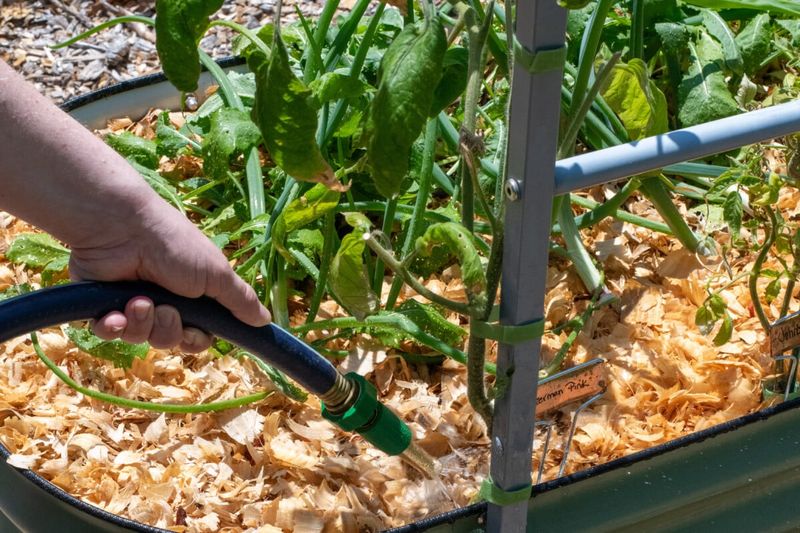
Shade handles the heat coming from above; consistent soil moisture handles the stress building from below. A tomato plant dealing with both high temperatures and uneven water availability is fighting on two fronts, and the combination can accelerate flower abortion even when either problem alone might be manageable.
Getting irrigation right during a heat spell is the supporting practice that keeps the plant stable while shade does its work.
University of Minnesota Extension guidance on vegetable irrigation recommends deep, infrequent watering that reaches the root zone rather than frequent shallow sprinkling that wets only the surface. Drip lines or soaker hoses deliver water directly to the soil around the plant base, reduce evaporation, and keep moisture more consistent than overhead sprinklers, which lose a significant amount of water to evaporation in hot, dry Central Texas conditions.
A two-to-three-inch layer of mulch, whether straw, wood chips, or shredded leaves, slows moisture loss from the soil surface and helps buffer soil temperature at the same time.
The pattern to avoid is allowing the soil to become bone dry and then saturating it to compensate. That cycle stresses roots, can contribute to blossom drop, and creates conditions that favor other problems like blossom-end rot in fruit that does manage to set.
Aim for soil that stays evenly moist a few inches down, checking by pressing a finger into the soil near the plant base rather than guessing from the surface appearance. Minnesota Extension’s guidance on heat effects in the vegetable garden also notes that heat-stressed plants lose water faster through their leaves, so demand goes up exactly when conditions make consistent supply harder to maintain.
Even watering will not repair pollen that heat has already compromised, but it removes one additional stressor and gives the plant the best possible foundation to work with as conditions change.
Vibrate attached flowers only as a secondary step
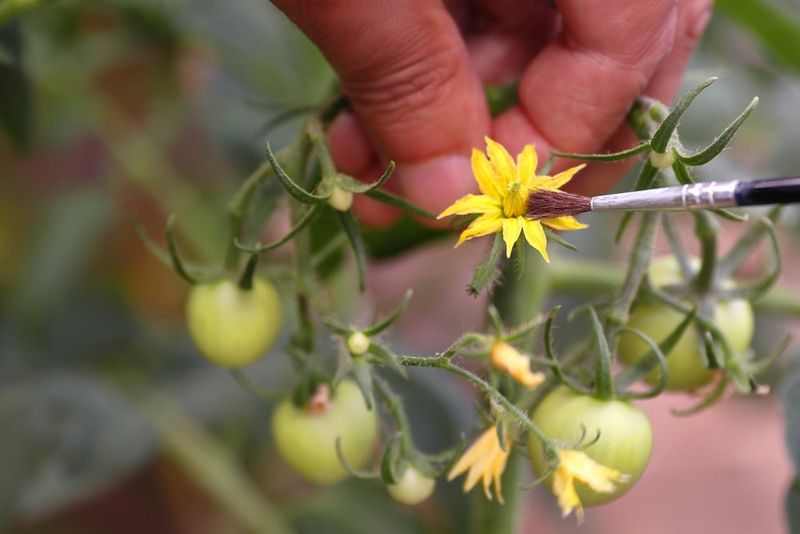
Tomatoes are built to pollinate themselves. Each flower contains both the pollen-producing stamens and the pollen-receiving pistil, and in most garden conditions, the plant manages the transfer on its own through natural movement from wind or the vibration of nearby activity.
Bees visiting the garden can accelerate the process through the vibration of their flight muscles, but their presence is not required for tomatoes to set fruit. This matters because advice about attracting pollinators, while useful for other crops, is not the central fix for heat-related tomato blossom drop.
For flowers that remain attached to the plant and appear healthy, gently flicking or vibrating the flower clusters in the morning can help move viable pollen from the stamens to the stigma. Texas A&M AgriLife Extension’s fall vegetable gardening guide notes that tomatoes benefit from this kind of physical assistance when natural movement is limited.
Morning is the better time because pollen release typically peaks earlier in the day before temperatures climb.
The limits of this technique deserve equal emphasis. University of Arizona Cooperative Extension’s tomato challenges resource makes clear that hand vibration helps transfer viable pollen but cannot restore pollen that heat has already damaged or sterilized.
Flowers that have already aborted, dried, and dropped will not respond to vibration at any stage. This step is secondary to shade and consistent watering, and it only has potential value when the flowers you are working with are genuinely intact and the pollen inside them has not been compromised by sustained heat.
Think of it as a small assist for the flowers most likely to succeed, not a rescue operation for a plant under severe ongoing stress.
Avoid remedies that add stress or promise too much
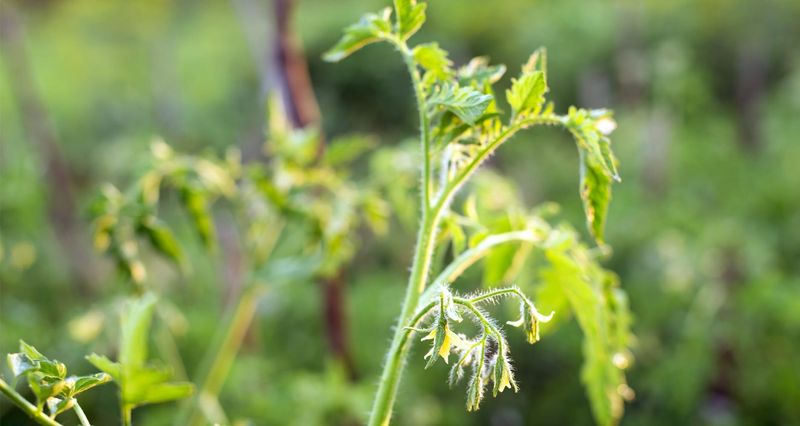
When a tomato plant stops setting fruit, the instinct to do something decisive is understandable. Unfortunately, several common responses make the situation worse rather than better, and a few are based on mixing up different tomato problems entirely.
Knowing what to skip is as useful as knowing what to do.
Heavy pruning is one of the most counterproductive responses during a heat spell. Removing large amounts of foliage exposes fruit and remaining stems to direct sun, increasing the risk of sunscald and adding thermal stress to a plant already struggling.
Texas A&M AgriLife Extension emphasizes preserving leaf cover in hot climates rather than cutting it back aggressively. Applying a heavy dose of nitrogen fertilizer in hopes of forcing the plant to produce more fruit has the opposite effect: excess nitrogen pushes the plant toward vegetative growth, meaning more leaves and stems rather than flowers and fruit.
Covering plants with sealed plastic sheeting or dense, unventilated row cover during hot weather is genuinely dangerous to the plant. Utah State University Extension’s research on row covers confirms that unventilated covers can raise temperatures substantially inside the enclosure, turning a heat problem into a more severe one.
Any protective covering used in warm weather must allow airflow and should be removed or opened when temperatures climb.
Calcium sprays and calcium soil amendments are appropriate for blossom-end rot, a disorder where the bottom of developing fruit turns dark and leathery due to calcium movement disruption inside the plant. Blossom-end rot is a different problem from blossom drop, and adding calcium does nothing to correct heat-induced flower abortion.
Treating the wrong problem wastes time and can shift soil chemistry unnecessarily. Similarly, Colorado State University Extension specifically states that blossom-set sprays are not effective under high temperatures, and Oregon State University Extension advises against household sprays and untested products as heat-stress remedies.
Hormone-based blossom-set products may produce seedless or low-seed fruit and are not a reliable fix for the underlying heat problem. The cleaner path is shade, even moisture, and patience.
Cooler nights determine whether the fall crop returns
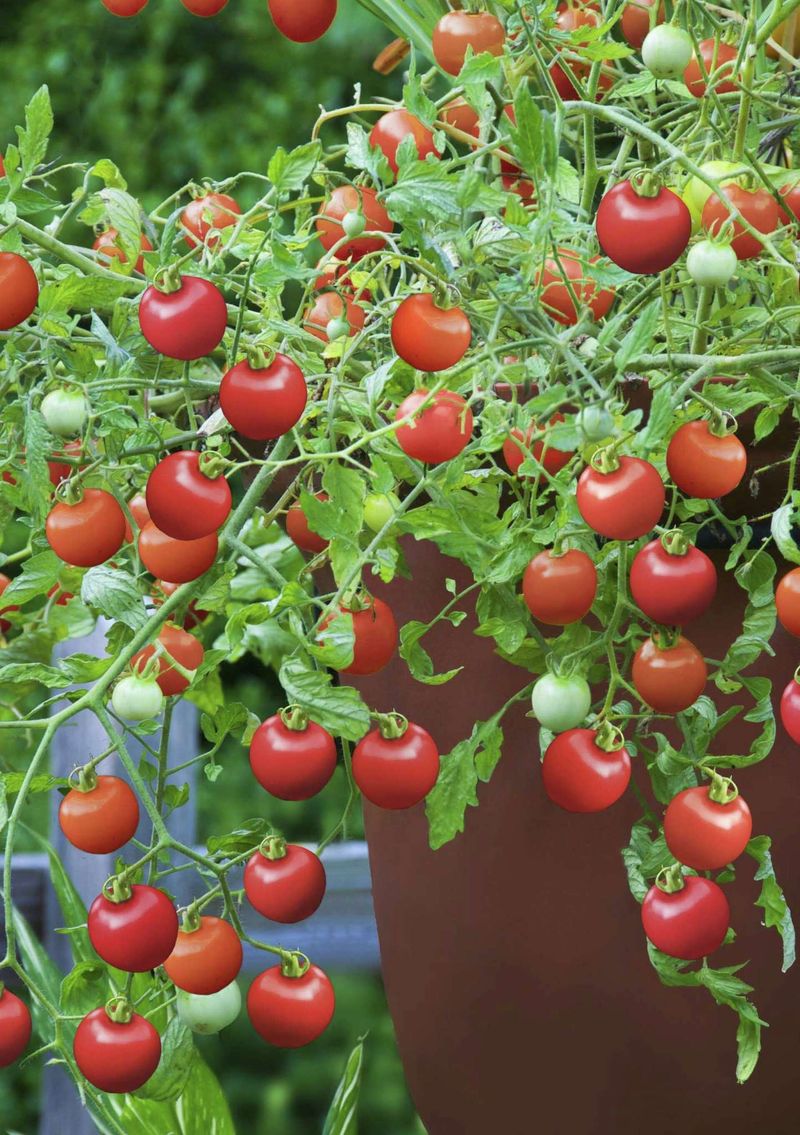
Green fruit already on the vine has a real chance of continuing to develop even while new flowers are failing. Heat can slow ripening and cause uneven color, but existing fruit that set before the worst heat arrived may still reach harvest.
New fruit is a different calculation: flowers setting now need several weeks to develop into ripe tomatoes, which means the fall window is not unlimited and timing matters.
Texas A&M AgriLife horticulture guidance on tomatoes places fall harvest for Central Texas generally beginning in October and continuing until the first frost, with planting typically done in July and August. That schedule is a regional reference point, not a guarantee for every location.
Austin, San Antonio, the Hill Country, and areas east of the Balcones Escarpment can differ meaningfully in nighttime temperatures, humidity, and first-frost timing, so local conditions and cultivar performance matter more than any single regional calendar.
The more dependable reset for fruit set is a genuine decline in nighttime temperatures. University of Minnesota Extension’s heat stress guidance notes that plants typically resume more normal function as temperatures moderate, but recovery is not instant and new fruit still requires time to mature fully.
Shade cloth in the afternoon is a useful step to take now, and keeping moisture even supports the plant through the transition. The honest takeaway is that shade reduces heat load and may protect new blossoms, but cooler nights, not shade alone, are what give a Central Texas tomato plant the biological conditions it needs to start setting fruit reliably again.
A plant that holds on through September still has a shot at October tomatoes – and that is exactly what the fall window is for.