
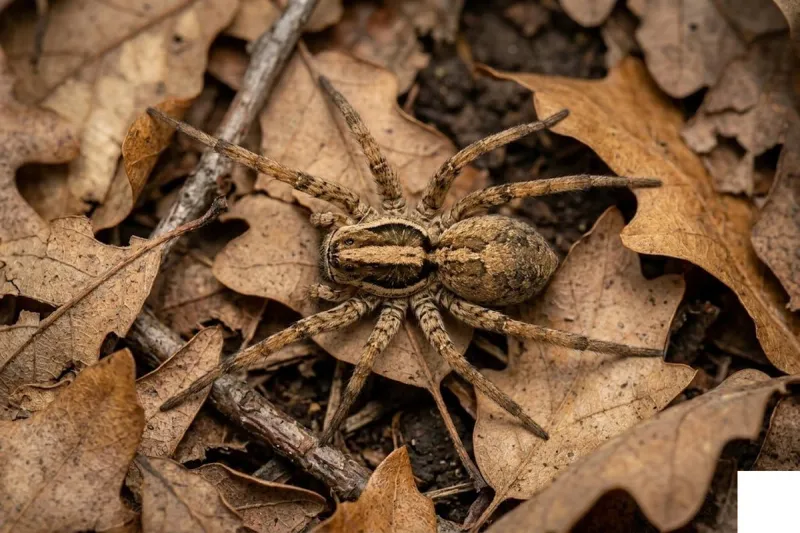
That big, fast, hairy spider near your garage door can look alarming, but it is probably just hunting. Wolf spiders in Central Texas do eat insects, and some people hope they also keep roaches away from the house.
The truth is a bit different, and knowing it can save you time and worry. Here is what wolf spiders really do, and what steps help keep roaches outside.
Wolf spiders hunt insects, but they do not patrol the garage
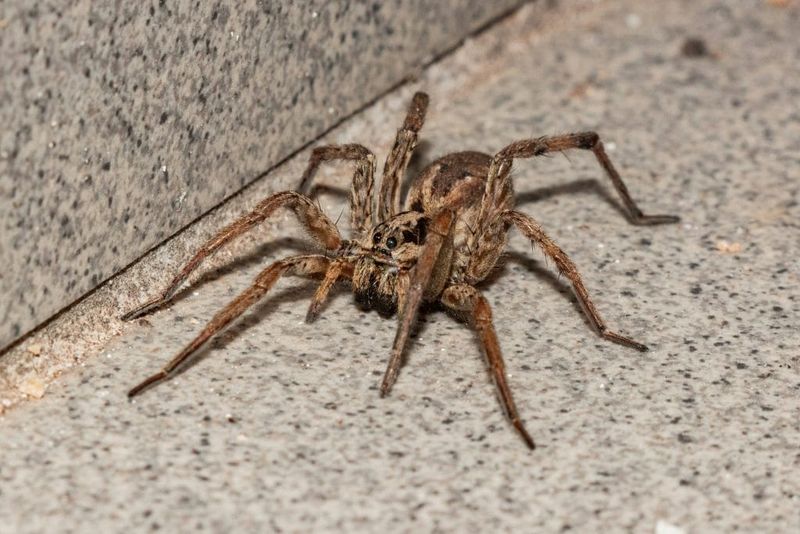
Walk out to a Texas garage after dark with a flashlight and you may spot a wolf spider moving across the concrete. Unlike orb weavers or cobweb spiders, wolf spiders do not build webs to trap food.
They roam and chase down what they find, which is why they are called active hunters.
Texas A&M AgriLife notes that wolf spiders are common in fields and backyards and can help control other pests. Utah State University Extension adds that they feed on insects and other small organisms.
Their menu is broad, not built around any single bug.
So could a wolf spider catch a cockroach? It might, if a roach of a suitable size crosses its path.
That is a very different thing from a reliable roach patrol. Nobody has shown that wolf spiders keep roaches out of Central Texas garages, and a spider cannot guard a door gap.
A fair way to think about them is as one small part of the yard’s wildlife. They eat some of the insects they meet outdoors, and that is a real benefit.
You can appreciate that without counting on them to protect your home.
If you find one outside, on a patio, in the flower beds, or along the fence line, there is usually no reason to worry or to go after it. Just keep in mind that the work of keeping roaches out still falls to you, and the next sections cover how.
Spider sightings cannot measure cockroach entry
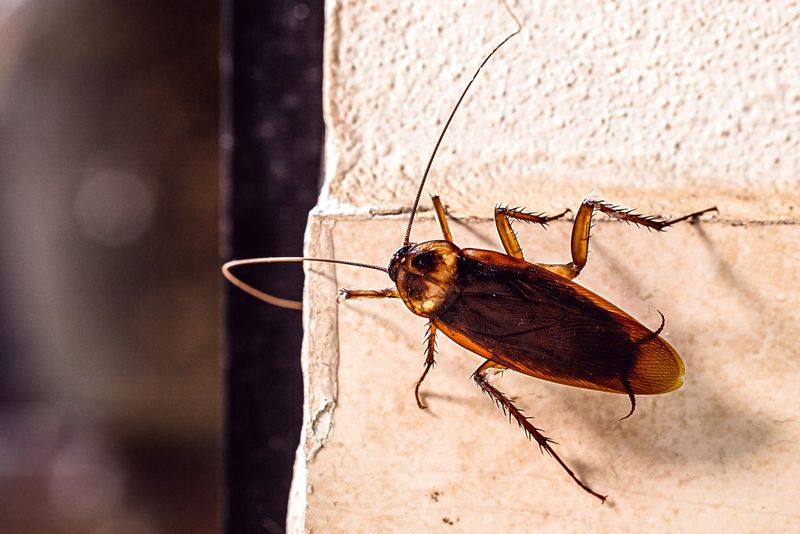
Seeing three wolf spiders by the garage tells you very little about how many roaches are getting inside. A spider hunting outdoors is one thing.
A roach crossing from the yard into the house is another, and no spider count can measure that.
Wolf spiders show up where conditions suit them. Utah State University Extension lists mulch, ornamental plantings, woodpiles, and other objects as places they live, and says cutting down insect prey is one way to reduce their numbers.
So a busy spider population may simply mean good cover and plenty of food, not that roaches are being stopped.
It also helps to know that roach sightings are not all alike. Texas A&M AgriLife explains that American, Oriental, and smokybrown cockroaches are often found outdoors or in nonfood areas before they become household pests.
German cockroaches are a different story. Infestations of that species depend on indoor hiding places, food, and moisture, and they call for attention to conditions inside the home and for active control.
A wolf spider in the garage says nothing about which situation you have.
A practical example: if you see a large roach in the garage on a warm night and a spider nearby, do not assume the problem is handled. Look at where the roach came from, check door seals, and keep an eye out for more.
Reduce cockroach entry with exclusion and sanitation

Blocking the routes roaches use is the most direct step you can take. Texas A&M’s cockroach prevention guidance points to sanitation and exclusion as the core tools.
Start at the garage. Walk the outside of the house with a flashlight and look for gaps around doors, windows, pipes, and the foundation.
Seal the small ones with caulk, and fill larger openings with a material that roaches cannot chew through or squeeze past.
Next, check the threshold. If you can see daylight under the garage door or the entry door to the house, replace the weatherstripping or sweep so it sits tight against the floor.
Then look at what draws roaches in. Wipe up spills, store pet food in sealed containers, take out trash regularly, and fix leaky faucets or dripping hose bibs, since roaches need water.
In a Texas summer, damp spots near the garage can be very attractive.
Outside, move firewood and yard debris away from the garage wall. Piles of leaves, boards, and wood give roaches shelter right beside your door.
These steps lower the risk, but they cannot promise that no outdoor cockroach will ever wander in. Texas A&M says as much.
Think of it as making your home a harder target, then staying watchful.
Keep spiders outside by limiting entry and hiding places

Some people are happy to share the yard with wolf spiders but would rather not meet them in the hallway. If that is you, the goal is to limit how they get in and where they hide near the house.
These steps are about spiders, not about controlling roaches.
Utah State University Extension recommends tight-fitting door sweeps and screens. UC IPM also advises sealing exterior cracks and repairing screens.
Begin with the door. A worn sweep leaves a slot just the right size for a spider to slip under.
Replace it, and check that vents and windows have intact screens.
Then take a look at cover. Wolf spiders like mulch, dense plantings, and stacked objects.
Pulling mulch back a few inches from the foundation, trimming plants that touch the wall, and clearing clutter from the garage floor removes many daytime hiding spots.
Inside the garage, storage bins with lids work better than open cardboard boxes, and keeping items off the floor gives spiders fewer places to settle.
Keep expectations realistic. These changes limit spider entry and habitat, and they may make the area less inviting to spiders.
They do nothing to control cockroaches, so pair them with the exclusion and sanitation steps above if roaches are your concern.
Do not handle an unidentified spider
Wolf spiders are generally not dangerous to people or pets, according to Texas A&M AgriLife. The same source warns that some can be aggressive if handled improperly, so they are not something to pick up.
Identification is the other catch. Wolf spiders have a row of four small eyes across the front and mottled markings, but a quick glance can mislead.
Size and color alone are not enough to tell one spider from another.
That matters in Texas. The Texas Department of State Health Services identifies black widows and brown recluses as medically significant spiders in the state.
A brown spider in a dark corner is not automatically a wolf spider.
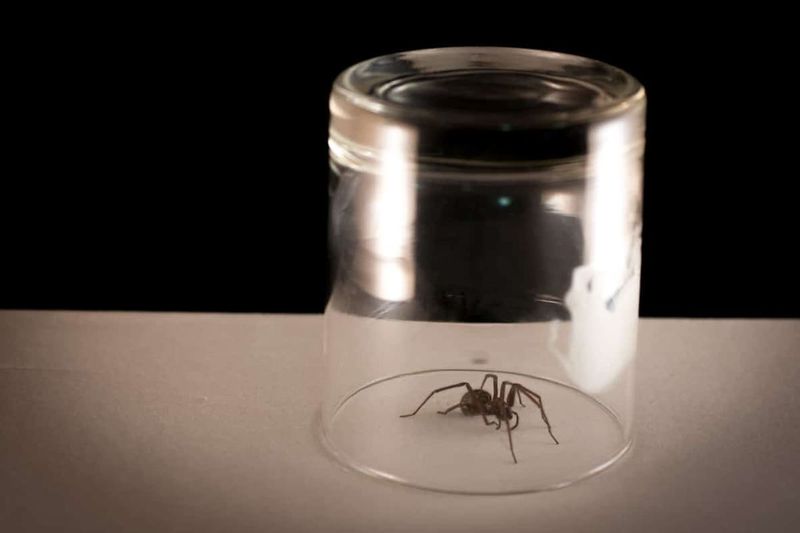
If you want one out of the house, skip the bare hands. Place a clear container over the spider, slide a stiff piece of paper underneath, and carry it outside.
Clemson Extension also recommends container capture and release.
Release it well away from the door, near a shrub or woodpile, and it will likely move on. If you cannot tell what kind of spider it is, or you feel unsure, leave it alone and keep children and pets back.
Should someone be bitten and develop worrying symptoms, contact a health professional or poison control.
Monitor persistent cockroach activity and respond appropriately
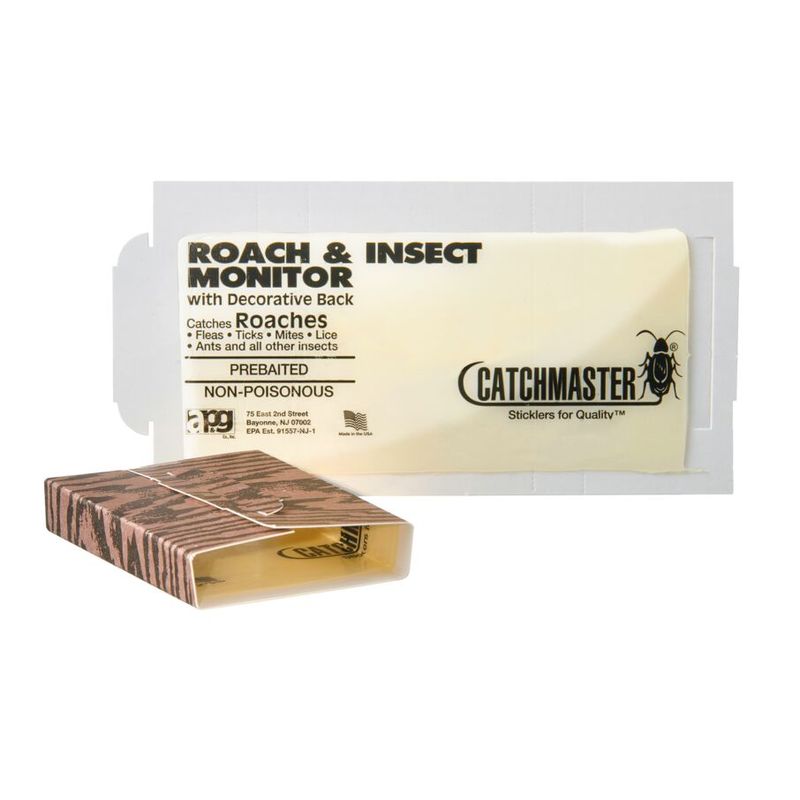
A spider indoors is not a plan for dealing with roaches. If you keep seeing cockroaches inside, the next step is to find out how much activity there is and where it centers.
Sticky monitors help with that. Texas A&M AgriLife recommends them to locate activity and judge the size of the problem.
Place them along walls, under sinks, near appliances, and in the garage, then check them every few days.
What the monitors catch gives clues. A few large outdoor-type roaches near an entry door suggest they are wandering in, so focus on sealing and moisture.
Many small roaches clustered in the kitchen or bathroom point toward an indoor population that needs closer attention.
For a substantial infestation, do not wait for predators to sort it out. Texas A&M describes baits and other targeted methods for established problems.
Follow the guidance in that publication, or ask a licensed pest professional for help if the numbers keep climbing.
Keep up the sanitation and sealing work in the meantime, because control methods do better when food, water, and hiding places are limited.
A wolf spider by the garage door is a fine yard resident, but it tells you nothing about how many roaches are being kept out.