
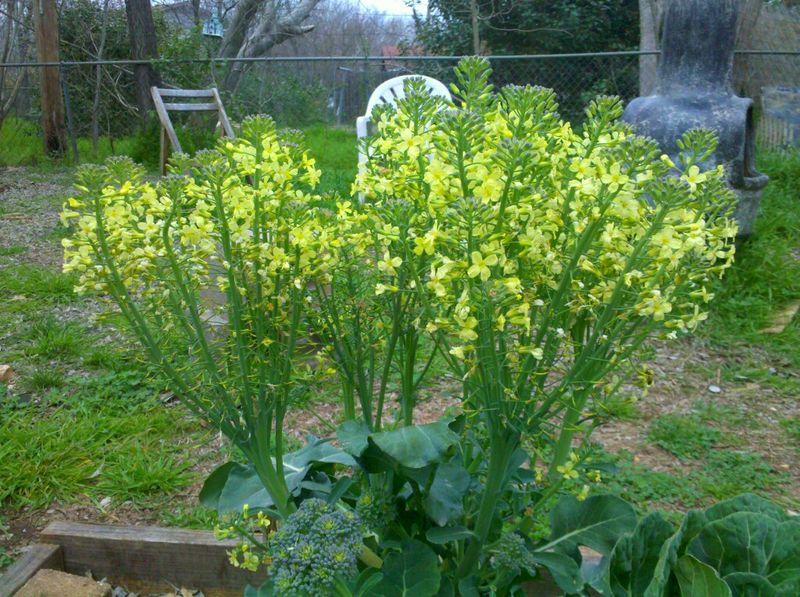
Broccoli is one of those fall crops that Central Texas gardeners look forward to all year, but a stretch of warm weather at the wrong moment can turn a promising head into something loose, branchy, and far less tasty than expected. When that happens, it is easy to blame the heat and move on, but the real picture is usually more complicated.
Understanding what actually happened to your plants helps you salvage what you can right now and set yourself up for a better harvest next season.
A fall warm spell may loosen broccoli before harvest
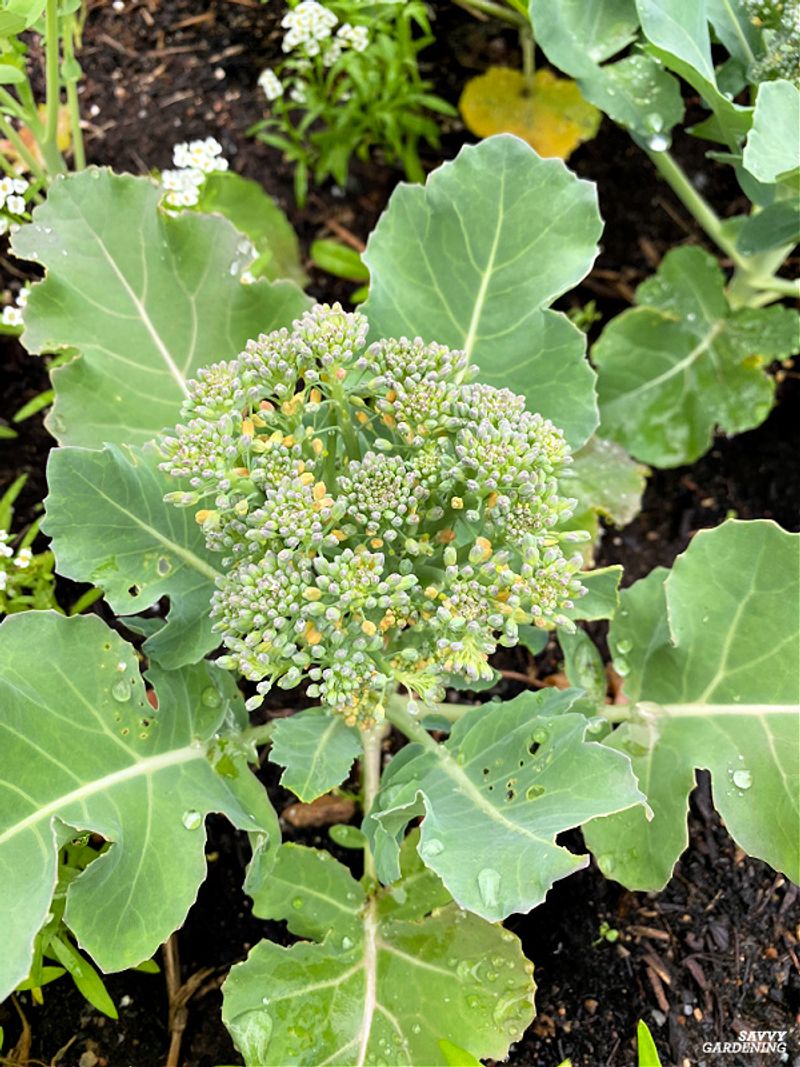
Broccoli belongs to the cool-season family, and the part you eat is actually a cluster of tightly packed, unopened flower buds. When temperatures climb above roughly 80 to 85 degrees Fahrenheit during head formation, the plant can rush toward flowering faster than you want.
Texas A&M AgriLife Extension identifies heat, improper watering, and excess fertilizer as causes of loose, puffy broccoli heads, and Oklahoma State University Extension similarly reports that prolonged high temperatures make broccoli heads loose and branchy.
In Central Texas, fall heat can linger well into October, meaning a plant set out in late August or September may begin forming its head right in the middle of a warm spell rather than after temperatures have moderated. That timing mismatch is one of the most common reasons gardeners end up with a head that looks more like a bouquet than a grocery-store crown.
The risk is real, but it depends on how long the heat lasts, how warm the nights stay, what variety you planted, how well-watered the plant has been, and how much other stress it has faced.
Not every loose or open head is a bolted head, though. Bolting technically means the plant has shifted into reproductive growth and begun flowering prematurely.
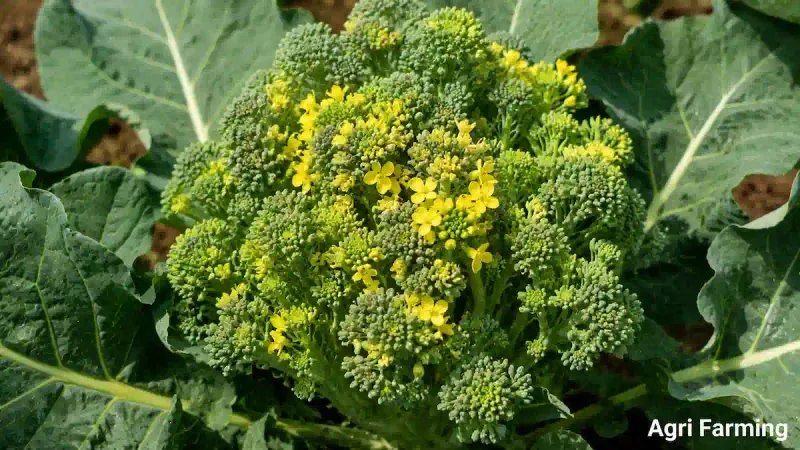
A head that looks puffy or widely spaced may reflect heat stress, overmaturity from a delayed harvest, or another cause entirely. The first question to ask is whether the florets are simply spread apart or whether you can see elongated stalks and yellow flower petals forming.
That distinction matters for deciding what to do next.
Tell bolting, buttoning, and overmaturity apart
Walking up to a broccoli plant with a problem head and knowing what you are actually looking at changes everything about how you respond. Widely spaced florets, elongated flower stalks, branchy growth, and visible yellow petals are the clearest signs that the head is moving toward or already in flowering.
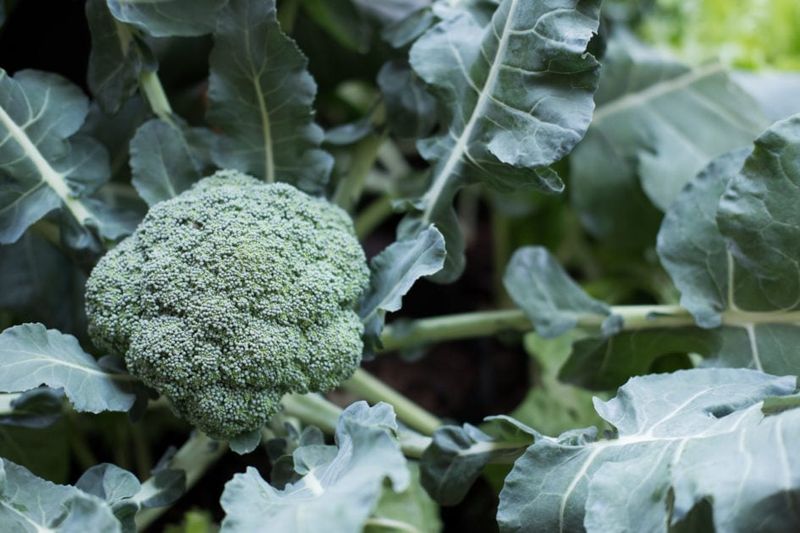
Penn State Extension notes that broccoli heads are clusters of unopened flower buds, and tight, dark-green buds are the preferred harvest stage, so any yellowing or opening is a sign quality is declining.
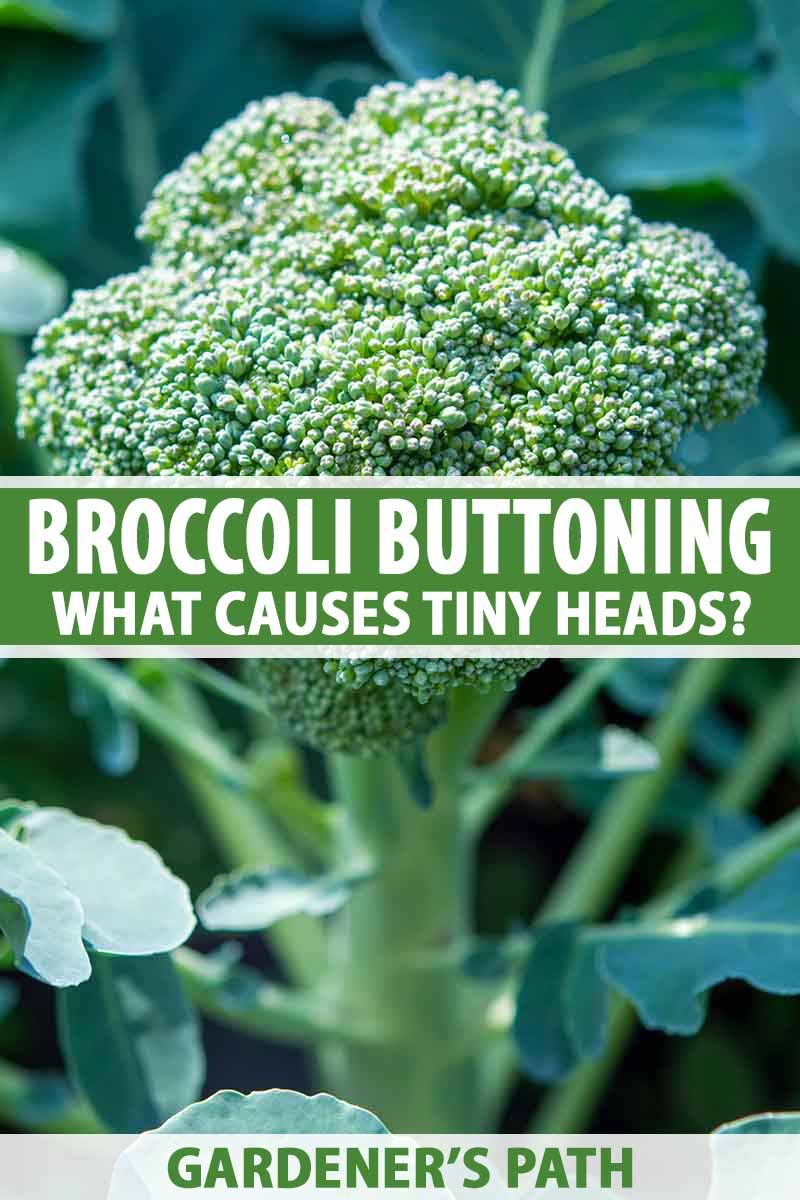
Buttoning is a separate problem that looks different from a full-sized head going loose. A buttoned plant forms a small, coin-sized or slightly larger head very early in its life, often before it has grown enough leaves to support a full-sized crown.
Utah State University Extension links buttoning to transplant stress, temperature extremes, water stress, low fertility, insects, disease, and overly large or old transplants. If your head looks like a tiny, premature version of what you hoped for and appeared before the plant was fully leafed out, buttoning is the more likely explanation than a heat-triggered bolt.
Overmaturity from a delayed harvest is another scenario that mimics heat damage. A head that was ready to cut a week or two ago and simply sat on the plant will begin to loosen and eventually flower regardless of the temperature.
University of Minnesota Extension points out that multiple stressors, including uneven water, crowding, variety genetics, insects, and disease, can produce similar loose-head symptoms in cool-season crops. Inspecting the whole plant, checking the planting date, reviewing recent weather, and noting how long the head has been visible all help you build a more accurate diagnosis than simply blaming the last warm afternoon.
Texas A&M also lists excess fertilizer as a contributing cause of loose, puffy heads, so if you recently applied a heavy dose of nitrogen, that detail belongs in your diagnosis too. The goal is to identify the most likely combination of factors rather than settling on a single villain.
Time planting for cool head formation
Getting the planting calendar right is the single most effective thing you can do to reduce the chance of heat-damaged broccoli heads. Texas A&M AgriLife Extension lists August through October as the general Central Texas broccoli planting period, with harvest commonly occurring October through December.
Those are useful starting points, but they cover a wide range of conditions across a region that includes Austin, the Hill Country, North-Central Texas, and areas farther south, each with different frost dates, soil types, and heat persistence.
The practical tool most gardeners overlook is the days-to-maturity figure on the seed packet or transplant tag. North-Central Texas Master Gardener guidance lists August 15 through September 30 as the transplant window for broccoli, with roughly 60 to 80 days to maturity.
Count forward from your planned transplant date and estimate when the head will form. If that window lands during a stretch when daytime highs are still regularly above 80 degrees in your specific area, pushing the planting date back by a week or two can shift heading into cooler conditions.
A September transplant does not automatically mean a cool harvest. In many parts of Central Texas, September afternoons can still reach the mid-80s or higher, and a variety that takes 70 days to mature planted on September 1 may be heading right through mid-October warmth.
Travis County Extension guidance recommends broccoli transplants throughout September and advises providing temporary shade during the hottest part of establishment, which is a practical acknowledgment that September heat is a real factor, not a minor detail. Choosing a variety bred for fall production or listed as heat-tolerant, and planting healthy young transplants rather than overgrown ones, both improve the odds without removing weather risk entirely.
Harvest tight buds before flowers open
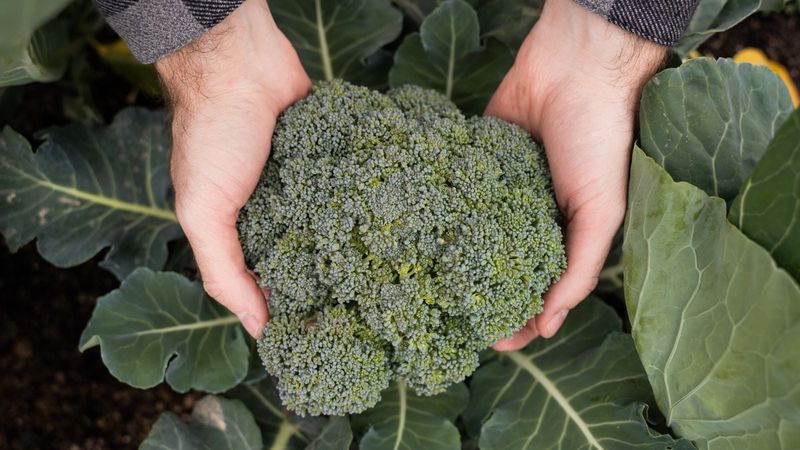
If a warm spell is in the forecast and your broccoli head looks close to ready, cutting it early is almost always the better call. Penn State Extension recommends harvesting while the buds are still tight and dark green, before any yellow flowers open.
Accepting a head that is slightly smaller than you hoped for is a reasonable trade-off when the alternative is watching it open and lose quality over the next few days of heat.
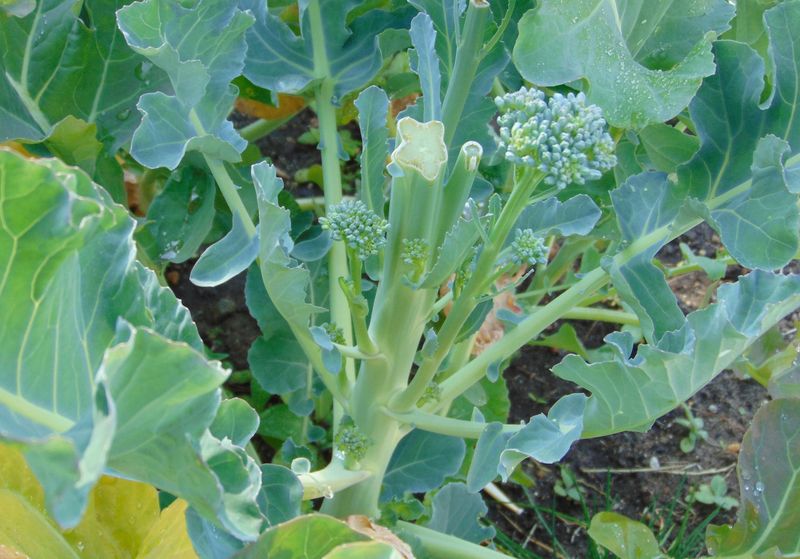
A head with elongated florets or a few yellow petals showing is not automatically destined for the compost pile. University of Georgia Cooperative Extension notes that side shoots often continue producing after the central head is cut, so removing a head that is starting to open can actually redirect the plant’s energy toward those secondary stems.
Green, firm florets and tender stalks from a loosening head are still edible and worth using promptly, even if the texture is a bit less crisp than peak-quality broccoli.
Newly opened broccoli flowers are also edible, though quality declines as the plant matures further. University of Minnesota Extension confirms that an overmature or heat-stressed head may be tougher or more bitter but is still usable when the florets remain green and firm.
Refrigerate harvested broccoli promptly and rinse it with clean water before eating, which is standard produce-handling practice.
The food-safety line to observe is separate from the quality line. Colorado State University Extension focuses spoilage warnings on slime, water-soaked tissue, mold, and off odors rather than on bitterness or flower development.
Ordinary bitterness or a looser texture in a heat-stressed head does not mean the broccoli is unsafe; it means quality has declined. Discard any portion that shows true spoilage signs, and handle the rest the same way you would any fresh vegetable.
Use steady moisture and temporary shade to limit stress
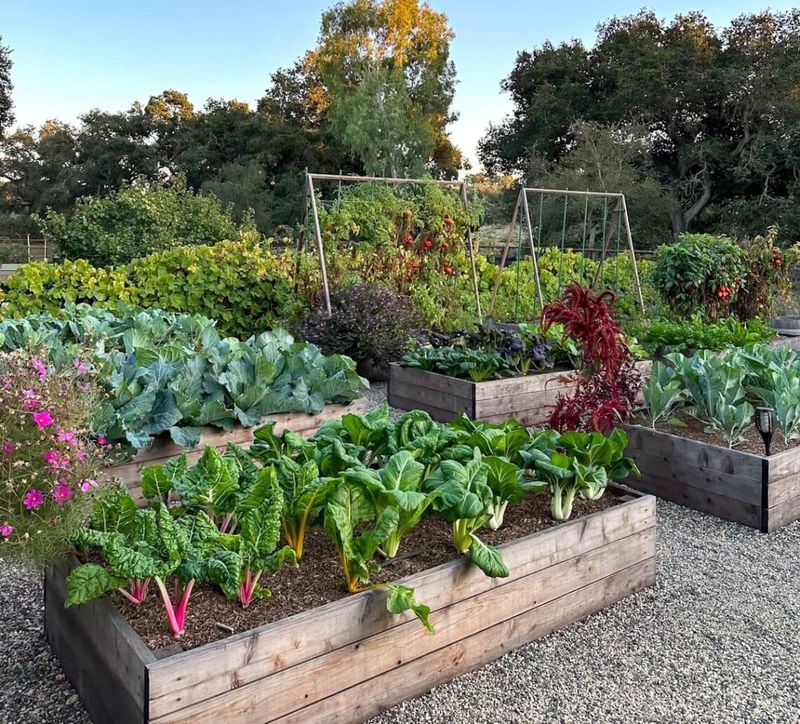
Water stress during head development compounds whatever heat is already doing to your broccoli. Utah State University Extension recommends roughly 1 to 2 inches of water per week as a starting framework, adjusted for rainfall and soil type.
That range is a guide rather than a precise prescription, because sandy soils drain faster, clay soils hold more, and a hot, windy week in Central Texas can pull moisture out of the ground far faster than a cool, overcast one.
The pattern of watering matters as much as the total amount. Letting plants wilt and then flooding them with water creates a cycle of stress that can affect head quality even when temperatures are not extreme.
Drip or low-flow irrigation delivers water closer to the root zone and reduces the evaporation that overhead sprinklers can accelerate during hot afternoons. A 2- to 3-inch layer of mulch around the base of the plants helps hold soil moisture, moderates root-zone temperature, and reduces the frequency with which you need to water.
Travis County Extension recommends temporary shade for young fall transplants during the hottest part of the day in Central Texas, which is practical advice for the establishment period when roots are still shallow and the plant is most vulnerable. A lightweight shade cloth that filters some afternoon sun without blocking airflow is the appropriate tool here.
Avoid opaque covers or solid structures that trap heat around the plants or cut off the light broccoli needs to grow properly.
Once plants are established and temperatures have moderated, full sun is preferable for normal growth. University of Georgia Cooperative Extension confirms that broccoli performs best in full sun, so temporary shade is a bridge strategy for extreme conditions, not a permanent setup.
The combination of consistent moisture, mulch, and targeted shade during establishment gives plants the best available buffer against Central Texas fall heat without creating new problems.
Check other causes before blaming the weather
Heat gets blamed for a lot of broccoli problems, but a loose or bitter head often has more than one cause. Texas A&M AgriLife Extension specifically lists excess fertilizer alongside heat and improper watering as causes of loose, puffy heads.
If you applied a heavy nitrogen boost hoping to speed up head development or to rescue a struggling plant, that fertilizer may have contributed to the problem rather than solving it. Adding more fertilizer to a heat-damaged head will not tighten it and may make a loose one worse.
Older or stressed transplants are another factor worth examining. University of Minnesota Extension’s brassica production notes indicate that overly large or root-bound transplants are more prone to early heading problems.
If you used transplants that had been sitting in small cells for too long before going in the ground, that history can influence head development even when the weather cooperates. Crowding is a related issue: plants that compete for light, water, and nutrients are more susceptible to stress responses including premature or loose heads.
Variety genetics also play a role that weather alone cannot explain. Some varieties are simply more prone to loose heads or are better suited to spring planting than fall production.
Insect damage and disease can disrupt head formation as well, so check the leaves, stems, and head for signs of caterpillars, aphids, or fungal spots before concluding that temperature was the only factor.
Bitterness deserves a careful read too. University of Minnesota Extension notes that bitterness from heat and stress is especially pronounced in leafy greens like lettuce and spinach; broccoli can become more bitter as it flowers or becomes overmature, but not every loose head will taste strongly bitter.
Bitterness alone is not proof of bolting, and it does not mean the broccoli is unsafe. Judge spoilage by texture, odor, slime, and mold, which are the signs that indicate the broccoli should be discarded, separate from flavor quality.
Give the next planting a better chance
After diagnosing what happened to the current crop, the most useful thing you can do is build a short action list for next season. Start by identifying whether the head flowered prematurely, buttoned early, or simply sat on the plant too long.
Each of those outcomes points to a different adjustment, whether that is shifting the planting date, choosing younger transplants, or checking the crop more frequently as it approaches maturity.
Penn State Extension and Texas A&M AgriLife Extension both emphasize harvesting promptly as one of the most reliable ways to preserve head quality, so building a habit of checking plants every two or three days once a head appears is a low-cost improvement with a real payoff. Pairing that with consistent moisture, a layer of mulch, and temporary shade during establishment addresses the environmental stressors most likely to compound heat damage.
A warm snap may ruin the central head without ending the plant’s productive season. Healthy plants often push out side shoots after the central head is cut, and Utah State University Extension confirms that those secondary stems can continue producing for several more weeks.
Better timing, lower stress, and attentive harvesting improve the odds of tight, tender heads considerably, though no combination of practices can guarantee a perfect crop when Central Texas weather decides to run warm. The gardeners who stay flexible and harvest early when heat is on the way tend to eat better broccoli than the ones who wait for a perfect head that may never come.