
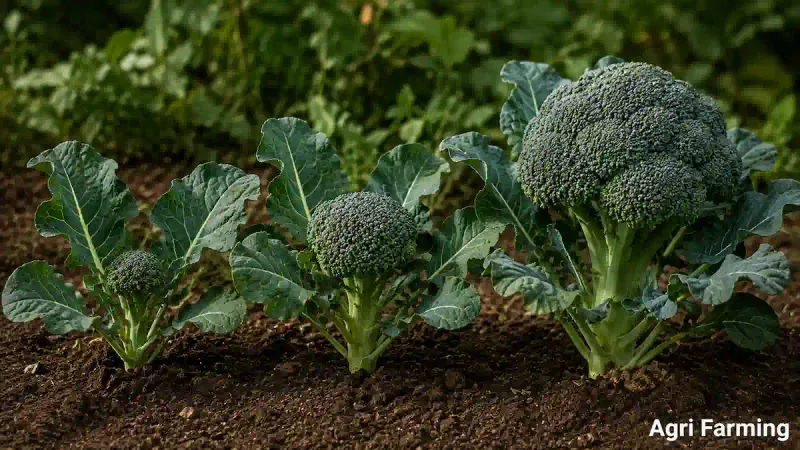
Stepping out to check your fall broccoli and finding marble-sized heads instead of full crowns is genuinely frustrating, especially when you did everything by the book. That tiny head has a name: buttoning.
A recent cold snap may have played a role, but the symptom alone does not tell the whole story, and knowing the difference matters for what you do next.
Those marble-sized crowns have a name: buttoning
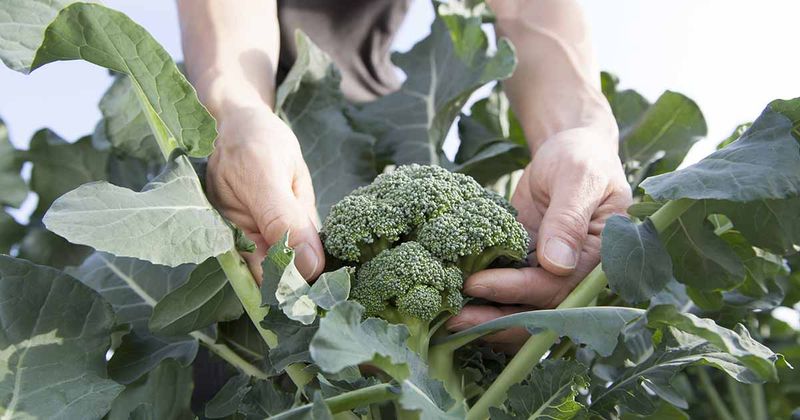
Broccoli buttoning is the term used when a plant forms a tiny flower head before it has grown enough leaves to support a full, marketable crown. The button looks like a miniature version of what you hoped to harvest, but it is not a compressed version of a normal head that will eventually open up and fill out.
It is a sign that the plant shifted into reproductive mode too early.
According to Utah State University Extension’s brassica production-problems guide, premature head formation happens when the plant reaches its reproductive stage before building adequate vegetative mass. That distinction matters because it frames the whole situation differently from frost damage or disease.
Frost damage injures or kills plant tissue, leaving wilted, water-soaked, or blackened leaves. Buttoning, by contrast, produces a structurally normal but undersized head on an otherwise living plant.
The foliage may look perfectly green and healthy while the central head sits at the size of a large marble or a golf ball.
The visual symptom alone cannot tell you what caused the buttoning. University of Minnesota Extension’s cool-season crop problem guide notes that multiple stressors can push brassicas into premature reproduction.
A cold snap is one recognized trigger, but it is far from the only one. Reassuringly, a buttoned plant is not a dead plant, and your next steps depend on understanding what actually happened rather than assuming the worst.
How a cold snap may push an undersized plant to head
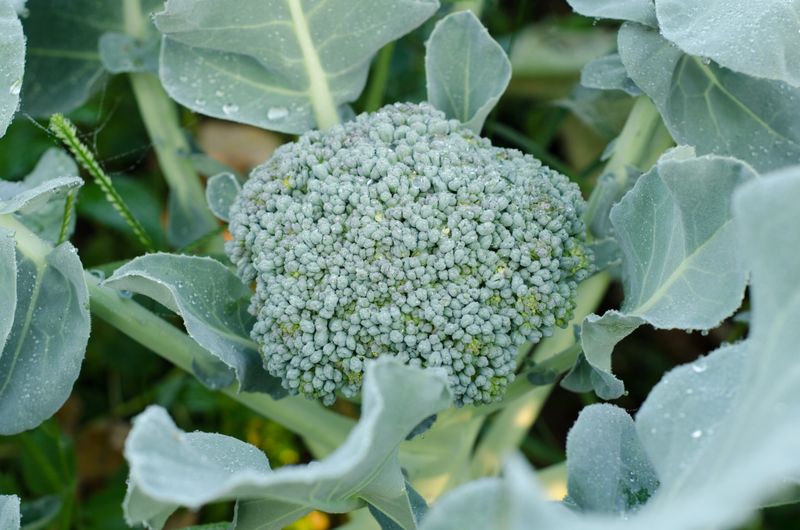
Broccoli is a cool-season crop, but that does not mean any cold is welcome at any stage. Young transplants that have not yet established a strong root system or built a full canopy of leaves are particularly sensitive to an abrupt temperature drop.
When a chill arrives before the plant is ready, it can interrupt normal vegetative growth and push the plant toward forming a flower head at a much smaller size than intended.
The mechanism works roughly like this: low temperatures slow the rate at which the plant produces new leaves. If chilling is pronounced enough and the plant is young enough, the reproductive trigger can activate before the plant has accumulated the leaf mass it needs to channel energy into a large crown.
Research published on environmental factors influencing broccoli inflorescence formation confirms that temperature plays a significant role in determining when and how the plant transitions from vegetative to reproductive development.
One important distinction: surviving a cold night is not the same as avoiding developmental stress. Utah State University Extension’s broccoli guide notes that properly conditioned broccoli can tolerate temperatures approaching the mid-20s Fahrenheit for short periods.
But unhardened or recently transplanted seedlings may experience internal developmental disruption at temperatures that do not visibly injure the leaves at all.
The Texas A&M AgriLife Extension cole crops guide reinforces this point by recommending that transplants be hardened off before going into the field. A plant that moves directly from a warm greenhouse or indoor shelf to a cool fall garden has no time to adjust its physiology, making it more vulnerable to a temperature swing that a properly conditioned plant might handle without issue.
Cold-induced buttoning and frost damage can coexist, but they are separate problems. A plant can button without showing any frost injury, and a plant can suffer frost damage without buttoning.
Treating them as the same thing leads to the wrong response, which is why the visual symptom alone is never enough to close the case.
Does the timeline point to cold—or another interruption?
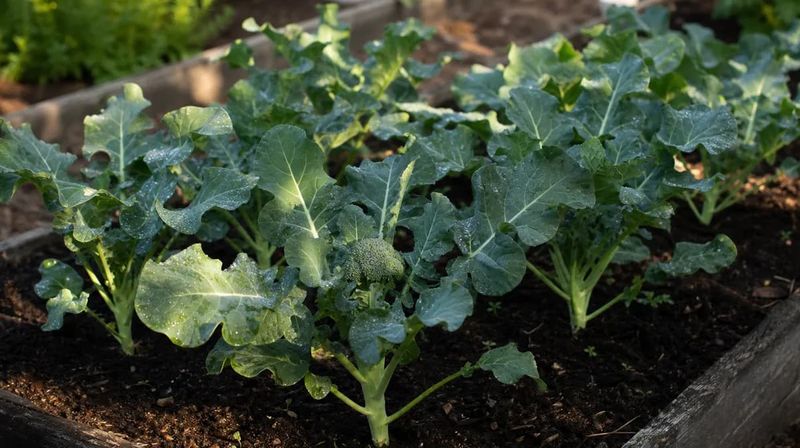
Before settling on a cold snap as the explanation, run through a short mental checklist. The cold diagnosis fits best when three things are true together: the plants were transplanted recently, they had not yet developed much leaf growth, and an abrupt chill arrived before the tiny heads appeared.
If that sequence matches your garden’s timeline, cold is a reasonable candidate. If the timeline does not line up cleanly, something else may have triggered the buttoning.
Start by checking your watering records. Moisture stress during early establishment is a well-documented cause of premature head formation.
University of Minnesota Extension’s broccoli growing guide lists inconsistent watering alongside temperature stress as a contributor to developmental problems in young brassicas. If the transplants went through a dry spell in their first couple of weeks, that alone could explain the buttons.
Next, consider heat. Central Texas fall gardens can still see warm afternoons well into October, and high temperatures can reduce head quality and disrupt normal crown formation just as effectively as cold.
Utah State University’s brassica production-problems resource specifically lists heat as a trigger for buttoning, which is easy to overlook when a cold snap happened to occur around the same time.
Then flip over a few leaves and look closely. Caterpillars, aphids, and other feeding insects can damage growing points and stunt vegetative development in ways that redirect the plant toward early reproduction.
Minnesota Extension’s cool-season crop problem guide notes that pest pressure and disease can mimic the growth interruptions caused by temperature stress. Check the undersides of leaves for eggs or colonies, and look at the central growing point for any discoloration or rot.
Finally, think about transplant size and age. Oversized, root-bound, or over-aged transplants are more prone to buttoning than compact, well-proportioned seedlings.
If the plants at the nursery already had six or more mature leaves and were sitting in small cells, they may have been primed to head regardless of what the weather did after you brought them home.
Central Texas timing and transplant size set the odds
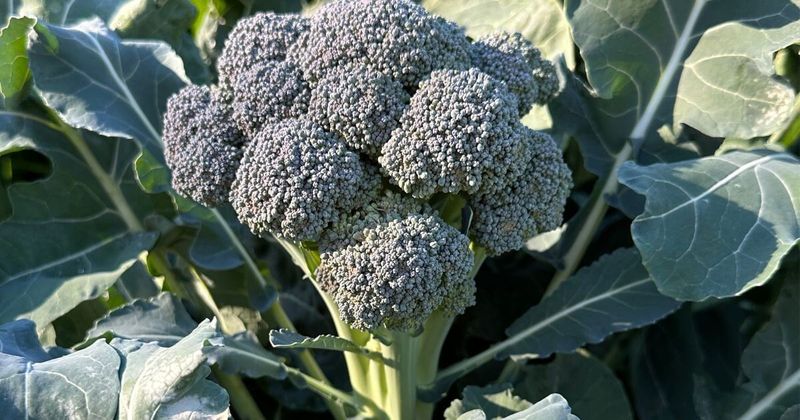
Fall broccoli in Central Texas has a narrower window than many gardeners expect. The goal is to get plants established and growing during warm-enough conditions for root development, while still allowing the heads to form during genuinely cool weather.
Texas A&M AgriLife Extension’s broccoli page identifies August through October as the broad fall planting window for Central Texas, with harvests generally targeted for October through December.
The specific recommended dates shift depending on which Texas gardening region you are in. The Texas A&M fall vegetable gardening guide lists August 20 as the last optimum fall planting date for Region II and September 20 for Region III.
Planting too late compresses the establishment window and increases the chance that a sudden cold snap will catch young, unprepared transplants. Planting too early means the plant spends its earliest weeks in summer heat that discourages head formation.
Transplant size plays an equally important role. Utah State University Extension’s planting and thinning guide recommends transplants with around four to six mature leaves as the target for field setting.
Plants with significantly more leaves, especially those that are root-bound or have been in their cells too long, are more likely to button when they encounter any stress after transplanting.
Choosing the right transplant at the nursery is straightforward once you know what to look for. Pass over anything that looks leggy, has roots escaping from the drainage holes, or already shows a tiny head forming at the center.
Utah State University’s broccoli garden guide recommends compact, healthy transplants set at the same depth they grew in the container, with consistent moisture maintained from the moment they go into the ground.
The Texas A&M cole crops guide adds that newly set transplants should be kept well-watered while their restricted root systems establish in the bed. The combination of the right timing, the right plant size, and reliable early moisture gives Central Texas fall broccoli the best odds of building a large crown before any cold interruption arrives.
Why the original button is unlikely to become a full crown
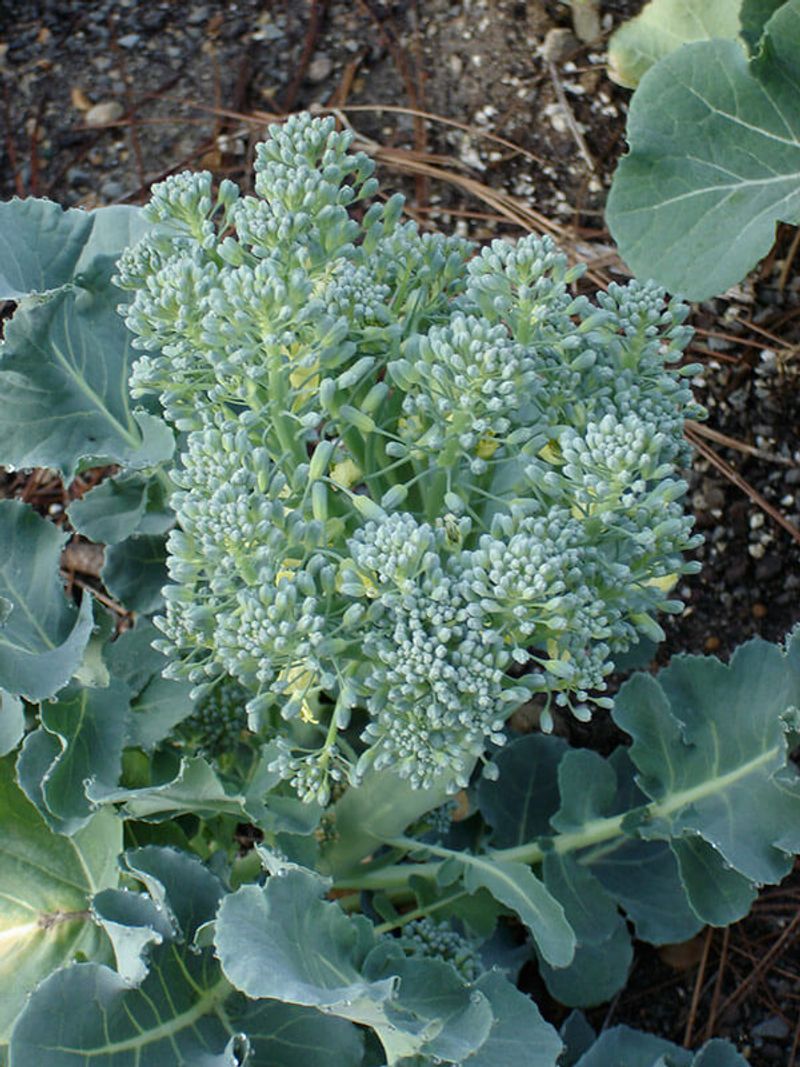
Once a broccoli plant has committed to forming a central head, that head’s final size is essentially fixed by the leaf mass the plant had at the time it began forming. No reliable treatment is known to reverse established buttoning and turn a marble-sized central head into a normal full crown.
The plant has already made its developmental decision, and the growing point that would have produced more leaves is now directing its energy into the flower structure.
Setting that expectation clearly matters because it changes the priority. The goal is no longer to save the original head but to get something useful from the plant and, if possible, to encourage lateral shoots.
University of Minnesota Extension’s broccoli guide recommends harvesting the central head while the buds are still tight and compact, before any yellow flowers open. Once the buds begin to open and turn yellow, the flavor and texture decline quickly.
Harvesting the button is not the same as removing the plant. Cut the small head cleanly with a sharp knife, leaving the stem, leaves, and lower growing points intact.
Utah State University Extension’s harvest and handling guide notes that after the central head is removed, healthy broccoli plants can produce smaller lateral shoots in the weeks that follow. Those side shoots will not be full crowns either, but they are real, edible broccoli that can extend the season meaningfully.
The practical takeaway is this: a buttoned plant with healthy foliage and no disease or severe pest damage is still a productive plant. Removing it entirely makes sense only if it is diseased, heavily infested, or taking up space you need for a replacement crop.
Otherwise, harvest the button and keep the plant growing.
Keep a healthy plant for a chance at side shoots
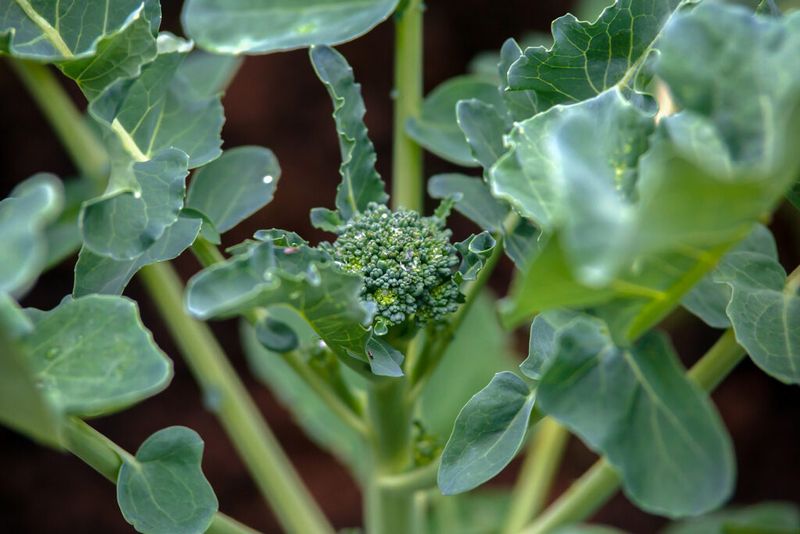
After cutting the central button, the plant’s job is not over. Broccoli that retains healthy leaves and an intact lower stem has a reasonable chance of producing lateral shoots over the following weeks.
Those shoots form at the leaf axils along the main stem and can yield small but very usable florets, particularly if the plant still has several weeks of suitable growing weather ahead.
Moisture management is the most immediate priority. Even watering, without letting the soil dry out completely between sessions or become waterlogged, supports continued root function and shoot development.
Utah State University Extension’s broccoli guide suggests roughly one to two inches of water per week as a general framework, but that range should be adjusted based on rainfall, soil type, mulch coverage, and whether plants are in a raised bed or in-ground. In Central Texas, soil and weather conditions vary enough that checking soil moisture directly is more reliable than following a fixed schedule.
The Texas A&M fall vegetable gardening guide cautions that while newly transplanted fall plants need consistent moisture, saturated soil creates its own problems for root health. The target is steady, even moisture rather than either extreme.
Before adding any fertilizer, inspect the plant carefully. Check leaf undersides for caterpillar egg masses and aphid colonies, examine the central stem for soft spots or discoloration, and look at the growing points for any signs of disease.
University of Minnesota Extension recommends ruling out pest and disease pressure before attributing all problems to temperature or nutrient status.
If the plant looks genuinely healthy and you want to support side-shoot development, a soil test is the most reliable way to determine whether additional nitrogen is appropriate. The Utah State University fertilizer guide recommends soil testing before applying nutrients rather than using fertilizer as a reflexive fix.
A modest side-dressing of nitrogen, applied according to the fertilizer label and based on actual soil conditions, may support continued vegetative growth and lateral shoot production. It will not reverse the buttoning, but it can help the plant make the most of the growing season it has left.
Utah State’s harvest guide confirms that side shoots are the realistic follow-up crop after the central head is removed, not a full replacement crown.
Prevent buttoning in the next fall planting
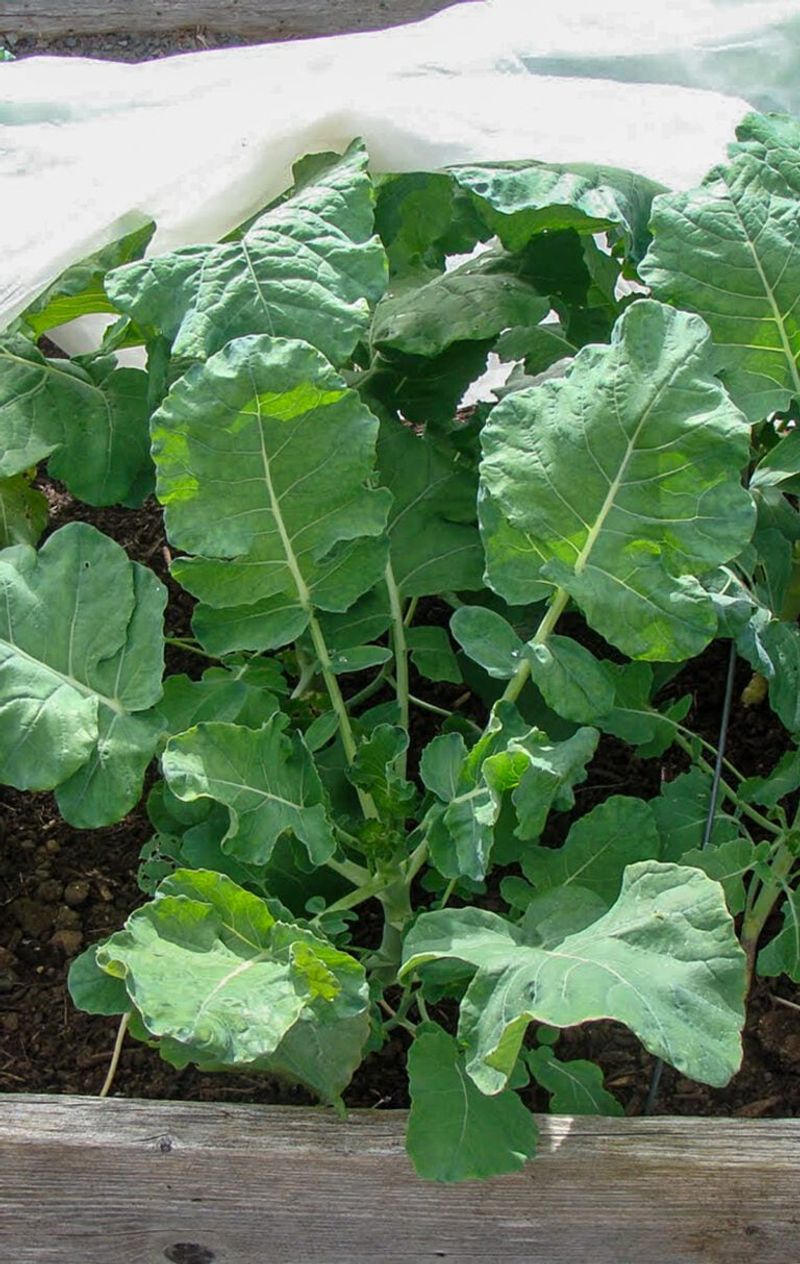
The most effective prevention strategy combines the right timing, the right transplant, and a careful establishment period. Start by confirming your specific Texas gardening region’s recommended planting dates rather than using a single statewide calendar.
The Texas A&M fall vegetable gardening guide provides region-specific windows that account for the real differences in climate between locations across Central Texas. Planting within those windows gives the crop the best chance of maturing during genuinely cool weather without rushing through establishment.
Select compact, healthy transplants with four to six mature leaves and no visible root crowding. Pass on anything that already shows a tiny head forming or looks like it has been sitting in its container for weeks past its ideal transplant size.
Texas A&M AgriLife Extension’s cole crops guide recommends setting transplants at the same depth they grew in the container and watering them in thoroughly at planting.
Hardening off is a step that pays dividends in fall planting. Plants grown in a greenhouse or indoors need a gradual transition to outdoor conditions over seven to ten days, with increasing sun exposure and cooler temperatures each day.
The Texas Vegetable Growers Handbook, Chapter IV recommends hardening transplants before field setting as a standard practice for reducing establishment stress.
Fabric row covers can provide a modest buffer against abrupt temperature drops after transplanting. They work by trapping heat near the plant and moderating the temperature swing between day and night.
Texas A&M notes that floating row covers may provide roughly three to four degrees of frost protection, which can be meaningful for a brief cold snap but is not sufficient against a hard freeze. Covers also need ventilation as daytime temperatures climb, since trapped heat can stress plants just as effectively as cold.
Utah State University Extension’s broccoli guide reinforces that row covers are a supplemental tool, not a substitute for sound planting dates or proper plant selection. Consistent moisture during the first two to three weeks after transplanting rounds out the prevention plan and gives roots the support they need before any weather challenge arrives.
Treat the button as a harvest, not a failure
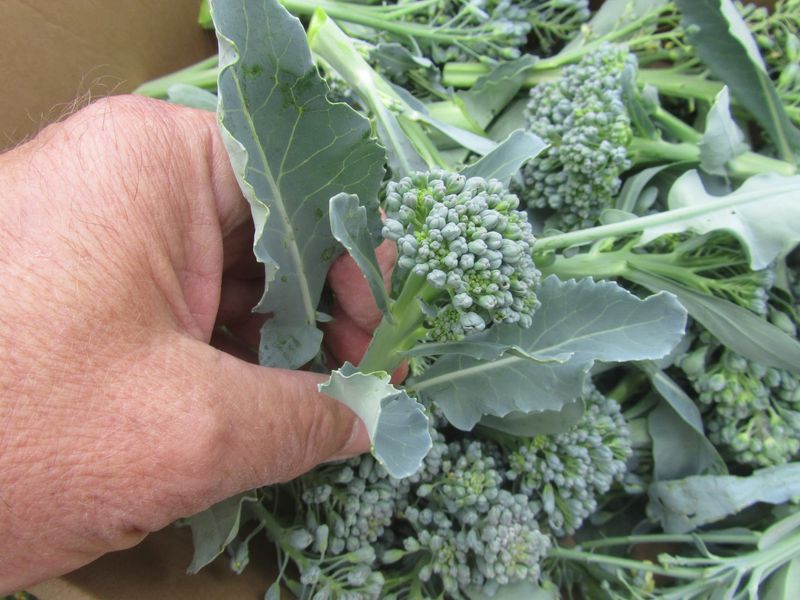
A marble-sized broccoli head is disappointing compared to what you planted for, but it is still food worth eating and a plant worth keeping. Cut the button while the buds are tight, before any yellow flowers appear, and you have a perfectly good, if small, harvest.
University of Minnesota Extension confirms that harvesting promptly preserves the best flavor and texture.
Once the button is off, review the timeline: when did you transplant, when did the cold arrive, and what did your watering and fertilizer history look like? That sequence tells you far more about the actual cause than the visual symptom alone.
Utah State University Extension’s production-problems guide is a useful reference for matching your specific conditions to the most likely trigger.
Keep the plant in place if the foliage is healthy, maintain even moisture, and watch for lateral shoots over the coming weeks. Adjust your timing and transplant selection for next season using your region’s specific planting window from Texas A&M AgriLife Extension.
A buttoned plant is not a wasted season; it is a detailed lesson in what your garden’s fall conditions actually look like.