
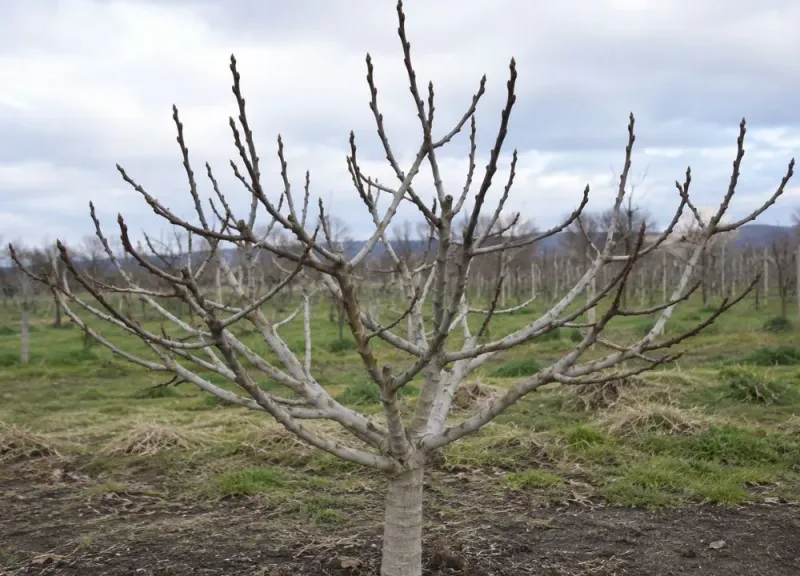
Every fall, Central Texas fig owners walk outside to find their tree stripped bare and start wondering if something went wrong. The good news is that a healthy fig dropping its leaves in late fall or early winter is almost always doing exactly what it should.
Understanding the difference between normal dormancy and a real problem can save you from unnecessary worry and help your tree thrive next season.
Late-fall leaf drop usually signals normal dormancy
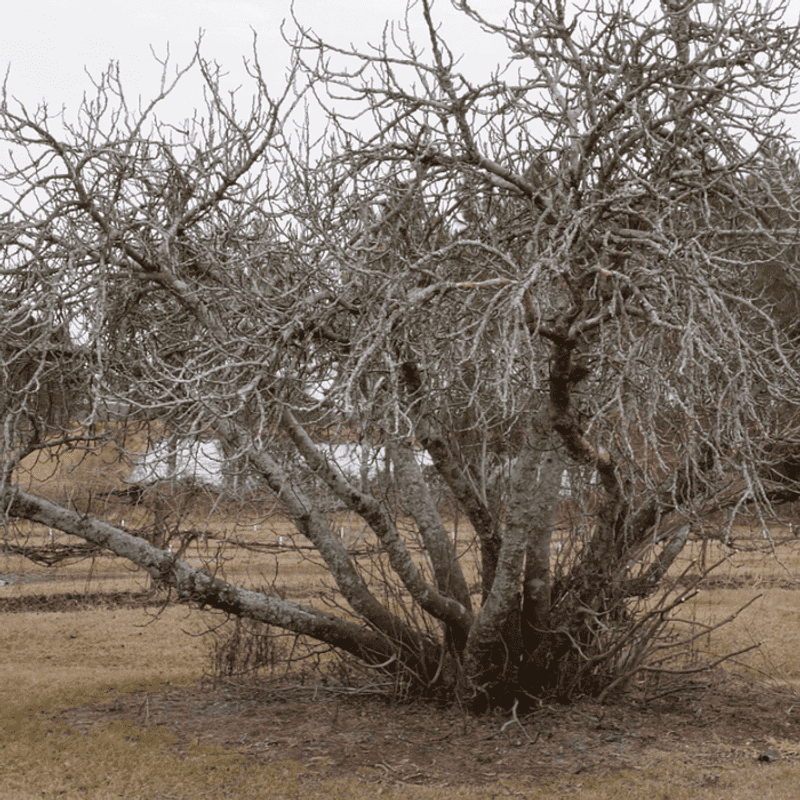
Bare branches on your fig tree in late fall or early winter are far more likely to be a sign of good health than a warning sign. USDA guidance on Southern fig production specifically describes Southern fig trees losing their leaves and remaining dormant for several months each year.
That cycle is a normal part of how figs survive winter, not evidence that something is dying.
One practical reason this matters is cold tolerance. A fig that has fully entered dormancy handles freezing temperatures better than one still pushing out new leaves.
Trying to keep your tree green and growing into December can actually leave it more vulnerable to cold damage, not less.
A bare canopy does not mean the tree is dead. Dormant wood can look completely lifeless while the buds and roots remain perfectly viable.
Texas A&M AgriLife guidance on growing figs treats seasonal dormancy and freeze preparation as routine parts of fig care in Texas, not emergencies to be prevented.
The useful question to ask is not whether leaves are falling but how and when they are falling. Gradual leaf drop in late fall, after growth has visibly slowed and temperatures have cooled, fits the expected pattern.
Leaf loss during summer, or a sudden collapse of foliage accompanied by spots, discoloration, or dieback, calls for a closer look at timing, soil conditions, and what the leaves themselves looked like before they fell.
Seasonal light and temperature cue the winter shutdown
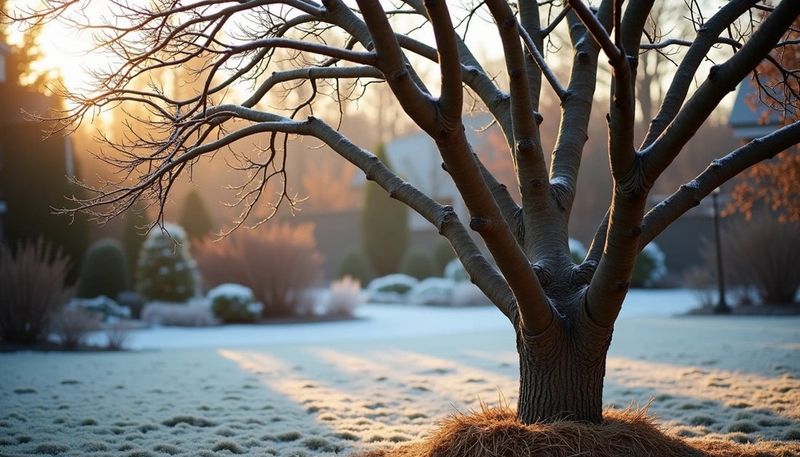
The title of this article points to root stress as the cause of autumn leaf drop, but the fuller picture is more nuanced. Dormancy in deciduous plants, including figs, reflects a combination of shortening day length and cooling air temperatures rather than a single proven trigger tied to soil conditions alone.
Mississippi State University Extension guidance on chilling hour requirements explains how fruit trees read accumulated cold exposure as a signal to break dormancy in spring, which means the entry into dormancy in fall is part of the same seasonal cycle driven by temperature and light. University of Illinois Extension research on warm winter weather and plant dormancy reinforces that photoperiod and temperature work together to govern when plants shut down for the season.
For figs specifically, University of Florida IFAS guidance on the fig notes that common cultivars require relatively modest chilling, often no more than about 100 hours at or below 45 degrees Fahrenheit, for normal bud development. That low threshold helps explain why figs thrive across the warm-winter South, including Central Texas, but it also means the trees are reading subtle seasonal cues rather than waiting for a dramatic cold snap.
Autumn soil temperature and root activity do change as the season shifts. University of Illinois Extension notes on autumn root growth confirm that roots continue to function after leaves drop, taking up water and storing energy while air temperatures stay mild.
Cooling soil slows that activity, but available extension guidance does not identify soil cooling as the sole or primary cause of leaf abscission in figs. Avoid expecting your tree to defoliate on a fixed date or at a specific soil temperature.
Cultivar, tree age, recent drought history, and the timing of cold fronts all shape when leaves actually fall in any given Central Texas yard.
Root-zone moisture can intensify premature leaf loss
Root stress does not cause normal autumn dormancy, but it can make leaf drop happen earlier, faster, or more severely than it otherwise would. Fig roots tend to stay relatively close to the soil surface, which puts them at the mercy of whatever the top few inches of soil are doing during a dry Texas fall.
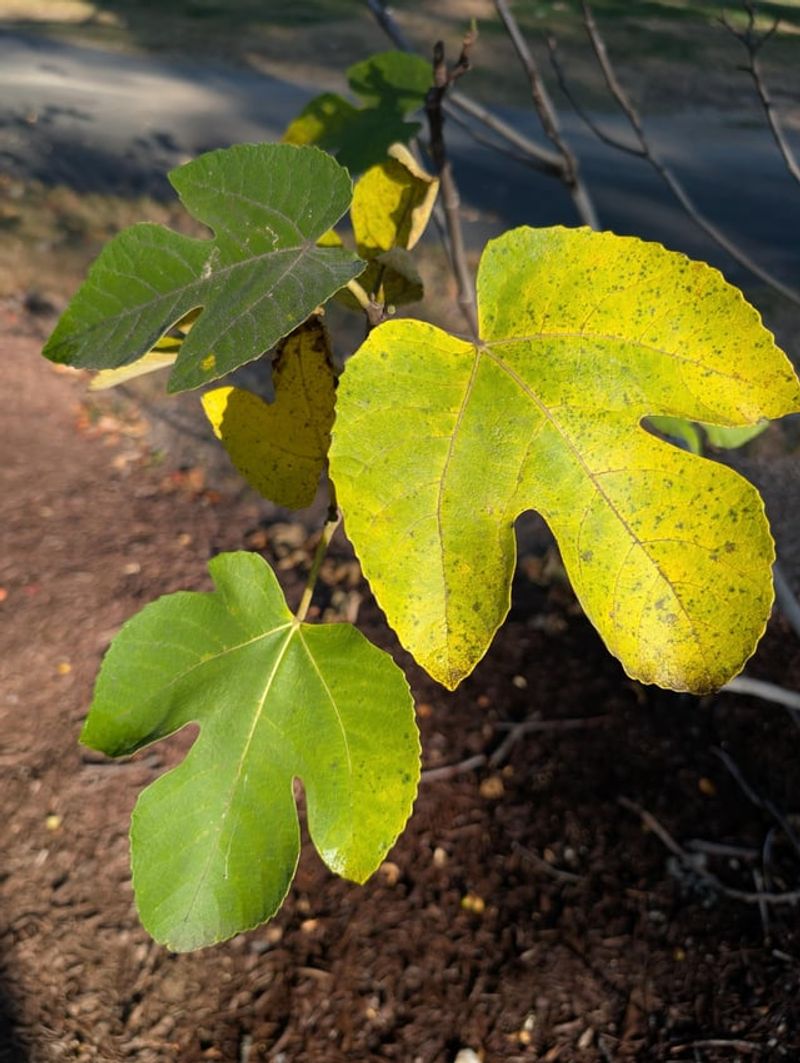
Texas A&M AgriLife fig guidance recommends watering as drought develops and using organic mulch to help maintain more consistent soil moisture around those shallow roots. When the root zone dries out significantly during the growing season or early fall, the tree may respond with wilting, yellowing or browning leaves, premature leaf drop, and even fruit loss well before dormancy would naturally begin.
The opposite problem, saturated or poorly drained soil, creates its own kind of root injury. Waterlogged soil cuts off the oxygen supply that roots need to function, and North Carolina Cooperative Extension fig growing tips confirm that poor drainage is one of the conditions that can stress or injure fig roots over time.
Texas A&M Forest Service guidance on tree leaf loss distinguishes between leaf drop during the active growing season, which warrants investigation, and expected seasonal decline as temperatures cool and days shorten. If your fig started losing leaves in July or August, or if the leaves turned yellow and spotted before falling, moisture stress or another problem is more likely than routine dormancy.
A gradual, clean leaf drop that begins after growth has clearly slowed in late fall fits the expected seasonal pattern much better.
Checking the soil rather than the calendar is the most practical first step. Push a finger or a screwdriver several inches into the root zone.
Bone-dry soil in September or October, especially on a shallow or sandy site, is a stronger signal of moisture stress than the fact that leaves are falling in November.
Water and mulch by soil conditions, not the calendar
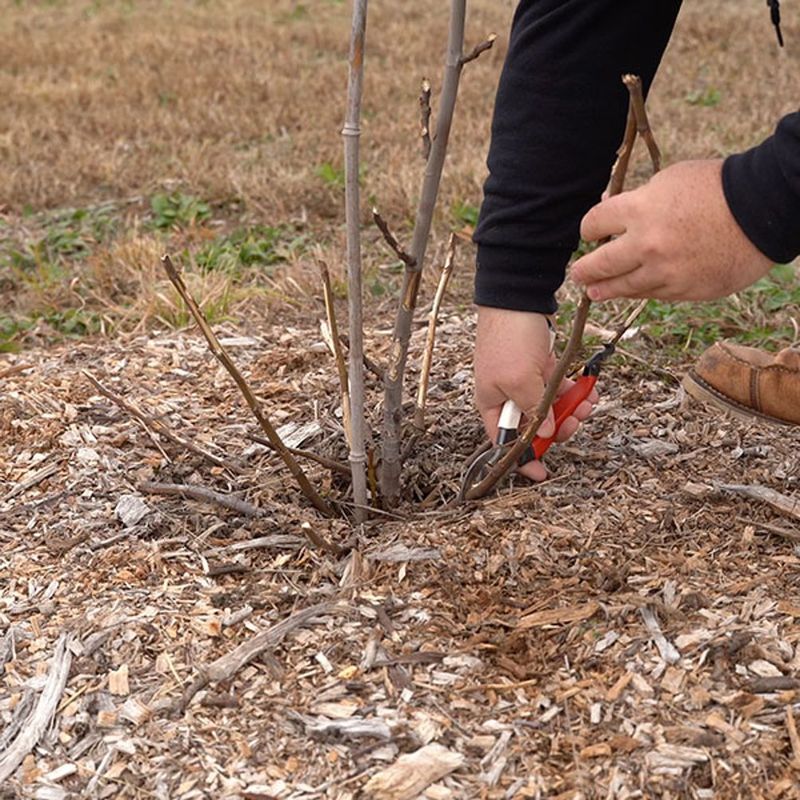
A dormant fig still needs water. Dropping its leaves does not make the tree drought-proof, and the roots continue to function at a reduced level through winter.
The goal is to keep the root zone from drying out completely while also avoiding the waterlogged conditions that cause their own kind of injury.
Condition-based watering means checking the soil rather than following a fixed schedule. Push a finger or a soil probe several inches into the root zone near the drip line of the canopy.
If the soil feels dry at that depth, water thoroughly and let the excess drain away before you water again. Texas A&M AgriLife fig guidance supports this approach, emphasizing adequate moisture without saturation.
University of Maryland Extension guidance on growing figs reinforces that newly planted trees and trees in shallow or sandy soil need closer attention because their root zones dry out faster than established trees in heavier soil.
Organic mulch does two useful things at once. It slows moisture loss from the soil surface and moderates the temperature swings that the root zone experiences between warm afternoons and cold nights.
Spread a layer of wood chips, shredded leaves, or similar material over the root zone, but keep it a few inches away from direct contact with the trunk or stems. Mulch piled against the trunk traps moisture and can contribute to rot or disease problems at the base of the tree.
One specific situation worth planning for is a hard freeze after a dry fall. Texas fruit and nut production guidance recommends watering fig trees thoroughly a few days before a hard freeze when the fall has been dry.
Moist soil holds heat better than dry soil and can reduce freeze injury to shallow roots. This is a targeted practice for dry conditions before a specific weather event, not a reason to keep the soil continuously wet through the winter months.
Fall leaf drop does not rule out fig rust
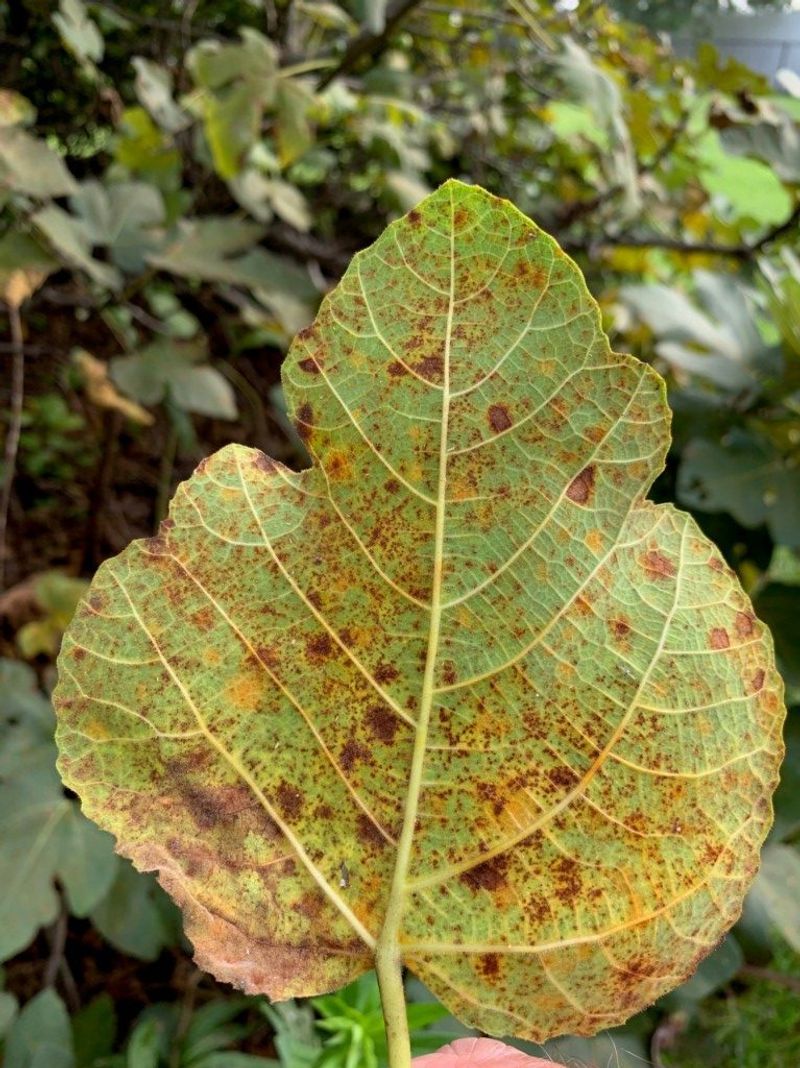
Seasonal timing alone is not enough to confirm that your fig is simply dormant. Fig rust is a real disease in Texas, and its symptoms can overlap with the end of the growing season in ways that are easy to misread as ordinary leaf drop.
The Texas A&M Plant Disease Handbook entry on fig identifies fig rust as a significant disease concern for Texas growers. The infection produces yellow or orange spots on the upper surface of leaves, often accompanied by orange or brown spore-producing structures on the undersides.
Those pustules are a distinguishing feature that separates rust from simple drought yellowing or normal dormancy yellowing.
Texas A&M AgriLife fig production resources also flag premature defoliation as a consequence of rust infection. If your tree lost a significant portion of its leaves during summer, or if leaves fell with visible spots and lesions rather than clean yellowing, rust or another disease deserves consideration before you attribute the drop to dormancy.
Other symptoms worth noting include dieback on branch tips, distorted new growth, or unusual fruit loss earlier in the season. Texas A&M Forest Service tree decline guidance points out that multiple stress factors, including disease, pests, and environmental conditions, can compound over a season and show up as a decline that looks like dormancy from a distance.
Texas A&M AgriLife Ask Extension guidance on fig rust notes that rust is more prevalent in humid areas such as the Texas coast, where moisture favors fungal spread. Central Texas is drier, which does reduce rust pressure, but geography alone cannot confirm or rule out disease.
If you noticed rust-colored spots, abnormal timing, or branch dieback this season, save a few affected leaves or photograph the symptoms before the tree goes fully bare, and contact your county extension office for a diagnosis.
Protect dormant wood and preserve future crops
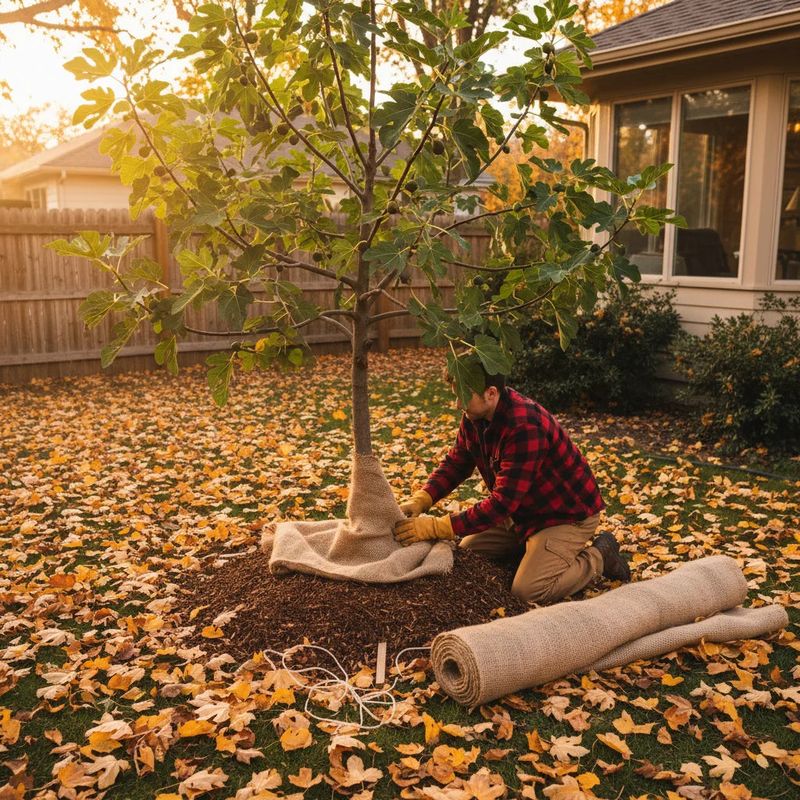
Getting a fig through a Central Texas winter in good shape starts with understanding how the tree is structured and what kind of cold it is likely to face. Texas growers commonly plant figs in a multi-trunk or bush form rather than as a single-trunk tree, and that choice is practical.
Texas A&M AgriLife fig guidance notes that multi-trunk forms are easier to protect from freezes and that young trees in colder parts of the state may need added protection such as hay or other insulating material placed around the base and stems after dormancy begins.
Pruning during dormancy is a reasonable task, but the timing and intensity matter. Removing dead, diseased, and weak limbs is straightforward and generally appropriate once the tree has gone dormant.
Aggressive pruning is a different matter. University of Florida IFAS fig guidance warns that heavy winter pruning can eliminate the following year’s early crop on cultivars that produce a breba crop on older wood.
If your cultivar produces an early summer crop on last year’s wood, cutting that wood away in winter removes the buds that would have become fruit.
The main crop on many common fig cultivars develops on current-season growth, so the picture is not entirely discouraging even after a hard winter. Penn State Extension winterizing guidance and University of Maryland Extension fig resources both confirm that a tree producing its crop on new wood can still fruit after losing older wood to cold, as long as the roots survive and the tree pushes healthy new growth in spring.
Production the following year depends on several factors working together: which cultivar you are growing, how much winter injury occurred, whether the root system stayed healthy, how the tree was watered and maintained, and whether surviving wood is present to carry an early crop. A leafless tree in January is not a promise of fruit in July, but it is also not a verdict against it.
The condition of the wood and the vigor of spring growth will tell you more than the bare canopy does right now.
Use spring growth to judge freeze damage
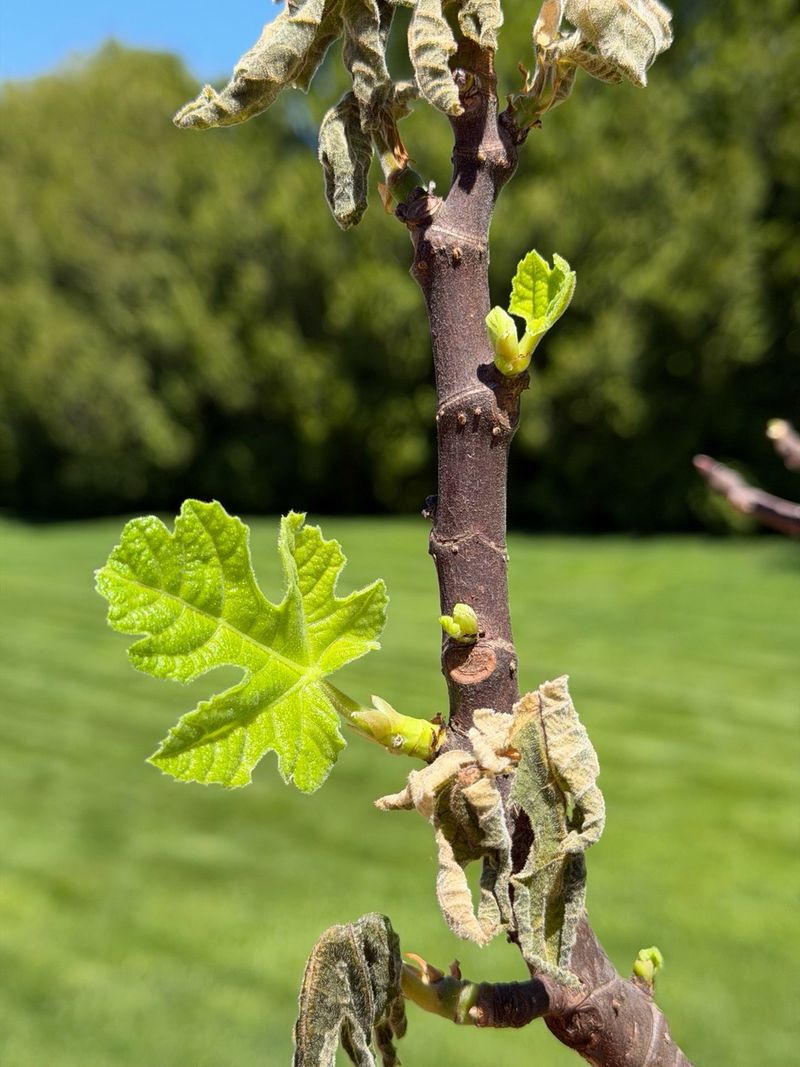
Patience is the most useful tool you have once your fig goes bare in fall. Cutting away branches that look dead in December or January can remove wood that would have leafed out perfectly well by April.
North Carolina Cooperative Extension fig tips specifically advise waiting until spring growth makes clear which wood is alive before removing questionable branches.
The practical decision rule is straightforward. Late-fall leaf drop after growth has slowed, combined with no unusual spots, lesions, or active-season defoliation, usually reflects normal dormancy.
Dry or waterlogged soil through the fall can intensify stress and push defoliation earlier or harder than expected. Visible rust spots, summer defoliation, dieback, or distorted growth warrant a closer look and possibly a call to your county extension office.
USDA Southern fig production guidance and Texas A&M AgriLife fig resources both treat dormancy as a healthy, expected part of the fig’s annual cycle. Keep the root zone from drying out completely, avoid fertilizing or irrigating in ways that push tender new growth before winter, protect young or exposed trees from hard freezes, and then wait.
A fig that wakes up in spring with strong new growth from healthy wood is a fig that was dormant, not dying.