
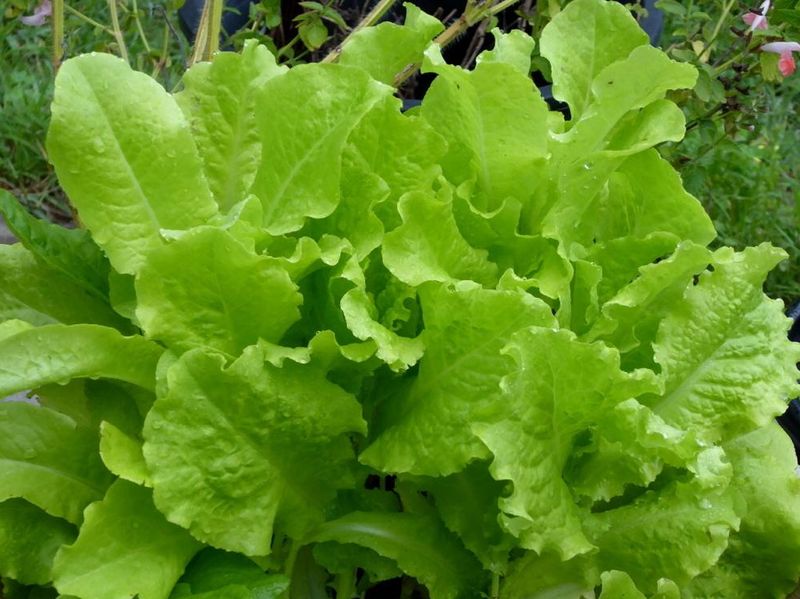
Fall lettuce in Central Texas can go from tender to harsh-tasting faster than most gardeners expect, and lingering late-summer warmth is often part of the reason. When temperatures stay high day after day, lettuce reacts by toughening its leaves, slowing leafy growth, and sometimes sending up a flower stalk before the season feels ready.
Understanding what is actually stressing the plant helps you act at the right moment, whether that means adjusting your watering routine, adding some afternoon shade, or simply pulling the current crop and replanting on a better schedule.
Sustained heat, not one warm night, usually starts the bitter turn
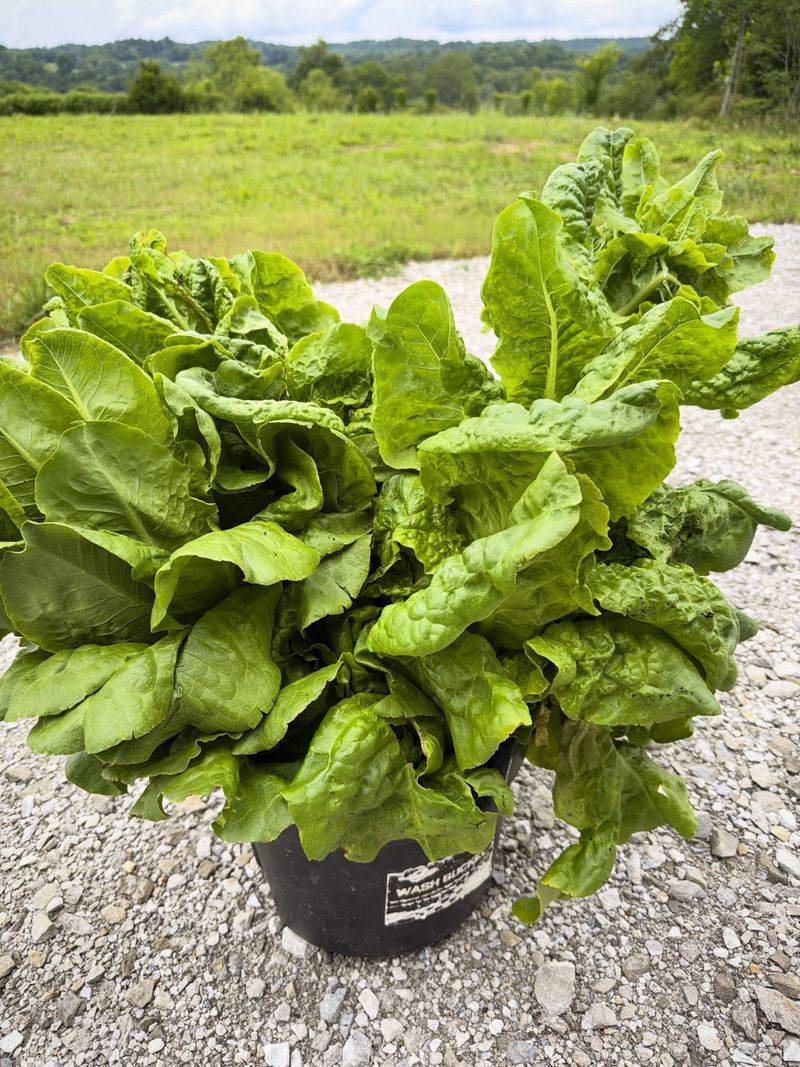
Lettuce is a cool-season crop, and Central Texas falls can keep it under pressure longer than gardeners expect. When heat persists day after day rather than breaking overnight, the plant slows its leafy growth, begins redirecting energy toward reproduction, and produces compounds that make leaves taste harsh.
Texas A&M extension guidance identifies hot weather and long days as key drivers of bolting and poor lettuce quality, framing the problem as a sustained-heat issue rather than a response to a single warm evening.
Warm nights can be part of the problem, but only because they extend the overall heat load the plant is carrying. A night that stays warm does not allow the plant to recover from a hot afternoon, so accumulated stress builds faster.
Controlled research on lettuce heat response demonstrates that bolting accelerates under sustained high day-and-night temperature regimes, but that finding does not establish one universal nighttime number that triggers bitterness in every variety or every Central Texas garden.
Moisture stress layered on top of heat compounds the problem further. Lettuce has shallow roots, and when soil dries out between waterings during a warm spell, the plant experiences two stresses at once.
University of California cooperative extension notes that heat and water stress together can push quality decline faster than either stress alone. The practical takeaway for Central Texas gardeners is that bitterness during a warm fall spell usually reflects a combination of prolonged high temperatures, inconsistent soil moisture, and plant age, not a single overnight temperature crossing some threshold.
That distinction matters because it changes where you focus your effort. Chasing one temperature number misses the bigger picture.
Addressing the full heat load, steadying soil moisture, and harvesting before the plant fully commits to flowering gives you the most leverage when fall warmth refuses to let up.
Bolting gives you the clearest field clue
Flavor alone is not enough to confirm what is wrong with your lettuce. Bitterness can come from heat stress, drought, moisture swings, an older plant past its prime, or simply a cultivar that runs bitter in warm conditions.
To move from suspicion to diagnosis, look at the plant’s physical structure before drawing conclusions.
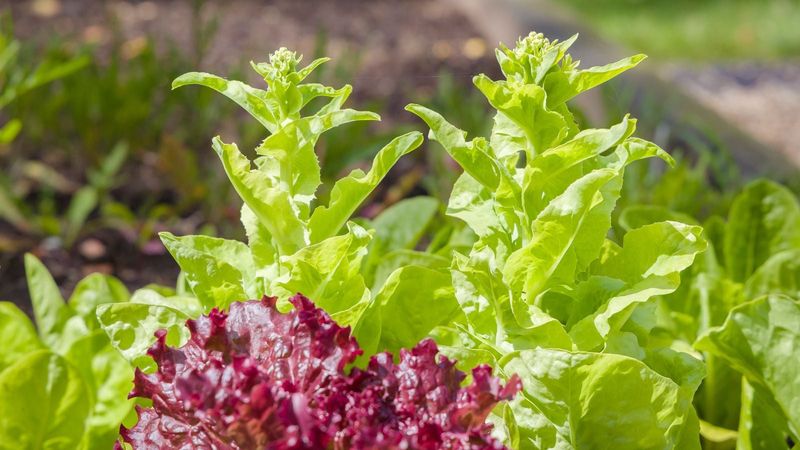
UC IPM’s bolting guidance describes the clearest signs as an elongated center, taller-than-normal growth, and the emergence of a flower stalk rising above the leaf canopy. If you see the plant stretching upward, leaves becoming smaller and more pointed toward the top, and a distinct stem forming in the center, bolting is the most likely explanation.
At that stage, the plant has committed to reproduction, and cutting the stalk may delay further flowering for a short time but will not restore the leaf quality you had before the transition began.
A bitter crop without those structural changes points somewhere else. Utah State University extension notes that heat stress, drought, and age can all affect flavor without triggering full bolting, so a plant that tastes harsh but still looks compact and leafy may simply need better moisture management and some protection from afternoon heat.
University of Minnesota extension similarly distinguishes between stress-related quality decline and true bolting, which requires visible structural changes for confident identification.
One more possibility deserves a mention. If your lettuce is bitter but also stunted, yellowing, or showing distorted or unusually dense central growth that does not look like a normal flower stalk, aster yellows is worth considering.
That disease is spread by leafhoppers and produces symptoms that overlap with heat stress in some ways, so a plant showing multiple abnormal signs beyond simple bitterness may need a different diagnosis entirely. Remove and dispose of clearly diseased plants rather than composting them.
Steady moisture keeps heat from becoming a double stress
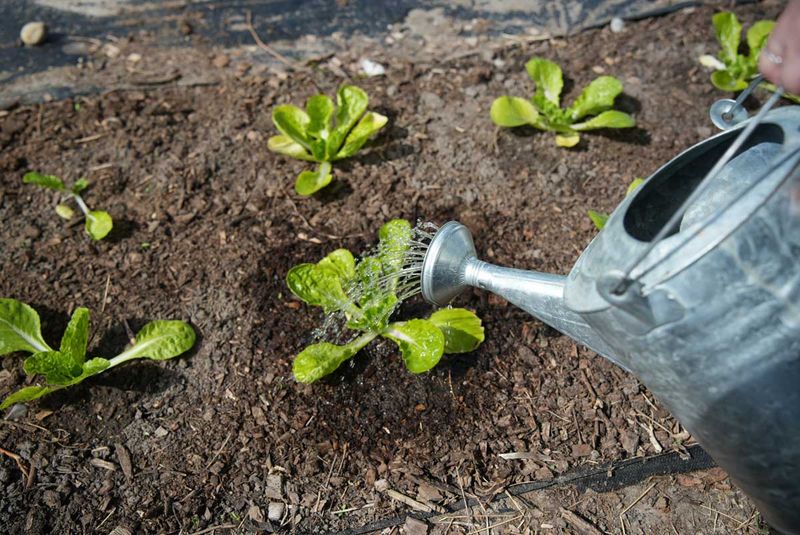
Shallow roots make lettuce one of the most moisture-sensitive vegetables in the garden. When soil swings between dry and saturated during a warm stretch, the plant cannot maintain steady water uptake, and that instability adds a second layer of stress on top of the heat it is already managing.
Texas A&M AgriLife extension recommends thorough watering rather than light, automatic daily sessions, and advises gardeners to check soil moisture and adjust frequency based on soil type and current weather rather than following a fixed schedule. Sandy soils drain faster and may need watering more often; clay soils hold moisture longer and are more prone to staying saturated if overwatered.
The goal is soil that stays consistently moist a few inches down, not soil that alternates between dusty and waterlogged.
A layer of organic mulch around the base of the plants can slow how quickly the soil surface dries between waterings. Apply it loosely so air can still circulate, and keep it pulled back slightly from the plant crown.
UC cooperative extension guidance on lettuce production supports mulching as a moisture-conservation tool, particularly during warm weather when evaporation rates climb. Keeping foliage from staying constantly wet also matters, since prolonged moisture on leaves can invite fungal problems.
Consistent moisture will not sweeten leaves that have already bolted or reverse bitterness from severe heat stress. What it does is remove one of the stresses that accelerates quality decline, giving the plant a better chance of staying in the tender window a little longer.
Utah State University’s vegetable water guidance reinforces that vegetable watering frequency should reflect actual soil and weather conditions rather than a universal daily rule, a point that applies directly to Central Texas gardens where summer-to-fall transitions can bring unpredictable rain and heat.
Afternoon shade lowers the heat load without shutting out growth
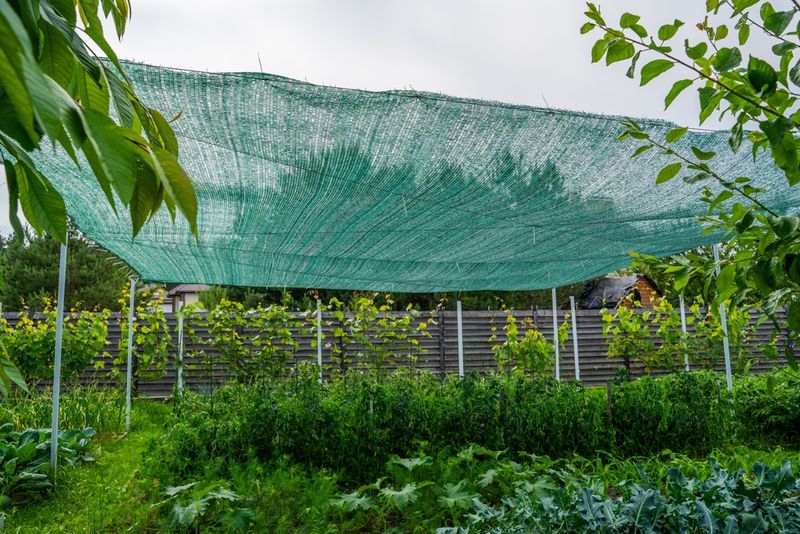
Placing lettuce in full sun all day makes sense in cooler months, but during a warm Central Texas fall it can accelerate exactly the stress you are trying to avoid. Afternoon sun, particularly from roughly 1 p.m. onward, delivers the most intense heat of the day, and lettuce absorbs that load directly through its leaves.
Texas A&M AgriLife extension recommends giving lettuce only a few hours of direct sun and shade for the remainder when growing through warm Southern conditions. Shade cloth stretched over low hoops or the natural shadow cast by taller crops such as tomatoes or pole beans can accomplish this without requiring permanent structures.
UC IPM guidance on heat injury to lettuce also recommends shading during warm weather specifically to reduce heat-related injury and bolting pressure.
The limit to this approach is worth keeping in mind. Shade that blocks too much light for too many hours can reduce photosynthesis and slow productive growth.
The goal is to cut the peak afternoon heat load, not to move the plant into near-darkness. A 30 to 50 percent shade cloth generally strikes a workable balance for lettuce in warm conditions, letting in enough light for steady growth while taking the edge off the most damaging heat of the day.
Shade is a helpful tool for reducing stress, not a guarantee that bolting will stop if temperatures remain persistently high.
The next tender crop starts with timing and plant choice
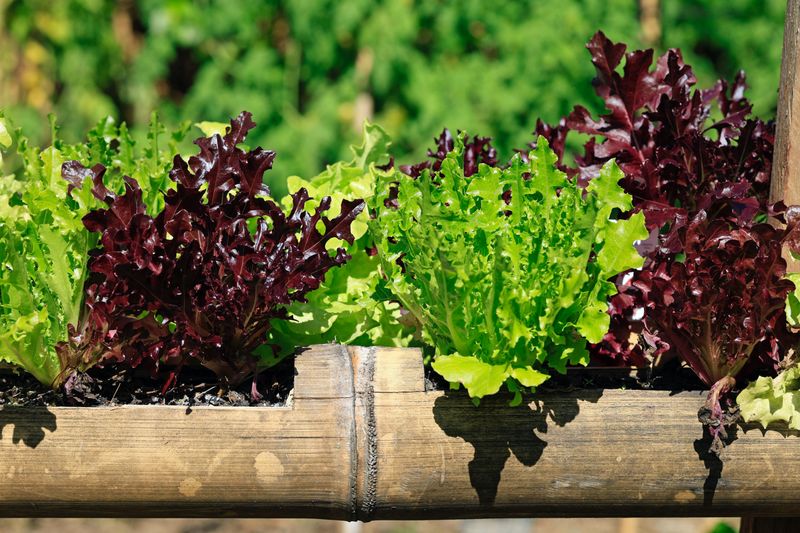
Once the current crop has gone bitter or bolted past saving, the most productive move is planning the next planting rather than trying to rehabilitate damaged leaves. Lettuce is a cool-season crop, and in Central Texas the fall window is the season’s best opportunity to grow it well.
Getting the timing right matters more than almost any other factor.
Texas A&M’s looseleaf lettuce guidance identifies September as the ideal Central Texas planting month, with harvest generally expected in November. Travis County and Austin-area resources echo a similar late-September to October window for cool-season crops.
That timing is specific to Central Texas; the statewide Texas fall vegetable gardening guide divides the state into five regions with different recommended dates, so a date that works in the Hill Country may not apply to the Gulf Coast or the Panhandle.
Cultivar selection can improve your odds during a warm fall. UC cooperative extension variety comparisons support choosing looseleaf, heat-tolerant, or slow-bolting types when planting into marginally warm conditions.
Texas A&M lists Red Sails, Salad Bowl, Buttercrunch, and Paris Island among varieties recommended for Texas gardens. None of these cultivars is immune to extreme heat, warm soil, drought, or poorly timed planting, but they tend to hold quality longer than varieties bred for cool, mild climates.
Starting from transplants rather than direct-seeding can help when late-summer soil stays too warm for reliable germination. Travis County Master Gardener guidance notes that lettuce can be seeded or transplanted in fall, while Texas A&M’s fall vegetable guide points out that transplants often establish more reliably when soil temperatures are still high.
Water new transplants consistently as their roots expand into the surrounding soil, and do not assume that transplanting alone eliminates the need for shade or moisture management during the first few warm weeks.
Harvest young leaves before the plant spends its quality
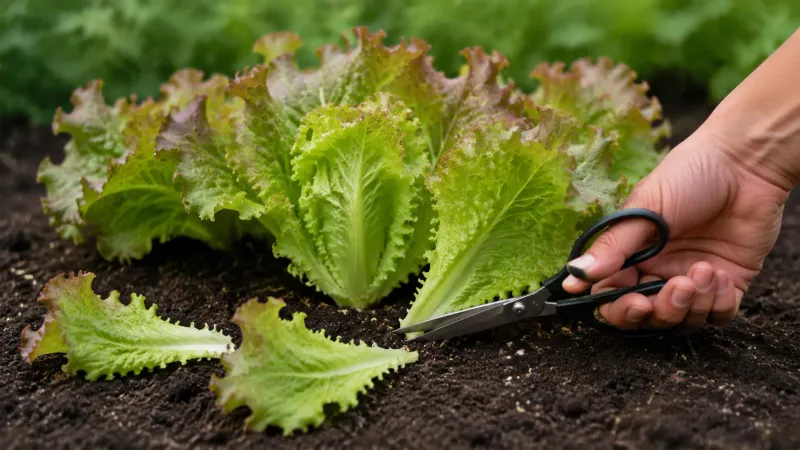
Young leaves are almost always more tender than older ones, and with lettuce, waiting too long to harvest is one of the fastest ways to lose the quality window. Picking outer leaves as soon as they reach a usable size, rather than letting the whole head mature at once, keeps the plant productive and gives you the most palatable harvest before heat stress or bolting takes over.
Cut-and-come-again harvesting, where you remove outer leaves while leaving the growing center intact, can extend the useful period of a single plant by several weeks under favorable conditions. UC Master Gardener guidance on lettuce supports this approach as a way to keep harvesting from a plant that still has productive growth remaining.
Utah State University’s harvest and storage guidance notes that delayed harvest and overmaturity both contribute to tougher, more bitter leaves, reinforcing the case for picking early and often.
Successive plantings spaced two to three weeks apart give you a rolling harvest rather than one crop that ages out all at once. UC cooperative extension lettuce production guidance recommends staggered plantings for exactly this reason, and the strategy is especially useful in Central Texas where a warm spell can push one planting past its prime before the weather breaks.
After picking, cool the leaves quickly, handle them gently to avoid bruising, dry them before storing, and refrigerate promptly. Texas A&M’s looseleaf lettuce nutrition page and FDA guidance on temperature control for cut leafy greens both support rapid cooling for preserving crispness and safety.
Cold washing and refrigeration can make leaves feel more refreshing and may improve texture, but they will not reliably reverse bitterness that developed from severe bolting or chronic field stress. Do not eat lettuce that shows signs of disease, decay, or contamination, regardless of how it was harvested or handled.
Brown edges point to a different problem than bitterness
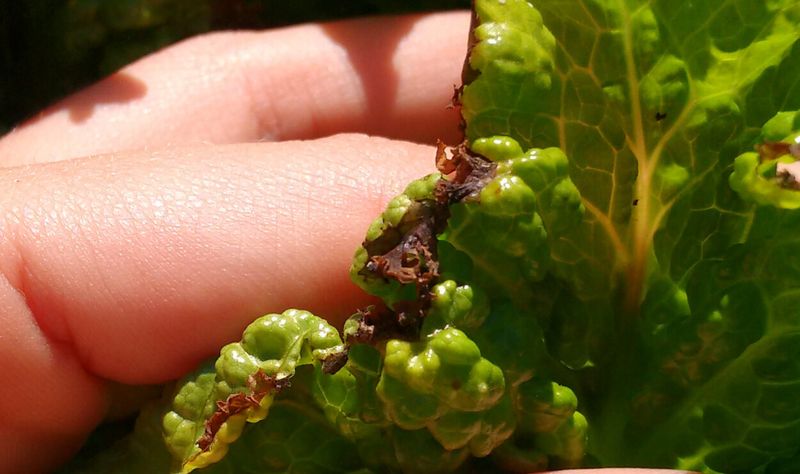
Brown or scorched leaf margins often appear at the same time as bitterness, which makes it tempting to treat them as the same problem. They are usually not.
Tipburn is a physiological disorder with its own set of causes, and diagnosing it correctly changes what you should do next.
UC IPM’s tipburn guidance for lettuce explains that the browning typically reflects impaired calcium transport to rapidly expanding leaf tissue rather than a simple shortage of calcium in the soil. High temperatures accelerate leaf expansion, water stress reduces the plant’s ability to move calcium through the transpiration stream, and the newest, fastest-growing tissue at the leaf margins gets burned as a result.
UC IPM’s home garden tipburn resource and Utah State University extension both describe the same mechanism and note that excess fertilizer can worsen the problem by pushing rapid, uneven growth.
Adding calcium fertilizer is not the right first response. If your irrigation has been inconsistent, the calcium transport pathway is already compromised, and adding more calcium to the soil does not fix the delivery problem.
Start by reassessing your watering consistency and heat exposure before assuming the soil is deficient. Reducing afternoon heat load, as covered in the shade section, and steadying soil moisture address the root causes more directly than a soil amendment applied in the middle of a warm spell.
Brown margins combined with bitterness, wilting, and a stretched center suggest the plant is under multiple stresses. At that point, decide honestly whether it is worth protecting the remaining leaves or whether the crop has run its course.
A plant showing all of those symptoms simultaneously is unlikely to recover into a productive, palatable harvest, and your effort is better spent preparing the bed for the next well-timed planting.
Act before the flower stalk takes the harvest
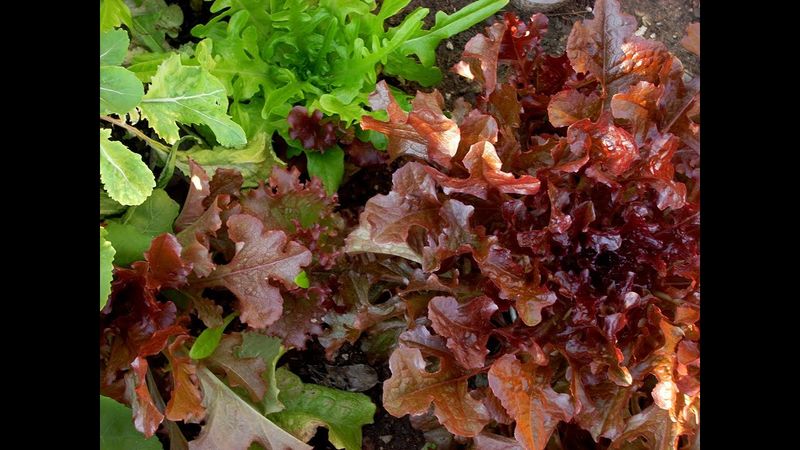
The sequence that protects your fall lettuce harvest is straightforward once you know what to watch for. Check plants every few days during a warm stretch.
Look at the center first: if it is elongating or a stalk is forming, bolting is underway and the harvest window is closing fast. Pick whatever young outer leaves are still palatable, then pull the plant and prepare the bed for a better-timed succession.
If the plant still looks compact, restore even soil moisture, add afternoon shade cloth if you have not already, and continue harvesting young leaves promptly. Travis County fall garden guidance reinforces that shade and consistent water together give Central Texas lettuce the best chance of staying productive through a warm spell.
Warm nights are part of the heat burden your plants carry, but they are not a single lever you can adjust in isolation. Managing the full picture, daytime heat, soil moisture, plant age, and variety, gives you more control than focusing on any one factor.
As the season progresses, Texas A&M AgriLife extension notes that lettuce can tolerate light frost but is vulnerable to hard freezes, so the same plants you are shading from heat in October may need row cover or cold protection by December. Travis County freeze guidance is a useful local reference as temperatures shift.
A well-timed fall crop in Central Texas faces heat at one end of the season and cold at the other – staying alert to both is what keeps the harvest coming.