
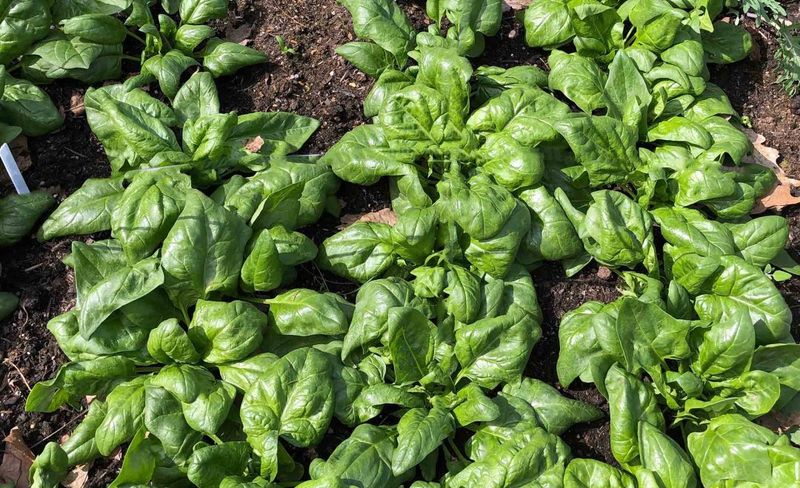
Fall spinach is one of the most rewarding cool-season crops a Central Texas gardener can grow, but getting it established in September means racing against lingering summer heat. When a warm spell rolls back in right after planting, young seedlings can turn pale, stop growing, or simply look defeated.
A warm night may be part of the problem, but it is rarely the whole story. Knowing how to inspect and diagnose your seedlings first will save you from chasing the wrong fix.
Lingering heat can disrupt a Central Texas fall planting
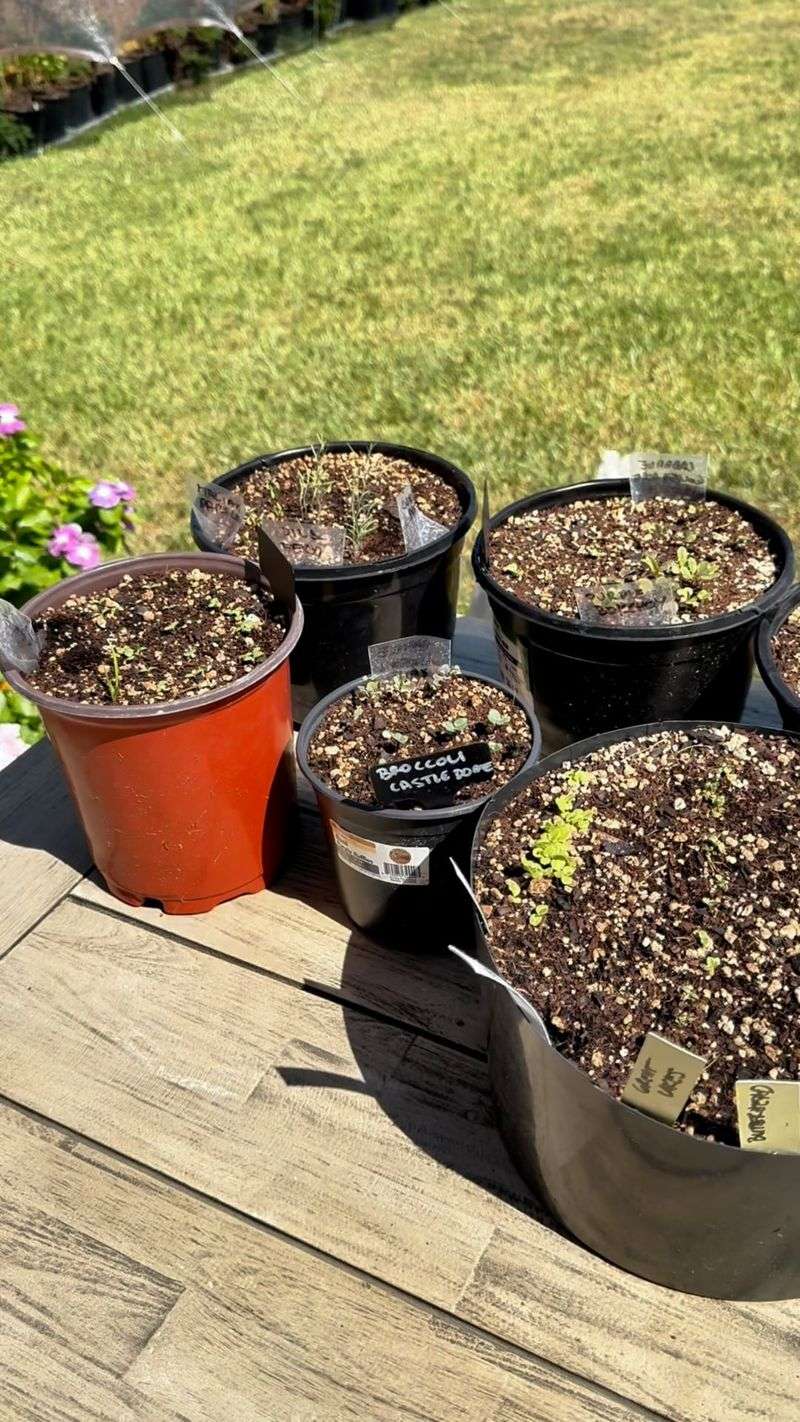
Central Texas gardeners are working with a narrow window when they plant fall spinach. Travis County Extension guidance places spinach seeding or transplanting in mid-to-late September, which means a warm spell in late September or early October can land directly on top of the crop’s most vulnerable stage.
That overlap is not a gardening mistake; it is simply the reality of establishing a cool-season crop while the region is still shaking off summer.
Spinach is built for cooler conditions from the start. Texas A&M AgriLife Extension categorizes spinach as a fall and early-spring crop and notes that hot weather stops production.
Seeds germinate best around 55-65 degrees Fahrenheit, and heat above 80 degrees can reduce germination significantly. Even seedlings that sprout successfully can stall when conditions stay warmer than the crop prefers.
Soil temperature is at least as important as air temperature in this picture. Texas A&M guidance on spinach establishment specifically warns that excessively high soil temperature can kill newly emerged fall seedlings and recommends planting when daytime soil temperature is no higher than 75 degrees Fahrenheit.
A stretch of warm fall days keeps the top inch of soil hot well into the evening, creating conditions that can injure seedlings even when air temperatures feel moderate by late afternoon.
All of that makes lingering heat a reasonable suspect when Central Texas fall spinach seedlings stall or pale. However, plausible does not equal proven.
Yellowing and stalled growth can come from several sources, and the sections that follow walk through an inspection and triage process to help you identify what is actually going on before you choose a response.
Warm nights may add heat stress, but they do not diagnose yellowing
Spinach has well-documented temperature preferences. Utah State University Extension puts the preferred growth range below 75 degrees Fahrenheit and confirms that temperatures above 80 degrees reduce germination.
When soil stays hot and air temperatures remain elevated through the night, the combined heat load keeps seedlings outside their preferred conditions around the clock, which can slow or stop early development.
Warm nights contribute to that overall heat load, but available home-garden guidance discusses combined air and soil temperature rather than a single nighttime number that universally triggers yellowing. Saying that warm fall nights caused your spinach to turn yellow skips several steps.
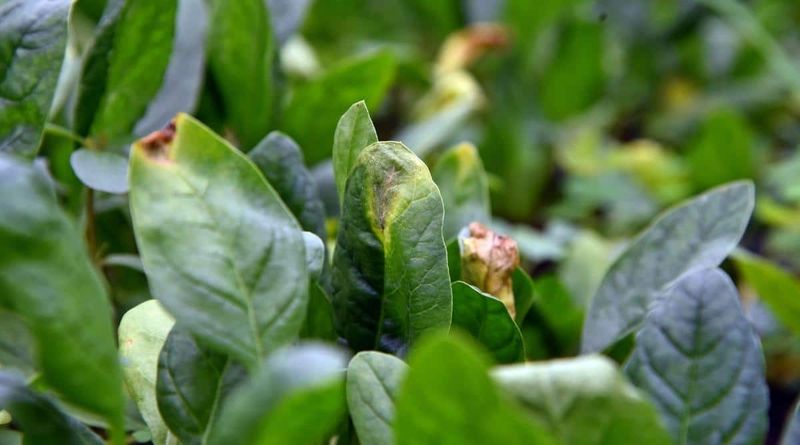
Heat can cause newly emerged seedlings to wither, collapse, or fail to fill out, but those are not the only things that produce pale or motionless seedlings. Excess moisture, poor drainage, damping-off, root rot, low light, unsuitable soil pH, and nutrient problems can all produce similar-looking results.
UC IPM guidance on heat injury to spinach and related crops notes that heat-stressed seedlings may wilt or fail to develop, but the guide treats heat as one cause among several rather than a default explanation for any yellowing. A seedling that is pale and motionless is not automatically a heat casualty, and it is not bolting either.
Heat and long days can push older, established spinach plants toward flowering, but a tiny seedling that has gone pale and still should be examined for other causes before any treatment is chosen.
Utah State guidance on seedling culture notes that cool-season seedlings grown under controlled conditions prefer night temperatures around 55 degrees Fahrenheit. Persistently warmer nights increase overall heat exposure, but the practical takeaway is that warm nights are a risk factor worth taking seriously, not a diagnosis you can read from leaf color alone.
Inspect the plants and the growing conditions before deciding what to do.
Inspect the stem and roots before treating the stand
Before reaching for a watering can, a shade cloth, or anything else, pull one or two struggling seedlings and look closely at what you find. Start at the soil line.
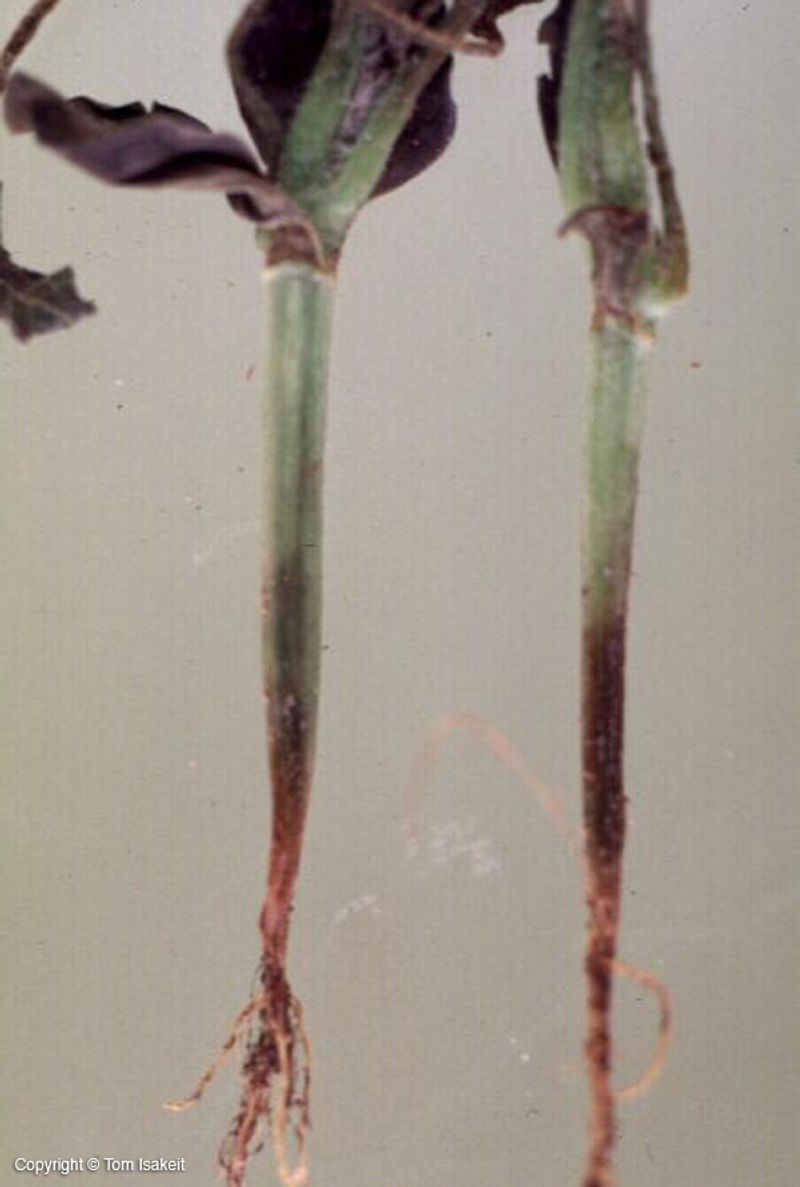
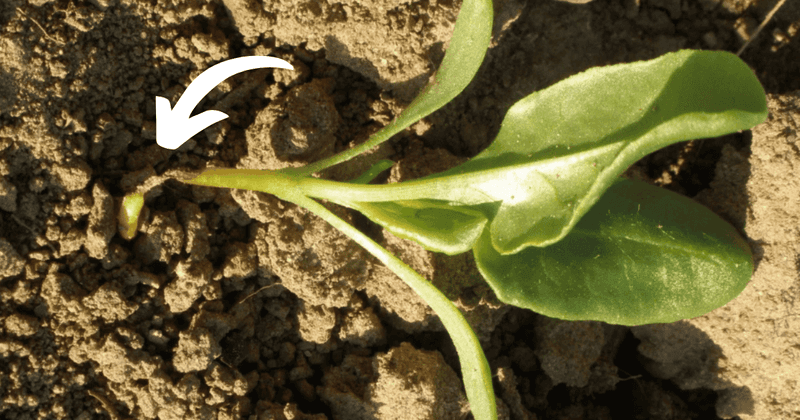
A healthy seedling stem should look firm, green or pale green, and consistent in thickness. A stem that is dark, pinched, or shriveled at the point where it meets the soil is a meaningful diagnostic clue that points toward damping-off rather than heat stress alone.
UC IPM’s profile of damping-off and root rot in spinach describes the characteristic pattern: the stem collapses or becomes constricted near the soil surface, and the seedling topples even though the leaves may still look normal at first. That collapse pattern differs from the general wilting or failure to develop that heat stress can produce, though the two problems can overlap when wet, warm conditions favor soilborne pathogens at the same time that air temperatures are elevated.
Next, look at the roots. Gently shake away loose soil and check whether the roots are white or light-colored, firm, and branched.
Brown, water-soaked, sparse, or rotted roots point toward root rot or chronically saturated soil. A seedling with very few roots, even if the ones present look clean, may simply not have had time or appropriate conditions to establish before stress set in.
UC IPM’s heat-injury guide acknowledges that heat damage and disease can look similar, which is exactly why this physical inspection matters. If stems and roots look structurally sound, the seedlings still have a realistic chance of responding to improved conditions.
If stems are shriveled at the soil line or roots are rotted, the treatment path changes significantly, and rescue becomes much less likely. Inspection does not guarantee a fix, but it tells you which direction to move.
Use leaf patterns and bed conditions to narrow the cause
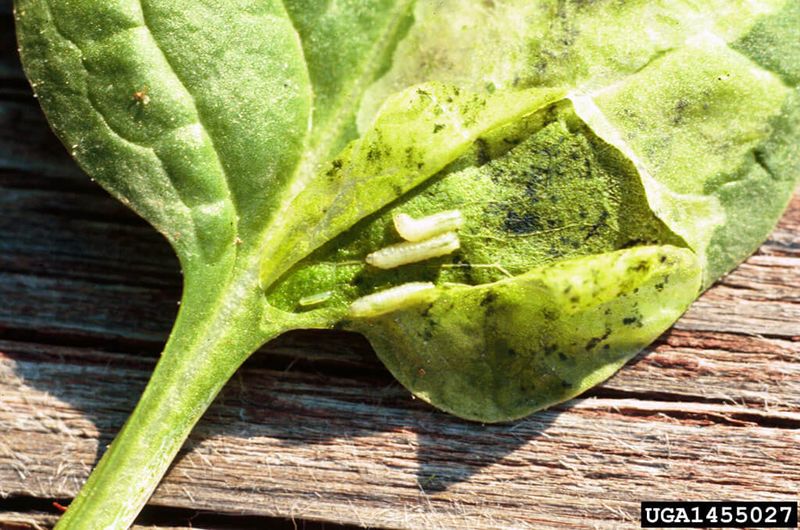
Stem and root findings tell one part of the story. Leaf patterns and the distribution of symptoms across the bed add the rest.
A stand where all the seedlings are uniformly pale and slow-growing but otherwise intact suggests something affecting the whole bed: heat load, moisture imbalance, low light, compacted or nutrient-poor soil, or a pH that is keeping nutrients locked up. That pattern does not confirm nitrogen deficiency, even though pale leaves are often the first thing that comes to mind.
Penn State Extension’s diagnostic guide for poor plant health emphasizes checking drainage, moisture history, light levels, and root condition before attributing symptoms to a nutrient problem. University of Minnesota’s spinach leaf-discoloration tool similarly walks through multiple possible causes for yellowing, including disease, overwatering, and environmental stress, rather than defaulting to a single explanation.
A different pattern calls for a different response. Irregular yellow or brown spots, fuzzy or powdery growth on the undersides of leaves, tiny serpentine mines running through leaf tissue, curled or distorted growth, or a mosaic of light and dark green across a single leaf all suggest disease or insect activity rather than temperature or moisture stress.
Compare affected seedlings with any that look healthy. If only the plants in a low-lying corner of the bed are struggling, drainage is a stronger suspect than ambient heat.
If the problem is scattered randomly through the bed, a soilborne pathogen or soil-quality issue becomes more plausible.
Watering history matters here too. The University of Georgia’s Southeastern Vegetable Crop Handbook notes that spinach prefers fertile, well-drained soil, and that poor drainage creates conditions favorable for root disease regardless of temperature.
If the bed stayed wet for several days after the last rain or irrigation, excess moisture may be driving symptoms that look like heat stress on the surface.
Cool and stabilize seedlings that still have healthy roots
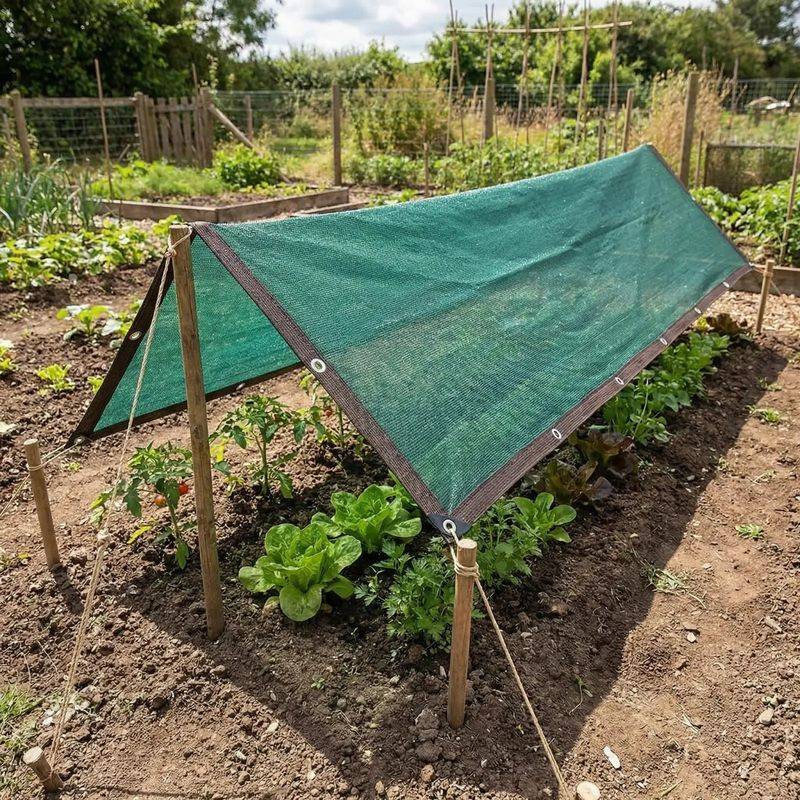
When your inspection shows that stems are firm, roots look healthy, and the symptoms fit heat or moisture stress rather than disease, a few targeted steps can help seedlings stabilize while you wait for cooler conditions. Temporary afternoon shade is the most direct tool.
A light shade cloth positioned over the bed during the hottest part of the day reduces the heat load on both seedlings and soil without cutting off the morning light that cool-season crops need. UC IPM’s heat-injury guidance supports using shade as a protective measure during warm spells for crops like spinach.
One important caution: avoid unventilated plastic row covers during a warm spell. Utah State Extension’s guidance on row covers notes that covers can trap heat when temperatures are already elevated, turning a protective tool into a problem.
Shade cloth or a ventilated fabric cover is a safer choice for heat relief than sealed plastic.
Moisture management runs a close second to shade in importance. Utah State’s spinach-growing guide recommends regular irrigation totaling roughly 1-2 inches per week as a general reference, adjusted for actual soil conditions and weather.
The goal is even moisture without saturation. Wet soil that stays waterlogged encourages root rot and damping-off pathogens, so the aim is consistent dampness rather than frequent heavy soaking.
Travis County Extension recommends drip or low-flow irrigation for leafy vegetables during Central Texas heat, which delivers water directly to the root zone without wetting foliage and helps maintain more consistent soil moisture between cycles. A thin layer of mulch placed a few inches away from seedling stems can reduce soil temperature swings and slow moisture loss between waterings.
Keep mulch clear of the stems themselves to avoid creating the warm, damp conditions that favor damping-off. These steps support recovery when heat or moisture stress is the likely cause, but they will not reverse confirmed disease, rotted roots, or a soil chemistry problem.
Test soil before correcting yellow leaves with fertilizer
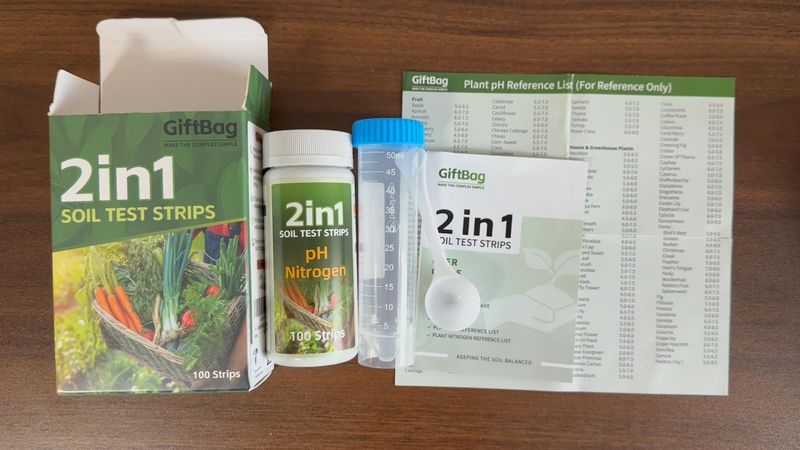
Pale leaves on young spinach seedlings almost always prompt the thought that the plants need fertilizer, but acting on that assumption without more information can make things worse. Fertilizer applied to stressed, shallow-rooted, or possibly diseased seedlings can injure the roots further rather than helping recovery.
The first step is to find out what the soil is actually missing, if anything.
The University of Georgia’s Southeastern Vegetable Crop Handbook gives spinach a preferred soil pH range of approximately 6.0-7.5 and recommends soil testing before applying fertilizer. A pH outside that range can lock up nutrients that are already present in the soil, making plants look deficient even when fertility is adequate.
Correcting pH with a lime or sulfur application based on a confirmed test result is more targeted than broadcasting fertilizer based on leaf color alone.
Penn State’s diagnostic guidance reinforces this approach by listing soil pH, drainage, and moisture history as factors to evaluate before attributing yellowing to a nutrient deficiency. General yellowing can result from heat, excess water, root damage, low light, disease, or pH problems, and fertilizer addresses none of those causes.
A soil test, available through Texas A&M AgriLife Extension offices, gives you a specific recommendation rather than a guess.
If a soil test confirms a fertility gap and the seedlings have healthy roots and adequate drainage, a modest, age-appropriate application based on the test recommendation is reasonable. Delay any fertilizer application while seedlings remain visibly stressed, while roots show signs of damage, or while drainage problems have not yet been corrected.
Fertilizer is not a general remedy for yellow leaves; it is a targeted correction for a confirmed shortage in a plant that is otherwise positioned to use it.
Replace collapsed seedlings after the soil cools
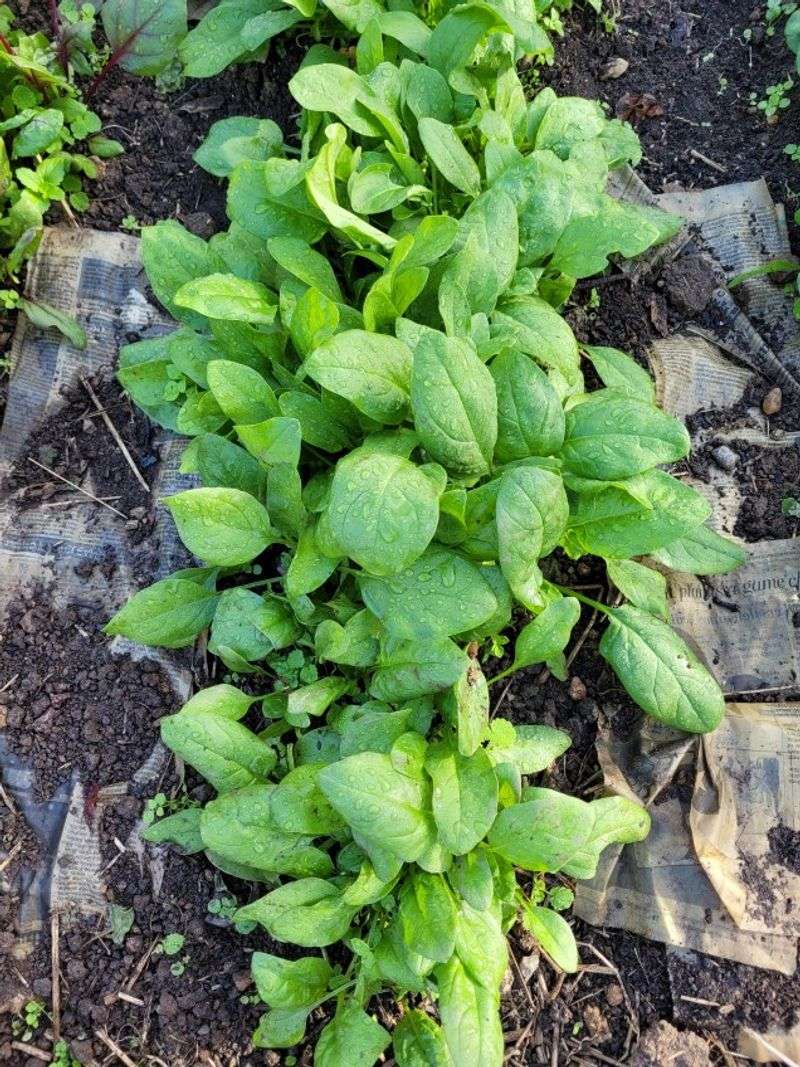
Not every struggling seedling can be turned around, and recognizing that point early saves time and effort. Seedlings that have collapsed at the soil line with a shriveled, dark stem, or whose roots are brown and rotted through, are unlikely to recover regardless of what adjustments you make to shade, water, or nutrients.
UC IPM’s damping-off and root rot profile is clear that seedlings affected by these diseases generally do not bounce back once infection is established.
When much of the stand has failed, the more productive path is to remove the collapsed plants, correct any drainage or moisture problems that contributed to the failure, and plan a second seeding once conditions improve. Texas A&M’s spinach guidance directly links failed fall emergence to excessive soil temperatures, which supports waiting for that heat to pass before trying again rather than reseeding into the same conditions that caused the first planting to fail.
A cooler second start is not an admission of defeat. Utah State Extension notes that established spinach can tolerate light frost, and Texas A&M AgriLife Extension frames spinach as a fall and early-spring crop for the region.
The challenge in Central Texas is not that fall spinach is too tender for the climate; the challenge is establishing it while lingering heat is still present. A planting made in mid-to-late October, when soil temperatures have dropped closer to the crop’s preferred range, gives seedlings a much better start and still leaves plenty of time for the plants to mature before the coldest weather arrives.
Remove visibly infected or rotted material from the bed rather than turning it into the soil, and consider letting the bed dry out adequately between the failed planting and the replacement seeding if excess moisture was part of the problem.
Follow a diagnosis-based recovery plan
A warm spell can genuinely complicate fall spinach establishment in Central Texas, especially when soil temperatures stay elevated and moisture levels fluctuate. However, warm nights alone do not explain every case of yellow or stalled seedlings, and treating the symptom without identifying the cause often leads to steps that do not help and may cause additional harm.
Start by examining stems at the soil line and checking roots for color and firmness. Evaluate the leaf pattern across the bed and compare it with drainage history, watering frequency, light exposure, and whether symptoms are clustered or scattered.
UC IPM’s heat-injury guidance and the damping-off profile both reinforce that similar-looking symptoms can have different causes, and the right response depends on which cause is actually present.
When heat or moisture stress is the most plausible explanation and roots remain healthy, provide afternoon shade with a ventilated cover, maintain even soil moisture without saturation, and add mulch away from seedling stems to moderate soil temperature. Delay fertilizer until a soil test or established growth supports it.
If the stand has collapsed from damping-off or root rot, remove affected plants and reseed after soil temperatures fall. Travis County Extension and Utah State Extension both confirm that spinach is a realistic fall crop for this region.
A warm spell is a hurdle, not a verdict, and a well-timed second planting into cooler soil gives you a genuine second chance at a productive fall harvest.