
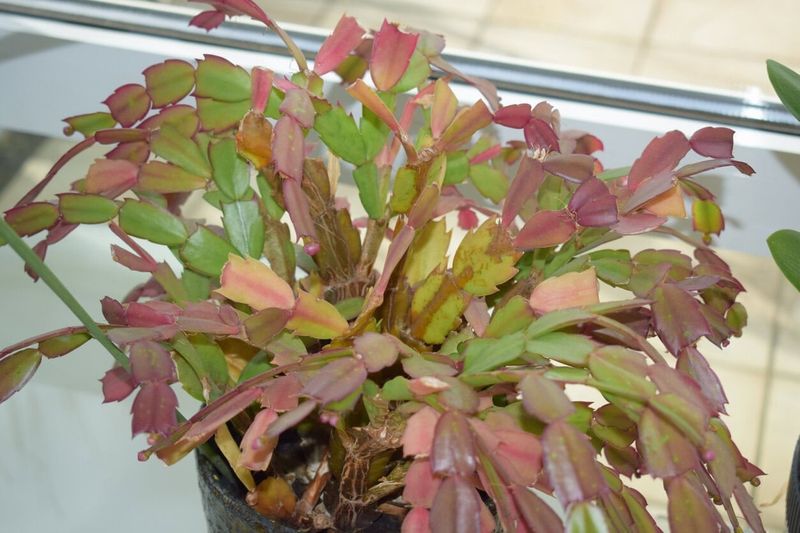
By late summer, a holiday cactus that looked lush in spring can start looking washed out, limp, or just plain tired. Southern gardeners in Florida and Texas know this feeling well, especially after months of intense heat and shifting indoor light.
An August reset can genuinely improve your plant’s growing conditions and set it up for fall, but it starts with figuring out why it looks bad in the first place, not with reaching for fertilizer. The cause shapes the fix, and getting that part right makes all the difference.
The August reset starts with diagnosis, not fertilizer
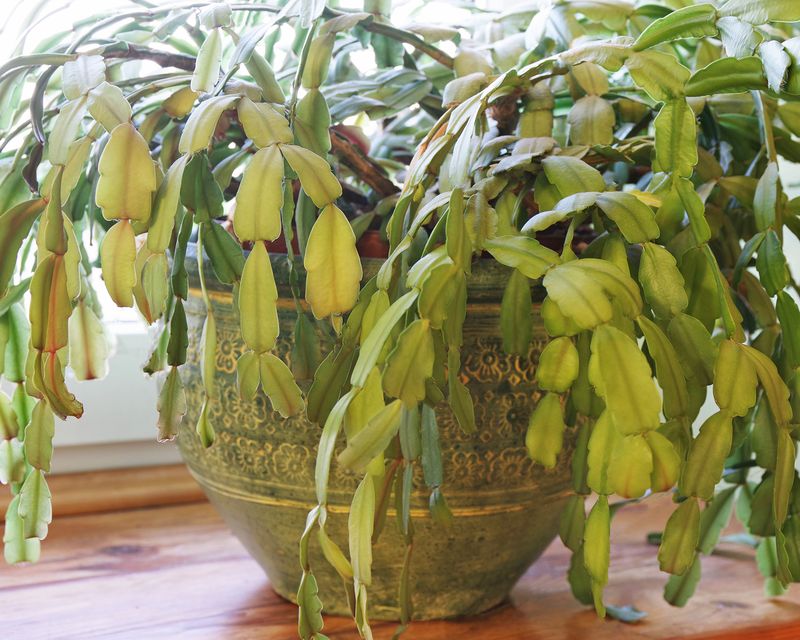
Before adding anything to your plant’s pot, take a hard look at what you’re actually seeing. Pale or bleached segments after weeks of bright summer sun, stretched thin stems reaching toward a dim window, shriveled growth in bone-dry soil, and limp collapsing growth in soggy mix are all signs of trouble, but they point to completely different problems.
Treating the wrong cause can make things worse, not better.
One more thing worth knowing: the plant on your shelf may not be a true Christmas cactus at all. University of Illinois Extension notes that many plants sold as Christmas cactus are actually Thanksgiving cactus or hybrids.
Thanksgiving cactus has sharply toothed or claw-like segment edges, while true Christmas cactus has smoother, more scalloped edges. Bloom timing and exact environmental needs can differ between them, so the identity of your plant matters when you start planning fall care.
Here is a quick way to read the symptoms before you do anything else. Pale or yellowish segments on a plant that has been sitting in direct afternoon sun suggest light stress or sunburn.
Long, thin, floppy new growth on a plant kept in a dim corner suggests inadequate light. Shriveled, slightly wrinkled segments in dry soil point to water stress.
Limp or gray-green segments in soil that stays wet far too long raise a real concern about root damage. University of Minnesota Extension identifies all of these as distinct conditions requiring different responses.
Start by matching your plant’s appearance to one of these patterns before you reach for any product.
Move it into bright filtered light
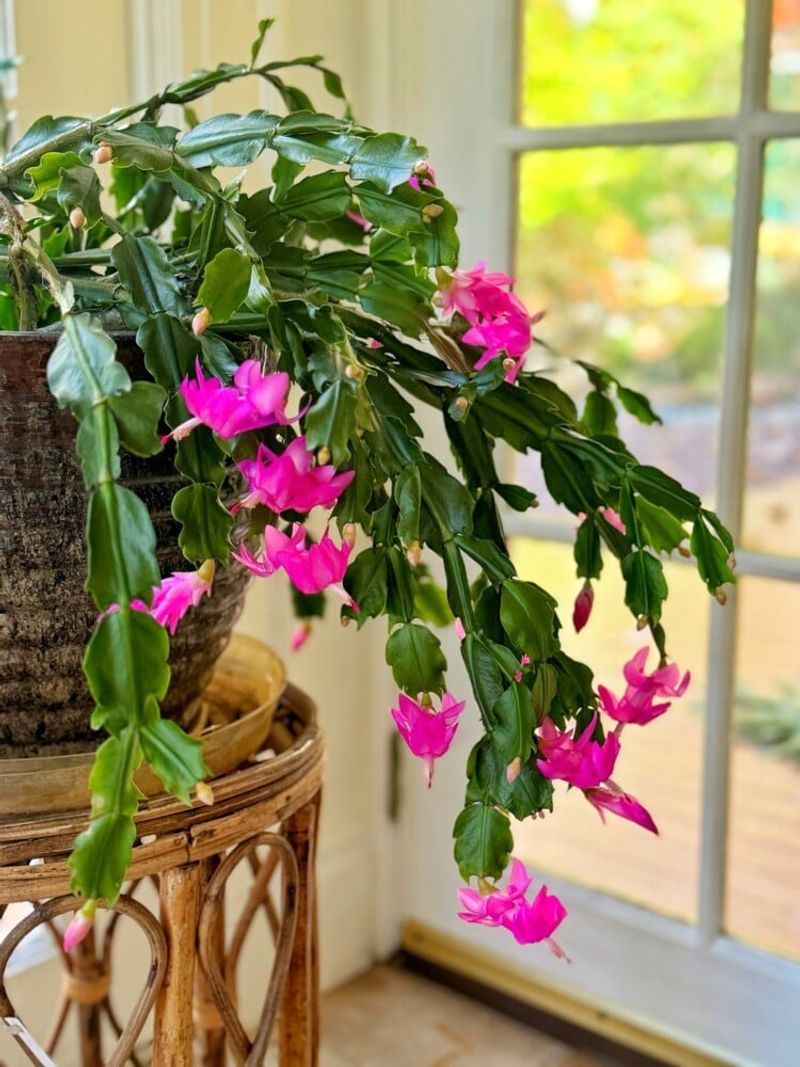
Holiday cacti come from the shaded forest canopies of southern Brazil, where they grow as epiphytes on tree branches rather than in open desert ground. That origin matters for how you position them at home.
University of Minnesota Extension explains that these plants prefer bright filtered or indirect light and that excessive direct sun is a documented cause of pale, bleached stem segments. Putting a struggling plant into harsh afternoon sun will not wake it up; it is more likely to deepen the damage.
For indoor placement, a bright east- or north-facing window often works well. A west- or south-facing window can work too if a sheer curtain softens the direct afternoon rays.
The goal is plenty of light without the scorching intensity that Southern summer afternoons deliver through unfiltered glass.
Outdoor placement requires more caution for Florida and Texas gardeners. UF/IFAS Extension Bay County advises keeping holiday cacti in shaded or filtered-light locations outdoors rather than in full sun exposure.
A covered porch, a spot under a tree canopy, or a screened lanai can all work, provided the container drains well and the plant is not sitting in standing water after summer rains. Avoid spots where heavy afternoon rain can waterlog the pot or where temperature swings from concrete heat to cool evening air are extreme.
If the pale segments resulted from too much sun, simply moving the plant to filtered light begins the correction, though already-bleached tissue may not return to deep green.
Inspect the roots before watering or feeding

Root inspection is the step most gardeners skip, and skipping it is exactly why pale or limp plants sometimes get worse after an attempted rescue. Before you water or feed, check what is happening below the soil surface.
Pick up the pot and notice whether it feels unusually heavy for its size, which can signal that water is trapped in the mix. Press the top inch or two of the growing medium with your finger.
If it feels damp or cool, the plant does not need more water yet.
Limp or gray-green growth in soil that stays wet much longer than expected is a more serious warning sign. That pattern can indicate root damage rather than simple thirst.
University of Minnesota Extension identifies wilting or gray-green growth alongside persistently saturated soil as signs consistent with root rot, along with branch drop and soil that stays wet unusually long. Pale color alone is not enough to diagnose root disease, but pale color combined with wet soil and limpness warrants a closer look.
If the evidence points toward root damage, remove the plant carefully from its pot and examine the root system directly. Healthy roots are typically firm and light-colored.
Dark, mushy, or foul-smelling roots suggest rot has taken hold. Extension plant health guidance notes that severely rotted tissue may not recover, but healthy stem segments can be removed and rooted as backup propagation material if the main plant is too far gone.
Check also for dark lesions or soft tissue at the soil line, which can signal stem rot beginning at the base. If roots look healthy and the mix is simply dry, you can move forward with watering.
Water according to the mix, not the calendar
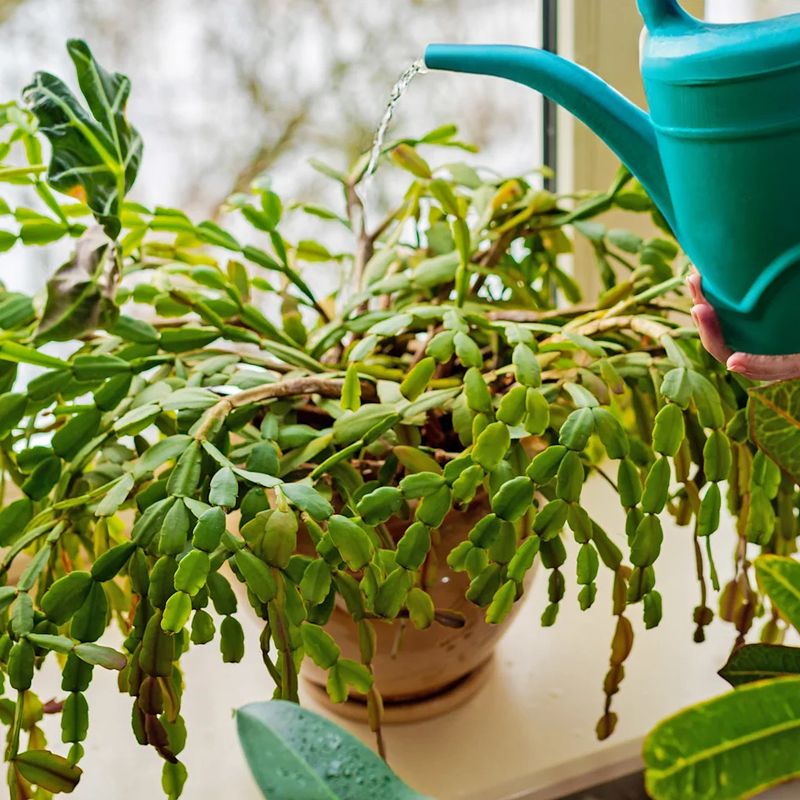
A fixed watering schedule is one of the most common ways holiday cacti get into trouble. The right time to water depends on what the growing mix is actually doing, not on what day of the week it is.
University of Florida IFAS recommends letting the mix dry somewhat between waterings during the plant’s vegetative growth phase, then watering thoroughly and allowing excess water to drain completely. Empty the saucer after watering so the pot is never sitting in pooled water.
Holiday cactus is not a desert plant and should not be left completely dry for extended periods, but it also cannot tolerate roots that stay saturated. The mix should be organic and well-draining, something closer to a blend used for orchids or bromeliads than standard potting soil.
Iowa State University Extension distinguishes between the moderate, consistent moisture this plant prefers and the waterlogged conditions that cause root problems.
Telling apart a thirsty plant from a root-damaged one is critical here. A plant that needs water will typically have firm segments that feel slightly less turgid, and the mix will be dry an inch or two down.
A plant with root damage may look equally limp or worse, but the mix will still feel wet. Adding water to the second plant worsens the problem.
Once buds become visible later in the season, moisture should stay more consistent: avoid letting the mix dry out completely, but never allow it to become waterlogged. Stable, moderate moisture during bud development helps reduce the risk of bud drop.
Feed only when active growth justifies it
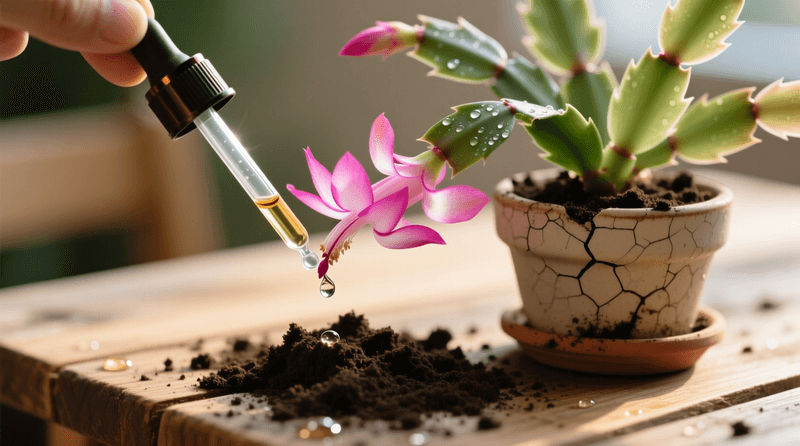
Fertilizer is not a treatment for pale segments, and reaching for it before diagnosing the cause of pallor can cause additional harm. Salt buildup from excess feeding can damage roots, and too much light is already a documented explanation for bleached holiday cactus tissue.
University of Florida IFAS cautions against over-fertilizing and recommends balanced, appropriately diluted feeding rather than aggressive supplementation.
If your plant is actively producing new segments and has not been fed in several months, a light feeding can offer reasonable nutritional support during the summer growth phase. Use a balanced houseplant fertilizer and dilute it conservatively according to the product label.
University of Minnesota Extension notes that recommended dilutions vary from one-quarter to one-half of the label rate depending on the source, so following the specific product’s directions and erring toward the lower end is the safest approach. Apply it to moist soil, not a dry root zone.
Plan to make your final summer feeding during active growth, then stop once buds begin forming or by early fall at the latest. High-phosphorus bloom boosters, Epsom salts, coffee grounds, sugar water, and similar homemade additives are not supported by extension research as reliable treatments for pale growth or as bloom triggers.
Stick with what is actually documented to help.
Repotting deserves a similar note of caution. University of Vermont Extension points out that holiday cacti often perform well when somewhat pot-bound, and routine August repotting adds stress at a time when the plant is already being asked to recover.
Reserve repotting for situations where drainage has genuinely failed, root loss is severe, or the growing medium has decomposed or become contaminated.
Give flowering the right temperature and darkness cues
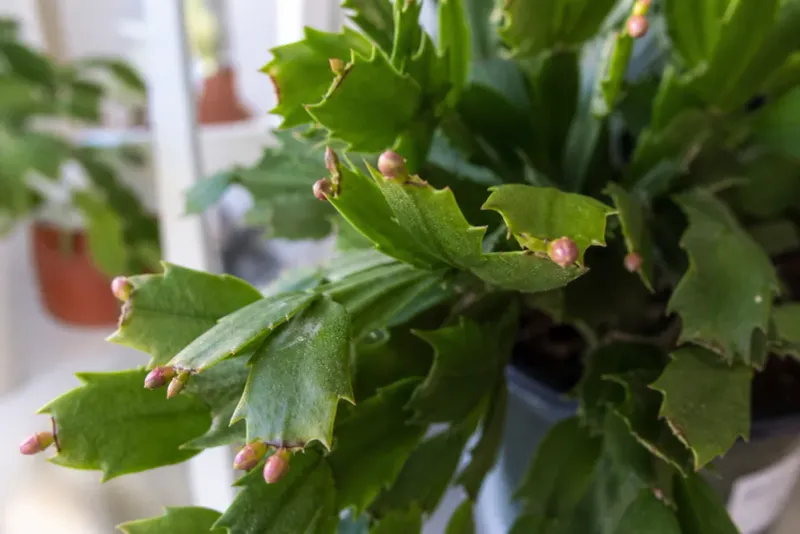
Recovering a pale or weak plant is one goal; helping it flower later is a separate one. Both matter, but they respond to different conditions, so treating them as a single step leads to confusion.
Flower initiation in holiday cacti depends on the interaction of two environmental cues: suitably cool temperatures and consistent, uninterrupted darkness during the night period.
Research published in Scientia Horticulturae on Schlumbergera flower bud development confirms that temperature plays a strong role in determining whether and when buds initiate, and that warm conditions can delay or prevent the response. For Southern gardeners, this is a practical reality: August in Florida or Texas often involves nighttime temperatures that remain too warm outdoors for reliable natural bud initiation.
August is the right time to rehabilitate plant health, but the actual flowering trigger may arrive later as nights cool in September and October, or it may need to happen in a controlled indoor location.
Common extension guidance calls for approximately 12 to 16 hours of uninterrupted darkness over a period of several weeks, though the exact response varies by cultivar, species, and the prevailing temperature. University of Minnesota Extension emphasizes that both temperature and photoperiod matter and that the darkness period must be genuinely uninterrupted.
Lamps left on in the room, porch lights, nearby streetlights, or even a phone screen can break the dark period and interfere with bud formation. University of Florida IFAS specifically flags artificial light at night as a risk factor.
A closet, an interior room with no nighttime light sources, or a covered porch away from outdoor lighting can all provide the darkness the plant needs, as long as temperatures are cool enough to support the process.
Keep the plant stable after buds appear
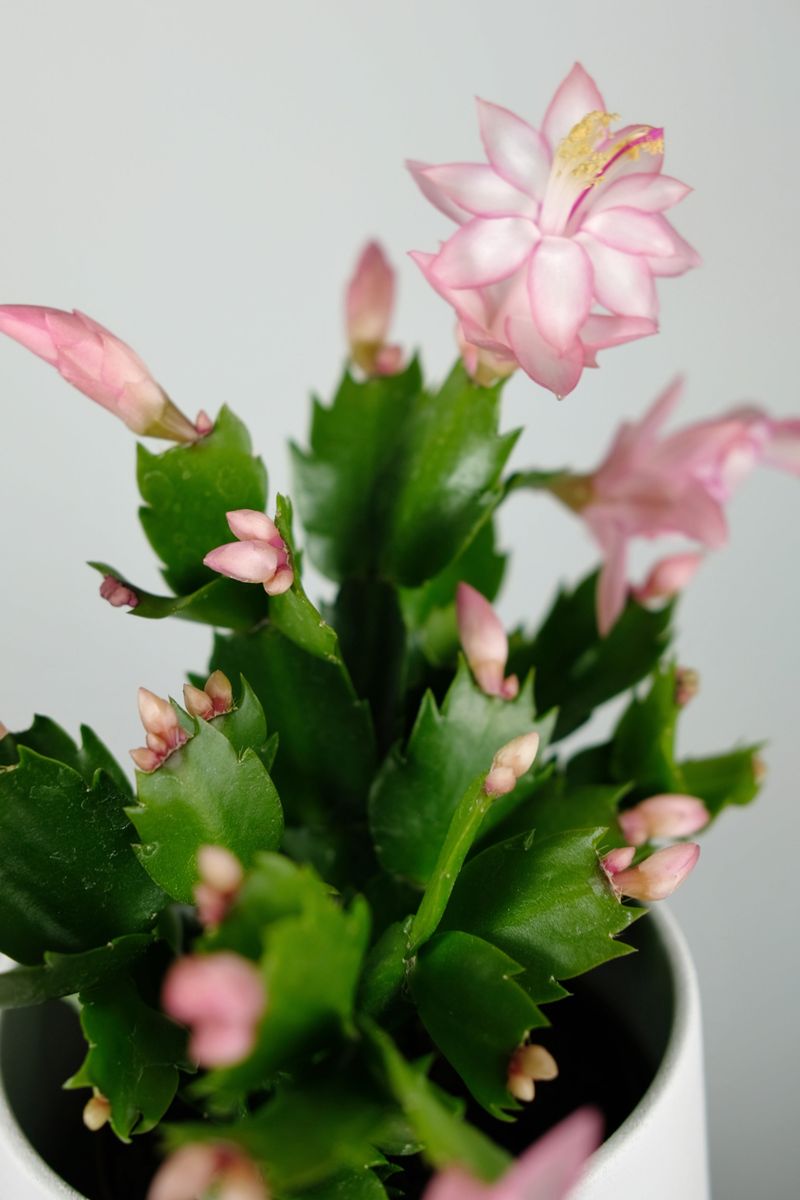
Visible buds are a sign that the plant’s conditions have been working, and that is exactly when stability becomes the top priority. University of Florida IFAS specifically identifies abrupt changes in temperature, light, placement, and watering as contributors to bud drop.
Once buds appear, resist the urge to move the plant to a better-looking spot, adjust it toward a window, or change your watering routine dramatically. The plant is doing its job; let it finish.
Recovery expectations deserve an honest look at this point. Segments that were bleached by too much sun or damaged by earlier stress may stay pale even as the plant produces healthy new growth.
That is not a sign of ongoing failure. University of Minnesota Extension supports correcting the stressors rather than promising a fixed timeline for color recovery.
Firm new segments and the absence of spreading damage are the clearest evidence that conditions have genuinely improved.
As a practical early-fall checklist, aim for: bright filtered light without harsh direct sun, a growing mix that dries somewhat between waterings but drains freely, feeding stopped once buds form, cool nighttime temperatures when your location allows, and consistent uninterrupted darkness each night until buds are well established. University of Illinois Extension reinforces that stability across all of these factors together gives your plant the best realistic chance at a full bloom.
A holiday cactus that blooms reliably year after year usually has one thing in common: a gardener who stopped fussing with it at exactly the right moment.