
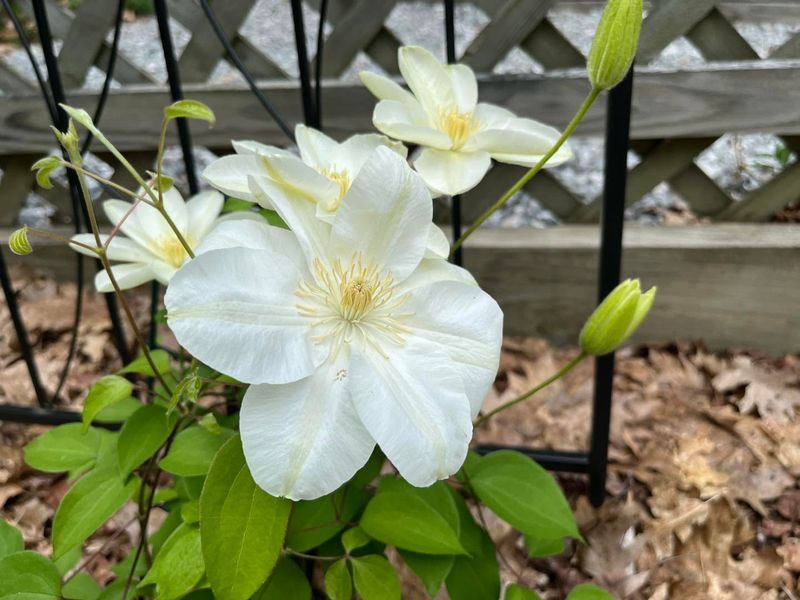
You watched your clematis race up the trellis all spring, and then you got a handful of flowers instead of a curtain of color. That letdown is one of the most common clematis complaints, especially in hot Southern yards.
The good news is that leafy vines with few blooms usually point to a fixable mistake, not a dying plant. Here are the eight culprits that show up most often and what you can do about each one.
1. Pruning at the Wrong Time
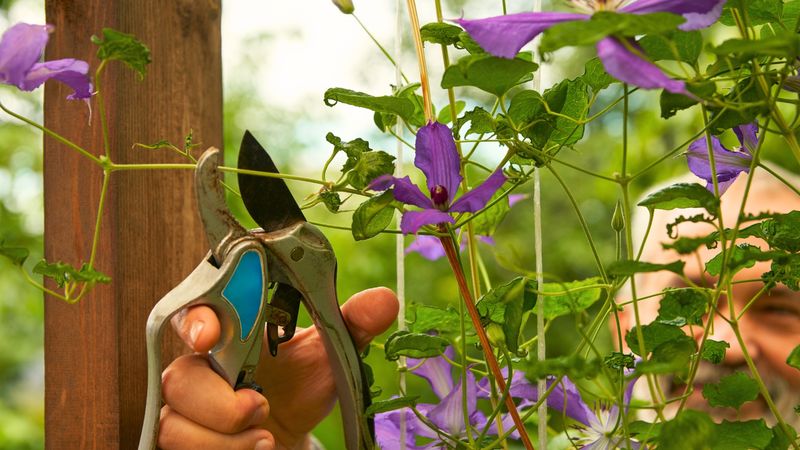
Picture a gardener in Texas cutting a clematis down to the ground in February, proud of the tidy job. Come May, the vine grows like crazy but shows almost no flowers.
That scene plays out in thousands of yards every year.
Clematis fall into three pruning groups. Group 1 types, like many montana varieties, bloom on old wood from last year, so a hard spring cut removes every future bud.
Group 2 types, such as Nelly Moser, flower on old wood first and new growth later. Group 3 types, like Jackmanii and sweet autumn clematis, bloom on new growth and actually benefit from a hard trim in late winter.
Not sure which you have? Check the original plant tag, or search the variety name online.
If the tag is long gone, watch when it blooms this year. Spring flowers usually mean old wood, so prune lightly right after blooming.
Summer and fall flowers often mean new wood, so a late-winter cut to about 12 inches is fine.
Getting this one step right can often change a bare vine into a flowering one within a single season, without spending a dime on supplies.
2. Too Much Nitrogen Fertilizer
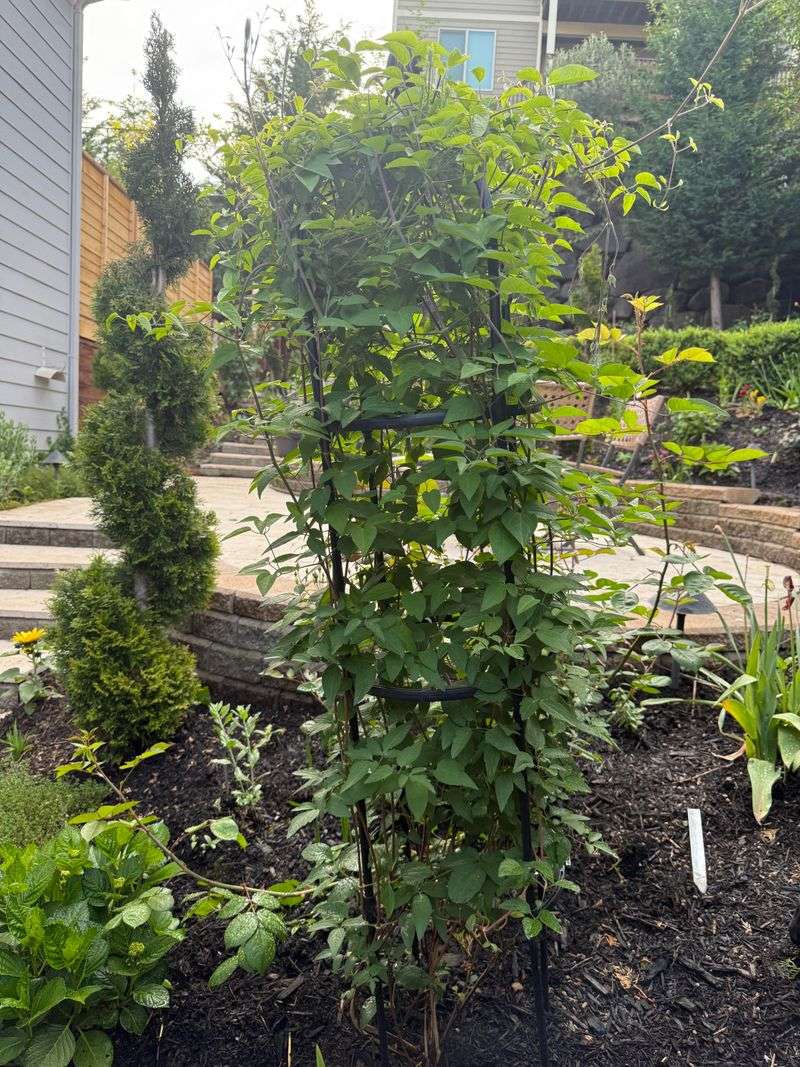
Lawn food is a sneaky villain here. When nitrogen-heavy fertilizer drifts onto beds from the grass, or gets sprinkled straight around the vine, clematis responds by pumping out leaves and stems.
Flowers get pushed to the back of the line.
The symptom is easy to spot once you know it. You see deep green, extra-large leaves, fast stem growth, and very few buds.
Many Southern homeowners feed lawns several times through the long growing season, so runoff into nearby beds can add up quickly.
Switch to a balanced or bloom-focused fertilizer with a lower first number, something like 5-10-10. Feed lightly in early spring as growth starts and again after the first flush of flowers.
Skip heavy feeding in the hottest part of summer, when the plant is stressed anyway.
Keep spreaders aimed away from the clematis bed, and consider a small edging strip so granules do not bounce in. A light layer of compost each spring also gives steady nutrition without the leafy surge.
Expect results to take a season, since buds that form now may reflect last year’s feeding habits.
3. Roots Baking in the Southern Heat
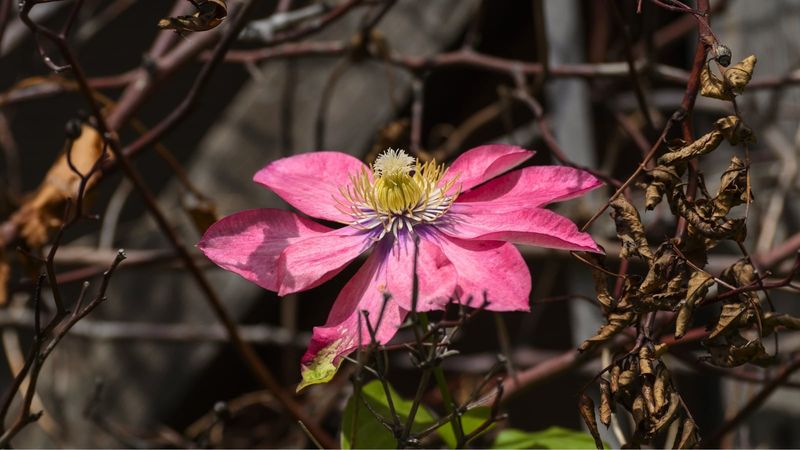
Old gardeners love the saying that clematis wants its head in the sun and its feet in the shade. In Florida and Texas, that advice matters even more.
Hot soil can stress roots so much that the plant drops buds or never forms them.
Soil temperatures in a sunny Southern bed can climb well past what clematis roots enjoy. When roots struggle, the vine may keep climbing on stored energy while quietly skipping blooms.
You might also notice wilting in the afternoon even after watering.
Cool the root zone with two to three inches of mulch, kept a few inches from the stem. Low plants like liriope, dwarf mondo grass, or a shallow-rooted perennial in front of the vine can shade the soil nicely.
Some gardeners simply set a flat stone or decorative pot on the sunny side of the base.
In the hottest regions, choosing a spot with morning sun and light afternoon shade often helps a lot. Heat-tolerant picks like sweet autumn clematis or Texas native Clematis texensis tend to handle Southern summers better than delicate large-flowered hybrids.
4. Not Enough Sunshine Up Top
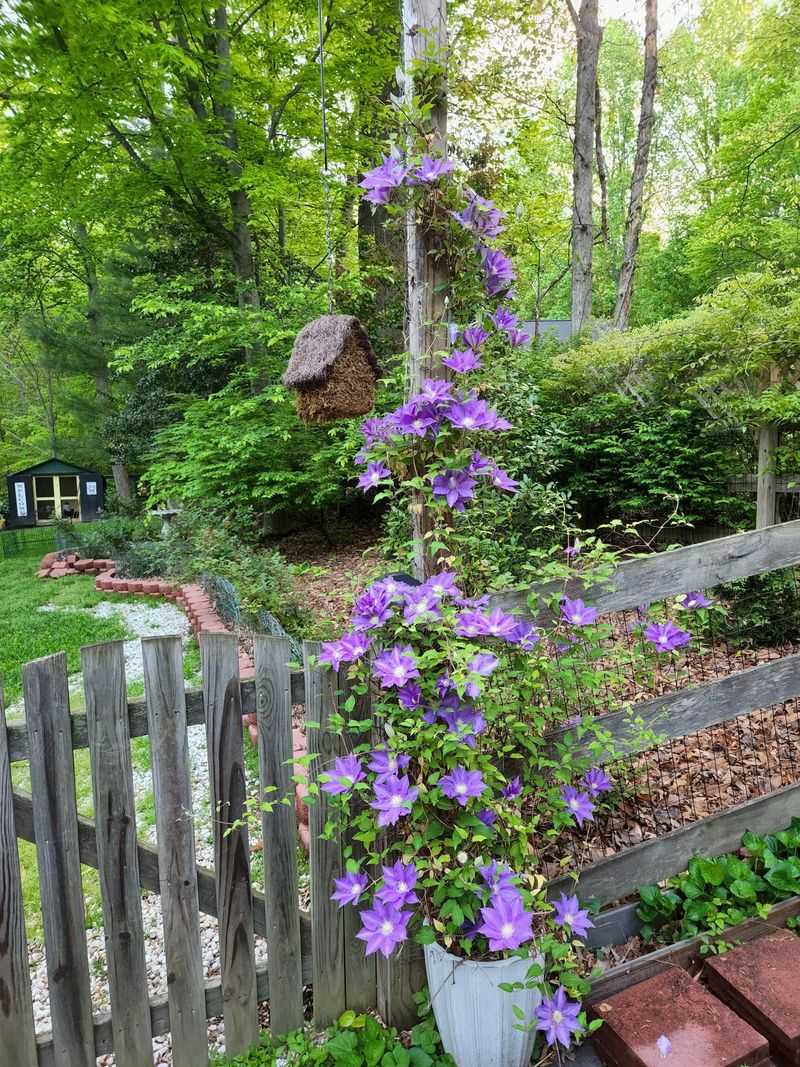
Trees grow, and gardeners forget. The sunny corner where you planted your clematis five years ago may now sit under a spreading oak or a neighbor’s new fence.
Shade creeps in slowly, and blooms fade away just as slowly.
Most clematis need at least six hours of sun on their upper stems to flower well. With less light, the vine may stretch tall and thin, reaching for brightness, with flowers only at the very top or none at all.
Leaves can look pale and spaced far apart.
Spend one day checking the spot every couple of hours. If it gets less than five or six hours of direct light, you have a few options:
Thin overhanging branches to open the canopy. Move the trellis a few feet into brighter space.
Or, in fall or early spring, carefully transplant the clematis to a sunnier location, digging deep to protect the roots.
In the Deep South, the sweet spot is plenty of morning light with a break from harsh late-day sun. That balance usually beats both full shade and nonstop blazing exposure.
5. Watering That Swings Between Flood and Drought
Ever come home from a week at the beach to find your clematis limp and crispy? Then you soaked it twice a day to make up for it?
Many of us have done that, and the plant pays for it in missing flowers.
Clematis like evenly moist soil that drains well. Dry spells during bud formation can cause buds to shrivel and drop.
Soggy soil, on the other hand, can starve roots of air and invite rot, which also cuts flowering.
Aim for about an inch of water a week, more during Southern heat waves when there is no rain. Water deeply at the base rather than sprinkling the leaves.
A soaker hose or drip line on a simple timer makes this almost effortless and keeps leaves dry, which may reduce disease.
Push a finger two inches into the soil before watering. If it feels dry, water.
If it feels damp, wait a day.
Heavy clay, common in parts of Texas, holds water longer, while sandy Florida soils drain fast. Adjust your routine to your ground, and blooms often become more reliable.
6. Planting Too Shallow
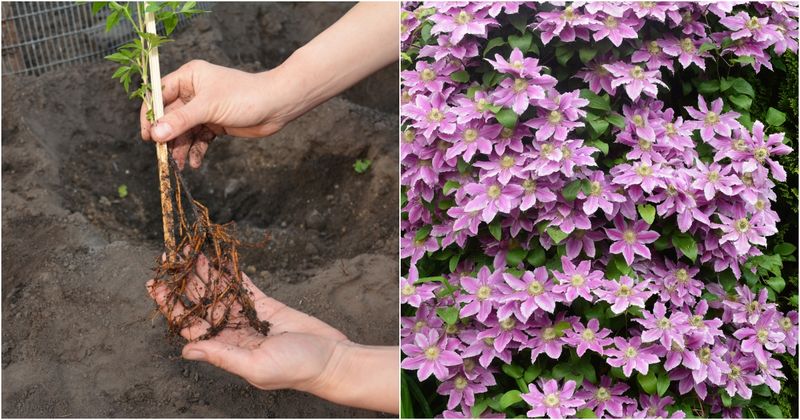
Here is a planting tip that surprises many people. Unlike most perennials, clematis usually do better when the crown sits two to four inches below the soil line.
Deep planting encourages extra buds to form underground. Those buds can push up multiple stems, giving you a fuller plant with more places to flower.
A shallow-planted clematis often grows one or two long stems that race to the top of the trellis and bloom sparsely, if at all.
Deeper crowns also help protect the plant from clematis wilt, a fungal problem that can collapse stems suddenly. If wilt strikes, buried buds may send up fresh growth instead of the plant being lost.
If your vine is young and lanky, you can replant it in early spring or fall. Dig a wide hole, mix in compost, and set the root ball deeper than before.
Water thoroughly afterward.
For established plants, pinching the stems back by a few inches in spring can also encourage branching. More stems usually means more chances for buds, and a bushier look on the trellis.
7. Expecting Too Much Too Soon
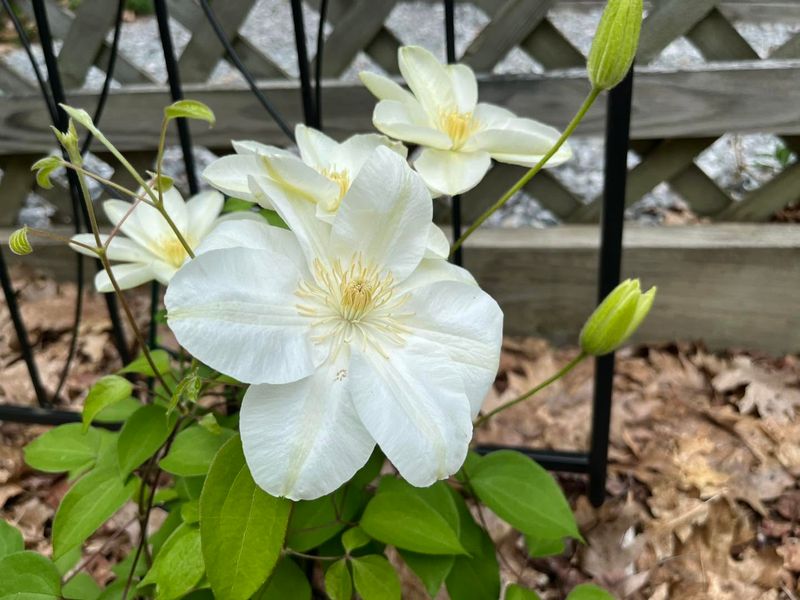
Patience is a hard thing to sell, but clematis demand it. Gardeners often quote the rule of first year sleep, second year creep, third year leap.
It fits this plant almost perfectly.
During the first couple of seasons, clematis put most energy into building roots. You may see decent climbing with only a few flowers, and that is normal.
Many gardeners panic and start fertilizing or pruning heavily, which can actually slow things down.
If your vine is in its first or second year and looks healthy, with green leaves and steady growth, the best move may be to simply wait. Keep watering consistently, mulch the base, and avoid moving it around.
Nursery plants in small pots sometimes take even longer to settle in. Bigger starter plants, often sold in one-gallon or larger containers, tend to bloom sooner.
By year three, a well-sited clematis often surprises its owner with a big flush of flowers. Mark the planting date on your calendar or a garden notebook so you know whether you are dealing with a problem or just a youngster.
8. Choosing a Variety That Hates Your Climate
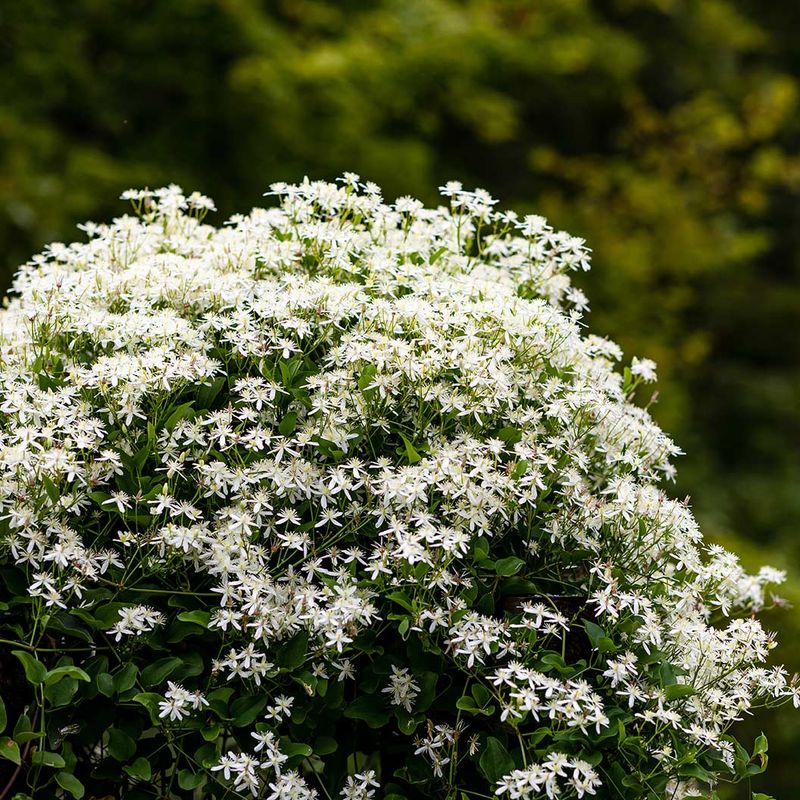
Some clematis were simply bred for cooler places. Large-flowered hybrids that shine in Oregon or Michigan can sulk in a humid Houston or Orlando summer, setting few buds and fading fast.
Heat, humidity, and mild winters all play a role. Certain varieties need a cold rest period to flower strongly, and southern Florida may not provide enough chill.
Hot nights can also cause buds to stall.
If you have tried everything else, the variety itself may be the issue. Look for types with a track record in the South:
Sweet autumn clematis tolerates heat well and covers fences with fragrant white flowers, though it can spread aggressively in some areas. Clematis texensis and its hybrids, like Princess Diana, are native to Texas and handle warm conditions.
Clematis crispa, a Southeastern native, enjoys moist spots and attracts pollinators.
Local garden centers and county extension offices can often recommend varieties that thrive in your zone. Swapping a struggling hybrid for a heat-loving type may give you more flowers with less fuss, and a happier vine that actually earns its place on the trellis.