
Purple coneflowers put on a beautiful show, and when the petals start dropping and those spiky heads turn brown, it can feel like the garden clock is ticking. The good news is that you have more control over what happens next than you might think.
Saving seed from your own plants is one of the most satisfying ways to stretch a garden budget and keep a favorite variety growing. This guide walks you through every step, from spotting a truly mature head to storing seed safely through a Southern summer.
Inspect drying heads instead of chasing a fixed deadline
Purple coneflower does not follow one universal harvest calendar, and that is actually good news for Southern gardeners. Flowering and seed maturity shift depending on your location, the specific plant, the species, and the cultivar.
According to UF/IFAS plant profile data for Echinacea purpurea, the plant blooms in spring and summer in central Florida, while North Florida guidance places it among summer wildflowers. Texas A&M AgriLife notes that purple coneflower blooms in spring, summer, and fall in South Texas.
Because those windows differ so widely across the region, no single harvest date applies to every garden.
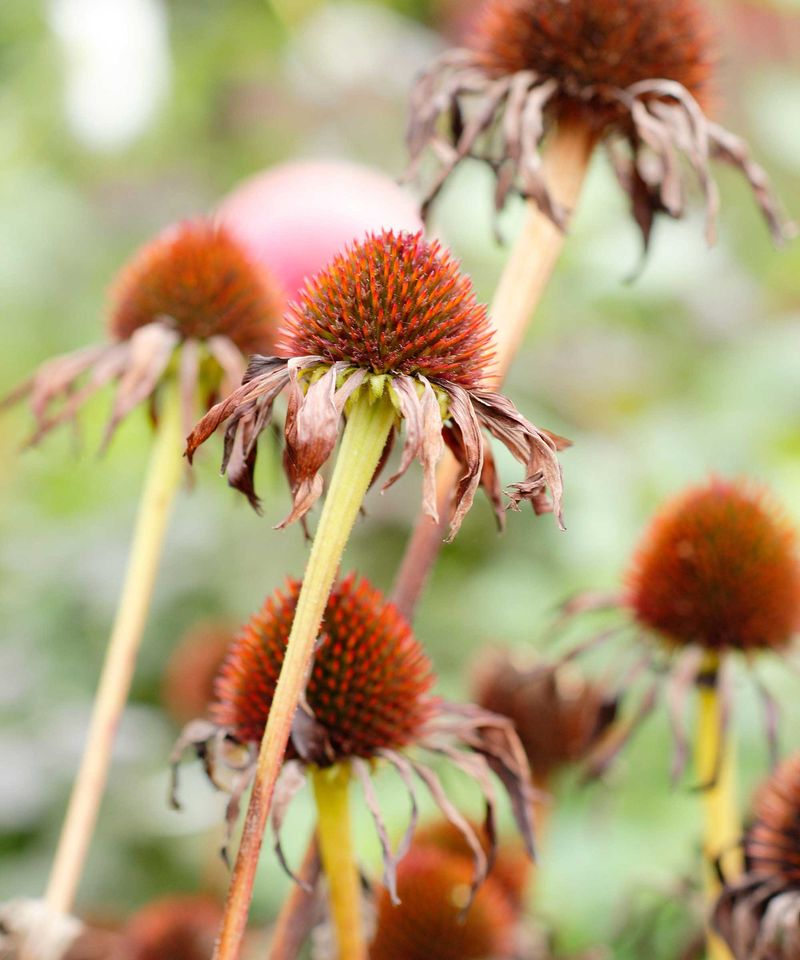
The practical move is to walk your beds now and check each drying head on its own merits. Birds and natural dispersal can reduce the seed supply on a mature head well before you get to it, so monitoring regularly makes more sense than waiting for a reminder.
Cutting a head immediately after the petals fall, though, risks collecting seed that has not finished developing, which means poor germination later.
Research on Echinacea angustifolia documents a gradual dispersal pattern from early fall into the following summer, but that evidence applies specifically to that species. Whether the same dispersal timeline holds for purple coneflower has not been as thoroughly documented, so treat it as a useful caution rather than a confirmed rule.
The safest approach is to inspect your own heads and act when the physical signs of maturity are clearly present.
Confirm the plant and choose a healthy parent
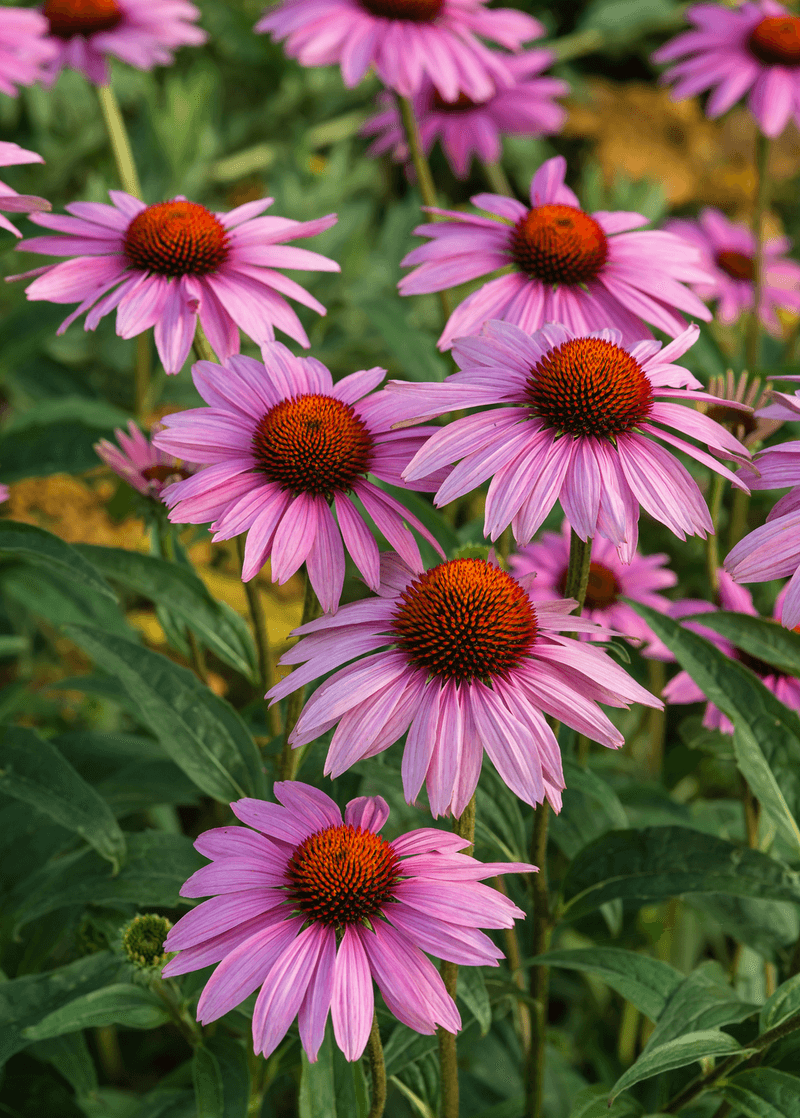
Not every plant called a coneflower is the same, and that distinction matters before you collect a single seed. The name gets applied to Echinacea species as well as Rudbeckia species, which are entirely different plants with different seed characteristics.
Iowa State University Extension notes that Echinacea hybrids can arise from crosses among species, so even within the genus, the plants in your garden may not be straightforward. Record the scientific name and cultivar from the plant tag, nursery receipt, or any documentation you have, because that information will help you interpret how seedlings might turn out.
Species identity also shapes what you can reasonably expect from saved seed. An open-pollinated species like straight Echinacea purpurea tends to produce seedlings that resemble the parent more closely than a modern hybrid cultivar would.
If your garden holds several Echinacea types growing near each other, cross-pollination is possible, and the resulting seedlings may look quite different from any of the parents.
Once you have confirmed the plant, look at its overall health before making any cuts. University of Maryland Extension advises collecting only from vigorous, healthy plants, and University of Minnesota Extension guidance on managing plant diseases reinforces skipping any plant with severe disease, distorted growth, or unexplained abnormalities.
A weak or sickly parent is not worth the effort, and in some cases it is actively risky to collect from it.
Use the brown, crisp cone as your harvest signal
Faded petals are not enough. A coneflower head can lose its purple rays weeks before the seeds inside reach full maturity, and harvesting too early is one of the most common mistakes home seed savers make.
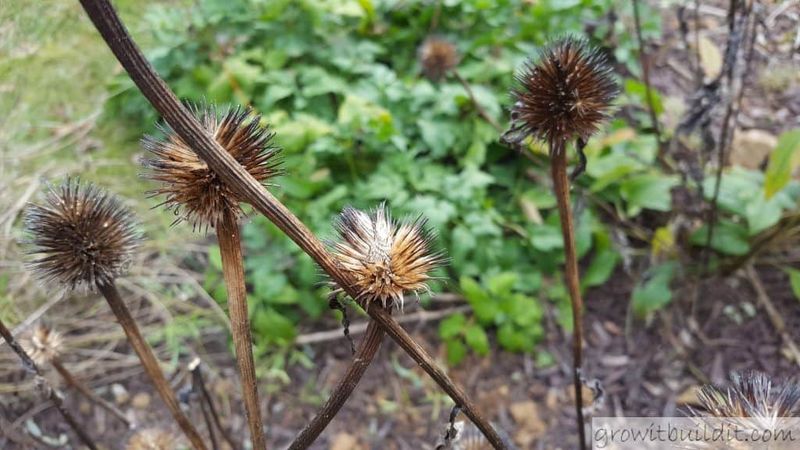
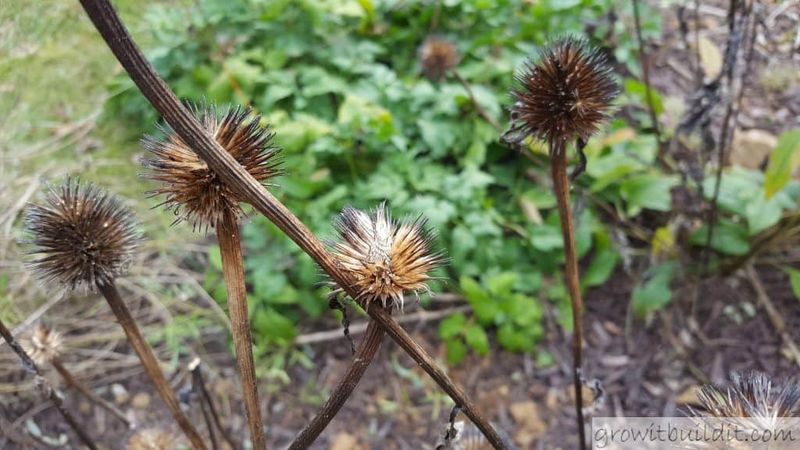
The head you want has turned brown or tan all the way through, feels dry and crisp when you squeeze it gently, and looks dead rather than faded. A green or soft cone means the seeds are still developing, regardless of how bare the head looks.
The deciding test is tactile. UF/IFAS seed-saving guidance and Rutgers NJAES native plant propagation resources both describe mature seed as coming free easily with rubbing or combing.
Run your gloved thumb across the cone. If the seeds resist and the cone still feels dense and firm, give it more time.
If they release with light pressure and the cone crumbles slightly, you are looking at a ready head.
The USDA NRCS purple coneflower plant guide also describes the seed as held in a stiff, spiny cone that dries as it matures. Applying all three checks together – brown or tan color, crisp dry texture, and easy seed release – gives you a reliable signal that does not depend on calendar dates or petal drop alone.
Patience at this stage pays off in better germination rates later.
Cut selected heads on a dry day
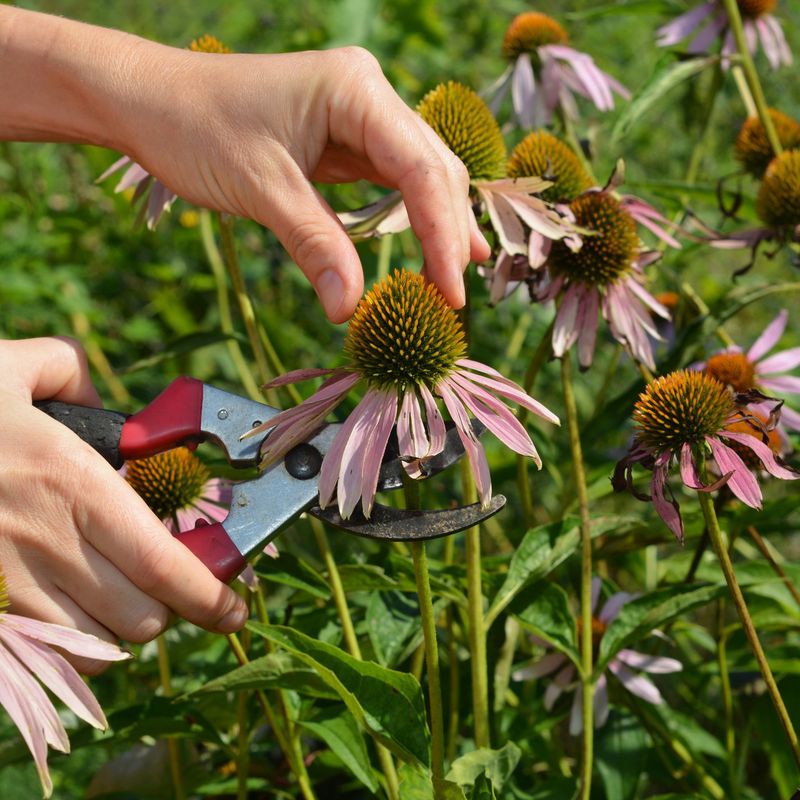
Once a head passes the brown, crisp, easy-release test, the next step is a clean cut on the right kind of day. Moisture is the enemy at this stage.
Avoid harvesting during rain, immediately after rain, or when heavy dew is still sitting on the plants. University of Maryland Extension’s native seed collecting guidance is clear that wet material carries a higher risk of mold developing during storage, which can ruin an otherwise good seed lot before you ever get to plant it.
Wear gloves before you start. The dried Echinacea cone is stiff and genuinely sharp – it earns its spiny reputation once the petals are gone.
Use clean pruners to cut each mature head from the stem, and drop it directly into a labeled paper bag or another breathable container. UC Agriculture and Natural Resources seed-saving guidance recommends breathable containers rather than sealed plastic at this stage, since any residual moisture needs somewhere to go.
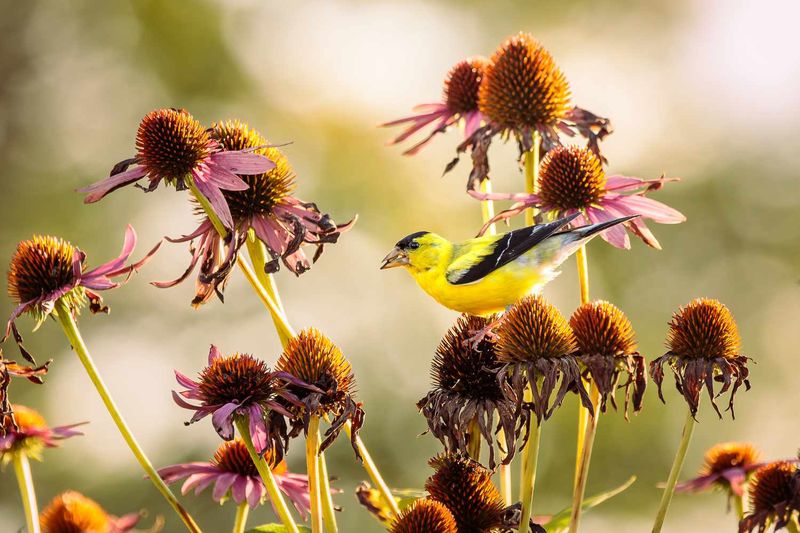
Collect only the number of heads you actually need. Goldfinches and other birds rely on coneflower seed through late summer, fall, and winter, so leaving a portion of the heads standing is both a wildlife courtesy and a practical choice for natural reseeding in your own beds.
If birds are reaching mature heads before you can, University of Maine Extension suggests placing a breathable mesh bag over selected heads while they finish drying on the plant – cover only the heads you intend to harvest, not the whole planting. The USDA NRCS plant guide supports leaving some seed for natural dispersal as part of responsible collection practice.
Dry the heads fully before you release the seed
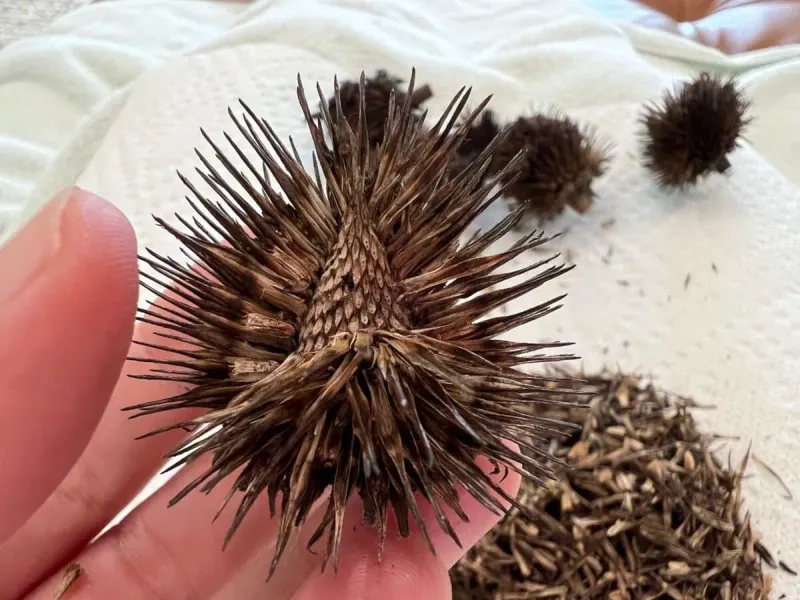
Bringing the heads indoors is not the finish line – it is the beginning of the most important step. Any moisture left in the cone or seed when you seal it away will encourage mold, and mold can destroy viability faster than almost anything else in storage.
Hang heads upside down or place them loosely in open paper bags in a dry, well-ventilated room, away from humidity sources like a kitchen sink or bathroom. Do not overcrowd the bags, since airflow around each head speeds even drying.
UC Agriculture and Natural Resources ornamental seed-saving guidance recommends allowing collected heads to dry for up to two weeks, and University of Maine Extension home garden guidance echoes that extended indoor drying time before any further processing. In the Southern U.S., where ambient humidity can stay high well into fall, erring toward a longer drying window makes sense.
When the heads feel completely dry and crisp throughout, rub or lightly crush the cone to release the seed. A gentle back-and-forth motion over a clean sheet of paper or a shallow bowl works well for a small home batch.
South Dakota State University Extension’s native seed hand-harvest guidelines note that small-scale collections do not require perfectly clean, winnowed seed. As long as the seed and any remaining chaff are thoroughly dry, a little extra plant material in the lot will not harm storage or germination.
Label and store each seed lot carefully
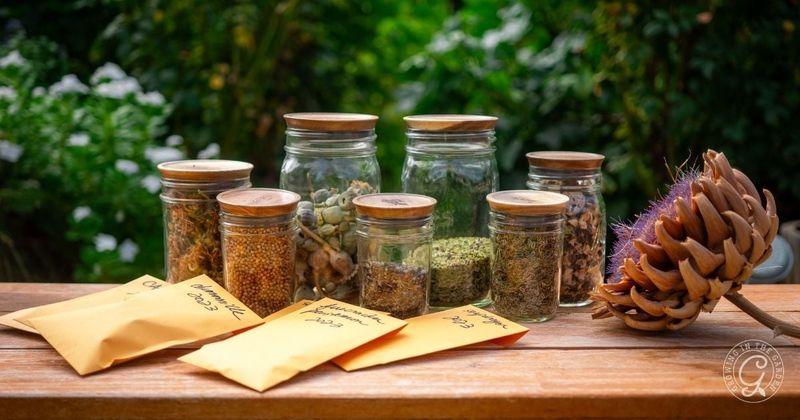
A seed lot without a label is almost useless by the time planting season arrives. Write the species or cultivar name, collection date, and the location where you collected it directly on the envelope or container before you put the seed away.
This habit pays off when you are comparing how different lots germinate or trying to remember which plant produced the most vigorous seedlings the previous season.
Labeling also matters because saved Echinacea seed can produce variable plants. Virginia Cooperative Extension’s native plant maintenance guidance points out that seedlings may differ considerably from the parent, so tracking each lot separately gives you the best chance of understanding what you are working with over time.
For storage, the seed must be completely dry before it goes into any sealed container. UF/IFAS seed-saving guidance recommends a sealed container with a desiccant, and Iowa State University Extension advises cool, dry, dark storage in a tightly sealed container.
In Florida and Texas, where indoor humidity can remain elevated even with air conditioning, adding a small silica gel packet is a practical extra step rather than overkill. Additional UF/IFAS storage guidance supports keeping seeds in a refrigerator or another consistently cool spot if long-term viability is the goal.
Sealing damp seed is the single most avoidable mistake in the whole process.
Sow with patience, not a promise of next year’s flowers
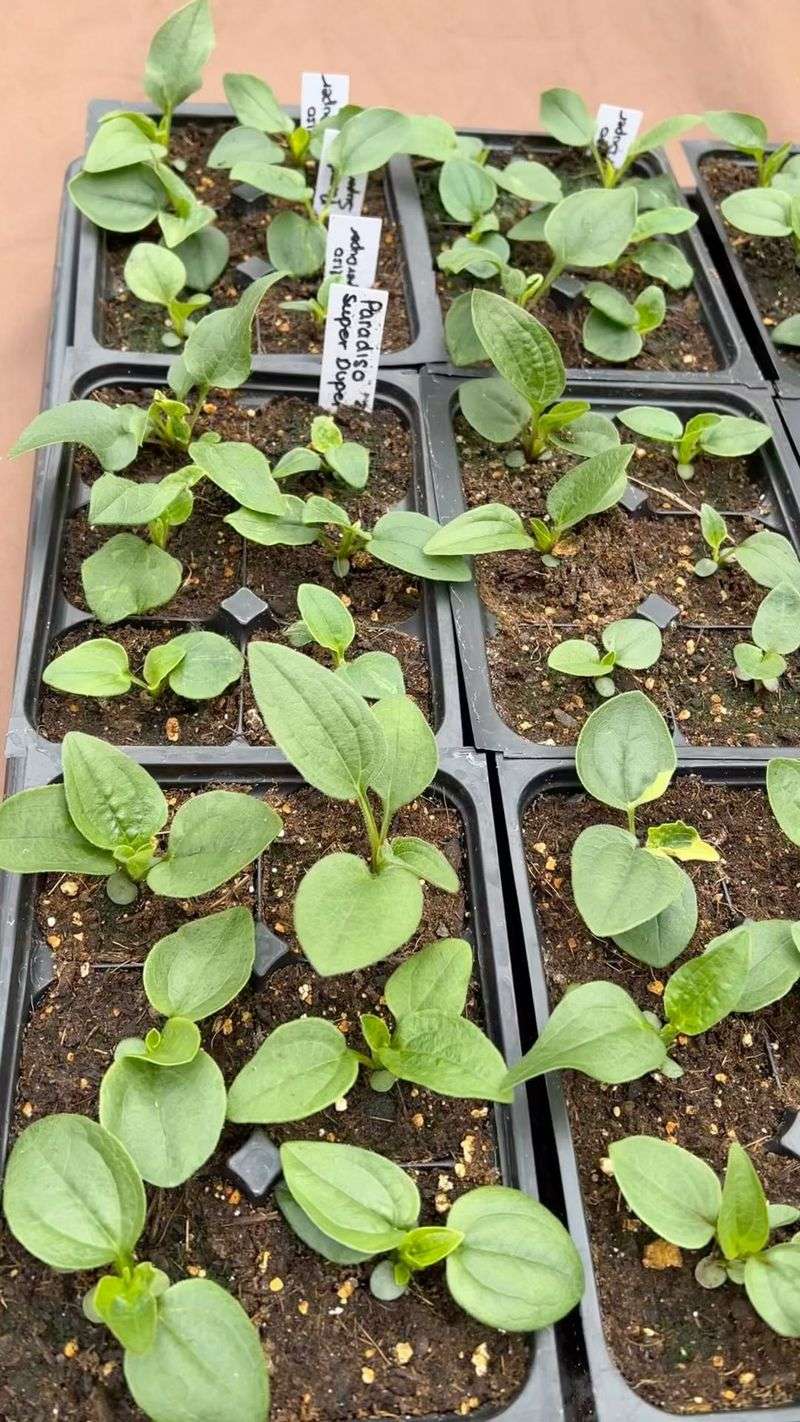
Saved Echinacea purpurea seed can germinate without any pretreatment, which puts it ahead of some other native species that absolutely require cold conditioning. That said, one to three months of cold, moist stratification may improve germination speed or overall percentage for some seed lots.
UMass Extension Hort Notes and Rutgers NJAES native plant propagation guidance both note that some protocols call for roughly 90 days at around 40 degrees Fahrenheit before sowing. If you skip stratification and germination is slow or uneven, that is a reasonable explanation rather than a sign that something went wrong with collection.
When you are ready to sow, aim for soil temperatures around 65 to 70 degrees Fahrenheit and cover the seed lightly rather than burying it. Clemson Cooperative Extension’s Echinacea fact sheet puts the germination window at approximately 10 to 28 days under suitable conditions, though that range can shift depending on the seed lot, pretreatment history, and growing environment.
Uneven germination across a tray is common and does not necessarily mean the seed is bad.
The part that catches many gardeners off guard is the timeline to flowers. Seed-grown Echinacea may spend its first season building a root system and producing only foliage, with blooms arriving in the second year or even later.
Iowa State University Extension’s guide to growing perennials from seed describes this multi-season establishment as typical for many native perennials. Saving seed is a longer game than buying transplants, but the payoff in plant numbers and garden connection is real.
Balance seed saving with wildlife and plant health
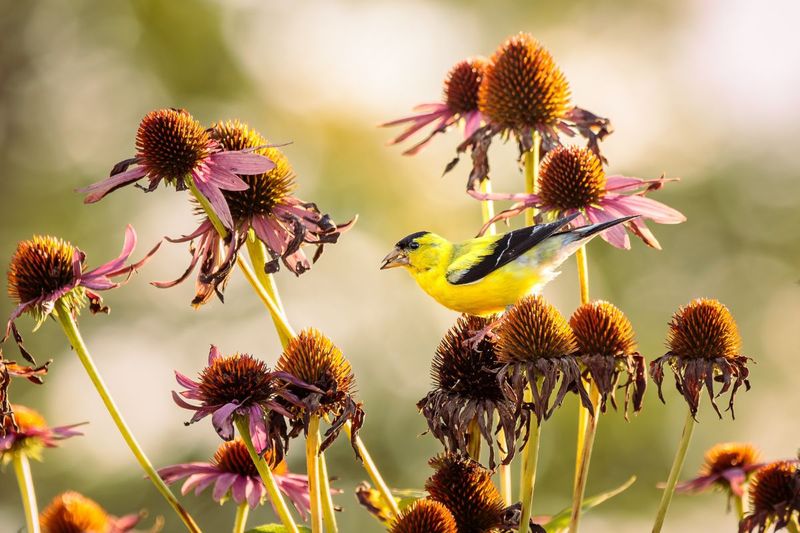
Every decision about which heads to cut and which to leave is really a decision about competing priorities. Deadheading spent flowers keeps the garden tidier and can push the plant to produce more blooms, but it eliminates seed production and removes a food source that goldfinches and other birds use from late summer through winter.
Illinois Extension’s coneflower garden guide and Mississippi State University Extension’s purple coneflower publication both address this tradeoff directly. There is no universally correct answer – the right balance depends on what you want from your planting this season.
One decision that is clear-cut: do not collect seed from any plant showing malformed flowers, green or leaf-like growth inside the cone, witches-broom branching, unusual yellowing, or stunted stems. Those are classic signs of aster yellows, a systemic disease spread by leafhoppers.
University of Maryland Extension’s aster yellows resource and Clemson Extension’s aster yellows fact sheet both confirm that the infection runs through the entire plant. Removing only the affected flower does nothing to stop it.
The whole plant needs to come out and go in the trash, not the compost pile.
A final point worth stating plainly: collect only from plants on your own property, or get explicit permission before cutting heads anywhere else. University of Maryland Extension’s seed collecting guidance notes that public-land collection may be restricted or prohibited, and Illinois Extension’s wildflower resources caution that overharvesting can damage native plant populations.
Taking a few heads from a healthy stand in your own backyard is a very different act from stripping seed from a roadside or park planting.
Choose seed saving or division for your real goal
Seed saving and division are both valid ways to keep coneflowers in your garden, but they accomplish different things. Saving seed creates new plants and potentially more of them, which is useful when you want to fill a larger area or share plants with neighbors.
The trade-off is variation. When multiple Echinacea types grow near each other and cross-pollinate, the seedlings may differ from the parent in color, height, form, or bloom timing.
Clemson Cooperative Extension specifically recommends vegetative propagation for gardeners who want to hold onto a particular flower color in certain cultivars, because seed cannot guarantee that outcome.
Division is the more reliable path when your goal is to preserve an established clump or maintain a plant’s existing size and characteristics. Iowa State University Extension and Mississippi State University Extension both support division as a propagation method that sidesteps the unpredictability of seedling variation.
A divided clump carries the parent’s genetics directly and can often bloom in its first season after replanting.
If seed saving is still your goal, the action sequence is straightforward: inspect your drying heads now, wait for the brown and crisp stage with easy seed release, cut selected heads on a dry day into labeled breathable containers, finish drying indoors for up to two weeks, rub the seed free, and store it sealed and cool. Leave some heads standing for birds and natural reseeding.
Whatever approach you take, the coneflowers you grow from your own garden carry a kind of local knowledge that no nursery transplant can replicate.