
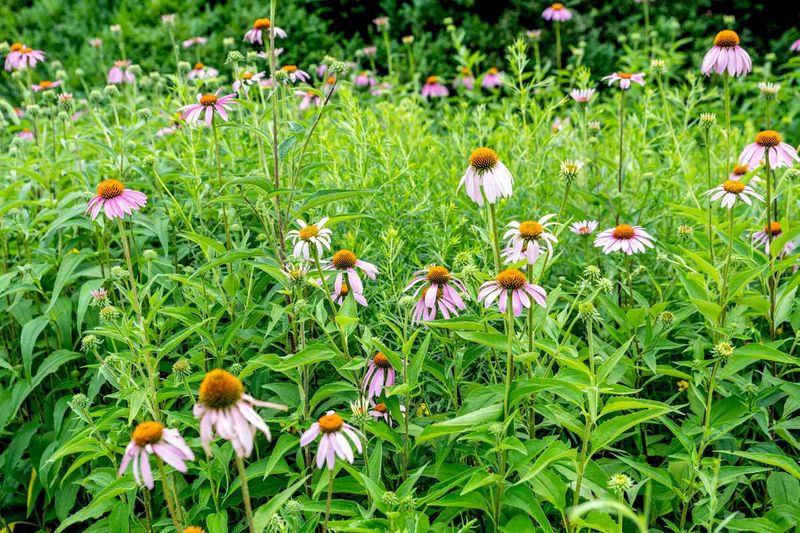
Plenty of Southern gardeners plant coneflowers with high hopes, then watch them stay stubbornly small, floppy, or stingy with blooms. Before blaming the soil, the weather, or your watering schedule, it helps to look more carefully at where the plant is growing.
A poor planting spot can quietly limit a coneflower without killing it outright, but the spot is not always the culprit. Species, cultivar genetics, plant age, and a handful of care factors all play a role too, and sorting them out will save you from moving a plant that just needs more time.
First, find out whether the plant is actually undersized
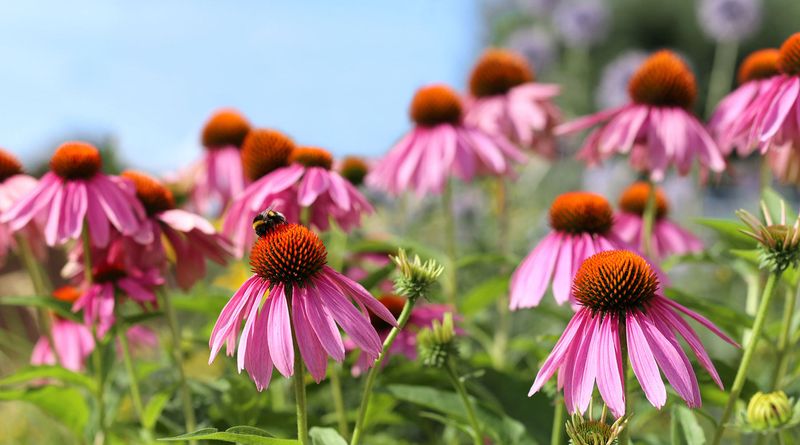
Before pointing a finger at the planting spot, it pays to confirm that the plant is genuinely undersized rather than simply young, recently divided, or a naturally compact selection. Coneflower is a broad common name that covers multiple Echinacea species, hybrids, and named cultivars, and they do not all grow to the same dimensions.
Judging a compact selection against the mental image of a tall prairie plant sets up an unfair comparison from the start.
Standard Echinacea purpurea, the purple coneflower most gardeners recognize, is commonly listed at roughly 2 to 4 feet tall at maturity. Clemson Cooperative Extension guidance on Echinacea notes that named compact selections can mature at about 12 to 18 inches, which means a healthy, well-sited plant might look small simply because that is its intended size.
These are general ranges, not guarantees, and individual plants vary even within a cultivar.
Pull the original tag if you still have it, or look up the plant by its cultivar name. Check the expected mature height and spread listed for that specific selection, not for coneflowers in general.
Then consider the plant’s age: seed-grown coneflowers can take two or more years to become substantial, and recently divided plants often spend their first season rebuilding roots rather than putting on height. Comparing your plant against its own expected dimensions at its current stage of development is the honest starting point before any site diagnosis begins.
Too little usable light can reduce bloom and strength
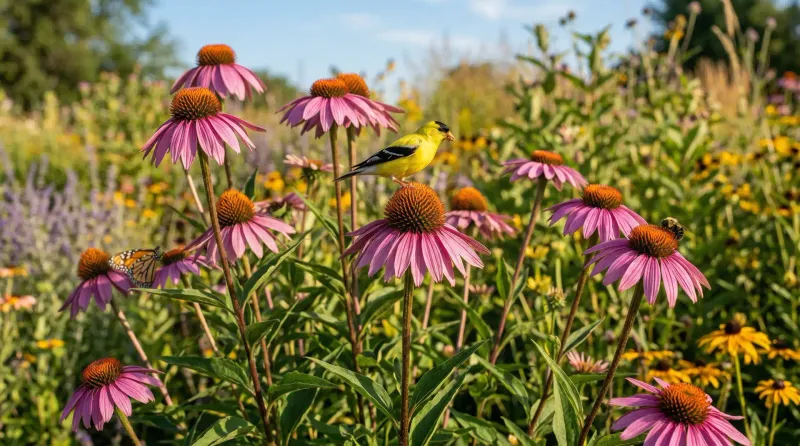
Light is one of the most consequential site factors for Echinacea purpurea, and it is also one of the easiest to misjudge. A bed can look open and bright to the eye while still falling short of the sustained direct sun this species performs best in.
North Carolina Extension guidance on eastern purple coneflower describes the plant as preferring full sun to light or partial shade, and specifically warns that plants grown in less than full sun may become floppy and require staking. Dense shade creates an even harder condition, reducing flowering significantly and contributing to weak overall growth.
Full sun, in practical terms, means roughly six or more hours of direct sunlight reaching the plant each day during the growing season. That threshold matters because the hours need to be direct, not filtered through a canopy or bounced off a fence.
Morning light and afternoon light also differ in intensity, particularly in the South, so knowing which part of the day your bed receives sun is as useful as knowing the total count.
University of Georgia Extension coneflower guidance supports the connection between inadequate light and poor habit. Rather than relying on a single glance at the yard on one morning, walk the bed at different times across a few days during the growing season and note when direct sun actually hits the plant.
Trees leaf out, neighboring shrubs fill in, and structures cast longer or shorter shadows depending on the season, so a bed that looks sunny in March may be partly shaded by June when coneflowers are actively growing.
Adjust the light test for local Southern heat
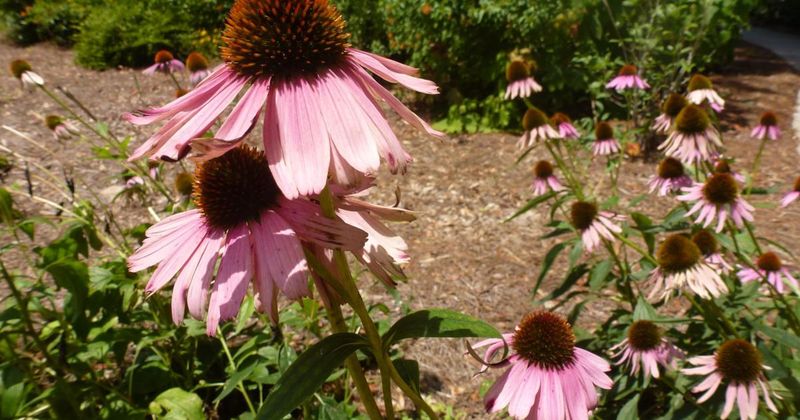
Adequate sunlight and punishing site heat are not the same thing, and treating them as interchangeable can lead to the wrong fix. A coneflower growing beside a concrete driveway, a south-facing masonry wall, or a heat-reflective surface may be receiving plenty of direct sun while also absorbing reflected heat that a plant in an open garden bed would not experience.
Assessing that kind of site means asking not just how many hours of sun the bed gets, but what kind of thermal environment surrounds the plant during the hottest part of the day.
For Florida gardeners specifically, UF/IFAS guidance on purple coneflower describes light afternoon shade as a reasonable approach during summer, noting that protection from the most intense afternoon sun can improve flower and foliage color and reduce drought stress. The same guidance acknowledges that full-sun plants may need more frequent watering to compensate.
That Florida-specific advice reflects the reality of high summer heat and humidity along the Gulf Coast and peninsula, where conditions differ meaningfully from the Mid-Atlantic or Midwest references that dominate most general coneflower guides.
Texas gardeners and those in other parts of the South should treat this as a site-specific question rather than a blanket rule. The broader body of guidance for Echinacea purpurea continues to favor bright light, and many Southern sites with good air movement and reasonable moisture will support the plant in full sun without problems.
The practical question is whether the specific bed imposes heat stress beyond what normal sunlight brings, and whether adjusting exposure or moisture management addresses any observed symptoms before assuming the plant needs to move.
Check what the soil does after rain
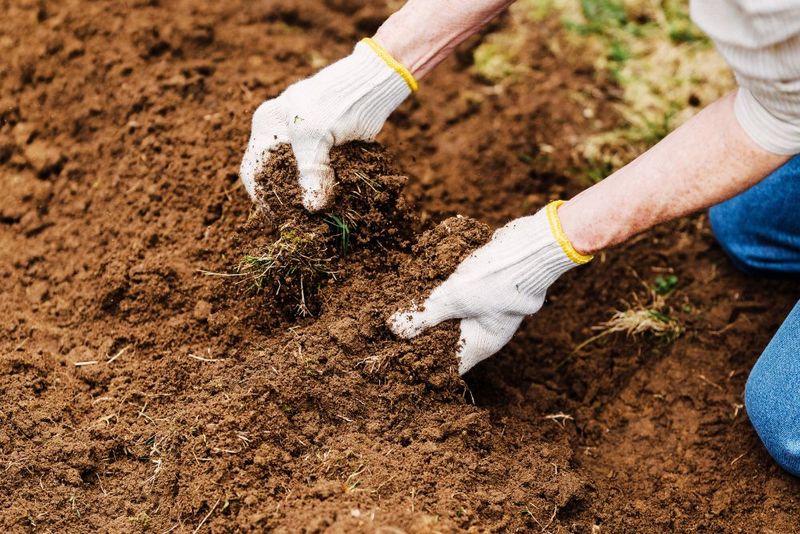
Soil drainage is a quieter problem than light, but it can be just as limiting. Echinacea purpurea is genuinely adaptable and will grow in clay, poor soil, and moderately dry conditions, but it performs best where water moves through the root zone rather than pooling around it.
North Carolina Extension notes that wet or waterlogged locations can weaken roots and encourage problems such as rot and powdery mildew, both of which reduce plant size and vigor without producing the kind of obvious above-ground symptoms that immediately suggest a drainage issue.
Testing drainage does not require any equipment. After a heavy rain or a thorough irrigation, visit the bed and press into the soil.
If water pools on the surface, the soil stays soggy for more than a day, or the ground feels waterlogged well below the surface, the site has a drainage problem worth addressing. Oklahoma State University Extension guidance on basic plant care explains that poor internal drainage reduces soil oxygen, which directly impairs root function and overall plant health regardless of how much fertilizer or water is applied at the surface.
Improving the site is a more useful response than adjusting your watering schedule. Working compost into the bed to improve soil structure, creating a slightly raised planting area, or redirecting surface water away from the bed can all change the drainage picture without moving the plant.
Adding more water to a site that already stays too wet is counterproductive and will not substitute for correcting the underlying drainage condition.
Support the plant without forcing oversized growth
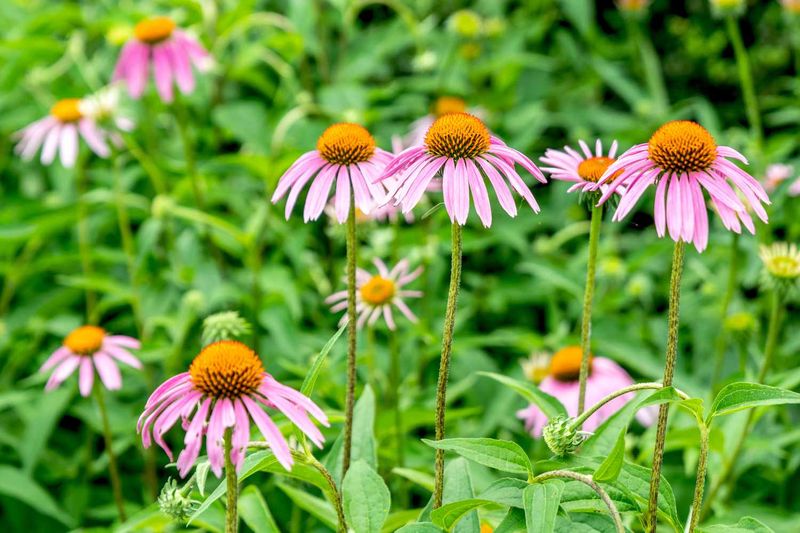
Reaching for a fertilizer bag or watering more often can feel like the obvious response when a plant looks underwhelming, but both strategies can backfire with coneflowers. Illinois Extension guidance on planting and care for perennials warns that overfertilization can produce excessive soft growth, fewer flowers, and plants that become floppy or lodge rather than standing upright.
Coneflowers generally do not need heavy feeding when the soil has been reasonably prepared, and pushing extra fertility at a plant that is struggling due to poor light or drainage will not correct those underlying problems.
Watering follows a similar logic. Deep, infrequent watering during establishment and through extended drought periods supports the plant without creating the persistently moist conditions that coneflowers dislike.
Established Echinacea purpurea develops reasonable drought tolerance, though prolonged heat and dry spells can still reduce flower quality and overall plant condition. The goal is to let the soil drain between waterings rather than keeping it consistently moist, which mimics the moderately dry to moist conditions this species handles best.
Proportionate care means matching your inputs to what the site and the cultivar actually require. A plant in a suitable location with decent soil rarely needs supplemental fertilizer at all.
If the bed was amended with compost at planting and the soil is reasonably fertile, skipping fertilizer and focusing instead on appropriate watering and good drainage is usually the more productive path toward a healthier, better-blooming plant.
Use size, spacing, and competition as separate clues
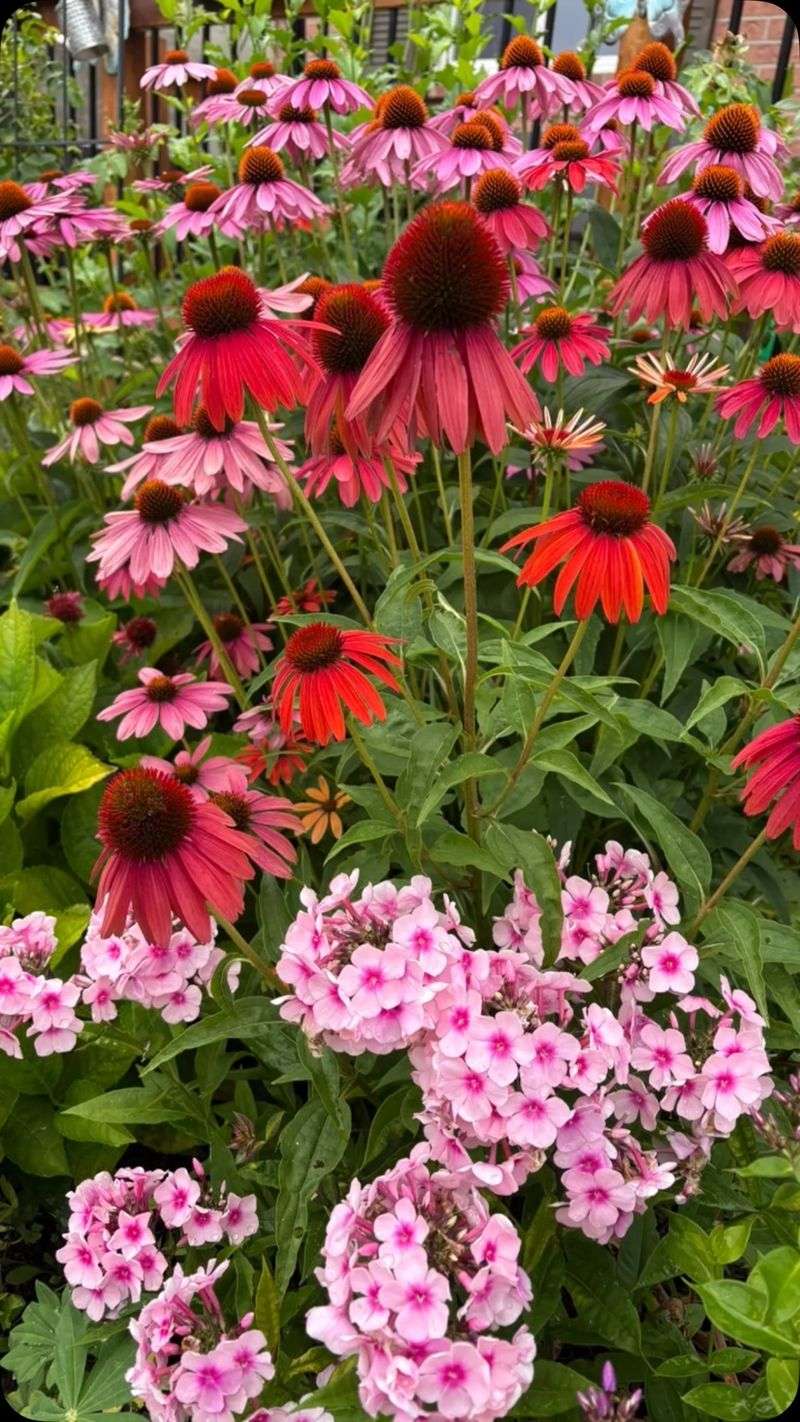
Crowding is easy to overlook because it develops gradually as a bed fills in over several seasons. Coneflower selections commonly spread roughly 1.5 to 3 feet at maturity depending on the cultivar, and a plant that was given adequate room at planting may eventually find itself squeezed by neighboring perennials, ornamental grasses, or shrubs that have expanded into its space.
UF/IFAS guidance on purple coneflower notes that congested growth can restrict airflow, which contributes to disease pressure and uneven habit over time.
Checking spacing requires a practical look at the bed rather than a measurement taken at planting. Stand back and observe whether the coneflower’s stems are being shaded or physically crowded by neighbors, whether air can move freely through the center of the clump, and whether competing root systems from nearby plants are likely sharing the same soil volume.
A plant that appears to be in adequate light from a distance may actually be receiving less direct sun than it seems once the canopy of adjacent plants is factored in.
Chicago Botanic Garden’s comparative evaluation of Echinacea cultivars observed that inferior habits in trial plantings included open crowns, spindly forms, and competition from vigorous seedlings within established clumps. Thinning neighbors, removing crowded seedlings, or selectively pruning adjacent plants may improve the situation without moving the coneflower itself.
Relocation is one possible response, but adjusting the surrounding competition is often a less disruptive first step worth trying before making a larger change.
Distinctive symptoms can redirect the diagnosis
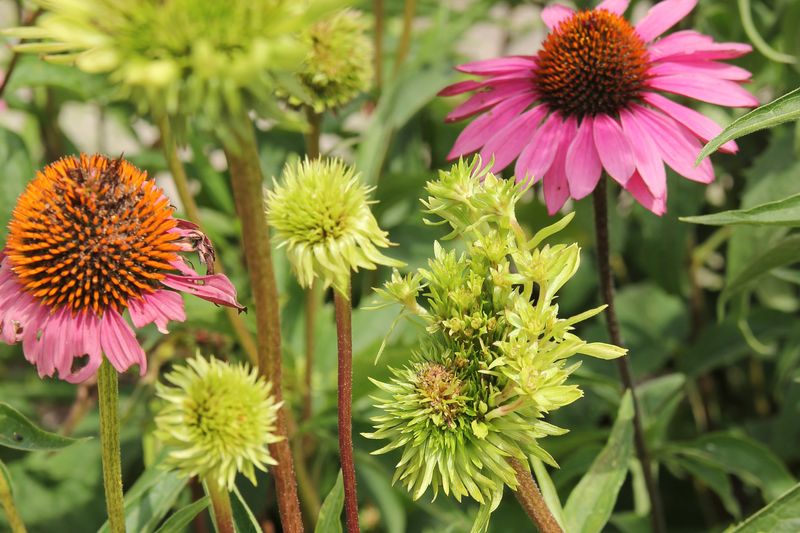
Ordinary site troubleshooting covers a lot of ground, but some coneflower problems originate inside the plant rather than in its surroundings. Knowing when to look beyond light, drainage, and spacing can save time and prevent the spread of a serious condition to healthy plants nearby.
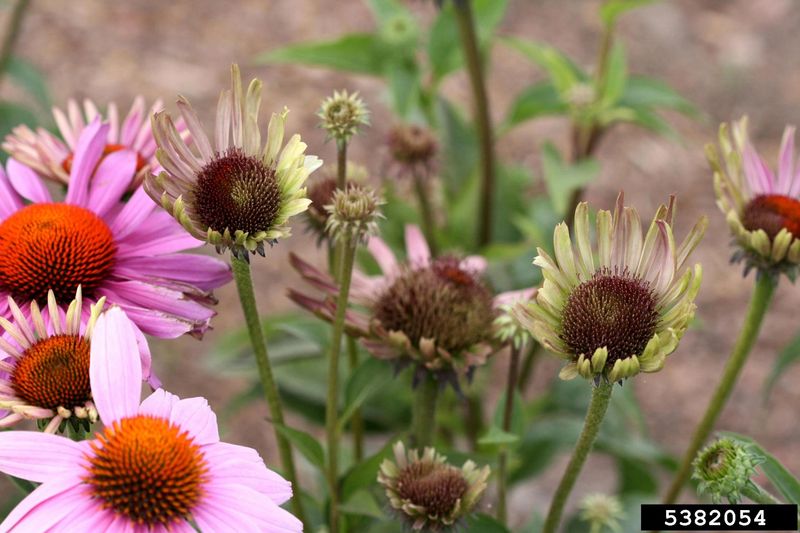
Green, distorted flower heads that look like broccoli or dense leafy clusters, witches’-brooms at the growing tips, or severe stunting that does not match any obvious site problem can point toward aster yellows, a disease spread by leafhoppers. Illinois Extension’s explanation of aster yellows on coneflower makes clear that there is no cure or treatment once a plant is infected.
Removing the affected plant promptly is the recommended response, both to stop further decline and to reduce the leafhopper source. Small size alone, without these distinctive flower or growth symptoms, is not enough to suspect aster yellows.
A different pattern emerges when distortion is confined mainly to the central cone while the rest of the plant looks generally healthy. That localized symptom may suggest eriophyid mites rather than a systemic disease.
Chicago Botanic Garden’s coneflower cultivar evaluation reports that removing affected flower heads can improve the display and help reduce the mite population. These two conditions require different responses, so matching the action to the actual symptoms observed on the plant, rather than to small size alone, keeps the diagnosis honest and the response proportionate.
Choose the least drastic response that fits the evidence
Good diagnosis leads to proportionate action, not the most dramatic fix available. Start by confirming what the plant actually is and how old it is, then compare its current size and condition against its expected mature dimensions at this stage of development.
Clemson Cooperative Extension and North Carolina Extension both emphasize that cultivar identity and plant age should frame any performance assessment before site factors are evaluated.
Once the baseline is established, weigh the site evidence together: seasonal light hours, the thermal character of the bed in your specific climate, drainage behavior after rain, spacing relative to neighbors, watering habits, and any distinctive symptoms. A young or naturally compact plant in a reasonable location may simply need another growing season.
A mature Echinacea purpurea sitting in dense shade or persistently wet soil has a clearer case for site improvement or, as a last resort, a move to a better location. UF/IFAS guidance supports adjusting light exposure to local conditions rather than applying a single rule across every Southern yard.
Relocation is one tool, not a default. Correcting drainage, thinning competing plants, or adjusting care often addresses the demonstrated problem with less disruption.
Fix the specific thing the evidence points to, and resist adding fertilizer or extra water as a hedge while the real issue goes unresolved. A coneflower that gets the right conditions for its actual cultivar is usually a more rewarding plant than one that gets more of everything in the wrong spot.