
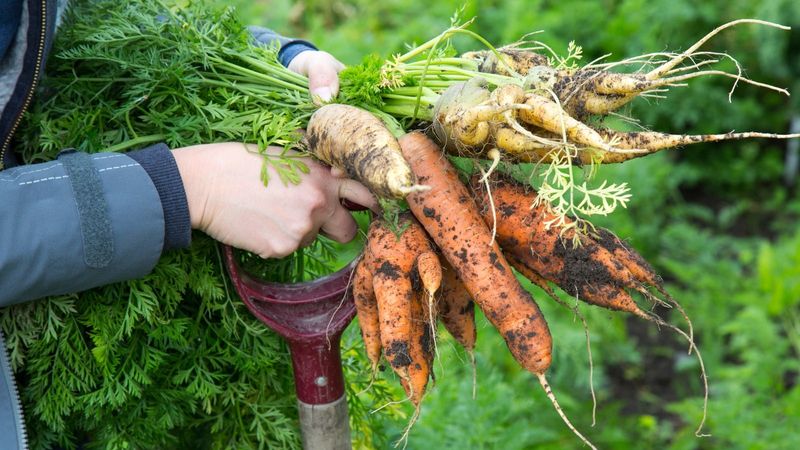
You pull a carrot you have waited months for, and it is split in two or short and fat like a thumb. That sting is common among Southern gardeners growing carrots for fall.
Crowded seedlings can play a part, but they are only one piece of the puzzle. Here is how to thin smartly, set up better soil, and spot other causes when roots still come out odd.
Crowding can contribute to misshapen roots—but it is not the only cause
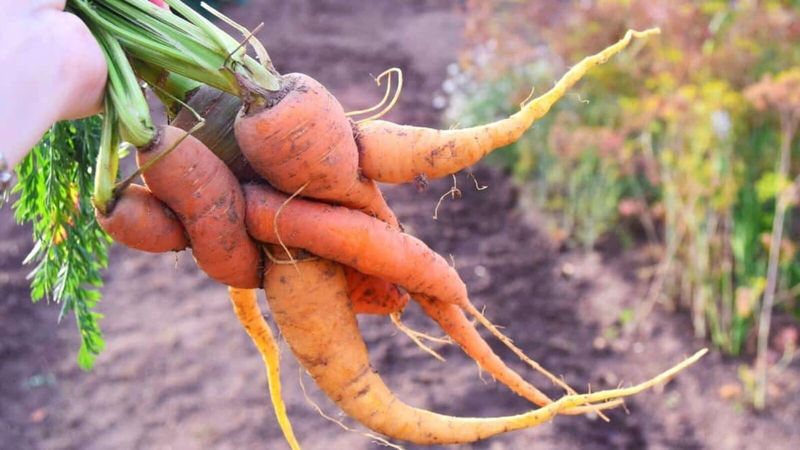
Carrots that grow shoulder to shoulder can run out of room. Texas A&M AgriLife guidance links overcrowding and rocky soil to poor-quality roots, and Maryland Extension explains that proper spacing helps prevent malformation when neighboring roots touch.
Still, the title’s word “usually” goes too far. Nobody has shown that crowding is the most common reason for forked or stubby carrots.
Compacted or rocky soil, hardpans, and damage to the young taproot can all do it too.
So can too much water, Pythium root dieback, and nematodes, as listed by University of Minnesota Extension and UC IPM.
A twisted carrot alone cannot tell you which one happened. Treat it as a clue, then look at your spacing, soil, and watering together.
Thin crowded seedlings without disturbing their neighbors
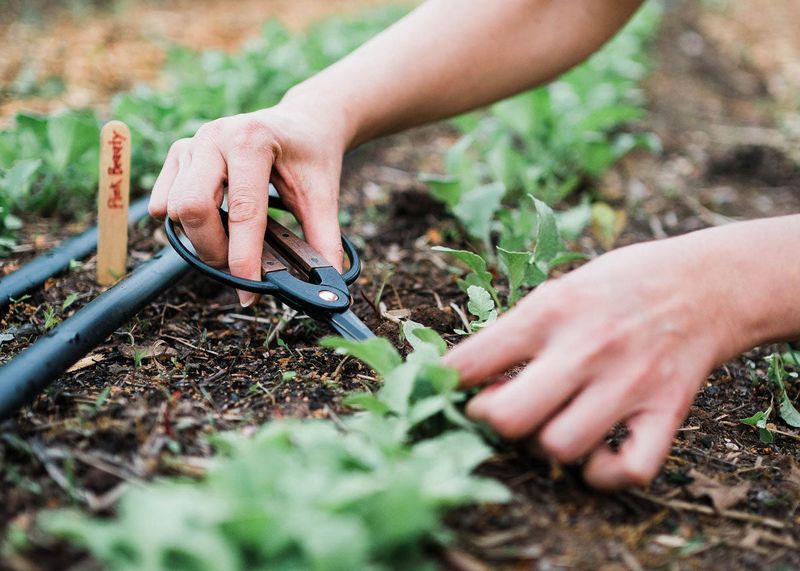
Giving seedlings room is a simple chore that helps prevent crowding problems, though it will not guarantee big, straight roots. Guidance on timing and spacing varies, so treat the numbers below as examples that can shift with variety and the root size you want.
Alabama Extension suggests thinning when sprouts are about 1 inch tall, leaving them about 2 inches apart. Maryland Extension waits until seedlings are about 2 inches tall, and says to cut unwanted seedlings rather than pull them, since pulling can disturb nearby roots.
Texas A&M uses a staged plan. Thin to 2 inches apart when tops reach about 4 inches, then to 4 inches as plants grow.
Small scissors work well. Snip at the soil line, water gently afterward, and plan on a second pass instead of expecting one session to settle the whole crop.
Give the taproot deep, loose soil to grow through
Picture a taproot pushing down and hitting a rock. It bends, splits, or stops.
Rocks, clods, and packed layers can deflect or damage the developing root, which is why bed prep matters as much as spacing.
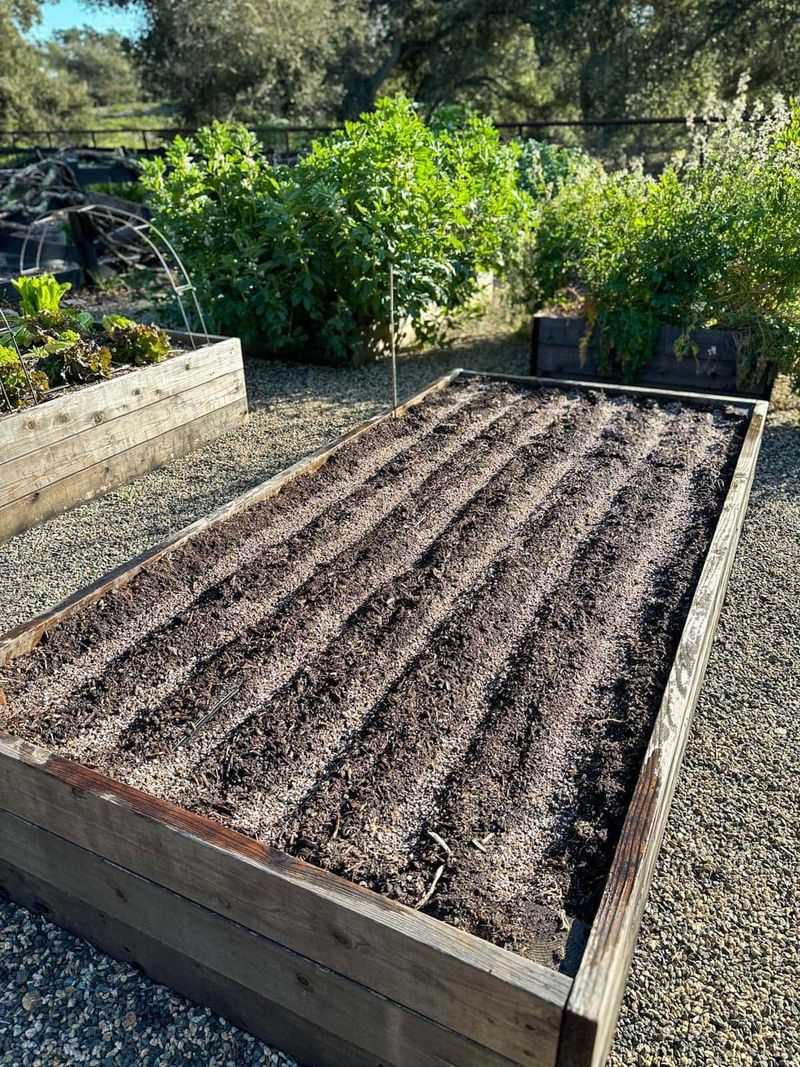
Work the bed deep and loose before sowing, and pull out stones and hard lumps. Maryland Extension recommends deep, loose, well-drained soil for carrots, and Utah State University Extension describes how obstructions in the soil can distort roots.
If your yard drains poorly or the soil sets up like concrete after rain, a raised bed filled with loose, well-drained mix is a practical option.
Wider spacing cannot remove a physical barrier. A carrot with plenty of elbow room will still fork if its tip meets a stone, so clear the path first.
Check water and other possible causes of stubbing
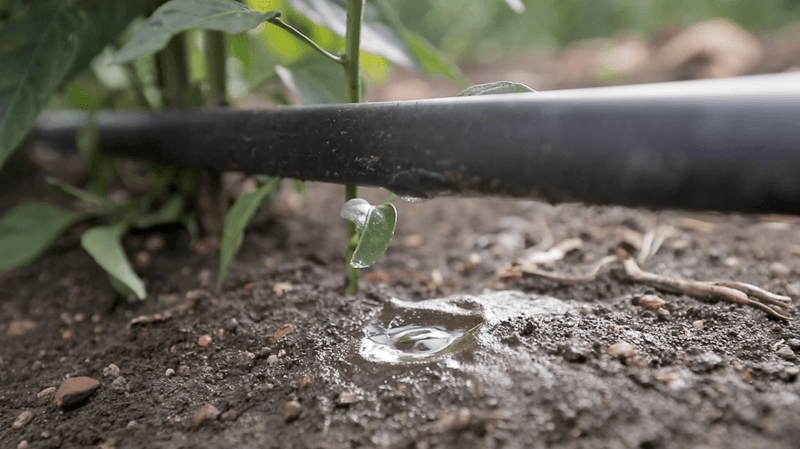
Carrot seeds need steady moisture to sprout, but a seedbed that stays soggy is another story. UC IPM says very wet soil favors Pythium root dieback, which can kill young taproots and lead to short, branched, or stubbed roots.
It advises avoiding overwatering and providing good drainage.
Aim for evenly damp, not waterlogged. Water lightly and often while seeds sprout, then ease off as plants establish.
Nematodes are another possibility, especially for Florida gardeners. UF/IFAS notes that similar aboveground symptoms can have several causes, so a weak plant or an odd root does not prove nematodes.
Galls, patchy damage, or unusual growth are better clues, and a soil test can help confirm.
The University of Minnesota list of causes is a handy checklist, and good drainage and loose soil from your bed prep remain your best defense.
Use regional planting windows for fall carrots
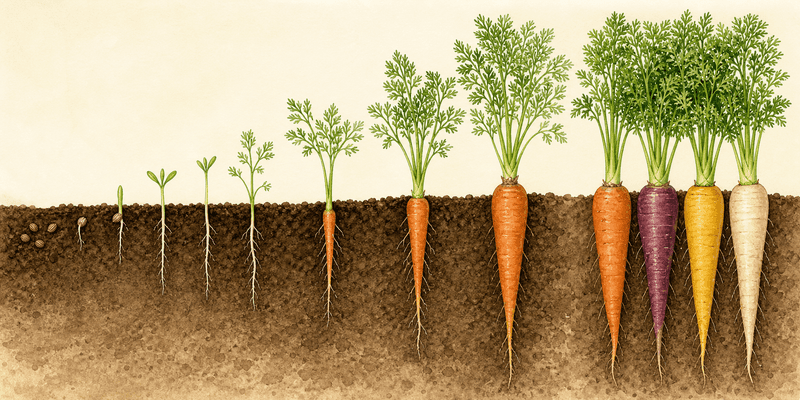
Fall timing differs across the South, so a single date will not fit everyone. These windows come from regional guides and apply only to the areas named.
For Texas, the Texas A&M home-garden guide points to August for a fall crop in many parts of the state. South Texas has a much longer window, from July through February.
Florida splits three ways. The UF/IFAS Florida Vegetable Gardening Guide lists September through March for North Florida and South Florida, and August through March for Central Florida.
Check which region your county falls into before marking the calendar. Those windows should not be stretched to other states or other parts of the South, and a hot August sowing may need extra attention to keep the seedbed evenly moist.
Thin first, then assess the growing conditions
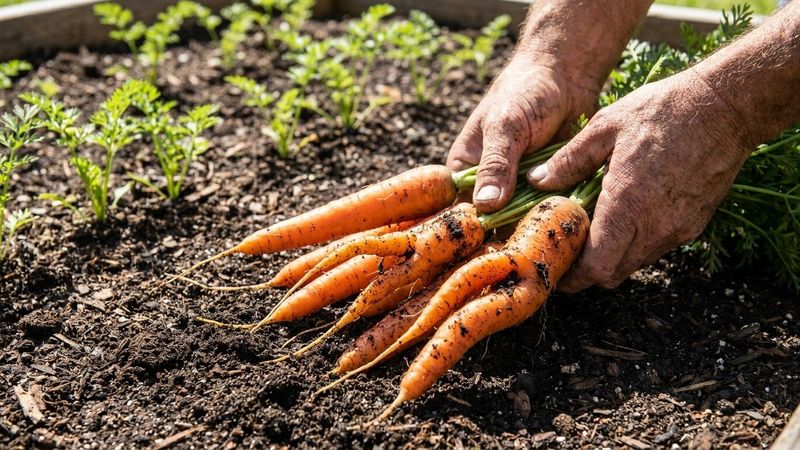
Start with what you can control. Thin crowded seedlings by cutting the extras, as Maryland Extension advises, and keep the bed loose, deep, and well-drained.
Then watch what comes up. If roots still look forked or stubby, work down the list.
Check for stones or hard layers where the tips stopped, think about whether the bed stayed soggy, and look for galls or patchy plant decline that might point toward nematodes.
Maryland’s deformed root guide and UC IPM are useful references for narrowing things down.
Thinning can head off crowding trouble, but it cannot fix a rock, a waterlogged bed, or a root disease. A carrot tells you where it ran into trouble, so a few notes from this fall can make next season’s row far straighter.