
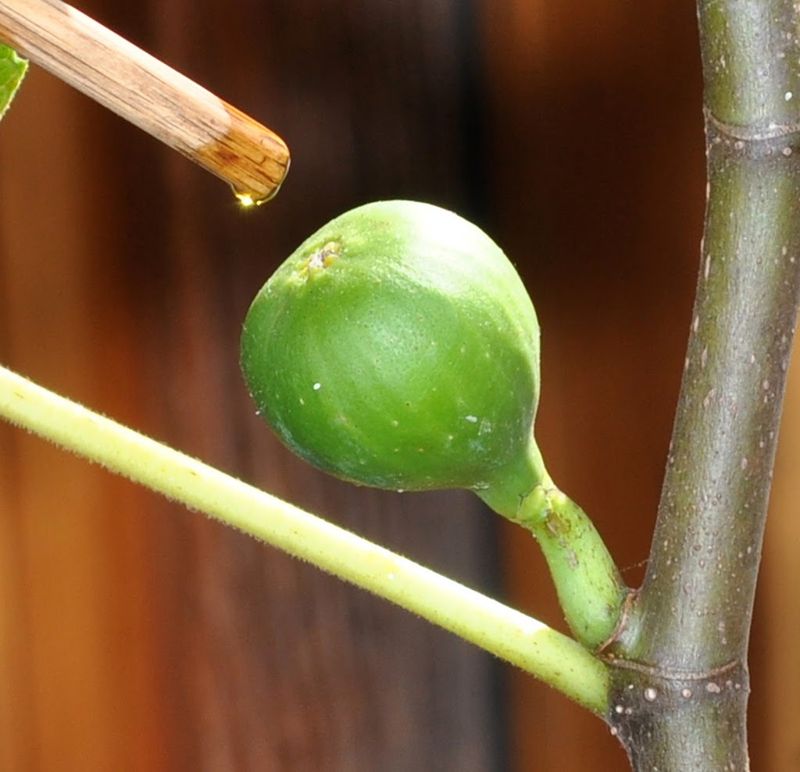
Nothing stings quite like a fig tree loaded with fruit that just will not soften as the nights turn cool. Those hard green figs are not a lost cause yet, especially if you garden in the South, where fall often gives you a few extra weeks.
With some simple moves, you can push many of them to ripen before the first frost arrives. Here is how to give your late crop its best shot.
1. Learn to Read the Ripeness Signs
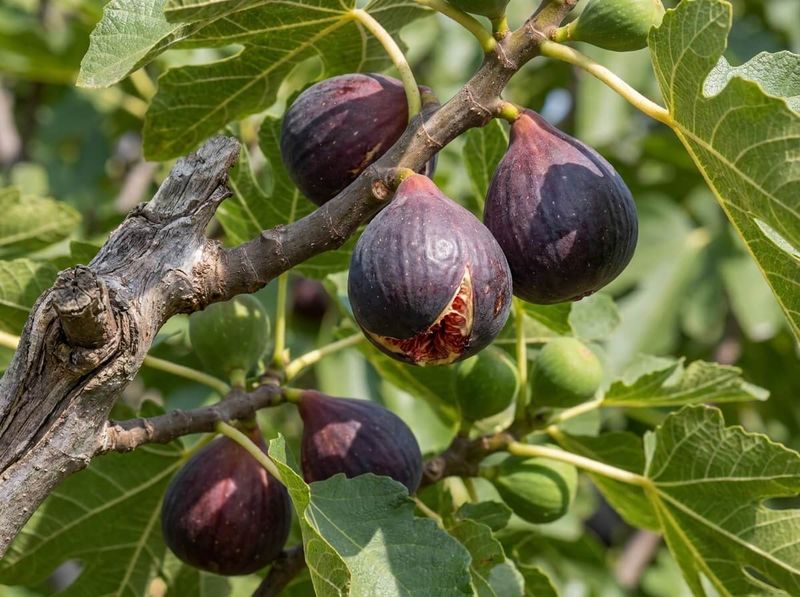
A ripe fig tells on itself. The neck softens, the fruit droops on its stem, and the skin may crack slightly or shift from bright green to a duller shade of brown, purple, or yellow, depending on the variety.
Before you try any tricks, take a close look at what you have. Figs grow in stages, and a fruit stuck in its slow middle phase can sit hard and green for weeks before suddenly swelling.
Gently squeeze a few. If they feel like rubber balls, they still need time and warmth.
Size matters too. Figs that are close to full size for your variety often have the best chance of finishing, while tiny pea-sized ones forming late in the season usually will not make it before cold weather.
Sorting your fruit this way helps you focus energy where it counts.
Varieties like Celeste and Brown Turkey, both popular across Florida and Texas, often show color change as a clear clue. Green-skinned types such as Kadota stay pale, so rely on softness and droop instead.
Once you know which figs are realistic candidates, every other step on this list works a little better.
2. Try the Olive Oil Oiling Trick
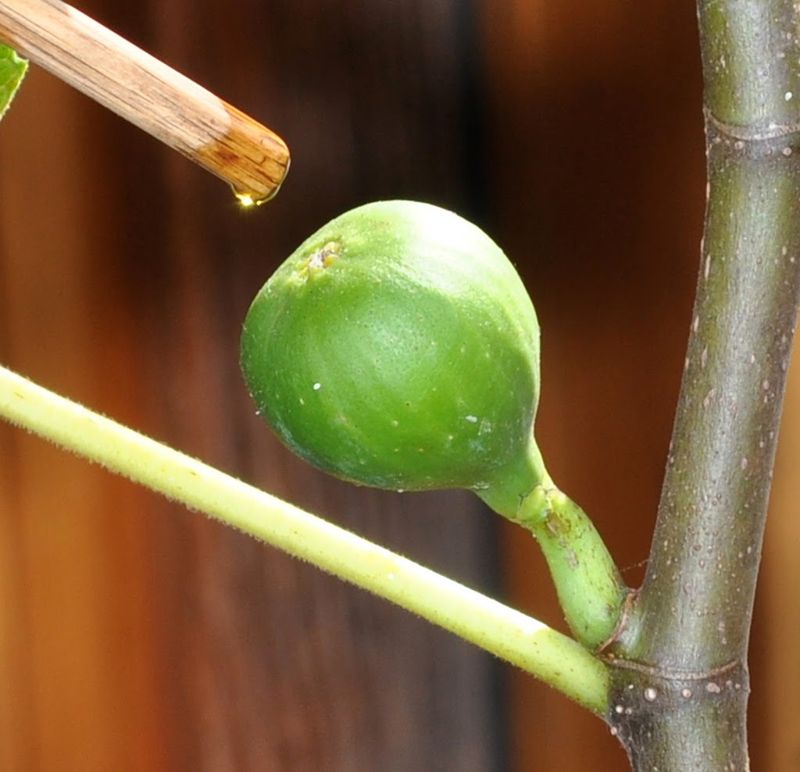
Gardeners around the Mediterranean have used this one for centuries. A tiny drop of olive oil placed on the eye of a fig, the little opening at the bottom, may speed ripening by several days to a couple of weeks.
The oil seems to trigger the fruit to produce more ethylene, the natural ripening hormone. Results can vary, but plenty of home growers report figs softening noticeably faster after treatment.
Here is the method:
Pick figs that are near full size but still firm. Dip a cotton swab in olive oil and touch it to the eye of each fig, leaving just a small dab.
Skip the tiny ones, since they usually lack the maturity to respond.
Timing helps. The trick tends to work best once figs have reached the end of their slow growth stage, which you can often spot when they stop getting bigger for a while.
Treat a handful first and compare them with untreated fruit on the same branch. That little experiment shows you how well your particular tree reacts, and it costs almost nothing but a few minutes and a kitchen staple.
3. Pinch Off the Newest Growth
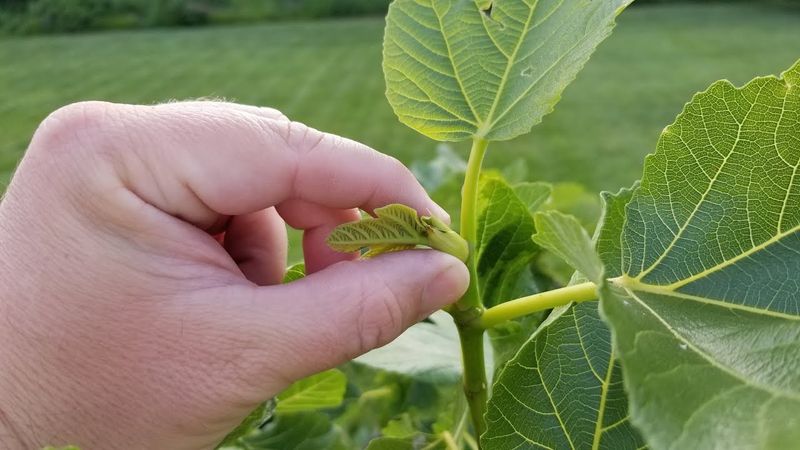
Your fig tree has a split personality in fall. Part of it wants to keep growing leaves and new shoots, while the rest is trying to finish the fruit already hanging on the branches.
Pinching off the soft tips at the end of each branch can nudge the tree to send more sugar and energy into existing figs. Use your fingers or clean snips to remove the top inch or two of new growth.
While you are at it, consider removing the smallest figs that have no real hope of ripening. Fewer fruits competing for resources may help the larger ones size up and soften sooner.
It feels wasteful, but think of it as triage.
Avoid heavy pruning now. Big cuts this late can stress the tree and encourage tender new growth that frost will damage.
A light pinch is all you need.
Gardeners in North Texas and the upper South, where frost arrives earlier, often see the biggest benefit. In Central and South Florida, the season runs longer, but pinching can still help a stalled crop finish on a more predictable schedule.
4. Ease Up on Water and Skip the Fertilizer
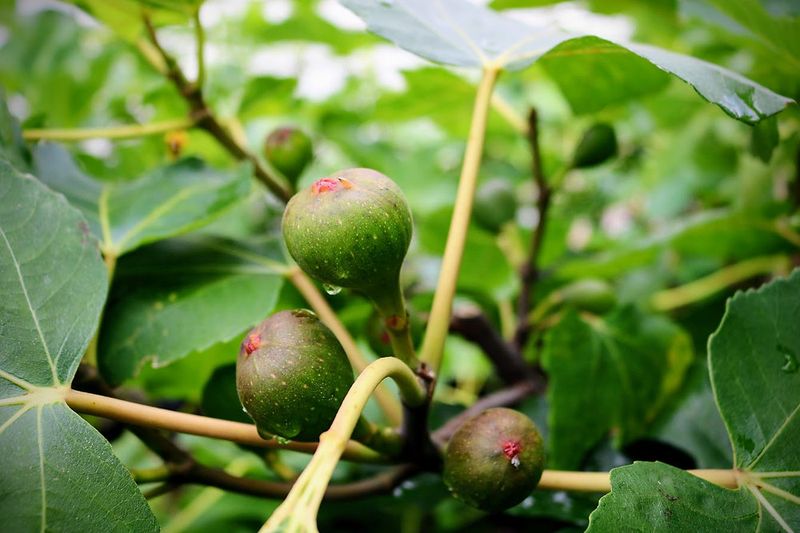
Kindness can backfire with figs. Lots of water and a scoop of nitrogen fertilizer push leafy growth, which is the opposite of what a tree with stalled fruit needs right now.
Once figs reach near full size, cutting back slightly on watering often encourages ripening and may improve sweetness. Keep the soil from going bone dry, though, because severe drought can make the tree drop fruit.
Aim for evenly moist soil a few inches down, then let the surface dry between drinks.
Fertilizer should stop by midsummer in most Southern gardens. Late feeding can keep the tree in growth mode and leave new shoots vulnerable when temperatures fall.
Watch the weather. A heavy fall rain in Florida or the Gulf Coast can cause nearly ripe figs to split or turn watery, so there is no need to add more water after a soaking storm.
Mulch is still your friend. A two to three inch layer around the root zone keeps moisture steady without drowning the tree.
Pull it back slightly from the trunk to discourage rot, and your figs get a calmer finish to the season.
5. Give the Branches More Sun and Warmth
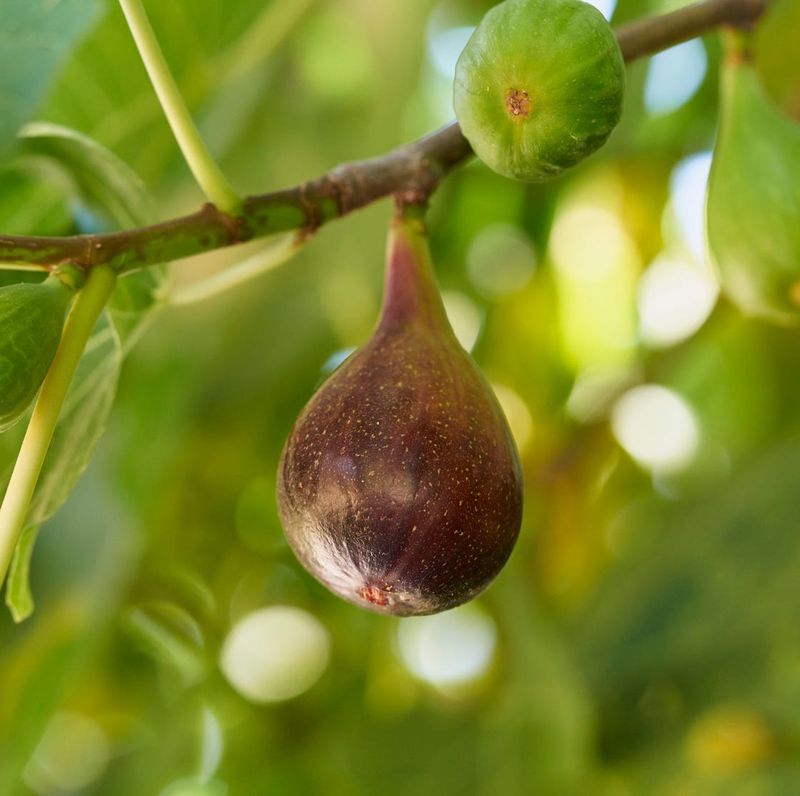
Heat is the fuel figs crave. As fall days shorten and cool off, anything that boosts light and warmth around the fruit can make a real difference.
Start by trimming a few leaves that completely shade clusters of figs. Do not strip the tree, since leaves make the sugars that sweeten fruit.
Just open small windows so sunlight reaches the most promising figs.
Location matters even more. Trees growing near a south-facing wall, fence, or patio soak up reflected heat, which can extend ripening by days.
If your fig lives in a container, roll it to the warmest, sunniest spot in your yard right now.
Gardeners in cooler pockets sometimes lay dark stones or pavers near the base to store daytime heat and release it at night. It sounds old-fashioned, but it can raise temperatures around low branches a few degrees.
For a fun bit of history, Roman growers trained figs against sunny walls for exactly this reason. Centuries later, a sunny corner remains one of the simplest tools for squeezing out a late harvest before cold settles in.
6. Cover the Tree When a Cold Snap Hits

One chilly night can undo weeks of patience. When the forecast drops toward the mid-30s, a little protection may keep your figs ripening for another week or two.
Frost cloth is the go-to choice. Drape it over the whole tree in the evening, letting it reach the ground so it traps warmth rising from the soil.
Remove it in the morning once temperatures climb so the tree gets sun.
Old bedsheets work in a pinch, but avoid plastic directly touching leaves, since it can transfer cold and cause damage. For extra help, some gardeners string old-style incandescent holiday lights inside the cover for gentle heat.
Use outdoor-rated lights and keep them away from fabric to stay safe.
Across much of Texas, Louisiana, and the Carolinas, the first frost is often followed by a stretch of mild weather. Getting through that single cold night may give your figs the warm days they need to finish.
Potted figs are easier still. Simply wheel them into a garage or covered porch on cold nights, then move them back outdoors when the sun returns.
7. Rescue the Stragglers After Harvest
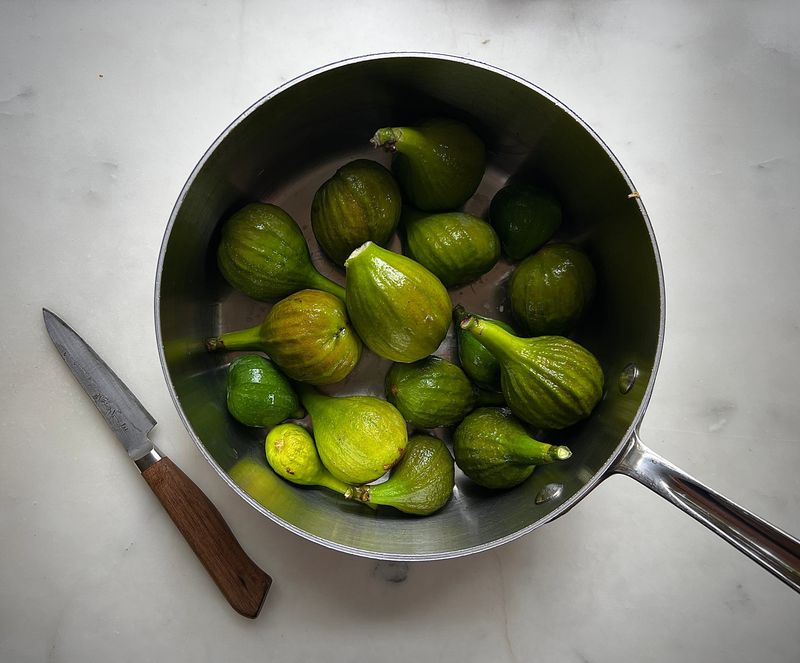
Sometimes the cold wins, and that is okay. Figs do not ripen much once picked, but slightly soft, partly colored fruit can still improve a bit on the counter.
Place those figs in a paper bag with a ripe banana or apple overnight. The extra ethylene may soften them slightly, though they will not taste as rich as tree-ripened fruit.
Check daily, because figs spoil fast.
Rock-hard green figs have their own uses. Many Southern cooks turn them into green fig preserves, a sweet, spiced treat that has graced pantry shelves for generations.
Simmering them slowly with sugar, lemon, and a little ginger transforms tough fruit into something special.
Green figs can also be candied or pickled. Just know that unripe figs ooze a milky sap that can irritate skin, so wear gloves while trimming them.
Finally, jot down when frost arrived this year and which figs finished in time. That simple note helps you plan pinching, oiling, and covering earlier next fall, so fewer fruits get left behind.