
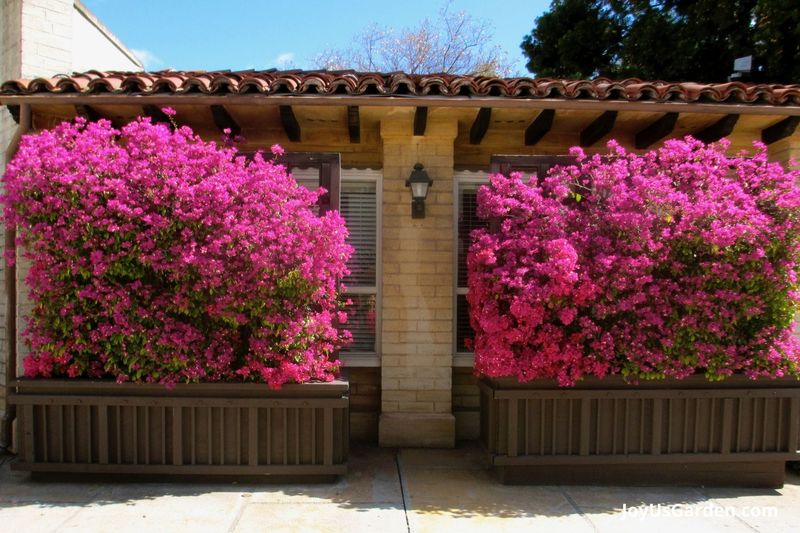
Your Florida bougainvillea may already be getting ready for winter color, and the best December step is to protect the growth it has already built. In South Florida, those bright bracts often show up in late fall or early winter.
Cutting too much or feeding at the wrong time can get in the way. Here is how to give your plant a good shot at a colorful season.
South Florida bougainvillea can color up in winter
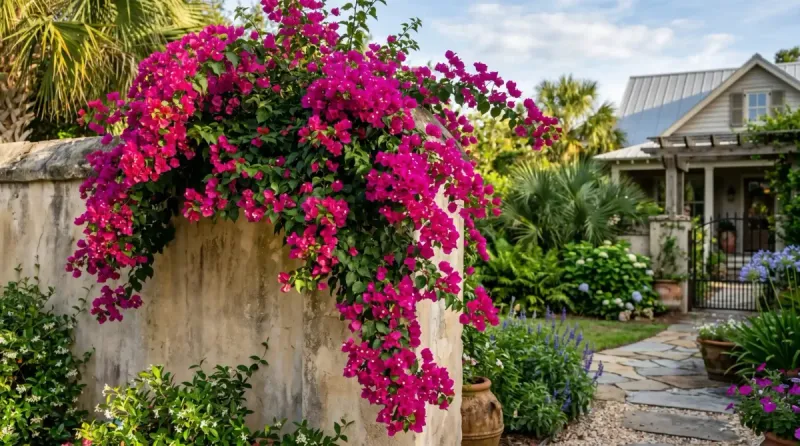
Here is the good news: in South Florida, bougainvillea can produce colorful bracts in late fall or early winter. UF/IFAS Miami-Dade guidance describes that pattern for local landscapes.
Your plant may already be setting color without any special help from you.
That timing is not a promise for every Florida yard, though. It reflects South Florida conditions, and a plant in Gainesville or Pensacola may follow a different schedule.
Nothing in the Florida guidance says one December task decides how much color you get.
Two popular ideas deserve a second look. Florida guidance does not identify December tip-pruning as a reliable way to increase winter color, and it does not show that switching fertilizer in December will do it either.
In fact, UF/IFAS Gardening Solutions warns that pruning too often can cut off new blooms, and that late-season pruning can reduce winter flowering.
So the smartest early-winter move is a quiet one. Leave the new growth alone, look the plant over, and make sure its basic needs are covered.
The rest of this article shows you how to do that, from pruning timing to feeding, water, and cold protection. Think of it as protecting the show that is already underway rather than trying to force a bigger one.
Several growing conditions shape the display
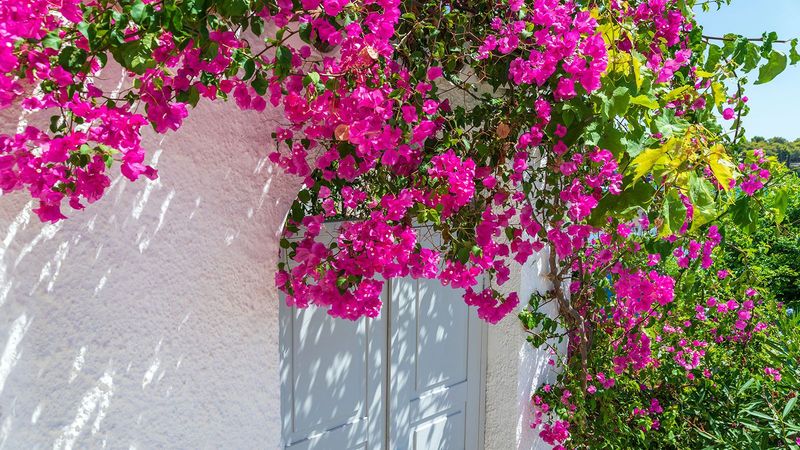
Look closely at a bougainvillea and you will see that the bright color is not made of petals. Those papery, vivid parts are bracts, which are modified leaves.
The true flowers are the tiny, pale blossoms tucked inside them.
Several things influence how many bracts form and when. The Miami-Dade publication notes that temperature, moisture, fertilizer, and pruning all play a part.
It also says flowering can happen at other times of year if the soil gets sufficiently dry. So no single lever controls the outcome.
That Miami-Dade discussion is about South Florida, and it is not a bloom calendar for the whole state. Rainfall patterns differ by region.
National Weather Service forecasters describe winter rainfall in north Florida as more variable, while the south has a steadier wet and dry pattern, and central Florida sits somewhere in between.
The practical takeaway is to watch your own plant. Note when it colors up, how your soil drains, and how cold your yard gets.
Your own notes will teach you more than any statewide rule of thumb.
Save routine shaping for the right pruning window
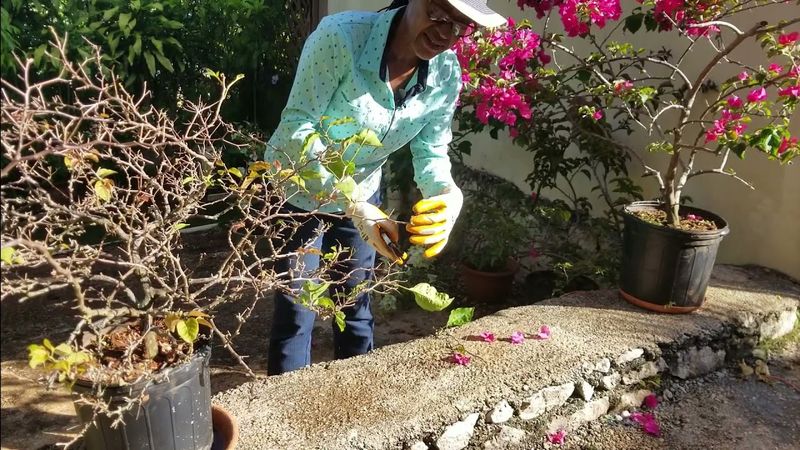
Timing is everything with bougainvillea pruning. UF/IFAS recommends routine pruning in late winter or early spring after flowering, or at the beginning of the rainy season.
That gives the plant time to regrow before the next color cycle.
December is not on that list. Florida guidance does not establish December tip-pruning as a bloom trigger.
Even a light trim is still pruning, and it can remove the young growth that is carrying buds. Late-season cuts, and cuts made too often, can reduce winter flowering.
There is one exception worth knowing. A selective corrective cut is different from shaping.
If a branch hangs over a walkway, rubs a power line, or is badly misplaced, remove that branch and leave the rest alone. That is a safety fix, not a trim for more flowers.
Whenever you do cut, wear heavy gloves and long sleeves. Many cultivars have sharp thorns that can slice through thin gardening gloves.
A long-handled pruner also keeps your hands farther from the worst spikes.
Feed only when the plant needs it
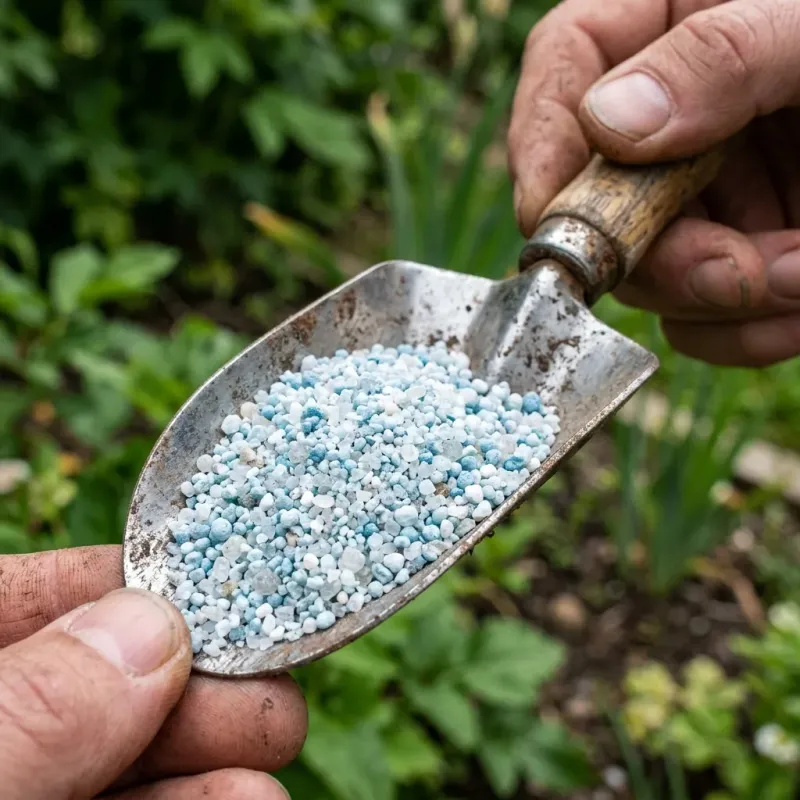
A bag labeled bloom booster is tempting, but an automatic December feeding is not a proven shortcut. Too much nitrogen can push leafy growth instead of colorful bracts.
You could end up with a big green shrub and little to show for it.
Many established landscape plants do not need regular fertilizer at all. Florida-Friendly Landscaping guidance says to apply only the minimum amount needed, follow the label, and use soil or tissue testing to find out whether phosphorus is needed.
Assuming it is needed is not the same as knowing.
Signs that a plant may need help include pale new leaves or very slow growth, and a soil test can confirm what is missing. UF/IFAS Gardening Solutions also lists fertilizer as just one factor among several that affect flowering.
There is no universal rate or formula that fits every yard. Soil, plant size, and local rules differ, so read the product label and match it to your site.
If the plant looks healthy, skipping a feeding is a perfectly good choice.
Keep soil somewhat dry, not severely parched
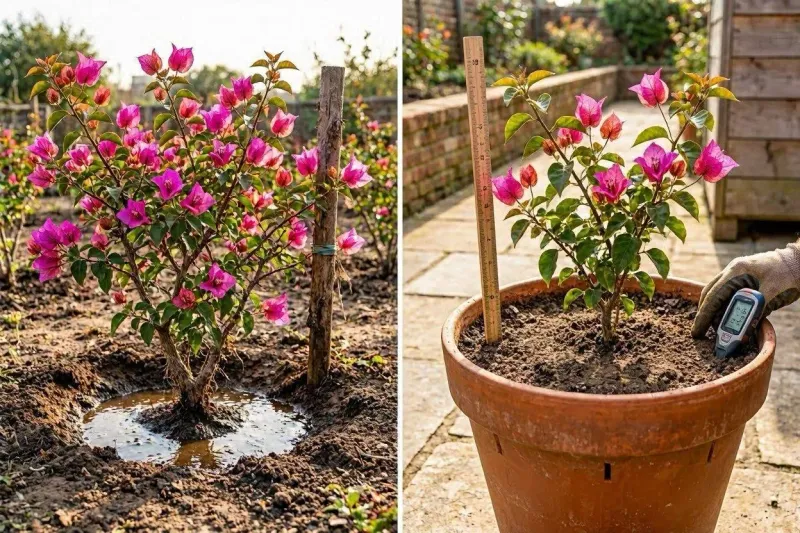
Bougainvillea is built for sunny, breezy spots. It does best in full sun and well-drained soil, and UF/IFAS says it performs better when soil is somewhat on the dry side than when it gets too much irrigation.
A quick walk around your yard can reveal trouble. Does a lawn sprinkler hit the plant every few days?
Does water pool at its base after rain? Moving a spray head or improving drainage often helps more than any special treatment.
Somewhat dry does not mean bone dry. Letting a plant wilt on purpose to force color is risky advice.
A University of Hawaii extension guide warns that excessive drying can cause leaf drop and dormancy.
Container plants dry out faster than ground plantings, so check them more often. Push a finger a couple of inches into the soil.
If it is dry that deep, a good drink is fine. If it is damp, wait.
Protect plants when frost or freezes threaten
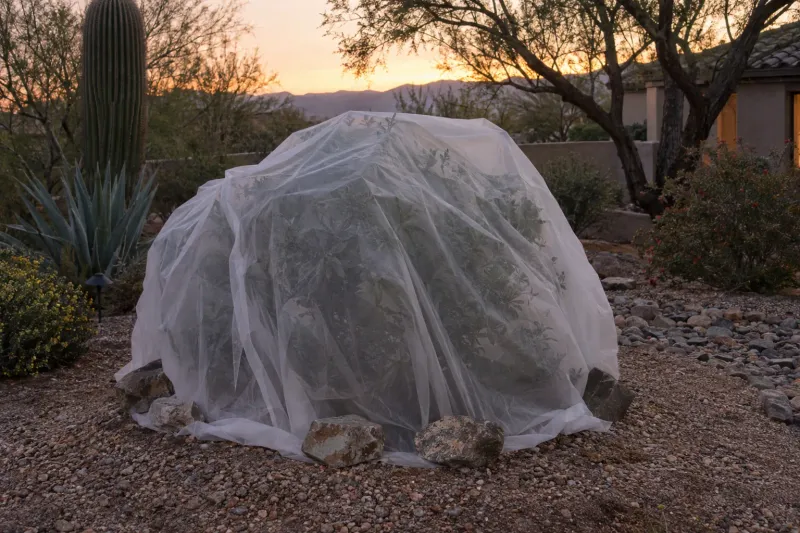
Cold is the real winter threat. UF/IFAS lists protection from frost and freezes as part of good bougainvillea care.
A single hard night can burn the tender growth that would have carried your color.
Your risk depends on where you live. South Florida timing is a poor guide for the whole state.
National Weather Service material points to colder, more variable winter weather farther north, with central Florida in between. A yard in Tallahassee faces very different odds than one in Homestead.
Watch your local forecast and know your own spots. Low corners, open lawns, and areas away from walls get colder than spots near a house.
Covering plants with frost cloth on a threatening night, or moving potted ones under cover, is simple insurance.
If cold does hit, wait before cutting. UF/IFAS advice on cold-damaged plants helps you decide what to do once the damage shows.
Use December to protect the growth already there
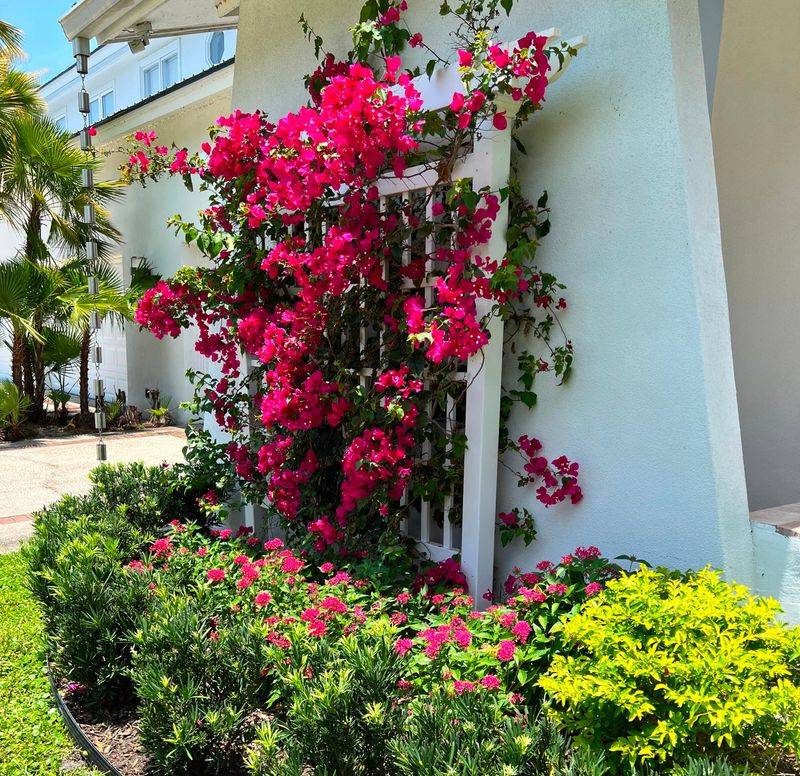
Here is your December checklist. Skip routine tip-pruning and save shaping for late winter or early spring.
Hold off on fertilizer unless a demonstrated need shows up.
Check that your plant gets full sun, drains well, and is not soaked by sprinklers, as UF/IFAS care guidance suggests. Keep frost cloth handy and watch the forecast.
These steps are sensible care, not a guarantee of any set amount of color. The best December move is often the one where you put the pruners down and let the plant work.