
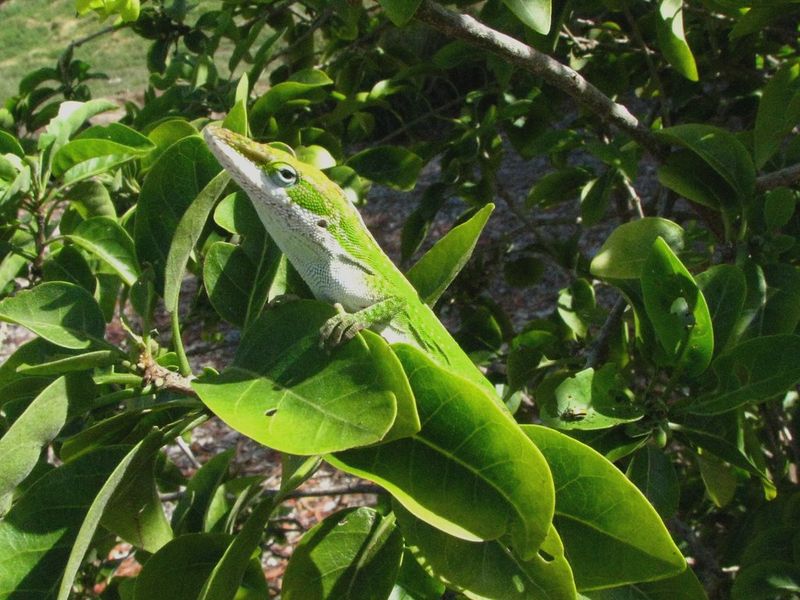
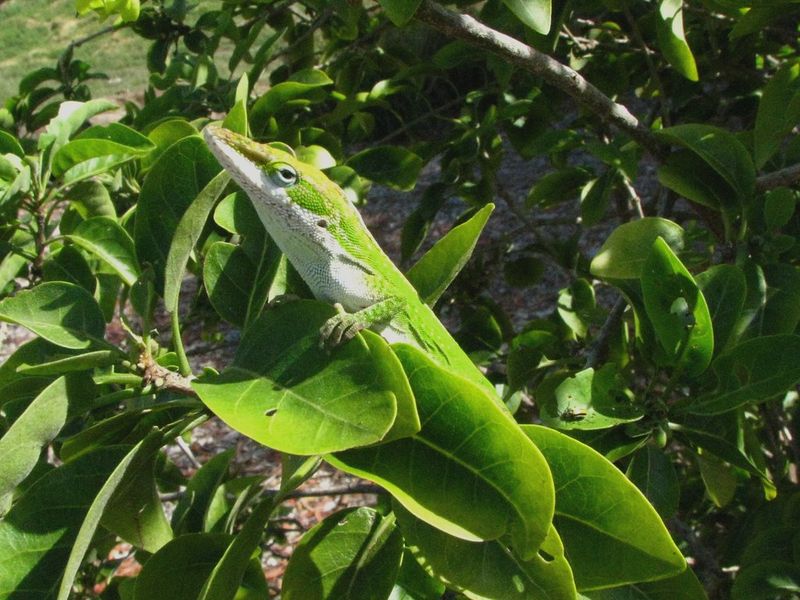
Anoles are tiny backyard helpers with quick feet, bright eyes, and a big appetite for small insects. In Florida yards, they often show up where there is shelter, safe hunting space, and fewer harsh chemicals.
If you want fewer pest problems without turning your garden into a science project, start by dropping the habits that push these little lizards away.
1. Spraying broad-spectrum insecticides across the whole yard
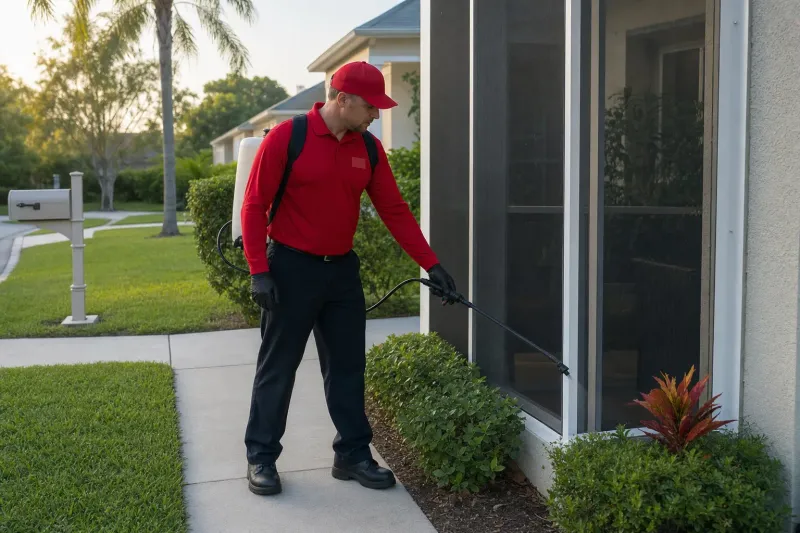
A clean sweep with bug spray can feel satisfying for about five minutes. Then the hidden cost shows up: fewer small insects for anoles to eat, fewer beneficial bugs, and a yard that may need even more spraying later.
Broad-spectrum insecticides do not sort insects into good and bad categories. They can knock back mosquitoes, roaches, caterpillars, beetles, spiders, pollinators, and the tiny prey that young anoles depend on.
In Florida’s long warm season, that matters because anoles stay active for much of the year and need a steady food supply.
Better pest control starts with tighter aim. Treat a real problem area instead of the whole yard, follow the label exactly, and choose the least disruptive option that fits the pest.
UF-IFAS often recommends identifying the pest first, then using integrated pest management steps such as removing breeding sites, improving plant health, and using targeted controls only when needed.
For mosquitoes, dump standing water from saucers, buckets, bromeliad cups near doors, and clogged gutters before reaching for sprays. Anoles will not erase every pest, but a yard that avoids routine blanket spraying gives them a fair shot at helping.
2. Keeping every bed too bare and tidy
Picture an anole trying to cross a spotless bed of open sand. To a hawk, cat, or larger lizard, that little reptile may as well be walking across a stage.
Florida yards often have fast-draining sandy soil, and bare ground heats up quickly. Beds with no leaf litter, no low plants, and no small hiding spots can become stressful places for anoles.
They need cover to escape predators, hunt safely, cool down, and warm up without being exposed all day.
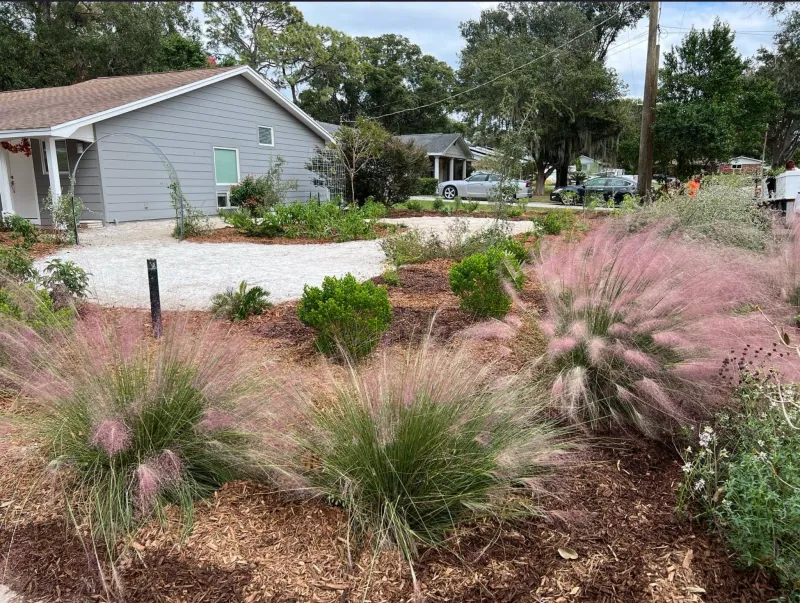
Leaving some natural texture does not mean letting the yard look abandoned. A thin layer of pine straw, fallen oak leaves, small sticks, or native mulch under shrubs can create hunting lanes for anoles while also helping soil hold moisture.
Around front entries or formal beds, keep edges crisp and use a neater mulch line so the look still feels cared for.
Native plants such as coontie, beautyberry, Simpson’s stopper, muhly grass, and firebush can add layered shelter without demanding constant fuss. The goal is not mess.
The goal is a yard with pockets of life where anoles can disappear when they need to.
3. Mowing low and trimming shrubs into green boxes
A scalped lawn might look sharp for a weekend, but it turns the yard into a hot, flat place with nowhere to perch. Anoles are climbers and edge hunters, so they do best where lawn, shrubs, grasses, and groundcovers meet.
Low mowing can stress turf in Florida heat, especially during dry stretches or after heavy summer rains that leave roots struggling. It also removes the taller blades and weedy edges where small insects gather.
When shrubs are clipped into tight green cubes, they lose the loose stems and twiggy interior that anoles use like tiny ladders.
Raise the mower to the recommended height for your turf type and avoid shaving grass around tree trunks and beds. St. Augustinegrass, common in Florida, generally performs better when it is not cut too short.
A healthier lawn can crowd out some weeds and support a more stable mini-ecosystem.
Prune shrubs for airflow and shape, not stiffness. Leave a few layered branches, especially near fences, patios, and garden beds.
That small change gives anoles perches for sunning, quick escape routes, and better access to the insects you would rather not host near the porch.
4. Removing logs, stones, and safe basking spots
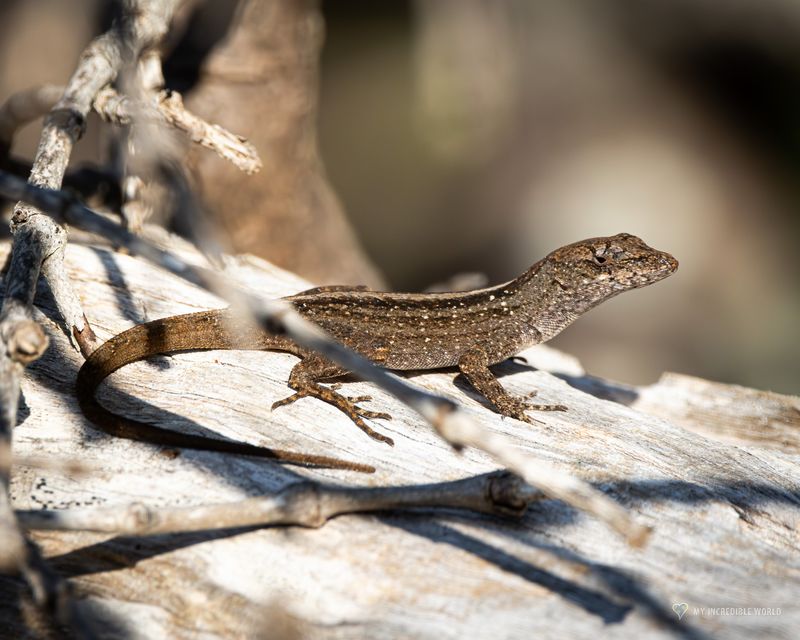
One flat rock in the right spot can become prime real estate for an anole. Warmth is not a luxury for lizards, it is how they get moving, digest food, and hunt well.
Many homeowners remove every fallen branch, stump piece, stone, and old pot shard because they want beds to look finished. In a Florida yard, though, a few carefully placed natural features can make the difference between a pass-through space and a usable anole home.
Logs, rocks, and low branches offer basking surfaces in the morning and shelter when the day turns blazing hot.
Keep safety and storm season in mind. Do not stack heavy loose debris where hurricane winds or flooding could move it toward windows, drains, or walkways.
Instead, tuck a stable log section at the back of a bed, place a flat stone near shrubs, or use a small brush pile in a quiet corner away from the house foundation.
That little habitat nook also supports beetles, springtails, and other small life in the soil. Some of those become anole food, while others help break down organic matter.
A polished yard can still have one or two wild corners doing useful work.
5. Planting only pest-prone exotics with little habitat value
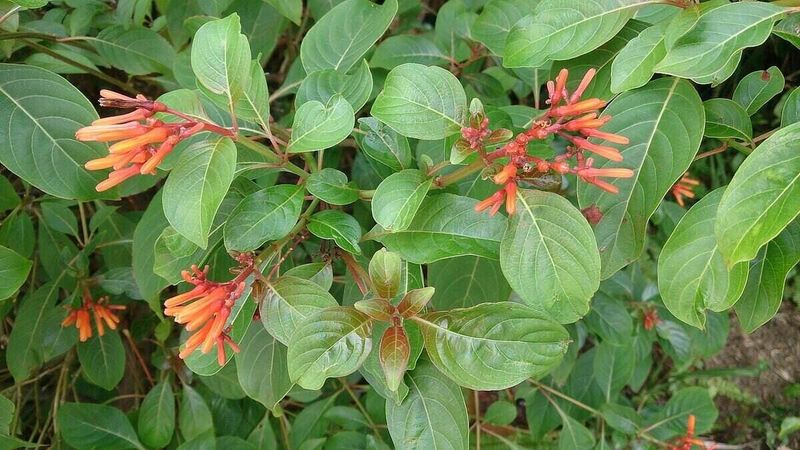
The plant label may promise color, but anoles care more about structure, insects, and cover. A yard filled only with fussy ornamentals can look busy while offering surprisingly little usable habitat.
Some nonnative landscape plants are perfectly fine in Florida when they are well behaved and suited to the site. The trouble starts when beds lean too heavily on plants that need frequent pest treatment, constant irrigation, or hard pruning to survive local conditions.
Stressed plants attract problems, and stressed gardeners often respond with more chemicals.
Florida-native and Florida-friendly plants can reduce that cycle. Firebush, wild coffee, coontie, Walter’s viburnum, beautyberry, coral honeysuckle, and native grasses can provide layered growth, flowers for insects, and shelter for small wildlife.
Pick plants for your part of the state, because a South Florida choice may not behave the same way in the Panhandle.
Before planting, check UF-IFAS resources or your county Extension office for suitability and invasive concerns. Avoid known invasive plants, even if they are easy to grow, because they can spread beyond your yard and damage natural areas.
A better plant mix gives anoles more places to hunt and gives you fewer pest battles to manage.
6. Leaving outdoor lights blazing all night
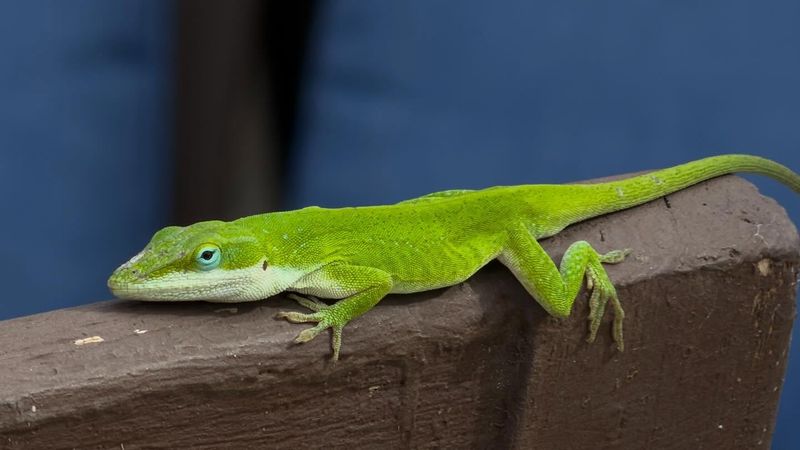
Porch lights can turn into all-night insect buffets, but that does not always help the animals you want. Bright light changes where insects gather, where predators hunt, and where small lizards feel safe.
Anoles often sleep on leaves, stems, fences, and shrubs. Harsh lighting can expose them to night predators and disrupt the normal rhythm of the yard.
It may also pull insects away from the layered plantings where anoles would naturally hunt during the day.
You do not have to sit in the dark or sacrifice safety. Use motion sensors, timers, and shielded fixtures that point light downward instead of spraying it across beds and trees.
Warm-colored bulbs are usually less disruptive than bright blue-white light, and lower brightness often works just as well for steps, gates, and patios.
Place lights where people need them, not where wildlife is trying to rest. If mosquitoes are the main reason you leave lights on, focus on water control instead.
Empty plant saucers, refresh birdbaths, clean gutters, and watch low spots after storms, because mosquito larvae need water long before adults start bothering you outside.
7. Letting cats roam through the garden
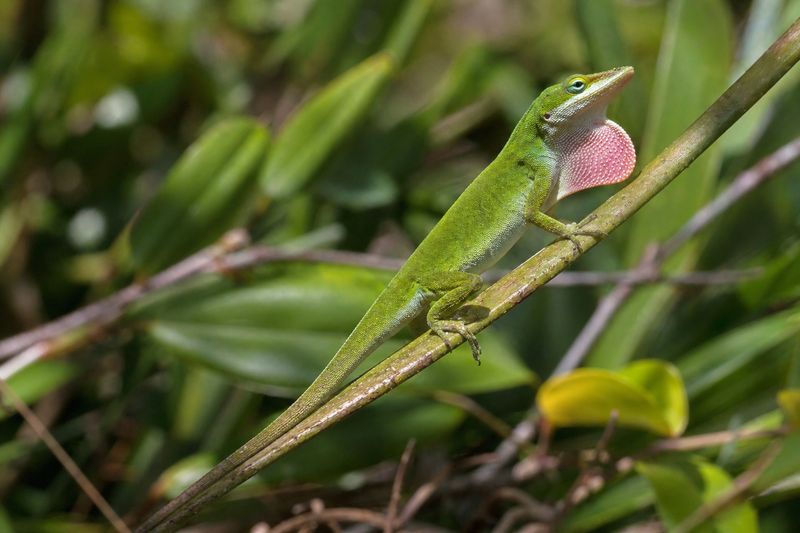
A cat crouched under the firebush may look peaceful, but to an anole it is a serious threat. Even well-fed cats have a strong hunting instinct, and small lizards are easy targets.
Florida yards already have plenty of natural pressure from birds, snakes, larger lizards, storms, heat, and habitat loss. Free-roaming cats add another layer that anoles cannot easily avoid, especially in tidy yards with little cover.
Cats may also catch birds, frogs, and beneficial wildlife that help keep a backyard ecosystem balanced.
The fix can be kinder for the cat, too. Keep cats indoors, use a screened porch, or build a catio so they can watch the garden without hunting through it.
If neighborhood cats visit, block favorite hiding spots under decks, use motion-activated sprinklers where appropriate, and avoid feeding pets outdoors where leftover food attracts more animals.
Give anoles safe vertical escapes by planting shrubs near fences and adding dense, Florida-friendly borders away from cat traffic. A yard with fewer roaming hunters lets lizards do what they do best: patrol stems, fence rails, and porch-side plants for small insects.
That means more wildlife to enjoy and fewer pests slipping by unnoticed.