
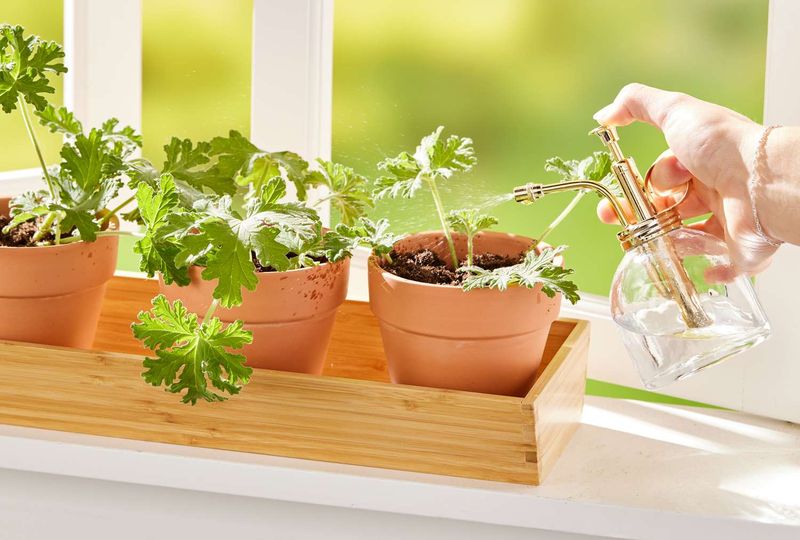
That first cold snap can turn a porch full of bright red geraniums into a sad pile of mushy leaves overnight. Most people toss them and buy new ones in spring, but you can save the plants you already love.
Even in the South, where frost may only show up a few nights a year, a little planning goes a long way. Here are three simple ways to carry your geraniums through winter so they bloom again when warm weather returns.
1. Bring the Whole Pot Indoors
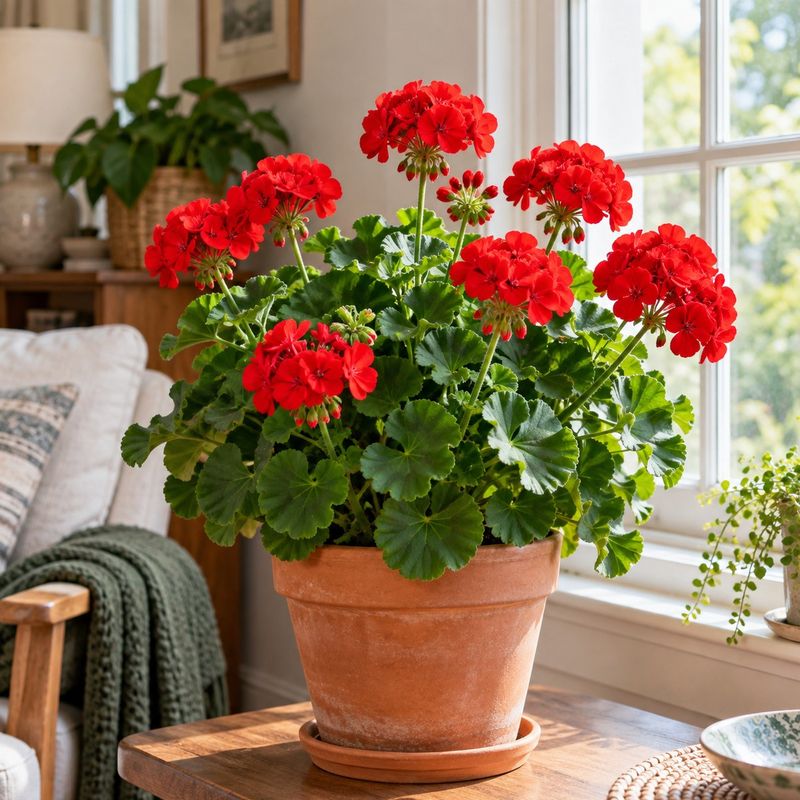
Picture a cheerful pot of scarlet blooms brightening your kitchen window in January. Moving potted geraniums inside is the easiest rescue, and it keeps them growing instead of sleeping.
Before the forecast dips below about 40 degrees, check the plant for aphids, whiteflies, and spider mites. A strong spray of water or insecticidal soap can help reduce hitchhikers before they spread to your houseplants.
Trim leggy stems back by about one third so the plant fits indoors and puts energy into fresh growth.
Find the sunniest spot you have, ideally a south-facing window. Geraniums want at least six hours of light, and without it they tend to stretch and get pale.
A cheap LED grow light often fills the gap on cloudy days.
Water only when the top inch of soil feels dry. Soggy roots are the number one winter killer, so err on the thirsty side.
Skip fertilizer until late winter, then start a light feeding once new leaves appear.
Gardeners in Florida and South Texas may only need to shuffle pots into the garage or onto a covered porch for a few cold nights. Roll them back out once the chill passes, and they will hardly notice the interruption.
2. Let Them Go Dormant Bare-Root
Grandma had a trick that still sounds a little wild. She would pull her geraniums out of the ground, shake off the dirt, and hang them upside down in the cellar like drying herbs.
Believe it or not, it often works. Geraniums are tough tender perennials from South Africa, and they can rest for months with almost no care.
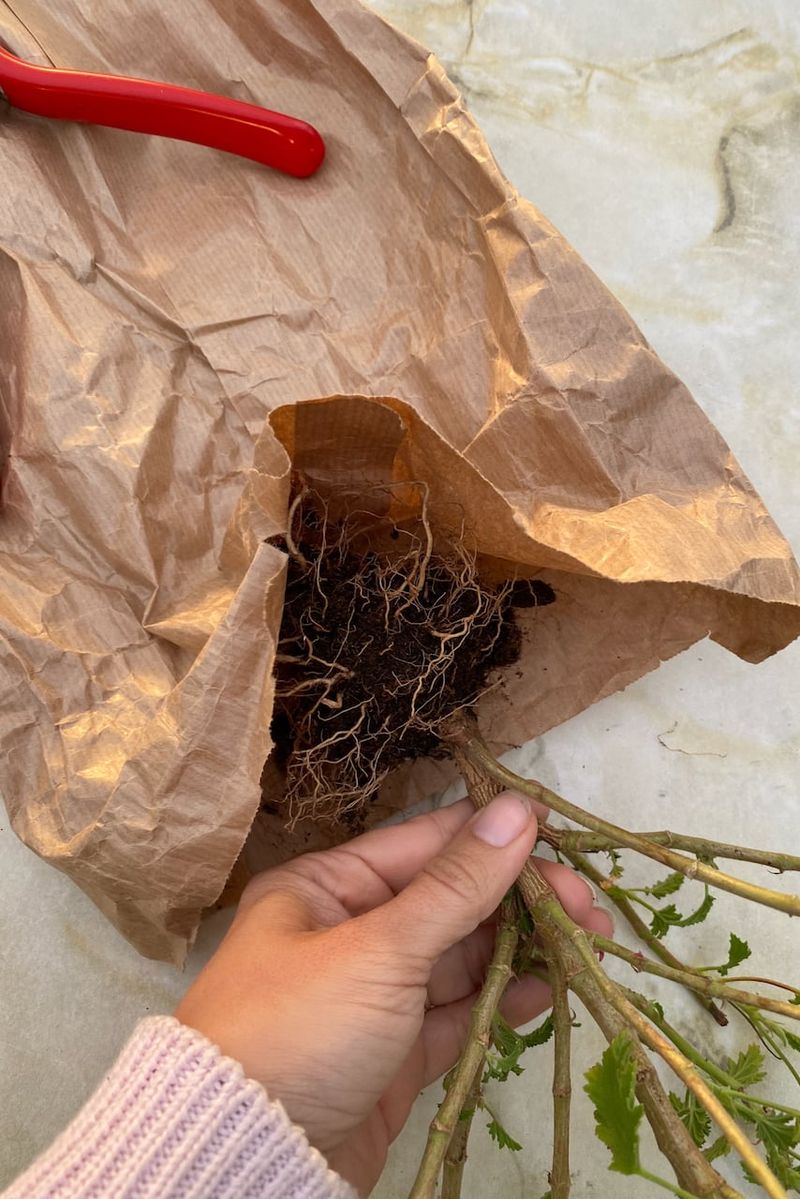
Dig plants up before frost, knock the soil from the roots, and pinch off flowers and most of the leaves.
Next, hang each plant upside down or tuck it loosely into a paper bag. Store them somewhere cool, dark, and dry, around 45 to 55 degrees.
An unheated garage, closet, or basement usually fits the bill.
Once a month, peek in. If stems look shriveled, soak the roots in water for an hour or two, then hang them back up.
Firm, green-tinged stems mean the plant is still alive.
About six weeks before your last frost date, cut stems back to healthy tissue and pot them up in fresh soil. Set them in bright light, water lightly, and watch for new buds.
Some plants may not wake up, but plenty usually do.
3. Root Cuttings on the Windowsill
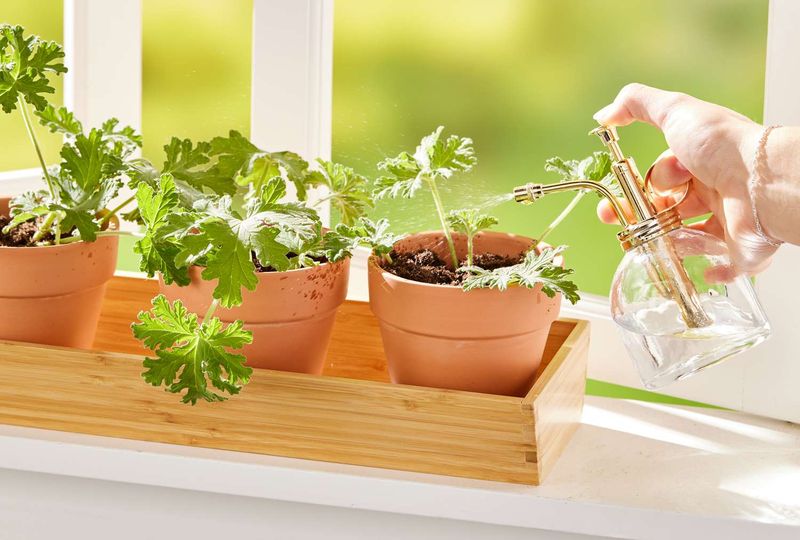
Short on space? You can fit an entire bed of geraniums into a row of yogurt cups.
Taking cuttings lets you save your favorite colors without hauling big pots around.
Snip four-inch pieces from healthy stem tips just below a leaf joint. Strip off the lower leaves and any flower buds so the cutting focuses on making roots.
Let the cut ends dry for a few hours, which may help prevent rot.
Dip the ends in rooting hormone if you have it, then poke them into damp potting mix or seed-starting soil. Keep them in bright, indirect light and water sparingly.
Within three to four weeks, a gentle tug that meets resistance means roots are forming.
Here is the fun part. Each cutting is a clone of its parent, so that peachy bloom you found at a farmers market can come back year after year.
Small young plants also tend to stay bushier than old woody ones.
By spring, pinch the tips once or twice to encourage branching. Harden them off outdoors for a week, then plant them out after frost danger passes.
In the Texas and Florida heat, give them some afternoon shade for the best blooms.