
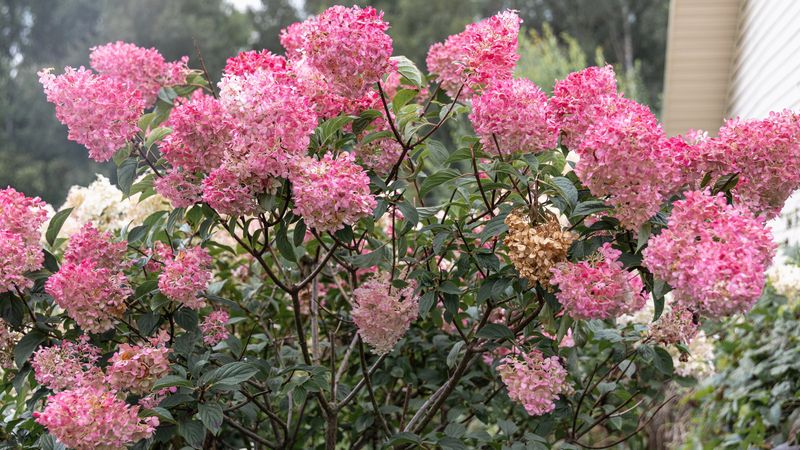
Some hydrangeas are already holding next summer’s flowers on their bare stems. Cold, drying wind, and a late frost can sometimes damage those buds.
Whether your shrub needs help depends on its type, your yard, and your local weather. Here is how to tell if your plant is at risk and what simple steps may help.
Which hydrangeas carry next summer’s flowers on old stems?
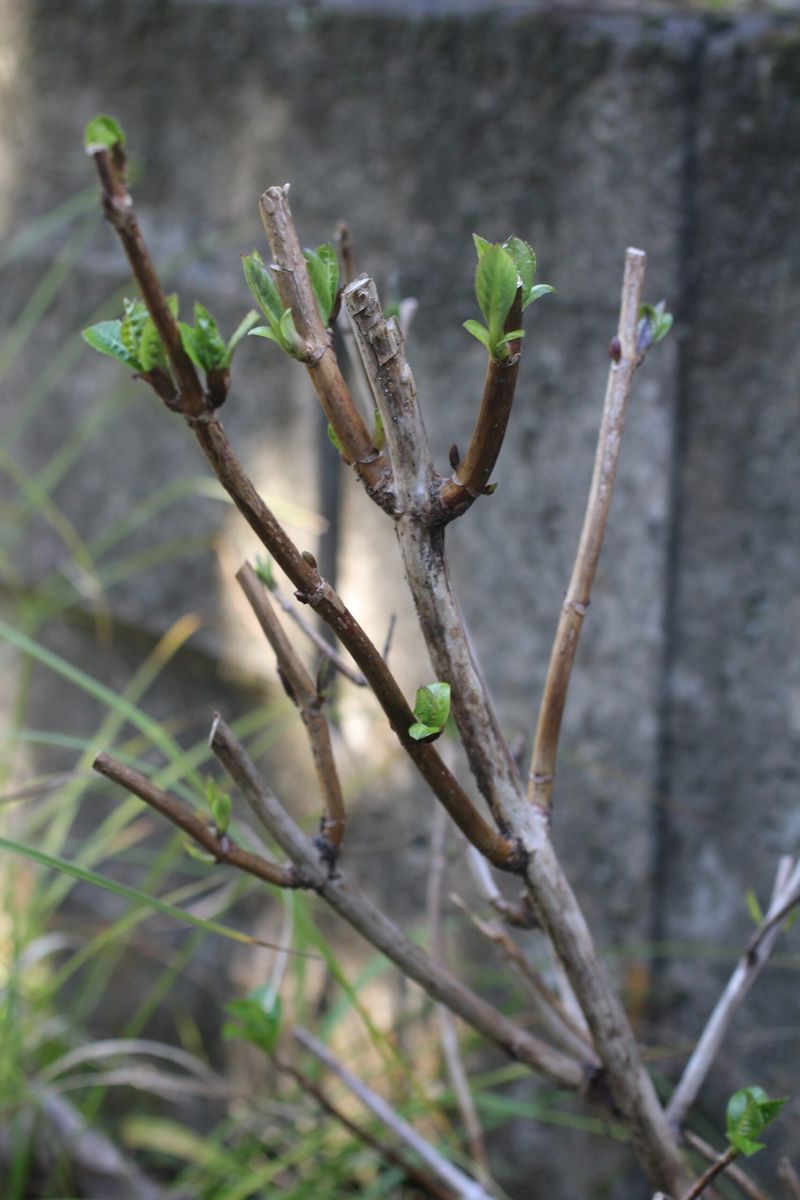
Before you grab a roll of fabric, figure out which hydrangea you actually have. Many bigleaf, oakleaf, and mountain hydrangeas form flower buds on last year’s stems, a habit gardeners call blooming on old wood.
University of Maryland Extension pruning guidance explains that these types set buds in the growing season before they bloom, then carry them through winter.
Panicle and smooth hydrangeas work differently. They flower on new growth that appears in spring, so their old stems are not holding next summer’s buds.
Protecting those stems will not save flowers that have not formed yet.
Some reblooming bigleaf cultivars can flower on both old and new wood, which makes them a bit more forgiving. Alabama Extension also notes that bigleaf types vary by cultivar.
So the title’s claim fits some hydrangeas, not all. Check your plant tag, your purchase records, or the leaf shape to name your variety first.
Cold, drying wind, and late frost can damage old-wood buds
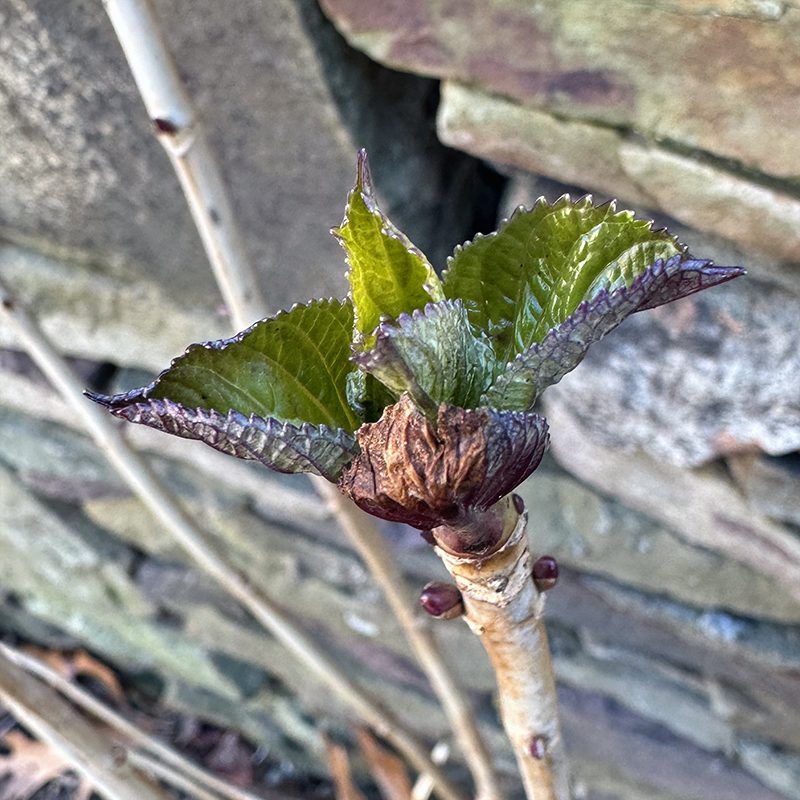
Buds that sit on exposed stems all winter face a few possible hazards. Washington State University Extension lists winter cold and late frost among the reasons old-wood hydrangeas fail to bloom.
Drying wind can add stress, though it does not always cause harm.
Timing matters too. A stretch of warm weather can nudge bigleaf buds to swell early, and a freeze that follows can catch that tender growth.
University of Maryland Extension describes this kind of cold injury, and Alabama Extension points out that cold tolerance differs among cultivars.
Damage is a possibility, not a certainty. Many shrubs come through winter with buds intact, and wind is only one explanation when a plant skips its flowers.
Does your shrub need protection this winter?
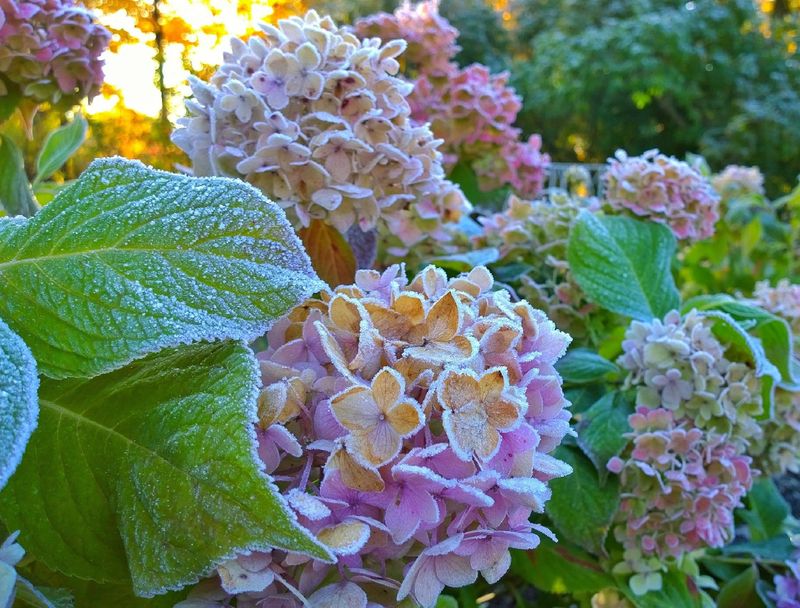
Skip the blanket rule and weigh a few things about your own yard. Ask whether your hydrangea blooms on old wood, which cultivar it is, how exposed the spot is, and what your winter forecasts usually look like.
A shrub tucked beside a wall faces different risks than one in an open, windy corner.
Hardiness varies. Alabama Extension gives a Zones 6 to 9 range for bigleaf hydrangeas, depending on cultivar, and UF/IFAS Extension Bay County describes bigleaf hydrangeas as performing well in the Florida Panhandle.
Neither source says every shrub in Florida or Texas needs winter protection.
Much of the insulating advice, such as UNH Extension’s fact sheet and its Endless Summer winterizing answer, comes from colder New England. Treat protection as an option for vulnerable old-wood plants in risky spots, not a task that has to happen right now.
A loose leaf-filled cage may shelter vulnerable stems
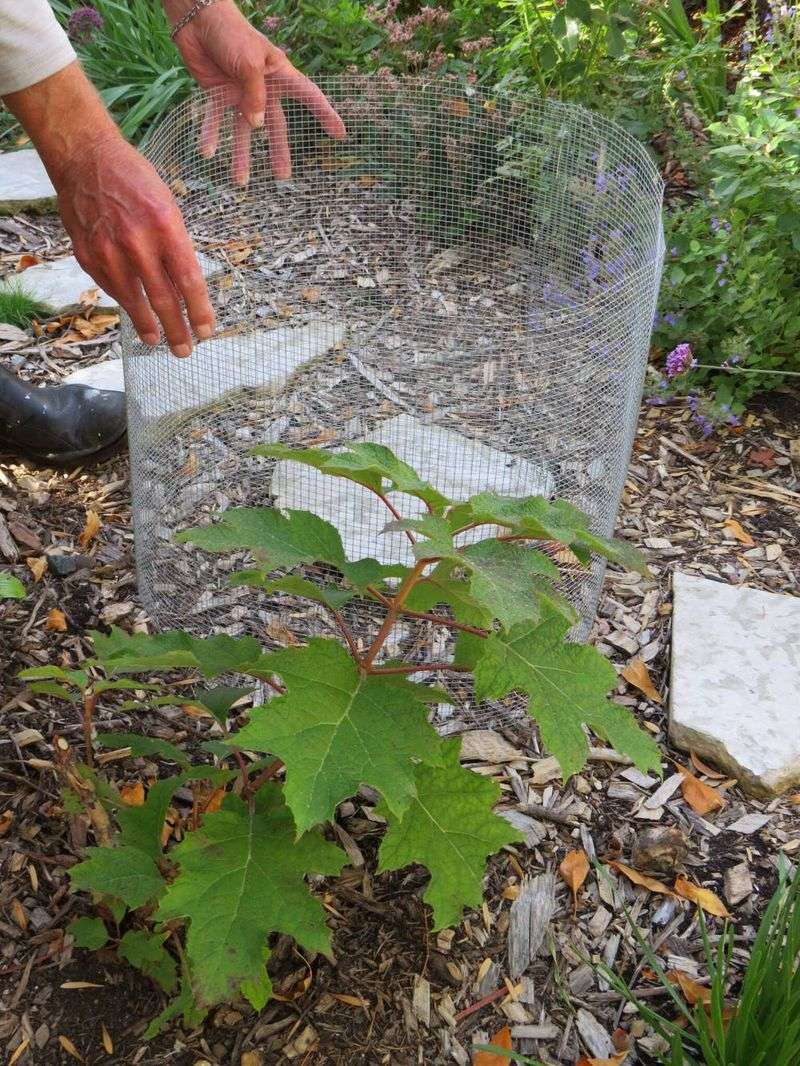
If you decide your old-wood hydrangea is worth sheltering, a wire cage filled with leaves is a simple option. Form a ring of wire mesh around the shrub, leaving some space between the wire and the stems.
Then fill it loosely with fallen leaves, which may insulate the buds from sharp cold.
Handle the stems gently while you work. Buds can snap or scrape off easily, and a damaged bud will not open.
Set the cage in place first, then add leaves by hand rather than pushing them against the branches.
Both UNH Extension and its Endless Summer hydrangea guidance describe this approach, and they are clear that wrapping and insulating will not always work. Think of the cage as a way to lower the odds of bud loss, not a promise of blooms.
Use fabric for a freeze threat, not a sealed winter wrap
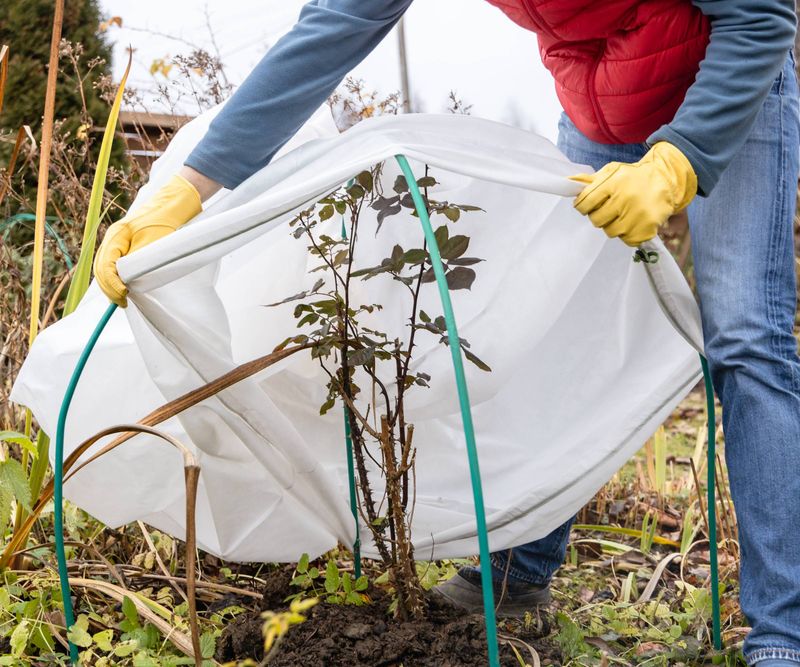
A forecast freeze is a different situation from a whole season of cold. For a night or two, breathable fabric can cover a tender hydrangea.
UGA Extension describes covering bigleaf hydrangeas during freezing temperatures, and Maryland Extension suggests fabric rather than plastic for an overnight freeze once growth has started.
Take the cover off when the weather warms. Plastic left on for the whole winter can trap moisture and heat, so it is not a good long-term wrap.
At an exposed site, a freestanding burlap screen can deflect wind. University of Wisconsin Extension advises against wrapping plants tightly in burlap, since it can collect ice and hold moisture.
That guidance focuses mainly on evergreens, so treat it as a sensible idea rather than a proven hydrangea fix.
Pruning old stems now can remove next year’s flowers
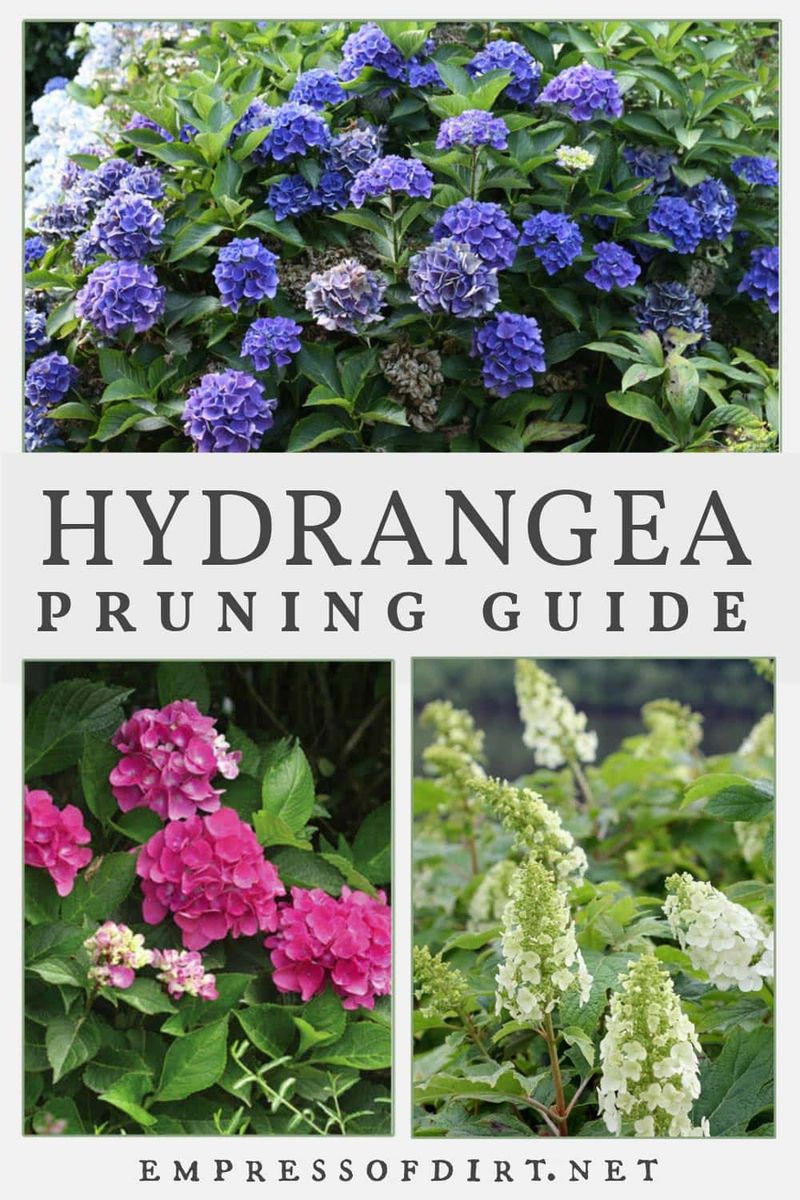
Tidying up in fall feels natural, but it can cost you blooms. Old-wood hydrangeas carry their flower buds on last year’s stems, so cutting them back in fall or winter may remove the flowers you want.
University of Maryland Extension recommends timing pruning around when each type blooms.
Patience pays off here. Wait for spring growth to show which stems are alive.
Green buds and new leaves signal living wood, while stems that stay dry and brittle can be trimmed back then.
New-wood types, such as panicle and smooth hydrangeas, are different. They can be pruned in late winter or early spring if they need it.
Washington State University Extension also lists poorly timed pruning among the common reasons hydrangeas fail to bloom.
Remove protection as spring buds expand
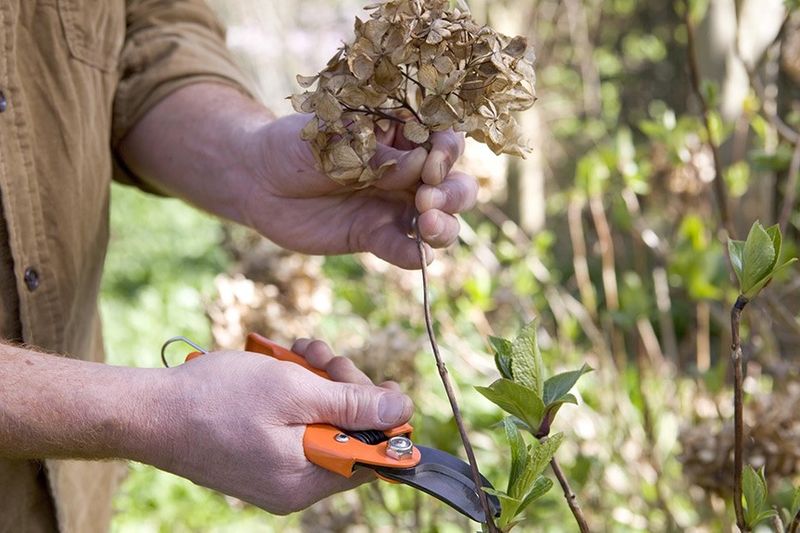
When buds start to swell and open, it is time to take the protection away. Lift off any fabric first, then remove the cage and rake the leaves aside.
Leaving covers in place can trap moisture around tender new growth and keep light from the plant.
Keep expectations realistic. A bud that survived winter is not a guaranteed flower.
Washington State University Extension notes that late frost, pruning, and shade can all lead to poor bloom, and University of Maryland Extension adds that cold injury can affect flowering. UNH Extension also cautions that protection helps only sometimes.
The decision rule is simple: protect when your hydrangea blooms on old wood and your local conditions make a freeze or harsh wind a real threat. A shrub that doesn’t fit both is usually fine without it.