
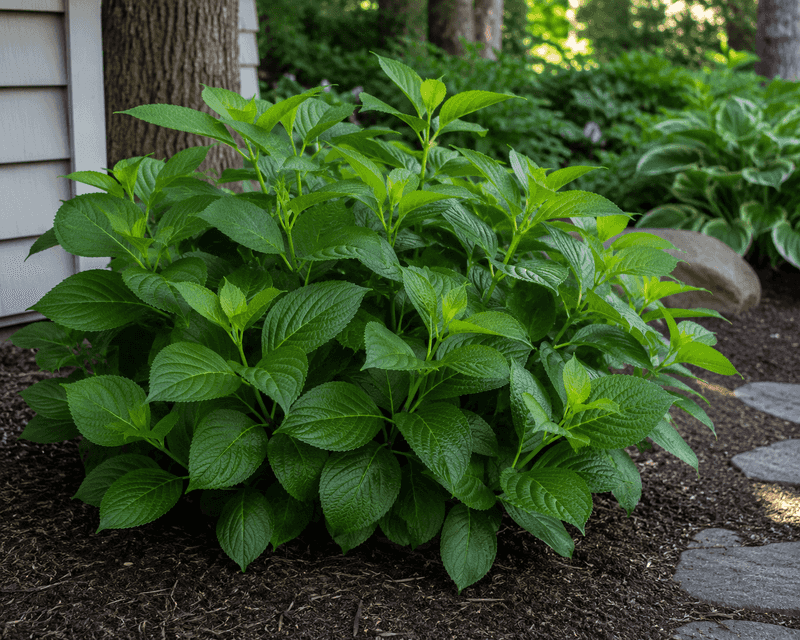
Your hydrangea looked healthy all summer, with big green leaves and strong stems, yet the flowers never showed up. That can feel confusing, because a leafy plant seems like a happy plant.
Missing blooms are a clue, and fall is a good time to start sorting through the possible reasons. A few careful choices now may help protect next year’s flowers.
A full canopy cannot reveal what happened to the buds
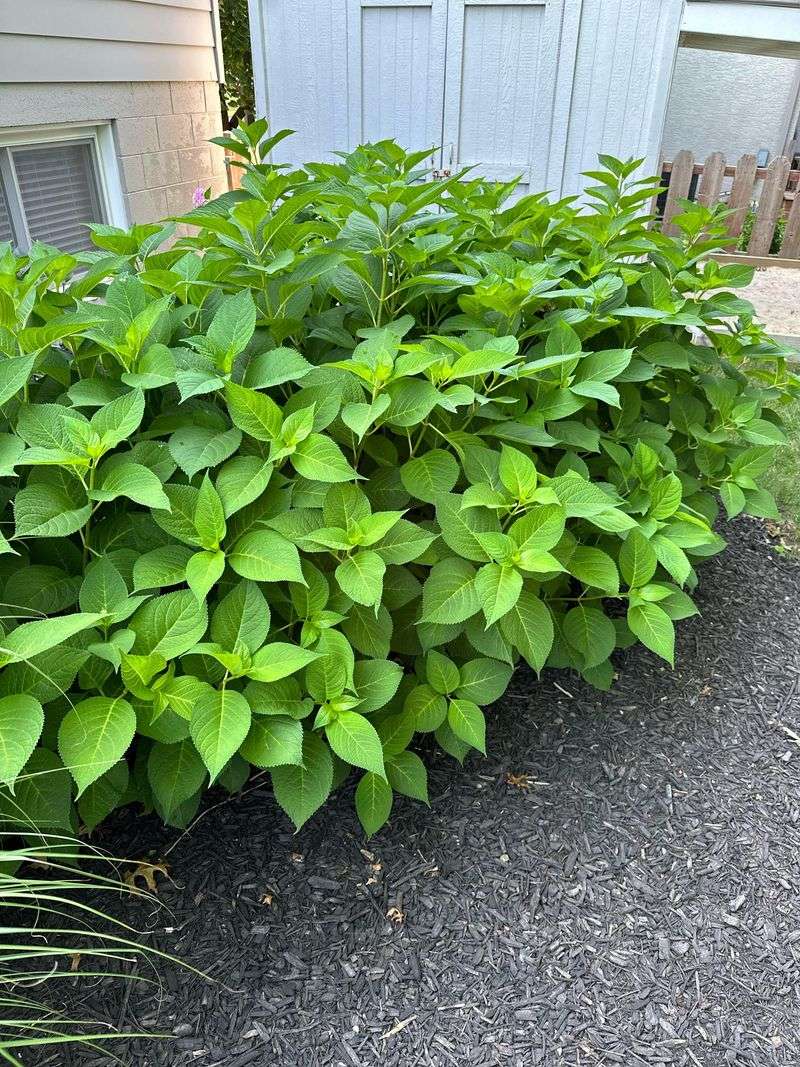
Lots of leaves tell you the shrub grew well. They do not tell you whether it formed flower buds, kept them through winter, or lost them to a pruning cut or a cold snap.
Several things can lead to a leafy plant with no flowers. Mississippi State Extension points to pruning at the wrong time, too much shade, and too much nitrogen.
University of Maryland Extension adds drought and bud injury to the list of common causes.
Winter damage or a late frost is another possibility. Iowa State Extension explains that buds can be killed while the stems leaf out again, so the shrub can look fine and still have no flowers.
Think of each cause as a suspect, not a verdict. Fall is a handy time to review what you did and what the site is like, and to avoid mistakes that could cost you future buds.
Looking at the plant alone may not settle the question.
Which wood does your hydrangea bloom on?
Gardeners call last year’s stems old wood and this year’s fresh growth new wood. Which one your hydrangea flowers on decides when you can safely prune it.
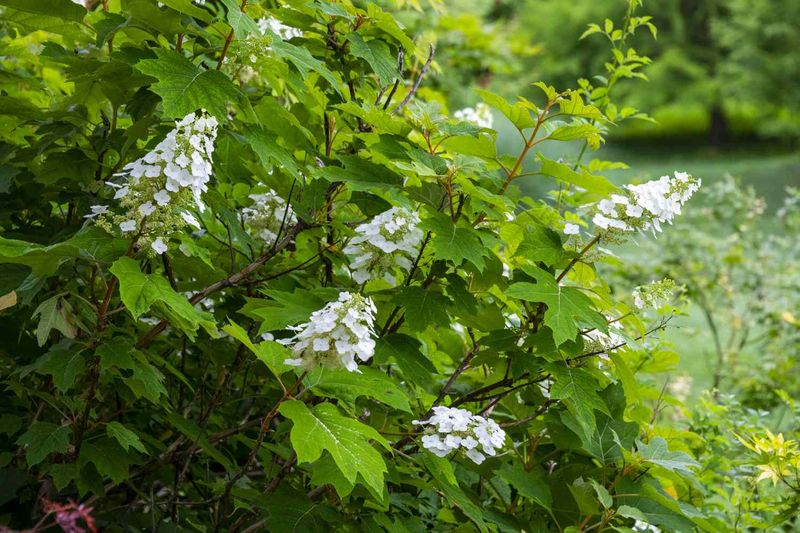
According to University of Illinois Extension, bigleaf, oakleaf, and climbing hydrangeas generally flower on old wood. Smooth and panicle types flower on new wood.
Some bigleaf cultivars rebloom on both, which makes the cultivar name worth tracking down.
Leaf size and fullness will not tell you the category. Check the plant tag, your purchase records, or the leaf shape and flower form from past years.
Mississippi State Extension describes the main species so you can match what is growing in your yard.
If you cannot tell, a local county Extension office can help. Settle this question before picking up the pruners.
Fall pruning can erase next year’s flowers
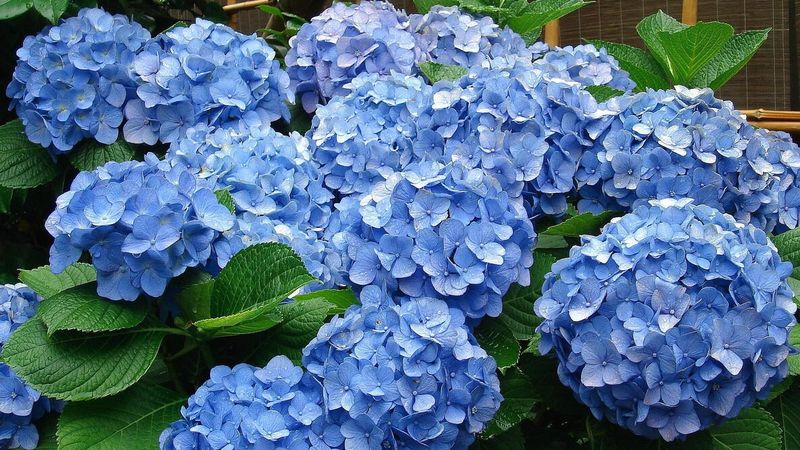
A tidy-up in October feels natural, but it can be costly. Some old-wood hydrangeas set next year’s buds on existing stems in late summer or fall, so cutting them back in fall or winter may remove the flowers before they open.
For these types, University of Illinois Extension suggests that any routine pruning be done soon after flowering. Leave the stems alone in fall.
Smooth and panicle hydrangeas bloom on new wood, so they follow a different schedule. Significant pruning is generally saved for late winter or early spring.
Mississippi State Extension offers similar timing advice for Southern gardens.
No single fall pruning schedule fits every hydrangea. If you do not know the type, the safest move this season is to wait.
Check the site before changing the care routine
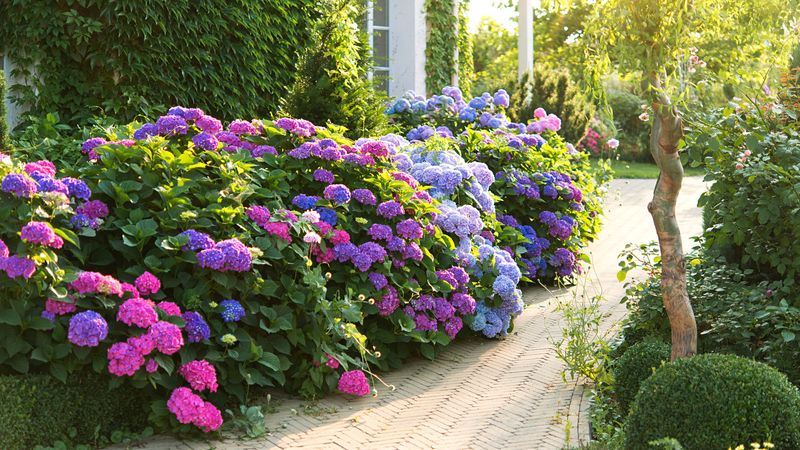
Spend a few minutes in the yard noting where the sun hits your hydrangea and when. Too much shade may cut down on blooms, but more sun is not always better.
Hot afternoon exposure can stress some types.
Mississippi State Extension notes that bigleaf and smooth hydrangeas may need afternoon shade in hot conditions. Panicle types usually tolerate more sun than many others.
Next, think back on watering. Hydrangeas generally like steady moisture but not soggy soil, and University of Maryland Extension lists drought among the stresses that can affect flowering.
Location matters too. UF/IFAS describes French or bigleaf hydrangeas as best suited to North and Central Florida, where they need shade, moist fertile soil, and cool winters.
That guidance is specific to those areas and should not be stretched to the whole state.
Fertilizer is not a safe guess
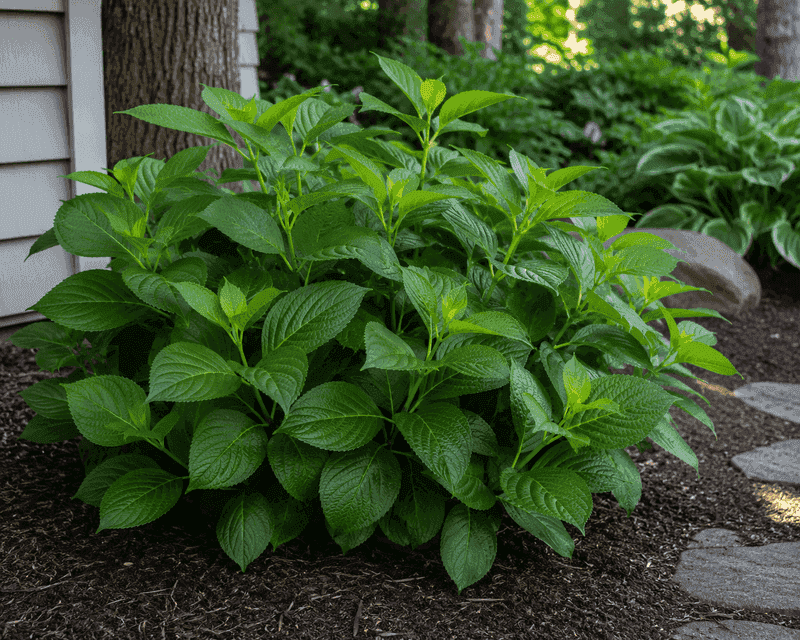
Too much nitrogen can push leafy growth and reduce flowering. That makes fertilizer a popular suspect, but a leafy plant alone does not prove it is the cause.
Look back at what you applied. Mississippi State Extension cautions against too much nitrogen, and shrubs near a heavily fed lawn may pick up runoff.
Skip the urge to add extra fertilizer or phosphorus as a bloom booster. It is not a universal fix.
Soil pH is often misunderstood too. For bigleaf and mountain hydrangeas, pH chiefly affects flower color, not whether flowers form.
University of Maryland Extension recommends soil testing for pH questions. A test through your county Extension office can show what the soil needs before you add anything.
Protect the next bloom cycle
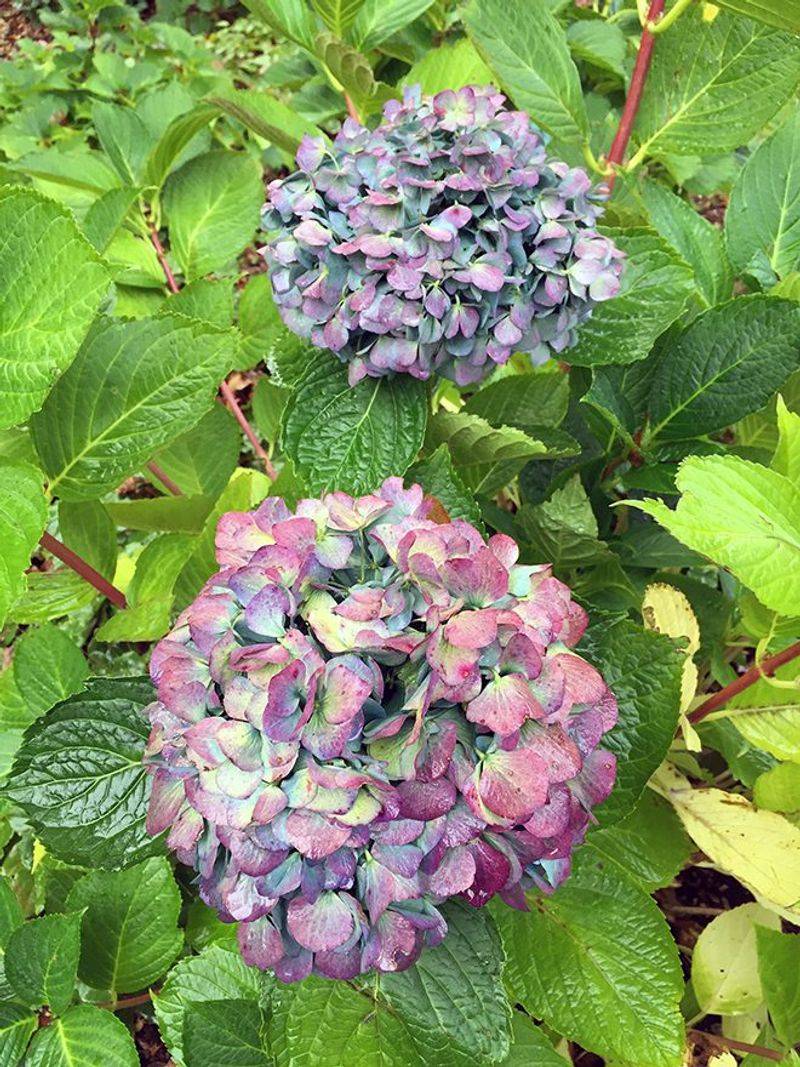
Start with a simple plan. Identify your hydrangea, hold off on pruning until you know its bloom type, and jot down recent pruning dates, light, and watering.
Skip guesswork fertilizer or soil amendments.
Keep in mind that old-wood buds can be lost even when the leaves come back strong, as Iowa State Extension explains. Fall may not show which cause was responsible.
Your notes, plus guidance on pruning timing and problem diagnosis, will help you spot patterns over time.
Careful choices can protect bloom potential, but they cannot guarantee flowers next year. A good record is the best clue you can give your future self.