
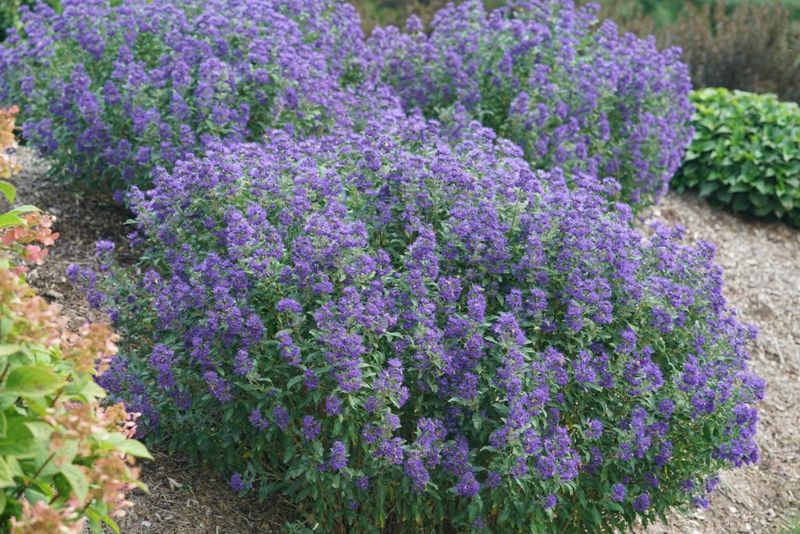
Hydrangeas look amazing on garden magazine covers, but they can be fussy about heat, water, and soil, especially in Southern yards. If yours keep wilting, refusing to bloom, or turning crispy in the Florida or Texas sun, you are not a bad gardener.
You just need tougher plants that reward you without all the drama. Here are nine flowering shrubs that give you big color with far less babysitting.
1. Loropetalum (Chinese Fringe Flower)
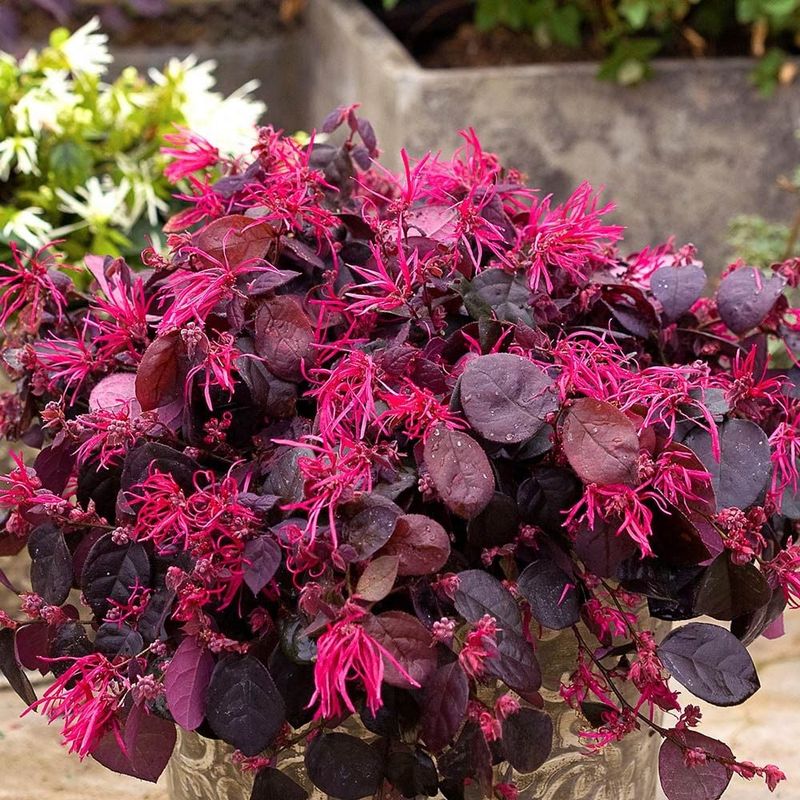
Picture a shrub that looks great even when it is not blooming, and you have got loropetalum. Its rich burgundy leaves hold color all year, so your beds never look bare like they do around a leafless hydrangea.
Come spring, the branches burst with hot pink ribbon-shaped flowers that look almost feathery. Bees love them, and you barely have to lift a finger.
What makes it a hydrangea replacement is toughness. Loropetalum shrugs off Southern heat, handles full sun to part shade, and once established it can go long stretches without complaining about dry spells.
It also comes in sizes for any spot. Dwarf types fit tidy foundation beds, while larger varieties can fill a corner or form a loose hedge.
Fun fact: the name means strap-flower in Greek, a nod to those thin petals. Plant it where you want steady color and almost no fuss, and it may quickly become the anchor of your front yard.
2. Knock Out Roses
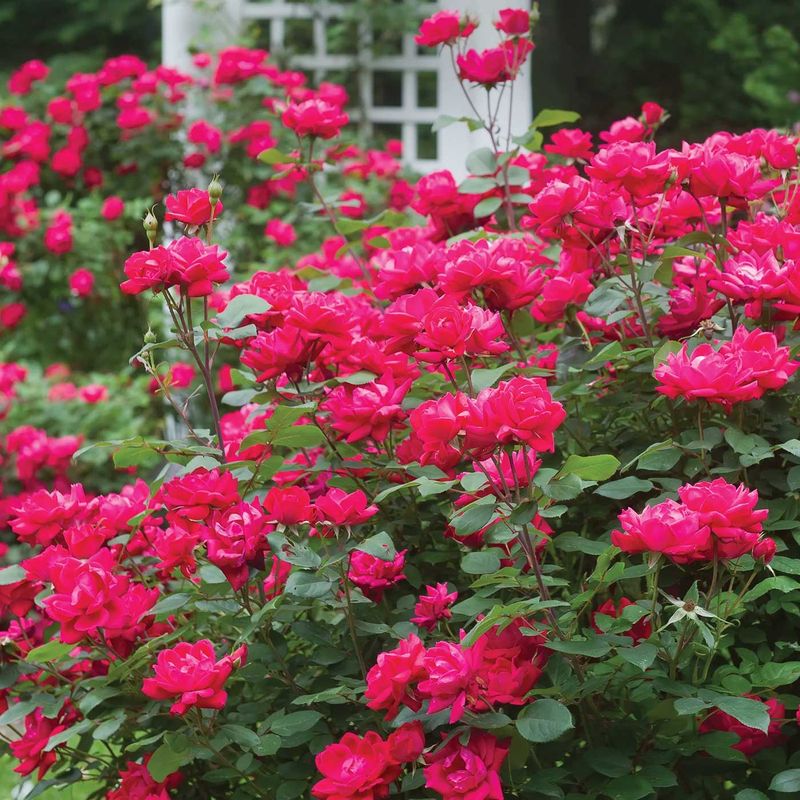
Forget everything you think you know about roses being high maintenance. Knock Out roses were bred to bloom their heads off with almost no spraying, pruning, or worrying.
These shrubs flower from spring straight through fall, giving you months of color instead of the short window a hydrangea offers. In warm Southern climates, they can bloom nearly year-round.
Heat does not bother them, and they resist the black spot and mildew that plagued old-fashioned roses. Most gardeners just trim them once in late winter and let them run.
They come in red, pink, coral, and creamy yellow, so you can match any color scheme. Plant a row for a flowering hedge or tuck one near the mailbox for instant curb appeal.
Pollinators visit the single-flowered types often, adding buzzing life to your beds. If you have been intimidated by roses before, this is the forgiving one that finally makes you feel like a pro.
3. Camellia
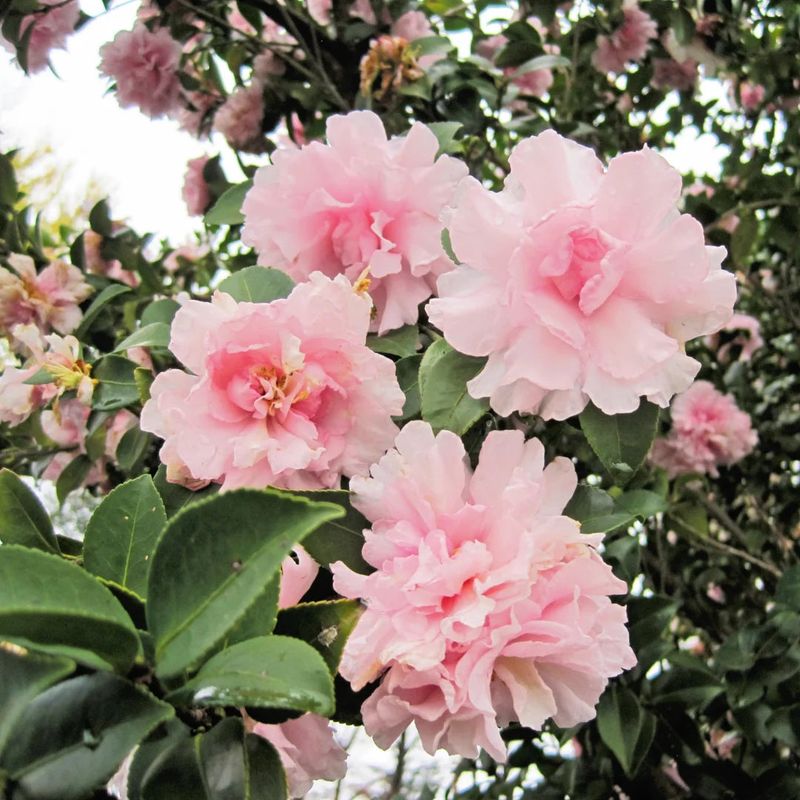
When most of the garden goes quiet in fall and winter, camellias steal the show. They open lush, rose-like blooms exactly when you crave color most, which is something hydrangeas never do.
Their glossy evergreen leaves keep beds looking full all year, so there is no bare-stick season to endure. In shady spots where hydrangeas often struggle to flower, camellias feel right at home.
Sasanqua types bloom in fall, while japonica types carry the show into late winter and early spring. Stagger both and you get color for months.
They do appreciate slightly acidic soil and some protection from harsh afternoon sun, but once settled they are remarkably low-maintenance and long-lived.
Did you know some camellia shrubs in the South are over a century old? Plant one along a shaded walkway or near a porch, and you may leave behind a living heirloom that blooms long after everything else has called it a season.
4. Oleander
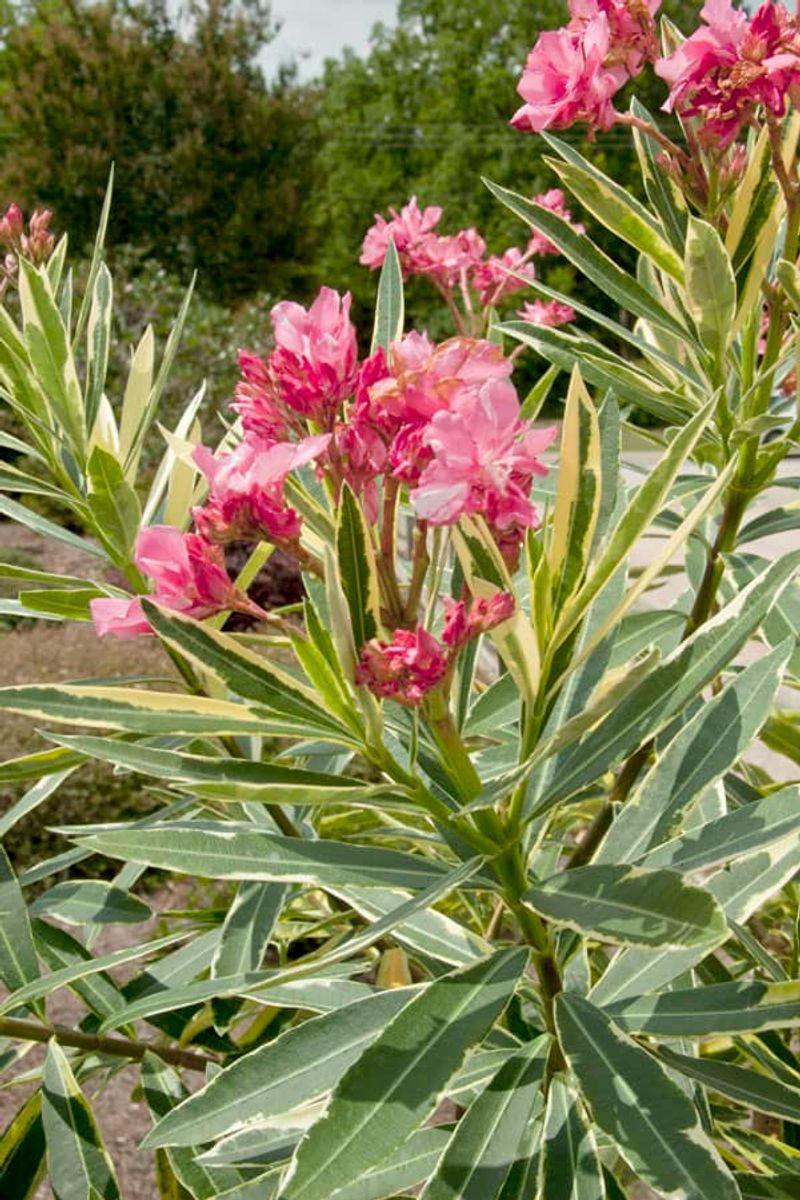
Drive through Florida or coastal Texas and you will spot oleander thriving in medians where nothing else survives. That alone tells you how tough this flowering shrub really is.
It laughs at heat, salt spray, drought, and poor soil while pumping out clusters of pink, white, or red blooms all summer long. A hydrangea would faint in those conditions.
Because it grows fast and dense, oleander makes an excellent privacy screen or windbreak along a property line. You get flowers and function in one plant.
One important caution: every part of oleander is toxic if eaten, so skip it if you have curious pets or small children who nibble. Wear gloves when pruning.
For sunny, dry, hard-to-plant spots where you have given up on fussy flowers, this is your workhorse. Give it space and full sun, then step back and enjoy months of easy color with almost zero effort on your part.
5. Abelia
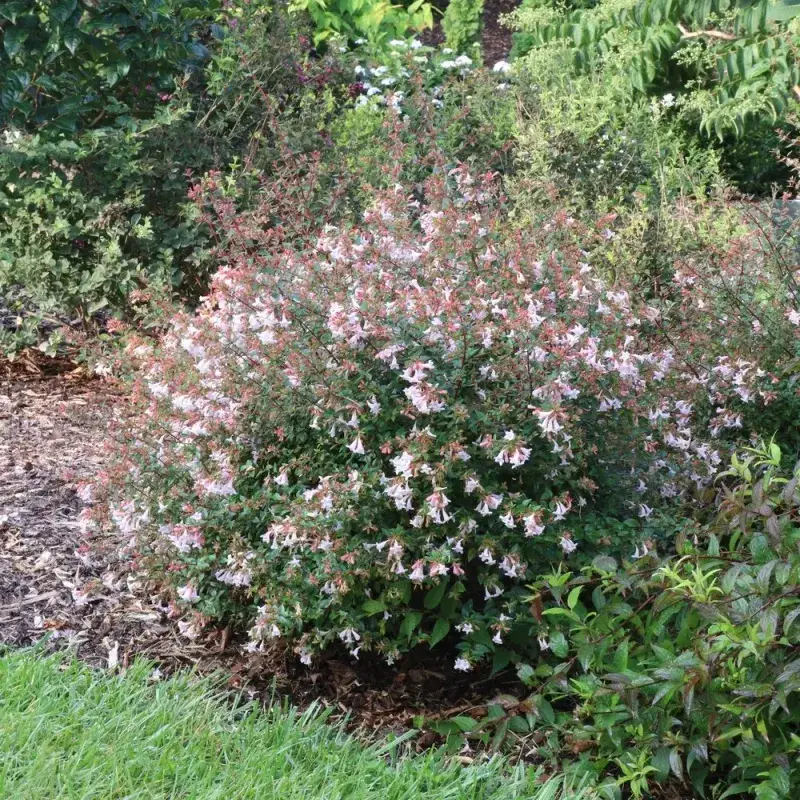
Some shrubs quietly do everything right, and abelia is one of them. Its arching branches carry tiny bell-shaped flowers from late spring until frost, feeding butterflies and bees for months.
The blooms are small, but there are hundreds of them, and many varieties have leaves tinged with gold, bronze, or pink that glow in the sun. You get color from both flowers and foliage.
Heat and humidity do not slow it down, which is why it performs so well across the South. It also tolerates a range of soils that would leave hydrangeas sulking.
Compact types work in foundation plantings, while larger ones spill gracefully over walls or edges. A light trim keeps them neat, but they look charming even a little wild.
Pollinator lovers especially appreciate the constant buzz of activity around an abelia in summer. If you want a dependable, wildlife-friendly bloomer that keeps going long after other shrubs quit, this one earns its spot in the bed.
6. Texas Sage (Cenizo)
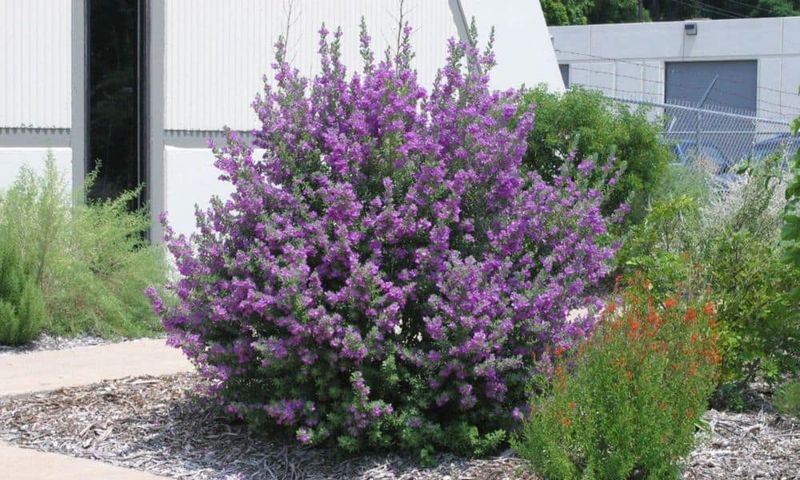
Gardeners in Texas swear this shrub can predict the weather. After a good rain or a spike in humidity, Texas sage suddenly erupts in purple blooms, earning its nickname the barometer bush.
Its soft silvery-gray leaves stay attractive between flushes, giving beds a cool, moonlit look that pairs beautifully with green plants. It is a striking contrast in any border.
Drought is where it truly shines. Once established, it needs almost no watering and actually resents being pampered, making it perfect for water-wise Southern yards.
Full sun and well-drained soil are all it asks. Overwatering or heavy clay are its only real enemies, so plant it high and let it dry between drinks.
Bees and butterflies flock to those purple flowers when they appear. If your hydrangeas drink faster than you can water, this heat-loving native swap rewards neglect with surprise bursts of color, giving you a beautiful, low-thirst shrub built for hot, dry conditions.
7. Plumbago
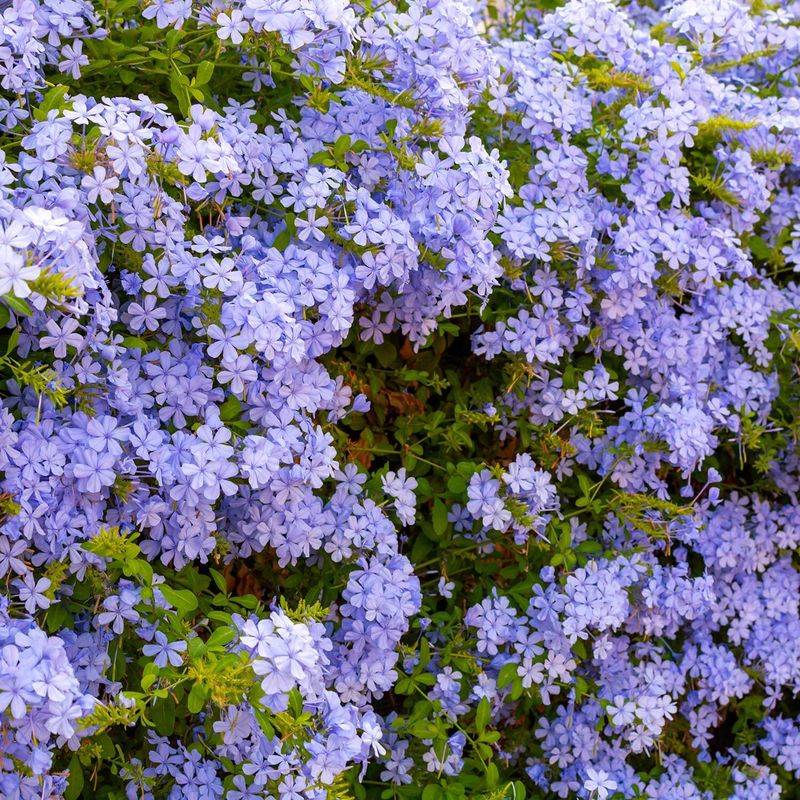
True blue flowers are rare in the garden, and plumbago delivers them by the cloudful. Its powdery sky-blue clusters look cool and refreshing even during the sweatiest Southern summer.
Butterflies adore it, so a single plant can turn a plain corner into a fluttering hotspot. In frost-free areas it blooms nearly nonstop.
Heat and humidity are no problem, and it tolerates sandy Florida soils that make many shrubs sulk. It sprawls and mounds, filling space quickly without much help.
You can let it grow loose and informal, train it against a fence, or trim it into a tidy mound. It is flexible about how you want it to behave.
In colder parts of the South it may die back in winter and return in spring, so treat it accordingly. Give it sun and a little room to ramble.
For anyone chasing that dreamy blue hydrangea color without the constant fuss, plumbago offers a carefree, butterfly-magnet alternative that keeps the show going all season.
8. Gardenia
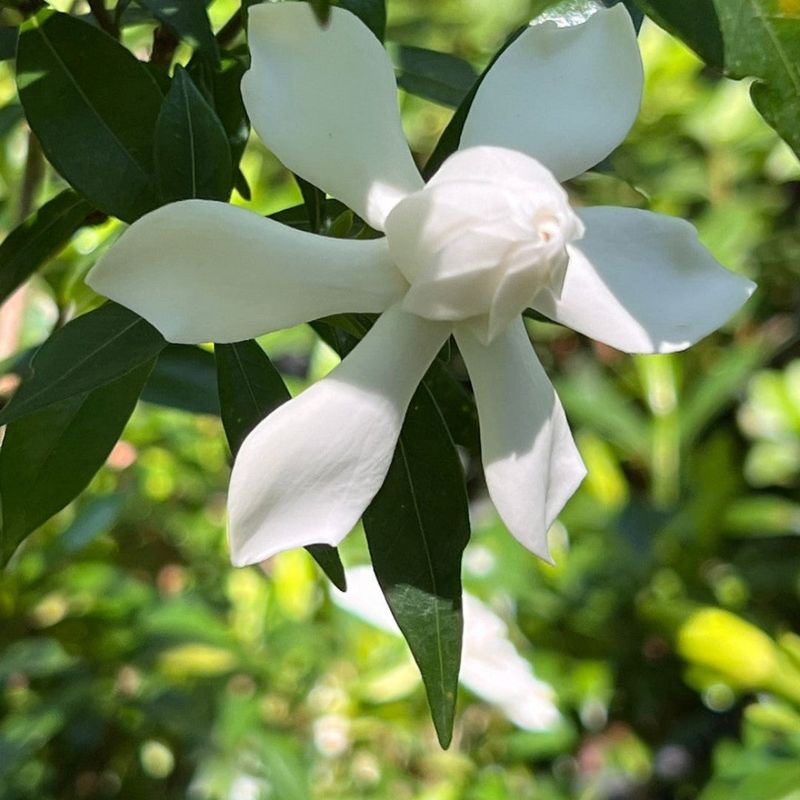
Close your eyes near a blooming gardenia and you will understand the obsession. That sweet, heady perfume drifts across the yard and instantly says Southern summer.
The creamy white flowers stand out against deep, glossy evergreen leaves, so the shrub looks polished even between blooms. Plant one near a porch or window where you can catch the scent.
Newer heat-tolerant varieties bloom longer and handle Southern conditions far better than older types. Some rebloom through the warm months instead of giving you one quick flush.
Gardenias like acidic soil, steady moisture, and a spot with morning sun and afternoon shade. Meet those basics and they reward you generously.
They can be a touch more particular than others on this list, but the payoff in fragrance is unmatched. If a hydrangea gives you leaves and no perfume, a gardenia flips the script.
For gardeners who want their landscape to smell as good as it looks, this fragrant classic turns a simple evening on the porch into something memorable.
9. Butterfly Bush (Buddleia)
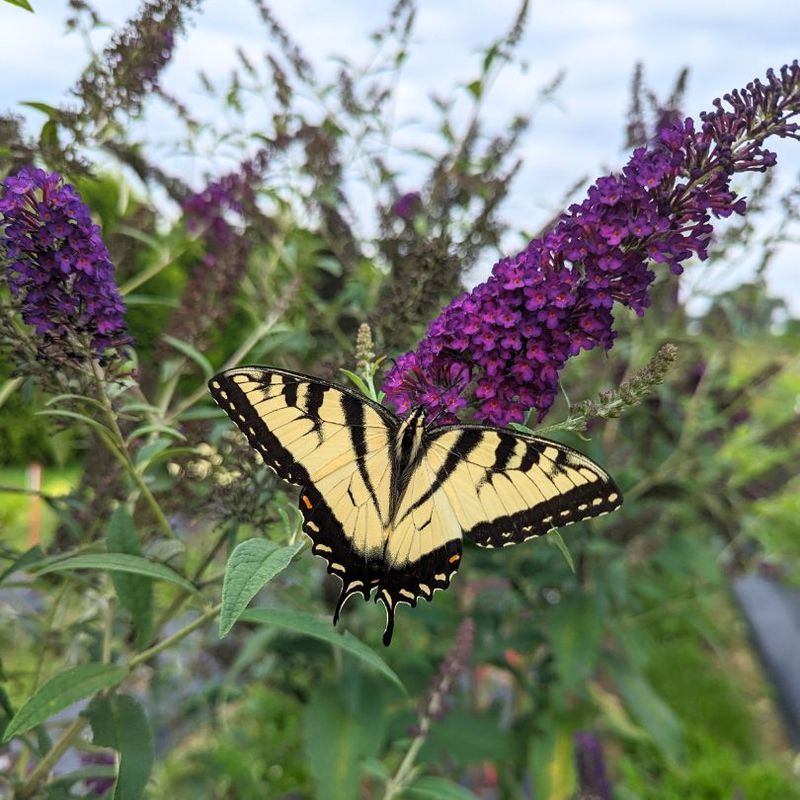
Want to fill your yard with butterflies fast? Plant a butterfly bush and watch the wings arrive within days of the first blooms opening.
Long, cone-shaped flower spikes in purple, pink, white, or blue appear from summer into fall, offering nectar right when pollinators need it most. The show barely pauses.
It grows quickly, tolerates heat and drought, and is not picky about soil, which makes it an easy win for busy or beginner gardeners. A hydrangea asks for pampering; this shrub just asks for sun.
Deadheading spent spikes keeps new blooms coming, and a hard prune in late winter keeps the plant tidy and vigorous. Choose newer non-invasive, seedless varieties to keep it well-behaved in your region.
Compact types fit small beds and containers, while full-size ones make a bold summer centerpiece.
For anyone who wants nonstop color plus a front-row seat to the butterfly parade, this fast, forgiving bloomer turns an ordinary border into a living, moving garden all season long.