
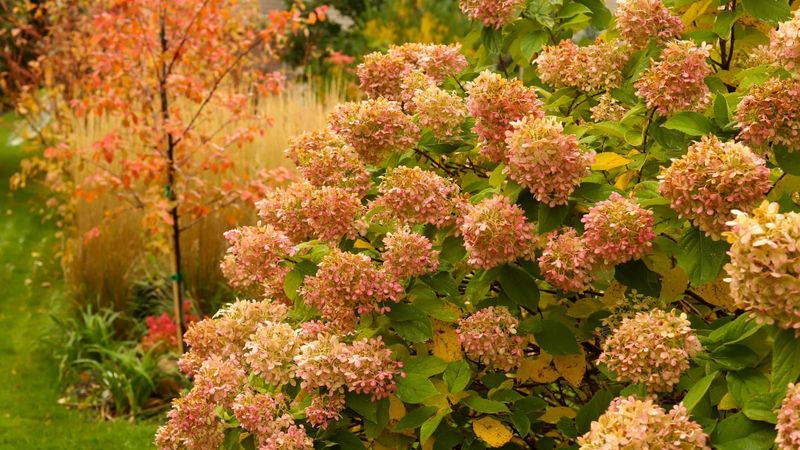
The flowers have faded, the leaves are turning, and your hydrangeas look ready to be ignored until spring. For some types, though, one fall decision can matter a lot: whether you pick up the pruners.
A cut at the wrong time can remove buds that were quietly forming for next summer. Knowing which kind of hydrangea you have helps you skip the risky cuts and handle the rest of fall with a calm, simple plan.
The pruning calendar depends on where the flowers form
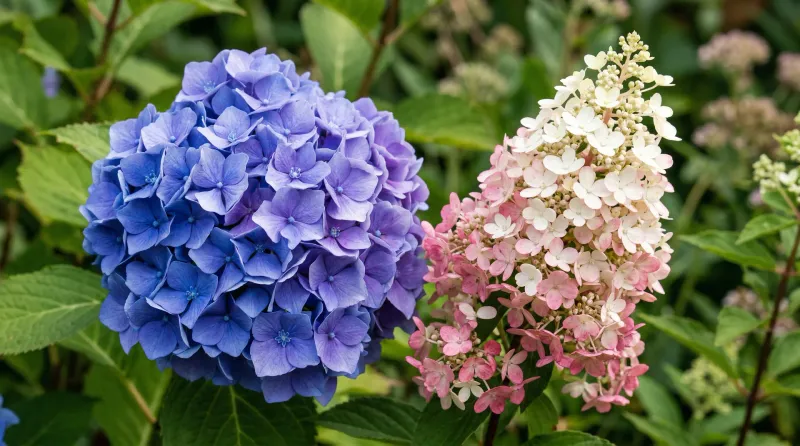
Hydrangeas are not all on the same schedule, and that is the first thing to sort out. Bigleaf and oakleaf types generally bloom on old wood, meaning stems that grew the year before.
Panicle and smooth types bloom on new growth, so they follow a different pruning calendar, as Mississippi State Extension explains.
That means a finished hydrangea is not automatically entering the same bud-setting period as its neighbor. Fall pruning can affect next summer’s flowers on some hydrangeas, but it does not on others.
Before any cutting, identify the plant, or check the plant tag or your nursery receipt for the cultivar name.
Cultivars add one more wrinkle. Some reblooming bigleaf cultivars can flower on both old and new wood, as noted in a Mississippi State hydrangea publication.
So the species-level rule is a starting point, not the final word for every shrub. Weather, shade, and winter bud injury can also change what you see, a point covered in UGA’s bigleaf hydrangea guide.
Protect old-wood stems from unnecessary fall cuts
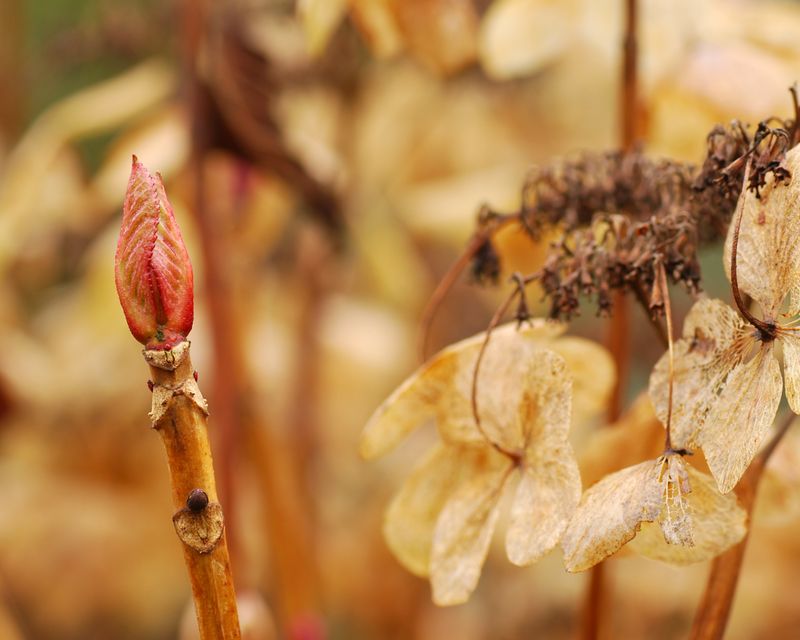
Picture a bigleaf hydrangea in October: tidy-minded gardeners see a shrub to trim, but the stems may already hold next season’s buds. Bigleaf hydrangeas form those buds in late summer, and UGA notes that late-summer, fall, or winter pruning can remove potential flowers.
Shaping the shrub or cutting back healthy stems in fall is the risky move.
Oakleaf hydrangeas call for similar caution. UF/IFAS advises preserving the old wood and finishing any pruning shortly after flowering.
Removing spent flowerheads is a separate matter, and it is optional. If you like the dried blooms, leave them.
If you want them gone, wait for the right pruning window after flowering instead of treating fall cleanup as a must-do, a point also reflected in UF/IFAS hydrangea guidance.
Prune new-wood types on a different schedule
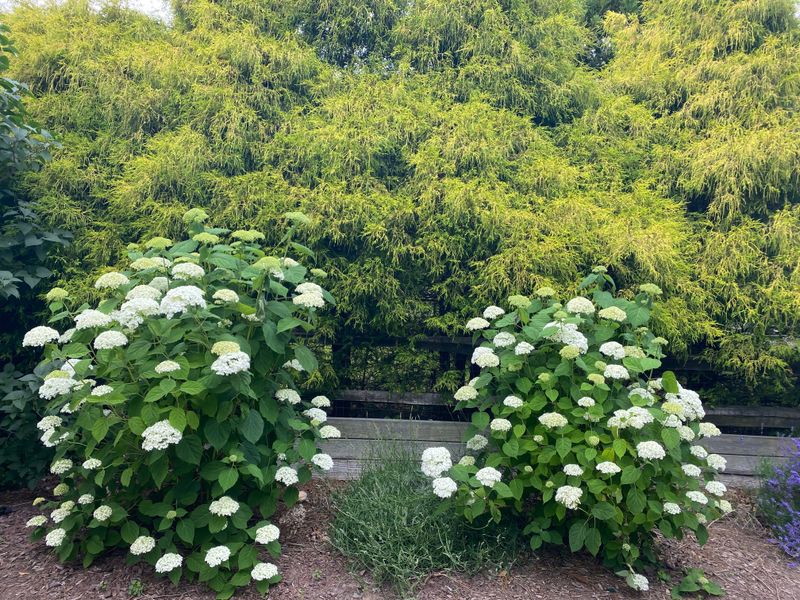
Panicle and smooth hydrangeas play by other rules. According to Mississippi State Extension, they bloom on current-season growth and can be pruned in late winter or early spring, before they leaf out.
Because the flowers form on growth that has not appeared yet, you are not cutting off hidden buds the way you might on an old-wood shrub. That is the reason for a different calendar, not an invitation to prune every new-wood hydrangea in fall.
Waiting until late winter or early spring keeps you inside the timing the source supports.
The takeaway is to avoid carrying one shrub’s rules over to another. A habit that protects a bigleaf can be unnecessary for a panicle, and a habit that suits a panicle can cost you blooms on a bigleaf.
Knowing which one you own settles most of the confusion.
Check soil moisture instead of following a fall schedule
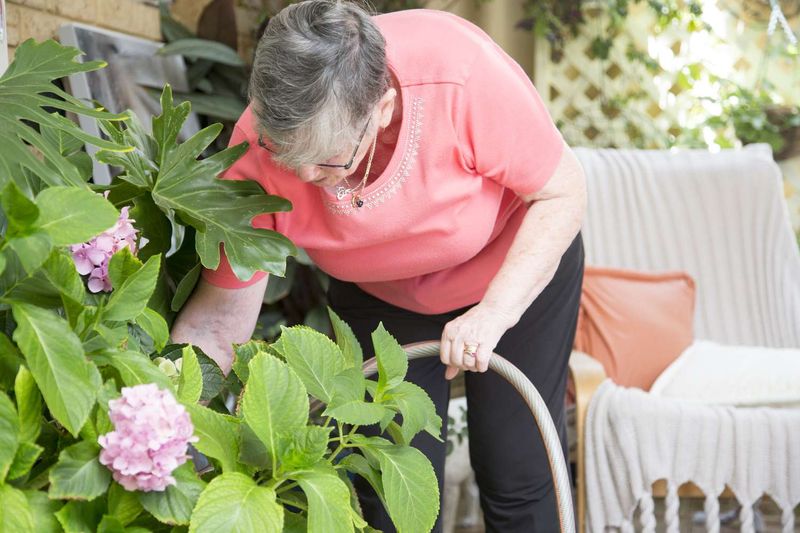
Rain does not follow a calendar, so your watering should not either. During dry spells, check the soil and water when it needs it.
UGA describes bigleaf hydrangea as a water-demanding plant and advises watering when it begins to wilt without rainfall.
Mulch can help here. It helps conserve soil moisture and moderate soil temperatures, which takes some stress off the roots.
For amounts, UGA’s general landscape guidance suggests 3 to 5 inches of organic mulch. That figure is for ornamental plantings in general, not a hydrangea-specific prescription, so adjust to your site.
Mulch is a helpful habit, not a guarantee of blooms.
Do not use fall fertilizer as a default bloom booster
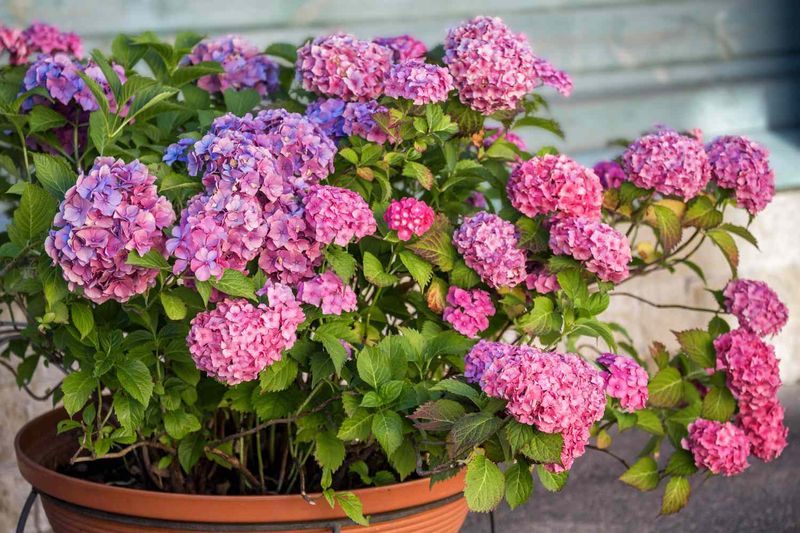
A finished hydrangea does not need a routine fall feeding to produce bigger flowers. UGA’s general landscape guidance recommends fertilizing ornamental plants as they break dormancy in spring and avoiding fertilizer after the first fall frost.
Feeding can also backfire. UGA lists excess nitrogen among the possible causes of poor flowering in bigleaf hydrangeas, alongside winter bud injury, heavy shade, and mistimed pruning.
So nitrogen is one possible factor, not the only one. If a bigleaf has leafy growth but few flowers, look at the whole picture, including sun, pruning timing, and winter weather, before reaching for another bag of fertilizer.
Treat frost risk as conditional and regional
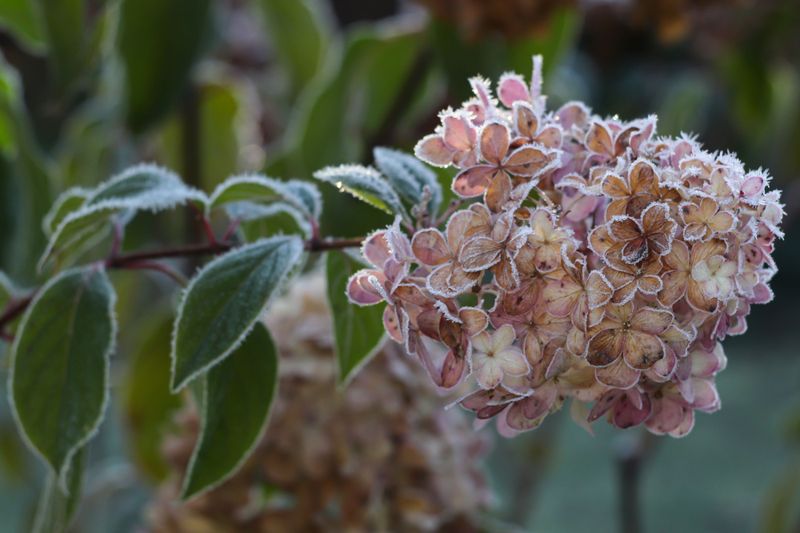
Frost matters, but it is not the whole story. Winter bud injury can reduce flowering on bigleaf hydrangeas, and UGA describes covering them during below-freezing temperatures.
Treat that as conditional protection for nights when a hard freeze is forecast, not a chore for every Southern yard.
Late spring frosts can also damage buds and leaves, according to University of Maryland Extension.
Region counts too. UF/IFAS says French hydrangeas are best suited to North and Central Florida, where they need shade, moisture, and cool winters.
That advice names those regions, so do not stretch it to all of Florida or Texas.
For oakleaf, UF/IFAS notes it suits a broader range and needs at least some shade in Florida.
Choose the low-risk step before frost
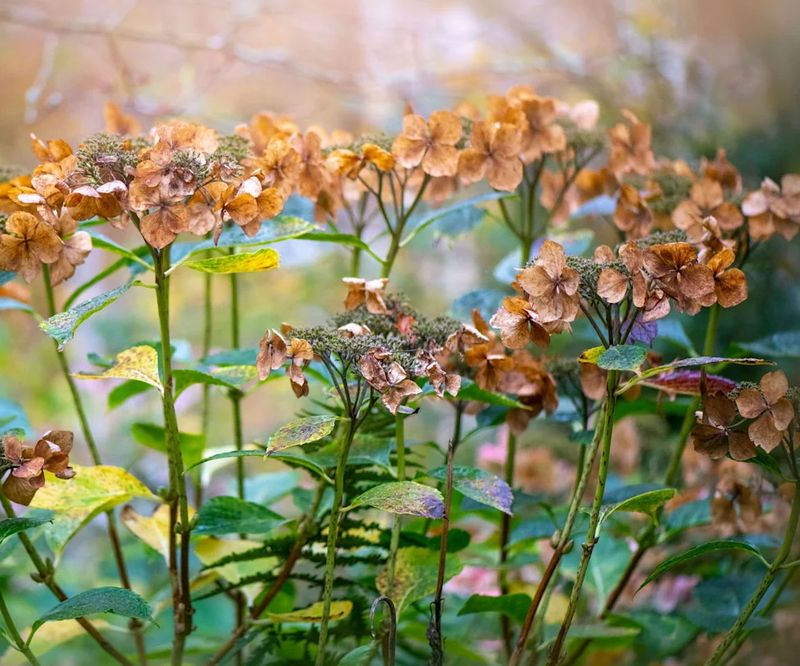
Before frost, the safest move is often the quietest one: identify your hydrangea, leave healthy old-wood stems uncut, and respond to dry soil or a hard-freeze forecast only when they show up. These choices can help protect potential blooms, though UGA makes clear that winter injury and other conditions can still reduce flowering.
For new-wood types, Mississippi State Extension points to later pruning. A resting hydrangea is rarely asking for much.