
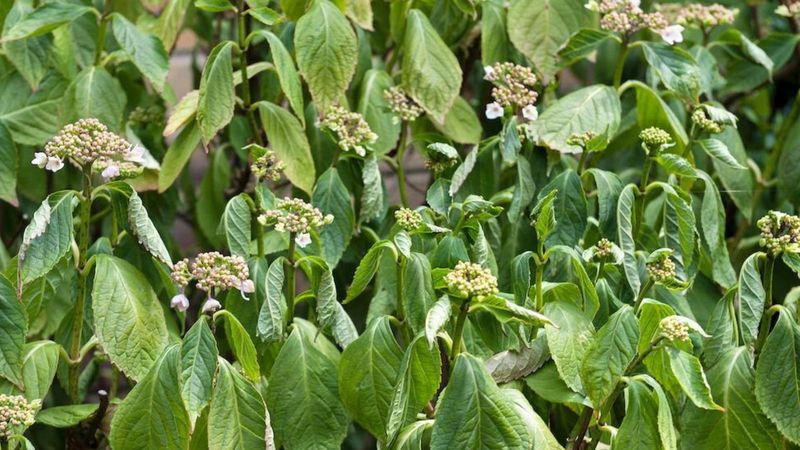
Watching your hydrangea droop in the afternoon heat is unsettling, especially when you just watered it the day before. Many gardeners grab the hose out of habit, but reaching for more water is not always the right move. The real question is whether your plant is reacting to heat or struggling with something deeper in the soil. Understanding the difference can save your shrub and stop you from accidentally making the problem worse.
Afternoon droop can be a heat response, not a thirst signal
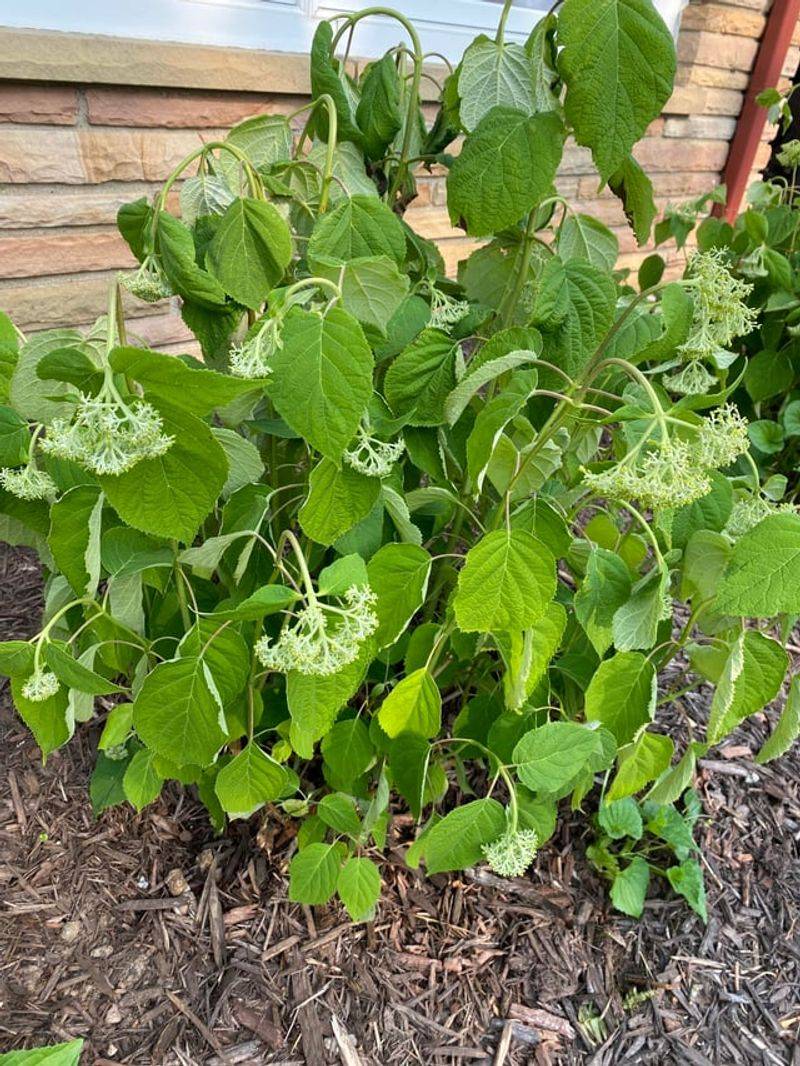
Hot afternoons can make a hydrangea look like it is on its last legs, even when the soil is perfectly moist. During the hottest part of the day, leaves lose water to the air faster than roots can pull it up from the soil. The result is temporary drooping that can look alarming but may resolve completely by evening or the following morning.
According to University of Maryland Extension guidance on hydrangea problems, daytime drooping followed by recovery overnight is consistent with temporary heat or water stress rather than a root failure. One afternoon of wilting does not prove the plant is in serious trouble. Before drawing any conclusions, check whether the leaves and shoots have perked back up by the next morning.
One distinction worth making: limp leaves and soft stems are different from flower clusters that bend under their own weight. Alabama Cooperative Extension notes that heavy hydrangea blooms can droop on their own, so a bowing flower head is not the same as a plant in distress. Look at the leaves and younger shoots, not just the blooms, to judge whether the plant is genuinely struggling or simply carrying a heavy load in the heat.
The soil below the canopy tells you whether watering is next
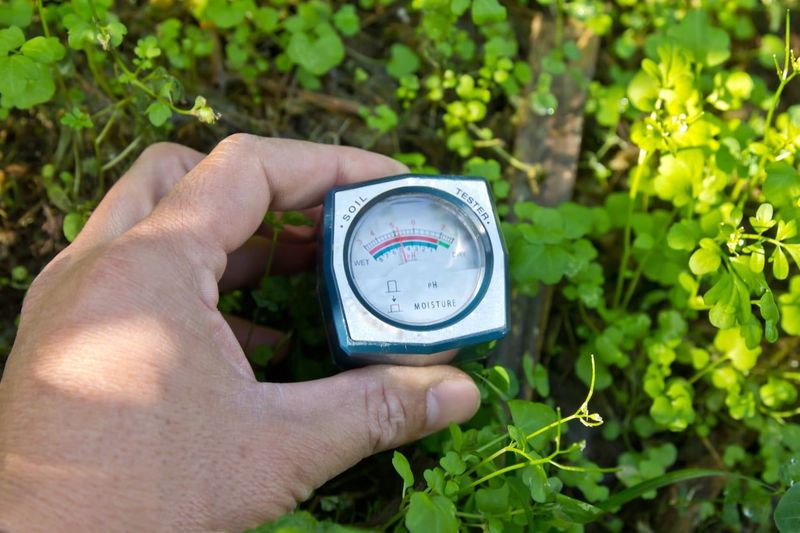
Before picking up the hose, spend two minutes checking the soil where it actually matters. Push a finger, a wooden dowel, or a screwdriver several inches into the ground beneath the outer edge of the canopy, which is roughly where the active roots are feeding. A surface that looks dry or a mulch layer that feels crumbly can fool you into thinking the whole root zone is parched.
University of Minnesota Extension guidance on watering established shrubs recommends checking soil moisture several inches below the surface rather than relying on leaf appearance or how the top layer looks. If the soil at roughly 6 to 9 inches down feels cool and holds together when squeezed, the root zone likely has adequate moisture and additional watering is probably not needed right away.
Genuinely dry soil at that depth tells a different story. An established hydrangea is not drought-proof, and during a stretch of hot, rainless days it can run short of water even with a deep root system. The key is letting the soil condition, not the drooping leaves, guide your decision. What you find below the surface determines whether your next step is watering, managing heat exposure, or looking more closely at drainage.
Dry roots need a deep soak rather than repeated shallow sips
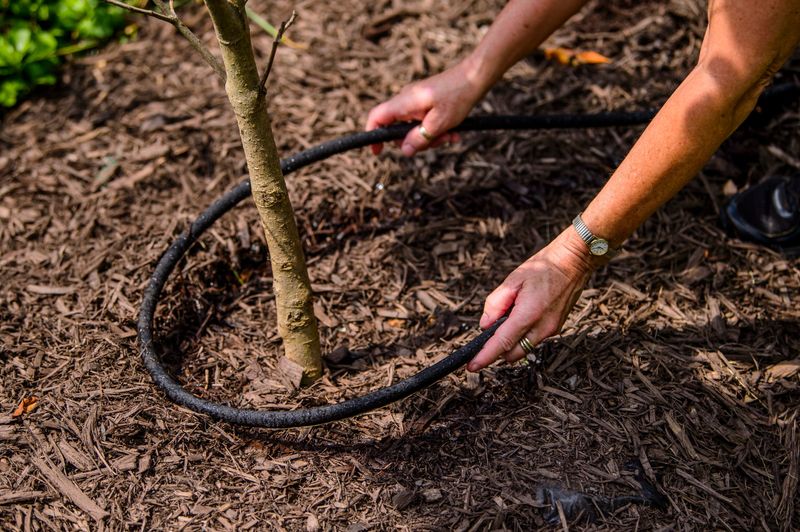
When the root zone comes up genuinely dry, the right response is a slow, thorough soak rather than a quick splash from the hose. Shallow watering only wets the top few inches of soil, which encourages roots to stay near the surface where they are most vulnerable to heat and drying. A deep soak pushes moisture down where established roots can actually reach it.
UConn Extension’s hydrangea care guide recommends using a soaker hose or drip system to deliver water slowly at the root zone, which also keeps foliage dry and reduces the risk of fungal problems. Keeping leaves dry during watering is a practical habit worth building, especially during humid summer stretches.
As a general starting point, hydrangeas may need roughly 1 inch of water per week under normal conditions, and up to 2 inches during very hot, dry weather. Treat those figures as flexible benchmarks rather than automatic prescriptions. How much your plant actually needs depends on rainfall, soil texture, exposure, plant size, and the specific type of hydrangea you are growing. Sandy soils drain faster and need more frequent attention; heavier clay holds moisture longer.
The goal is to maintain even, consistent moisture in the root zone, not to alternate between bone-dry and waterlogged conditions.
Wet soil changes the problem from thirst to oxygen and drainage
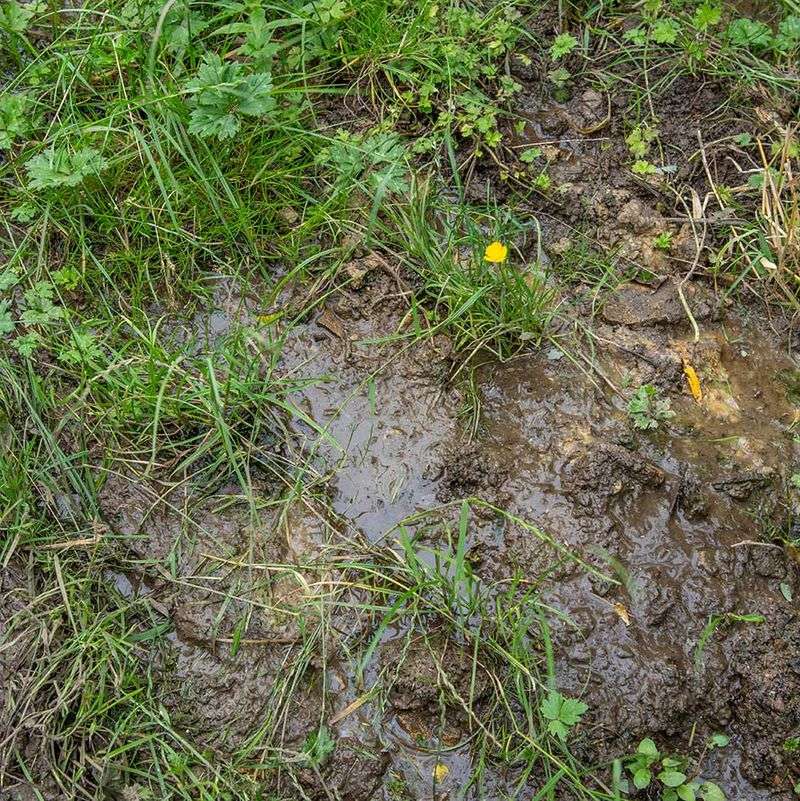
Soggy soil is not a safety net for a wilting hydrangea. Roots need oxygen as much as they need water, and soil that stays saturated for extended periods can starve roots of the air they need to function. When that happens, a plant may droop even though the ground around it is soaking wet.
UConn Extension’s hydrangea disease and pest resource identifies Phytophthora root rot as a pathogen favored by poorly drained soil and flooding after heavy rain. Adding more water to an already saturated root zone does not rescue the plant; it can push the situation further in the wrong direction. If the soil around your hydrangea drains slowly, stays damp for days after rain, or collects water in a low spot, that is a structural drainage issue, not a watering problem.
Tennessee State University’s guide to root diseases of hydrangea links Phytophthora to sudden wilting, yellowing, and waterlogged growing conditions. Look for signs like a hard layer a few inches below the surface, soil that pools after moderate rain, or a planting spot in a low area of the yard. Correcting drainage is a site-level fix, and University of Minnesota Extension specifically warns against placing gravel in the bottom of a planting hole, which can actually trap water rather than move it away from roots.
Persistent wilt and decline make root damage more plausible
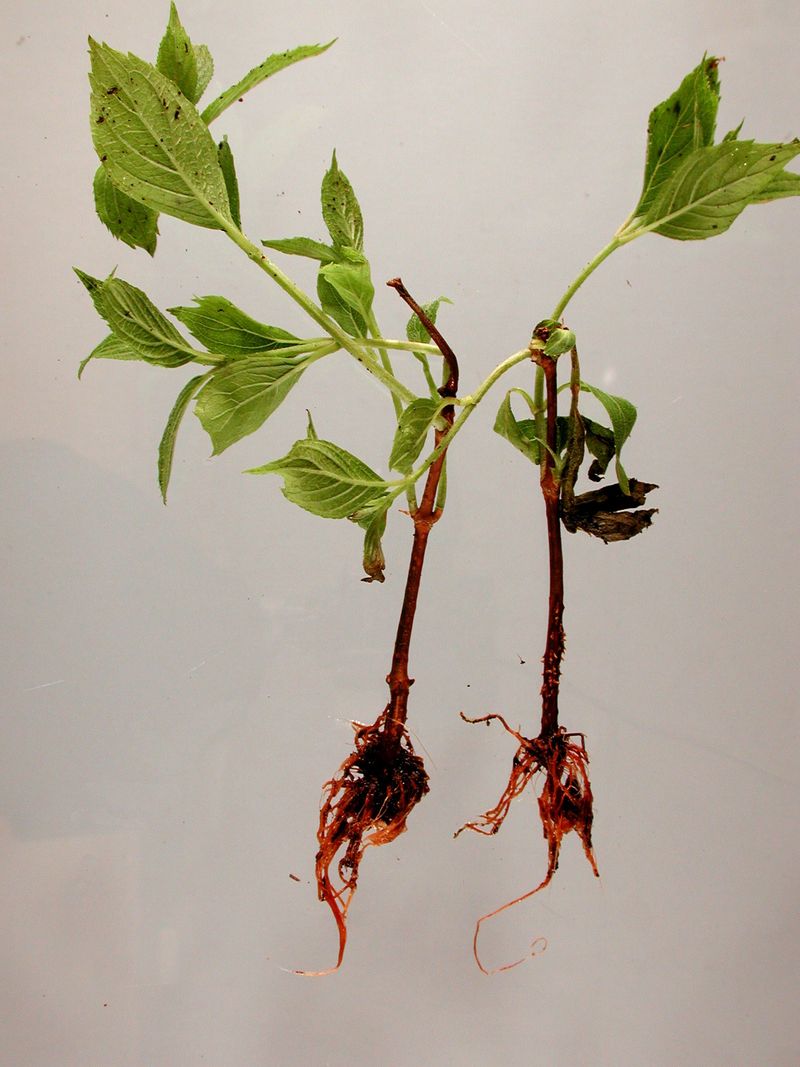
Heat-related drooping follows a predictable rhythm: the plant sags in the afternoon, then bounces back by evening or the next morning. When that pattern breaks, the explanation changes. Wilt that lingers through the night, does not improve after appropriate watering, or affects one or more shoots alongside progressive dieback or yellowing deserves a closer look at the root zone.
UConn Extension’s hydrangea disease reference documents both Armillaria and Phytophthora root rots as documented possibilities in hydrangeas. Armillaria can begin with wilt on one or more shoots and may progress toward plant death even when the gardener continues watering; the leaves do not return to normal because the damaged root tissue can no longer move water effectively. Phytophthora tends to develop in wet, poorly drained conditions and is linked to sudden wilting and yellowing.
Root damage can cause wilt even when the soil around the plant feels wet, because the tissues responsible for water uptake have been compromised. Additional symptoms worth noting include declining overall vigor, crown or root discoloration when gently examined, and progressive shoot death that does not match a normal pruning or weather pattern. Brown or dark roots alone are not enough to confirm root rot; the full picture matters, including wilt timing, soil conditions, and accompanying decline symptoms. If the plant continues to worsen despite appropriate watering and drainage management, connecting with a local extension office or a certified plant-disease specialist is a reasonable next step rather than guessing at a cause.
Sun exposure and hydrangea type can set the afternoon pattern
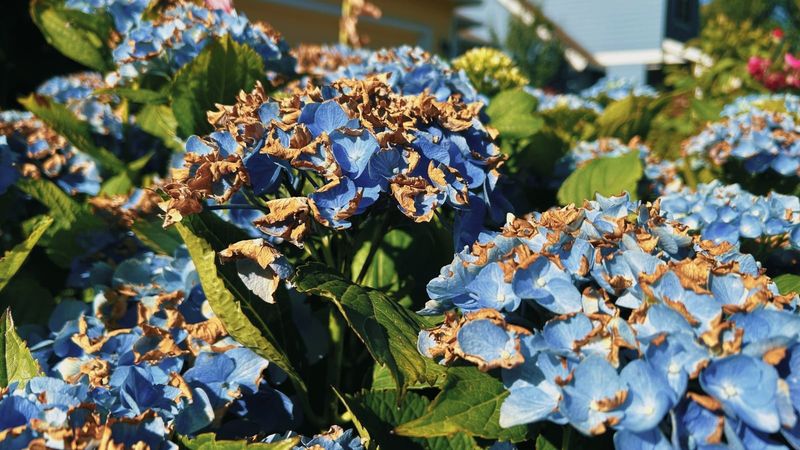
Not every hydrangea handles hot afternoon sun the same way, and knowing which type you have can change how you read the wilt. Bigleaf hydrangeas are particularly sensitive: UMass Amherst’s guide to growing hydrangeas notes that bigleaf types may wilt in full sun even when the soil moisture is adequate. For those plants, afternoon drooping in a sunny spot can be a normal response to exposure rather than a sign that something is wrong underground.
Other types behave differently. Panicle hydrangeas generally tolerate more sun than bigleaf varieties, while smooth hydrangeas prefer part shade and consistent moisture. UConn Extension and University of Maryland Extension both identify hot afternoon exposure as a factor that can intensify temporary wilting or cause leaf scorch. Oakleaf hydrangeas, meanwhile, are especially sensitive to soggy soils, so their wilt story often runs in the opposite direction.
Using sun exposure, recovery timing, and soil moisture together gives a more accurate picture than any single clue. A bigleaf hydrangea that droops in full afternoon sun but recovers by evening with moist soil may simply need afternoon shade from a nearby shrub, a shade cloth during the hottest weeks, or eventually a spot with better protection from the western sun. That is a site adjustment, not a root diagnosis.
A safer rescue plan protects moisture without trapping it
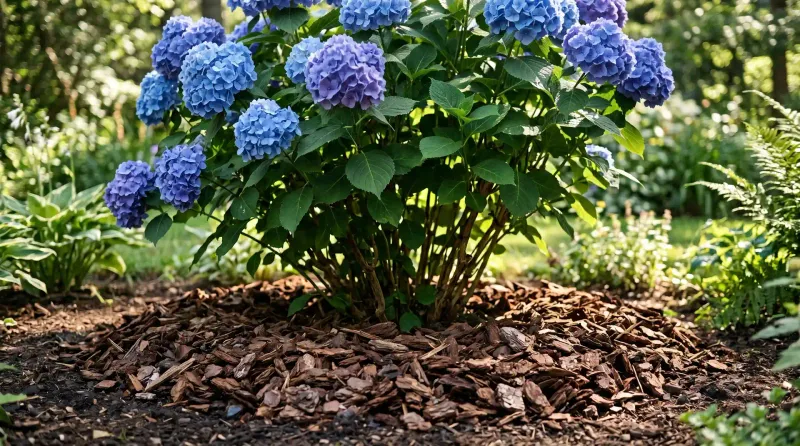
Pulling together a practical care response starts with matching your action to what the soil check actually revealed. When the root zone is dry, water deeply using a soaker hose or drip line and give the soil time to absorb the moisture before watering again. When the soil is saturated or drains slowly, pause irrigation entirely and focus on understanding the drainage situation rather than adding more water.
Mulch is one of the most useful tools for stabilizing root-zone conditions. UMass Amherst recommends roughly 2 to 3 inches of mulch around hydrangeas to conserve soil moisture and moderate root-zone temperature during hot weather. Keep the mulch pulled back from the crown and main stems so it does not trap moisture against the base of the plant, which can create its own problems over time.
For heat-related wilt, reducing afternoon exposure can help. A temporary shade cloth, a strategically placed container plant, or a longer-term site adjustment may reduce the intensity of the afternoon sun hitting a sensitive bigleaf variety. These are stress-management steps, not cures for root disease.
If drainage is the underlying issue, UMN Extension guidance on planting and transplanting cautions against digging aggressively through an established root system or placing gravel beneath the plant. Drainage problems are structural and may require correcting the planting situation at the site level. Mulch, pruning, fertilizer, and adjusted watering can support a recovering plant, but none of them substitutes for addressing the actual cause of the wilt.
Use the recovery pattern to decide what the wilt means
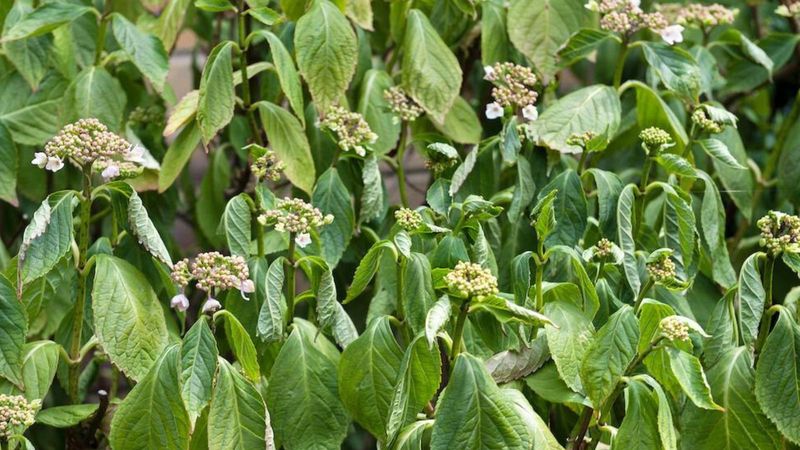
The most reliable diagnostic tool you have is time and observation. A hydrangea that droops in the afternoon but stands back up by evening or the following morning, with a moist root zone, is most likely responding to heat rather than signaling a root crisis. University of Maryland Extension supports this distinction: recovery timing and soil condition together tell the story more clearly than the droop itself.
Wilt that stays into the morning, accompanies yellowing or dieback, or appears alongside saturated soil calls for a root-zone and drainage investigation rather than more water. UConn Extension and UMN Extension both emphasize checking the root zone before acting. Established plants are not drought-proof, but more water is not the answer when roots lack oxygen or have been damaged. Watch the plant across several days, keep notes on when it droops and when it recovers, and reach out to your local cooperative extension office if the decline continues.
Afternoon wilt is a message worth reading carefully before you respond.