
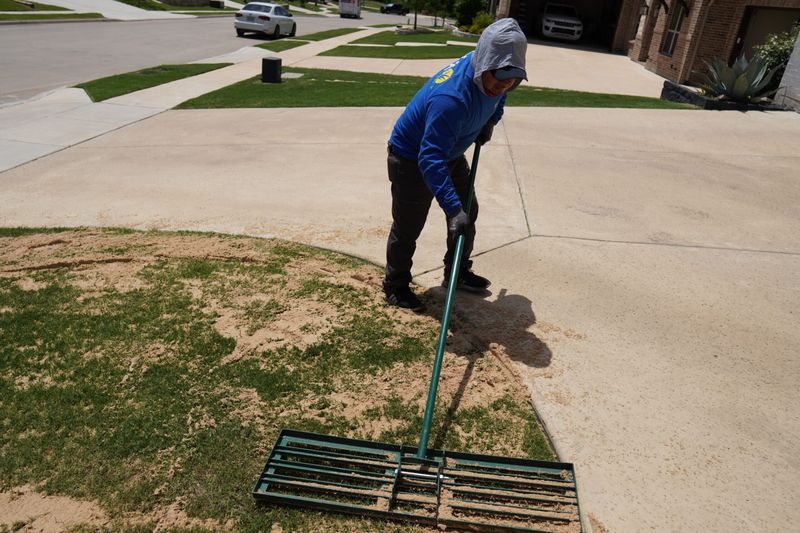
A bumpy yard can turn a simple walk to the mailbox into an ankle-rolling risk. Some dips are small enough to fix with a shovel, a rake, and a little patience.
Others come from causes that soil alone will never solve. Here is how to tell the difference and when your grass is ready for the job.
Diagnose the unevenness before adding soil
Walk the yard slowly and look at the pattern. A shallow, smooth dip is one thing.
Little mounds, raised ridges, or soft, hollow-feeling ground are something else entirely.
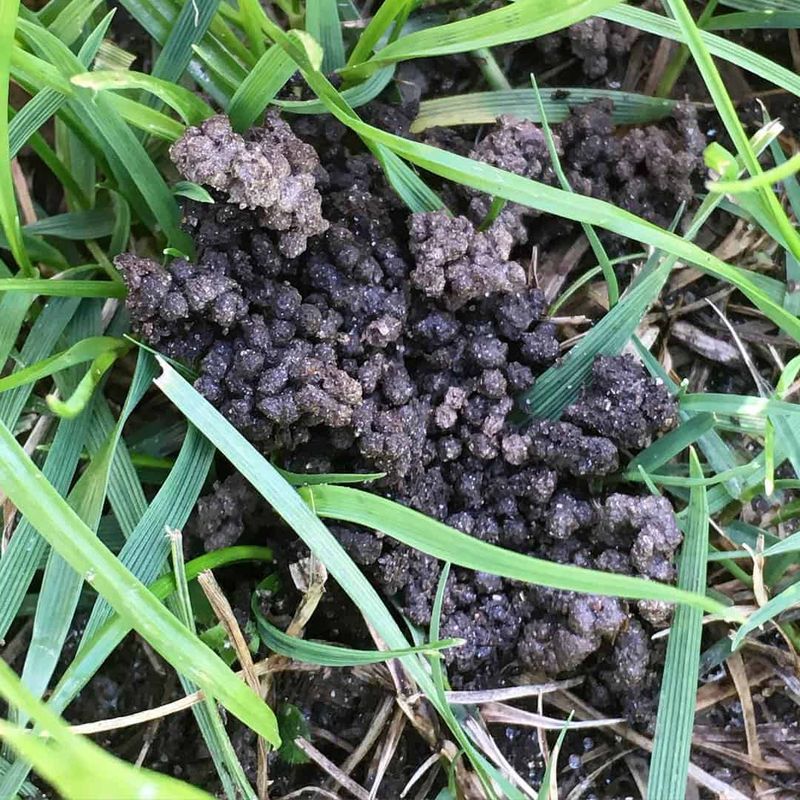
Tiny, pellet-like piles are often earthworm castings. Mississippi State Extension describes earthworms as beneficial, so those castings are not a reason to panic.
Raised, winding ridges point to mole tunnels, while chewed, thinning, loose turf can signal mole crickets. N.C.
Cooperative Extension treats castings, mole tunnels, and mole-cricket activity as different problems that call for different responses.
That matters because filling the surface will not address whatever is causing the bumps. Figure out the cause first, then decide whether a hand repair makes sense at all.
Choose timing by grass type and active growth
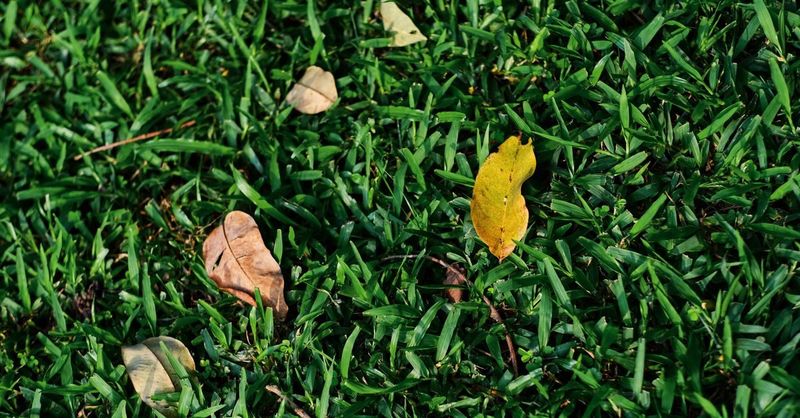
Fall is not automatically the best season for every Southern lawn. What counts is whether your grass is actively growing, because growing grass fills in and recovers faster.
In Florida, UF/IFAS says warm-season grasses often grow quickest in spring and summer. Mississippi State Extension notes that warm-season lawns grow more slowly as fall temperatures cool.
Cool-season grasses are different. UGA Extension explains that they grow during spring and fall, so autumn may suit them well.
If you are unsure which grass you have, identify it first. Then pick a time when it is clearly growing for your area, and do not rush a repair just because the calendar says fall.
Select clean soil that matches the lawn
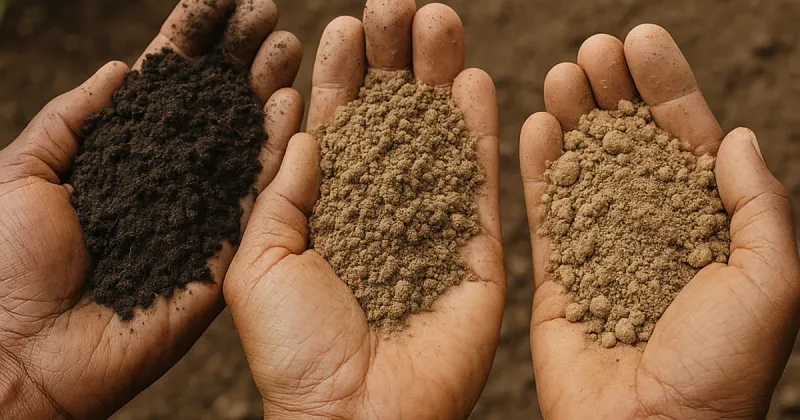
Not all bagged material is a good match. Grab a handful of your lawn’s existing soil and compare it with what you plan to bring in.
UF/IFAS Extension in Okaloosa County advises using soil with a texture similar to what is already there.
Cleanliness matters too. The same guidance recommends material free of weed seeds and nematodes, since the wrong soil can bring new problems into a lawn you are trying to improve.
That rules out grabbing whatever topsoil or sand happens to be on sale. A sandy fill over heavy ground, or a weedy bargain load, can cause more trouble than the dip itself.
Also keep the two jobs separate. Filling a localized low spot is a spot repair, while a uniform topdressing is a thin, even layer across a lawn for other purposes, and the advice for each differs.
Fill a small low spot in stages
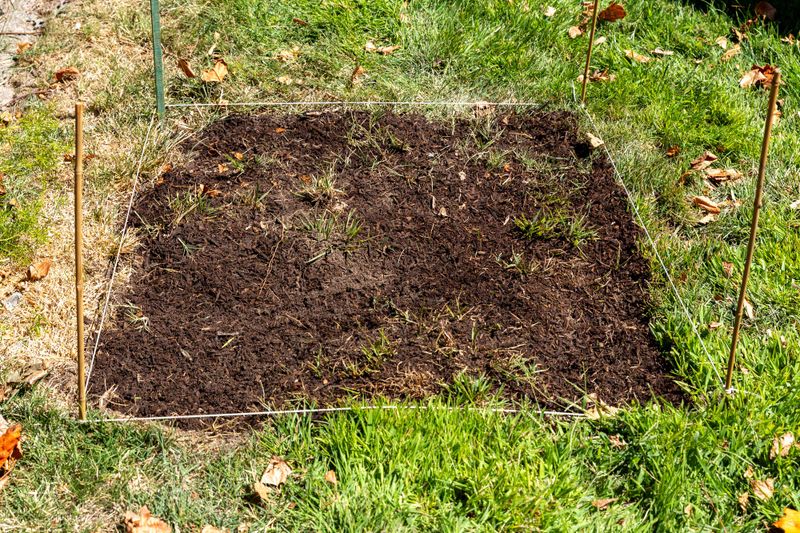
Once you have a suitable small dip, the method is simple. Place soil in the low area and rake it level, rather than spreading a thick blanket across the whole lawn.
Deeper spots take patience. The UF/IFAS spot-repair advice is to fill in stages instead of burying the grass in one go.
How much material you need depends on the area and the depth of the dip. A tiny hollow might take a bucket or two, while a larger one could take far more, so a few bags may or may not be enough.
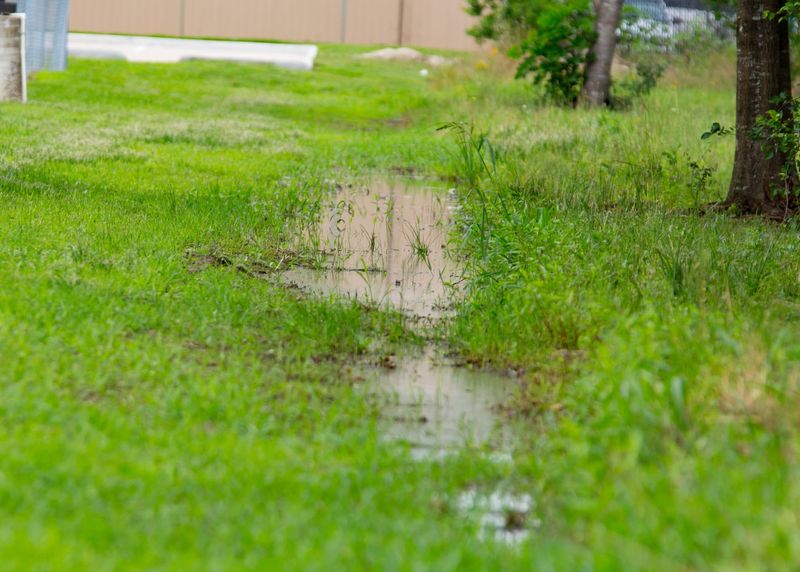
Be realistic about what this does. It can level a minor depression, but it will not correct a broad grading problem or a drainage issue.
If water pools across a large part of the yard, that calls for a different fix.
Protect the grass and reassess before repeating
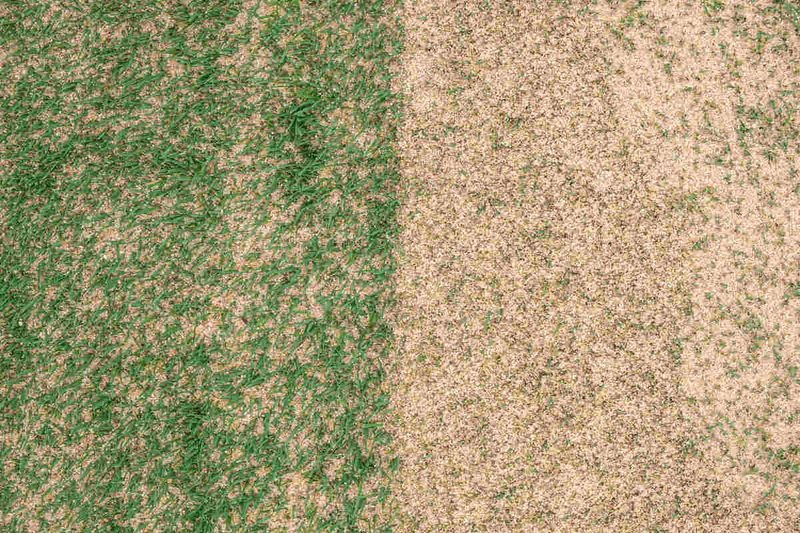
After the first layer goes down, check that grass blades are still poking through. Keeping as much leaf exposed as practical gives the turf a way to keep growing.
Then go back to normal lawn care, including your usual mowing and watering. Wait until the grass has grown up over that first layer before you add more.
Piling on too much is the main way this goes wrong. The same Okaloosa County guidance warns that topdressing can be overdone and can kill grass.
You may run across a figure of about a quarter inch. That is UF/IFAS guidance for uniform topdressing to help manage thatch on Florida St. Augustinegrass.
It is not a fill depth for low spots, and it is not a routine step for every lawn.
Reassess after each round. If the spot looks level and the grass is thriving, stop.
Know when a different response is needed
Filling soil over bumps will not necessarily stop tunnels or keep surface changes from coming back. If the cause is still there, the lumps can return.
Earthworms deserve a pass. Mississippi State Extension treats them as beneficial, so untidy castings are no reason to eliminate them.
Damaging activity looks different, such as tunnels or thinning turf.
For mole damage in southeastern North Carolina, NC State guidance says damaged areas can often be tamped down and the turf may recover, with spring the best time to reseed or sod where needed. That advice is regional, not a rule for every Southern lawn.
NC State also says broad pesticide applications for mole damage are rarely effective and not recommended.
So think of hand-filling as a tool for a suitable small dip. It will not guarantee a perfectly smooth lawn, and a dip is only as fixed as its cause.