
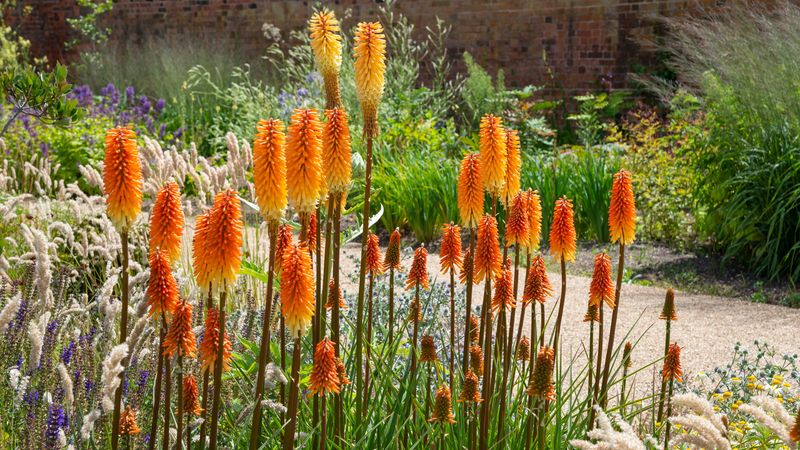
If your petunias turn crispy and sad every time the summer sun blasts your yard, you are not doing anything wrong. Some flowers simply cannot handle the heat that Southern gardeners deal with from spring through fall.
The good news is that plenty of tough, colorful bloomers actually love those scorching spots your petunias hate. Here are nine heat-loving flowers that will keep your hottest beds looking bright when the temperatures climb.
1. Lantana
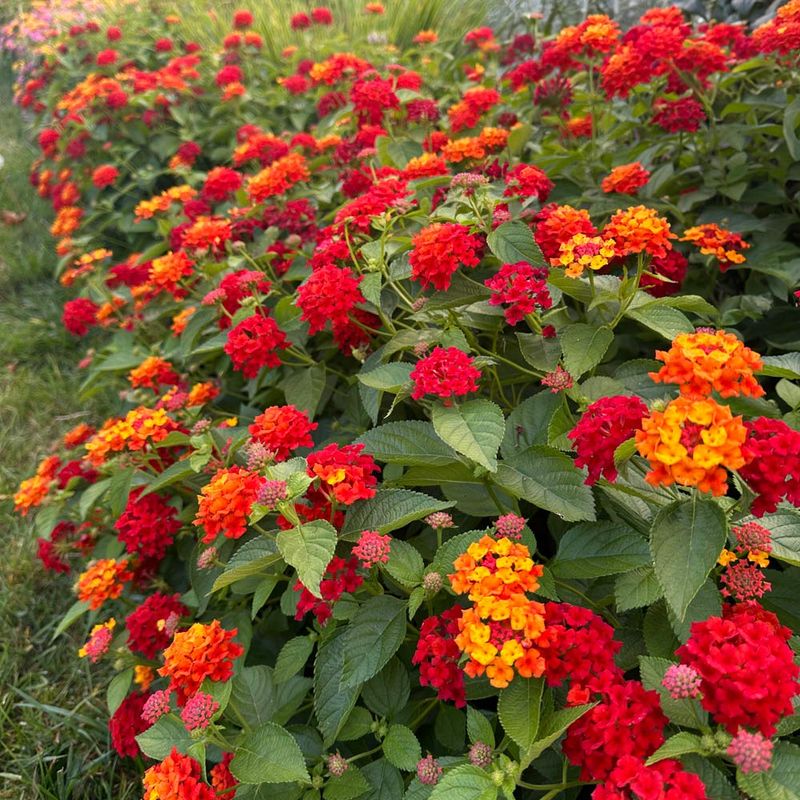
Picture a plant that laughs at 100-degree afternoons while butterflies swarm around it, and you have got lantana. Where petunias melt into a soggy mess, this tough bloomer just keeps pumping out clusters of tiny flowers in fiery oranges, yellows, and pinks.
Heat and drought barely faze it once the roots settle in. Lantana handles reflected heat off driveways, walls, and sidewalks, which are exactly the spots that fry more delicate flowers.
In Florida and Texas, it often blooms nonstop from spring all the way through fall.
Pollinators adore it, so expect regular visits from butterflies and the occasional hummingbird. That makes it a smart pick if you want color plus a little backyard wildlife action.
A quick heads-up: some lantana varieties can spread aggressively, so look for sterile or well-behaved types if you want to keep things tidy. Give it full sun, decent drainage, and a light trim when it gets leggy.
Do that, and this workhorse may reward you with months of glow-in-the-heat color exactly where your petunias gave up.
2. Portulaca (Moss Rose)
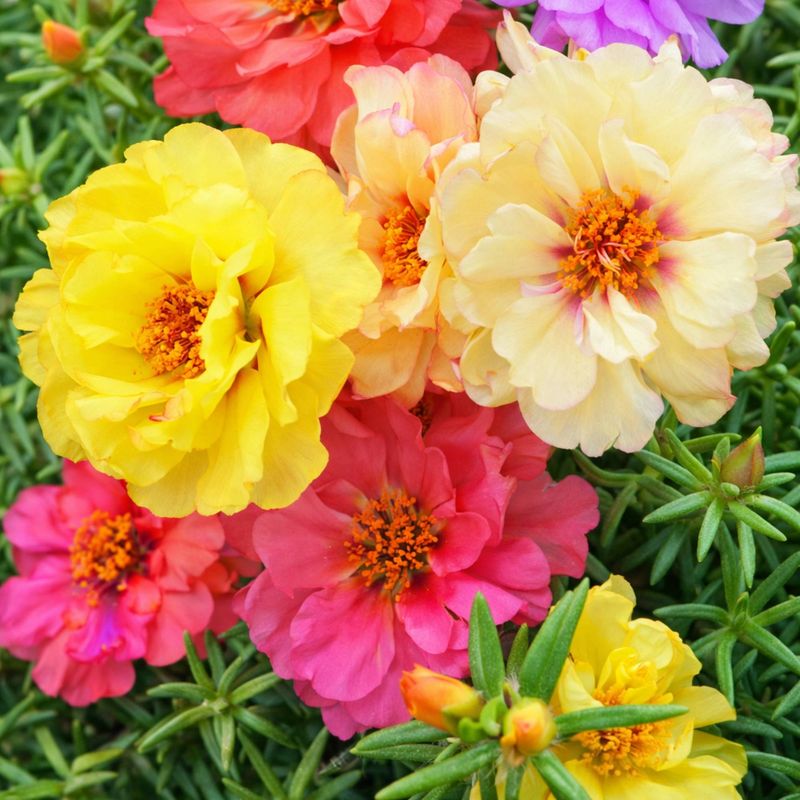
Some plants sulk in dry, sandy, baked-out soil. Portulaca throws a party in it.
Also called moss rose, this low, spreading succulent stores water in its plump little leaves, so it shrugs off the kind of heat that leaves petunias limp and brown.
The flowers look like tiny roses in electric shades of pink, orange, yellow, and white. They open wide when the sun blazes, which is the exact moment fussier flowers close up shop.
Because it hugs the ground, portulaca works beautifully along hot sidewalk edges, in rock gardens, or spilling out of containers on a sun-blasted porch. It barely needs watering once established, making it a lifesaver for gardeners tired of dragging the hose around.
Fun bit of history: moss rose has been a Southern porch favorite for generations, partly because it thrives on neglect. If you tend to forget watering, this one forgives you.
Give it full sun and gritty, well-draining soil. Soggy roots are the only thing that can really hurt it.
3. Zinnia
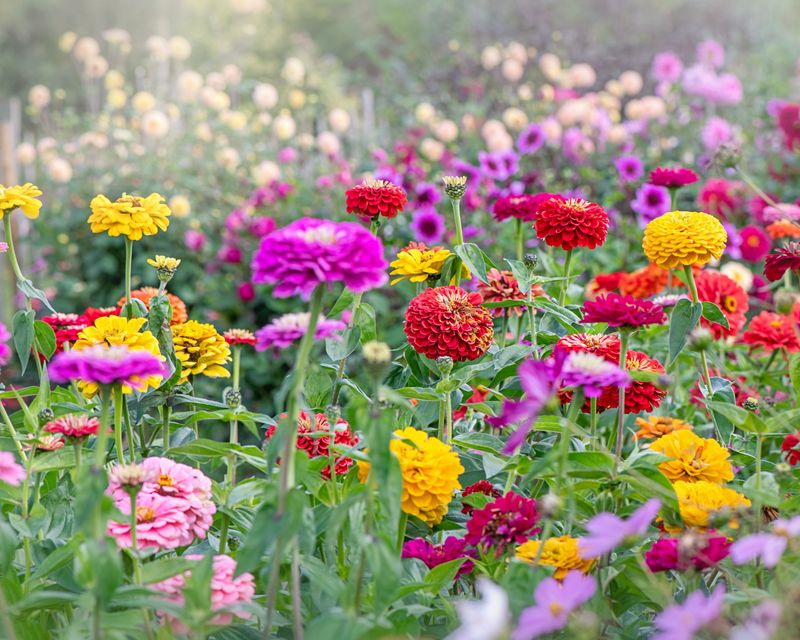
Want cut flowers for the kitchen table without babying anything? Zinnias deliver bold, cheerful blooms while barely asking for a thing in return.
These annuals grow fast from seed and flower like crazy through the hottest stretch of summer.
Colors run the whole rainbow, from hot pink and scarlet to soft peach and lime green. The more you cut them, the more they bloom, so a single packet of seeds can keep bouquets coming for months.
Zinnias soak up full sun and actually prefer warm weather, unlike petunias that fade fast when the heat cranks up. They are a favorite of butterflies too, so a patch near your porch can turn into a little pollinator stop.
One thing to watch: crowded, damp leaves can invite powdery mildew. Space them out and water at the base to help keep foliage dry and healthy.
For Southern gardeners, zinnias are an easy win in beds, borders, or the back of a vegetable garden where their tall stems add instant color and movement.
4. Angelonia (Summer Snapdragon)
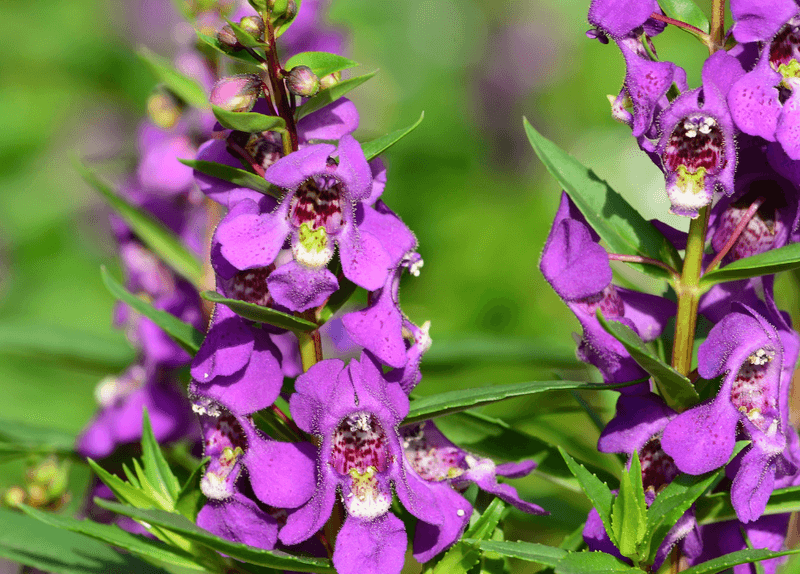
If you love the look of snapdragons but hate that they quit the second summer arrives, angelonia is your answer. Nicknamed the summer snapdragon, it sends up tidy spikes of purple, pink, and white blooms right through the hottest months.
Heat and humidity, the two things that punish so many Southern flowers, are exactly the conditions angelonia craves. It keeps its shape neatly instead of flopping, which makes it a clean, upright filler for beds and containers.
Unlike petunias, it does not need constant deadheading to keep flowering. That alone earns it a spot for busy gardeners who want color without a daily chore list.
Bees and butterflies drop by often, adding a little life to your borders. The vertical flower spikes also mix well with mounding plants for a layered, put-together look.
Plant it in full sun with average, well-draining soil. Angelonia tolerates dry spells but rewards you with more blooms when watered during long droughts.
For porches, entry beds, and hot borders across Florida and Texas, it is a dependable, low-drama performer that just keeps going.
5. Pentas
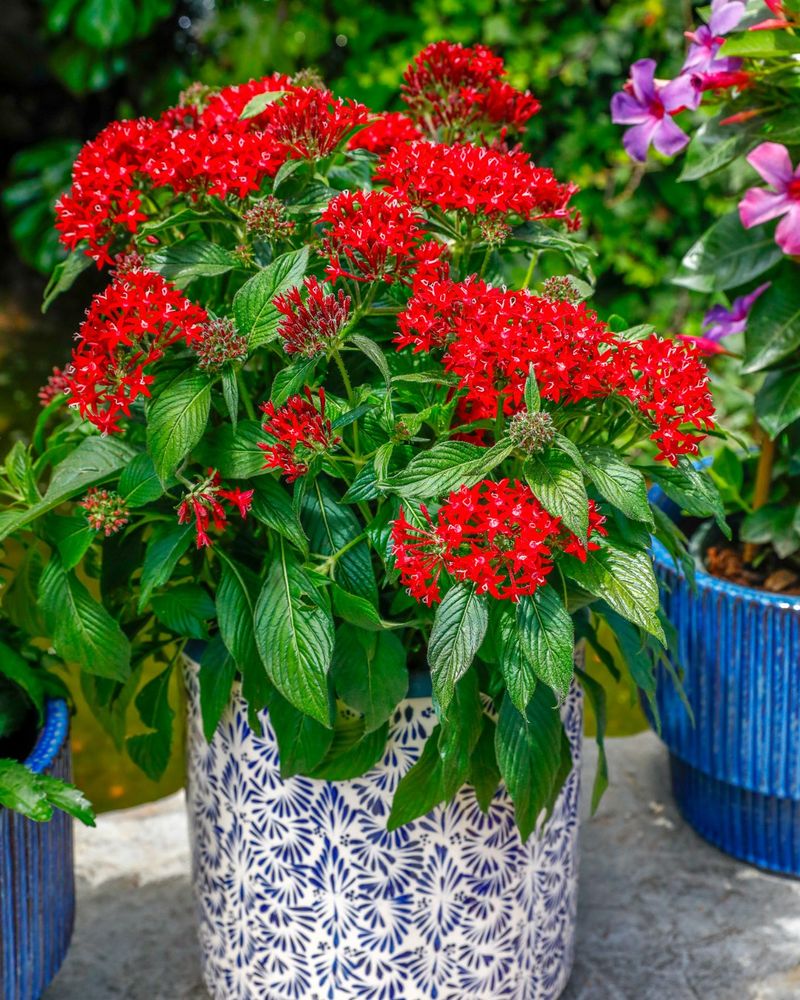
Few flowers pull in pollinators quite like pentas. Those star-shaped blooms cluster together in domes of red, pink, purple, and white, and butterflies and hummingbirds treat them like a favorite diner.
Heat is no problem here. Pentas bloom steadily through the muggy Southern summer while petunias in the same bed are long gone.
That reliability makes them a go-to for gardeners who want constant color in a sunny spot.
They handle Florida humidity and Texas heat with ease, growing into bushy mounds that fill space fast. In frost-free areas they can even come back as perennials year after year.
Because they attract so much wildlife, pentas are perfect near a porch or patio where you can actually watch the action. There is real joy in sipping iced tea while butterflies float over your flowers.
Give them full sun to light shade and water during dry stretches to keep blooms coming. A little slow-release fertilizer can encourage even more flowers.
For anyone wanting a butterfly magnet that shrugs off heat, pentas belong on the short list.
6. Vinca (Madagascar Periwinkle)
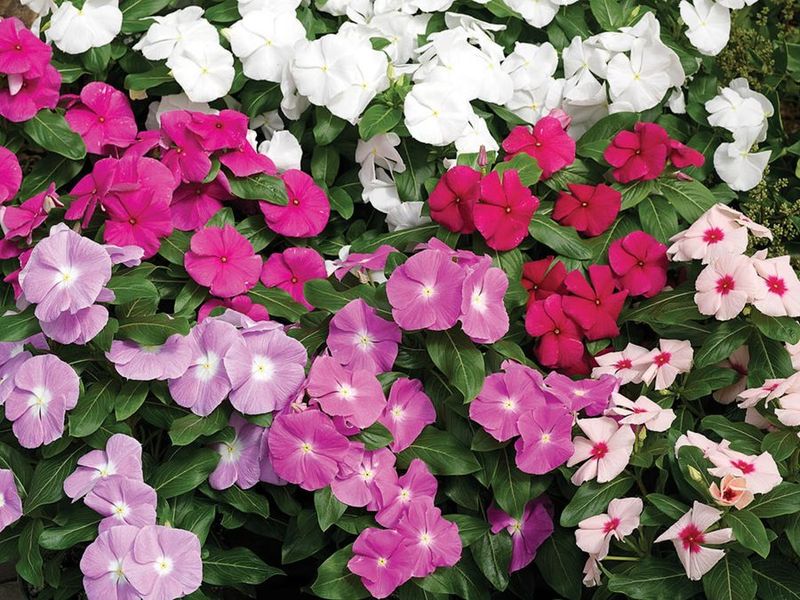
Vinca is the plant gardeners reach for when nothing else will survive a brutal, dry, sun-baked bed. Not to be confused with the ground-cover kind, annual vinca produces glossy leaves and cheerful five-petaled flowers in pink, white, red, and lavender.
Drought and heat are where it shines. While petunias wilt and rot in humid heat, vinca stays crisp, upright, and blooming with barely any fuss.
It thrives on the kind of neglect that kills most annuals.
Because it tolerates poor soil and reflected heat, vinca works great along driveways, in parking-strip beds, and in containers that bake all afternoon. It rarely needs deadheading, dropping spent blooms on its own.
One tip: it dislikes cold, wet soil, so wait until the ground is truly warm before planting. Overwatering is the fastest way to disappoint it.
Fun note for Southern gardeners: vinca originally comes from Madagascar, which explains its love of steady warmth. Give it full sun and let the soil dry between waterings, and it may bloom happily right up until fall.
7. Blanket Flower (Gaillardia)
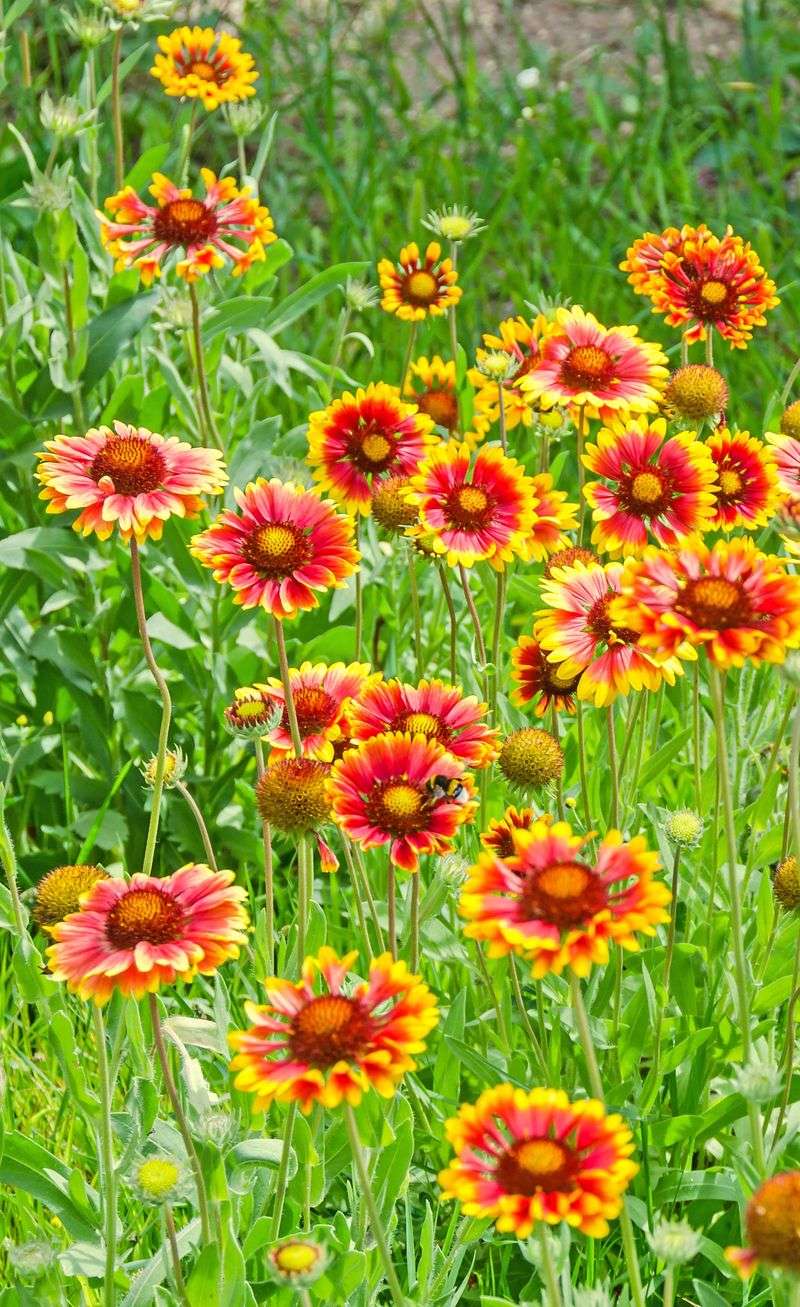
Named for their resemblance to bright woven blankets, gaillardia flowers bring warm bands of red, orange, and yellow to the toughest corners of a yard. These daisy-like blooms look delicate but are secretly some of the most rugged flowers you can grow.
Poor soil, drought, heat, and even salty coastal air barely slow them down. That makes blanket flower a smart choice for beachside Florida gardens and dry Texas landscapes where petunias would never survive.
Many types are perennials in the South, coming back on their own each year, and they often reseed to spread even more color around. Bees and butterflies visit constantly, and songbirds like goldfinches may snack on the seed heads later.
The blooms keep coming from late spring into fall, especially if you snip off the fading flowers now and then. Left alone, the seed heads add texture and feed wildlife.
Plant gaillardia in full sun with well-draining soil, and avoid rich, soggy ground. This is a flower that genuinely prefers a little hardship, rewarding hands-off gardeners with a long, colorful, wildlife-friendly show.
8. Mexican Heather
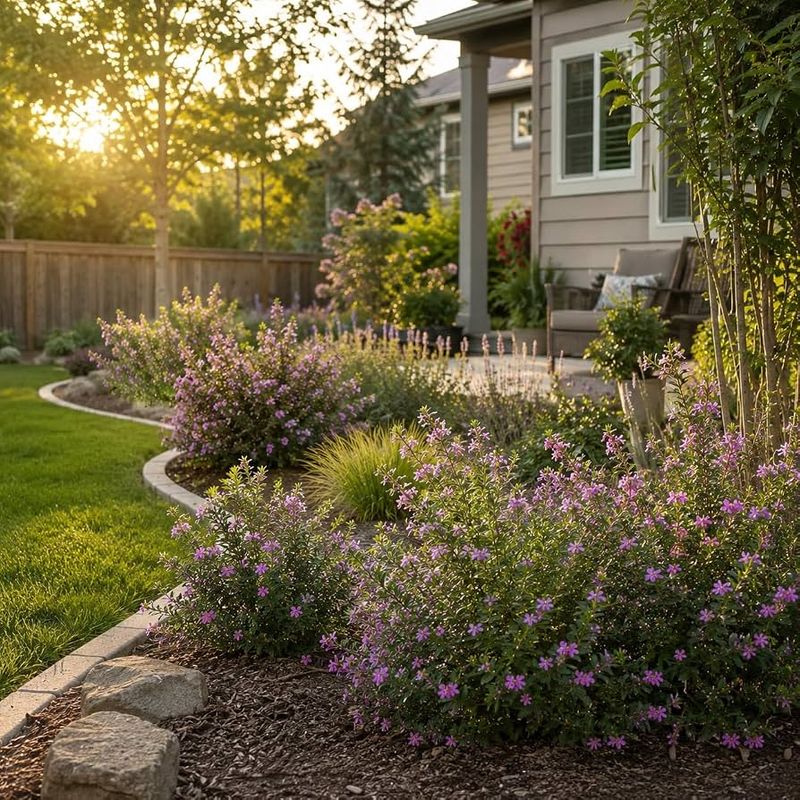
Don’t let the dainty appearance fool you. Mexican heather is a compact powerhouse covered in tiny lavender-purple flowers that keep blooming through relentless summer heat.
Its fine, ferny foliage forms neat little mounds, giving beds and borders a soft, tidy texture that mixes well with bolder flowers. Where petunias sprawl and fry, this plant stays cool-looking and composed even in blazing sun.
Heat and humidity suit it perfectly, which is why it is such a favorite across Florida and the Gulf Coast. In frost-free zones it behaves like a small evergreen shrub, holding its shape year-round.
Tiny bees frequently visit the little blooms, so it quietly supports pollinators without demanding attention. It also works nicely as a low edging plant or a filler between larger perennials.
Care is refreshingly simple. Give it full sun to part shade, water during dry spells, and enjoy the near-constant flowering with almost no maintenance.
No deadheading required.
For gardeners who want a fuss-free, always-blooming plant to line a walkway or soften a hot bed, Mexican heather delivers steady charm right where tougher conditions defeat pickier flowers.
9. Sunflower
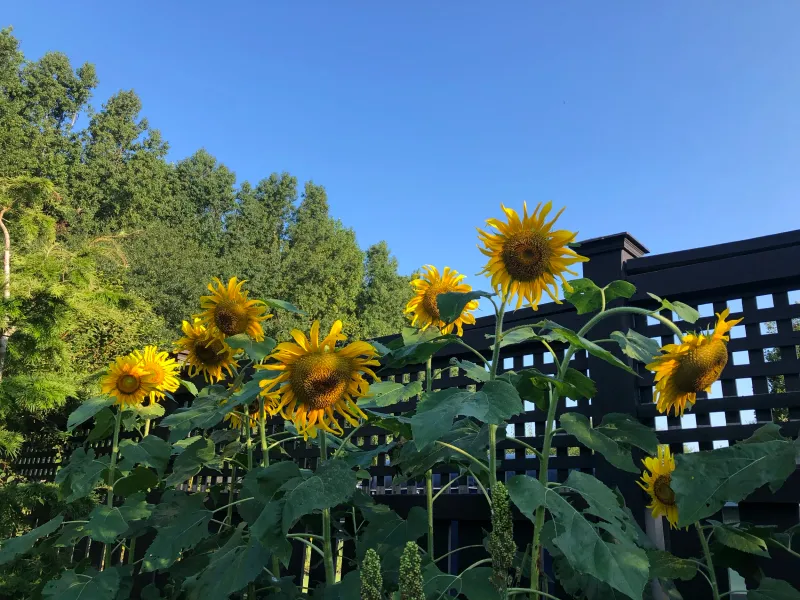
Nothing says summer quite like a row of sunflowers turning their faces toward the sky. These cheerful giants practically worship the sun, thriving in the full-blast heat that leaves petunias scorched and defeated.
Sunflowers grow quickly from seed and come in far more styles than most people expect, from towering classics to compact multi-branching types perfect for smaller yards. Colors range beyond yellow into rich reds, burgundies, and creamy shades.
Beyond looks, they are wildlife magnets. Bees work the huge flower faces all day, and once the blooms fade, the seed heads feed songbirds like cardinals and finches well into fall.
They are also a fantastic project for kids, since seeds sprout fast and the results are impressively tall. Few things get young gardeners hooked like a flower that towers over them.
Plant seeds in full sun after the soil warms, and give tall varieties a sheltered spot or light staking against strong winds. Water regularly while young, then ease off as they establish.
For a bold, beginner-friendly burst of color in your hottest, sunniest patch, sunflowers rarely disappoint.