
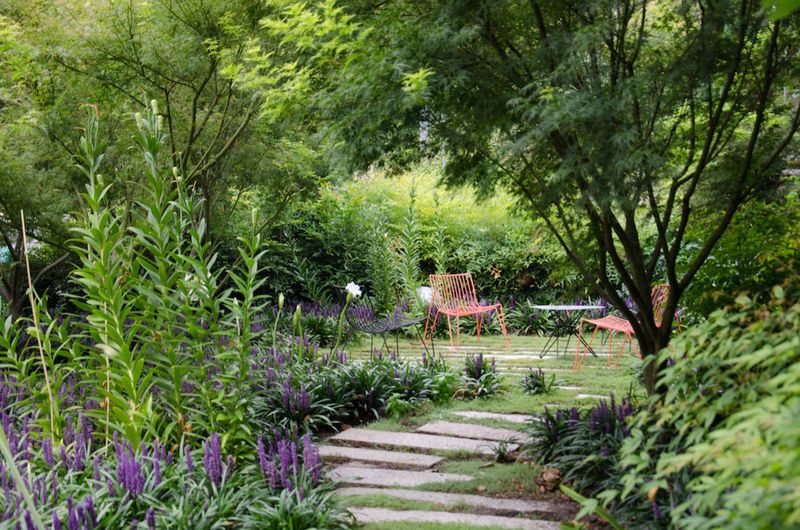
That shady strip along your fence or under a big oak tree can feel impossible to fill. Most plants sulk there because they crave sun you just cannot give them.
The good news is that plenty of tough, good-looking plants actually prefer the shade and will fill in fast. Here are seven Southern-friendly picks that turn a bare, gloomy border into something worth looking at.
1. Cast Iron Plant (Aspidistra elatior)
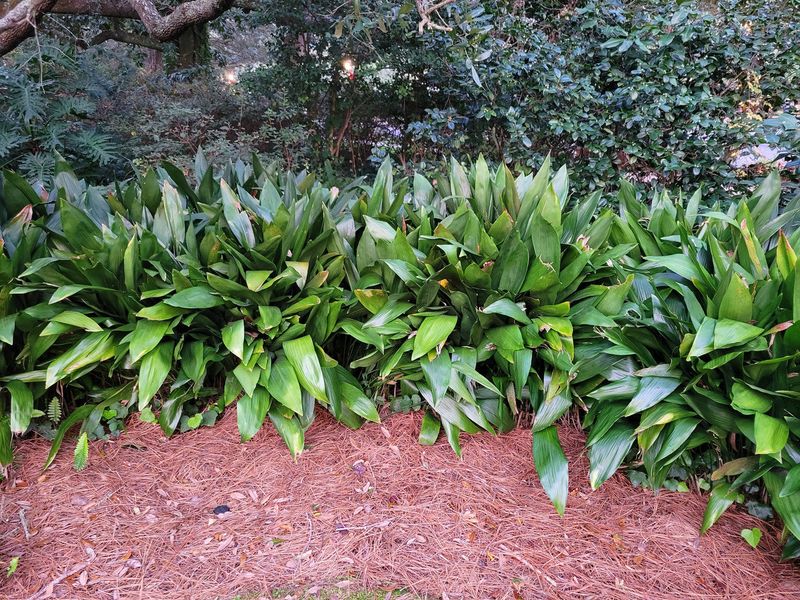
Gardeners nicknamed this one the cast iron plant for a reason. It shrugs off deep shade, dry soil, and the kind of neglect that would flatten most greenery.
The broad, glossy leaves stand upright like dark green paddles, giving a shady border instant structure where flowers refuse to bloom. In Florida and Texas yards, it handles heat and humidity without complaint, and it rarely bothers with pests.
You can tuck it under trees, along a north-facing fence, or beside a shaded porch, and it just keeps looking sharp. Water it while it settles in, then let the rain mostly take over.
It spreads slowly by underground roots, so over a few seasons you get a fuller patch without buying more plants.
Fun fact: this plant was so popular in dim Victorian parlors that a whole novel was named after it. If your border stays gloomy year round, cast iron plant may be the most forgiving anchor you can plant.
Give it well draining soil and a little patience, and it earns its keep for decades.
2. Hosta
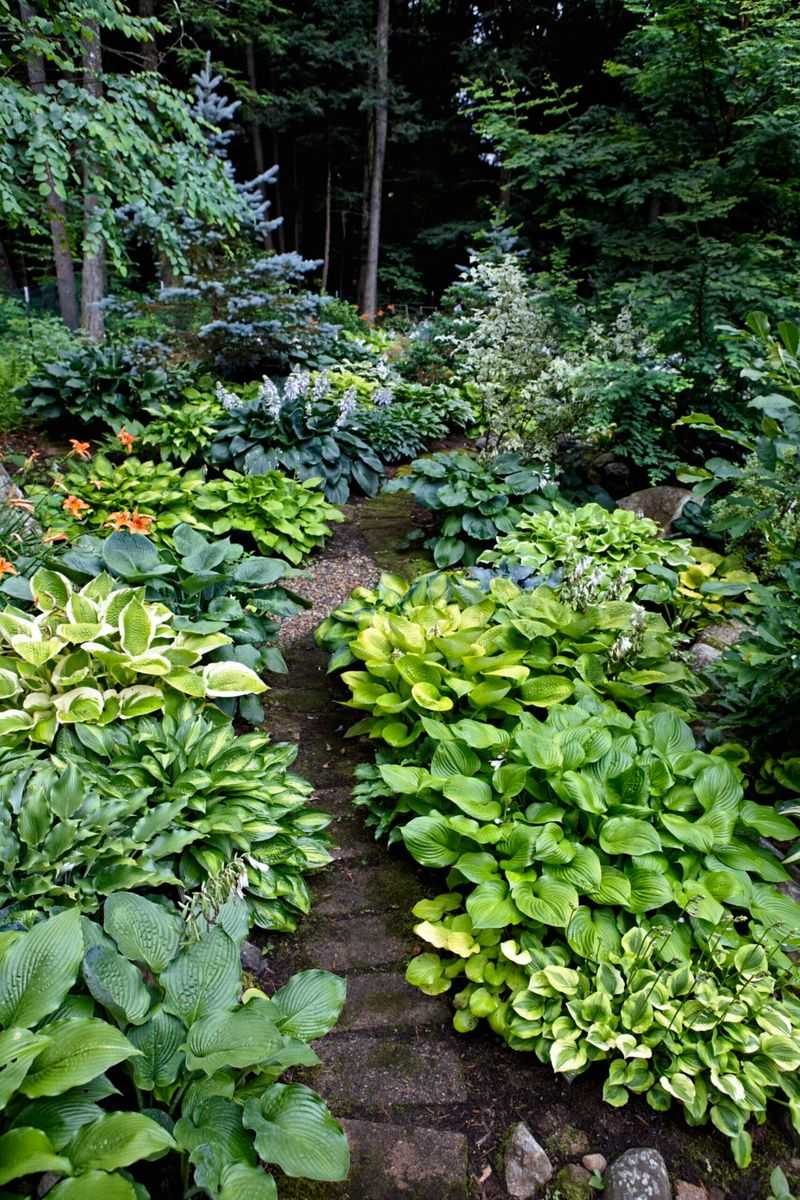
Few plants say relaxing shade garden quite like a fat clump of hostas. Their wide, layered leaves come in blue-green, chartreuse, and creamy variegated patterns that brighten dim corners without a single flower needed.
Because the foliage does the heavy lifting, you get color and texture in spots where sun-lovers give up. Hostas emerge fresh each spring, unfurl into mounded clumps, and send up modest lavender or white blooms that pollinators enjoy in summer.
They favor the cooler, moister shade found on north sides of homes or beneath tall trees, which suits many upper-South gardens well. Deep-South growers get the best results in full shade with steady moisture, since afternoon sun can scorch the leaves.
Keep an eye out for slugs and hungry deer, both of which treat hostas like a buffet; a barrier or repellent can help reduce the damage.
Split older clumps every few years and you will have free plants to spread down the whole border. For a soft, leafy filler that thrives in low light, hostas are hard to beat.
3. Heuchera (Coral Bells)
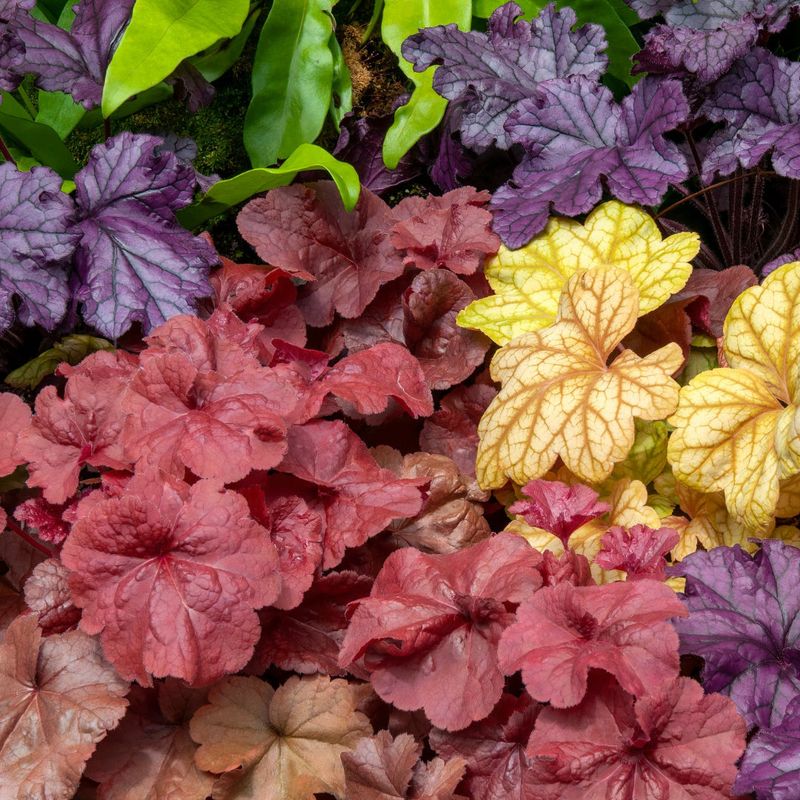
If you think shade means nothing but green, heuchera will change your mind fast. Coral bells come in caramel, plum, lime, silver, and near-black, so a shady border suddenly reads like a painter’s palette.
The mounded foliage stays tidy and low, making it a natural edger along paths or the front of a bed. Thin, wiry stems rise above the leaves in spring carrying tiny bell-shaped blooms that hummingbirds often stop to check out.
These plants like part shade to full shade with soil that drains well, since soggy roots are their main weakness. In hotter Southern zones, morning light and afternoon shade keep the leaf colors richest.
They mix beautifully with hostas and ferns, adding warm tones that leafy neighbors lack. Trim off tired leaves in late winter and the plant bounces back looking fresh.
For gardeners who want long-lasting color without fussing over blooms, coral bells deliver season after season. Plant a few different shades together and your once-dull border turns into the most interesting corner of the whole yard.
4. Autumn Fern (Dryopteris erythrosora)
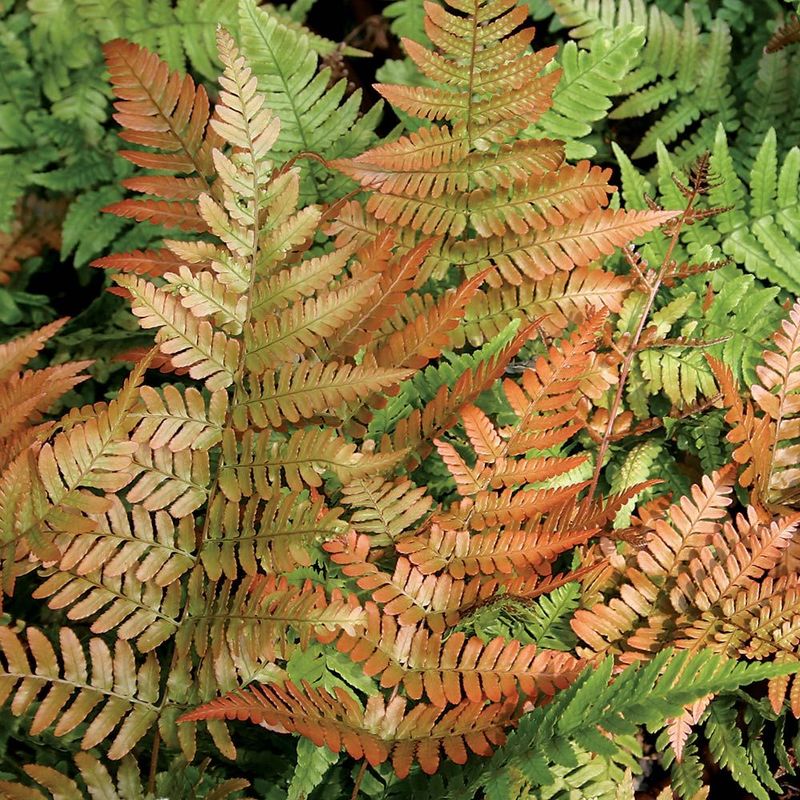
Ferns get pegged as boring green filler, but the autumn fern quietly proves that wrong. Its new fronds unfurl in coppery bronze before settling into a rich glossy green, giving you two colors on one plant.
That warm tint brings life to shady spots where most ferns just blend into the background. Unlike some woodland ferns that melt in heat, this one handles Southern warmth and humidity better than expected.
Give it shade to part shade and consistently moist, rich soil, and it forms a graceful arching clump about two feet tall. It stays evergreen in milder Southern winters, so your border keeps some structure even in the off season.
The feathery texture pairs nicely against broad-leaved neighbors like cast iron plant or hosta, creating contrast that makes both look better.
Deer and rabbits usually leave ferns alone, which is a relief in yards with heavy wildlife pressure. Water it during dry spells and it rewards you with lush, layered growth.
For a tough, elegant filler that adds movement to still, shady corners, autumn fern earns its spot.
5. Impatiens
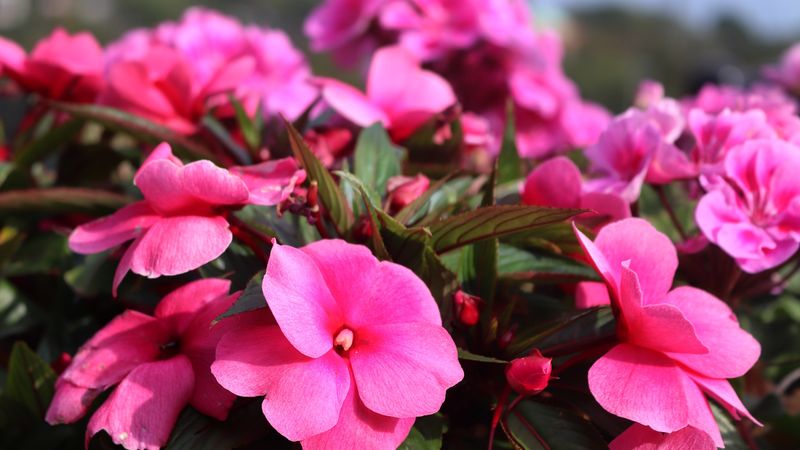
Craving actual flowers in the shade? Impatiens are the go-to bloomers when the sun barely reaches your border.
They pump out cheerful pink, red, coral, and white flowers all season, right in the dim spots where other bloomers sputter.
Because they flower nonstop through the warm months, they give shady beds the color that foliage plants alone cannot. In Florida and along the Gulf, they thrive in the long spring-through-fall growing window, filling in quickly to make a solid carpet of blossoms.
They like moist, rich soil and will wilt dramatically if they dry out, though a good drink usually perks them right back up. Plant them in part to full shade, keep the water steady, and pinch back leggy stems to keep them bushy.
A quick tip: newer downy-mildew-resistant varieties hold up far better than older types, so check the label before buying. They also work great in shaded containers on a porch if your ground border is packed.
For instant, low-light color that reads from across the yard, impatiens are the easiest win on this list.
6. Caladium
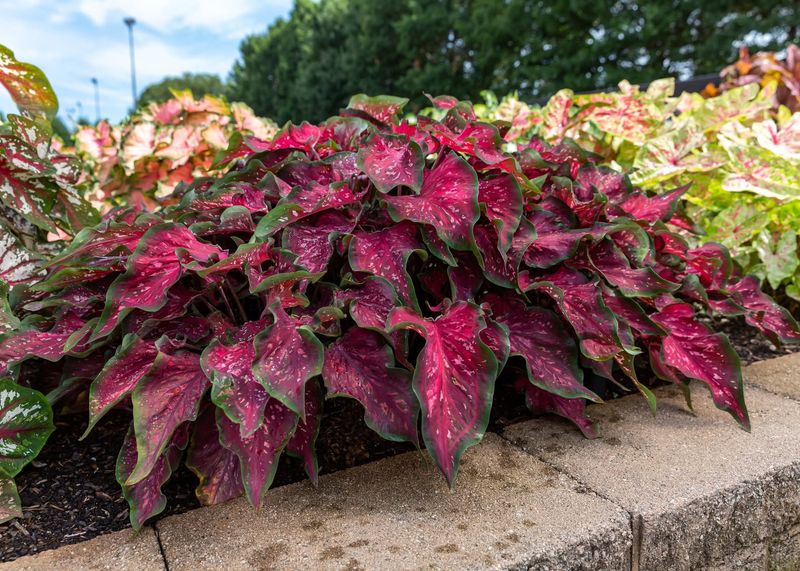
Nothing turns heads in a shady bed quite like a stand of caladiums. Their big heart-shaped leaves splash pink, red, white, and green together like watercolor, and they do it without needing a single flower.
Southern gardeners love them because they revel in exactly the heat and humidity that Florida and Texas summers dish out. In fact, caladiums are grown as a major crop in central Florida, so they feel right at home in the region.
Plant the tubers once the soil warms in spring and they will light up your border straight through the long warm season. Most types prefer shade or part shade, though a few newer strains tolerate more sun if kept moist.
Give them rich, damp soil and warmth, and they grow fast, filling gaps between leafier plants with pure color. When cooler weather arrives, the leaves die back; you can lift and store the tubers or leave them in mild-winter zones.
For a bold, tropical look that thrives where the sun rarely lands, caladiums bring the drama your dull border has been missing.
7. Toad Lily (Tricyrtis)
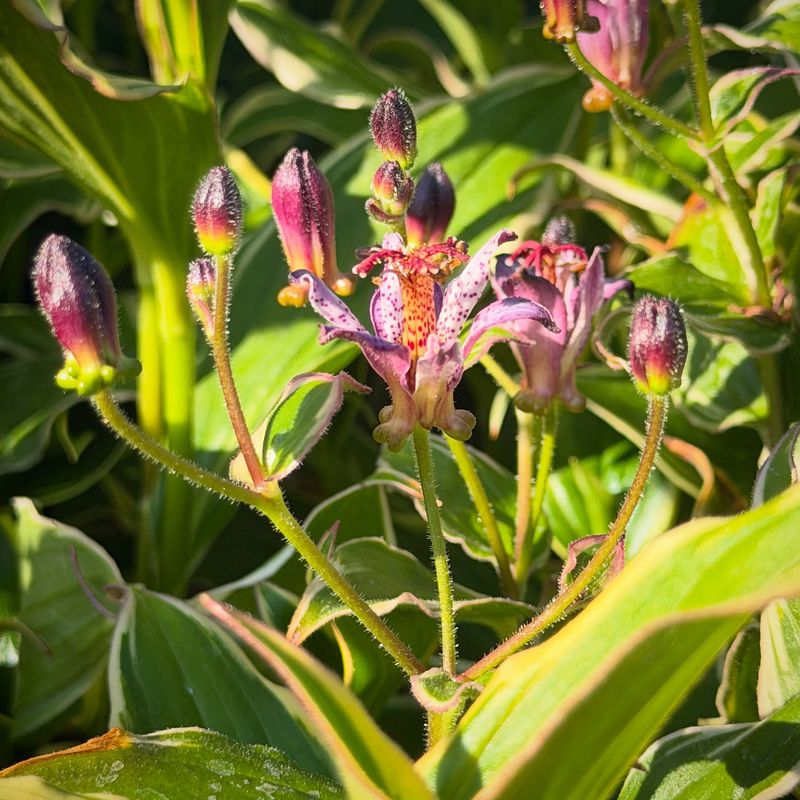
Saving one of the quirkiest for last, the toad lily hides tiny, orchid-like flowers speckled with purple spots that reward anyone who leans in for a closer look. Its odd name does it no favors, but the blooms are genuinely charming.
What makes it special is timing: it flowers in late summer and fall, right when most shade plants have finished their show. That gives your border a fresh burst of interest just as the season winds down.
Arching stems lined with green leaves carry the blooms, so even before flowering it adds a graceful, layered shape. It prefers shade to part shade with moist, humus-rich soil, doing best where it never fully bakes or dries out.
In warmer Southern areas, tuck it into the coolest, most sheltered part of your shady bed for the happiest results.
Pair it with ferns and hostas so its late flowers pop against their foliage. Pollinators visiting in the cooler weeks appreciate the extra nectar too.
For a conversation-starting plant that extends the season, the toad lily is a delightful surprise worth planting.