
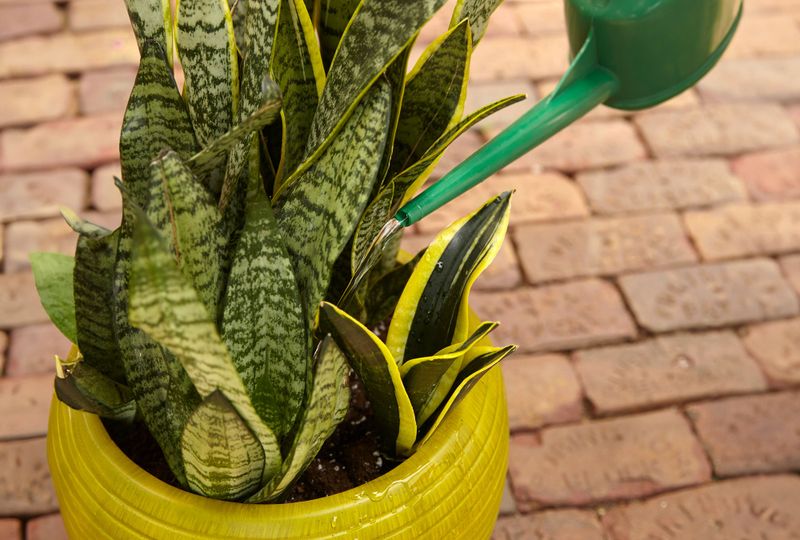
Snake plants have a reputation for surviving almost anything, which is exactly why so many of them die from too much kindness. Root rot starts underground where you cannot see it, and by the time leaves turn mushy or start leaning, the damage is often well along.
In humid Southern homes, from Houston to Tampa, the problem can sneak up even faster. Here are six common habits that may be drowning your plant’s roots, plus simple fixes to help save it.
1. Watering on a Weekly Schedule
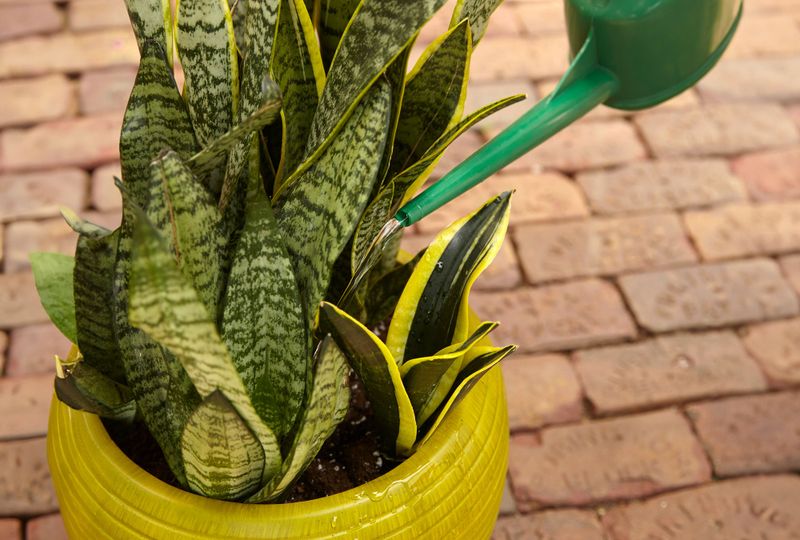
Calendars are great for dentist appointments, but they make terrible watering guides. A snake plant stores water in its thick leaves, so it simply does not need a drink every Saturday morning.
When you water on autopilot, the soil may still be damp from last time. Roots sitting in wet soil can run short on oxygen, and that opens the door to the fungi and bacteria behind rot.
In air-conditioned homes across Texas and Florida, potting mix can stay moist far longer than you might expect.
A better approach is to check the soil instead of the date. Push a finger or a wooden chopstick about two inches deep.
If it comes out clean and dry, go ahead and water. If it feels cool or shows dark soil clinging to it, wait a few more days.
For most homes, that often works out to every two to four weeks in the warm season and even less in winter. Light, temperature, and pot size all shift the timing, so let the plant tell you.
Fun fact: in its native West African habitat, this plant handles long dry stretches with ease, which is why thirst rarely hurts it as much as soggy roots do.
2. Using a Pot Without Drainage Holes
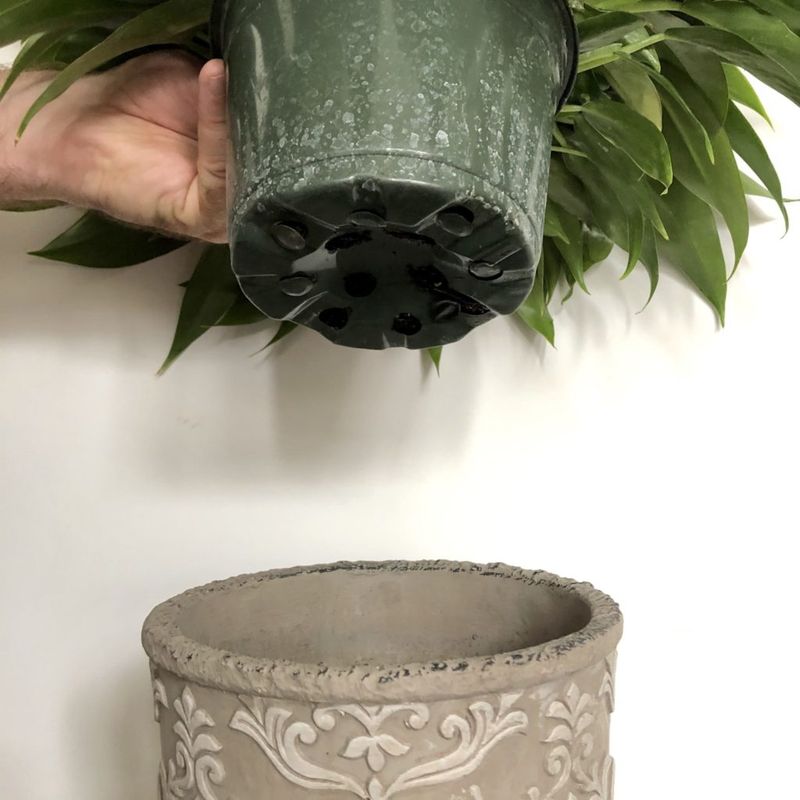
Pretty ceramic cachepots can hide an ugly secret. Picture a bathtub with no drain, and you have a good idea of what the roots are dealing with.
Water that has nowhere to go collects at the bottom of the container. The lower roots end up soaking for days or even weeks, and that standing moisture is a common trigger for rot.
You may not notice anything until the base of the leaves softens or the whole plant tips over.
The fix is simple and usually cheap. Grow the snake plant in a plain nursery pot or terracotta pot with at least one good hole, then slip that inside your decorative container if you love the look.
After watering, lift it out and let the extra water drain before returning it.
Some folks add a layer of gravel at the bottom of a sealed pot, hoping it helps. Unfortunately, research suggests gravel can actually raise the soggy zone higher into the soil rather than solving it.
Real drainage holes remain the most dependable choice.
Terracotta is a bonus pick for humid Southern homes because the clay walls breathe and can help soil dry a little faster.
3. Planting in Regular Potting Soil
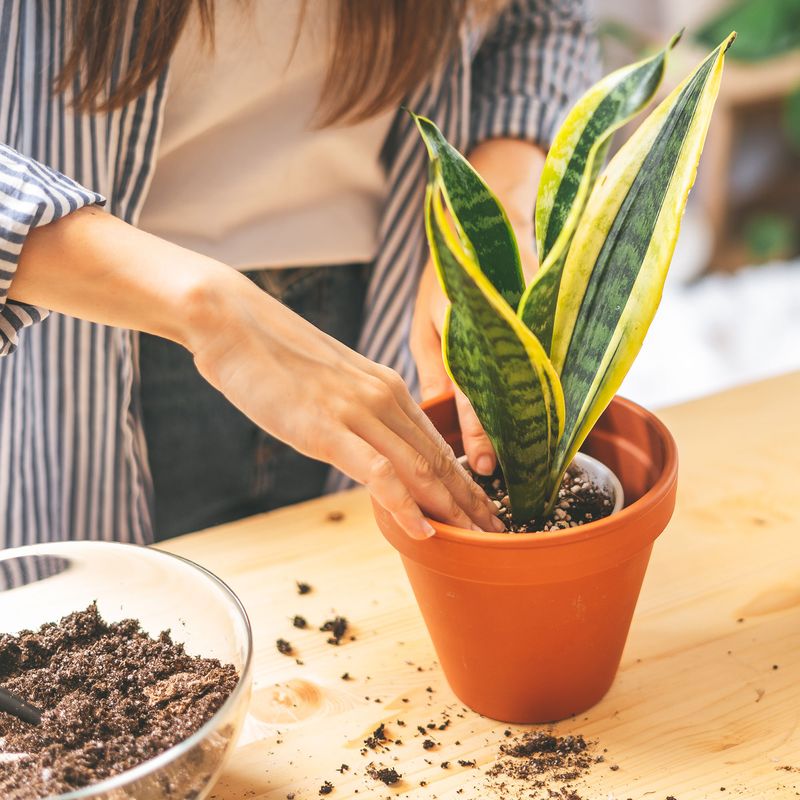
Here is a sneaky one, because the bag literally says potting soil. Standard indoor mixes are built for thirsty plants like ferns and peace lilies, so they hold onto moisture like a sponge.
That water-holding talent works against a succulent. Dense, peat-heavy mix stays wet in the middle of the pot long after the surface feels dry, and the roots slowly suffocate.
Over time it can also compact, squeezing out the tiny air pockets roots need.
Switching to a fast-draining blend often makes a noticeable difference. A cactus and succulent mix is an easy starting point.
Many growers improve it further by stirring in extra perlite, pumice, or coarse sand, aiming for something that feels gritty and loose in your hand.
A quick test helps. Water the pot and watch: liquid should run through and out the bottom within a few seconds, not puddle on top.
If your plant is already in heavy soil and looks healthy, you can wait until spring or early summer to repot. In the South, that warm stretch gives roots plenty of time to settle in before cooler months slow growth.
4. Letting Water Sit in the Saucer
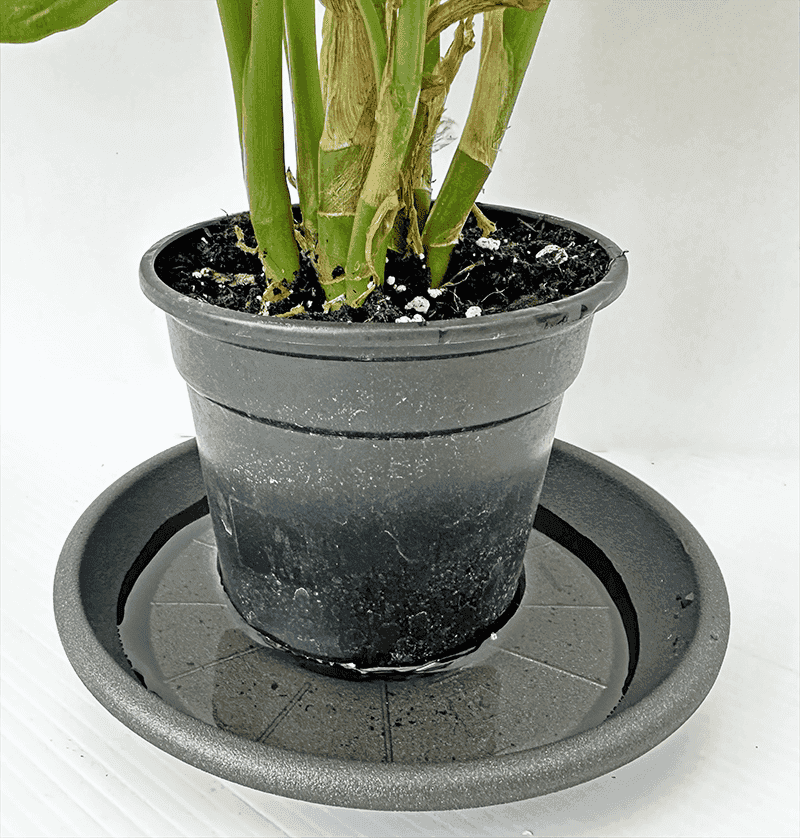
Ever watered your plant, felt proud, and walked away while a little pool collected underneath? Most of us have.
That innocent saucer full of runoff can undo all your good drainage work.
Soil acts like a wick. When the pot sits in standing water, moisture creeps right back up into the root zone, keeping the bottom layer wet around the clock.
It is basically the same problem as a pot with no hole, just in disguise.
The good news is that this habit takes about thirty seconds to break. Wait ten to fifteen minutes after watering, then tip out whatever has gathered in the saucer.
If the plant is too heavy to lift, a turkey baster or old towel can soak up the extra.
Raising the pot on small feet or a few pebbles inside the saucer may also help air move under the container.
One extra perk in warm states: dumping that standing water removes a spot where fungus gnats and even mosquitoes might breed indoors or on a screened porch. Your snake plant and your ankles may both thank you for the small effort.
5. Pouring Water Into the Center of the Rosette
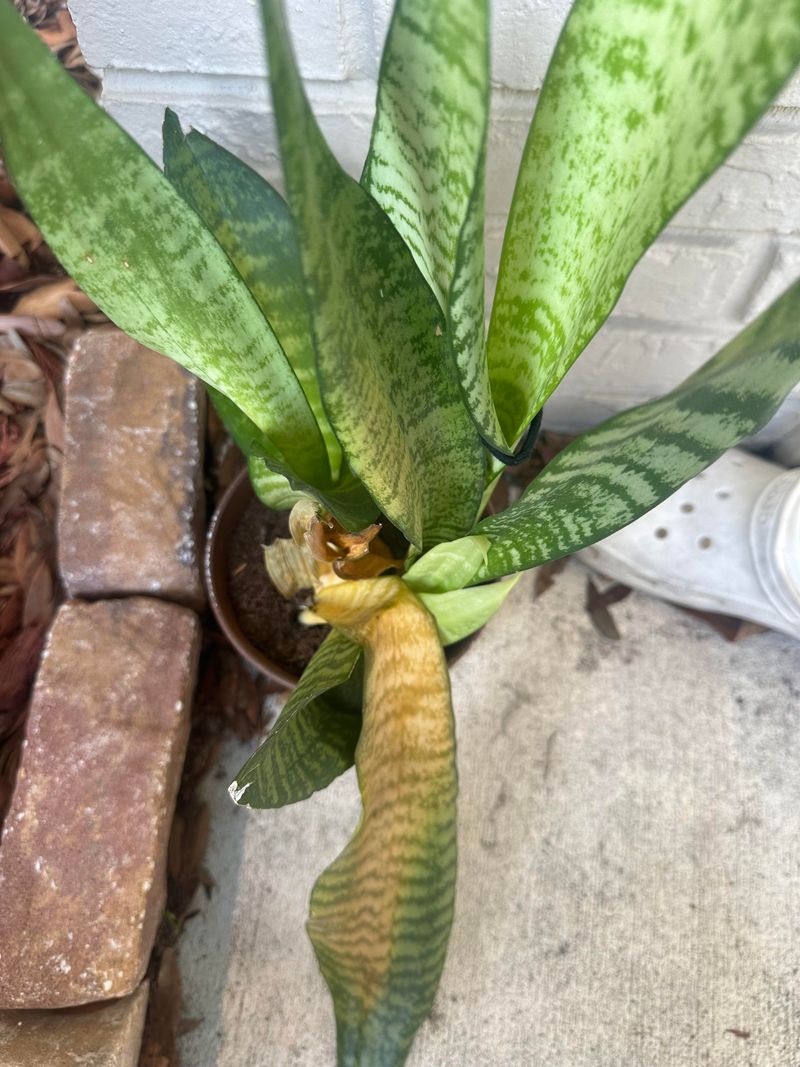
Aim matters more than you might think. Pour straight down into the middle of the leaves, and water can settle in the tight spot where new growth emerges.
That crown area does not dry quickly, especially in a humid Gulf Coast living room or a shady patio. Trapped moisture there may lead to crown rot, which often shows up as a soft, brown, foul-smelling base on the leaves.
It looks like root rot from above, though it starts a little higher.
Try watering around the edge of the pot instead, letting the stream hit the soil directly. A watering can with a long, narrow spout makes this much easier than a cup or kitchen faucet.
Bottom watering is another option some gardeners like. Set the pot in a tray of water for about twenty minutes, then remove it and let it drain fully.
This keeps the leaves bone dry, but do not forget to pull it out.
If your snake plant lives outdoors part of the year in Florida or Texas, consider tucking it under a porch roof during summer storm season, when daily downpours can fill that rosette again and again.
6. Watering the Same Amount in Low Light or Winter
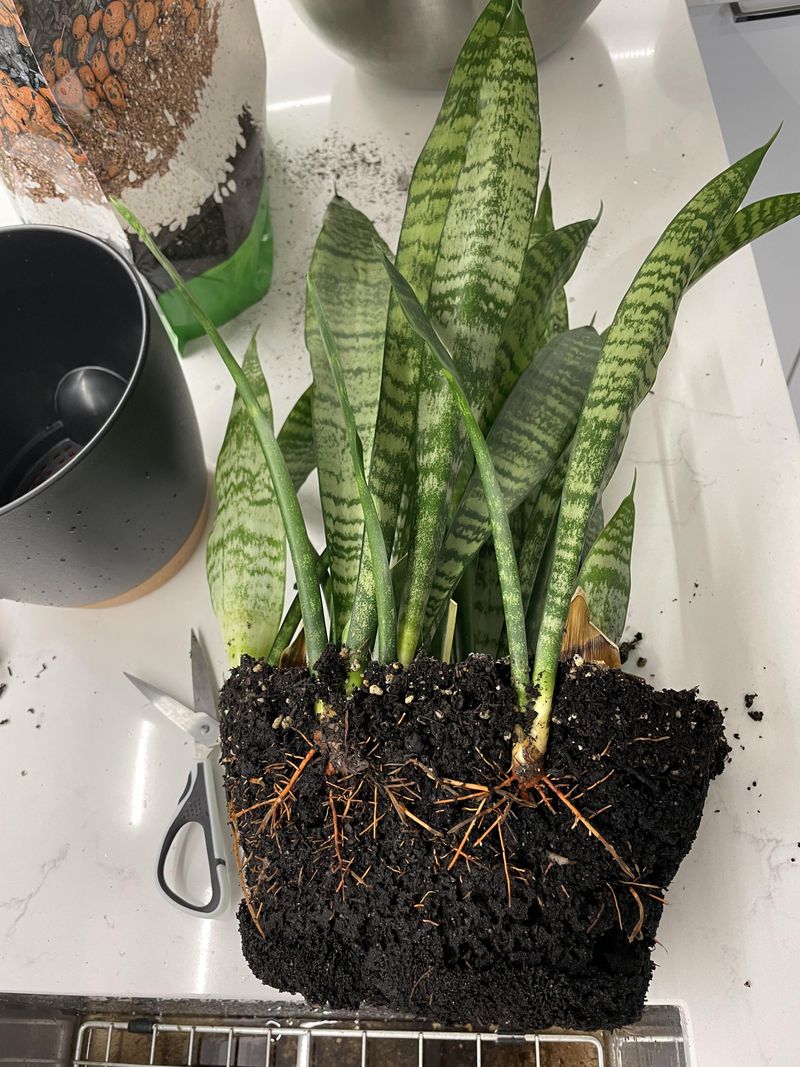
Plants are a lot like people on a lazy afternoon. When the light drops and the air cools, a snake plant slows way down and uses much less water.
Trouble starts when your watering habits stay the same all year. A plant sitting in a dim hallway or enduring short winter days simply cannot drink what you give it.
The leftover moisture lingers, and roots that are barely growing have a harder time resisting rot.
Even in mild Southern winters, growth often slows from roughly November through February. During that window, many growers water only once every four to eight weeks, always checking the soil first.
A plant in a dark corner may need even less, no matter the season.
Moving the pot closer to a bright window can help it use water more efficiently. Bright, indirect light is ideal, though snake plants tolerate some direct sun once they adjust.
Already spotted mushy leaves or a sour smell? Unpot the plant, trim away dark, soft roots with clean scissors, let the cuts dry for a day, and replant in fresh gritty mix.
Recovery is not guaranteed, but healthy firm sections often bounce back with patience.