

Rosemary shrugs off triple-digit Texas summers, but a hard November freeze can turn a lush bush into brown sticks overnight. The good news is that a few simple chores this month can make a huge difference.
Most of them take less than an hour, and they work whether you grow rosemary in a pot on the porch or in a sunny bed by the driveway. Here is what to do now, before the first cold front rolls in.
1. Check Your Variety’s Cold Rating
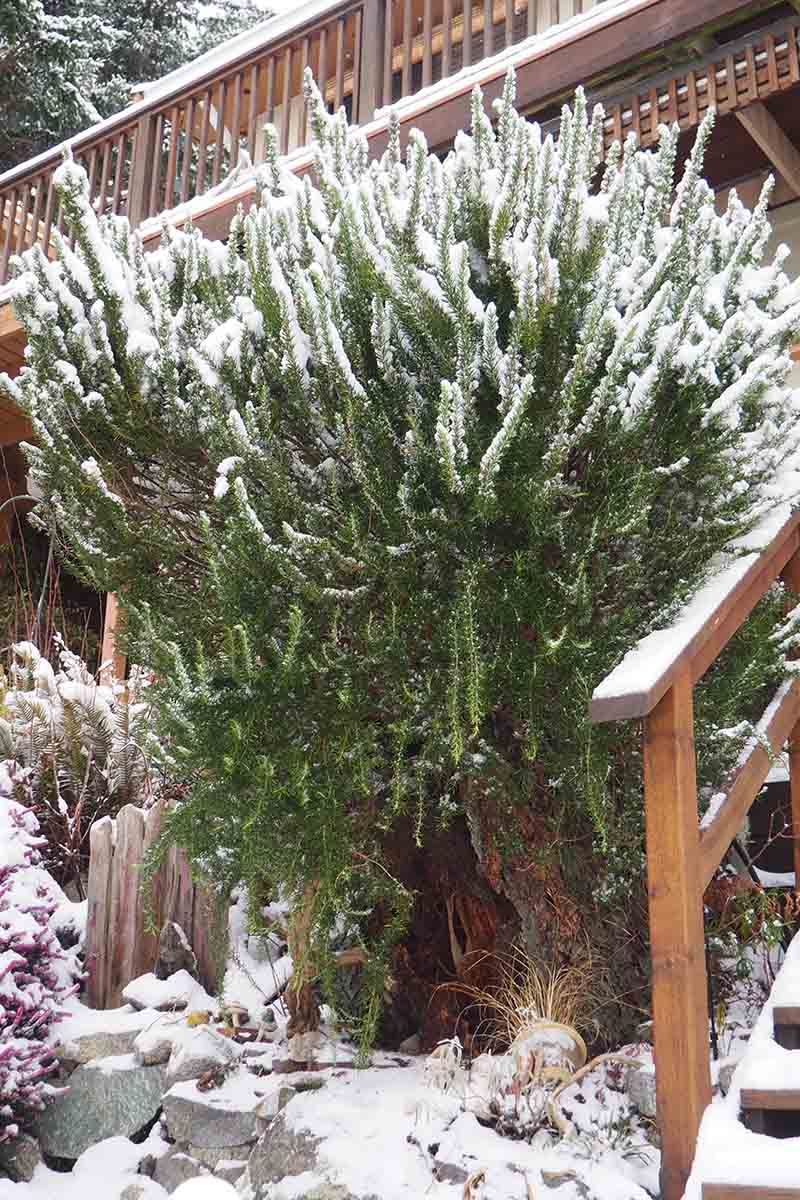
Not all rosemary is built the same, and that matters a lot when a blue norther blows through Dallas or Amarillo. Upright types like Arp and Madeline Hill can often handle temps into the low teens.
Trailing and prostrate types usually start suffering closer to the mid-20s.
Grab your old plant tag or think back to where you bought it. If you are not sure, a trailing habit that spills over walls is a good clue that your plant is on the tender side.
Knowing this one detail tells you how much effort the rest of the list needs. Gardeners in Houston with Arp may barely need to lift a finger, while a creeping rosemary in Lubbock needs real planning.
2. Stop Fertilizing Now

Picture a plant pushing out soft, bright green shoots in mid-November. It looks great until the first freeze turns that tender growth to mush.
Rosemary is a lean-soil plant from the Mediterranean, so it never needed much feeding to begin with. Fertilizer in fall encourages fresh growth that has no time to harden off before cold weather.
Put the bag away until spring, roughly after your area’s last frost date.
If your plant looks pale, resist the urge to feed it anyway. Cooler days naturally slow it down, and that slowdown is exactly what helps it toughen up.
3. Fix Drainage Around the Roots

Here is the sneaky truth: wet roots kill more Texas rosemary in winter than cold does. Cold, soggy clay is a nasty combination for a plant that loves dry feet.
Walk out after the next rain and look at the base of your plant. If water puddles there for hours, gently work expanded shale or decomposed granite into the soil around the drip line.
You can also pull back heavy mulch that holds moisture against the stems.
Blackland Prairie gardeners know clay all too well. A slightly raised mound or berm can keep the root zone drier through a gray, drizzly winter.
4. Water Deeply Before a Freeze
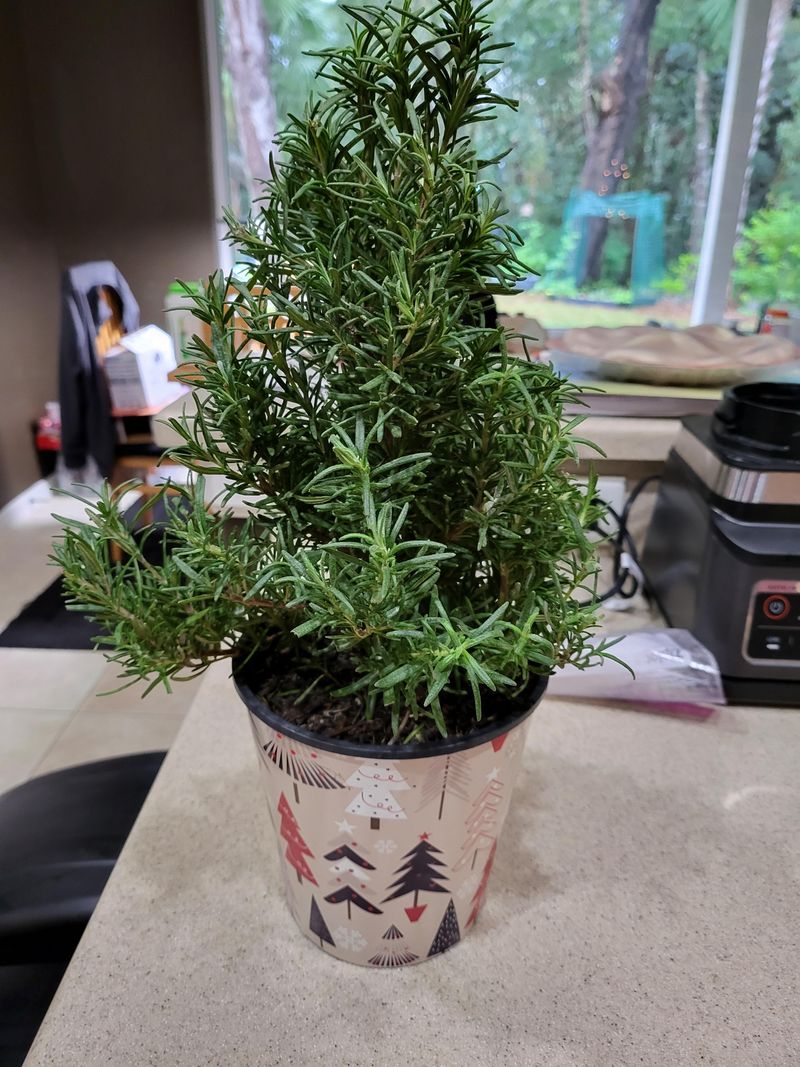
Sounds backward after that drainage talk, right? Yet a well-hydrated plant handles cold better than a thirsty one, because moist soil holds heat longer than dry soil.
Watch the forecast. A day or two before a hard freeze, give your rosemary a slow, deep soak if the soil is dry a couple of inches down.
Skip it if the ground is already damp.
Texas falls can be bone dry, especially out west, so this step matters more than many people think. Just be sure to water in the morning so the leaves are not wet at nightfall.
5. Hold Off on Heavy Pruning
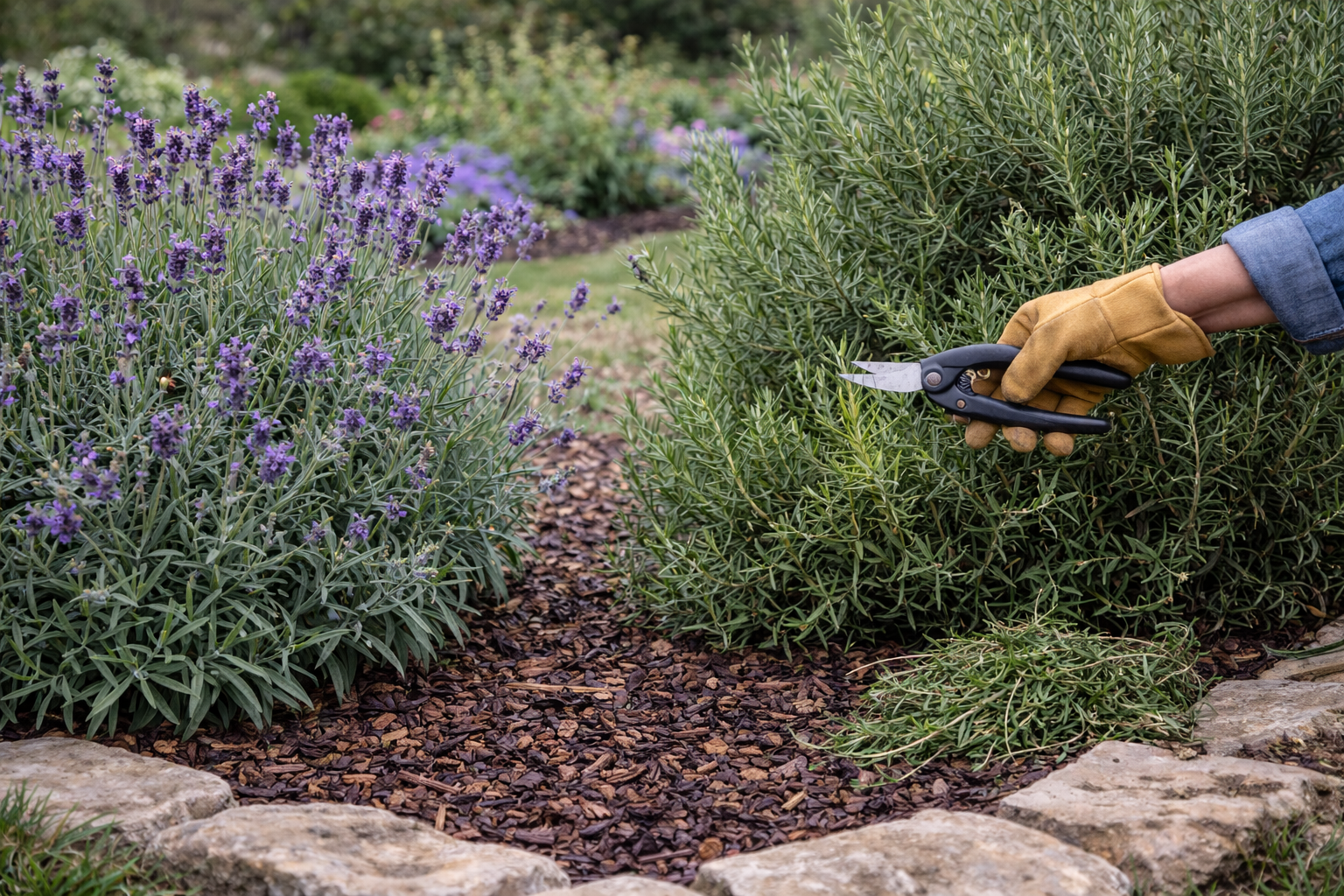
Snipping a few sprigs for Thanksgiving dressing is perfectly fine. Hacking the whole bush back by a third is not.
Big cuts in late fall trigger new growth, and that new growth is easy prey for frost. Leaving the outer foliage also gives the inner stems a bit of shelter from biting wind.
Save shaping and serious trimming for late winter or early spring, once the worst cold has passed. Light harvesting through the season, though, is one of the best perks of growing rosemary in Texas, so enjoy it.
6. Add a Light Mulch Ring

A blanket of mulch works like a cozy sweater for roots. The trick is keeping it thin and away from the trunk.
Spread about two inches of pine straw, shredded bark, or even pea gravel over the root zone. Leave a few inches of bare space right around the main stems so moisture does not sit against the woody base.
Gravel mulch is a favorite in Central Texas because it reflects warmth and drains fast. It also gives your herb bed a tidy, Hill Country look that pairs nicely with native plants.
7. Move Potted Rosemary to Shelter
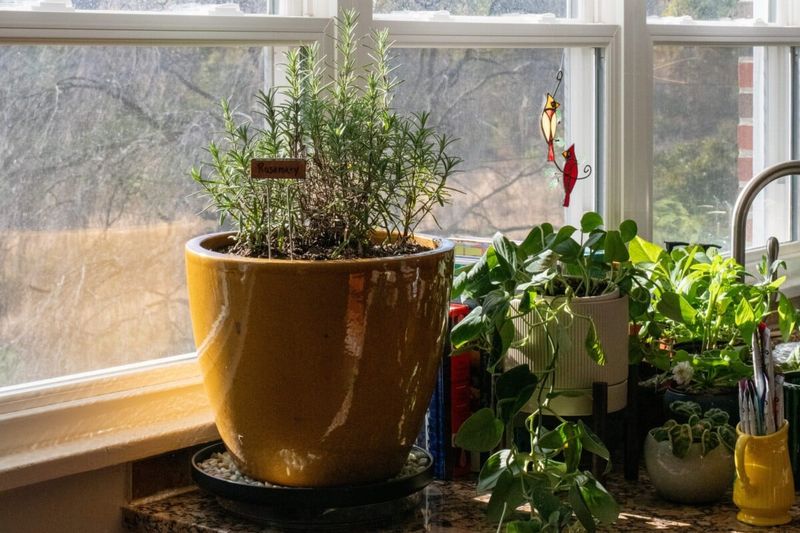
Container plants feel the cold first. Roots in a pot have no deep earth to keep them warm, so a pot can freeze solid when a bed would not.
Before a freeze, slide containers against a south-facing wall or under a covered porch. Grouping pots together can also help them hold warmth.
For a really hard freeze, an unheated garage works well for a night or two.
Bringing rosemary fully indoors for the whole winter often backfires. Low light and dry indoor air can stress it, so move it back outside once the cold snap ends.
8. Stock Up on Frost Cloth
Remember February 2021? Many Texans scrambled for bedsheets and moving blankets when Winter Storm Uri hit.
Buying frost cloth in November means you are not fighting the crowds later.
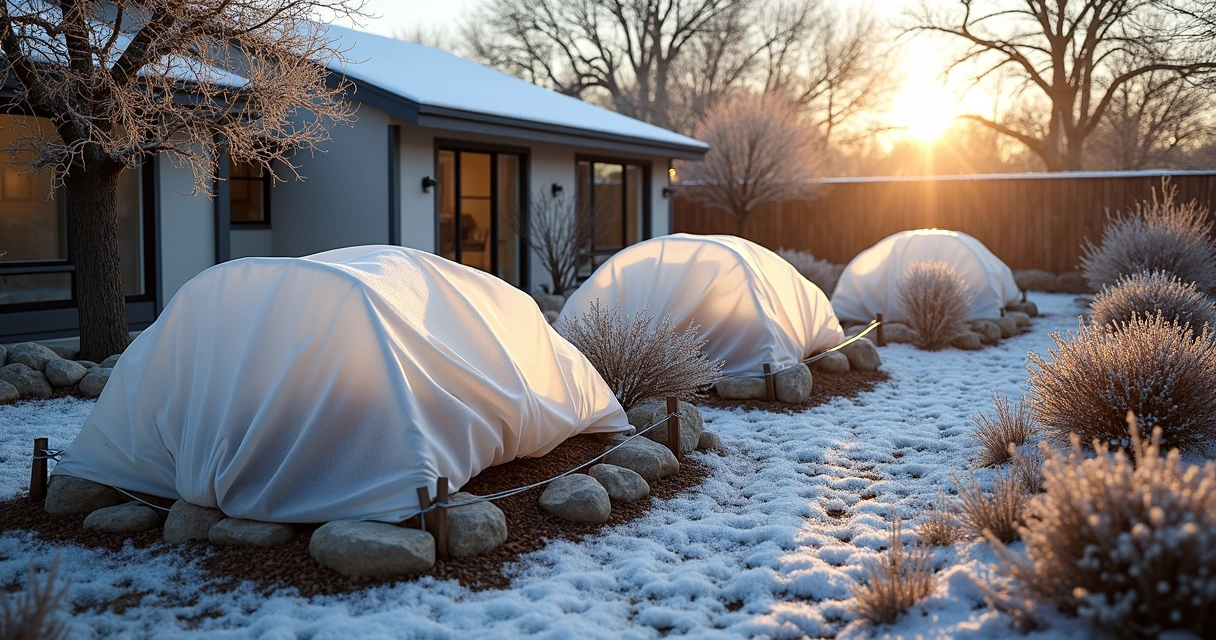
Frost cloth lets light and air through while trapping ground heat. Drape it all the way to the soil and pin it down with stakes or bricks, since heat rises from the ground, not the air.
Avoid plastic touching the leaves, because it can actually make freeze damage worse. Pull covers off once temps climb back above freezing so the plant does not overheat.
9. Root a Few Backup Cuttings
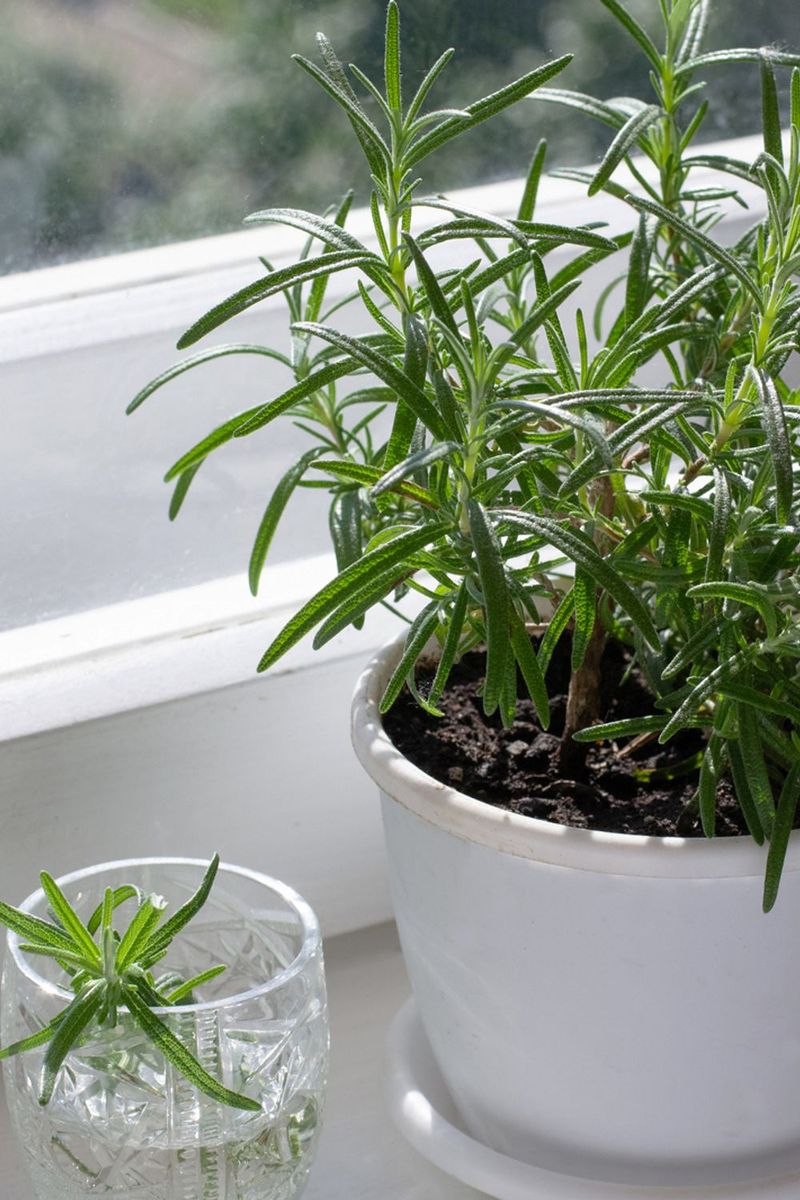
Think of it as cheap insurance. A few rooted cuttings on the windowsill mean you will not lose your favorite plant even if the worst happens.
Snip four-inch pieces of fresh, bendy growth, strip the lower leaves, and stick them in moist, gritty potting mix. Keep them in bright light and lightly damp.
Many will root within several weeks, though success rates can vary.
Fun fact: rosemary was once tucked into wedding bouquets as a symbol of remembrance. Sharing your extra starts with neighbors is a nice way to keep that tradition going in your corner of Texas.