
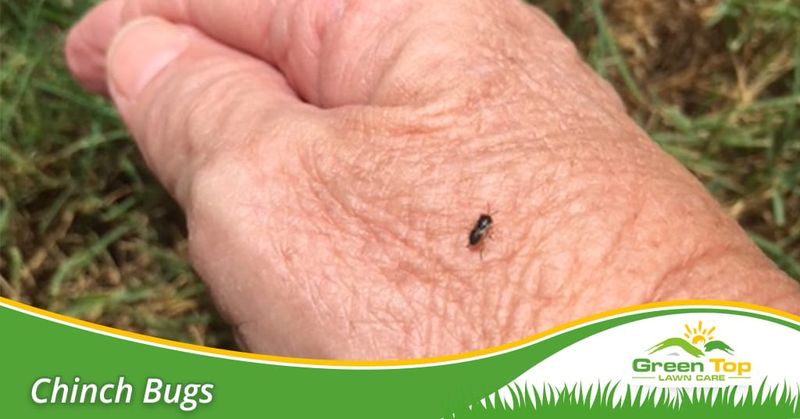
Chinch bugs can turn a healthy St. Augustine lawn into a patchwork of brown, crispy grass before most Texas homeowners realize what hit them. The frustrating part is that not every brown patch actually means chinch bugs are to blame, and jumping straight to fertilizer or extra water before confirming the pest can make things worse.
Knowing the right first move gives surviving grass a real chance to spread back into damaged areas, even if recovery is never guaranteed to happen on a fixed schedule.
Brown grass does not prove chinch bugs caused the damage
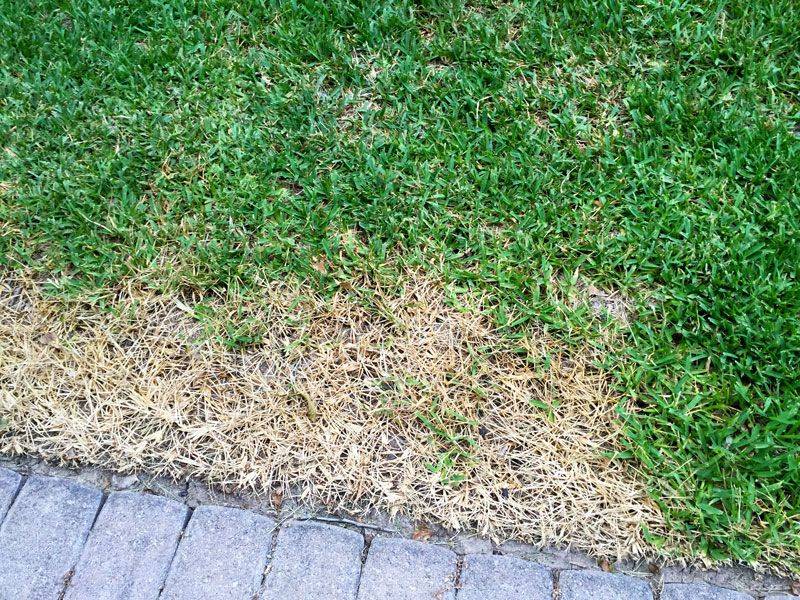
Plenty of things can turn St. Augustine brown in a Texas summer, and chinch bugs are only one of them. Drought stress, poor irrigation coverage, brown patch fungal disease, other soil-dwelling insects, dormancy, and even compacted or waterlogged soil can all produce the same straw-colored patches that homeowners assume are chinch-bug damage.
Treating for the wrong problem wastes money and time, and it can introduce unnecessary pesticide into the environment without stopping the actual cause of decline.
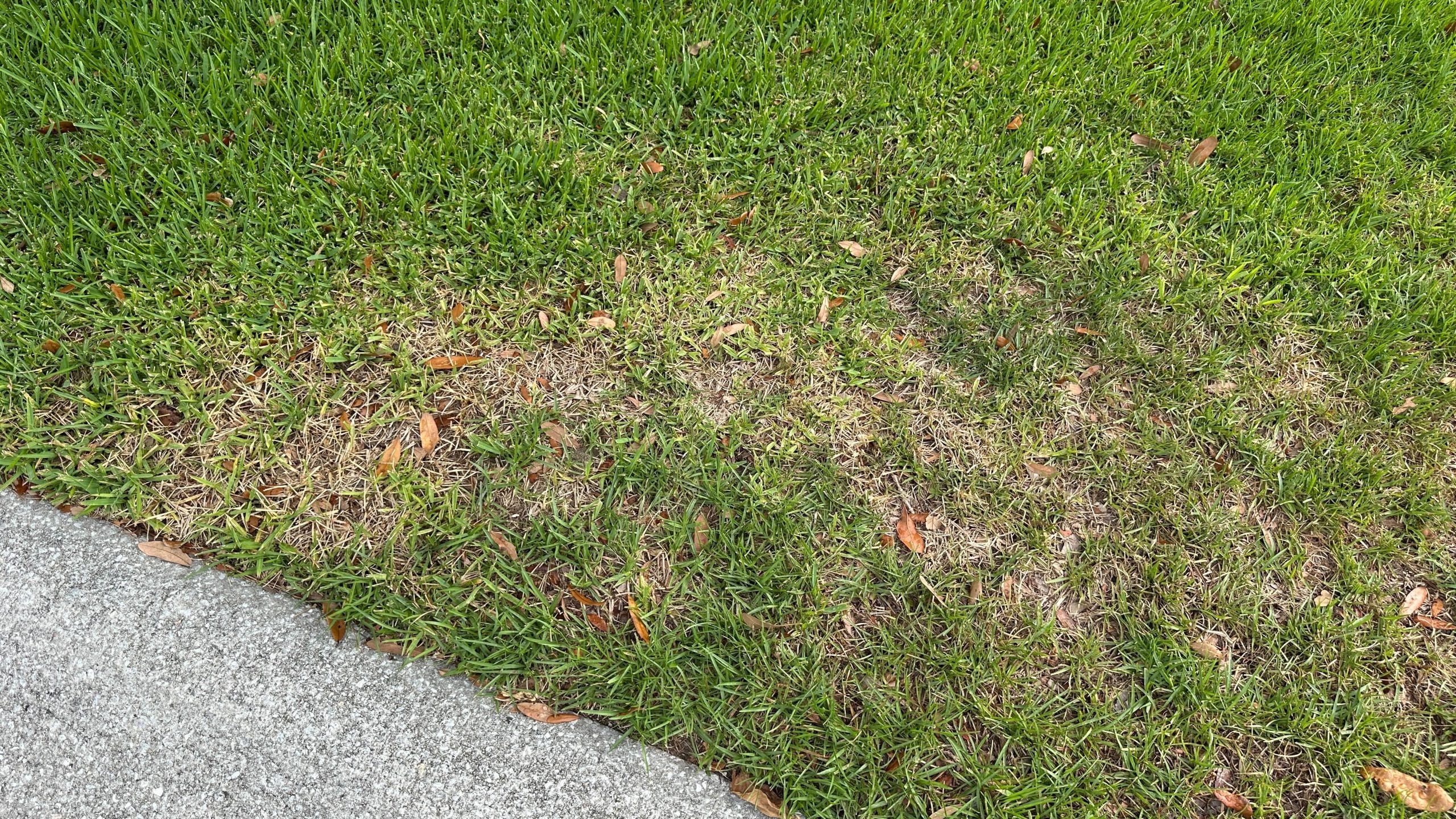
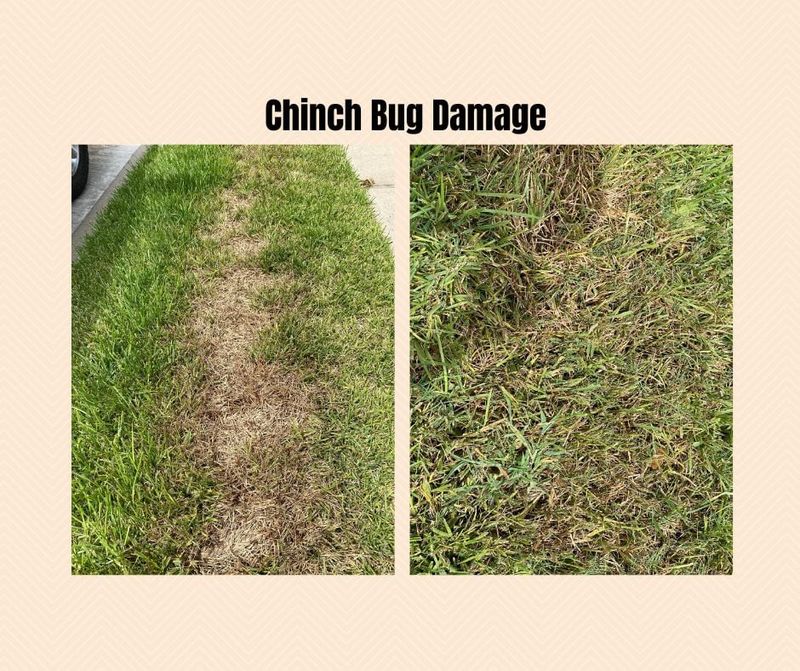
Chinch-bug injury tends to follow a recognizable pattern. Damage usually shows up first in the hottest, sunniest parts of the lawn, especially near sidewalks, driveways, curbs, and south- or west-facing walls where heat radiates and soil dries out fastest.
The patches are often irregular in shape and tend to expand outward over days or weeks as active bugs continue feeding at the perimeter. Texas A&M Extension’s chinch-bug guidance notes that the symptoms can be confused with brown patch, drought stress, other insects, and physiological problems, which is exactly why brown grass by itself should not send you straight to the pesticide shelf.
Brown patch disease, by contrast, often appears after warm, humid nights and tends to produce circular or roughly circular patterns with a darker, water-soaked border. Drought stress usually affects the whole lawn unevenly based on irrigation coverage rather than concentrating in one sunny corner.
Dormancy looks similar to drought stress but follows a seasonal pattern tied to temperature and day length.
Before changing your watering schedule, reaching for fertilizer, or applying any insecticide, spend a few minutes looking at where the damage sits, how it is shaped, and whether it has been expanding. That observation takes almost no time and can save you from treating the wrong problem entirely.
Confirming the actual pest is the first move that gives any subsequent care a real chance to help.
Scout the boundary between healthy and damaged turf
One of the most reliable at-home tools for confirming chinch bugs costs almost nothing and takes about ten minutes. Find an empty metal can, such as a coffee can or vegetable tin, and remove both ends so you have a hollow cylinder.
Press the open can about two to three inches into the soil right at the boundary between healthy green grass and the brown, damaged area. That transition zone is where active chinch bugs are most likely to be feeding.
Pour water into the can until it is nearly full, and watch the surface for about two to three minutes. Chinch bugs are small, roughly a quarter-inch long when adult, and they will float to the surface if present.
Nymphs, the immature stage, are reddish-orange with a white band across the abdomen and are often easier to spot than the black-and-white adults. Texas A&M’s chinch-bug lawn guide recommends this flotation method as a practical scouting technique for homeowners.
One sample is rarely enough. Chinch bugs tend to cluster rather than spread evenly across a lawn, so a single can test in one spot might miss a nearby concentration entirely.
Take samples from several locations along the damage boundary, spacing them a few feet apart, to get a more complete picture of whether bugs are present and how widely they have spread.
When counting what floats up, use the 20 to 25 bugs per square foot range as a general treatment guideline rather than a hard rule. University of Georgia Extension lists a similar threshold of 20 to 25 bugs per square foot for St. Augustine.
Keep in mind that fewer bugs in the right conditions can still cause visible injury, especially in turf that is already heat-stressed or drought-stressed. The threshold is a monitoring aid, not a promise that counts below it are harmless.
Control active chinch bugs before changing recovery care
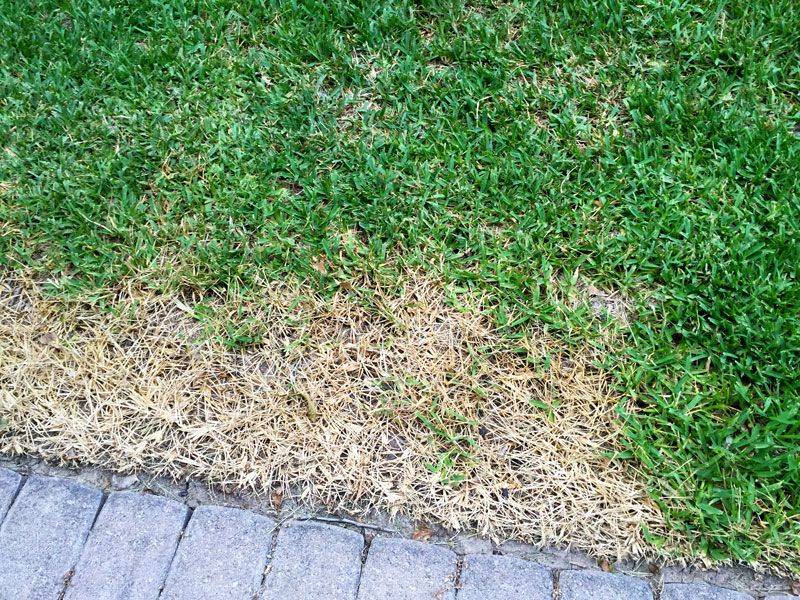
Active chinch bugs feeding at the edge of your lawn will keep expanding the damage no matter how carefully you water or how much fertilizer you apply. The grass cannot recover while the pest is still present and feeding.
Stopping that feeding is the first practical step, and it is the one action that actually changes the outcome for surviving turf rather than just masking the problem temporarily.
Texas A&M advises spot-treating localized infestations where possible rather than broadcasting insecticide across the entire lawn. The Texas A&M chinch-bug lawn publication recommends treating the damaged area along with a buffer zone of healthy turf around it, then inspecting that area every three to five days for at least two weeks to judge whether the treatment was effective.
If bugs remain active after the initial treatment, retreatment may be necessary, but only according to the specific product label’s instructions on timing and rate.
Product choice matters less than label compliance. Some granular insecticides require watering in after application to move the active ingredient into the thatch layer where chinch bugs live.
Some liquid formulations advise against irrigation immediately after application. Following the wrong instruction for the product you are using can reduce effectiveness or create runoff that reaches storm drains and surface water.
Texas A&M Extension’s chinch-bug fact sheet notes that labeled materials may not provide long-lasting control and that repeat applications may be needed, which makes post-treatment monitoring more important than assuming one application finished the job.
Avoid applying any insecticide as a precaution if you have not confirmed the pest through scouting. Precautionary treatment without confirmation adds chemical load to the yard and surrounding environment without addressing the actual cause of decline.
Texas A&M Landscape IPM guidance on chinch bugs emphasizes confirming the pest before committing to a chemical control strategy. Once you have confirmed that bugs are no longer active at the treatment site, you can shift attention to supporting the grass that survived.
Make irrigation coverage uniform and responsive to turf stress
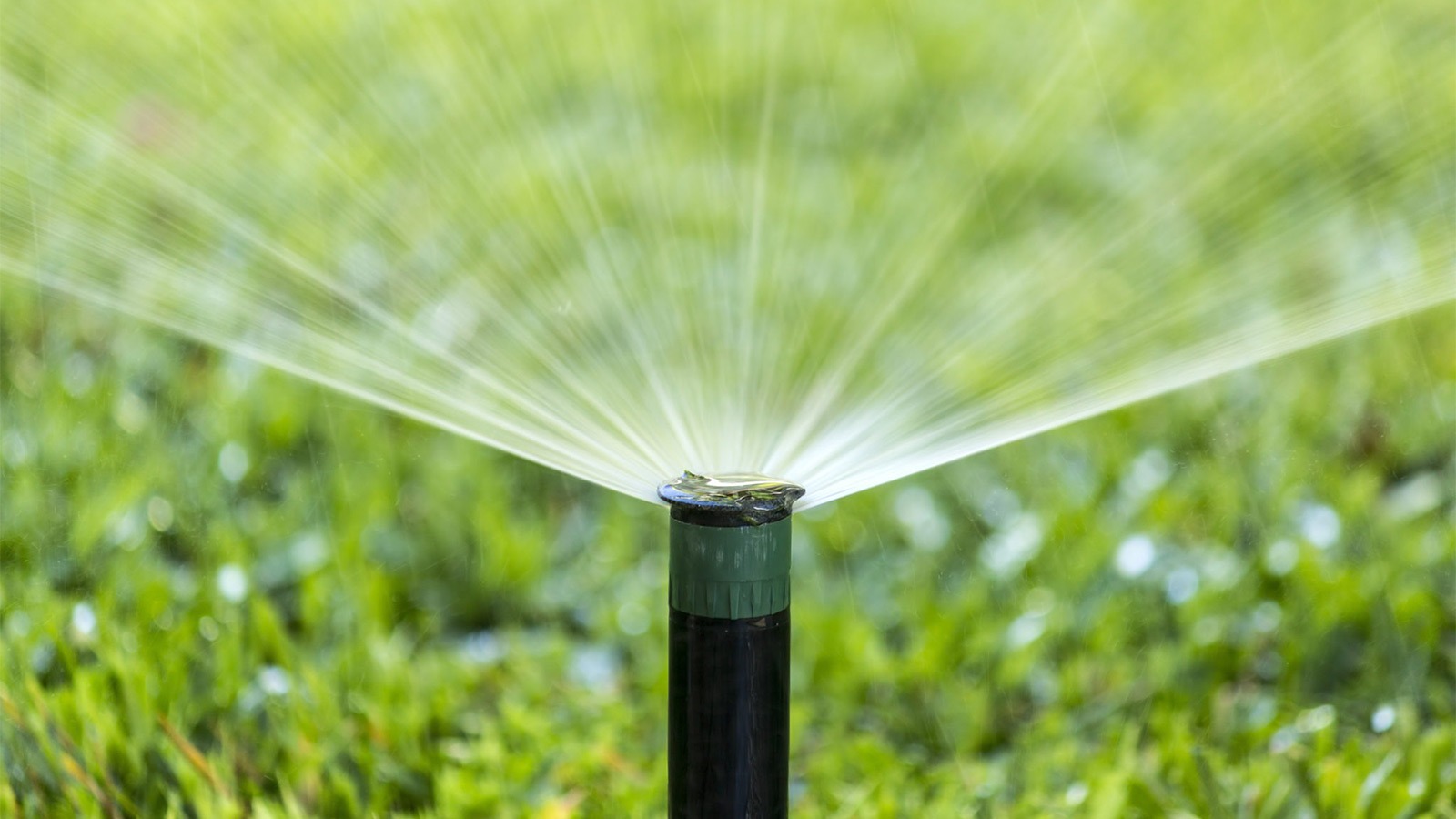
Once active chinch bugs are no longer feeding, surviving St. Augustine needs consistent moisture to spread through its aboveground stolons. The problem most Texas homeowners face is not simply a lack of water but uneven water delivery that leaves dry strips and hot corners where the turf stays stressed even when the system runs on schedule.
Those same dry, heat-stressed areas are exactly where chinch bugs tend to start feeding in the first place.
Start by walking the lawn while the irrigation system runs and looking for broken heads, clogged nozzles, heads that are tilted or partially blocked by overgrown turf, and zones with poor overlap coverage. Even a single stuck head can leave a strip of turf without water for weeks.
Texas A&M’s St. Augustinegrass lawn management guide recommends using catch cans or similar containers placed across the lawn during a normal irrigation cycle to measure both the output rate and the uniformity of coverage across different zones.
After fixing mechanical problems, let turf stress cues guide your watering decisions rather than a fixed schedule. Texas A&M’s chinch-bug fact sheet identifies three reliable drought-stress signals in St. Augustine: leaf blades that begin to curl or fold inward along their edges, a dull bluish-gray color replacing the normal blue-green, and footprints that stay visible in the grass for more than a minute or two because the blades lack the turgidity to spring back.
When two or more of those signs appear, the turf is telling you it needs water.
How much to apply depends on your soil type, current rainfall, temperature, shade, slope, and any local watering restrictions. Sandy soils drain faster and may need shorter, more frequent cycles than clay-heavy soils that hold moisture longer but can become waterlogged.
Texas A&M’s St. Augustine maintenance guidance cautions against frequent shallow watering, which keeps roots near the surface and makes turf more vulnerable during dry spells, and against applying so much water that runoff leaves the lawn before it can soak in. Consistent, moderate coverage that responds to actual turf conditions gives surviving stolons a better environment to spread than either drought or saturation.
Living stolons can fill some damage, but dead turf needs replacement
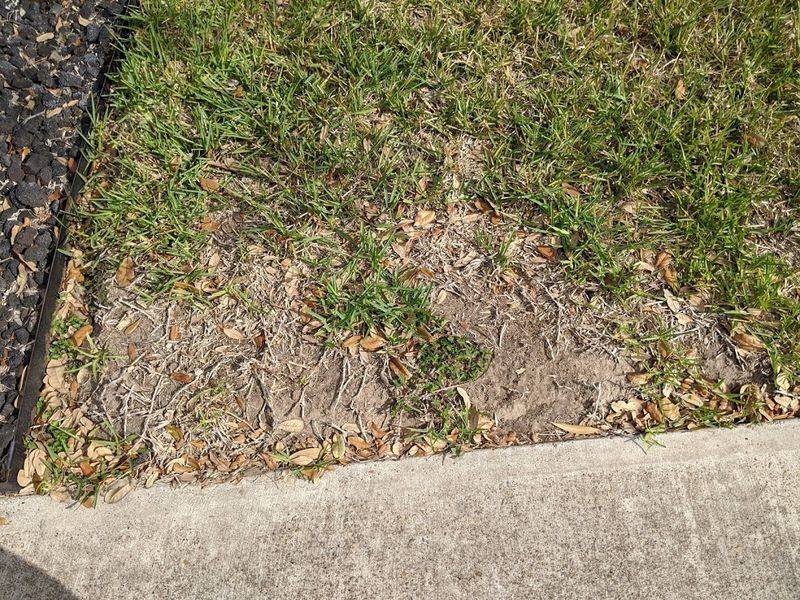
St. Augustine spreads exclusively through aboveground stolons, the horizontal runners that creep across the soil surface and send down roots at each node. When chinch-bug damage has been controlled and moisture is adequate, those surviving runners at the edge of a damaged area can gradually extend into the open space.
Whether that lateral filling happens depends entirely on whether the stolons themselves are still alive.
Kneel at the edge of a damaged patch and look for green runners with firm, flexible stems. Pull one gently and check whether nodes along the stem are still green or tan rather than dried out and brittle.
Green, pliable stolons with intact nodes can still root and spread. Stolons that snap or crumble apart when bent have already died, and no amount of water or fertilizer will revive them.
Those sections will need physical replacement.
For areas where the turf is completely dead and bare, homeowners have three main options: sod, plugs, or sprigs. Sodding gives immediate ground coverage and is the fastest way to close a large bare area, but it costs more than the other methods.
Plugging and sprigging cost less and work well for smaller patches, though they take longer to fill in. Texas A&M’s turfgrass establishment guide notes that 4-inch St. Augustine plugs planted on 2-foot centers can grow together within approximately three months when given adequate water and fertilizer under favorable conditions.
That estimate applies to newly planted plugs in active growing conditions, not to every damaged lawn in every Texas region or season.
University of Florida IFAS guidance on St. Augustinegrass notes that newly planted sod, plugs, and sprigs all need frequent, light irrigation at first to help roots and runners establish contact with the soil, followed by a gradual shift toward less frequent, deeper watering as establishment progresses. Bare areas in the full sun and heat of a Texas summer will need closer attention during establishment than shaded spots with more moderate temperatures.
Matching your replanting method to the size of the bare area and your local growing conditions will give the new turf the best chance to close the gap.
Why excess water and immediate heavy fertilization can create new problems
After seeing brown, stressed grass, the instinct to flood the lawn with water and push recovery with a heavy dose of fertilizer is completely understandable. Both feel like positive action.
The problem is that either one applied too aggressively can create a new set of problems on top of the chinch-bug damage you are already managing.
Excess irrigation does not speed up stolon spread proportionally. Water applied beyond what the soil can absorb runs off the surface, potentially carrying dissolved fertilizer or insecticide residue into storm drains and nearby surface water.
Texas A&M’s chinch-bug fact sheet notes that excess water can contribute to saturated soils, poor thatch decomposition, and disease conditions that further weaken St. Augustine. Keeping irrigation moderate and uniform, rather than heavy and frequent, gives surviving grass a better environment without creating secondary problems.
Fertilizer timing matters just as much as amount. University of Florida IFAS chinch-bug guidance and Texas A&M’s chinch-bug management publication both associate excessive nitrogen with heavier thatch buildup, greater water demand, increased disease risk, and conditions that can favor higher chinch-bug populations.
Applying a heavy nitrogen treatment to stressed turf that is not actively growing does not accelerate recovery; it can push tender, water-demanding growth that the damaged root system cannot support.
Fertilizer applied during active growth, at rates consistent with local extension recommendations and the product label, can support recovering turf as part of a normal program. The key word is normal.
A rescue-dose mentality applied to a lawn that is already under stress tends to compound the problem rather than solve it.
The same caution applies after insecticide treatment. Some granular products require watering in to activate the active ingredient in the thatch layer, while some liquid formulations specifically advise against irrigation immediately after application to avoid washing the product away.
The EPA label for bifenthrin granular products also warns about toxicity to aquatic organisms and instructs users to sweep granules off hard surfaces before watering to prevent runoff. Reading the label for the specific product you are using is not optional – it is the only reliable guide for post-treatment irrigation.
Finally, aggressive raking or scalping is sometimes suggested as a way to clear damaged thatch and encourage spread. Texas A&M’s St. Augustine maintenance guidance describes vertical mowing and scalping as a specialized practice for managing excessive thatch in actively growing turf, not as a general post-infestation recovery step.
On stressed or partially damaged grass, those practices can cause additional injury that sets recovery back further.
Track new growth instead of relying on a promised deadline
Recovery from chinch-bug damage is a process you monitor rather than a deadline you count down to. The most useful thing you can do once control measures are in place is check the lawn regularly and let what you observe guide your next decision rather than assuming a fixed outcome.
Every two weeks or so, revisit the damaged area and look for the same signs you checked during scouting. Confirm that no new chinch-bug activity is visible at the edges of formerly damaged turf.
Look for stolon tips extending into bare or thin areas, which tells you that surviving grass is actively trying to fill the gap. Check that your irrigation is reaching the damaged zone specifically, since sprinkler coverage often falls off at the far edges of a zone.
Texas A&M’s chinch-bug fact sheet recommends inspecting treated areas every three to five days for at least two weeks after treatment to confirm that the infestation has been controlled before assuming recovery can proceed on its own.
How quickly or completely a lawn fills in depends on a combination of factors that vary considerably across Texas. Texas A&M notes that chinch-bug pressure is especially significant in the Gulf Coast region and the southern half of the state, where the warm season is longer and populations can build through multiple generations.
In Central and North Texas, the active growing window is shorter, which affects how much time stolons have to spread before temperatures drop. Cultivar, soil condition, irrigation coverage, infestation severity, and bare-area size all shape the result.
Areas with truly dead turf will need plugs, sprigs, or sod regardless of how well everything else goes. Texas A&M’s lawn management guidance reinforces that a well-executed irrigation audit and consistent, responsive watering support the turf that remains – and that is the most reliable foundation for recovery, not a shortcut or a guaranteed timeline.
The lawn that comes back most completely is usually the one where the pest was confirmed, controlled, and then left with steady, even moisture and realistic expectations.